
Understanding Corporate Video Streaming Solutions
In today’s fast-paced business environment, effective communication and engagement are crucial for maintaining a competitive edge. Corporate video streaming solutions have emerged as vital tools that enable organizations to deliver live and on-demand video content to their audiences both internally and externally. These solutions facilitate seamless transmission of information, ranging from executive addresses and training sessions to product launches and client presentations.
At their core, corporate video streaming platforms allow businesses to broadcast high-quality video content over the internet, ensuring that viewers access the material in real-time or at their convenience. This technology transcends geographic barriers, connecting teams across multiple locations and regions without the need for physical meetings or events. As a result, companies can significantly reduce travel costs, increase the reach of their communications, and foster a more engaged and informed workforce.

Corporate video streaming solutions are versatile and adaptable, integrating into various communication strategies. They serve as platforms for live corporate webinars, virtual conferences, investor meetings, training programs, and marketing campaigns. This adaptability ensures that organizations can address their unique needs while maintaining professional standards in content delivery. Moreover, these platforms often come equipped with features such as audience analytics, interactive chat, and security protocols to enhance engagement and protect sensitive information.
Role of Corporate Video Streaming in Business Communication and Engagement
Effective business communication hinges on clarity, reach, and engagement. Corporate video streaming solutions excel in these areas by providing a reliable medium to disseminate information rapidly and interactively. For internal purposes, they enable companies to deliver critical updates to employees, conduct remote onboarding, and facilitate international training sessions. Externally, these platforms help organizations nurture relationships with clients, stakeholders, and potential customers by offering professional presentations and interactive product showcases.
Additionally, live streaming fosters immediacy and authenticity, allowing viewers to experience events as they happen. This real-time engagement can enhance brand loyalty and build trust through transparent and direct communication channels.
With the increasing adoption of remote work and digital interactions, investing in a robust corporate video streaming solution becomes essential. It ensures that your business stays connected, maintains a strong presence in the market, and adapts seamlessly to evolving communication needs.
Key Features of Effective Streaming Platforms
When selecting a corporate video streaming solution, several core features contribute to platform efficacy and overall user satisfaction. These features ensure that organizations can deliver content seamlessly, securely, and with high engagement levels, tailored to their operational needs.
- Reliability and Uptime: A dependable streaming platform minimizes disruptions by maintaining consistent broadcast quality and uptime. This is crucial for live events, webinars, and urgent corporate communications where uninterrupted access supports professionalism and brand reputation.
- Scalability: As organizations grow, their streaming needs evolve. Effective platforms offer scalable solutions that can accommodate increasing viewers, expanding content libraries, and additional features without compromising performance.
- Security Protocols: Protecting sensitive corporate information is vital. Robust security measures such as encrypted streams, secure access controls, and authentication processes prevent unauthorized viewing and data breaches.
- Customizable User Interface: A user-friendly interface that can be tailored to match corporate branding enhances the viewer experience. Easy navigation promotes higher engagement and simplifies content management for administrators.
- Analytics and Reporting: Integration of comprehensive analytics tools offers insights into viewer behavior, engagement levels, and content effectiveness. These metrics support data-driven decisions to refine future streaming endeavors.
- Interactive Features: Features like live chat, polls, Q&A sessions, and interactive overlays foster active participation. This engagement elevates audience involvement and transforms passive viewership into active dialogue.
- Compatibility and Accessibility: Support for multiple devices and operating systems ensures that content is accessible from desktops, tablets, and smartphones. Accessibility features such as captioning and language selections widen reach and inclusivity.
- Integration Capabilities: The ability to seamlessly connect with existing enterprise systems, such as Customer Relationship Management (CRM) platforms, Learning Management Systems (LMS), or content management systems enhances operational efficiency and content distribution.

Advantages of Implementing Video Streaming in Business
Adopting a professional corporate video streaming solution offers numerous advantages that directly impact operational efficiency, brand perception, and stakeholder engagement. These benefits include:
- Enhanced Internal Communication: Streaming platforms enable rapid dissemination of information, from executive messages to training sessions, fostering a more informed and aligned workforce through consistent messaging accessible across locations.
- Cost Reduction: Virtual events, webinars, and remote training reduce the need for physical venues, travel, and printed materials, resulting in significant savings while expanding reach.
- Global Reach and Inclusivity: High-quality streaming ensures that geographically dispersed teams, clients, and partners can participate in corporate events and presentations without limitations imposed by location or time zones.
- Real-Time Engagement and Feedback: Live streams facilitate immediate interaction through chat and Q&A features, encouraging active participation and swift feedback collection that can inform decision-making.
- Brand Visibility and Leadership: Regular, professionally produced videos reinforce corporate messaging, showcase products and innovations, and elevate brand authority within the industry.
- Data-Driven Insights: Detailed analytics from streaming platforms help analyze viewer engagement metrics, optimize content strategies, and enhance targeted marketing efforts.
- Flexibility and Adaptability: Cloud-based solutions allow organizations to adapt quickly to changing market conditions, hosting multiple simultaneous streams and on-demand content without infrastructure constraints.

Technical Considerations and Best Practices
Implementing a reliable corporate video streaming solution requires careful attention to technical details to ensure seamless delivery, high-quality content, and consistent user experiences. Selecting the appropriate infrastructure and adhering to best practices can significantly impact the effectiveness of your streaming initiatives.
First, bandwidth capacity must be thoroughly evaluated. Sufficient bandwidth ensures that live streams run smoothly without buffering or interruptions, especially during peak viewing times. Organizations should consider scalable solutions that can adapt to fluctuating viewer numbers, utilizing Content Delivery Networks (CDNs) to distribute content efficiently across multiple regions.
Next, encoding and compression settings are critical. High-definition video delivery should be optimized to reduce latency while maintaining visual clarity. Modern streaming platforms offer adaptive bitrate streaming, which dynamically adjusts the video quality based on the viewer’s network conditions, providing a consistently smooth experience.
Security is another paramount aspect. Corporate streams often contain sensitive information, so employing encryption protocols like Secure Sockets Layer (SSL) and Digital Rights Management (DRM) helps prevent unauthorized access or piracy. Authentication measures, such as single sign-on (SSO) and role-based access controls, further secure the viewing environment.
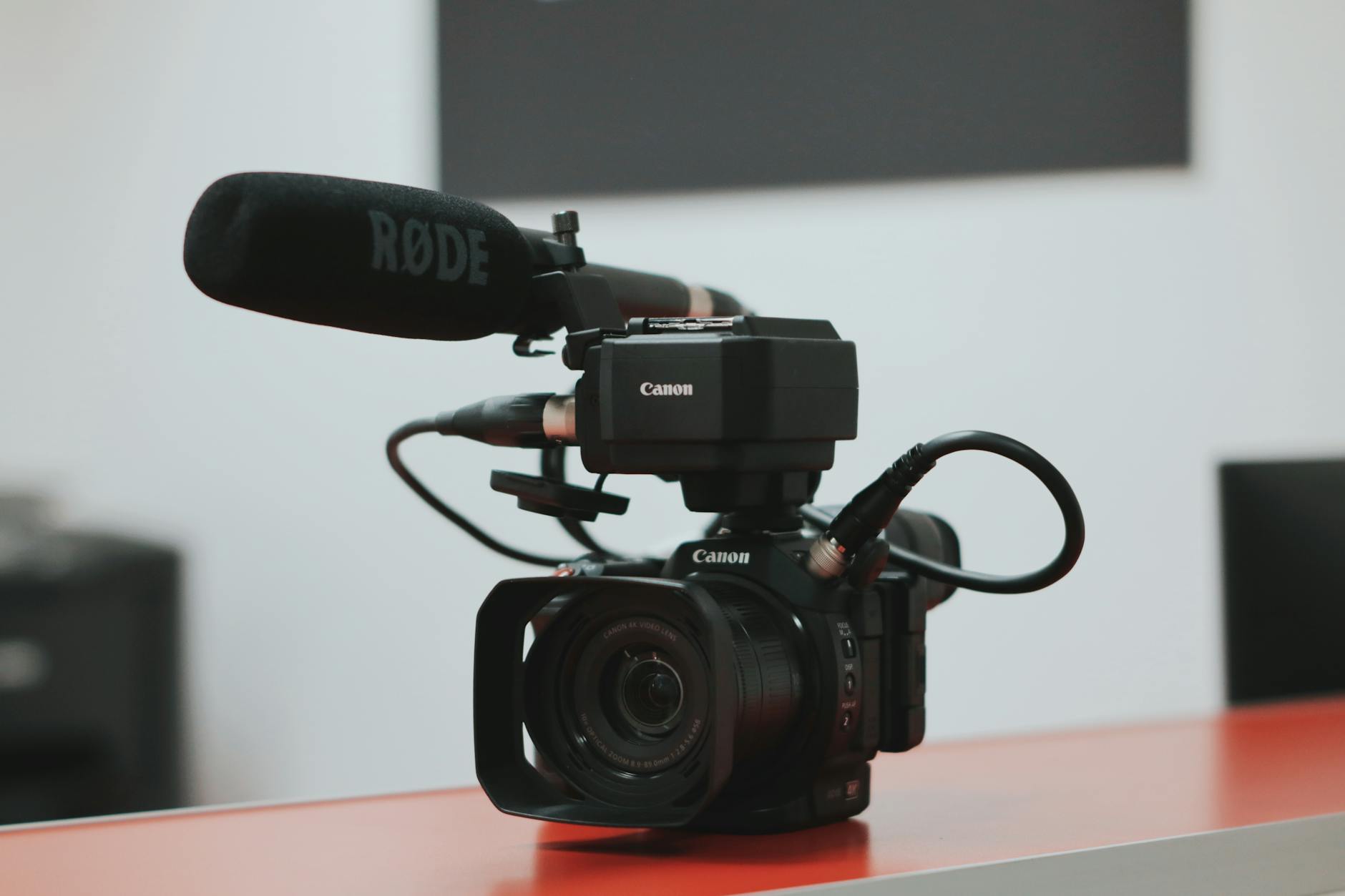
Equipment quality and setup also influence outcomes. High-quality cameras, microphones, and streaming hardware should be used to capture professional-grade visuals and audio. Additionally, reliable streaming software that supports multiple input sources, overlays, and real-time editing can enhance production value.

Technical support and staff training play vital roles in maintaining smooth operations. Regular system checks, troubleshooting protocols, and staff familiarization with the streaming platform contribute to minimizing disruptions during live events.
Finally, conducting dry runs and pilot tests prior to final events allows organizations to identify and resolve potential technical issues. This proactive approach ensures that the actual presentation proceeds without unexpected complications, safeguarding brand image and stakeholder satisfaction.
Technical Considerations and Best Practices
Effective deployment of a corporate video streaming solution requires meticulous planning and adherence to best practices that ensure a seamless and reliable broadcast. Key technical factors include network bandwidth, hardware capabilities, and software configurations. Ensuring sufficient upload and download speeds is critical; organizations should conduct comprehensive network assessments to prevent buffering or disconnections during live streams. Opting for dedicated network connections or prioritizing streaming traffic through Quality of Service (QoS) settings can markedly improve streaming stability.
Hardware setup also plays a vital role. Utilizing professional-grade cameras, microphones, and streaming encoders enhances the production quality, transmitting clear visuals and crisp audio to viewers. Support for multiple input sources, such as presentation slides, live cameras, and remote guests, allows for versatile content delivery. Reliable streaming software should support features like adaptive bitrate streaming, real-time overlays, and multi-platform broadcasting.

Video codecs such as H.264 or H.265 should be selected to balance quality and compression efficiency, aiding in bandwidth management. Additionally, setting up redundant systems and failover mechanisms can reduce the risk of outages. For instance, having backup internet connections and offline recording options ensures content delivery in case of technical failures.
Best practices also extend to post-production workflows. Implementing rigorous content review and quality checks before streaming guarantees that the output aligns with organizational standards. During live events, moderators or technical teams should monitor the stream continuously, ready to troubleshoot issues promptly.
On the security front, encrypted data transmission safeguards corporate communications, especially when disseminating sensitive information. Employing firewalls, VPNs, and secure login practices minimizes exposure to cyber threats. Regular updates and patches to streaming hardware and software further reinforce security and performance.
Incorporating comprehensive staff training is essential to optimize the utilization of streaming tools. This includes familiarizing team members with platform functionalities, troubleshooting common issues, and executing dry runs to identify potential pitfalls. These preparatory steps contribute to a polished and consistent streaming experience.
Implementing Secure and Reliable Streaming Infrastructure
When deploying a corporate video streaming solution, establishing a robust infrastructure is paramount to ensure seamless content delivery. This begins with selecting high-capacity servers capable of handling the peak concurrent viewer load without lag or interruptions. Servers should be geographically positioned to minimize latency, especially when targeting regional audiences in Miami and beyond.
Network stability is a critical factor. Reliable internet connections, possibly incorporating multiple redundant lines, mitigate the risk of service interruptions. These connections should support sufficient upload bandwidth, often recommended to be at least 10 Mbps per 1,000 viewers for HD streaming, though higher bandwidth may be necessary for ultra-high-definition content.
Content security measures are equally vital. Utilizing secure transmission protocols such as Secure Real-Time Messaging Protocol (SRTP) or encrypted HTTPS streams helps safeguard sensitive corporate information. Deploying Virtual Private Networks (VPNs) for internal broadcasting enhances data confidentiality when sharing proprietary content among authorized personnel.
Device compatibility and adaptive streaming technology are also essential. By leveraging protocols like DASH (Dynamic Adaptive Streaming over HTTP) or HLS (HTTP Live Streaming), organizations can automatically adjust video quality based on the viewer’s device and connection speed. This approach maintains a consistent viewing experience across desktops, tablets, and smartphones, which is particularly important in diverse business environments.
Quality of service (QoS) configurations on network hardware should be tailored to prioritize streaming traffic. QoS settings allocate bandwidth efficiently, ensuring that live broadcasts are not degraded even during periods of network congestion. Implementing load balancers distributes streaming demand evenly across servers, preventing overload and maintaining high availability.
Optimizing Content Delivery for Business Effectiveness
Effective corporate streaming isn’t solely about the technical setup; it also involves strategic content optimization. Content should be tailored to the audience’s needs, with clear focus on branding guidelines, messaging clarity, and visual professionalism. High-quality visuals, steady audio, and minimal latency contribute positively to viewer engagement and professional image maintenance.
Pre-production planning is essential to ensure a smooth flow, with rehearsals to iron out technical issues and confirm that all equipment functions correctly. During live events, having dedicated moderators and technical support teams on standby allows swift responses to unforeseen issues, such as audio feedback or connectivity hiccups.
Analytics tools integrated into streaming platforms enable organizations to monitor viewer metrics in real-time. Data on viewer engagement, geographic distribution, and device preferences inform future content and platform adjustments. This continuous feedback loop enhances the strategic value of corporate video initiatives, aligning them more closely with broader marketing and communication goals.
Additionally, implementing on-demand content options alongside live streams caters to diverse viewing schedules, extending the reach of corporate messages beyond real-time broadcasts. Post-event content can be stored in secure, accessible repositories, supporting ongoing training, internal communication, or external marketing efforts.

Technical Considerations and Best Practices
Implementing a robust corporate video streaming solution necessitates meticulous technical planning to ensure seamless delivery and optimal viewer experience. The foundational step involves establishing a reliable internet connection capable of supporting high-quality video transmission, especially during live broadcasts with significant viewer traffic. This often requires dedicated bandwidth resources and network prioritization to prevent latency and buffering issues.
Equipment selection is equally critical. High-definition cameras, professional audio gear, and encoders are essential for capturing and transmitting clear, professional visuals and sound. Streaming encoders translate raw video input into formats suitable for online distribution, and choosing hardware or software encoders depends on the scale and complexity of your streaming needs.
Content delivery networks (CDNs) play a pivotal role in distributing video streams efficiently across various geographic locations. By leveraging CDN infrastructure, organizations can reduce load times, minimize buffering, and enhance overall streaming reliability, regardless of viewer location. Proper CDN integration is especially important for Miami-based companies aiming to reach a diverse regional or international audience.

Security measures should be integrated into the streaming infrastructure to protect content from unauthorized access and piracy. Implementing encryption protocols, secure login procedures, and access controls ensures that sensitive corporate content remains protected during transmission.
Another vital aspect is the platform's scalability. As business needs evolve, the streaming system must accommodate increased viewership without sacrificing quality or performance. Cloud-based solutions often provide the flexibility to scale on demand, making them an attractive option for growing enterprises.
Pre-production testing is indispensable to identify potential issues before going live. Conducting test runs allows teams to verify equipment functionality, assess stream quality, and fine-tune technical settings. During actual broadcasts, dedicated technical support should monitor the stream continuously to address any unforeseen disruptions swiftly.

Post-broadcast analysis utilizing analytics tools can yield valuable insights. Viewer engagement metrics, dropout rates, and geographic data inform ongoing content optimization and technical improvements. This feedback loop enhances future streaming efforts by aligning infrastructure capabilities with audience preferences and expectations.
Adopting these technical considerations and best practices guarantees that corporate streaming efforts are not only professional but also resilient, scalable, and secure—key factors for maintaining a competitive edge in Miami's dynamic business environment.
Technical Considerations and Best Practices
Implementing a successful corporate video streaming solution requires adherence to multiple technical standards and strategic practices. Ensuring a seamless streaming experience involves addressing key factors such as content security, system reliability, and network optimization.
Content Security and Access Management
Protecting sensitive corporate content is paramount. Employing encrypted transmission protocols prevents unauthorized interception during data transfer. Secure login mechanisms, multi-factor authentication, and role-based access controls restrict content viewing to authorized personnel. Digital rights management (DRM) technologies can further prevent unauthorized redistribution or reproduction of streamed material, maintaining control over proprietary information.
System Reliability and Scalability
To support large audiences and dynamic viewing patterns, streaming platforms must be resilient. Cloud infrastructure offers load balancing, redundancy, and automatic failover capabilities, minimizing disruptions. Content delivery networks (CDNs) distribute streams across geographically dispersed servers, reducing latency and buffering issues. This architecture allows organizations to scale efficiently, accommodating growth or unexpected spikes in viewership without compromising quality.
Pre-Production and Live Monitoring
Pre-event testing is critical for identifying and rectifying potential technical issues prior to public exposure. These tests verify equipment functionality, check network bandwidth, and ensure audio and video synchronization. During live broadcasts, dedicated technical support teams continuously monitor streams, ready to address any anomalies such as audio dropouts, video lag, or connectivity interruptions. Employing real-time analytics provides insights into streaming performance and viewer engagement.
Post-Broadcast Analytics and Optimization
Post-event analysis utilizing analytics tools enables crucial data collection. Metrics such as viewer retention, engagement rates, geographic distribution, and dropout points help refine future streaming strategies. Recognizing patterns and technical bottlenecks allows for iterative improvements, enhancing content delivery and viewer experience over time.
Adopting Industry Standards and Protocols
Utilizing established streaming protocols such as HLS (HTTP Live Streaming) or MPEG-DASH ensures compatibility across devices and platforms. These adaptive bitrate streaming protocols dynamically adjust quality based on network conditions, providing smooth playback regardless of viewer connectivity. Additionally, employing modern video codecs like H.264 or HEVC maximizes compression efficiency and video clarity, optimizing bandwidth usage.
Network Optimization and Content Delivery
Optimizing network routes and bandwidth management prevents buffering and latency issues. Prioritizing corporate traffic within network infrastructure and utilizing edge servers through CDNs improves delivery speed. Implementing multicast streaming in internal networks can be advantageous for large, localized audiences, such as employees attending a live company town hall.
Security Measures for Confidential Content
Encrypting streams with SSL/TLS protocols, coupled with secure token authentication, prevents unauthorized access during transmission. Regular security audits and updates further safeguard streaming infrastructure against vulnerabilities. Employing firewalls and intrusion detection systems add additional layers of security for corporate content hosting environments.
Technical Considerations and Best Practices
Implementing a reliable and efficient corporate video streaming solution requires meticulous attention to technical details that ensure high-quality delivery, security, and scalability. Companies must assess their existing infrastructure and determine the necessary upgrades to support live and on-demand streaming, especially when handling large viewerships or sensitive content.
To minimize latency and buffer times, optimizing bandwidth is essential. This involves prioritizing streaming traffic within the corporate network, utilizing Quality of Service (QoS) protocols to allocate sufficient resources for smooth playback. Deploying Content Delivery Networks (CDNs) closer to users helps reduce latency and achieves consistent performance across geographical regions, including Miami's diverse business landscape.
Adopting adaptive bitrate streaming technologies, such as HLS (HTTP Live Streaming) and MPEG-DASH, automatically adjusts video quality according to the viewer's internet connection. This not only enhances user experience but also reduces unnecessary bandwidth consumption. Employing modern codecs like H.264 or HEVC ensures high-quality video at reduced file sizes, which further optimizes streaming efficiency.

Security remains a paramount concern, especially when transmitting confidential or proprietary content. Encryption methods such as SSL/TLS protocols encrypt streams during transmission, safeguarding against interception. Authentication mechanisms, including secure token-based access and single sign-on (SSO), restrict content access to authorized personnel only.
Regular security audits and updates to streaming platforms help identify and mitigate vulnerabilities. Firewalls, Intrusion Detection Systems (IDS), and Virtual Private Networks (VPNs) further reinforce the security perimeter, protecting sensitive corporate data from unauthorized intrusions.
For internal corporate communications, multicast streaming can be highly effective. This approach allows a single data stream to be sent to multiple recipients simultaneously, conserving bandwidth during large-scale events like company-wide meetings or training sessions within Miami’s corporate environments.
Integrating Video Streaming with Business Operations
The seamless integration of streaming platforms with existing business systems enhances operational efficiency and provides a unified communication strategy. This involves synchronizing video content with customer relationship management (CRM) systems, employee portals, and enterprise resource planning (ERP) platforms.
Automation tools can streamline event management, content scheduling, and analytics tracking, providing actionable insights into viewer engagement and content performance. Such integrations enable companies to measure the impact of their streaming initiatives and refine their content delivery strategies accordingly.

Furthermore, incorporating secure access points and single sign-on (SSO) capabilities ensures that content distribution aligns with corporate security policies while simplifying the user experience. This approach reduces friction for employees and external stakeholders, encouraging broader participation in corporate events and disseminations.
Adopting a comprehensive approach that combines technical robustness with strategic integration positions Miami-based companies to leverage the full benefits of corporate video streaming solutions, ultimately enhancing communication, training, and client engagement initiatives.