
Overview of Live Stream Event Services
Live stream event services have become an essential component for hosting modern events that aim to reach a broad audience with real-time engagement. These services enable organizers to broadcast their events live over the internet, allowing viewers from various locations to participate as if they were physically present. In Miami, a bustling hub for corporate events, concerts, conferences, and community gatherings, the demand for professional live streaming solutions continues to grow. This expansion underscores the critical role that live stream event services play in expanding reach, increasing audience interaction, and enhancing the overall event experience.
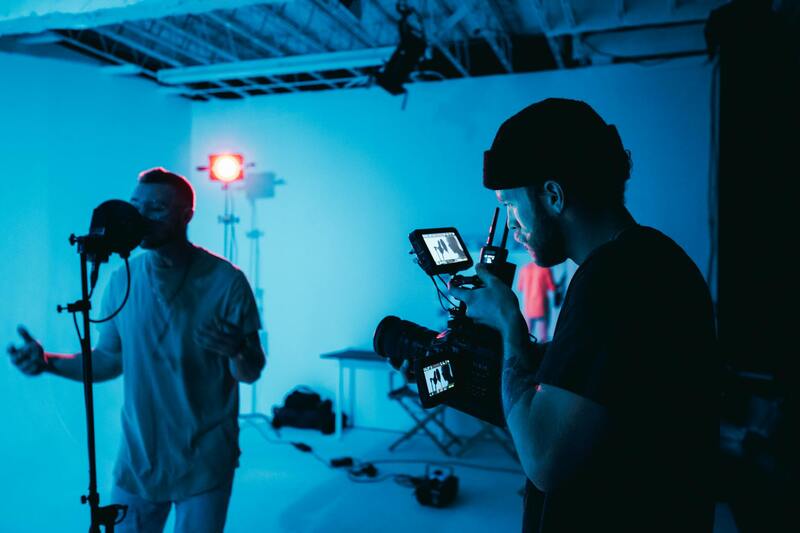
At its core, live streaming involves capturing the event through high-definition cameras, encoding the video content, and transmitting it through the internet to viewers. This process requires advanced technology and expertise to ensure seamless delivery without interruptions. The importance of live stream event services extends beyond mere video broadcasting; it encompasses the integration of audio-visual equipment, skilled technical support, and strategic content management to ensure a polished output that aligns with the event’s objectives.
Furthermore, live streaming affords numerous benefits for event organizers. It offers increased accessibility, enabling participation from viewers who cannot attend in person due to geographical or physical constraints. It also provides invaluable opportunities for engagement through interactive features such as live chat, polls, and Q&A sessions. These features foster a dynamic environment that enhances audience involvement and generates memorable experiences.
In Miami’s diverse cultural landscape, live stream event services support a wide array of event types, including corporate meetings, product launches, academic symposiums, religious gatherings, and entertainment productions. By leveraging cutting-edge technology and professional expertise, these services ensure that every event is delivered with high quality, reliability, and security. The use of live streaming also enables organizations to document events for future reference, marketing, and archival purposes.
Choosing the right live stream event service provider involves careful consideration of technical capabilities, experience, and reputation. A provider with local expertise in Miami can better understand specific logistical requirements and audience expectations, ensuring a smooth broadcasting process from setup to execution. As a result, live stream event services have become a vital resource for entities seeking to elevate their events, connect with wider audiences, and create impactful digital experiences that resonate long after the event concludes.
Key Components of Live Stream Events
Effectively delivering a live stream event requires meticulous attention to several core components that ensure a seamless viewing experience for audiences. These components are fundamental for maintaining high production standards, engaging viewers, and achieving the event’s strategic objectives.
First and foremost, the quality of the video and audio streams is paramount. State-of-the-art cameras, professional audio equipment, and robust encoding hardware work together to provide clear visuals and crisp sound. This ensures viewers feel as though they are part of the live event, maintaining their interest and engagement throughout.
Another critical element is the encoding and streaming platform. The encoder captures and compresses the live video feed into a digital format suitable for transmission over the internet. A reliable platform then distributes this stream to viewers across various devices and bandwidth conditions. Choosing a platform with adaptive streaming capabilities ensures viewers receive the best quality their internet connection can handle, minimizing buffering and interruptions.
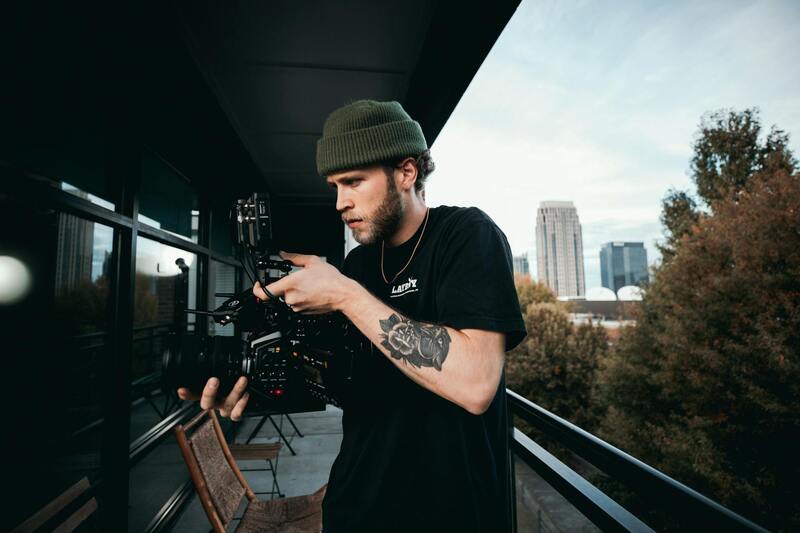
Network stability and bandwidth are often overlooked but are vital for uninterrupted broadcasting. Organizations must ensure they have dedicated high-speed internet connections capable of handling the data load. Backup connections and failover plans are also recommended to prevent disruptions during the event.
Engagement features add significant value to live stream events. Interactive elements such as live chat interfaces, real-time polls, Q&A sessions, and social media integration foster two-way communication. These tools not only enhance the viewer experience but also provide opportunities for feedback and audience participation, making the event more memorable and impactful.
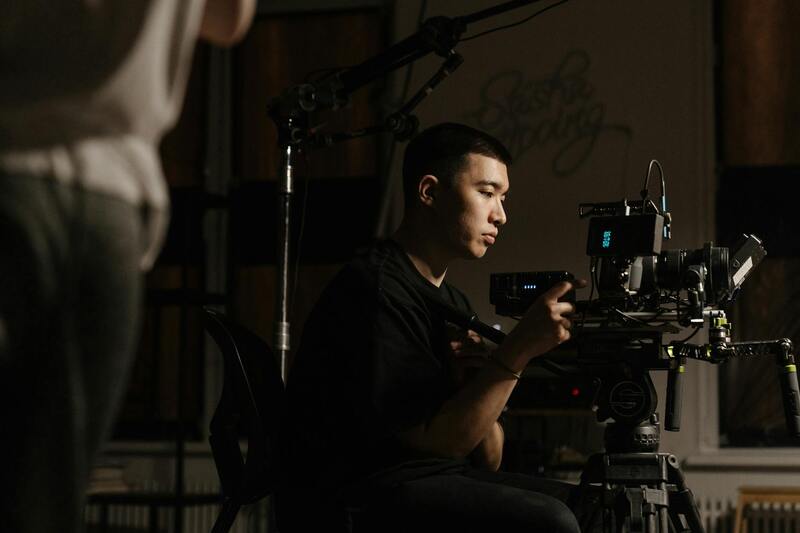
Additionally, comprehensive event management software can streamline the entire broadcasting process. This includes pre-event planning, live production control, audience analytics, and post-event reporting. These tools enable organizers to monitor stream quality, assess viewer metrics, and gather insights to improve future live events.
From a technical perspective, effective live streaming also depends on the synchronization and coordination of various team members, including camera operators, technical directors, and on-air talent. Clear communication and well-rehearsed procedures help prevent technical glitches and ensure a professional presentation.
To seamlessly integrate all these components, a dedicated technical support team is essential. They prepare equipment, conduct test runs, troubleshoot issues in real-time, and ensure the delivery of a polished, professional live stream. This level of preparation minimizes risk and maximizes the quality and reliability of the broadcast.
Key Components of Live Stream Events
Successfully executing a live stream event hinges on the integration of several critical components that work together to provide a seamless and engaging experience for viewers. These components not only determine the quality of the broadcast but also influence audience engagement and overall event impact.
High-Quality Video and Audio
At the core of any live event is the delivery of crisp, clear video footage accompanied by professional-grade audio. High-definition cameras deliver sharp visuals that capture the event’s details, emotion, and atmosphere. Simultaneously, high-quality microphones and audio mixers ensure that spoken words, music, and ambient sounds are captured with clarity, avoiding distortions or muffling. Combining excellent video and audio quality creates an immersive experience that mimics in-person participation and sustains viewer interest.
Streaming Platforms and CDN Integration
Choosing reliable streaming platforms is vital for maximum reach and minimal disruptions. Platforms with extensive Content Delivery Network (CDN) integration help distribute the stream efficiently across various geographies, reducing buffering and latency issues. It’s important to select a platform that supports adaptive bitrate streaming, allowing viewers with different internet speeds to experience the event without sacrificing quality. Compatibility with multiple devices, including desktops, tablets, and smartphones, also ensures broader accessibility.
Production Equipment and Infrastructure
Robust production gear forms the backbone of a professional live streaming setup. This includes high-definition cameras, multi-format video switchers, audio mixers, and encoders that convert raw footage into a streaming format. In addition, backup systems such as redundant internet connections and power supplies are essential to prevent interruptions. A well-organized production environment, with ergonomically arranged controls and clear workflows, contributes significantly to a smooth broadcast.
Pre-Event Technical Checks and Rehearsals
Thorough testing of all hardware, software, and connectivity parameters prior to the event minimizes unexpected technical issues. Rehearsals provide an opportunity to familiarize on-air talent with the equipment, coordinate camera angles, and troubleshoot potential problems. These practice runs are integral to achieving a polished presentation and ensuring that everyone involved understands their roles and responsibilities.
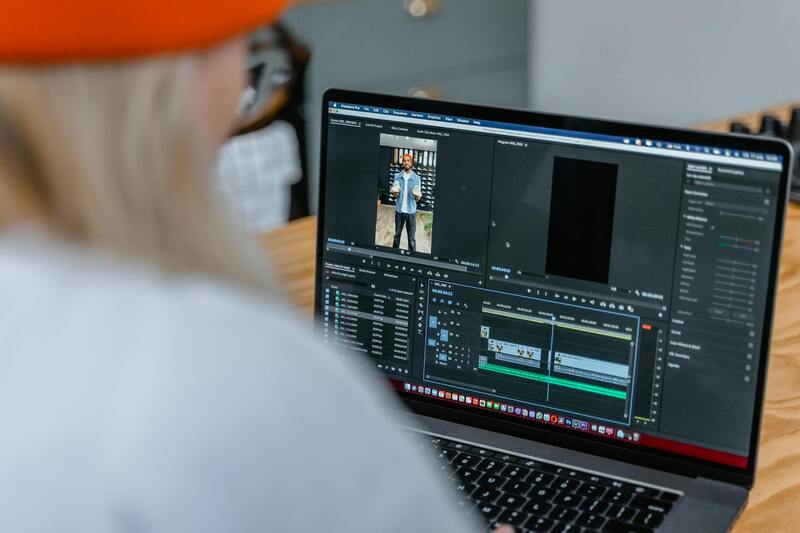
By meticulously assembling these elements, event organizers can create a live broadcast that is not only visually and audibly compelling but also resilient against technical challenges. This comprehensive approach guarantees that the audience remains engaged throughout the event, increasing the value and effectiveness of the live stream as a communication tool.
Technical Setup and Equipment for Live Stream Events
Implementing a successful live stream event requires a comprehensive technical plan that ensures seamless broadcasting. This involves selecting the right equipment that can handle the demands of live transmission without compromising quality. High-definition cameras are critical for capturing clear and engaging visuals, while professional audio equipment guarantees crisp sound, making the experience more immersive for viewers.
Video switchers and multi-format encoders play vital roles in managing live footage, allowing producers to switch between camera angles smoothly and encode the stream into formats compatible with various platforms. These components contribute to a polished presentation, providing flexibility and control over the broadcast. Redundant internet connections and backup power supplies are also fundamental, ensuring the event continues uninterrupted even if primary systems encounter issues.
Beyond hardware, software solutions are essential for real-time streaming management. Encoders and streaming platforms must be configured correctly and tested extensively before the event. These tools enable live editing, overlay graphics, and real-time audience interaction, enhancing viewer engagement and professionalism.
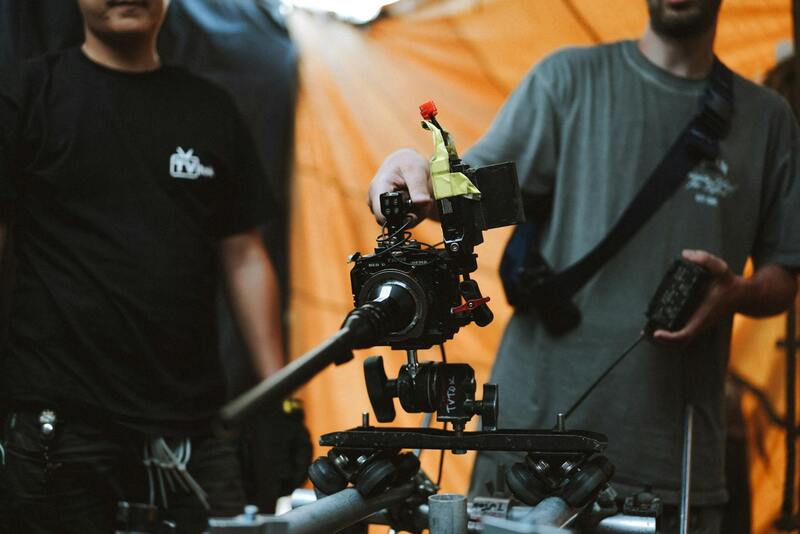
Pre-event rehearsals are indispensable for verifying that all equipment operates correctly under live conditions. Testing connectivity, audio-visual synchronization, and bitrate settings reduces the risk of technical difficulties during the actual event. During rehearsals, on-air talent and technical staff can practice transitions, troubleshoot potential issues, and familiarize themselves with the workflow.
Ensuring a Resilient Live Streaming Infrastructure
Reliable internet connectivity is the cornerstone of any successful live stream event. Multiple internet sources, such as wired broadband and cellular networks, can be aggregated to provide bandwidth redundancy. This setup safeguards against interruptions caused by network failures, particular in high-traffic or unpredictable connectivity environments.
It's equally important to maintain a well-organized control room where equipment can be monitored continuously. Real-time monitoring tools offer insights into stream health, allowing technical teams to address issues proactively before they affect the audience.
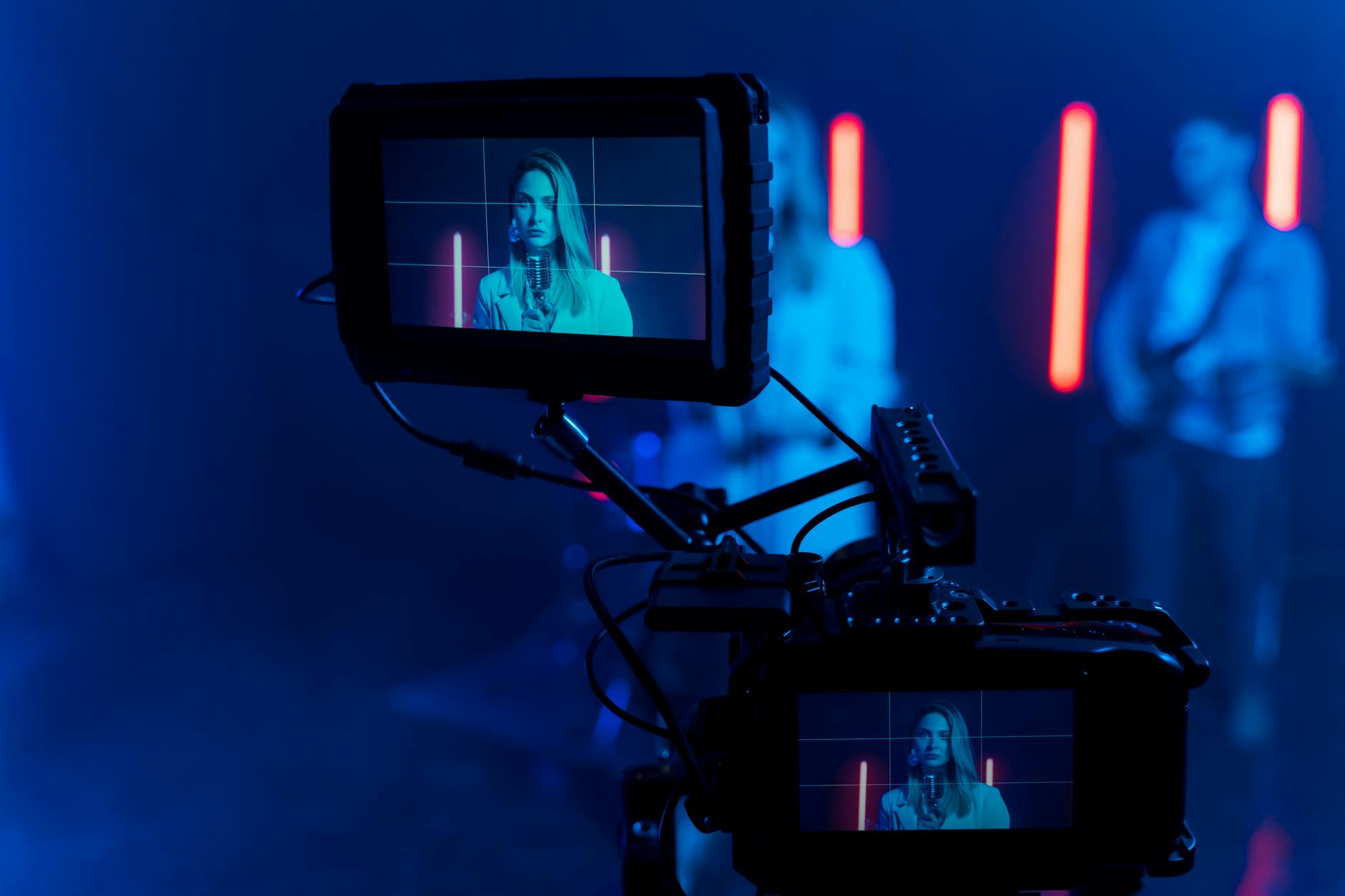
Incorporating backup power sources, such as uninterruptible power supplies (UPS), ensures that equipment remains operational during power fluctuations. Additionally, implementing multi-layered security protocols protects the streaming infrastructure from cyber threats, maintaining the integrity and confidentiality of the broadcast.
Operational Workflow for Live Streaming Events
Effective execution starts with detailed planning, including defining roles and responsibilities for all team members. Camera operators, sound engineers, technical directors, and on-air talent coordinate through pre-established communication channels to ensure smooth transitions and minimal disruptions.
During the event, continuous monitoring of audio, video, and connectivity status allows for immediate adjustments. Post-event, detailed analysis of performance metrics contributes to ongoing improvements and helps identify areas for future enhancement.
Essential Equipment and Setup for Professional Live Streaming
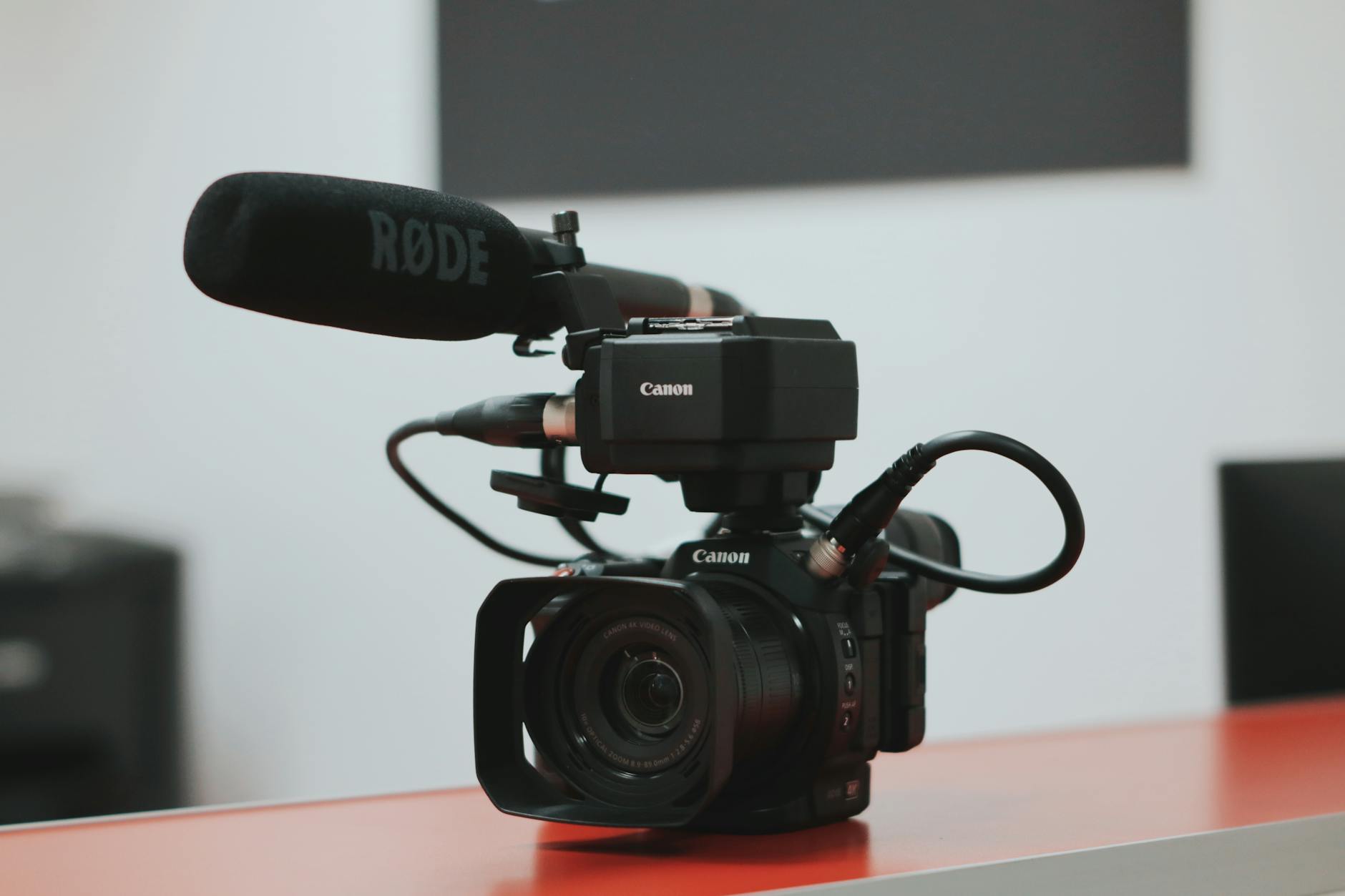
Implementing a successful live stream event requires a comprehensive array of professional-grade equipment that ensures high-quality broadcast performance. At the core, high-definition cameras with multiple angles provide dynamic visuals, enhancing viewer engagement. These cameras often connect to a reliable switching system that allows seamless transitions between shots, adding polish to the production.
Audio quality is equally critical; therefore, professional microphones—such as lavalier, shotgun, and podium mics—are employed alongside audio mixers to balance sound levels and eliminate background noise. Clear, crisp sound complements high-quality video, creating an immersive experience for the audience.
Production control rooms are equipped with robust hardware that integrates video switching, audio mixing, and live graphics overlays. These control centers are often staffed by experienced technical directors who coordinate all visual and sound elements during the event, ensuring real-time adjustments and smooth operation.
 igure>
Network Infrastructure and Connectivity
Reliable network infrastructure underpins successful live streaming, especially for large-scale events with high viewer counts. Multiple redundant internet connections—wired broadband, fiber optics, and cellular networks—are combined through bonding technology to optimize bandwidth and provide failover options. These measures help prevent interruptions and buffering, even during peak traffic.
Low latency connectivity is crucial to ensure synchronization of audio and video feeds. Quality network switches, routers, and firewalls are configured to prioritize streaming traffic, minimizing delays and packet loss. Additionally, hosting streams on Content Delivery Networks (CDNs) distributes content globally with minimal lag, improving accessibility and viewing experience.
Stream Encoding and Optimization
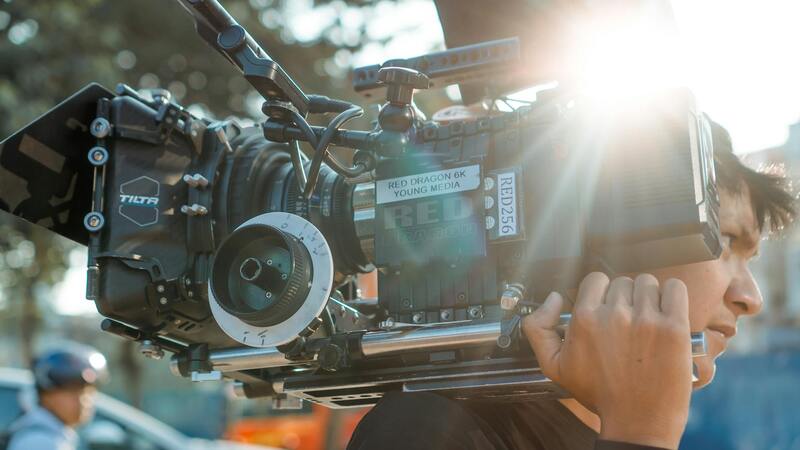
For efficient distribution, streams are encoded using professional software or hardware encoders that compress data without sacrificing quality. Adaptive bitrate streaming allows the stream to adjust dynamically based on viewers’ connection speeds, ensuring smooth playback across all devices and network conditions.
 igure>
On-Site Monitoring and Technical Support
During the event, continuous real-time monitoring of the stream’s health is vital. Video feeds, audio levels, and network performance are tracked using specialized software dashboards. Technical teams can swiftly identify issues such as signal drops, audio distortions, or latency spikes and make immediate adjustments.
Having dedicated technical support available onsite ensures rapid response to unforeseen problems. Backup equipment, such as spare cameras, microphones, power supplies, and network routers, are kept on hand to minimize downtime.
Post-Event Metrics and Data Analysis
After the live stream concludes, analyzing performance metrics helps evaluate the success of the event. Data points include viewer counts, engagement rates, stream stability, and dropout points. These insights enable streaming professionals to fine-tune future broadcasts, implementing improvements in equipment, network configurations, and operational procedures.
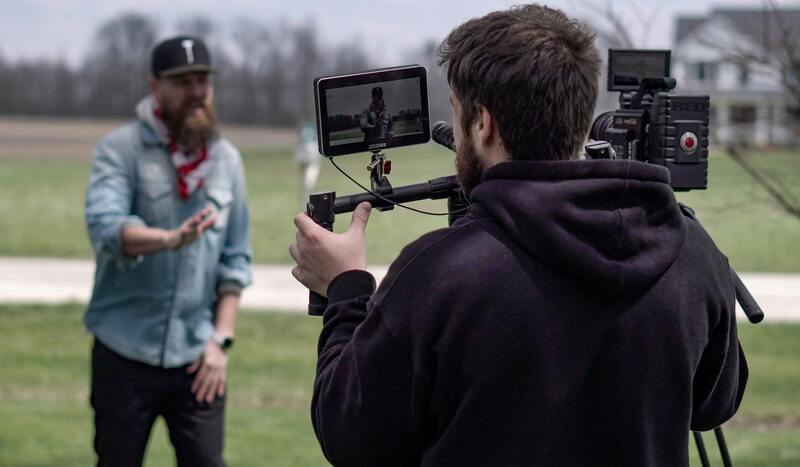 igure>
Legal and Licensing Considerations
Conducting a live stream event involves more than just the technological setup and content production; it also requires careful attention to legal and licensing aspects to ensure compliance and smooth operation. Securing the appropriate permissions and rights for all media elements included in the broadcast is paramount. This includes music, video clips, images, and any proprietary content that may be featured during the event.
When integrating copyrighted material, obtaining clear licenses from rights holders or licensing organizations is essential. This process typically involves identifying the ownership of the content, understanding the scope of use, and acquiring licenses that specify how the material may be broadcast and distributed. Failure to secure proper permissions can result in copyright infringements, takedown notices, or even legal disputes that could jeopardize the event's success.
For organizations hosting live stream events, establishing agreements with content creators and rights holders ahead of time helps mitigate risks. It is advisable to document all licensing arrangements and maintain records of permissions granted. This is particularly important when streaming across multiple regions, as licensing rights may vary based on geographical jurisdictions, requiring additional steps to secure multi-region rights.
In addition to content licensing, event organizers should consider the implications of local laws related to broadcasting, privacy, and data protection. Ensuring compliance with applicable regulations—such as obtaining necessary releases from individuals appearing on camera or providing disclaimers—helps avoid potential legal issues. Consulting with legal experts specializing in media law can provide valuable guidance tailored to specific event requirements.
It's also important to prepare comprehensive terms of service and privacy policies for viewers, especially if interactive features or data collection are involved. These documents should clearly outline how viewer information is handled and what rights users have concerning the content they view or interact with during the live stream.
Legal and Licensing Considerations
Ensuring that all content used in a live stream event complies with relevant legal standards is essential for the smooth execution of your broadcast. Managing copyright, licensing agreements, and privacy regulations requires meticulous planning and adherence to established protocols.
Before initiating a live stream, organizations should conduct a thorough review of their content assets. This includes verifying ownership rights for all media elements such as music, video clips, images, and graphics. Securing clear agreements with rights holders prevents disputes that could disrupt or terminate the event. When using third-party content, explicit licenses should be obtained that specify scope, duration, and territorial rights.
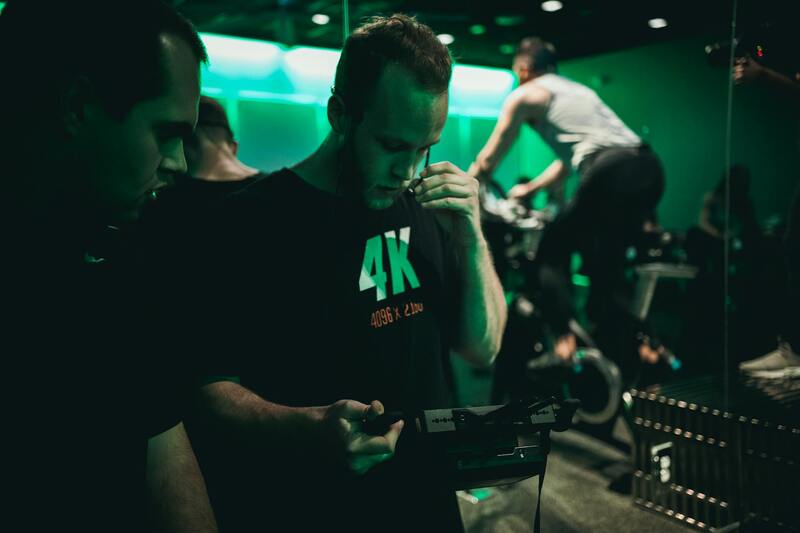
Music licensing presents particular complexities due to the numerous organizations managing performance, mechanical, and synchronization rights. Attaining licenses from performing rights organizations (PROs) ensures the appropriate rights are granted for live music performances during streams. Additionally, using copyrighted music without proper clearance may lead to takedown notices or content strikes.
Data privacy and viewer protection are critical aspects of live streaming in Miami, especially when viewers interact through chat functions, surveys, or registration forms. Complying with data protection laws involves implementing secure data handling practices, providing clear privacy notices, and obtaining user consent where necessary.
- Obtain necessary music and media licenses in advance.
- Draft comprehensive release forms for appearances on camera.
- Implement measures to protect viewer data in accordance with applicable laws.
- Maintain detailed records of all legal agreements and permissions.
By proactively managing these legal considerations, organizers can minimize risks associated with unauthorized content use or privacy breaches, maintaining trust and ensuring uninterrupted event delivery.
Legal and Licensing Considerations for Live Stream Event Services
Ensuring compliance with legal and licensing standards is fundamental when delivering live stream events. This process involves obtaining appropriate permissions and licenses for all content used during the broadcast, including music, video clips, and images. Securing these rights helps avoid interruptions, takedown notices, or potential reputational issues that could arise from unauthorized content use.
One of the primary steps is acquiring licenses from copyright holders or licensing organizations that manage rights for various content types. This includes synchronization licenses for audiovisual works and mechanical licenses for music recordings. When live music performances are part of the event, coordinating with performance rights organizations (PROs) is essential to ensure proper clearance. These organizations oversee the rights for public performances of music, and their licenses grant the right to broadcast music legally during your live event.
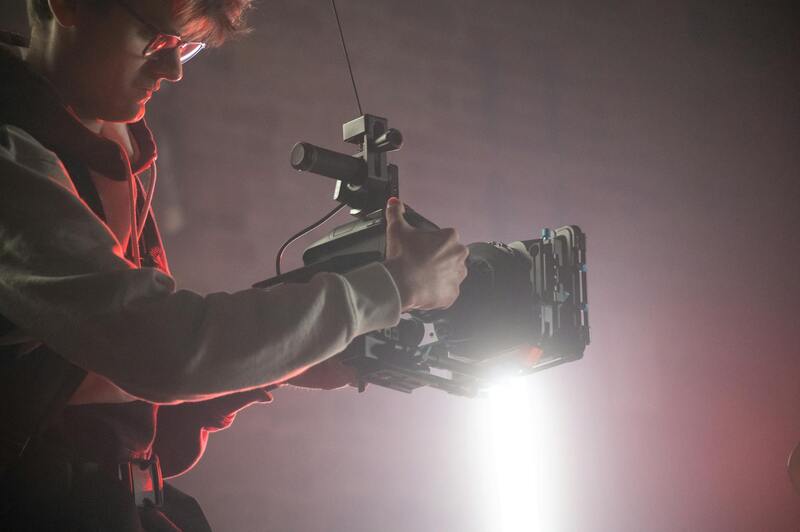
In addition to content licensing, data protection and viewer privacy are critical elements. Platforms handling live streams often collect viewer information through chat functions, registration tools, or interactive surveys. Implementing rigorous data security protocols in compliance with relevant privacy laws helps protect viewer information and maintains public trust.
Prior to the event, organizers should draft detailed release forms for all individuals appearing on camera, ensuring they consent to being filmed and broadcast. These forms should delineate the scope of use, including online distribution and future promotional use, and clarify any personal data collection practices.
Maintaining meticulous records of all legal agreements, licenses, and permissions is vital. This documentation not only demonstrates due diligence but also provides a clear audit trail should questions or issues arise post-event.
Best Practices for Managing Legal and Licensing Requirements
- Identify all content that will be used during the live event, including third-party media, music, and visual elements.
- Secure licenses and permissions well in advance of the broadcast date to avoid last-minute delays.
- Work with legal professionals or licensing experts to navigate complex copyright and licensing landscapes.
- Implement comprehensive data privacy measures aligned with applicable laws, including secure data storage and opt-in procedures.
- Prepare and distribute release forms for all participants and on-camera talent.
- Keep detailed records of all legal agreements, licenses, and permissions related to the event.
Adherence to these practices ensures that live streaming events are legally sound and minimizes risks that could impact the success and reputation of the broadcast. It also helps create a secure environment that respects intellectual property rights and protects viewer data, fostering industry trust and audience confidence.