Understanding the Role of a Live Stream Videographer
In the bustling city of Miami, the demand for high-quality live streaming services has grown exponentially, driven by a diverse range of events, corporate functions, and entertainment productions. Central to the success of these events is the live stream videographer, a professional responsible for capturing, encoding, and transmitting live video content with precision and clarity. These specialists play a pivotal role in ensuring that remote audiences experience the event as if they were physically present, fostering engagement and expanding reach across digital platforms.
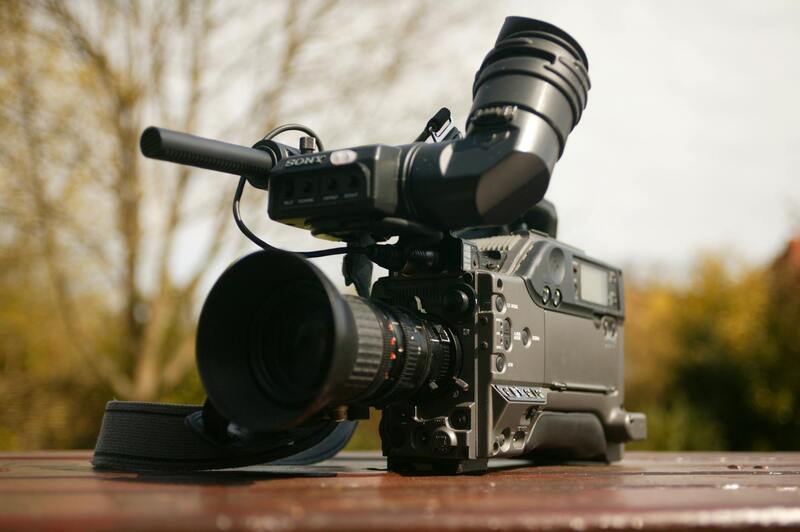
The primary responsibilities of a live stream videographer include operating professional-grade cameras, managing complex streaming equipment, and coordinating with event organizers to determine the best angles and moments to capture. Beyond mere videography, they oversee the entire technical workflow—from setting up the equipment pre-event to troubleshooting on-site issues during the broadcast. Their expertise ensures seamless transmission, minimal latency, and high-quality video output that aligns with the event’s branding and objectives.
In Miami’s vibrant scene, where cultural festivals, corporate seminars, concerts, and religious gatherings are commonplace, a skilled live stream videographer provides a bridge between physical and virtual audiences. Their contributions enable businesses and organizations to extend their reach, engage attendees in real-time, and create impactful digital content. Their role is instrumental in elevating the overall production value, making events accessible to a broader demographic and maximizing exposure.
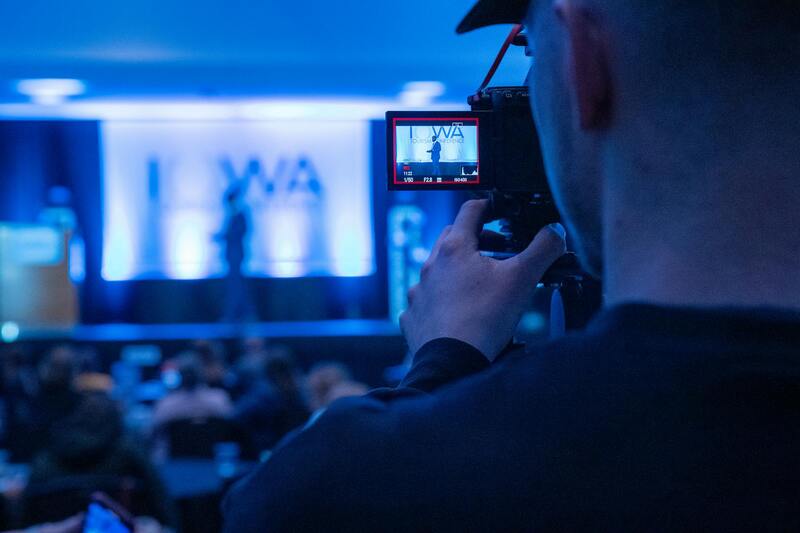
Understanding the significance of this role highlights why choosing the right live stream videographer is crucial for event success. Their expertise directly influences viewer experience, technical reliability, and the overall professionalism of the broadcast. As live streaming continues to evolve, the demand for knowledgeable videographers equipped with both technical skills and creative vision will only increase, making this a vital service for any organization looking to make a lasting digital impression in Miami.
Understanding the Role of a Live Stream Videographer
A live stream videographer plays a pivotal role in transforming physical events into dynamic digital experiences. Their responsibilities extend beyond simply recording footage; they are entrusted with the technical orchestration of the entire broadcast process. This includes setting up sophisticated equipment such as professional cameras, switchers, audio mixers, and encoders well before the event begins to ensure optimal placement and quality control.
During the event, the videographer monitors multiple audio-visual feeds, seamlessly switching between camera angles to maintain viewer engagement and highlight key moments. They are also tasked with troubleshooting any on-site technical issues that could compromise the broadcast’s integrity, such as connectivity disruptions, equipment malfunction, or audio problems. The goal is to deliver a fluid, uninterrupted live stream that captures the essence of the event while adhering to the branding standards and visual narrative desired by the client.
In Miami’s diverse event landscape, this role becomes increasingly vital. From large-scale festivals to niche cultural gatherings, a skilled videographer ensures the virtual audience experiences the event as vividly as those attending in person. Their work elevates event production quality, making the experience accessible and engaging across digital platforms. It also allows event organizers to reach broader demographics, including remote participants, stakeholders, and online viewers, thereby extending the event’s overall impact.
Understanding how critical their role is underscores the importance of selecting a live stream videographer with a keen eye for detail, technical proficiency, and adaptable problem-solving skills. These professionals meticulously manage the entire technical workflow, providing a seamless connection between the physical and digital worlds and contributing significantly to event success.
Understanding the Critical Aspects of Live Stream Technical Setup
Effective live streaming at events requires meticulous attention to the technical setup to ensure a high-quality broadcast that meets the expectations of both organizers and virtual viewers. This process begins with a comprehensive assessment of the event space, which involves evaluating the venue's internet connectivity, lighting conditions, and acoustics. A knowledgeable videographer will conduct site surveys ahead of time to identify potential challenges and plan solutions accordingly.
One of the foundational elements of a successful live stream is robust internet connectivity. A live stream videographer will typically use dedicated, high-bandwidth internet sources, often incorporating backup options such as cellular data connections or dedicated wireless networks. This redundancy safeguards against potential disruptions caused by network issues, minimizing the likelihood of broadcast interruptions.
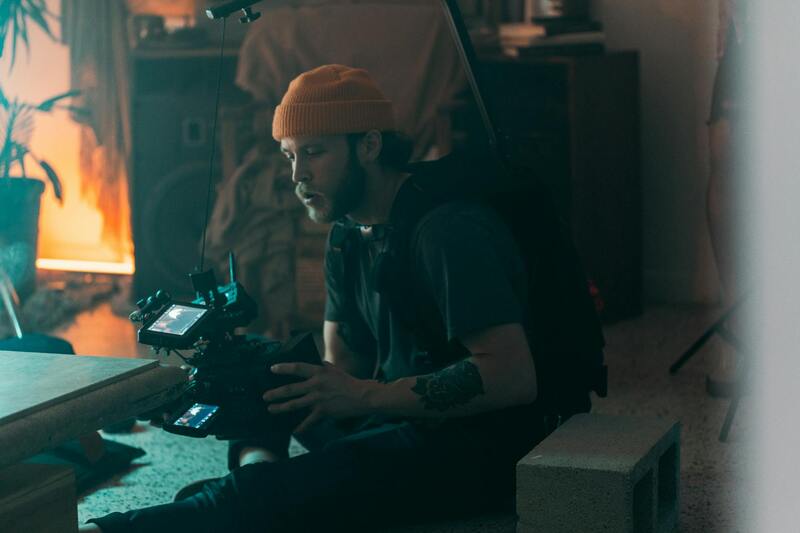
Beyond connectivity, the selection and arrangement of professional-grade cameras are crucial. Multiple camera angles—such as wide shots, close-ups, and overlay visuals—are coordinated by a live stream videographer to enhance viewer engagement. High-definition video capture ensures visual clarity, while stabilizers and tripods provide steady footage throughout dynamic event environments.
Audio quality significantly impacts the viewer experience. Live stream videographers employ a range of microphones tailored to the event type—lapel mics for speakers, boom mics for ambiance, or direct line-in microphones for instruments or presentations. Proper audio mixing equipment combined with real-time sound calibration helps maintain clear, balanced sound that complements the visual content.
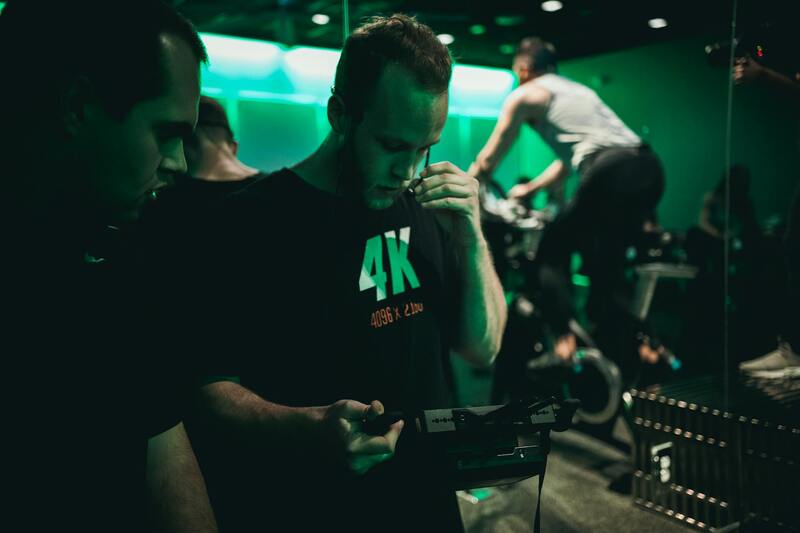
Furthermore, the setup includes encoding hardware or software that converts raw footage into broadcast-ready streams. This process involves selecting appropriate streaming platforms and configurations — such as resolution, bitrate, and encoding format — aligned with the event’s scale and audience expectations.
Connectivity and equipment are complemented by on-site technical personnel, including a dedicated team of operators who monitor the real-time performance of livestreams. Their roles encompass managing camera switches, audio levels, and streaming quality, as well as responding swiftly to any unforeseen issues that may arise during the event.
Pre-event rehearsals and detailed run-throughs are indispensable to identify and address potential technical problems beforehand. These sessions typically involve testing all equipment, verifying internet stability, and fine-tuning camera angles and audio mixes to ensure smooth execution during the live event.
Understanding the Role of a Live Stream Videographer
A live stream videographer specializes in capturing live events and transmitting high-quality video content to audiences in real-time via the internet. Their responsibilities extend beyond mere filming; they are responsible for the technical setup, operation of professional equipment, and seamless delivery of the live broadcast. This role demands a combination of artistic vision, technical expertise, and logistical coordination to ensure every aspect of the event is accurately represented and accessible to viewers.
Effective live stream videographers possess a comprehensive understanding of framing, camera movements, and lighting conditions to maximize visual clarity. They operate multiple cameras, often utilizing switchers and live editing techniques to provide dynamic coverage, ensuring the audience receives a captivating and professional viewing experience. This coverage often includes capturing close-ups, wide shots, and audience reactions to convey the event’s atmosphere effectively.
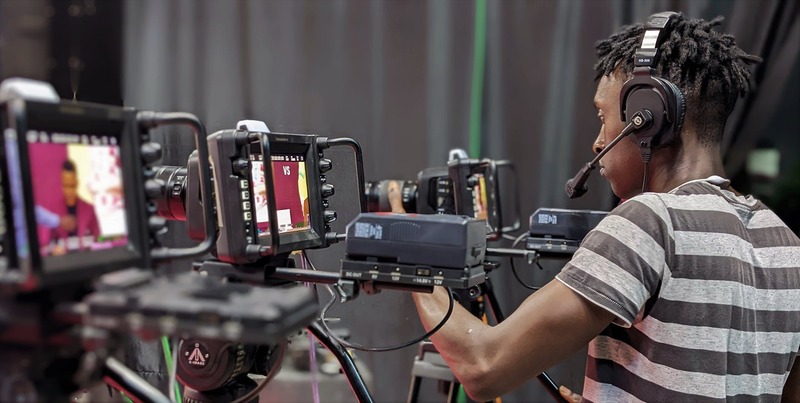
Beyond the camera work, a live stream videographer must have the technical acumen to manage streaming hardware and software. This includes setting up encoding devices, configuring streaming platforms, and troubleshooting connectivity issues that could disrupt the broadcast. They coordinate closely with event organizers and technical teams to synchronize their efforts and ensure the event runs smoothly from a technical perspective.
In addition, the videographer ensures that audio and video elements are synchronized and that the stream’s visual quality conforms to the desired standards. They continuously monitor streaming performance and bandwidth to prevent buffering or interruptions, making real-time adjustments as needed. Their role culminates in delivering a consistent, engaging experience that accurately reflects the live event, fostering an interactive connection between the audience and the occasion.
Key Skills and Equipment Needed
An effective live stream videographer in Miami relies on a specialized skill set and top-tier equipment. Technical proficiency in operating professional-grade cameras, video switchers, and audio mixers is fundamental. They should also be adept at managing live encoding software, internet streaming protocols, and troubleshooting unforeseen technical challenges swiftly.
Vital equipment includes:
- High-definition cameras with multiple lenses for varied shot compositions
- Video switchers to seamlessly transition between camera angles
- Wireless microphones, lapel mics, and audio mixers for superior sound quality
- Encoding hardware or software to convert footage into a streamable format
- Reliable internet connectivity, with backup options such as bonded cellular data
- Monitors and control panels for live preview and editing
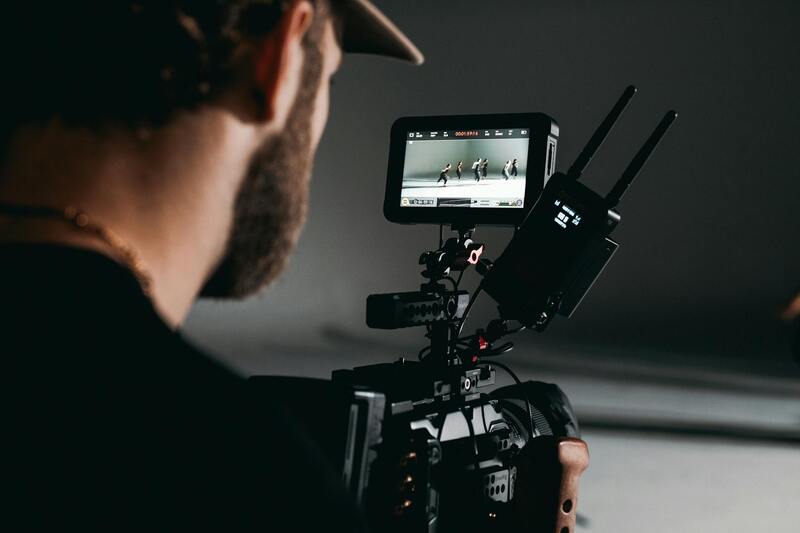
Furthermore, mastery over editing software and streaming platforms enhances the dynamic presentation of content. A skilled videographer anticipates potential technical issues, such as connectivity disruptions or equipment failures, and prepares contingency plans to mitigate their impact. Continual training on emerging technology and industry best practices ensures they remain proficient in delivering high-quality live streaming services.
Types of Events Suitable for Live Streaming
Live stream videographers are equipped to handle a diverse range of event types, each requiring tailored technical approaches. These include corporate conferences, concerts, religious services, sports competitions, and educational seminars. The ability to adapt to different environments and event scales makes a professional videographer a critical asset for any event organizer seeking to extend their reach through live broadcasting.
Events with large audiences benefit from immersive experiences that engage viewers across multiple platforms. Smaller, intimate events also gain value from professional live streaming by offering remote participation options or documenting significant moments for future content use. The flexibility and expertise of a live stream videographer ensure that each event is captured with precision and delivered with clarity, enhancing audience engagement and event impact.
Understanding the Role of a Live Stream Videographer
A live stream videographer serves as a pivotal figure in ensuring that an event’s visual content is captured, managed, and broadcasted flawlessly. Their responsibilities extend beyond mere filming; they orchestrate the technical and artistic aspects of a live broadcast, working to create an immersive experience for viewers watching remotely. This role involves a comprehensive understanding of camera operation, lighting, audio integration, and real-time switching between multiple video sources to produce a coherent and engaging broadcast. The videographer’s expertise also encompasses the management of streaming platforms, ensuring stable connectivity and optimal video quality. They must quickly troubleshoot or adapt when encountering disruptions, such as poor internet connections or equipment malfunctions. As part of their strategic responsibilities, they collaborate with event organizers to understand the event’s goals, determine the best visual angles, and ensure that all technical elements align seamlessly. In essence, a professional live stream videographer is both an artist and a technician. They craft a live viewing experience that reflects the event’s tone and importance while navigating the complexities of real-time production. Their role is crucial in extending an event’s reach, capturing key moments, and providing high-quality content that can later be utilized for promotional purposes, archival records, or social media engagement.
Key Skills and Equipment Needed
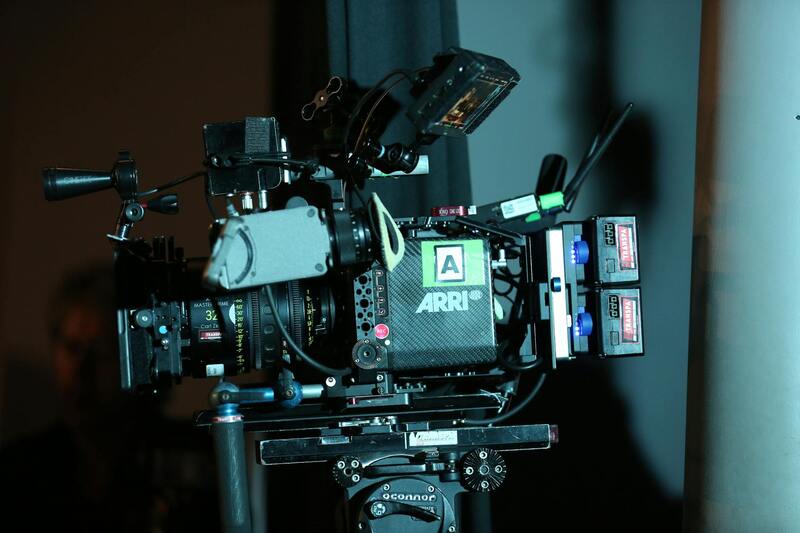
Success in live streaming hinges on a combination of technical proficiency and keen artistic judgment. A live stream videographer must possess advanced camera operation skills, including precise framing, focus, and movement to capture dynamic event scenes effectively. Audio management is equally vital; clear sound quality depends on quality microphones and sound mixing equipment to minimize background noise and feedback. Equipment choices significantly influence the production quality. Essential tools include high-definition cameras, professional-grade microphones, multi-view switching consoles, and portable streaming encoders. These tools enable seamless transitions between video sources, overlays, and graphics, enhancing the viewer’s experience. Furthermore, the videographer should be well-versed in using streaming software and platforms such as OBS, Wirecast, or vMix. This knowledge allows them to efficiently manage live feeds, incorporate visual effects, and troubleshoot streaming issues on the fly. Quality assurance also involves preparing necessary backups—spare cables, additional cameras, and secondary internet connections—to address unforeseen technical challenges. Possessing strong communication skills and the ability to coordinate with event staff elevate the videographer’s effectiveness. Pre-event planning sessions help clarify the event’s visual goals, stage setup, and timing, ensuring that the on-site technical execution aligns with the broader production strategy.
Types of Events Suitable for Live Streaming
Different event formats benefit from tailored live streaming solutions, with each requiring specific technical considerations and production styles. Corporate events—including seminars, product launches, and annual meetings—demand a polished presentation with multiple camera angles, synchronized audio, and real-time graphics to communicate professionalism and clarity. Concerts, theater performances, and religious gatherings often require high-capacity streaming setups to handle large audiences and complex staging. These events benefit from multi-camera coverage, high-quality audio feeds, and dynamic switching to capture the atmosphere and energy. Educational seminars, workshops, and panel discussions can reach broader audiences through live streaming, enabling participants from remote locations to engage interactively. Here, a focus on clear visuals and integrated presentation screens enhances understanding and keeps viewers engaged. Sports competitions, whether amateur or professional, demand fast-paced filming and minimal latency to relay live action without delay. This necessitates specialized equipment, such as multiple tactical cameras, stable internet connections, and on-site technical support. Smaller, more intimate gatherings—such as wedding ceremonies or private celebrations—also find value in professional live streaming, offering remote guests a chance to witness special moments with clarity. Such events benefit from personalized camera work and discrete setup to preserve the event's ambiance. The versatility of a live stream videographer ensures that each event type is delivered with visual precision, ensuring remote viewers experience the event as if they were onsite, thus expanding reach and engagement across diverse audiences.
On-Site Live Streaming Execution
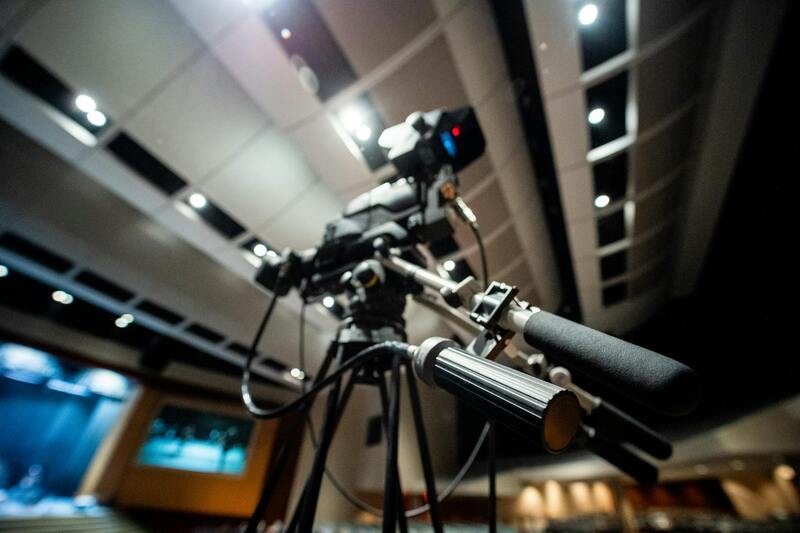
Executing an on-site live stream involves meticulous coordination between the videographer, technical team, and event organizers to ensure seamless broadcasting. The process begins with setting up multiple camera angles to capture various perspectives, such as wide shots, close-ups, and audience reactions, providing a comprehensive viewing experience for remote viewers. Proper camera operation requires a skilled videographer who can smoothly switch between feeds, maintain focus, and adapt to dynamic event environments.
Technical support plays a pivotal role during the live broadcast. A reliable internet connection, preferably wired to minimize latency, is essential for uninterrupted streaming. Additionally, bandwidth considerations should be addressed beforehand to prevent buffering or lagging issues. The live stream operator monitors the feed continuously, troubleshooting any issues related to audio feed, video quality, or connectivity disruptions promptly.
Coordination extends to audio management as well, ensuring that microphones and sound systems are functioning optimally. Clear audio quality is critical, especially for speeches, performances, or interviews. The videographer or an audio technician manages the sound levels, mixes, and synchronizes audio with video feeds.
During the broadcast, real-time issues such as equipment glitches or connectivity hiccups may occur. Having backup solutions, such as additional cameras, portable internet sources, and redundant power supplies, mitigates potential problems. The ultimate goal is to maintain a professional, distraction-free stream that accurately conveys the atmosphere and content of the event.
Post-production activities, although limited for live content, involve reviewing the quality of the stream, archiving the footage for future use, and gathering feedback for improvement. A skilled live stream videographer ensures each event is broadcast flawlessly, elevating the professionalism and reach of any occasion.
Understanding the Role of a Live Stream Videographer
A live stream videographer serves as the pivotal person responsible for capturing, managing, and broadcasting live video content during various events. Their expertise ensures that the footage delivered to viewers is of high quality, visually engaging, and seamlessly synchronized with audio. This role extends beyond mere filming; it involves a comprehensive understanding of broadcasting technology, real-time problem-solving, and the ability to adapt to changing conditions on-site. The videographer works closely with event organizers, technical crews, and production teams to execute a broadcast that meets the event’s objectives and audience expectations.
In practice, a live stream videographer oversees multiple technical aspects including camera operation, switching between different video feeds, managing audio inputs, and integrating graphics or overlays if necessary. They monitor all signals to minimize latency and ensure consistency throughout the event. A knowledgeable videographer has the capacity to troubleshoot issues swiftly—be it connectivity disruptions or equipment failures—thereby maintaining the integrity of the live stream. Their proficiency directly impacts how viewers experience the event, making their role crucial for webinars, concerts, corporate meetings, or sporting events.
Key Skills and Equipment Needed
Exceptional technical skills form the foundation of a professional live stream videographer. These include proficiency in operating various camera models, familiarity with broadcasting software, and understanding of networking hardware. Strong communication skills are equally important, as they coordinate with other technical personnel and liaise with clients to adapt the stream according to event needs. Additionally, a keen eye for composition ensures visually compelling footage, while an understanding of lighting conditions helps optimize image clarity in diverse environments.
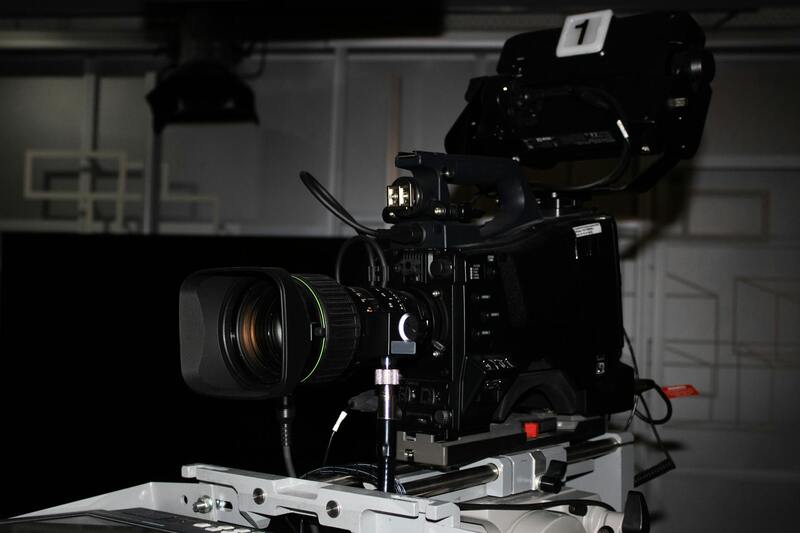
- Multiple high-definition cameras suitable for different angles
- Reliable streaming hardware such as encoders and switchers
- Quality microphones and sound mixing equipment
- Robust internet connectivity solutions, including wired connections and backup options
- Broadcasting software to manage live feeds and overlays
Types of Events Suitable for Live Streaming
Numerous events benefit from live streaming, expanding their reach beyond physical attendees. Corporate conferences and seminars are often broadcast live to engage remote employees, stakeholders, and clients. Weddings and personal celebrations leverage live video to include loved ones unable to attend in person, fostering a sense of connection. Live streaming is also ideal for concerts, theater performances, and sports competitions where real-time audience interaction enhances the experience. Educational seminars, religious services, and community events similarly utilize live broadcasts to disseminate information broadly and inclusively.
Choosing the Right Live Stream Videographer in Miami
Selecting an experienced live stream videographer involves evaluating their technical expertise, event portfolio, and client testimonials. Professionals based in Miami often possess in-depth knowledge of local venues and technical requirements unique to the area. When assessing potential videographers, consider their equipment quality, their ability to customize solutions for specific event types, and their capacity to operate under tight schedules. Clear communication and a detailed proposal outlining the scope of services, contingency plans, and pricing are also vital aspects when making a selection.
Planning and Pre-Production Considerations
Effective live streaming starts long before the event itself. Pre-production planning involves detailed coordination with clients to understand the event's structure, agenda, and technical needs. Location scouting ensures the videographer assesses lighting, space constraints, and available power sources. A comprehensive technical plan addresses camera placement, audio considerations, internet requirements, and backup solutions. Permits or access arrangements are secured ahead of time for venues with restrictions. Additionally, establishing a communication plan among all technical personnel promotes smooth execution and quick troubleshooting during the live event.
On-Site Live Streaming Execution
During on-site execution, the live stream videographer manages all technical aspects meticulously. This includes setting up cameras, audio systems, and streaming hardware in advance. Continuous monitoring during the event allows real-time adjustments to camera angles, audio levels, and graphics to maintain a professional presentation. Coordinating with other crew members, such as audio technicians or switching operators, ensures a cohesive broadcast. In case of technical issues, swift problem-solving minimizes disruptions and preserves the viewer experience. The ultimate goal is to produce a seamless, engaging live presentation that accurately reflects the event’s atmosphere and content.
Understanding the Role of a Live Stream Videographer
A live stream videographer plays a critical role in capturing and broadcasting events in real-time, ensuring that audiences receive a high-quality visual and audio experience. Their responsibilities span from the initial planning stages through on-site execution and post-event content delivery. They are skilled professionals who understand how to translate a physical event into an engaging digital experience, many times managing multiple cameras, sophisticated audio setups, and reliable streaming equipment simultaneously.
To fulfill their duties effectively, live stream videographers must possess an in-depth knowledge of various broadcasting technologies, including hardware and software solutions. They are tasked with creating a seamless, professional presentation that aligns with the event’s objectives and audience expectations. This involves selecting appropriate camera angles, managing live audio feeds, integrating graphics, and maintaining a stable internet connection to prevent interruptions. Their work also involves troubleshooting any technical issues promptly, maintaining the integrity of the broadcast, and ensuring the synchronized delivery of content.
Moreover, a proficient live stream videographer collaborates closely with clients during the planning phase, understanding the event’s flow, key moments, and desired outcomes. They coordinate with event organizers to optimize camera placements, prepare backup plans for potential technical failures, and configure necessary equipment tailored to unique venue conditions. Their expertise ensures that every aspect of the live broadcast runs efficiently, producing a compelling viewing experience for remote audiences.
Key Skills and Equipment Needed
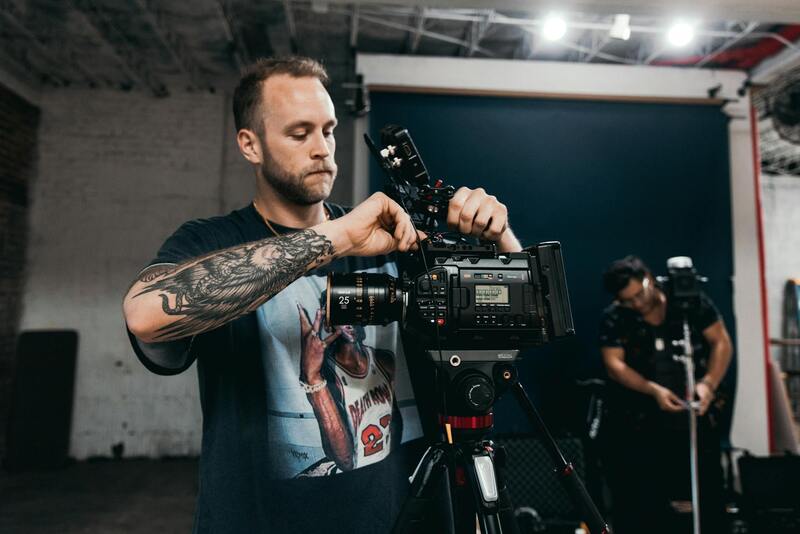
Success as a live stream videographer depends heavily on a diverse set of technical and soft skills. They need to be adept at operating various camera rigs, audio mixing consoles, and streaming hardware, often under tight time constraints. Strong understanding of live broadcasting software, such as encoders and switchers, is essential for managing multiple video sources and integrating graphics or overlays seamlessly.
Additionally, excellent problem-solving skills are crucial; technical failures can occur unexpectedly, and a videographer must troubleshoot effectively to keep the broadcast running smoothly. Attention to detail, adaptability, and the ability to work under pressure constantly contribute to delivering high-quality streams.
Equipment requirements include multiple high-definition cameras, professional microphones, audio mixers, streaming encoders, and stable internet connectivity solutions. Additionally, backup power supplies and redundant streaming options are advisable to prevent interruptions. A skilled videographer also uses monitoring tools to oversee the live feed, making critical adjustments in real-time for maintaining optimal quality throughout the transmission.
Types of Events Suitable for Live Streaming
Many events across different sectors benefit significantly from live streaming, offering wider reach and immediacy. Corporate meetings, product launches, and training seminars are common examples where real-time broadcast enhances audience engagement and facilitates remote participation. Conferences and panel discussions can be expanded virtually, allowing participants and viewers from anywhere in the world to join seamlessly.
Educational institutions often leverage live streaming for lectures, graduations, and athletic events, enabling students and families to participate remotely. Religious services and community events also utilize live broadcasting to foster inclusivity and community connection.
Social events, such as weddings, parties, and performances, are increasingly being live streamed to involve loved ones who cannot attend in person. Additionally, sports events, concerts, and festivals gain viewers through professional live streaming, capturing the atmosphere and excitement in real-time. Each event type requires tailored technical setups and creative input by the videographer to ensure the broadcast fits its unique context and audience expectations.
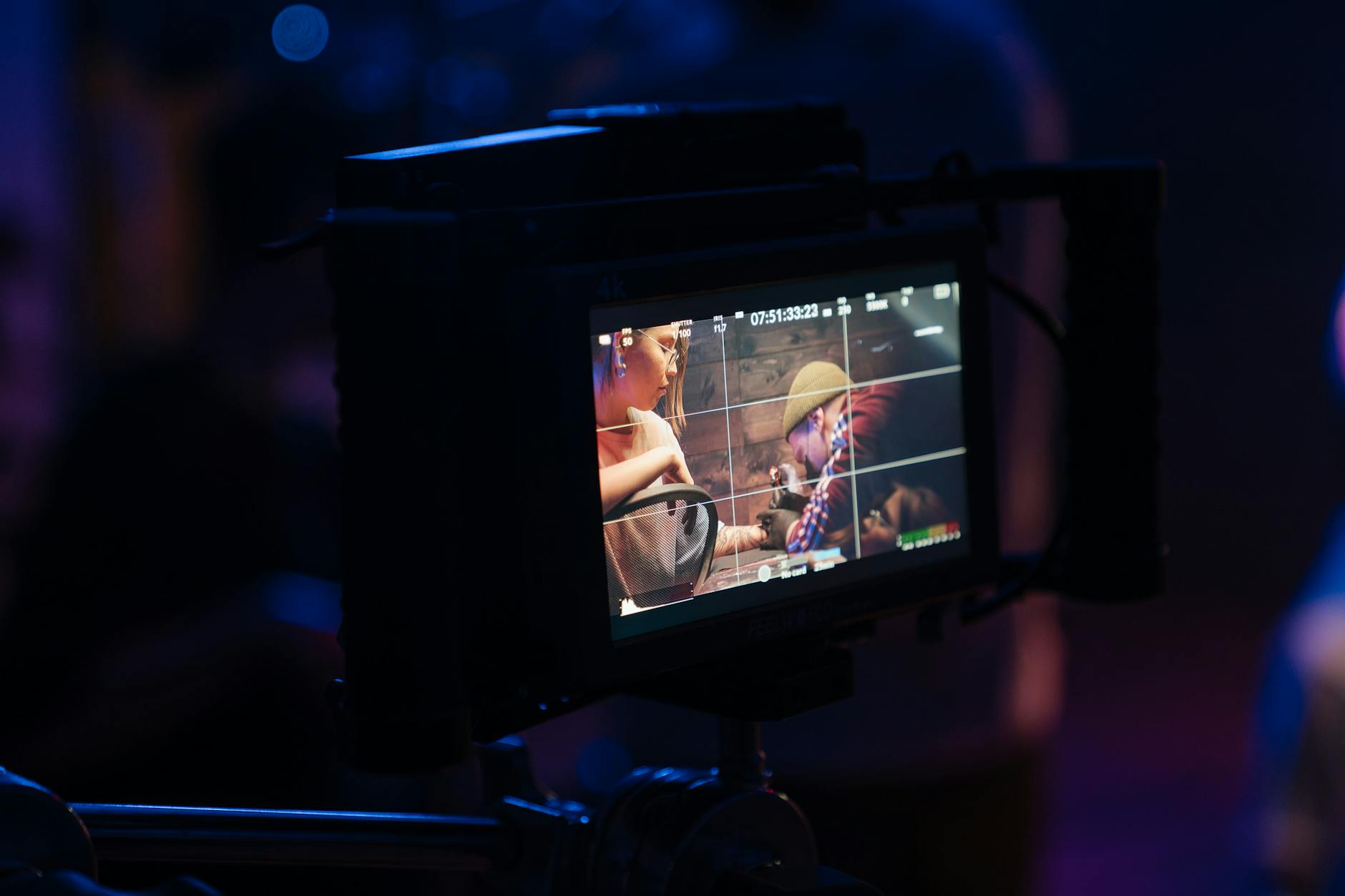
Choosing the Right Live Stream Videographer in Miami
Selecting a qualified professional to handle live streaming in Miami involves evaluating experience, technical capabilities, and service offerings. Local expertise is essential, as Miami’s venues, infrastructure, and event styles can vary widely, necessitating a videographer familiar with the area’s specific conditions. It’s vital to review portfolios and request case studies that demonstrate their capability to produce high-quality streams for similar event types.
Clear communication about the event’s goals, technical requirements, and logistical details helps ensure the selected videographer can customize their approach accordingly. Additionally, understanding their familiarity with popular streaming platforms and their ability to troubleshoot on-site issues can prevent disruptions during the event.
Professionalism, punctuality, and responsiveness are key traits to consider when choosing a partner. Confirming their availability, understanding their equipment setup, and discussing their post-broadcast services will contribute to a successful live streaming experience. Collaborating with a reputable Miami-based firm that adheres to industry standards guarantees both the quality of the broadcast and the peace of mind necessary for executing complex live events.