
Understanding Livestream Services
Livestream services have become an essential component of modern digital communication, enabling real-time broadcasting of events to audiences across the globe. These services are designed to facilitate seamless video transmission, allowing viewers to participate remotely while maintaining high-quality visuals and audio. Whether for corporate conferences, entertainment concerts, education seminars, or community gatherings, livestreaming offers a dynamic way to connect with audiences instantaneously and interactively.
At their core, livestream services incorporate sophisticated encoding technology that captures, compresses, and transmits live video content over the internet. This process ensures minimal latency, so viewers experience the broadcast with as little delay as possible, creating an engaging and immersive experience. Features commonly associated with professional livestream services include multi-camera switching, real-time graphics, live chat integration, and audience analytics, which enhance the overall delivery and engagement factor.
These services support a vast array of event types, ranging from small internal corporate meetings to large-scale public events. For corporate events, livestreaming provides a platform to reach employees, stakeholders, and clients globally, enabling participation without geographical limitations. Concerts and performances benefit from high-definition streaming and professional audio mixing, ensuring the audience enjoys a concert hall experience from their homes. Educational institutions utilize livestream services for webinars and seminars, broadening their reach beyond physical classrooms and making knowledge sharing more accessible.
Proper implementation of livestream services involves careful planning around technical setup, content delivery, and audience management. The key features of successful livestream services include reliable bandwidth, advanced streaming technology, scalability to accommodate varying viewer counts, and security measures to protect content. With continuous innovations in internet infrastructure and streaming technology, the landscape of live broadcasting is rapidly evolving, making it essential for businesses and content creators to stay informed about the latest offerings in the industry.
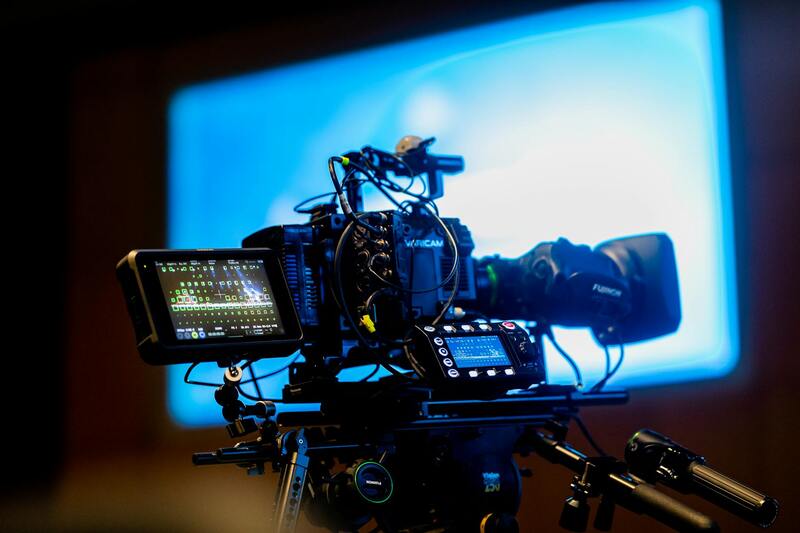
Overall, livestream services are instrumental in transforming traditional event dissemination into an instant, interactive experience accessible from virtually anywhere, fostering greater engagement and expanding reach for organizations and creators alike.
Understanding Livestream Services
For organizations and content creators aiming to broadcast live events, selecting the appropriate livestream service is crucial for achieving optimal reach and engagement. These services encompass a broad spectrum of technical solutions that accommodate various event types, from corporate webinars to entertainment shows and educational seminars. They are designed to deliver seamless streaming experiences by leveraging cutting-edge technology, ensuring high-quality video and audio delivery, and maintaining robust security protocols.
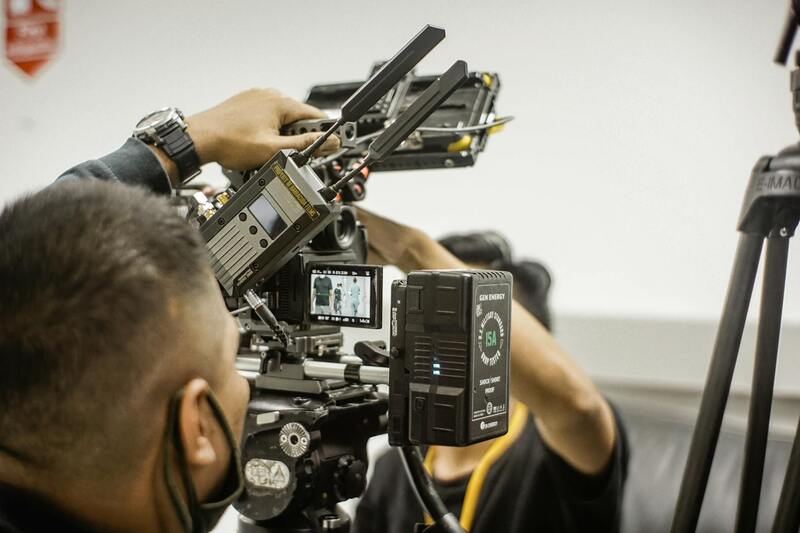
The backbone of any successful livestream hinges on reliable internet connectivity coupled with advanced streaming hardware and software. Professional-grade cameras, switchers, and audio mixers capture and process event footage, providing a professional broadcast appearance. This equipment is typically integrated with streaming platforms through encoding software or hardware, which compresses and transmits the video feed with minimal latency.
A vital aspect of livestream services involves platform compatibility. Content must be streamed through platforms that support high-definition video, interactive features, and scalability. Whether broadcasting through dedicated enterprise solutions or popular hosting platforms, ensuring smooth integration is fundamental. Also, proactive audience engagement through real-time chat, polls, or Q&A sessions enhances viewer participation and satisfaction.
Understanding Livestream Services
Livestream services encompass sophisticated platforms and processes that enable seamless real-time broadcasting of events, presentations, or entertainment to audiences across various locations. These services are vital for organizations aiming to reach their viewers instantly, maintain engagement, and foster direct communication without the constraints of physical presence. A professional approach to livestreaming involves integrating high-quality video and audio feeds, robust internet connectivity, and dynamic content management to ensure a glitch-free experience for viewers.
Eligible livestream services typically include multi-camera setups, live graphic overlays, real-time audience interaction features, and secure streaming protocols. Employing these elements correctly can significantly enhance the viewing experience, allowing brands, event organizers, and content creators to deliver polished and impactful live content that resonates with their audience. Additionally, implementing adaptive streaming technology ensures content remains accessible across devices and varying internet speeds, minimizing buffering issues and sustaining viewer interest.
The technical backbone of reliable livestream services depends heavily on the selection and configuration of streaming hardware and software. This includes professional-grade webcams and microphones, encoder devices for converting video signals into digital data, and content delivery networks (CDNs) for distribution. These components must work harmoniously, coupled with strategic planning, to meet content deadlines and maintain consistent broadcast quality.
Concerning infrastructure, ensuring sufficient bandwidth is fundamental. High-capacity internet connections reduce latency and enable high-resolution streaming, such as 4K or HDR formats, which are increasingly popular for immersive viewing experiences. To support these advanced formats, organizations often upgrade their network hardware or leverage cloud-based streaming platforms that offer scalable solutions. These technologies not only optimize broadcast quality but also simplify workflow management through centralized control.
Furthermore, integration of modern innovations like AI-driven analytics provides real-time insights into viewer behavior and engagement levels, empowering content providers to adapt instantaneously. Cloud-based platforms facilitate multi-stream management and facilitate collaboration among remote teams, making complex live events more manageable.
Proper planning and execution are critical. This involves pre-event checks, including testing of all equipment, connection stability, and synchronization of audio-visual assets. Content flow must be carefully choreographed to ensure smooth transitions between segments, camera views, and multimedia overlays. Technical teams should prepare contingency plans for potential disruptions, such as internet outages or hardware failures, to mitigate impact on live broadcasts.
Investing in high-quality livestream services not only enhances audience engagement but also amplifies the reach and influence of your content. Whether broadcasting corporate conferences, community events, or entertainment shows, a curated and professional livestream experience significantly boosts credibility and viewer satisfaction.
Assessing Quality and Reliability in Livestream Services
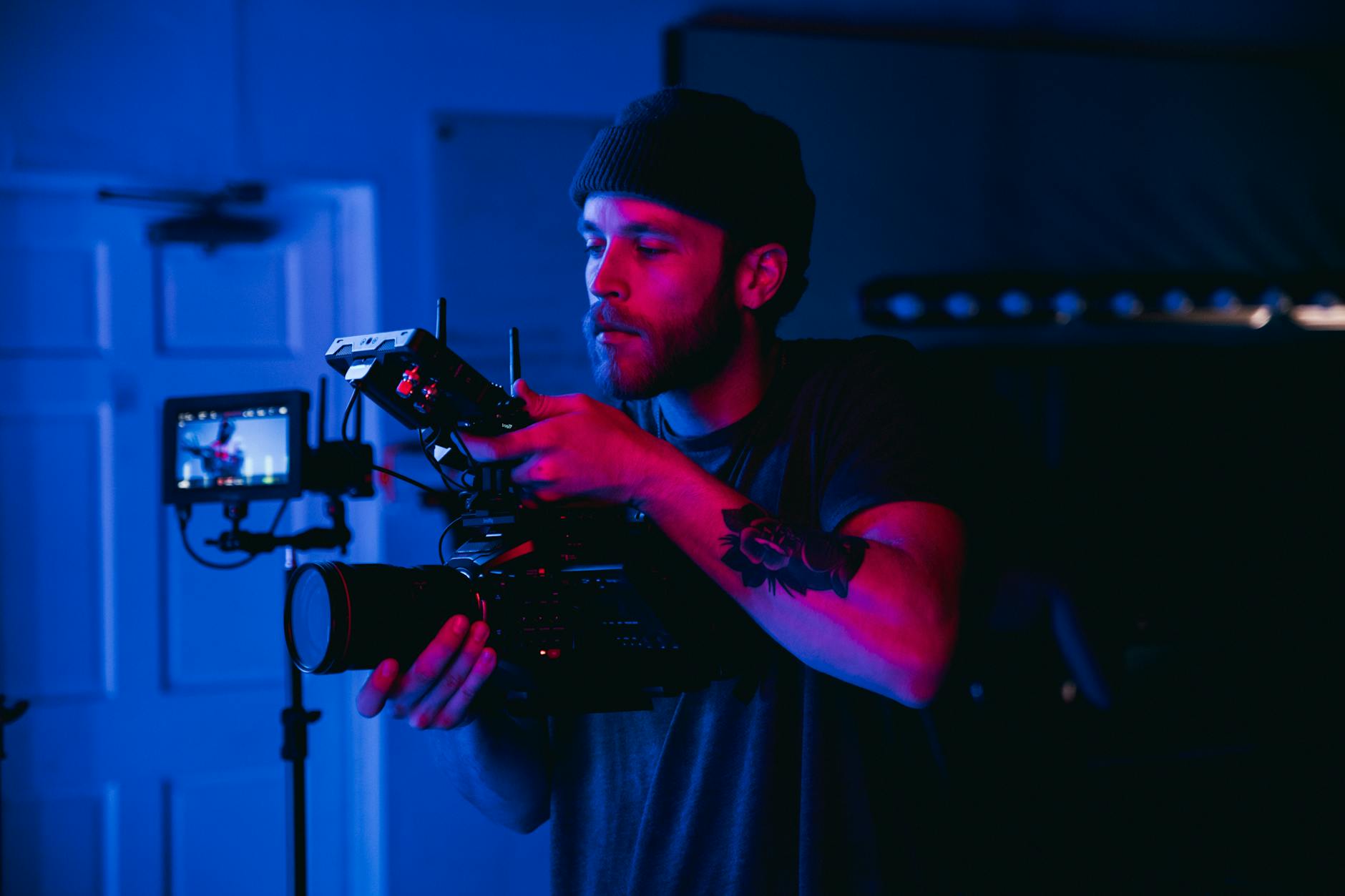
When evaluating livestream service providers, it's crucial to scrutinize their technical expertise and resource capabilities. A dependable provider should demonstrate a robust infrastructure that supports high-definition video streaming with minimal latency. They should also employ state-of-the-art hardware and software, including professional-grade cameras, switchers, encoders, and graphics systems to ensure crisp visuals and seamless transitions throughout the broadcast.
In addition, a provider’s ability to adapt to different formats and platforms underscores their versatility. Whether streaming to social media, dedicated websites, or multi-platform environments, flexibility is an indicator of professionalism. It also ensures your content reaches its intended audience no matter where they are accessing the stream.
Another aspect of assessing service quality involves examining the provider’s technical support and contingency planning. Reliable providers offer dedicated project management, pre-event testing, and real-time troubleshooting to prevent and resolve issues swiftly. Clear communication channels between your team and the production crew are essential for syncing operations and handling unexpected challenges effectively.

Evaluating Customization Capabilities
Every livestream event has unique requirements, which makes customization an important factor in selecting a provider. Customization options can include branded overlays, tailored graphics, interactive elements, and multi-camera setups optimized for different content types. A provider that offers bespoke solutions ensures your event not only functions smoothly but also aligns with your branding and messaging goals.
Furthermore, integration of advanced features such as real-time analytics, viewer engagement tools, and multi-language support can significantly enhance the overall experience. These functionalities allow content creators to gather audience insights and facilitate greater interaction, fostering a more immersive and participatory environment.
Reviewing Client Feedback and Case Histories
Impartial reviews and case histories serve as valuable indicators of a provider’s operational success and customer satisfaction. Prior successful projects, especially those similar to your event in terms of scale or industry, demonstrate their capacity to handle complex requirements. Testimonials and client references can provide insights into their responsiveness and professionalism, helping you gauge the reliability of their services.
It is recommended to request detailed case studies that showcase their experience with different types of live events, such as corporate conferences, entertainment shows, or community gatherings. A history of consistent delivery and positive client feedback suggests that the provider understands the nuances of professional livestreaming.
Technical Expertise and Equipment Utilization
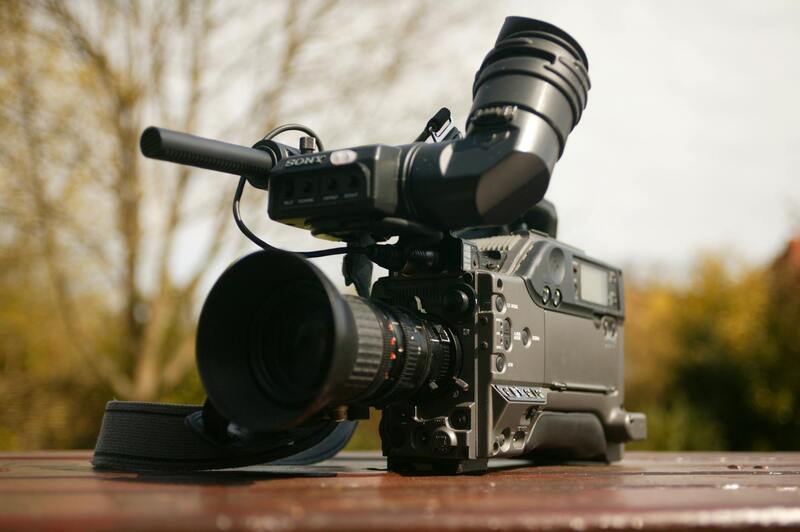
Executing a successful livestream requires a high level of technical proficiency, particularly in managing complex equipment and software. Professional livestream service providers invest in top-tier broadcasting gear, including multi-camera setups, high-definition video encoders, and audio mixing consoles. These tools enable the production team to create compelling, high-quality streams that engage viewers through crisp visuals and clear sound. Additionally, familiarity with broadcasting software and streaming algorithms ensures smooth data transmission and minimal latency, critical for maintaining viewer engagement.
Complementing physical equipment, technical expertise extends to troubleshooting real-time issues, optimizing network bandwidth, and implementing redundant systems to prevent interruptions. Experienced operators fine-tune video and audio feeds, manage live transitions, and respond swiftly to unforeseen challenges — all vital components that contribute to a seamless viewing experience.

Content Planning and Audience Engagement Strategies
Effective livestream services start with comprehensive content planning tailored to your target audience. This involves scripting, scheduling, and designing interactive segments that foster viewer participation. Incorporating live Q&As, polls, and chat moderation enhances engagement, prompting active viewer involvement. Agreement on clear objectives, messaging priorities, and branding elements ensures the stream aligns with your overall marketing or organizational goals.
Strategic content placement also includes planning for multiple camera angles, graphical overlays, and pre-recorded segments to enrich the broadcast. Test runs and rehearsal sessions are crucial to iron out technical issues, confirm timing, and refine the flow of content. These rehearsals simulate the live environment, allowing the team to adapt and optimize before the actual event.
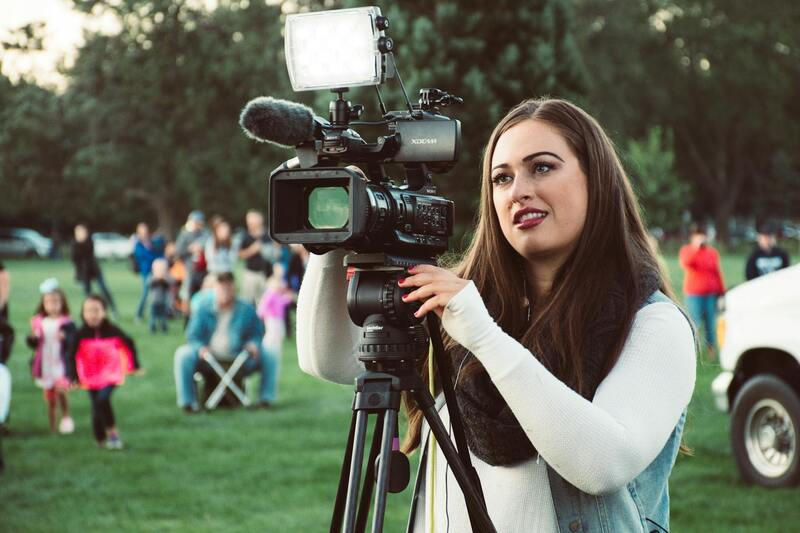
Effective Promotion and Audience Outreach
Beyond the technical setup, a robust promotional plan amplifies the reach of your livestream. Creating a buzz through social media campaigns, email marketing, and online community outreach is essential to attract a broad, relevant audience. Consistent branding across all promotional channels helps reinforce your message, encouraging viewers to tune in.
Utilizing teaser videos, countdowns, and behind-the-scenes previews generates anticipation. Additionally, collaborating with influencers or industry partners can expand your event’s visibility. A well-coordinated promotional strategy ensures that your livestream garners the necessary attention, maximizing viewer participation and engagement.
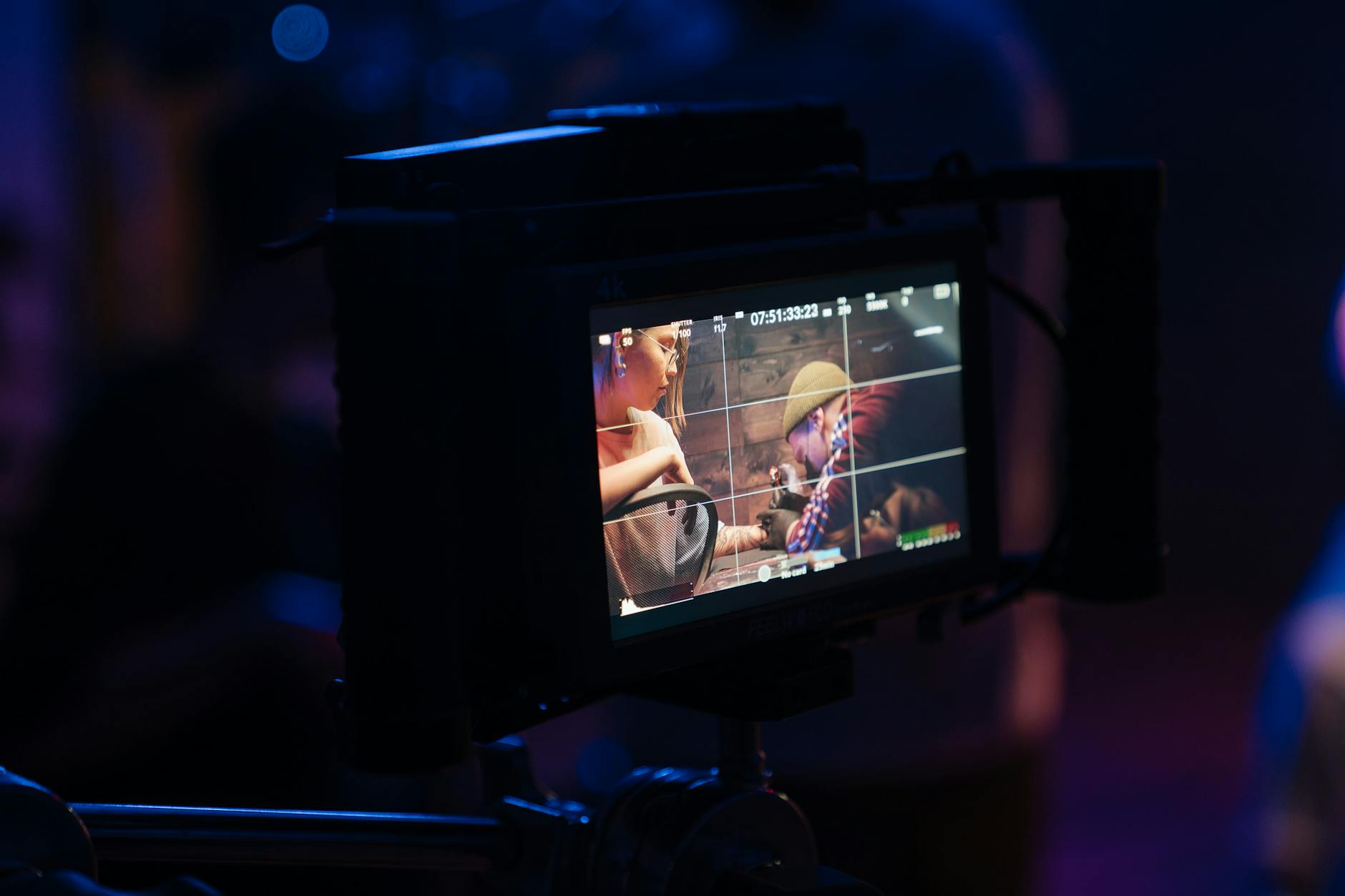
Choosing the Right Livestream Service Provider
Selecting an appropriate livestream service provider is a crucial step in ensuring a seamless broadcast experience. It requires a thorough assessment of the provider’s technical capabilities, industry experience, and service offerings. The ideal provider should have a proven track record in delivering high-quality live streams across various platforms, along with robust technical support to address issues swiftly during the event.
Experience in managing different types of events—from corporate conferences to entertainment festivals—is a significant advantage. This expertise ensures familiarity with the specific requirements and challenges associated with each format, enabling the provider to customize solutions accordingly. Additionally, a provider’s familiarity with local regulations and regional streaming preferences can enhance broadcast accessibility and compliance.
Evaluating the technological infrastructure is essential. This involves checking the quality of their equipment, such as professional cameras, encoders, and streaming servers, which directly influences broadcast clarity and stability. Providers that utilize redundant systems and backup plans for potential technical failures demonstrate reliability. Furthermore, integrations with popular streaming platforms, social media, and content management systems add versatility and ease of access for audiences.
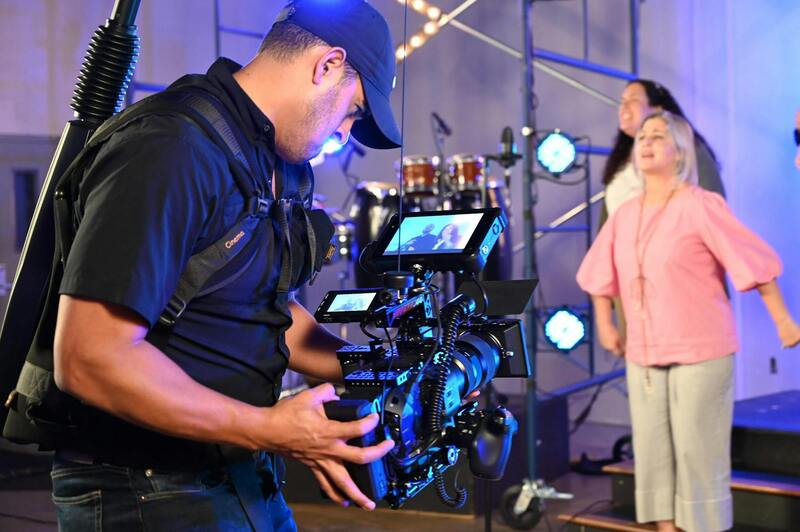
Moreover, the provider’s customer service capabilities, including real-time technical support and on-site personnel, significantly impact the overall experience. Responsive support teams ensure that any issues are swiftly addressed, minimizing disruptions. Transparent pricing models and comprehensive service packages also facilitate budgeting and planning, allowing clients to select solutions that best fit their needs without unexpected costs.
Popular Platforms and Technologies for Livestreaming
The landscape of livestreaming platforms and technologies continues to evolve, offering various options tailored to different needs. Popular platforms such as YouTube Live, Facebook Live, and Vimeo provide accessible, user-friendly interfaces that are suitable for many types of events. These platforms often incorporate built-in analytics, audience engagement tools, and monetization options, enhancing the overall impact of your broadcast.
Advanced livestreaming technologies include multi-camera setups, live switching, graphical overlays, and real-time chat features. These tools enable producers to create dynamic, engaging broadcasts that captivate viewers. Utilization of professional hardware encoders ensures higher video quality, lower latency, and compatibility across various devices and network conditions. Cloud-based solutions also offer scalability, allowing streams to accommodate large audiences without compromising stability.
Choosing the right combination of platforms and technology depends on your target audience, event scale, and content complexity. Partnering with a provider experienced in these tools can maximize efficiency and viewer engagement, ensuring your livestream achieves its strategic objectives.
Implementing Secure and Reliable Broadcast Infrastructure
Ensuring a smooth livestream experience hinges on leveraging robust and dependable broadcast infrastructure. Utilizing high-quality, professional-grade equipment such as encoders, switchers, and a dedicated internet connection minimizes disruptions and enhances the overall broadcast quality. These elements work together to provide consistent data transfer rates and reduce latency, ensuring that viewers receive a seamless viewing experience regardless of their location or device.
A significant consideration is network stability. Using dedicated internet lines or bonded broadband solutions can prevent bandwidth fluctuations that cause buffering or interruption. Employing backup internet sources, such as cellular data or secondary fiber connections, further safeguards against unexpected outages. This redundancy ensures that your livestream remains uninterrupted, maintaining professionalism and viewer trust.
Moreover, configuring your setup with professional hardware ensures compatibility across streaming platforms and provides advanced functionalities like multi-camera switching, real-time graphics, and synchronized audio. These tools empower content creators to deliver dynamic and engaging broadcasts, elevating production standards.
Properly placing and configuring audio-visual equipment in a controlled environment reduces ambient noise and technical issues, resulting in clearer audio and sharper visuals. Consistent maintenance and routine checks of all hardware components are essential for preventing technical failures during live events. Partnering with experienced live production specialists who understand these technical nuances guarantees the deployment of resilient infrastructure tailored to your specific event needs.
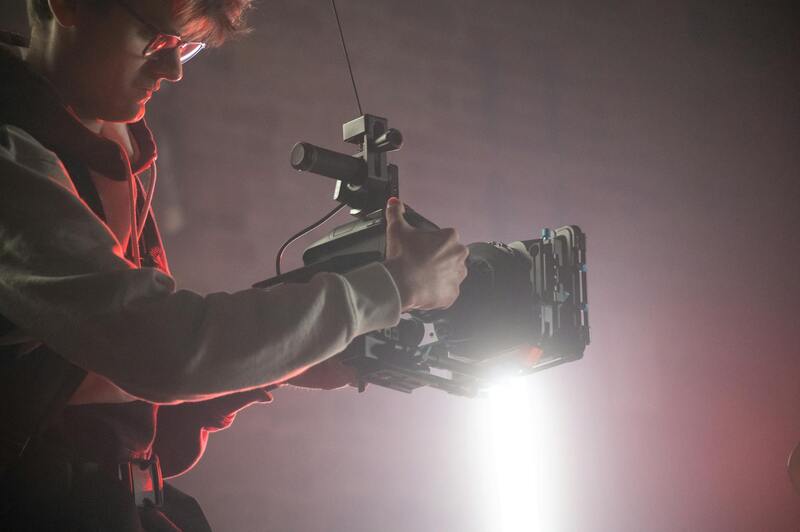
Staffing and Technical Support for Livestream Events
A successful livestream also depends heavily on the competent deployment of skilled personnel and real-time technical support. Having a dedicated team of experienced camera operators, sound engineers, and technical directors ensures that all facets of the broadcast are managed effectively. Technical support teams monitor the stream continuously, ready to troubleshoot issues such as signal loss, audio glitches, or visual artifacts. Their presence minimizes downtime and ensures swift resolution of any unforeseen problems, maintaining a professional broadcast flow. During larger or more complex events, employing a multi-tiered support system enhances reliability. For example, a lead producer oversees overall coordination, while on-the-ground technicians handle specific roles like camera operation or audio mixing. This division of responsibilities allows for swift decision-making and precise adjustments during the event. Training staff in the use of broadcast equipment and live streaming protocols is critical. Well-trained personnel can adapt quickly to changing circumstances, implement last-minute enhancements, and ensure the technical quality of the live event. A Miami-based livestream production agency often provides comprehensive staffing options, including on-site technicians and remote support, delivering peace of mind and a seamless viewing experience for your audience.
Advanced Techniques for Enhancing Livestream Quality
Maximizing the quality of a livestream requires more than just high-definition equipment; it involves implementing sophisticated techniques to ensure a smooth and engaging broadcast. Utilizing encoder settings optimized for your specific bandwidth and device compatibility ensures that your stream maintains clarity and stability across various viewer platforms. Adaptive bitrate streaming is a vital method, allowing the broadcast to automatically adjust quality according to the viewer’s internet speed, minimizing buffering and connection drops.
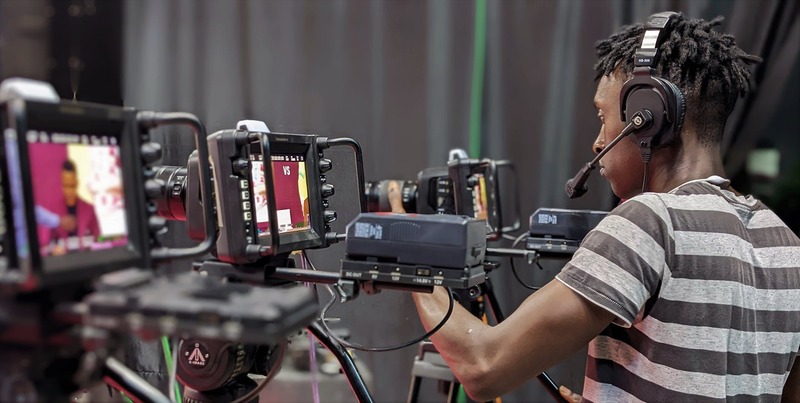
Another crucial aspect is the integration of dynamic graphics and overlays. These enhancements can elevate the visual appeal of the broadcast by providing real-time information, branding elements, or interactive features such as polls and chat overlays. Professional operators manage these elements seamlessly without disrupting the flow of the event.
Implementing multi-camera setups offers multiple angles and professional production values. Skilled directors switch between cameras, incorporate zooms, and utilize transitions which create a polished broadcast similar to traditional TV productions. Ensuring precise synchronization between audio and video feeds further amplifies the professionalism of your livestream.

Sound quality is equally essential. Employing high-quality microphones, soundboards, and real-time audio mixing eliminates background noise, manages audio levels, and provides clear sound tailored to the event's needs. Wireless mics for speakers or performers should be tested extensively beforehand for optimal performance.
Furthermore, integrating streaming analytics and monitoring tools permits continuous evaluation of stream health and viewer engagement metrics. These insights enable real-time adjustments and post-event analyses, facilitating improved future broadcasts.
Strategies for Increasing Audience Engagement During Livestreams
Engagement is driven through interactive features, such as live chat, viewer polls, and social media integration. These tools foster a sense of participation and community among viewers. Assigning a dedicated moderator to manage comments and questions ensures active interaction without overwhelming the host or speakers.
Visual branding elements, including logos, lower thirds, and branded overlays, reinforce identity and professionalism. Regular acknowledgment of viewers' comments or questions enhances rapport and keeps the audience invested throughout the event.
Timing and pacing are critical; scheduling breaks for audience interaction or behind-the-scenes content reinvigorates interest. Additionally, providing supplementary materials or links during the broadcast encourages viewer involvement and expands the content’s reach.
Legal and Ethical Considerations in Livestreaming
Maintaining compliance with intellectual property rights is fundamental. Ensure all content, including music, videos, images, and branded assets, is properly licensed or owned by your organization. Obtaining permissions and clearances beforehand mitigates risks of copyright infringement.
Respecting privacy rights involves obtaining consent from individuals featured in the stream. Use clear signage and disclosures about recording practices, particularly when broadcasting in public or semi-private spaces. This transparency fosters trust and adheres to best practices for ethical streaming.
Implementing secure streaming protocols and protecting viewer data through encryption safeguards against unauthorized access and potential breaches. Choosing advanced security measures in your streaming infrastructure demonstrates a commitment to responsible broadcast management and user safety.
Post-Stream Content Management and Repurposing
Post-event content is valuable for extending your reach. Recording the livestream allows for on-demand distribution, hosting on your website, or sharing across social media platforms. Editing highlights or creating shorter clips can generate additional engagement and highlight key moments.
Analyzing stream data provides insights into viewer behavior and preferences. Metrics such as peak concurrent viewers, engagement duration, and geographic distribution inform future content strategies. Regularly updating your content library with high-quality recordings reinforces your ongoing communication and branding efforts.
Implementing a comprehensive content management system ensures that recordings are stored securely, organized efficiently, and accessible for future use. This systematic approach supports your broader digital marketing and community engagement objectives.