
Overview of Free Live Webcasting Services
Free live webcasting services have revolutionized the way individuals and organizations broadcast events to audiences across the globe. These platforms enable real-time streaming of live events—such as conferences, community gatherings, performances, and corporate meetings—without the need for significant financial investment. In Miami, a vibrant hub for business, arts, and culture, accessible webcasting options provide a valuable means to extend reach and engagement at no cost, especially for startups, non-profits, and local events seeking maximum visibility without budget constraints.
At their core, free webcasting services typically offer essential features such as live video streaming, chat interactions, basic analytics, and viewer engagement tools. These platforms are designed to accommodate a diverse array of event types, ensuring reliable coverage for everything from small community workshops to larger public festivals. One key advantage of these services is their ease of use; they often include step-by-step guides and intuitive interfaces, making it possible for anyone with a stable internet connection to set up and broadcast without specialized technical knowledge.
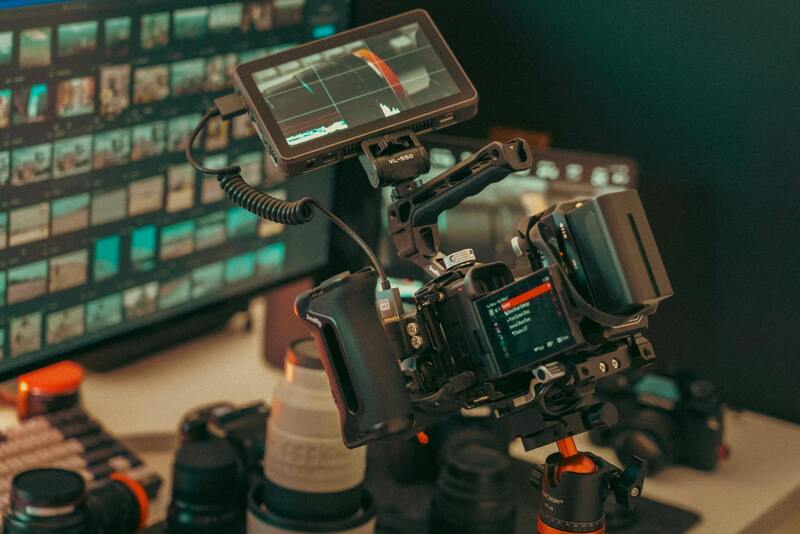
Many free live webcasting platforms are cloud-based, requiring minimal hardware and offering compatibility with common devices such as smartphones, tablets, and laptops. Some services also include browser-based interfaces, eliminating the need for complex software installations. For event organizers, the ability to schedule broadcasts in advance, customize streaming pages, and monitor viewership statistics adds significant value—especially when aiming to maximize attendance and audience engagement.
When considering free live webcasting options in Miami, it is essential to evaluate the availability of region-specific features, such as local language support and server locations. These factors can influence stream quality, latency, and user experience. As Miami continues to grow as a hub for innovation and connectivity, numerous platforms offer tailored functionalities to meet the diverse needs of local event organizers, making live streaming a practical, cost-effective solution for wide-reaching event coverage.
Benefits of Using Free Webcasting Services
Utilizing free live webcasting services offers a range of advantages that make them appealing choices for various event organizers, from local businesses to community groups. Primarily, these services significantly reduce overall event costs by eliminating the need for expensive broadcasting equipment and dedicated studio space. This affordability enables smaller organizations and startups to expand their reach without a substantial financial investment.
In addition to cost savings, free webcasting platforms are highly accessible. They typically feature user-friendly interfaces designed to simplify the streaming process, allowing users with limited technical experience to set up and execute broadcasts smoothly. Many services offer guided prompts, pre-configured themes, and customizable templates, streamlining the entire process.
The capacity to reach a broader audience is another notable benefit. Live streaming allows events to transcend geographical limitations, attracting viewers from around the globe or across different regions of Miami. This expanded reach not only enhances brand visibility but also supports community engagement, attendance growth, and increased interaction through real-time comments and Q&A sessions.
Moreover, the convenience of scheduling broadcasts in advance enables organizers to plan meticulously and promote events effectively. Many free platforms integrate analytics tools that provide valuable insights into viewer demographics, engagement levels, and peak viewing times. These metrics allow for continuous improvement of future streams and more targeted outreach.
From a marketing perspective, free live webcasting services facilitate seamless promotion across social media channels and websites, helping to maximize event exposure. The minimal setup requirements—often limited to a stable internet connection, basic hardware such as a smartphone or laptop, and an account—make it possible for even small teams to coordinate complex live events.
Furthermore, these platforms frequently offer region-specific features, such as local language options or server locations optimized for Miami's internet infrastructure. This regional focus ensures a superior streaming experience by reducing buffering issues and latency. As a result, organizers can deliver high-quality content that resonates well with local audiences.

Limitations and Considerations in Utilizing Free Webcasting Services
While free live webcasting services offer numerous advantages, there are specific limitations and important considerations that organizations should account for to ensure seamless and effective broadcasting. Understanding these factors helps in making informed decisions and optimizing the streaming experience for viewers.
- Bandwidth and Internet Stability: Free platforms typically rely on the host’s existing internet connection, making a high-speed and stable connection essential. Inconsistent or slow internet speeds can lead to buffering, lag, or even broadcast interruptions, diminishing viewer satisfaction. It's advisable to conduct thorough tests before the event to confirm network reliability.
- Limited Customization Options: Many free services offer basic customization features—such as logo overlays or simple layout templates—but may restrict advanced branding options or design flexibility. This limitation can impact branding consistency, especially for organizations aiming for a professional or tailored appearance during their streams.
- Bandwidth and Storage Limits: Some free platforms impose restrictions on the maximum duration of a broadcast, the number of concurrent viewers, or the storage capacity for past streams. Exceeding these limits may result in stream interruptions, restrictions on replay availability, or platform-driven penalties.
- Advertisement Integration: To support free offerings, many platforms incorporate advertisements into the live stream, which might distract viewers or potentially undermine the professionalism of the event. Organizations should review the platform’s policies on ads to gauge their impact on the viewing experience.
- Data Security and Privacy: Hosting sensitive or proprietary content on free services involves weighing data security measures. Evaluate whether the platform follows appropriate data protection protocols to prevent unauthorized access or data breaches, especially when dealing with confidential information or private events.
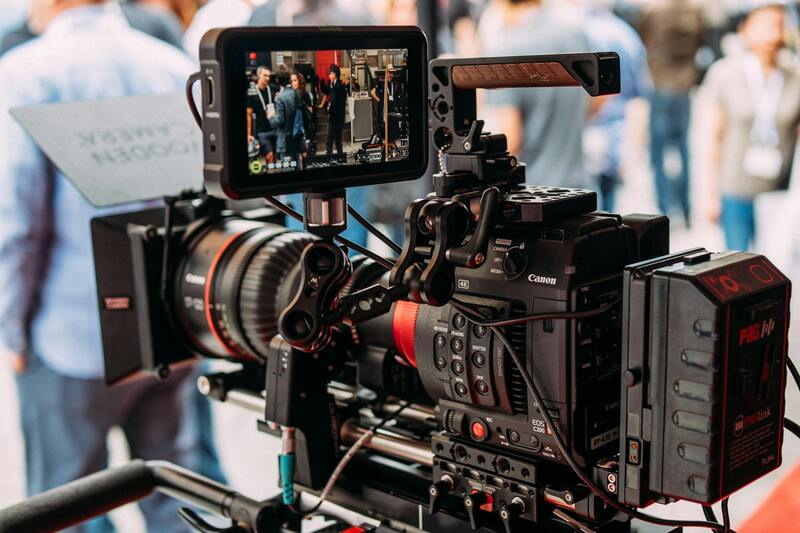
- Feature Limitations: Advanced features like high-definition streaming, multi-camera setups, or real-time analytics may be restricted or unavailable on free plans. For organizations requiring more sophisticated production elements, this could limit the overall quality or engagement potential of broadcasts.
- Platform Reliability and Support: Free services might not guarantee high uptime or dedicated customer support, leading to potential challenges during technical issues. It’s essential to assess the platform’s track record and available support channels for troubleshooting during live events.
 igure>
Key Considerations When Choosing a Free Streaming Platform
Selection of an appropriate platform requires careful evaluation of several critical factors. To optimize your event’s reach and quality, consider the following:
- Capacity and Scalability: Determine the expected audience size and choose a platform capable of supporting that volume without degrading performance. If anticipated viewership exceeds platform limits, explore options for upgrading or combining services.
- Ease of Use and Setup Process: Opt for platforms that offer intuitive interfaces, straightforward setup procedures, and clear instructions. This ensures smooth preparation and minimizes technical hurdles on the day of the event.
- Integration Capabilities: Check whether the service can seamlessly integrate with existing tools such as social media accounts, websites, or CRM systems. Compatibility enhances outreach efforts and streamlines event management.
- Regional Performance Enhancements: For Miami-based organizations, regional server locations or localized features can improve stream quality by reducing latency and buffering issues that are common with distant servers.
- Support and Help Resources: Reliable technical support, comprehensive tutorials, and responsive customer service are invaluable—particularly when unexpected issues arise during live broadcasting.
- Compliance and Data Handling: Confirm that the platform adheres to relevant data privacy standards and that it provides control over content privacy settings, especially for private or corporate events.
Overview of Free Live Webcasting Services
Free live webcasting services have become essential tools for content creators, businesses, and organizations seeking to share real-time events without incurring substantial expenses. These platforms enable broadcasters to reach wide audiences through internet streaming, often with minimal setup requirements. Typically, such services offer various features like scheduled broadcasts, chat interaction, analytics, and multi-platform support, making them appealing options for individuals and entities aiming to maximize visibility without financial commitments. The proliferation of these services is driven by advancements in streaming technologies and increased internet accessibility, allowing even small-scale events to achieve broad reach and engagement.

While each platform varies in features and capabilities, many share core functionalities such as real-time broadcasting, multiple input options (like cameras, slides, or screen sharing), and viewer engagement tools. These services are often cloud-based, negating the need for extensive hardware or technical knowledge, which simplifies the process for users. Among the diverse options available, choosing the right free webcasting service involves evaluating critical factors like audience capacity, ease of use, regional performance, and support options, to ensure your stream aligns with your event's specific requirements.
Benefits of Using Free Webcasting Services
- Cost-Effectiveness: Eliminates the need for expensive hardware, software, or hosting fees, making it accessible for small businesses, educators, and community groups.
- Quick Deployment: Many platforms offer streamlined setup procedures, allowing users to go live swiftly without extensive technical preparation.
- Wide Reach: Free services typically support large audiences and multiple simultaneous viewers, extending your event’s visibility across geographical boundaries.
- Ease of Use: User-friendly interfaces and step-by-step guides facilitate a smooth broadcasting experience, even for novices.
- Integration Capabilities: Compatibility with social media channels and websites enables seamless embedding and sharing, boosting audience engagement.
- Analytics and Feedback: Basic viewer metrics are often available, providing insights into audience behavior and preferences for future events.
- Customization Options: Custom branding elements like logos, overlays, and welcome screens can be incorporated to maintain a professional appearance during broadcasts.
Taking advantage of free webcasting services offers a strategic way to enhance your event's visibility, foster audience interaction, and distribute content efficiently without upfront costs. However, it is crucial to select a platform that aligns with your event's scale and technical needs to ensure a smooth streaming experience from start to finish.
Compatibility and Integration Features of FreeWebcasting Platforms
Many free webcasting services come equipped with compatibility features that facilitate smooth integration with various online tools and social media platforms. This integration capability is essential for maximizing your broadcast's reach and engagement. Common integrations include social media sharing options, embedding functionalities for websites, and compatibility with third-party analytics tools. These features enable broadcasters to embed live streams directly onto their websites or social channels, ensuring a cohesive viewing experience for audiences regardless of the platform used. Additionally, some services support multi-platform streaming, allowing users to broadcast simultaneously to multiple social media platforms such as Facebook, YouTube, or LinkedIn, thereby expanding visibility and increasing engagement metrics.

Scalability and Performance Considerations
While free webcasting options are attractive for their cost savings, it is necessary to consider their scalability and performance constraints. Many free platforms can handle a modest number of viewers comfortably but may encounter difficulties as audience size grows significantly. Streaming quality can sometimes be compromised due to bandwidth limitations or server capacity constraints inherent in free services. Therefore, it is advisable to evaluate the expected audience size and streaming quality needs before selecting a platform. Features such as adaptive streaming quality, server load management, and real-time bandwidth adjustments are important technical elements that enhance the streaming experience for larger audiences.
Customer Support and Community Resources
Support infrastructure varies widely among free live webcasting services. Some platforms offer comprehensive online resources, including tutorials, FAQs, and community forums, which can be invaluable for troubleshooting and optimizing your live stream. Others might provide minimal direct support, placing the onus on users to resolve issues through self-help resources. When choosing a free service, consider the availability of such support channels to ensure that technical difficulties during a live event are minimized. Engaging with active user communities can also provide practical tips gleaned from fellow broadcasters’ experiences, leading to more professional and seamless webcasts.
Monitoring and Analytics for Free Streaming
One crucial aspect of webcast management is tracking viewer engagement and stream performance. Many free webcasting services offer basic analytics features that provide data such as viewer count, location, device types, and viewing duration. These insights are vital for refining future broadcasts, tailoring content to audience preferences, and making data-driven decisions about streaming strategies. Although advanced analytics may be limited in free plans, the core metrics often suffice for small to medium-sized events. For broadcasters seeking more detailed analysis, some free platforms enable integration with third-party tools or offer upgrade options that unlock enhanced reporting features.
Legal and Security Aspects
While exploring free live webcasting options, it is essential to prioritize security protocols and adhere to best practices that protect both content and viewers. Free platforms often have varying levels of security features, making it important to understand the measures available to safeguard streams against unauthorized access or disruptions. Implementing password protections, enabling password-protected streams, or utilizing private links can help restrict access to intended audiences and prevent unintended viewership.
Encryption methods, such as Secure Real-time Transport Protocol (SRTP) or Transport Layer Security (TLS), are critical when transmitting sensitive content, especially during broadcasts involving confidential information or proprietary material. Although not all free services provide robust encryption options, choosing those that do enhances the security of both the stream and its viewers. Additionally, streamers should regularly update their streaming software, utilize strong login credentials, and maintain an active awareness of security advisories related to the platforms they employ.
Data privacy considerations are equally important. Free streaming services might collect user data to monetize their platforms through targeted advertising or analytics, so understanding the platform’s privacy policies helps broadcasters maintain transparency with their audience. Declaring data collection practices and ensuring compliance with regulations such as GDPR or CCPA can foster trust and integrity during live events.
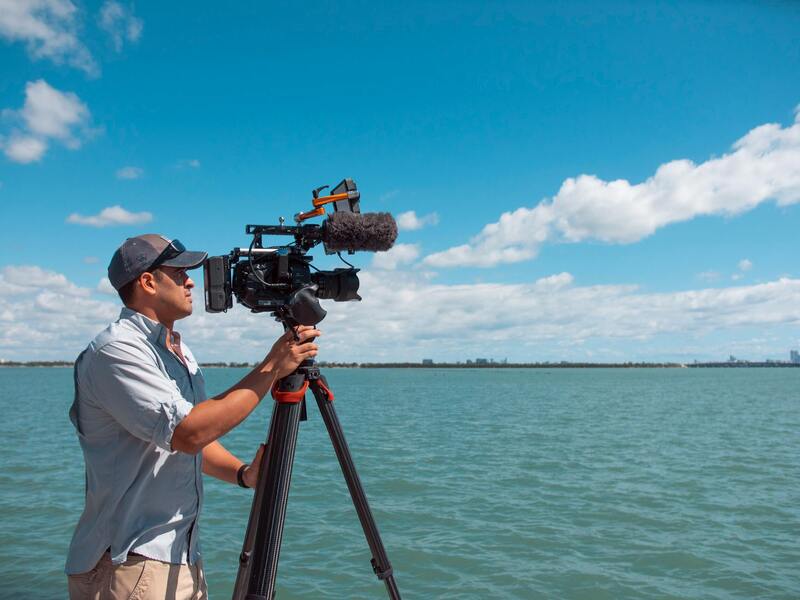
Monitoring the stream during live broadcasts is vital for early detection of potential security breaches or technical issues. Trusted platforms often provide real-time alerts or notifications if anomalies are detected, allowing broadcasters to take swift action. Moreover, securing associated accounts through multi-factor authentication (MFA) adds an extra layer of protection against unauthorized access.
Ultimately, understanding and applying sound security measures ensures a seamless broadcast experience, maintains brand credibility, and respects viewer privacy. When selecting a free webcasting service, always review its security features, support documentation, and community feedback to verify that it aligns with your specific needs and security standards. Consistent vigilance and proactive management of potential vulnerabilities are crucial components of a successful live streaming strategy.
Overview of Free Live Webcasting Services
Free live webcasting services have become increasingly popular among content creators, event organizers, and businesses seeking to reach large audiences without significant upfront costs. These platforms enable real-time broadcasting of events, webinars, product launches, or educational sessions without requiring users to invest in expensive infrastructure. By leveraging these services, individuals and organizations can stream high-quality content directly to viewers across various devices, including desktops, tablets, and smartphones.
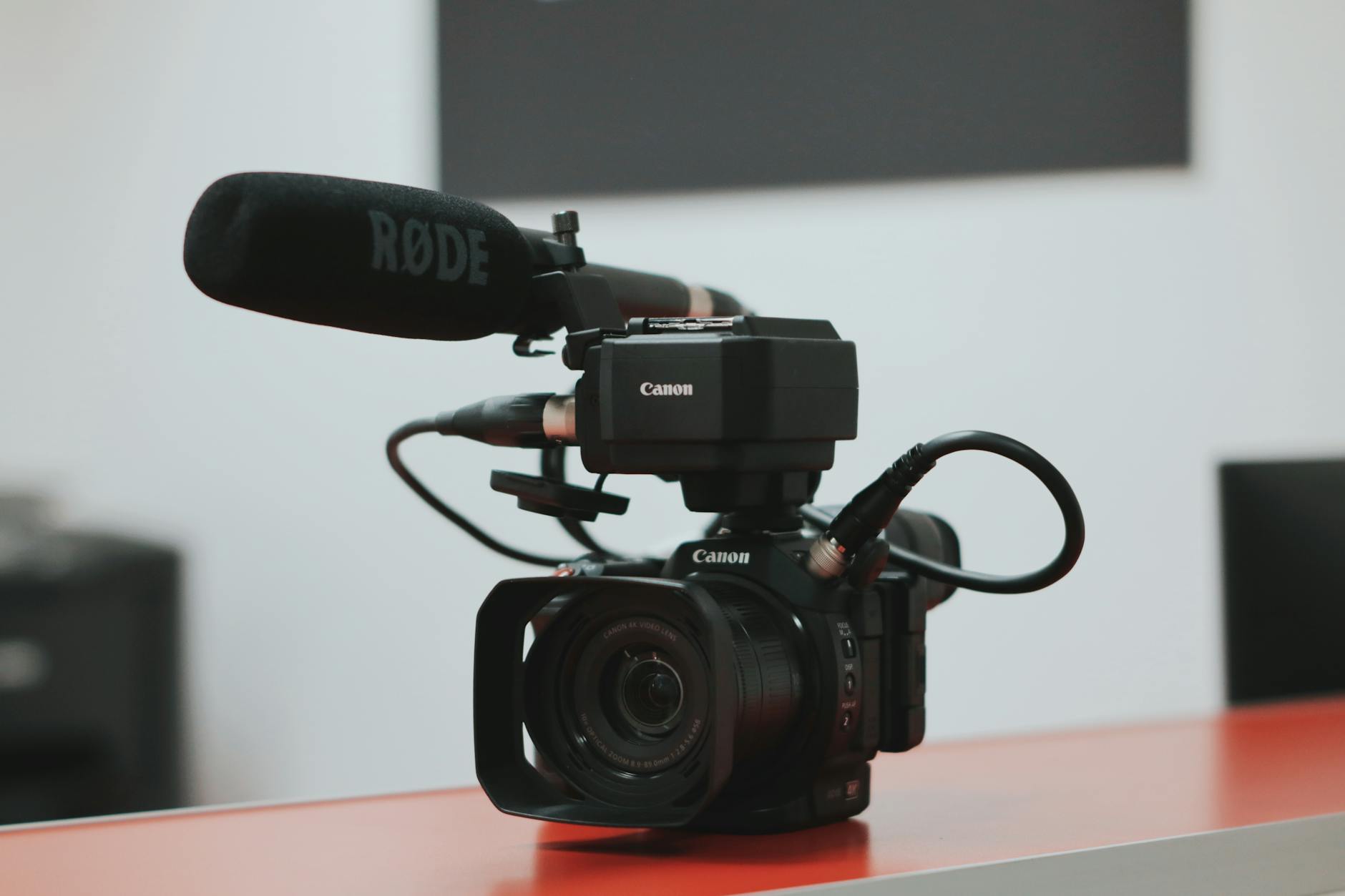
Many providers offer user-friendly interfaces and support for multiple streaming protocols, allowing broadcasters to customize their broadcasts with overlays, chat interactions, and multimedia content. With minimal technical setup, users can quickly go live and engage their audiences in real-time, making free webcasting an accessible solution for small businesses, educators, and community organizations.
Benefits of Using Free Webcasting Services
- Cost-Effective: Eliminates or significantly reduces expenses associated with hosting live events, especially when compared to traditional broadcast methods.
- Ease of Use: Most platforms feature intuitive interfaces, enabling even novices to set up and start streaming with minimal technical knowledge.
- Wide Audience Reach: Access to large, geographically dispersed viewers is simplified, expanding outreach and engagement opportunities.
- Flexibility and Accessibility: Live streaming from any location with internet connectivity allows for greater flexibility in event planning and execution.
- Real-Time Engagement: Features like chat windows, polls, and reactions facilitate direct interaction with viewers, enhancing their experience and fostering community involvement.
Popular Platforms Offering Free Webcasting

Several platforms have gained recognition for their reliable free webcasting services:
- YouTube Live: As the most ubiquitous video platform, YouTube Live offers robust tools for streaming, monetization, and analytics, making it a top choice for content creators of all scales.
- Facebook Live: Ideal for reaching audiences within social networks, Facebook Live enables seamless integration and broad visibility among existing followers.
- Instagram Live: Focused on mobile viewers, Instagram Live prioritizes interactions through comments and quick sharing features.
- Twitch: Popular among gaming communities, Twitch provides free streaming with extensive community features and moderation tools.
- Zoom Basic: While primarily known for video conferencing, Zoom’s free tier supports live broadcasting to large audiences with interactive features suitable for webinars and online seminars.
Limitations and Considerations
Despite their advantages, free webcasting services come with certain limitations:
- Bandwidth and Streaming Quality: Free platforms may impose streaming quality restrictions, such as lower resolution or reduced bitrate, which can impact viewer experience.
- Platform Limitations: Often, these services restrict the duration of live sessions, impose branding overlays, or limit customization options unless upgrading to paid plans.
- Monetization and Ads: Many free services display advertisements or include monetization features that may not be suitable for all broadcasters.
- Data Privacy and Security: Free services might collect user data for analytics or advertising purposes, and security features may vary, necessitating careful review of platform policies.
- Audience Engagement Tools: Advanced engagement options might require additional integrations or subscriptions.
Setting Up Free Webcasting for Events
Implementing free webcasting involves several straightforward steps:
- Choose an Appropriate Platform: Assess your event needs and select a service that aligns with your content type, expected audience size, and desired features.
- Configure Your Account: Register and verify your account, ensuring all necessary security measures are in place like strong passwords and two-factor authentication.
- Set Up Your Stream: Prepare your media sources, including cameras, microphones, and graphics. Most platforms offer built-in tools or integrations with streaming software like OBS Studio.
- Test the Stream: Conduct dry runs to check audio, video quality, and internet stability to prevent disruptions during the live event.
- Go Live: Launch the broadcast and monitor performance, engaging with your audience through interactive features as available.
- Post-Stream Analysis: Review metrics provided by the platform to evaluate viewer engagement, stream quality, and areas for improvement.
Best Practices for Successful Webcasts
To maximize the effectiveness of your live streaming efforts:
- Ensure Stable Internet Connection: A wired connection is preferable to wireless to maintain consistent bandwidth and minimize interruptions.
- Optimize Audio and Video Quality: Use quality microphones and cameras, and configure settings for clarity without overtaxing your bandwidth.
- Engage Viewers: Incorporate live polls, Q&A sessions, and interactive overlays to foster engagement and encourage participation.
- Promote Your Event: Leverage social media, email campaigns, and website announcements to boost viewership and ensure maximum attendance.
- Prepare Backup Plans: Have contingency plans for technical issues, such as backup internet or alternative streaming devices, to ensure seamless delivery.
- Measuring Performance: Use platform analytics and viewer feedback to refine your approach for future broadcasts and enhance overall quality and engagement.
Legal and Security Aspects
When utilizing free live webcasting services, it is essential to prioritize the protection of your content and viewer data. Authentic platforms employ encryption protocols such as HTTPS and secure streaming technologies to safeguard broadcasts from unauthorized access and cyber threats. Ensuring your live stream is transmitted over a secure connection not only protects your content but also builds trust with your audience.
Copyright compliance is another critical consideration. Always verify that your streaming content, including videos, music, and images, is appropriately licensed or owned by your organization. Many reputable free services provide guidelines and tools to help users avoid copyright infringement, such as restricting the upload of protected media or providing warnings when potential issues are detected.
Data privacy is equally important. Choose platforms that adhere to data protection standards and clearly communicate their privacy policies. Avoid services that collect excessive user information or share data with third parties without explicit consent. Transparency about how viewer data is handled enhances credibility and ensures compliance with applicable privacy laws.
Platform reliability is another security aspect. Opt for services with a history of uptime and robust infrastructure to prevent disruptions during your webcast. This includes features such as redundant servers and fallback options in case of technical issues.
Additional Security Best Practices
- Use Strong Authentication: Enable password protection or viewer authentication where available to restrict access to authorized audiences only.
- Regular Software Updates: Keep your webcast software and streaming tools up to date to patch known vulnerabilities.
- Monitor Live Chat and Interactions: Moderate live interactions to prevent spam or malicious content that could compromise the webcast environment.
- Backup Recordings: Save copies of your streams locally or on cloud storage for archival and review, ensuring valuable content is preserved even if live issues occur.
Employing these security measures enables a seamless, safe streaming experience that aligns with industry standards and fosters audience confidence in your live webcasts.