
Understanding Sports Video Production
Sports video production is a specialized field that combines advanced technology, meticulous planning, and creative storytelling to deliver high-quality live broadcasts of sporting events. It encompasses every stage of the process, from initial concept development to final distribution, with the goal of providing seamless viewing experiences for audiences both onsite and remotely. The production of sports videos requires a comprehensive understanding of the unique demands associated with live sports, including rapid-paced action, clear audio, diverse camera angles, and real-time decision-making.
At its core, sports video production involves capturing live action through a network of strategically positioned cameras, transmitting the video feeds to a control room, and executing real-time editing to produce a coherent, engaging broadcast. Advanced switchers and video servers are used to seamlessly transition between different camera feeds, highlight key moments, and insert graphics such as scores and player information. Moreover, commentators and production crews coordinate to enhance viewer engagement through insightful commentary and on-screen graphics.
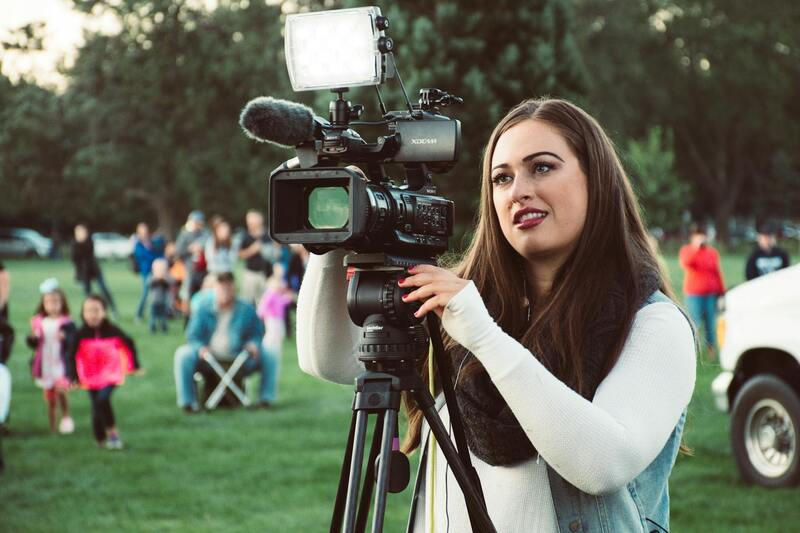
In the digital era, the importance of high-quality streaming for sports events cannot be overstated. The audience expects crisp, uninterrupted video streams that maintain clarity regardless of the viewer's location or device. Reliable streaming ensures that the energy of live sports reaches fans across various platforms, from dedicated sports networks to online streaming services. The ability to deliver consistent, visually appealing content fosters fan engagement, maximizes viewership, and enhances the overall reputation of the event and its organizers.
To achieve this, production teams must employ robust infrastructure, including high-definition cameras, fiber optic connections, and efficient content delivery networks (CDNs). They must also adapt to the specific needs of each event—whether it involves multiple playing fields, complex camera movements, or live commentary—to ensure the final broadcast meets professional standards. Advanced streaming techniques, like adaptive bitrate streaming, help optimize the viewing experience across different network conditions, minimizing buffering and lag issues.
Ultimately, a well-executed sports video production combines technical excellence with creative storytelling, allowing viewers to experience the thrill of the game as if they were right there in the stadium. Precision in planning, skilled technical execution, and a focus on delivering high-quality content underpin successful live sports broadcasting, making it a vital element of modern sports entertainment.
Planning and Pre-Production for Sports Events
Successful sports video production begins long before the live event unfolds. Meticulous pre-production planning is essential to ensure seamless execution during the broadcast. This phase involves detailed scheduling, storyboard creation, and coordination among various teams, including camera operators, directors, technical staff, and commentators. Establishing clear communication channels allows for real-time updates and quick decision-making as the event progresses.
Identifying the best vantage points for camera placement is a crucial component of pre-production. Strategic positioning maximizes coverage of key action areas, ensuring viewers receive comprehensive, immersive visuals. Additionally, requirements such as specialized camera rigs for capturing high-speed action, aerial drones for unique perspectives, and fixed cameras on critical plays should be mapped out in advance.
In this stage, decisions regarding commentary arrangements, graphics overlays, and real-time statistics integration are also finalized. These elements enhance viewer engagement by providing contextual information and emphasizing pivotal moments. Once the production plan is established, a detailed technical checklist is prepared, covering equipment calibration, testing communication systems, and establishing backup procedures to address potential technical issues.
Technical Setup and Signal Management
At the core of high-quality sports streaming is the robustness of the technical setup. This involves configuring a sophisticated network infrastructure capable of handling high data throughput with minimal latency. Fiber optic cables are typically employed for long-distance, high-speed connections, ensuring stable signal transmission from cameras to the central control room.
Multiple signal pathways are established to facilitate redundancy. This guarantees uninterrupted production even if a primary connection failure occurs. Encoders convert raw video feeds into optimized digital streams, ready for transmission over Internet Protocol (IP) networks. Professional-grade hardware switchers facilitate smooth transitions between multiple camera angles, replays, and graphic overlays, maintaining a seamless viewing experience.
Effective signal management also involves real-time monitoring systems that track feed quality, bandwidth utilization, and latency. These systems enable operators to respond promptly to any anomalies, ensuring consistent broadcast quality. Additionally, integrating audio management solutions guarantees synchronized sound, enhancing the overall clarity and immersion of the stream.
Streaming Platforms and Delivery Methods
The choice of streaming platform impacts accessibility, quality, and viewer engagement. Professional sports productions leverage a combination of Content Delivery Networks (CDNs) and specialized streaming servers to distribute content efficiently across diverse geographic regions. These platforms support adaptive bitrate streaming, which dynamically adjusts video quality based on the viewer's network conditions, reducing buffering and lag.
Delivery methods range from dedicated sports streaming portals to social media integrations and third-party OTT (Over-The-Top) services. Each approach offers tailored solutions to meet specific audience expectations and access devices. For instance, multi-platform compatibility ensures that live streams are optimized for desktops, tablets, and smartphones, providing a consistent experience across all devices.
Moreover, employing secure streaming protocols helps safeguard content from unauthorized access and piracy. Encryption methods and digital rights management (DRM) protocols are implemented to protect intellectual property while maintaining stream integrity. The infrastructure also includes scalable cloud-based solutions that can accommodate fluctuating viewer demand, especially during high-profile sporting events.
Real-Time Production and Operations
During live sports broadcasts, real-time production is a highly synchronized effort involving numerous technical and creative roles. Directors oversee camera feeds, instant replays, graphics integration, and commentary delivery, making split-second decisions to enhance the viewer experience. Skilled operators manage the switching of camera angles, ensuring that the action is captured from the most compelling perspectives.
Engineers monitor transmission quality and troubleshoot issues as they arise, leveraging sophisticated control room equipment. Audio engineers synchronize commentary, crowd noise, and other sound elements, creating an immersive sonic environment. Meanwhile, graphics operators update scoreboards, player statistics, and other overlays to keep viewers informed throughout the broadcast.
Advanced production control systems incorporate automation features, such as preset camera shots and automated replays, to streamline operations. Mobile production units often accompany on-site staff, enabling high-quality broadcasts even in locations with limited infrastructure. Effective communication among team members is supported by wireless intercom systems, ensuring precise coordination under time-sensitive conditions.
Post-Production and Archiving
Following the live event, comprehensive post-production processes prepare content for on-demand access and future distribution. Editing, color correction, and the addition of additional commentary or graphics refine the footage. Highlights, replays, and full-length recordings are cataloged and stored within organized archives, facilitating easy retrieval for re-broadcasts or promotional purposes.
The archiving process utilizes high-capacity storage solutions that maintain the integrity of original feeds while enabling quick access for content repurposing. Metadata tagging enhances searchability, allowing producers to locate specific moments or segments efficiently. These archives serve not only as content repositories but also as valuable assets for marketing, sponsorship recognition, and legacy documentation.
Finally, analytics gathered from viewer metrics and stream performance data inform future productions, helping optimize streaming strategies, improve audience engagement, and enhance overall broadcast quality. This continuous feedback loop ensures that every sports streaming event becomes part of an evolving cycle of quality enhancement, aligning technical capabilities with viewer preferences and expectations.
Technical Setup and Signal Management
Implementing an effective technical setup is crucial for a seamless sports streaming experience. This involves meticulous planning and configuration of cameras, audio systems, and signal routing to ensure high-quality output. Multiple cameras with various angles provide viewers with dynamic views of the action, while professional audio equipment captures crowd ambiance and commentary clearly. Signal management involves integrating these multiple sources into a centralized switcher or director station, allowing live transitions, overlays, and supplemental graphics to be applied smoothly in real-time.
To maintain signal integrity, fiber optic cables are often employed for long-distance transmissions, minimizing latency and signal degradation. Wireless transmission technology may also be used in specific scenarios to reduce setup times or accommodate unique venue constraints. Redundant signal paths and backup equipment are critical components, enabling continuous streaming even if primary sources encounter issues.

Effective signal management extends to managing latency, synchronization of audio and video feeds, and ensuring consistent quality across different streaming platforms. Calibration and testing are fundamental steps before the event begins, verifying that all equipment functions correctly and that feeds are synchronized. This proactive approach minimizes on-the-fly technical adjustments, contributing to a polished broadcasting outcome.
Streaming Platforms and Delivery Methods
Selecting the right streaming platforms and delivery methods influences overall reach and viewer experience. Popular platforms include dedicated sports streaming servers, social media channels, and commercial streaming services designed for live sports broadcasts. These platforms vary in features, bandwidth capacity, and target audiences, requiring careful evaluation during pre-production planning.
Delivery methods encompass both push and pull technologies. Push streaming involves broadcasting content directly to viewers, often via Content Delivery Networks (CDNs), enhancing reliability and scalability for large audiences. Pull streaming allows viewers to select specific content segments or replays on-demand, providing flexibility and extended engagement.
Encoding hardware or software converts the live feed into compressed digital streams optimized for transmission. Adaptive bitrate streaming adjusts video quality based on viewers’ internet speed, ensuring smooth playback amid network fluctuations. Integrating analytics and monitoring tools during transmission helps detect and resolve issues promptly, maintaining optimal performance throughout the event.
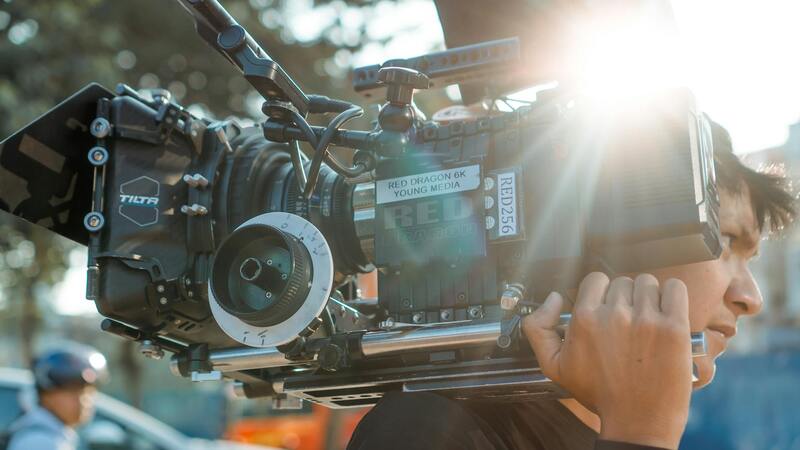
Choosing appropriate platforms and delivery methods hinges on audience size, geographic distribution, and technical infrastructure, all of which influence decisions made during the planning phase. Ensuring compatibility across devices such as desktops, tablets, and smartphones broadens accessibility and maintains a consistent viewing experience.
Real-Time Production and Operations
The core of live sports streaming lies in real-time production operations. Skilled directors and technical staff coordinate camera feeds, graphics, overlays, and live commentary. Multi-camera switching delivers dynamic perspectives, while instant replays and highlight clips boost viewer engagement. Coordinating real-time graphics, such as timers, score updates, and player stats, enhances the viewer experience and provides context to ongoing action.
Communications between technical personnel are vital during live events. Wireless intercom systems facilitate instant instructions, cueing, and adjustments, ensuring that the production team functions cohesively despite the fast-paced environment. Additionally, real-time monitoring of stream quality and viewer feedback allows producers to address issues promptly, minimizing disruptions.
Furthermore, adaptive streaming technologies automatically adjust video quality based on network conditions, ensuring viewers experience minimal buffering or quality drops. This process involves seamless switching between different bitrates, which is managed by encoding systems and streaming servers in real-time.
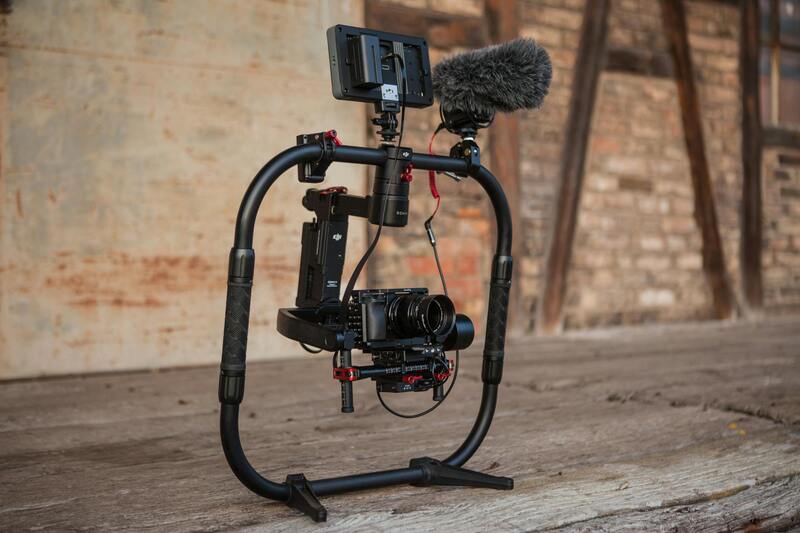
An effective real-time operation also emphasizes contingency planning. Backup equipment, such as secondary encoders and redundant power supplies, are critical for handling unforeseen technical failures. The production team continuously monitors device status, stream health, and viewer engagement metrics, making swift adjustments to uphold broadcast quality.
Effective Signal Management and Setup for Seamless Sports Streaming
For delivering high-quality sports broadcasts, establishing a robust signal management system is fundamental. The initial phase involves configuring reliable video sources, including multiple cameras positioned strategically to capture different angles of the event. These camera feeds are connected via professional-grade cabling and wireless transmitters, ensuring minimal latency and interference. Ensuring clean, stable signals from each camera is crucial for maintaining broadcast integrity.
Once sources are secured, they are routed into a centralized video switcher. This device facilitates live switching between camera feeds, allowing the director to select the most engaging angles in real time. High-end switchers support seamless transitions, picture-in-picture effects, and multi-view displays, which contribute to a dynamic viewing experience. Additionally, hardware or software-based video mixers enable real-time overlays of graphics such as scoreboards, timers, and player statistics.
Signal switching must be handled with precision to prevent disruptions. Dedicated control panels or software interfaces allow technical operators to perform instant switchovers, ensuring that the broadcast remains fluid and engaging. Moreover, reliable signal routing involves redundant pathways—such as backup cabling and alternative transmission routes—to mitigate the risk of signal loss.
Managing Multiple Camera Feeds for Consistent Broadcast Quality
Effective management of live camera feeds encompasses not only hardware but also comprehensive control protocols. Each camera feed is monitored through a video monitor wall, giving the production team real-time visibility of all sources. This setup enables quick identification of issues—such as focus, exposure, or framing problems—that could affect the overall broadcast.
Furthermore, live feeds are often subjected to real-time color correction and audio balancing to ensure visual and auditory consistency. This process involves skilled technicians adjusting parameters on the fly, with the goal of maintaining professional-grade broadcast standards throughout the event.
To streamline workflows, teams utilize multi-view monitoring software that aggregates all feeds onto a single display. This tool simplifies switching decisions and helps coordinate graphics insertion, timing cues, and replays. The entire signal management system is synchronized with live editing software that facilitates instant replays or highlight clips, engaging viewers with key moments.
Ensuring Stream Reliability and Quality
Critical to sports video production is the continuous assessment of stream quality. Specialized monitoring systems analyze bandwidth, latency, and stream stability, alerting operators of potential issues before viewers encounter disruptions. Adaptive bitrate streaming further enhances reliability by dynamically adjusting video quality based on real-time network performance, ensuring a smooth viewing experience regardless of varying internet conditions.
Backup solutions, such as secondary encoders and power supplies, are crucial for maintaining uninterrupted broadcast continuity. Teams proactively test these backups before the event, configuring automatic failover protocols that activate instantly should primary systems encounter failures.
This meticulous approach to signal management and equipment setup guarantees that sports broadcasters can deliver live content with clarity, precision, and minimal latency, ultimately elevating the viewer experience.
Leveraging Professional Streaming Platforms and Delivery Networks
Efficiently distributing sports video content to a broad audience hinges on selecting the right streaming platforms and delivery methods. Industry-standard platforms such as Wowza Streaming Engine, Vimeo Livestream, and industry-specific solutions provide robust infrastructure for live sports events, ensuring high-quality delivery and scalability. These platforms offer features like multi-bitrate streaming, which adapts video quality based on viewers’ internet speeds, providing a seamless experience across various devices.
Integrating Content Delivery Networks (CDNs) is vital for minimizing latency and buffering issues. CDNs distribute streams through geographically dispersed servers, reducing the distance data must travel, thus leading to faster and more reliable content delivery. When choosing a CDN, broadcasters consider provider reputation, global reach, and compatibility with their streaming platform.
The application of adaptive streaming protocols such as HTTP Live Streaming (HLS) and MPEG-DASH further enhances efficiency by dynamically adjusting video quality in real-time. These techniques ensure that viewers experience minimal interruption regardless of network fluctuations, making them essential for live sports streaming where consistency is key.
This layered approach—combining powerful streaming platforms, CDN integration, and adaptive protocols—guarantees a wide-reaching, high-quality broadcast capable of satisfying the rigorous demands of live sports audiences.
Real-Time Production and Operations
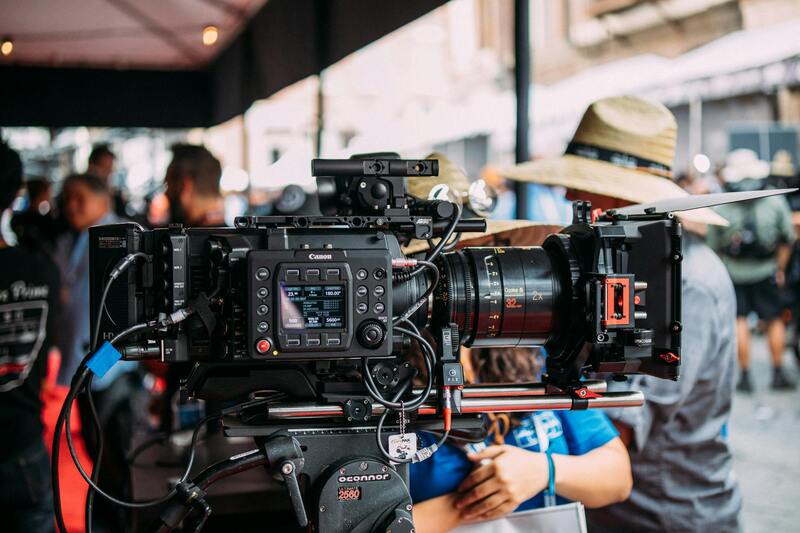
Effective live sports video production relies heavily on a seamless orchestration of real-time operations that combine technical expertise and creative input. Central to this process is the use of multi-camera setups, which capture different angles and provide dynamic perspectives that enhance viewer engagement. These cameras, ranging from professional broadcast units to more specialized equipment, are often operated with precision to ensure smooth transitions and consistent framing throughout the event.
Once the footage is captured, the live switching process enables the director to select which camera feeds are broadcasted at any moment. This operation is typically facilitated by a video switcher or switcher console that allows for quick, precise transitions, overlays, and effects. Skilled technical directors coordinate these shifts, ensuring the audience remains engaged without disruptions or delays.
Graphics and real-time data overlays constitute another vital aspect of live sports broadcasts. This includes score updates, player statistics, and instant replays, which are integrated into the stream seamlessly. Advanced graphics systems enable quick rendering and overlaying of information, synchronized with the live feed to provide viewers with comprehensive coverage.
 igure>
Audio management is equally critical. Clear commentary, crowd noise, and ambient sounds must be balanced through sophisticated audio mixing consoles, ensuring clarity and immersion. Real-time audio adjustments are necessary for different segments of the event, such as during slow-motion replays or highlight packages.
Complementing these production elements is the employment of integrated communication systems, allowing the director, camera operators, graphics team, and commentators to coordinate effectively. Clear, low-latency communication channels are essential, especially for managing unexpected situations or coordinating quick transitions between different views.
To maintain a professional broadcast, contingency planning for technical issues, such as signal disruptions or equipment failures, should be in place. Redundant systems, backup feeds, and real-time troubleshooting protocols ensure the continuity of the stream and uphold viewer trust in high-stakes sports broadcasting environments.
 igure>
Understanding Sports Video Production
Effective sports video production requires meticulous planning, high-quality equipment, and skilled personnel to capture the excitement and intensity of live athletic events. From initial concept development to final broadcast delivery, each phase involves specialized techniques designed to engage viewers and deliver a compelling experience. The objective is to produce a seamless, professional presentation that highlights key moments, features comprehensive coverage, and maintains viewer engagement throughout the event.
Key Equipment for Sports Streaming
The backbone of successful sports streaming is utilizing state-of-the-art equipment tailored to dynamic, fast-paced events. Essential components include high-definition cameras capable of capturing multiple angles, including ultra-wide shots, close-ups, and slow-motion replays. These cameras often feature zoom lenses with high optical quality and stabilization technology to ensure clarity during rapid movements.
Video switchers serve as the control hub, allowing production teams to transition between camera feeds in real-time. These switchers support live streaming requirements, enabling instant transitions, picture-in-picture views, and overlay graphics. Complementing this hardware are professional microphones and audio mixers, which capture and synchronize on-field sounds, commentary, and ambient noise, creating a balanced, immersive audio environment.

Planning and Pre-Production for Sports Events
Pre-production planning involves collaborative efforts among all stakeholders, including producers, directors, camera operators, and technical staff. Creating detailed production schedules, shot lists, and camera placement diagrams ensures synchronized efforts during the event. It’s also vital to conduct technical rehearsals to troubleshoot potential issues with signal routing, camera angles, or graphics integration.
Advanced scouting of the venue allows crews to determine optimal camera positions, lighting configurations, and power sources. Additionally, coordinating with event organizers ensures seamless access and adherence to safety protocols. This phase also includes developing graphics packages, including scores, player statistics, and branding overlays, that will be integrated into the live stream efficiently.
Technical Setup and Signal Management
Establishing a robust technical infrastructure is essential for high-quality sports streaming. This begins with setting up reliable signal routes from cameras to the production control room. Signal management relies on switching matrices and fiber-optic cabling to handle the large data flow, reducing latency and preventing signal degradation.
For live streaming, encoding equipment converts raw video feeds into compressed formats suitable for internet transmission. These encoders should support adaptive bitrate streaming technology to accommodate different viewer bandwidths, preventing buffering issues. Additionally, redundant systems, such as backup power supplies and spare equipment, ensure continued operation amidst unforeseen interruptions.
Streaming Platforms and Delivery Methods
Choosing the right streaming platform involves evaluating factors such as audience reach, technical support, and monetization options. Official streaming services often provide secure, scalable infrastructure for sports content, ensuring consistent quality and minimal downtime. Many streams are delivered via Content Delivery Networks (CDNs) that distribute content across global regions, minimizing latency and buffering issues.
Delivery can be tailored to different devices, supporting adaptive streaming formats for desktops, tablets, and smartphones. This approach guarantees viewers accessing the stream from various devices experience high-quality video without interruptions. Some broadcasters also utilize dedicated apps or embedded players on their websites to provide seamless integration and customized branding.
Real-Time Production and Operations
The heart of live sports streaming is the real-time production team, which manages video feeds, graphics, commentary, and technical aspects of the broadcast. The director oversees the entire show, making rapid decisions about camera cuts, replays, and graphic overlays. Operators controlling cameras and graphics execute these decisions with precision, often working in concert via low-latency communication channels.
The production team must be adaptable, able to respond swiftly to unexpected on-field developments. Instant replays provide viewers with a closer look at pivotal moments, typically achieved through dedicated replay servers with slow-motion playback capabilities. Dynamic graphics, including live scores and player stats, are overlaid using real-time graphic generators and integrated into the stream seamlessly.
Effective communication among team members is facilitated through walkie-talkies, headsets, and integrated control room systems, ensuring coordinated actions are executed flawlessly. Continuous monitoring of stream quality, signal integrity, and viewer feedback helps maintain a high standard throughout the broadcast.
Understanding Sports Video Production
Effective sports video production involves a meticulously coordinated effort to capture, enhance, and transmit live sporting events. This process starts well before the event begins, with detailed planning and content development that align with the event’s scale and audience expectations. Creation of a comprehensive production plan includes securing necessary permits, coordinating personnel, and scouting venues to ensure seamless operation on game day. Skilled production teams utilize a combination of advanced hardware and software to deliver a dynamic viewing experience, emphasizing high-resolution visuals, immersive graphics, and real-time commentary.
Key Equipment for Sports Streaming
To achieve professional-quality broadcast streams, several core pieces of equipment are essential. These include HD or 4K cameras capable of capturing fast-paced action from multiple angles, state-of-the-art switchers for transitioning between camera feeds smoothly, and audio equipment such as wireless microphones to capture commentary and ambient sounds with clarity. Video encoders are vital for converting raw footage into stream-ready digital signals, optimized for low latency transmission. Additionally, graphics servers generate live overlays for scores, player stats, and other relevant information, enriching the viewer’s experience.
Planning and Pre-Production for Sports Events
Pre-production is a critical phase that involves detailed coordination among production staff, technical teams, and event organizers. This stage includes mapping out camera placements, establishing communication protocols, and testing broadcast infrastructure to prevent unforeseen issues. Content planning extends to script development for commentary, graphic design templates, and replay sequences. Venue scouting ensures optimal placement of on-camera equipment and provides insights into lighting conditions and possible obstructions. Pre-event rehearsals are fundamental to confirm that all systems function correctly and to synchronize the team’s efforts for a flawless live broadcast.
Technical Setup and Signal Management
A robust technical setup is essential to deliver a stable, high-quality stream. The setup includes redundant power supplies, network connections with sufficient bandwidth, and backup systems for critical components. Signal management involves monitoring the integrity of incoming feeds and the distribution of output signals to streaming platforms. An effective setup uses low-latency transmission methods to minimize delays, ensuring real-time interaction with the audience. Additionally, integration with multiple streaming servers provides scalability and load balancing, preventing stream interruptions during peak viewer times. On-site technicians continuously monitor equipment performance and are ready to troubleshoot issues swiftly to maintain broadcast continuity.
Streaming Platforms and Delivery Methods
Selecting the appropriate streaming platform is crucial for reaching the intended audience effectively. Popular options include dedicated sports streaming services, social media integrations, and custom websites with embedded players. Delivery methods often utilize Content Delivery Networks (CDNs) to distribute streams efficiently across various regions, reducing latency and buffering. Encoders transmit data to these networks, which then optimize content delivery based on viewer location and bandwidth conditions. Adaptive bitrate streaming allows viewers to enjoy uninterrupted viewing experiences regardless of their device or network speed, while multi-platform broadcasting enhances accessibility and audience engagement.
Real-Time Production and Operations
The core of live sports streaming hinges on professional real-time production. This involves managing multiple camera feeds, overlaying graphics, and integrating commentator audio to craft an engaging broadcast. A director orchestrates camera cuts, instant replays, and the addition of graphics, all executed with precision. Equipment like replay servers supports slow-motion analysis of pivotal plays, giving viewers an immersive experience. Communication among technical staff is maintained through secure channels, facilitating rapid responses to changing on-field situations. Continuous monitoring of stream quality and viewer feedback allows operators to make adjustments promptly, ensuring a smooth viewing experience for all participants.
Post-Production and Archiving
Post-production processes are vital for creating highlight reels, preparing on-demand content, and maintaining a comprehensive archive of sporting events. Editing includes linking key moments into shareable clips, adding additional commentary, and embedding graphics for promotional use. High-resolution recordings serve as an important resource for future marketing or review purposes. Proper archiving safeguards the raw footage and finished productions, allowing easy retrieval for re-broadcasting or historical reference. Effective storage solutions ensure content integrity and accessibility across different platforms and formats, supporting ongoing content strategies and viewer engagement efforts.