Understanding the Role of a Livestream Videographer
A livestream videographer plays a crucial role in the seamless capture and broadcasting of live events. Their primary responsibility is to operate professional video equipment to transmit real-time footage to various platforms, ensuring that the visual content is clear, engaging, and accurately represents the event’s atmosphere. This requires a blend of technical expertise, artistic sensibility, and quick problem-solving abilities. Unlike traditional videographers, those specializing in livestreams must adapt swiftly to changing conditions, managing live feeds without the benefit of editing or retakes.
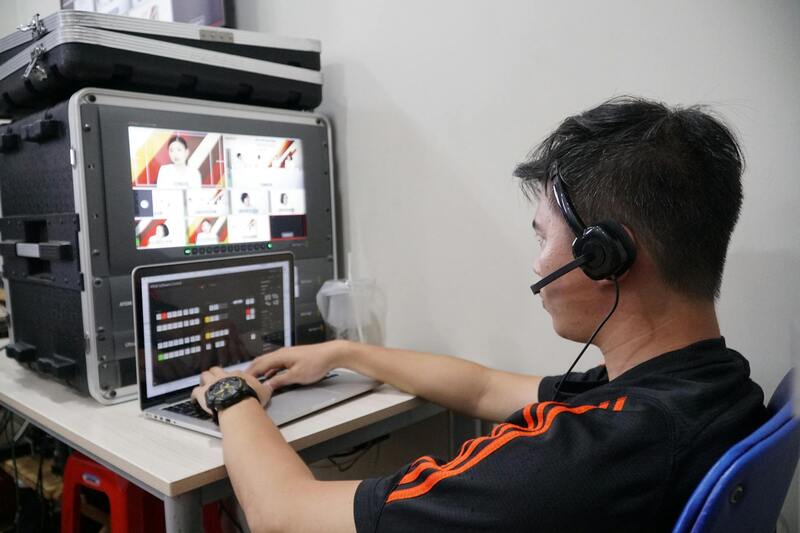
The skill set of a livestream videographer extends beyond basic camera operation. They must have a thorough understanding of audiovisual equipment, including multiple camera setups, switching systems, and streaming hardware. Competency in operating live switching software allows them to switch between camera angles, add graphics or overlays, and control audio levels for a polished broadcast. Additionally, a keen eye for framing, lighting, and composition enhances the visual quality, making the live content more engaging for viewers.
Effective communication and coordination are vital aspects of the role. A livestream videographer collaborates closely with event organizers, technical teams, and presenters to ensure smooth operation. During the event, they monitor the feed constantly, troubleshoot technical issues promptly, and adapt to any unforeseen circumstances. Their professionalism and attention to detail help deliver a reliable streaming experience that can reach a broad audience regardless of geographical limitations.
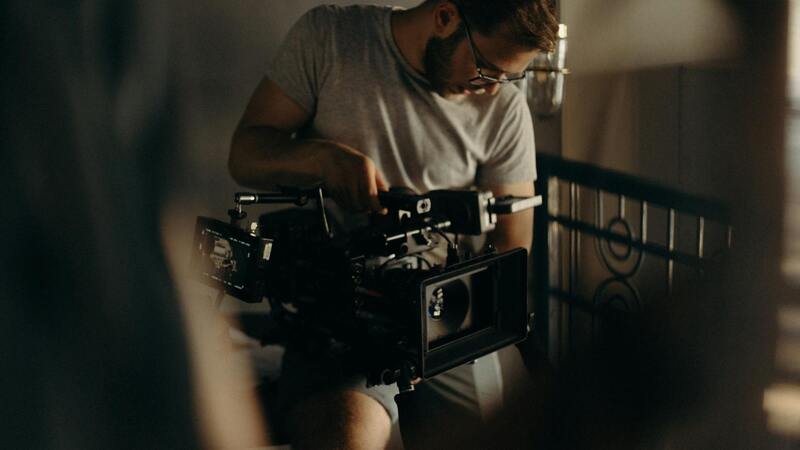
In the competitive landscape of event coverage, a skilled livestream videographer is indispensable. They transform live moments into broadcast-quality content, enabling organizations, corporations, and individual clients to extend their reach, engage viewers in real time, and enhance the overall impact of their events. Their expertise ensures that every broadcast is professional, reliable, and visually compelling, making their role vital in the modern digital era.
Essential Equipment and Technical Considerations for Professional Livestreams
For a seamless and high-quality live broadcast, a livestream videographer in Miami relies on an array of specialized equipment and technical tools. High-definition cameras with professional-grade lenses form the core of the setup, capturing clear visuals regardless of the event size or environment. Multiple camera configurations, including fixed, handheld, or robotic cameras, enable dynamic shot selection that enhances viewer engagement and provides a comprehensive perspective of the event.
Switching systems play a crucial role in delivering a polished broadcast. Live switching hardware or software allows for smooth transitions between camera angles, insertion of graphics, overlays, and real-time adjustments. Audio equipment, such as mixers, microphones, and wireless systems, ensure sound clarity and synchronization with visual feeds. Proper lighting setups, including LED panels and softboxes, optimize visibility and highlight key moments, even in dimly lit venues.
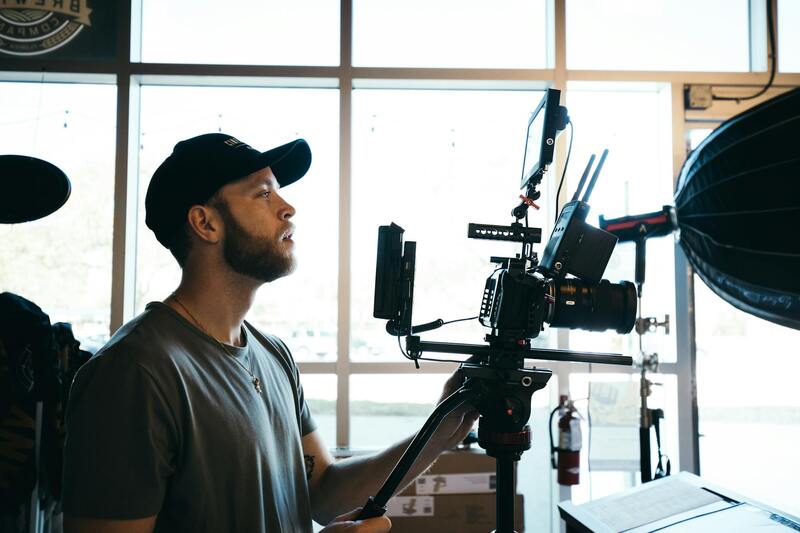
In addition to hardware, a prominent aspect of successful livestreaming involves reliable streaming hardware and robust internet connectivity. A dedicated streaming encoder converts the video signal into a suitable format for online transmission, while high-bandwidth internet connections prevent interruptions and buffering issues. Redundant internet access through backup connections or mobile hotspots is often employed to mitigate potential disruptions, ensuring a continuous broadcast.
Optimized software solutions facilitate real-time editing, graphics integration, and multi-platform streaming. These tools allow videographers to tailor the visual presentation dynamically, enhancing viewer engagement and providing a professional look that matches the event’s tone and purpose.
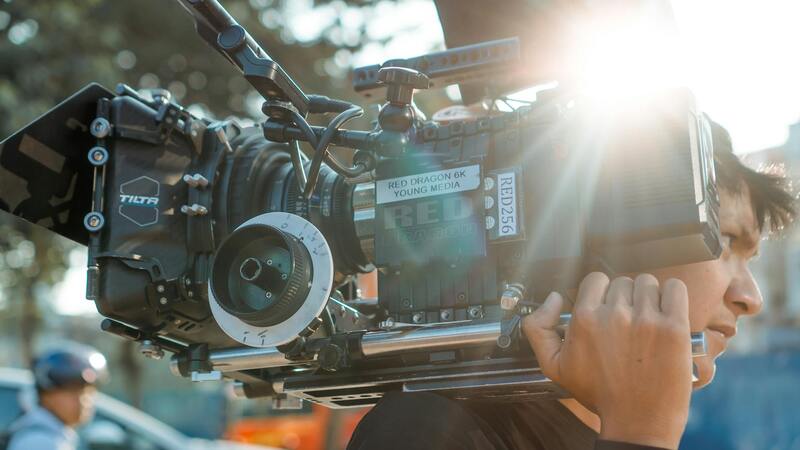
Technical expertise in setting up and troubleshooting this equipment is essential. A livestream videographer must be prepared to address unforeseen issues swiftly—from connectivity problems to hardware malfunctions—minimizing downtime and maintaining the flow of the broadcast. Familiarity with the latest trends and innovations ensures they can adapt to new demands and deliver high-quality content consistently.
Overall, mastery of the right equipment combined with meticulous technical planning and execution forms the backbone of an impactful livestream, elevating the visibility and professionalism of your Miami-based event coverage.
Understanding the Role of a Livestream Videographer
A livestream videographer plays a crucial role in capturing live events and delivering seamless streaming experiences to online audiences. Their responsibilities extend beyond simply operating cameras; they are responsible for the technical execution, visual storytelling, and real-time management required to ensure a professional presentation. They must possess an in-depth understanding of various broadcasting technologies, including the proper setup of cameras, microphones, switching equipment, and internet connectivity, to create a cohesive and engaging broadcast.
One of the core tasks involves configuring and operating multi-camera setups to provide diverse angles and clean transitions, which helps maintain viewer interest. They also handle live switching, incorporating graphics, overlays, and pre-recorded video clips that enhance the overall production without disrupting the flow. Sound quality is equally important—livestream videographers ensure that audio levels are balanced, background noise minimized, and speech clarity optimized to match the event's atmosphere.
Additionally, a livestream videographer must possess strong troubleshooting skills to address unexpected technical issues swiftly. Whether it's a hardware malfunction, internet disruption, or software glitch, their ability to adapt quickly and make necessary adjustments keeps the broadcast running smoothly. Technical familiarity with streaming platforms and how to utilize their features—such as chat moderation, multi-platform sharing, and scheduling—is essential for maximizing reach and engagement.
Effective collaboration with event organizers, speakers, and technical teams is vital for aligning the visual content with the event's goals. Precise planning and communication help ensure that the visual storytelling aligns with the event narrative, providing a professional and engaging experience for remote viewers. The liveliness and clarity of the broadcast often reflect the competence and preparation of the videographer, making their role integral to the success of any livestream event.
In Miami’s vibrant event scene, a skilled livestream videographer combines technical expertise with artistic sensibility, ensuring that each broadcast not only conveys information but also captures the essence and atmosphere of the occasion. This dedication to excellence guarantees that online viewers feel as connected and engaged as those attending in person, elevating the event's overall impact.
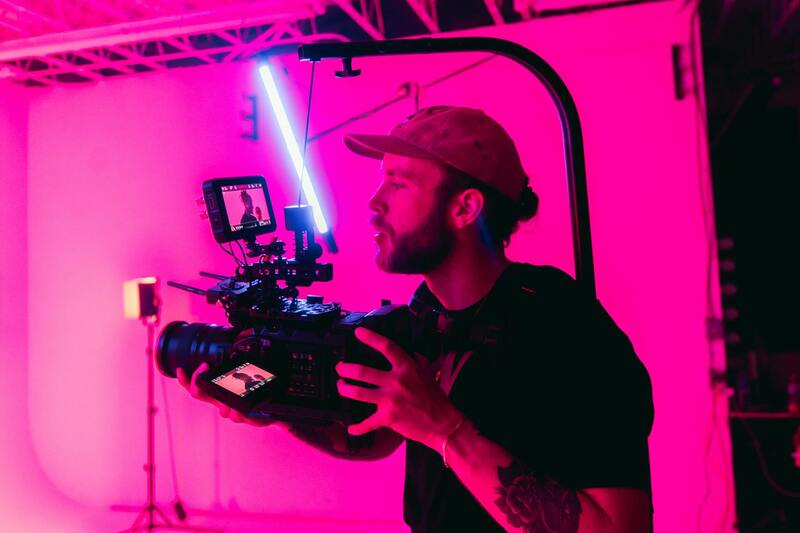
Factors to Consider When Hiring a Livestream Videographer in Miami
Selecting the right livestream videographer in Miami involves evaluating several critical aspects to ensure the success of your event’s digital broadcast. First and foremost, experience plays a vital role; look for professionals who have a proven track record with similar events, whether corporate conferences, live concerts, or community gatherings. An experienced videographer understands the nuances of live production, including managing multiple camera angles, capturing multiple audio sources, and seamlessly integrating on-screen graphics or overlays that enhance viewer engagement.
Review their portfolio thoroughly to assess the quality and variety of their past work. A comprehensive portfolio showcases their technical capabilities and artistic sensibility, revealing their ability to capture the essence of different event types convincingly. It also provides insight into their familiarity with diverse venues and lighting conditions, which is particularly relevant in Miami’s vibrant and dynamic event spaces.
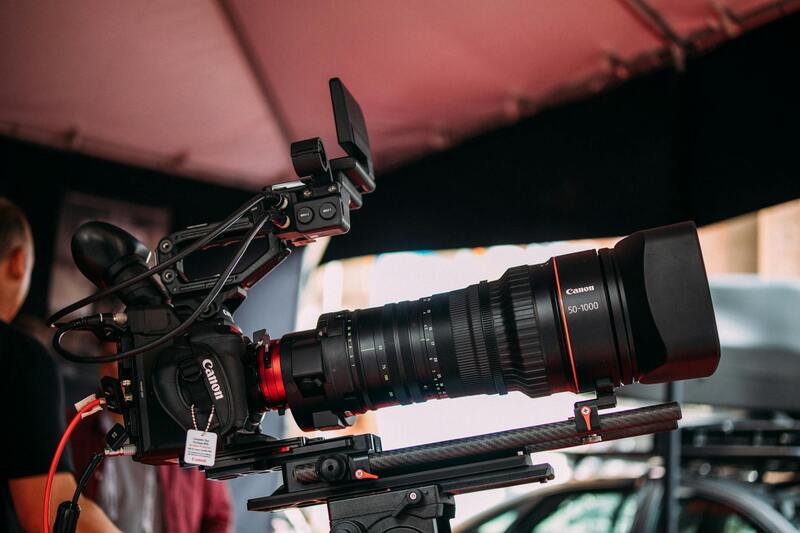
Another vital consideration is the equipment used. Reliable, high-quality gear—such as 4K cameras, professional audio systems, and stable streaming hardware—ensures crisp visuals and clear sound, directly impacting viewer experience. Confirm that the videographer maintains current technology standards and regularly updates their equipment to keep pace with industry advancements.
Local knowledge and familiarity with Miami’s diverse event venues and network infrastructure can make a significant difference in the smooth execution of livestreams. An experienced Miami-based videographer understands the unique challenges posed by various locations, from outdoor sunlight issues to venue-specific technical requirements. Their understanding of local internet infrastructure and the ability to troubleshoot connectivity issues promptly enhance overall broadcast stability.
Additional Factors to Evaluate
- Client testimonials and references: Positive feedback from previous clients indicates reliability and professionalism.
- Understanding of your specific event needs: A videographer who listens and offers customized solutions ensures alignment with your goals.
- Technical support and backup plans: Adequate preparations for unforeseen issues mitigate risks during live broadcasts.
- Pricing transparency and service inclusions: Clear estimates and comprehensive service packages help manage your budget effectively.
Engaging a professional who embodies these qualities will provide confidence that your live event coverage will meet or exceed expectations, delivering high-quality streaming content that effectively reaches your audience.
Factors to Consider When Hiring a Livestream Videographer in Miami
Choosing the right livestream videographer in Miami requires a comprehensive evaluation of several key factors that go beyond just equipment and price. An experienced professional will ensure that your live event is captured with the highest quality, seamlessly broadcasted, and free from technical glitches that could detract from the experience. Here are essential considerations for selecting a reliable livestream videographer in Miami.
Assessment of Technical Expertise and Equipment
Look into the candidate's technical background, including familiarity with the latest streaming platforms, camera quality, audio systems, and encoding hardware. The ability to troubleshoot common technical issues quickly is particularly valuable, especially in outdoor or complex venue settings. Verify that they maintain up-to-date equipment that can handle high-definition streaming and adapt to different lighting conditions, ensuring the visual quality remains consistent throughout the event.
Local Knowledge and Venue Experience
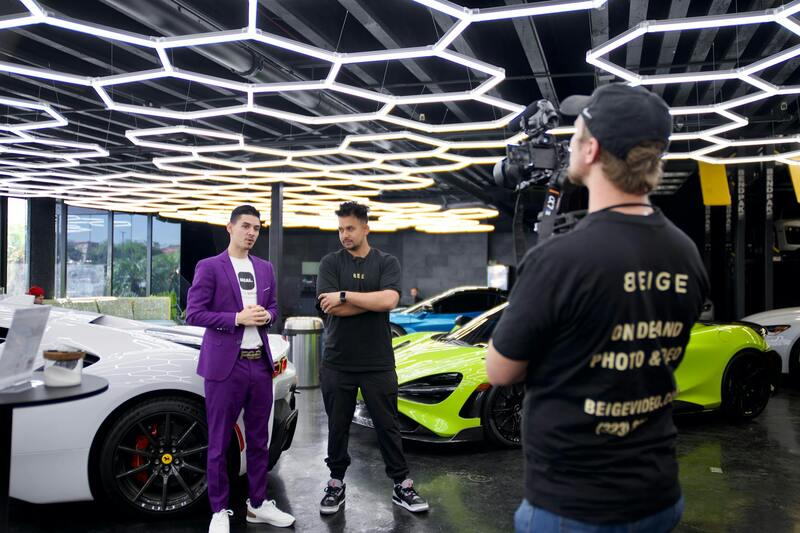
Understanding Miami’s diverse array of venues—from outdoor waterfront parks to large conference centers—can significantly influence the outcome of a livestream. An adept Miami-based videographer is familiar with these locations’ unique challenges, such as sunlight glare, unpredictable weather, or limited power sources. Their local insight allows them to preemptively address potential issues, ensuring a more reliable broadcast.
Portfolio and Past Client Feedback
Reviewing a videographer’s portfolio provides insight into their style and technical capability. Additionally, positive testimonials from previous clients demonstrate professionalism, reliability, and the ability to deliver on scheduled commitments. Request references to gain firsthand accounts of their responsiveness and problem-solving skills during live events.
Customization and Flexibility
Every event has distinct requirements, from corporate conferences to live concerts. A proficient livestream videographer should demonstrate a willingness to customize their services to align with your specific objectives. This might include tailored camera angles, integrated graphics, or multi-camera setups for dynamic coverage.
Support and Backup Plans
Live streaming involves a multitude of technical components that can unexpectedly fail. An experienced professional should have contingency strategies, such as backup internet connections, spare equipment, and real-time technical support, to mitigate potential disruptions. Clear communication about these plans reassures clients that the live coverage will proceed smoothly regardless of unforeseen issues.
Pricing Transparency and Service Inclusions
Transparent pricing reflects a professional approach, avoiding hidden fees or unexpected charges. Obtain detailed service packages outlining what is included, such as setup, technical support, editing, and post-event delivery. This clarity helps in aligning the service with your budget and expectations, preventing surprises at the final billing stage.
Engaging a well-qualified, knowledgeable, and flexible livestream videographer in Miami ensures your event will be documented with clarity and professionalism, reaching your audience effectively and leaving a lasting impression.
Understanding the Technical Workflow of Livestream Videographers
Professional livestream videographers in Miami follow a meticulous technical workflow to ensure flawless broadcasting. They begin with an in-depth consultation to understand the event’s nature, audience, and desired output. This initial phase includes discussing the ideal camera angles, audio integration, visual effects, and supplementary graphics that can enhance viewer engagement. Once the plan is established, the videographer moves on to leveraging advanced hardware and software solutions tailored to the event’s scope.
During the setup phase, the videographer installs multiple cameras at strategic locations, ensuring comprehensive coverage of the event. This might involve static cameras for wide shots, moving cameras for dynamic angles, and specialty cameras such as 4K or drone cameras for unique perspectives. Audio professionals work in tandem to position microphones optimally, capturing clear sound from all sources, be it speakers, performers, or audience members.
Switching between camera feeds during live streaming is managed via professional video switchers, allowing seamless transitions that maintain audience engagement. Integrated graphics, lower thirds, and branding elements are embedded in real-time, adding polish and professionalism to the broadcast. Backup systems—including secondary internet connections and spare equipment—are prepared to address potential disruptions swiftly without interrupting the live feed.
Post-event, the videographer typically handles editing and processing. Raw footage may be refined to produce highlight reels, recorded to share with clients or disseminate across multiple platforms. This comprehensive process highlights the importance of expertise, technical precision, and flexibility in delivering high-quality live video content.
Best Practices for Communicating Your Livestream Needs
- Define Clear Objectives: Specify what aspects of the event you want highlighted and the overall tone of the broadcast.
- Discuss Technical Requirements: Clarify audio-visual specifications, streaming platforms, and interactive features such as chat or Q&A modules.
- Establish Timeline and Schedule: Share a detailed schedule of the event to synchronize technical setups and rehearsals.
- Request Portfolio and Past Work: Viewing previous projects can help evaluate if the videographer’s style aligns with your expectations.
- Confirm Contingency Plans: Ensure there are clearly defined backup procedures for technical failures or connectivity issues.
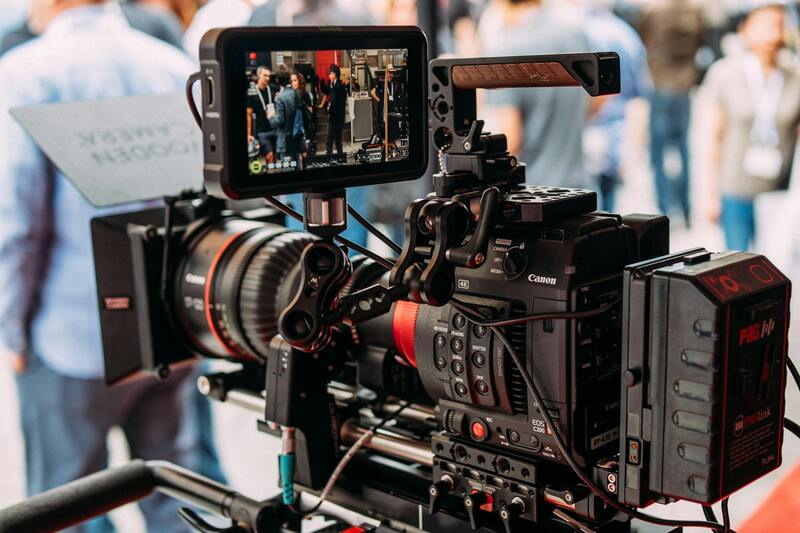
Collaborating closely with your Miami-based livestream videographer from the planning stage through execution ensures a smooth, engaging broadcast that resonates with your audience. Transparency and detailed planning are key components for achieving the highest quality live streaming experience possible.
Understanding the Role of a Livestream Videographer
A livestream videographer plays an essential role in capturing real-time events and delivering high-quality video content to remote audiences. Their expertise combines technical skills in camera operation, live editing, and seamless streaming technology. These professionals are responsible for ensuring the visual and audio aspects of the event are optimized for broadcast, maintaining live synchronization, and managing the complexities of transmitting live footage over the internet.
Beyond operating cameras, a proficient livestream videographer in Miami must possess strong skills in setting up and troubleshooting streaming hardware and software, ensuring optimal internet bandwidth, and configuring multi-camera setups if needed. They serve as a vital link between the event and its virtual viewers, ensuring that the footage remains clear, engaging, and free of disruptions. The role also involves collaborating with event organizers to understand the event’s objectives, which helps tailor the livestream to meet specific needs such as highlighting speakers, capturing audience reactions, or showcasing intricate details of a product launch.
In high-profile events like conferences, concerts, or corporate gatherings, the livestream videographer's ability to adapt quickly to unexpected technical issues or changes in the schedule can make a significant difference. Their experience in managing live feeds under pressure ensures a smooth broadcast regardless of unforeseen circumstances. Using advanced switching equipment, they can switch between multiple camera angles, incorporate graphics, and add overlays to enhance audience engagement. This comprehensive approach requires a blend of artistic vision and technical precision, emphasizing the importance of working with skilled professionals who prioritize quality and reliability.
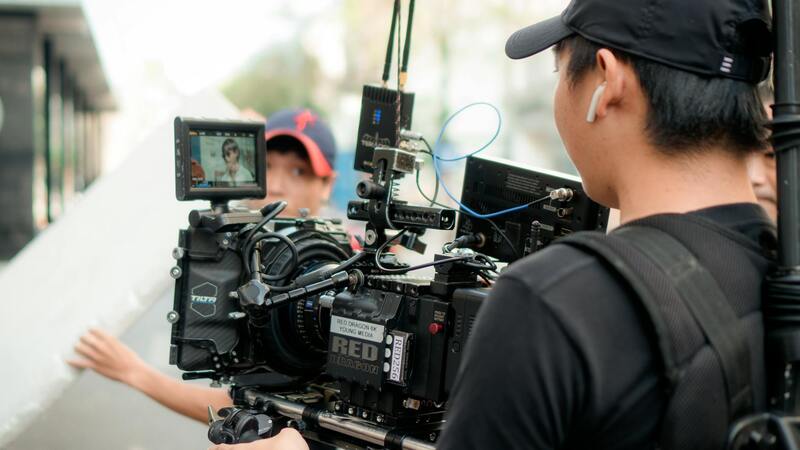
Ultimately, a livestream videographer in Miami is tasked with transforming a live event into an accessible, engaging digital experience. Their work extends beyond mere technical execution; it involves strategic planning, creative input, and real-time problem-solving to deliver a broadcast that resonates with viewers and meets the event’s goals.
Preparing for a Successful Livestream Event
Effective preparation is fundamental to delivering a seamless livestream that meets the expectations of both organizers and viewers. Prior to the event, it’s essential to conduct comprehensive planning sessions with all stakeholders, including event planners, technical staff, and the livestream videographer. This collaborative effort ensures clarity of the event’s objectives, target audience, and desired outcomes, facilitating the creation of a detailed broadcast plan.
One of the initial steps involves a meticulous site assessment to identify optimal camera placement, power sources, internet connectivity points, and potential challenges that could impact the livestream. Reliable internet connectivity is non-negotiable; therefore, conducting speed tests and arranging backup solutions, such as dedicated wired connections or mobile hotspots, guarantee smooth transmission. Additionally, securing sufficient bandwidth and testing it well in advance helps prevent interruptions during the live broadcast.
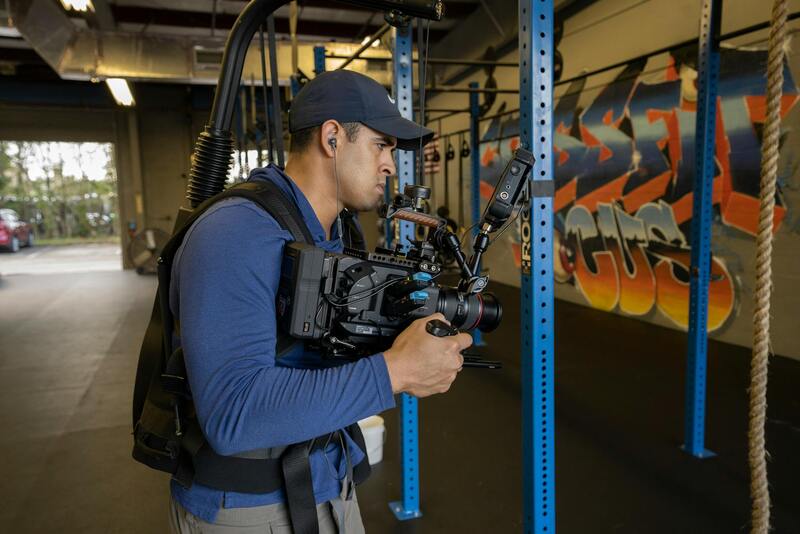
Content preparation is equally critical. This entails coordinating with speakers, performers, and presenters to ensure they are familiar with the technical setup, including microphone use, positioning, and timing cues. Conducting rehearsal runs allows the team to troubleshoot potential issues and familiarize everyone with the flow of the event, leading to increased confidence during the actual livestream.
Equipment readiness must be verified before the event begins. This includes testing cameras, microphones, mixing consoles, streaming encoders, and backup power supplies. Having contingency plans in place to address technological failures minimizes downtime and maintains broadcast continuity. Clear communication protocols should be established among team members to coordinate transitions, handle unforeseen problems, and ensure swift responses to technical glitches.
Additionally, content promotion and audience engagement strategies should be integrated into the event plan. Promoting the livestream across social media channels, email campaigns, and website notifications maximizes viewership. Incorporating interactive elements such as live chat, polls, or Q&A sessions can further enhance viewer experience and engagement.
Finally, post-event review is vital. Analyzing broadcast quality, viewer feedback, and technical logs helps identify improvement areas. This continuous improvement process ensures that each subsequent livestream becomes more professional and engaging, contributing to building a reliable reputation for your brand or organization.