
Understanding the Role of a Live Streaming Videographer
A live streaming videographer plays a crucial role in capturing and broadcasting events in real-time through high-quality video transmission. They are responsible for operating specialized camera equipment, managing live feeds, and ensuring seamless video and audio delivery to online audiences. Their expertise combines technical skills with a keen eye for visual storytelling, making them indispensable for engaging virtual viewers in diverse event contexts.
The importance of a live streaming videographer extends beyond simply setting up camera gear. They meticulously plan the visual coverage, coordinate with event organizers, and adapt to unexpected changes during the broadcast. Their presence guarantees that every key moment is captured with clarity and professionalism, offering live viewers an immersive experience comparable to attending the event in person.
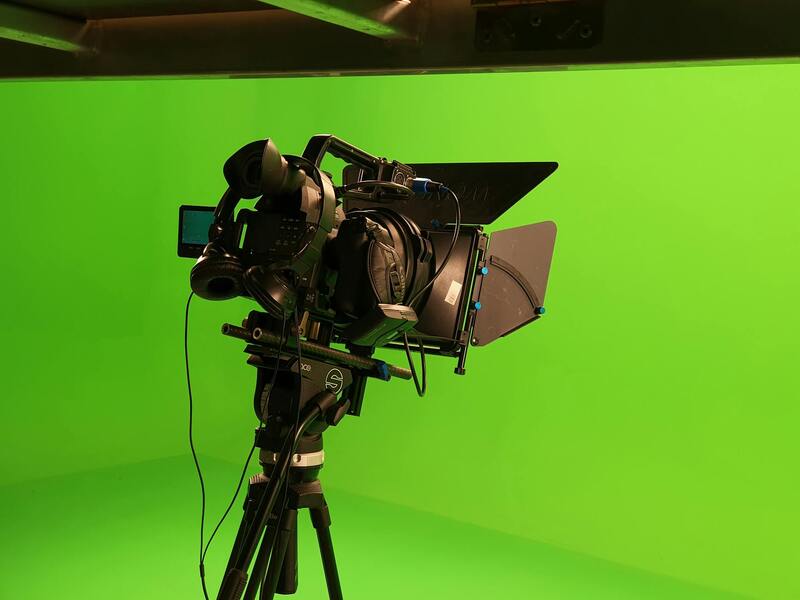
In today's digital landscape, live streaming has become an essential component of event promotion and engagement. Whether hosting conferences, concerts, corporate meetings, or community gatherings, the role of a live streaming videographer ensures that the content reaches a broader audience efficiently and effectively. Their work involves more than just filming; it encompasses technical troubleshooting, real-time switching between multiple camera angles, and maintaining a stable internet connection to avoid disruptions.
Given the high stakes involved in live broadcasts, the skills of a live streaming videographer must include adaptability, attention to detail, and proficiency in a variety of broadcasting platforms and equipment. Their expertise ensures that the event’s message is conveyed clearly, professionally, and with minimal technical issues, ultimately enhancing the event's reach and impact.
From small gatherings to large-scale productions, the live streaming videographer’s role is integral to modern event execution. Their contribution enables organizers to extend the event’s reach globally, attract a wider audience, and generate greater engagement through real-time interaction and visual storytelling.
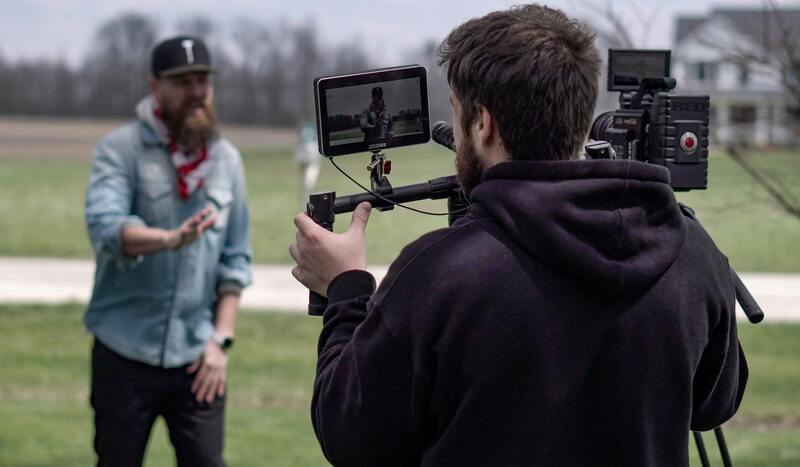
Essential Equipment and Best Practices for Live Streaming Videographers
Achieving a seamless live broadcast requires a carefully curated selection of equipment combined with precise operational practices. A professional live streaming videographer relies on a suite of sophisticated tools designed to capture, process, and transmit high-quality video content in real time. This encompasses camera systems, audio devices, encoders, and streaming platforms, all working in harmony to ensure a fluid viewing experience.
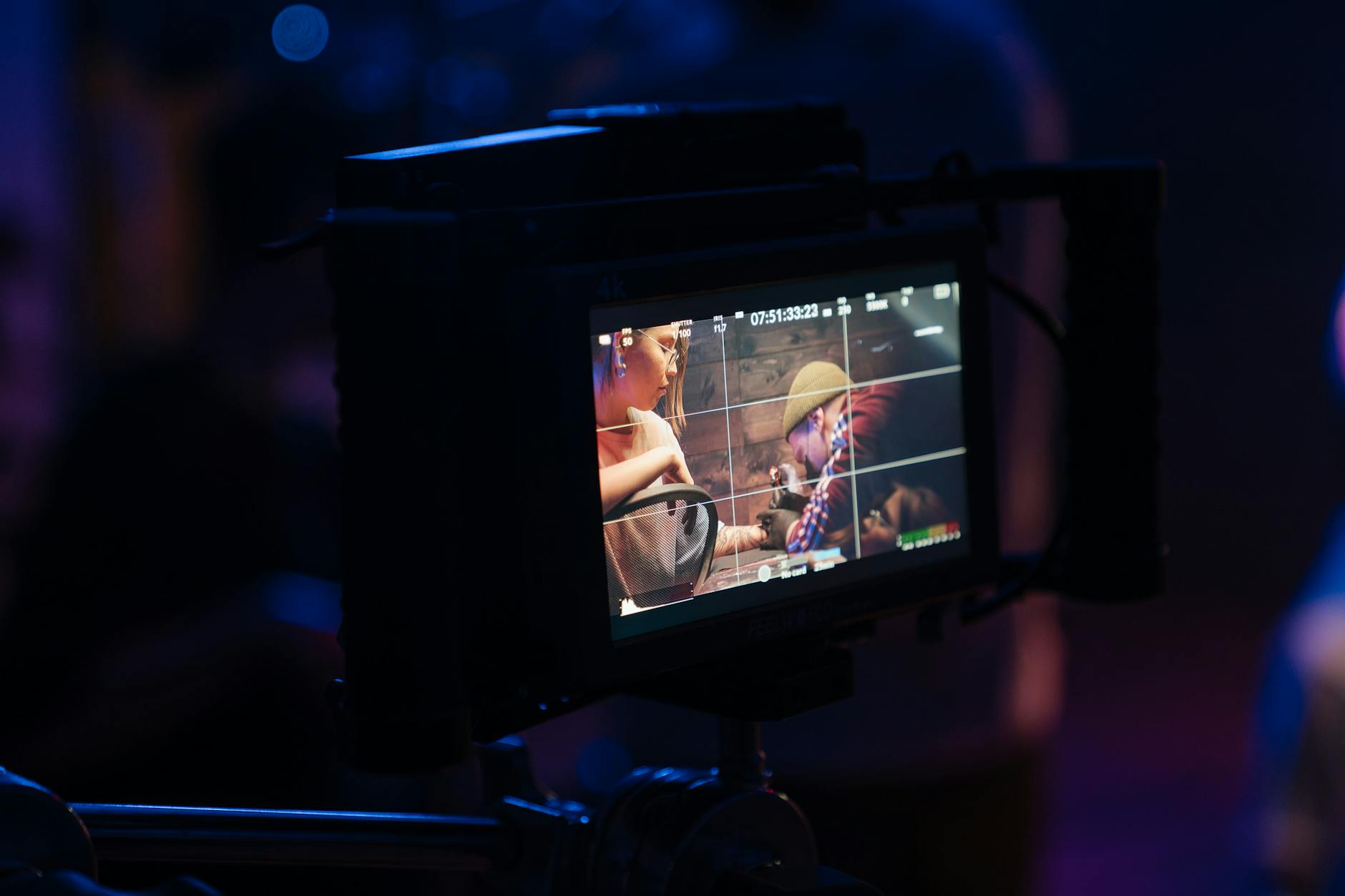
- Cameras: High-definition video cameras with interchangeable lenses, capable of capturing detailed visuals even in varying lighting conditions, form the backbone of any professional setup. Multiple cameras facilitate dynamic shots, angles, and close-ups to keep the audience engaged.
- Audio Equipment: Clear audio is vital for effective communication during live broadcasts. Professional microphones, mixers, and sound boards ensure high-quality sound capture, minimizing background noise and echo.
- Encoders: Hardware or software encoders convert raw video signals into digital formats suitable for streaming. Reliable encoders ensure minimal latency and maintain stream stability during transmission.
- Streaming Platforms and Infrastructure: Using robust streaming platforms and high-speed internet connections guarantees uninterrupted broadcast flow. Backup internet solutions like cellular hot spots are often employed to mitigate connectivity issues.
- Lighting and Stabilization: Proper lighting enhances video quality, especially in indoor or low-light scenarios. Camera stabilization equipment such as gimbals or tripods prevents shaky footage and contributes to professional production quality.
Beyond equipment, operational protocols such as pre-event rehearsals, real-time switching, and backup plans for technical issues are essential. A skilled live streaming videographer continuously monitors equipment status and connectivity throughout the event, swiftly addressing any anomalies to prevent disruptions. Moreover, synchronization between audio and video streams is prioritized to maintain coherence and clarity for viewers.
Effective live streaming also involves strategic planning of camera angles and shot composition to tell a compelling visual story. This can include wide shots to capture the entire event, close-ups for emphasis, and dynamic switches to reflect the mood or key moments. With the integration of multi-camera setups and professional switching software, videographers can create engaging broadcasts that feel immersive and well-produced.
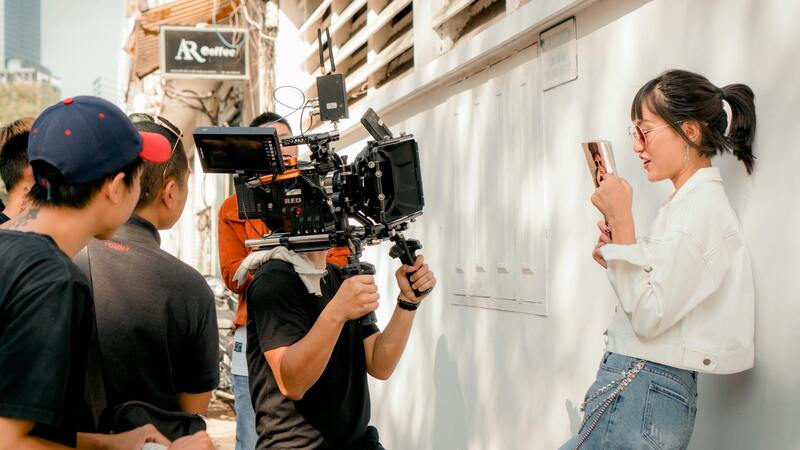
Finally, adherence to best practices such as ongoing equipment testing, adhering to broadcast standards, and continuous operator training contribute to successful live streams. By combining expert knowledge, sophisticated technology, and meticulous planning, live streaming videographers deliver content that meets high standards of quality and reliability, ultimately expanding the reach and impact of every event they cover.
Understanding the Role of a Live Streaming Videographer
A live streaming videographer serves as the critical bridge between an event and its remote audience, ensuring seamless, high-quality broadcasts that engage viewers and uphold the event's integrity. Their responsibilities extend beyond simple camera operation; they involve a combination of technical expertise, artistic sensibility, and real-time problem-solving skills. The videographer must assess the event space meticulously, anticipating potential challenges related to lighting, acoustics, and connectivity that could affect the stream's quality.
During the performance or event, the videographer carefully manages multiple cameras, selecting optimal angles and shots to convey the event’s atmosphere and key moments. The art of live switching—where different camera feeds are combined dynamically—requires precise timing and an understanding of narrative pacing. This dynamic control keeps viewers engaged and ensures the broadcast feels polished, immersive, and true to the live experience. They also coordinate audio inputs, balancing sound feeds and eliminating technical issues such as echo or background noise, which could degrade the viewing experience.
Operational protocols are vital in professional live streaming. These include pre-event rehearsals to test equipment and workflows, establishing backup plans for potential technical failures, and continuous monitoring of equipment and internet stability throughout the event. A highly skilled videographer remains vigilant for any anomalies, ready to troubleshoot quickly, minimizing disruptions. Synchronization of audio and video streams, as well as adherence to broadcast standards, are prioritized to produce a coherent and compelling live presentation.
Effective visual storytelling is achieved through strategic shot composition and camera placement. Wide shots capture the entire event, providing context, while close-ups highlight individual speakers, performers, or significant moments. Incorporating multi-camera setups and professional switching software allows for a versatile broadcast, elevating the overall production value and viewer experience. This combination of technology and artistry demands ongoing operator training and strict adherence to best practices, such as testing equipment before events and maintaining industry broadcast standards.
Through thorough planning, sophisticated equipment, and quick adaptability, live streaming videographers ensure that content delivered remotely is of a quality that matches in-person experiences. Their expertise not only expands event reach but also enhances engagement and overall impact, making live streaming an integral component of modern event management.
Types of Events Covered by Live Streaming Videographers
Live streaming videographers cater to a diverse array of events across Miami, ensuring broad accessibility and engagement. Corporate conferences are among the most common, allowing organizations to broadcast keynote speeches, panel discussions, and product launches to a global audience. Weddings benefit from live coverage, enabling friends and family who cannot attend in person to experience the celebration in real time. Concerts and music festivals leverage live streaming technology to reach fans worldwide, extending the event's visibility and engagement. Sporting events, from local tournaments to professional matches, also rely on live videographers to deliver high-definition streams that satisfy both viewers and broadcasters.
Each event type presents unique technical demands and audience expectations. Corporate setups may require integration with presentation systems and multiple audio channels, while outdoor events necessitate weather-resistant equipment and mobile connectivity solutions. Regardless of event size or genre, professional live streaming videographers adapt their approach to meet specific needs, providing customized solutions that maximize impact and ensure flawless delivery.
Investing in expert live streaming services enhances the reach and prestige of any event. It allows organizers to extend their message beyond physical attendees, fostering greater engagement and interaction from a broader audience. As technology continues to evolve, the role of the live streaming videographer becomes increasingly vital in delivering compelling digital experiences that resonate long after the event concludes.
Essential Technical Skills and Best Practices for Live Streaming
Executing a seamless live streaming session requires more than just high-quality equipment; it depends heavily on the videographer’s technical expertise and familiarity with industry best practices. A proficient live streaming videographer understands how to manage encoding settings, ensure optimal audio and video synchronization, and troubleshoot technical issues in real time. This expertise ensures that viewers experience a smooth and clear broadcast, free from buffering delays or clipping issues.
One key skill is the ability to operate multiple camera angles and switch between feeds smoothly, which enhances the visual engagement of the stream. This often involves advanced switchers or stream management software, which professional videographers are trained to utilize effectively. Moreover, a deep understanding of internet bandwidth and network stability allows the videographer to select the most reliable connections, implement backup solutions, and minimize disruptions.
During the event, real-time communication with the event organizers and technical team is critical. This coordination allows for dynamic adjustments, such as switching camera views based on speaker movements or audience reactions, and managing audio levels to prevent feedback or distortion.
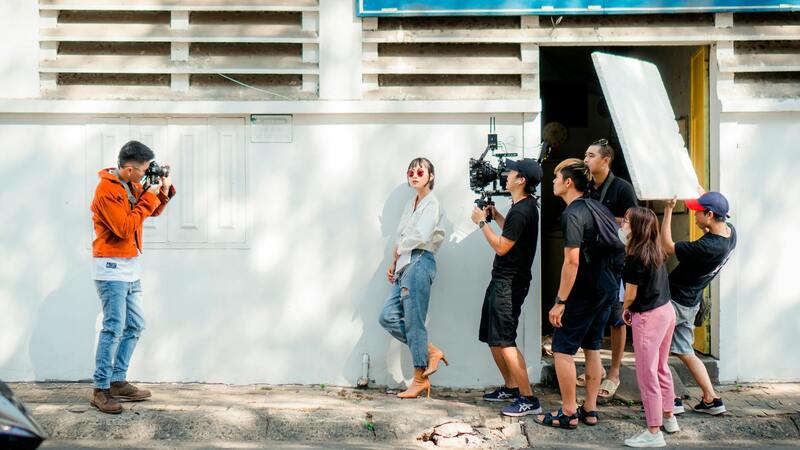
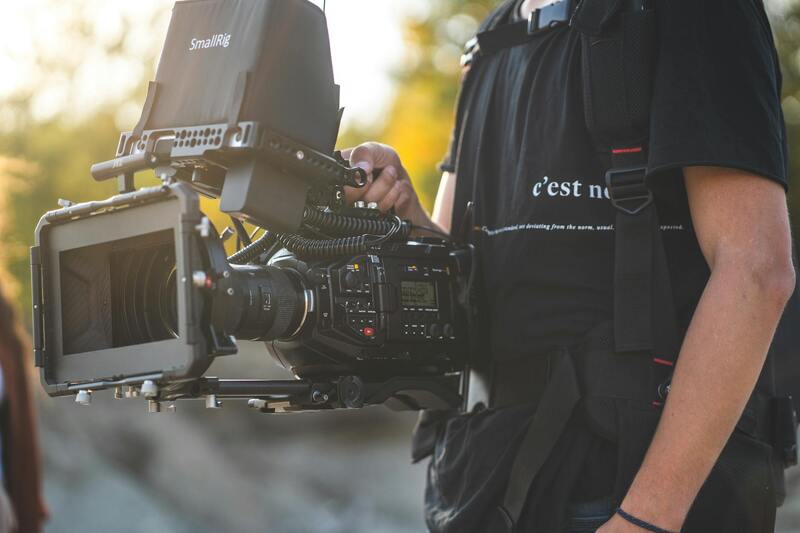
Understanding the Role of a Live Streaming Videographer
A live streaming videographer plays an integral part in translating real-world events into engaging digital broadcasts. Their expertise encompasses a thorough understanding of video production, camera operation, and seamless technical execution. These professionals are responsible for capturing compelling footage, managing multi-camera setups, and ensuring that the live feed maintains high visual and audio standards throughout the event. By coordinating with event organizers and network teams, they deliver a polished broadcast that accurately reflects the atmosphere and significance of the occasion.
The live streaming videographer’s role extends beyond camera operation. They are meticulous in planning the flow of footage, utilizing switching equipment to create dynamic visuals, and integrating graphics or overlays as needed. Their deep familiarity with streaming platforms and software allows them to troubleshoot technical issues swiftly, minimizing disruptions during the broadcast. They also oversee the entire setup, including preparing equipment, conducting test runs, and coordinating on-site personnel, ensuring all aspects are optimized for a successful live stream.
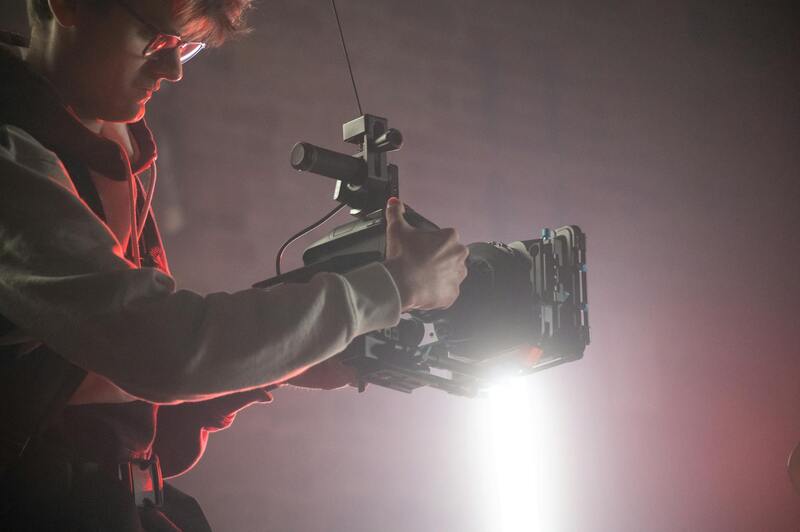
Understanding the versatile demands of live events—from conferences and sports to concerts and corporate launches—is vital for a live streaming videographer. Their ability to adapt to different environments, manage complex setups, and make real-time decisions under pressure is crucial in delivering high-quality digital coverage. Accurate framing, proper lighting, and clear audio capture are fundamental skills that directly impact viewer engagement and overall production value.
Technical Expertise and Creative Vision
A successful live streaming videographer combines technical mastery with a keen creative eye. They select appropriate camera angles, incorporate visual cues, and ensure that transitions between shots are smooth. This blend of technical proficiency and aesthetic judgment results in a compelling broadcast experience that captivates viewers and effectively communicates the event's message.
Furthermore, an experienced videographer remains updated with the latest advances in streaming technology. Features such as 4K resolution, high-dynamic-range imaging (HDR), and multi-camera switching systems enhance the clarity and overall impact of live broadcasts. Integrating interactive elements like live polls or Q&A sessions may also be part of their role, reducing the gap between the audience and the event, especially in virtual environments.
Coordination and Communication
Effective coordination with event staff, technical teams, and clients ensures the live stream aligns with the expected outcomes. Clear communication regarding streaming priorities, camera positioning, and timing facilitates a smooth operation. During the event, the videographer's ability to adapt to unexpected changes—such as shifting lighting conditions or last-minute agenda modifications—is crucial to maintaining broadcast integrity.
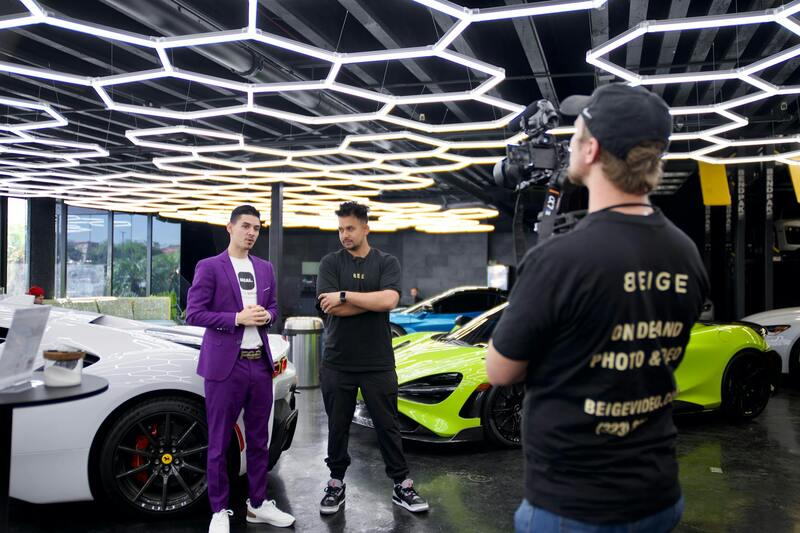
Investment in advanced equipment—such as professional-grade cameras, stabilizers, and audio capture devices—significantly enhances the quality of the live stream. Additionally, employing redundant systems and backup connections can prevent data loss or signal failure, ensuring continuous coverage even in challenging environments. The artist of live streaming videography not only operates these tools but also orchestrates their integration to deliver a seamless broadcast that stands out in professionalism and visual appeal.
Understanding the Role of a Live Streaming Videographer
A live streaming videographer specializes in capturing and broadcasting events in real-time through digital platforms. Their role extends beyond merely operating cameras; they are responsible for ensuring high-quality audio-visual output that accurately represents the event's essence. They manage everything from camera operation, audio capture, and lighting adjustments to livestream stability and multi-camera coordination. Furthermore, they adapt swiftly to changing conditions, such as shifts in lighting or unforeseen technical issues, to guarantee uninterrupted broadcast quality. Their goal is to deliver a seamless viewing experience for remote audiences, making the event accessible and engaging regardless of physical location.
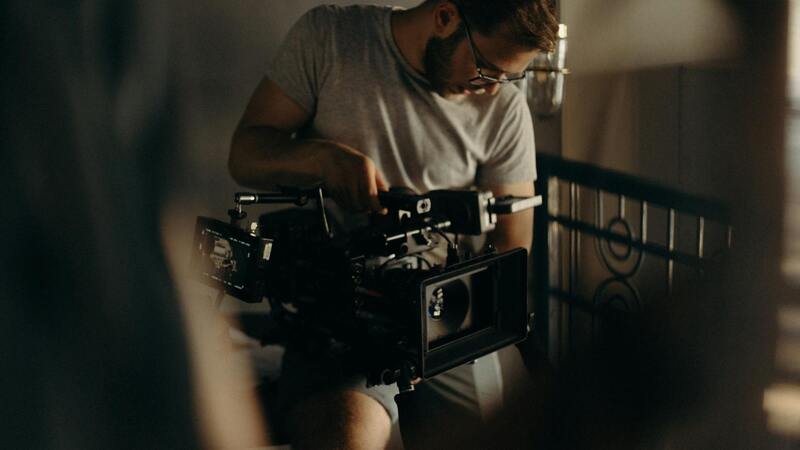
Their expertise encompasses familiarity with streaming platforms, encoding software, and network configurations. They ensure stable internet connections, proper frame rates, and high-resolution output. Collaboration with event organizers and technical teams is critical, as videographers coordinate camera placements, lighting, and audio setups to optimize broadcast quality. Ultimately, the live streaming videographer bridges the physical event with the virtual audience, transforming a standard gathering into an immersive online experience that can reach a global viewership.
Key Equipment and Technology for Live Streaming
Effective live streaming hinges on deploying the right technological tools. Professional videographers utilize high-definition cameras capable of capturing detailed visuals suitable for large screens and varied viewing devices. These cameras often include models with 4K resolution, offering crisp images that enhance viewer engagement. Stabilization equipment, such as gimbals or steadicams, ensures smooth shots even in dynamic environments.
Audio quality is equally vital; thus, professional-grade microphones—lapel, shotgun, or boundary mics—are used to pick up clear sound without interference. Audio mixers and windshields further refine sound inputs, delivering balanced audio during high-energy or outdoor events. Streaming hardware, like broadcast encoders, convert the captured footage into a compatible digital stream, while redundant internet connections and backup systems mitigate risks of signal loss.
Additional technologies include multi-camera switching systems, allowing live transitions between different viewpoints to add visual interest. Live graphics, overlays, and real-time annotations can also be integrated to provide context or highlights during the broadcast. The adoption of cloud-based streaming solutions ensures scalable distribution, accommodating large audiences with minimal latency. Overall, the combination of advanced equipment and software guarantees a professional, reliable live stream that elevates the event's presentation.
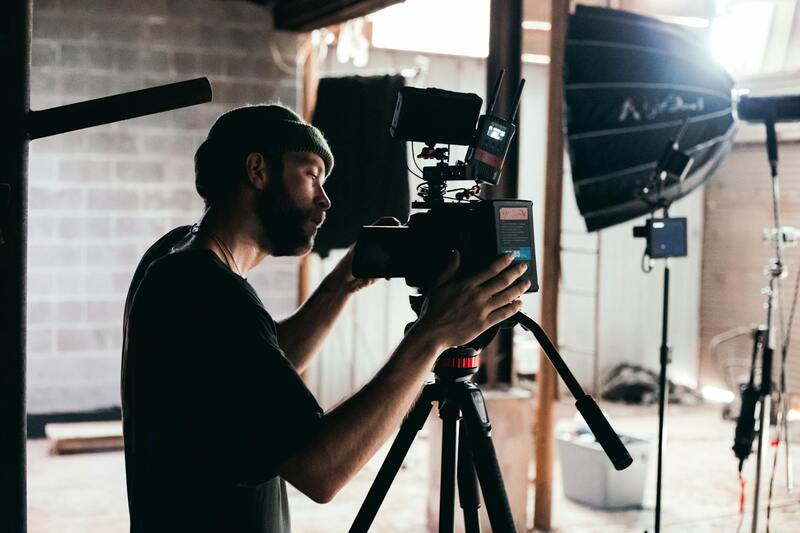
Types of Events Covered by Live Streaming Videographers
- Conferences and business meetings: Facilitating virtual attendee participation and keynote streaming.
- Concerts and performances: Capturing live music, dance, and theatrical shows for remote audiences.
- Weddings and social events: Documenting personal milestones with professional clarity and style.
- Sports events: Providing real-time coverage of games, tournaments, or competitions for fans unable to attend.
- Educational sessions: Streaming lectures, workshops, and classroom activities for distance learning.
Factors to Consider When Hiring a Live Streaming Videographer
Choosing the right professional involves evaluating their experience, technical expertise, and portfolio. It’s essential to verify their familiarity with specific event types and streaming platforms. Experience with similar events indicates their ability to anticipate and address potential challenges effectively. Portfolio reviews reveal their skill level, camera work, and overall presentation quality. Additionally, inquire about their familiarity with current broadcasting technologies, backup systems, and contingency plans.
Communication skills are crucial; a competent videographer collaborates closely with clients to understand their goals, preferences, and technical requirements. Consider their availability, flexibility, and response times, especially for events with tight schedules or last-minute adjustments. The ability to work discreetly and adapt to on-site conditions without disrupting the event is also a vital trait. Finally, reviewing client testimonials or seeking references provides insight into their professionalism and reliability in delivering high-quality broadcasts.
Challenges and Solutions in Live Streaming Production
Executing a seamless live streaming event involves navigating various technical complexities that can impact the quality and reliability of the broadcast. Connectivity issues, such as unstable internet connections, are among the most common challenges faced during live streams. These disruptions can cause buffering, lag, or even complete signal loss, detracting from the viewer experience. To mitigate this, professional videographers employ dedicated high-speed internet connections, dual internet lines for backup, and signal bonding technology that combines multiple sources to enhance stability.
Another significant challenge is equipment malfunction or failure, which can occur unexpectedly and jeopardize the entire production. To address this, experienced live streaming videographers carry backup cameras, microphones, batteries, and other essential hardware. Rigorous pre-event testing ensures that all equipment functions correctly and is compatible with the streaming platform. Additionally, having a detailed contingency plan allows rapid troubleshooting and minimizes downtime in case of technical issues.
Synchronization issues, especially when integrating multiple cameras or feeds, can result in disjointed presentations. Skilled videographers utilize synchronization tools and meticulous pre-planning to coordinate camera angles, audio sources, and graphics. Employing professional switchers and mixers also facilitates smooth transitions and real-time editing, elevating the production quality.
Lighting and sound quality directly influence viewer engagement. Poor lighting can obscure visuals, while inadequate audio compromises clarity. Deployment of professional lighting setups and high-quality microphones, along with sound mixing technology, ensures clear visuals and crisp audio. Regular calibration and adjustments during the event further maintain production standards.
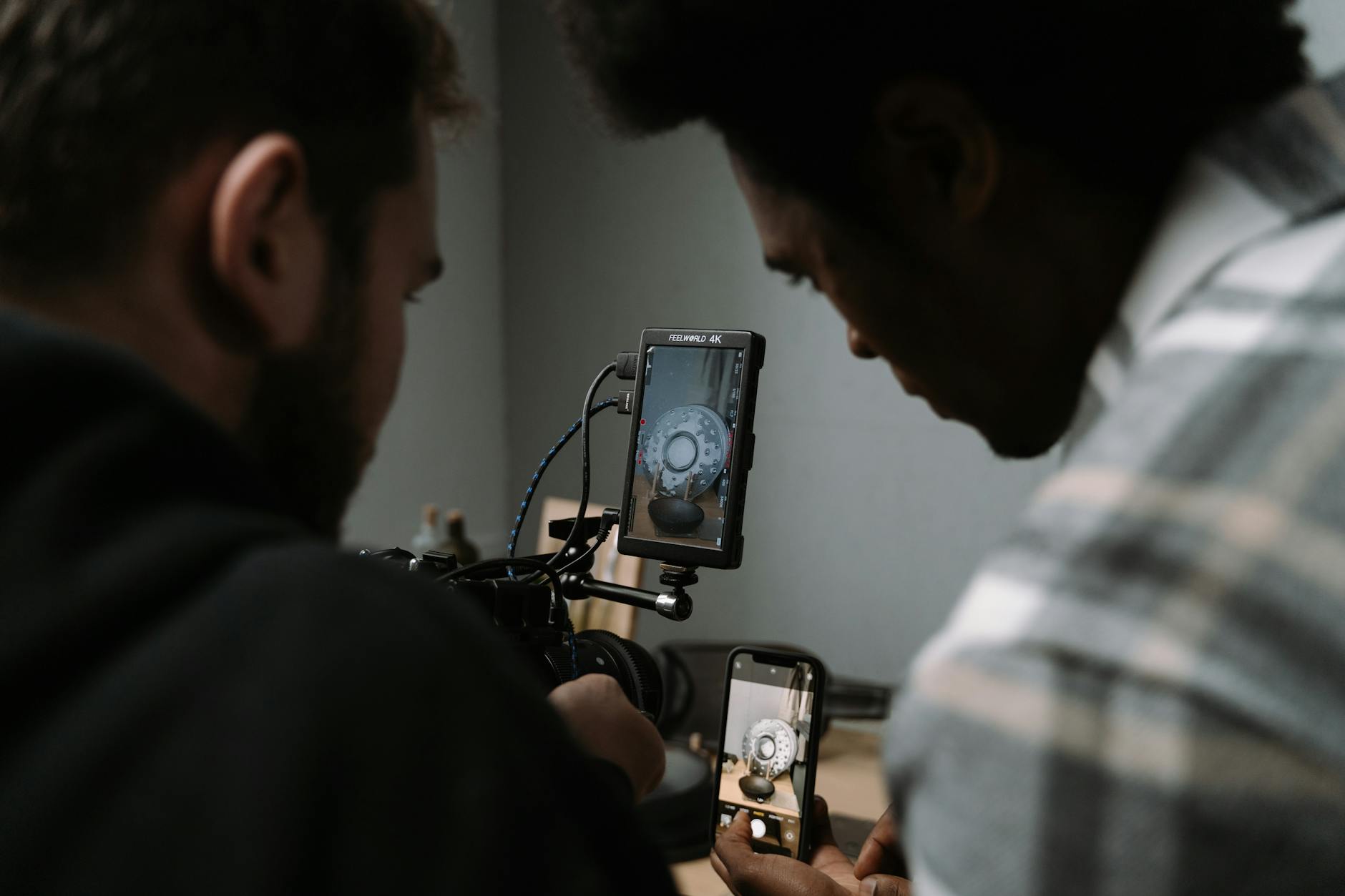
Effective communication between the production team, the client, and on-site personnel is vital for smooth coordination. Clear directives and real-time monitoring help identify and resolve issues promptly. Employing remote monitoring tools allows the team to oversee stream performance and make quick adjustments from anywhere.
Adopting industry best practices, such as scheduled rehearsal runs, comprehensive checklists, and robust technician training, contributes significantly to a successful live stream. These strategies help anticipate potential problems and streamline the response process, ensuring that technical disruptions are minimized and the event broadcast remains uninterrupted.
Technical Considerations for Optimal Live Streaming Quality
Ensuring a seamless and professional live streaming experience hinges on meticulous technical planning and execution. At the core, the choice of encoders, switching hardware, and reliable internet connections plays a vital role in delivering a high-quality broadcast. Encoders convert raw video signals into streams compatible with various platforms and formats, making the selection of hardware or software encoders a crucial decision. Hardware encoders typically offer lower latency and increased stability, while software options provide flexibility and ease of use.
Switching equipment, such as live production switchers, enable the seamless transition between multiple camera feeds, graphics, and overlays. This equipment allows for dynamic presentations, enhancing viewer engagement through professional transitions and effects. Additionally, high-capacity streaming servers or cloud-based services help manage bandwidth demands, preventing interruptions during high-traffic events.
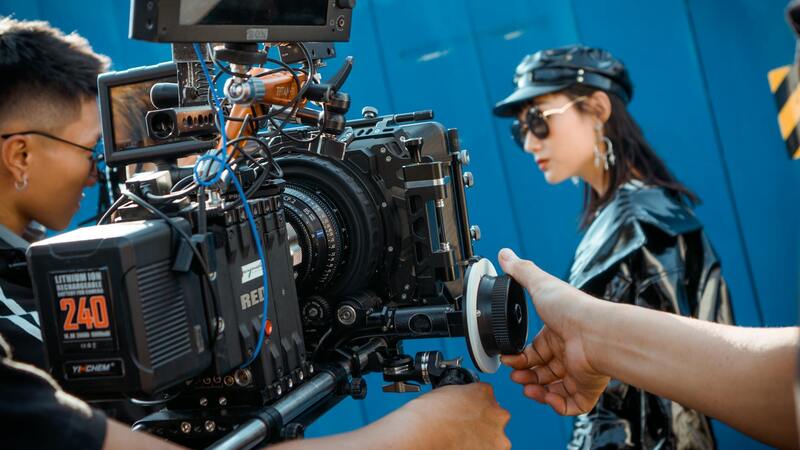 igure>
Reliable and high-speed internet connectivity is arguably the most critical element in live streaming. Fiber-optic connections are ideal due to their high bandwidth and low latency; however, in areas where fiber is unavailable, bonded cellular solutions or multiple internet sources combined through load balancing techniques can provide redundancy and stability. Network speed tests and placement assessments are necessary pre-event steps to confirm optimal connectivity.
Audio quality management involves more than just microphone selection. Professional mixers and audio processing devices help eliminate background noise, manage levels, and deliver clear sound. Wireless microphones and lavalier packs are popular choices for mobility, but they require careful frequency management to avoid interference.
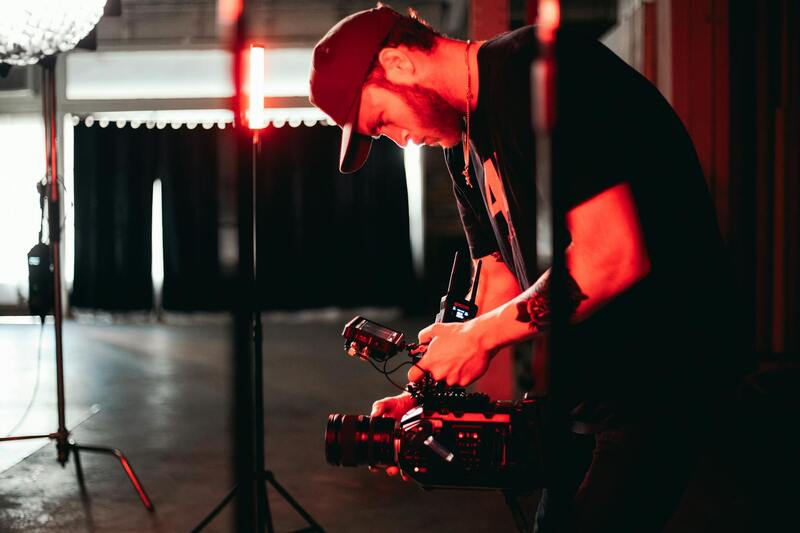 igure>
Lighting setups tailored to the venue and event type significantly impact visual clarity. Soft, even lighting reduces shadows and glare, making images sharper and more appealing on screen. On-location, portable lighting kits are adjusted during the event as needed to adapt to changes in the environment.
Ensuring Security and Data Integrity During Live Streaming
Protecting the live stream from unauthorized access and maintaining data security are paramount. Encrypted streaming protocols and secure login credentials prevent unauthorized viewers and potential data breaches. Additionally, utilizing reputable streaming platforms and content delivery networks (CDNs) enhances both security and distribution efficiency.
Monitoring tools provide real-time analytics on stream health, viewer engagement, and network performance. These insights allow technical teams to address issues proactively, ensuring a consistent viewing experience throughout the event.