
Overview of Live Event Video Streaming
Live event video streaming has become an essential tool for event organizers seeking to extend their reach beyond physical attendance. This technology enables real-time broadcast of events, allowing viewers to participate from anywhere in the world via internet-enabled devices. Whether it’s a corporate conference, music festival, sports competition, or community event, streaming offers an effective way to connect with a larger audience and enhance engagement.
In essence, live streaming involves capturing live footage of an event, transmitting it through a streaming platform, and delivering it to viewers instantaneously. This process relies on a combination of high-quality audio-visual equipment, reliable internet connections, and specialized streaming software or platforms. By employing these tools, organizers can showcase their events instantly and interactively, fostering a dynamic experience for viewers no matter their location.
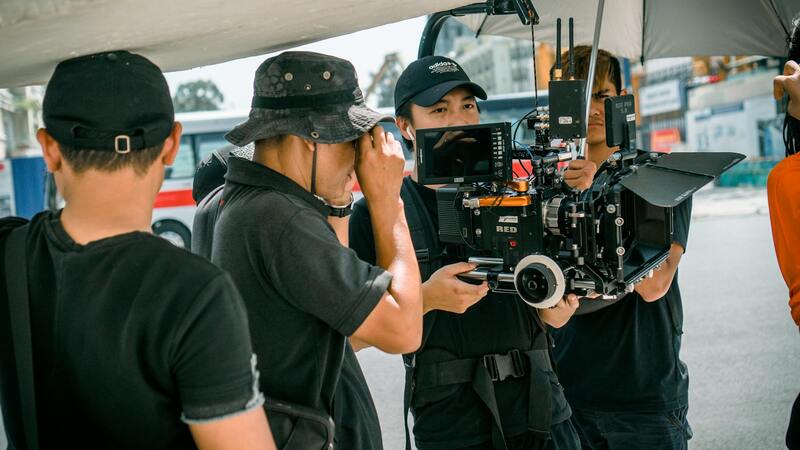
The importance of live streaming has grown significantly, especially as audiences increasingly expect remote access and real-time interaction. It not only broadens the scope of potential viewers but also provides valuable analytics and data insights that help organizers measure engagement and optimize future events. Additionally, live streaming creates opportunities for monetization through ticketed viewing, sponsorship, and advertising revenues, making it a vital component of modern event planning.
Event organizers recognize that professional-grade live streaming enhances their brand reputation and ensures a seamless viewing experience. With advancements in streaming technology, it is now feasible to deliver broadcast-quality content across multiple devices, including smartphones, tablets, laptops, and smart TVs. This flexibility ensures that audiences can enjoy the event on their preferred platforms, further increasing participation and satisfaction.
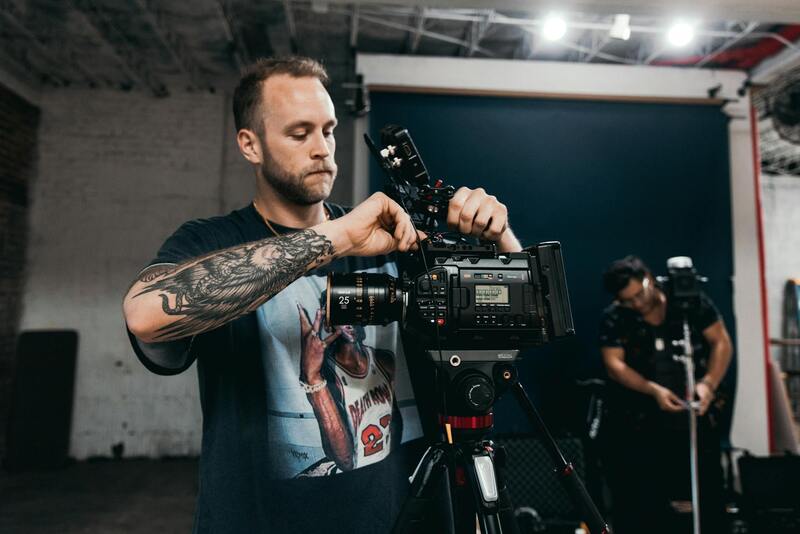
Ultimately, live event video streaming is transforming the landscape of event management, providing organizers with a powerful medium to share their story and connect with a global audience. As technology continues to evolve, the quality, accessibility, and interactivity of live streaming are expected to improve, solidifying its role as an indispensable element of successful event execution.
Overview of Live Event Video Streaming
As the demand for remote access to large-scale events continues to expand, the role of professional live event video streaming services becomes increasingly vital. The core objective is to deliver crisp, uninterrupted video streams that can be accessed seamlessly across various devices and platforms. This requires a robust infrastructure that supports high bandwidth, real-time encoding, and adaptive streaming to accommodate different viewer internet speeds and device capabilities.
Strategic live streaming involves not only capturing the event with high-definition cameras and transmitting the content via reliable data channels but also ensuring the viewer experience is smooth and engaging. This is achieved through state-of-the-art encoding equipment that transmits multi-angle footage while maintaining video quality and minimizing latency. Content delivery networks (CDNs) play a key role in distributing streams efficiently, reducing buffering times, and preventing stream interruptions, especially when managing high viewer volumes.
The flexibility of modern live streaming services allows for simultaneous broadcasting on numerous digital channels—such as social media platforms, dedicated event websites, and mobile apps—thus broadening audience reach. By implementing server-side DVR capabilities, viewers can pause, rewind, or restart streams, adding an interactive element that enhances engagement. Many services also offer integrated chat functions, polling, and real-time feedback tools to foster a sense of community among virtual attendees.
Effective live streaming not only broadens access but also creates richer data analytics opportunities. Organizers can track viewer metrics such as peak concurrency, geographic distribution, and engagement duration. These insights inform future event planning, content optimization, and targeted marketing strategies. As technology advances, features like 4K resolution streaming, augmented reality (AR) integrations, and multi-camera feeds become more accessible, elevating the overall quality and professionalism of event broadcasts.
Key Components of Successful Streaming Implementations
- High-Performance Encoding Hardware and Software: Ensures optimal compression and quality while minimizing latency.
- Content Delivery Networks (CDNs): Distribute streams efficiently across diverse geographic locations.
- Multi-Platform Compatibility: Supports widespread accessibility across smartphones, tablets, desktops, and smart TVs.
- Interactive Features: Live chat, polls, Q&A, and viewer feedback mechanisms enhance user engagement.
- Analytics and Reporting: Track metrics for refining future event strategies.
Investing in these elements ensures a professional, reliable, and engaging live streaming experience, vital for the success of any large-scale event. As technology continues to evolve, so too will the capabilities of streaming services, opening new avenues for immersive and interactive virtual experiences.
Types of Live Streaming Platforms
To facilitate high-quality live event broadcasts, various platforms serve distinct needs and audience preferences. Understanding the different options available enables organizers to select the most suitable solution for their specific event objectives.
Social Media Live Streaming
Platforms such as Facebook Live, Instagram Live, and YouTube Live are popular choices for casual and wide-reaching broadcasts. They provide ease of access, built-in audiences, and straightforward content sharing, making them ideal for community-oriented or promotional events. These platforms also offer interactive features like live comments and reactions, helping organizers gauge immediate audience response.
Dedicated Streaming Services
Specialized services like MiamiVideoCompany.us deliver professional-grade solutions tailored for large-scale events. They often support features such as multi-camera streaming, multi-channel broadcasting, and enhanced security options. These platforms provide higher reliability, advanced analytics, and customizable branding, ensuring a polished presentation suited for corporate conferences, concerts, and sporting events.
Custom Streaming Solutions
For organizations with unique requirements, custom streaming setups involve dedicated infrastructure, including private servers and bespoke encoding software. This approach allows complete control over content delivery, security measures, and integration with existing systems. Custom solutions are particularly suited for events requiring bespoke interactivity, complex multi-location coverage, or specialized viewer access controls.
Increasing Accessibility and Audience Engagement
Regardless of platform choice, ensuring seamless accessibility across devices and internet connections is crucial. Cloud-based delivery infrastructure enables scalable streaming capacity, handling sudden viewer influxes without degradation in quality. Additionally, integrating real-time engagement tools like chat functions, virtual polls, and live Q&A sessions enhances interaction, keeping audiences involved throughout the event.
Using multiple platforms simultaneously—known as multistreaming—can optimize reach, enabling simultaneous broadcasting across various channels such as social media and dedicated portals. This strategy helps broaden visibility and accommodate different viewer preferences.
Security and Content Management Considerations
Implementing robust security measures is essential to protect content integrity and manage access controls effectively. Secure encryption protocols prevent unauthorized viewing and distribution. Content management systems support scheduled releases, geo-restrictions, and encrypted streams, ensuring compliance with event policies and safeguarding intellectual property.
Optimizing Streaming Performance
Effective optimization strategies include selecting reliable content delivery networks (CDNs) with extensive global reach, and configuring transcoding settings to adapt stream quality to viewers’ bandwidth. A well-maintained streaming workflow minimizes latency, prevents buffering issues, and maintains high-resolution output for the best viewer experience.
Choosing the right combination of platforms and technical approaches aligns with event goals, audience needs, and budget constraints, delivering a seamless, engaging broadcast that elevates the event’s overall impact.
Technical Requirements and Setup
Ensuring a successful live event video stream involves meticulous planning of technical infrastructure and setup. High-quality streaming depends on stable internet connectivity, robust hardware, and reliable software solutions. A dedicated high-bandwidth internet connection with redundancy measures minimizes interruptions and buffering during the broadcast. The recommended upload speed typically exceeds twice the bitrate of the stream to accommodate fluctuations and ensure continuity.
Hardware configurations should include professional-grade cameras capable of outputting high-definition video, along with multiple audio sources for clear sound quality. Encoder devices or software applications are necessary to compress and convert video feeds into formats compatible with streaming platforms. Hardware encoders provide consistent performance, but software encoders can be more adaptable and cost-effective for smaller events.
Synchronization between video, audio, and graphics is crucial for a polished presentation. Test runs should be conducted ahead of the event to identify and address potential issues, including latency, audio sync problems, and signal stability. A dedicated production team should monitor the stream throughout the event, ready to troubleshoot technical glitches in real-time.
Essential Software and Platforms
- Encoder software such as OBS Studio, vMix, or Wirecast that supports multiple input sources and customizable layouts
- Content Delivery Network (CDN) integration to distribute streams efficiently across global audiences
- Platform-specific streaming tools for channels like YouTube Live, Facebook Live, or specialized broadcast portals
Furthermore, integrating automated switching software can facilitate seamless transitions between cameras, pre-recorded segments, and graphics, creating a professional broadcast environment. Metadata management and real-time analytics help track viewer engagement and optimize the streaming process.
Network Security and Content Protection
Implementing security protocols, including end-to-end encryption, access controls, and secure login procedures, protects live streams from unauthorized access. For content protection, digital watermarking and Geo-restrictions can safeguard intellectual property rights and ensure content reaches only intended audiences.
Maintaining a redundant network infrastructure, such as secondary internet connections or backup servers, is vital to prevent disruptions. Regular system checks, software updates, and staff training further enhance operational security and efficiency.
Overview of Live Event Video Streaming
Live event video streaming has transformed the way organizers, audiences, and broadcasters engage with moments as they happen. It involves capturing live footage through cameras, transmitting it over the internet, and delivering real-time content to viewers across various devices. This method offers unparalleled immediacy, enabling people to experience events in different locations without physical presence. Popular for concerts, conferences, sports, and cultural festivals, live streaming enhances audience reach, engagement, and accessibility.
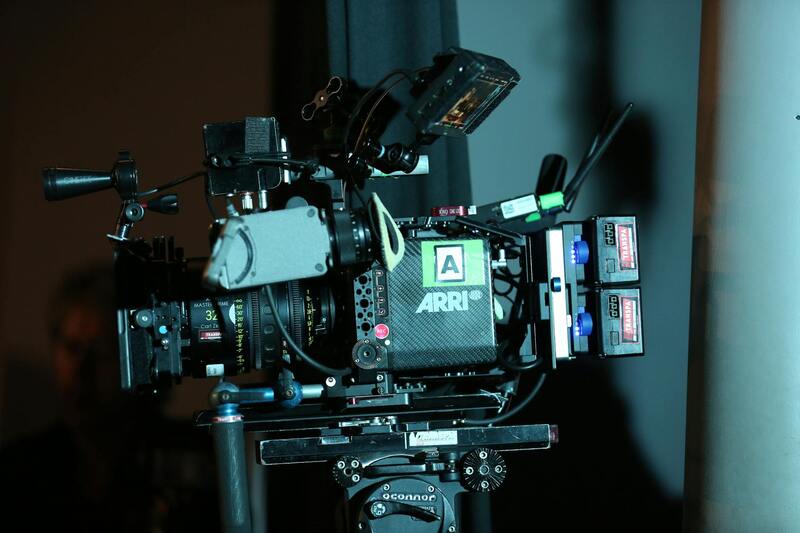
Successful live streaming requires a combination of strong network infrastructure, professional equipment, and strategic planning. It affords organizations an opportunity to showcase their events globally, attract larger audiences, and generate revenue through interactive features and sponsorships. As streaming technology advances, the quality, reliability, and range of accessible digital content continue to improve, making live event streaming a critical component of modern event strategies.
Key Features of Streaming Services
When evaluating live event video streaming services, several key features stand out that determine the effectiveness and professionalism of a broadcast. These features include high-definition video quality, low latency transmission, robust server infrastructure, and flexible streaming options. Many platforms now incorporate multi-angle viewing, real-time chat, and interactive features to enhance viewer engagement.
- High-Resolution Streaming: Support for 4K and HD formats ensures clarity and professionalism in the broadcast.
- Compatibility Across Devices: Streams should be accessible seamlessly on desktops, smartphones, tablets, and smart TVs.
- Adaptive Bitrate Streaming: Adjusts quality based on viewer bandwidth, reducing buffering and improving experience.
- Stream Recording and Archiving: Provides options for on-demand access post-event, increasing content longevity.
- Security Features: Encryption, access controls, and token authentication protect content from unauthorized access.
- Analytics and Reporting: Real-time viewer insights support engagement strategies and performance assessment.
Technical Support and Reliability
Reliable streaming platforms offer dedicated technical support, ensuring prompt resolution of issues during live broadcasts. Redundancy measures such as multiple CDNs and backup servers are essential for maintaining uninterrupted streams, especially during large-scale events where viewer expectations are high.
Types of Live Streaming Platforms
Several platforms cater specifically to different needs and event types. Understanding the distinctions helps in selecting the most suitable option for Miami events or similar locales.
- Social Media Streaming: Platforms like Facebook Live and YouTube Live cater to widespread audiences, ideal for community engagement and smaller events with existing followers.
- Dedicated Video Hosting Services: Platforms such as Vimeo and Dacast are designed for professional-quality broadcasts, offering more control over branding, analytics, and monetization.
- Custom-Built Solutions: Tailored streaming environments deployed via private servers, allowing for complete customization, security, and integration with existing event infrastructure.
- Event-Specific Platforms: Specialized services that cater to conferences, sports, and festivals, providing features like ticketing, multi-camera feeds, and attendee interaction tools.
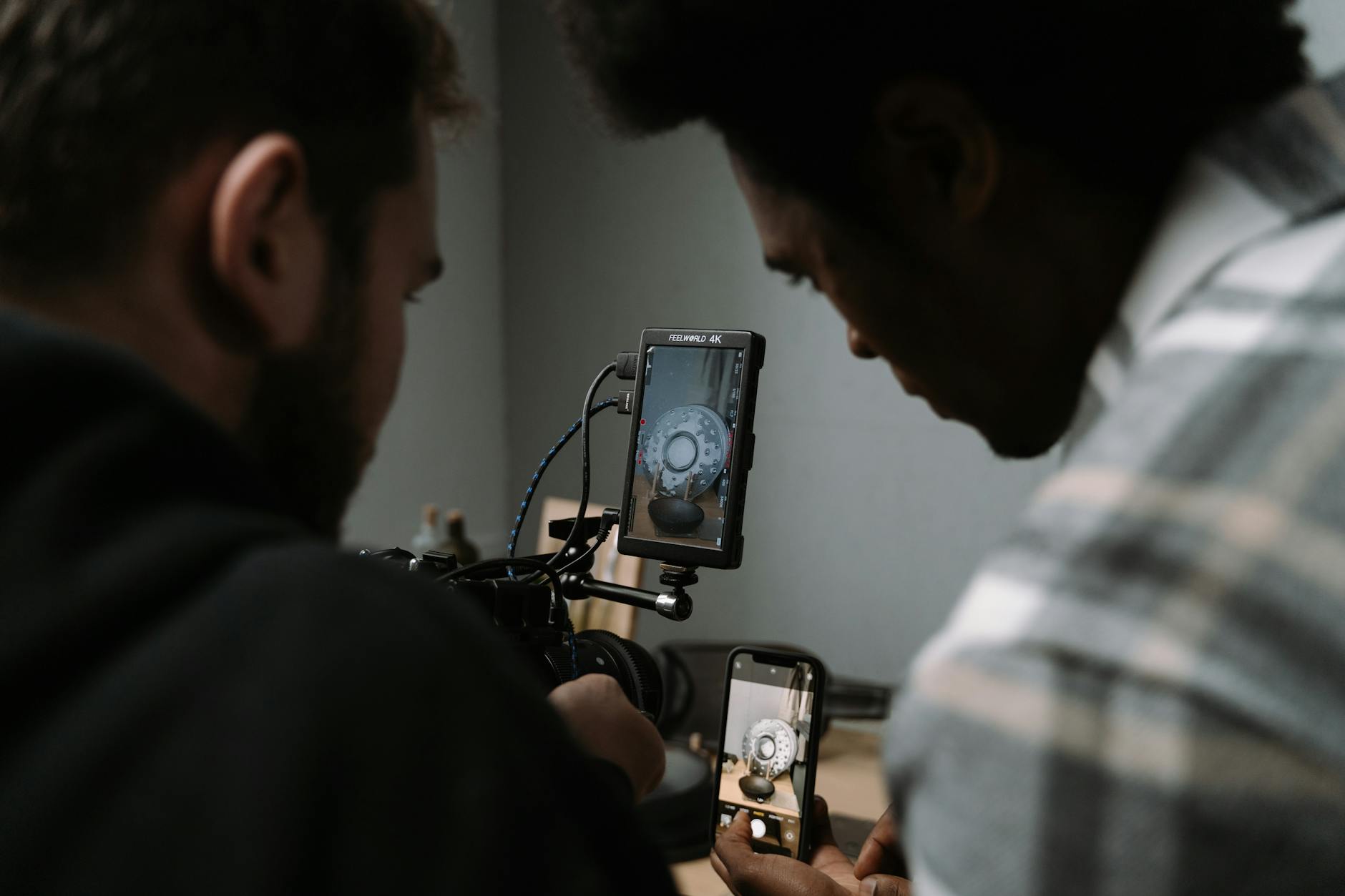
Choosing a Streaming Service for Miami Events
Selecting an appropriate live streaming service involves assessing multiple factors to ensure the broadcast meets the event’s goals and audience expectations. Miami’s vibrant event scene demands high-quality, reliable solutions capable of handling large audiences and diverse content formats.
- Scalability: The service must accommodate fluctuating audience sizes, especially for popular events with high interest.
- Bandwidth and Infrastructure: Providers should offer comprehensive support for robust internet connections and signal stability, critical for maintaining stream quality throughout the event.
- Customization and Branding: The ability to customize player interfaces, overlays, and access controls enhances brand visibility and viewer experience.
- Interactive Features: Chat, polling, and social sharing functionalities encourage audience participation and increase engagement.
- Cost-Effectiveness: Transparent pricing models aligned with event scope ensure financial viability without sacrificing quality.
- Technical Support and Security: 24/7 support and strong security measures protect streams and provide peace of mind during crucial moments.
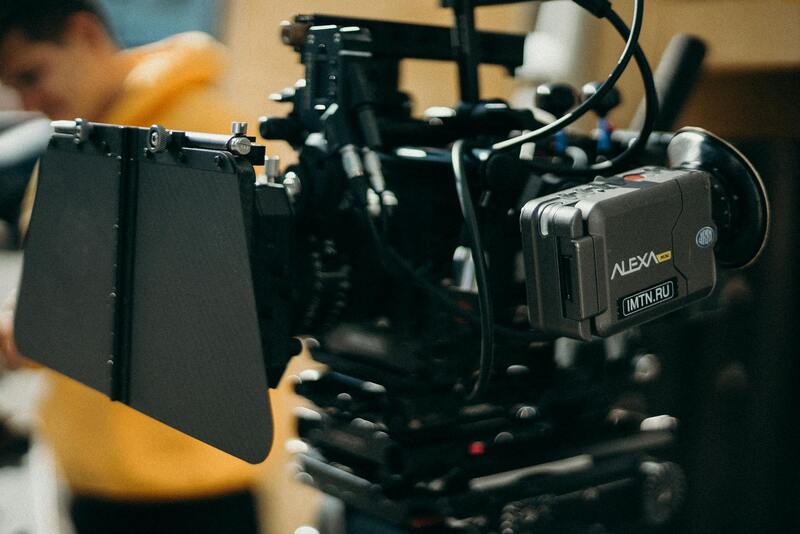
Overview of Live Event Video Streaming
Live event video streaming has revolutionized how audiences experience gatherings, enabling real-time viewing that reaches beyond physical attendees. This platform allows organizers to extend their event’s reach to national and international audiences, offering immediacy and interactivity that traditional broadcasts may lack. From corporate conferences and sports tournaments to festivals and cultural exhibitions, live streaming ensures that every aspect of an event is captured and relayed to viewers with minimal delay and maximum fidelity.
Effective live streaming relies on a combination of high-quality footage capture, robust internet connectivity, and strategic distribution methods. The integration of professional-grade cameras, audio equipment, and live switching technology creates a seamless viewing experience. Complementary elements such as graphics overlays, multiple camera angles, and real-time audience interaction further enhance the broadcast, engaging viewers and providing an immersive experience. As technology advances, live streaming solutions evolve to include features like 4K resolution, virtual and augmented reality integration, and multi-platform distribution, empowering event organizers to craft compelling digital experiences and maximize audience engagement.
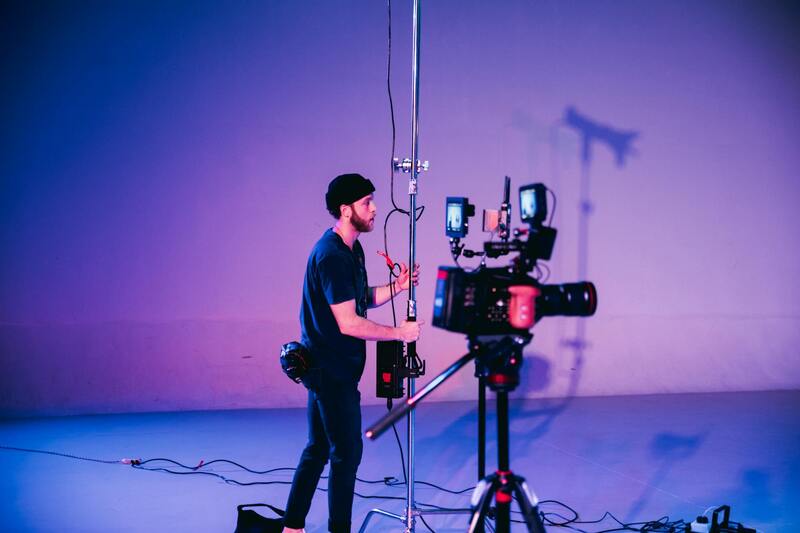
Choosing the right approach to live streaming is essential for ensuring the success of your event. It involves selecting appropriate technology, infrastructure, and partners capable of delivering high-quality streams under varying conditions. Whether broadcasting a small seminar or a large-scale concert, the objective remains the same: provide a stable, engaging, and accessible experience for viewers around the world.
Key Features of Streaming Services
- High-Definition Quality: Support for HD and 4K streams ensures crystal-clear visuals that impress viewers and accurately represent the event’s atmosphere.
- Low Latency Streaming: Real-time delivery minimizes delays, which is crucial for interactive segments such as Q&A sessions or live polling.
- Multi-Platform Compatibility: Compatibility with various devices including smartphones, tablets, desktops, and smart TVs maximizes accessibility.
- Content Monetization: Options for pay-per-view, subscriptions, and sponsorship integrations help recover costs and generate revenue.
- Viewer Engagement Tools: Chat functions, live polls, and social sharing foster interaction, making the virtual experience more participatory.
- Security Measures: Encryption, access controls, and anti-piracy protections safeguard content and ensure only authorized viewers gain access.
- Analytics and Reporting: Comprehensive insights into viewer data, engagement levels, and stream performance assist in evaluating success and planning future events.

Types of Live Streaming Platforms
There are various platforms designed to cater to different event needs, each with unique capabilities suited for certain scenarios:
- Dedicated Streaming Solutions: Custom-built platforms offering extensive control, scalability, and branding options, ideal for large, high-profile events.
- Social Media Platforms: Facebook Live, YouTube Live, and Instagram Live provide easy-to-access channels with built-in audiences, suitable for smaller or informal events.
- Enterprise Services: Platforms like Vimeo OTT or IBM Cloud Video focus on corporate clients, offering professional features such as analytics, monetization, and security.
- Hybrid Solutions: Combining elements of dedicated platforms and social media, allowing flexibility with multi-channel streaming and audience engagement.
Selecting the appropriate platform hinges on the event size, budget, desired features, and technical resources available. For Miami events characterized by vibrant and diverse audiences, a solution that seamlessly integrates multi-platform broadcasting with rich interactive features will maximize the event’s visibility and impact.
Choosing a Streaming Service for Miami Events
When planning live streams for Miami’s dynamic event landscape, it’s critical to evaluate specific factors that influence broadcast quality and audience satisfaction. High-demand events, such as music festivals or corporate conventions, necessitate solutions that can scale quickly and handle large concurrent viewers without performance issues. Providers with a proven track record within major metropolitan settings often excel at managing these demands.
- Scalability: The selected service should dynamically adapt to audience fluctuations, ensuring consistent quality during peak viewership periods.
- Bandwidth and Infrastructure Support: Stable internet connections and redundancy plans are vital, especially when broadcasting from outdoor venues or locations with variable connectivity.
- Customization and Branding: Ability to personalize the viewer experience with logos, custom controls, and branded overlays aligns the stream with your event’s identity.
- Interactive Capabilities: Integrated features like real-time chats, social media sharing, and audience participation tools enhance engagement, vital for Miami’s socially active demographics.
- Cost and Support: Transparent pricing models combined with professional technical assistance help streamline logistics and minimize potential disruptions during live broadcasts.
- Security: Advanced encryption, authentication, and access controls protect content from unauthorized access and ensure smooth operation.
It is advisable to partner with providers familiar with Miami’s unique event environment—those capable of deploying tailored setups that optimize performance amid diverse venues—from waterfront festivals to downtown conferences.
Overview of Live Event Video Streaming
Live event video streaming has revolutionized how audiences engage with events across Miami and beyond. By broadcasting live content, organizers can reach global viewers in real-time, delivering immersive experiences regardless of geographical constraints. This technology leverages high-speed internet connections and advanced streaming protocols to provide high-definition broadcasts that capture every moment of the event, from speakers and performers to intricate stage setups. Streaming live events not only broadens audience reach but also offers monetization opportunities through advertisements, sponsorships, and pay-per-view models. Moreover, it enhances audience engagement, allowing remote viewers to participate via interactive features such as live chats and social media sharing platforms. As technology continues to evolve, live streaming serves as an essential tool for event organizers seeking to expand their visibility and connect with diverse demographics in Miami’s vibrant social landscape.
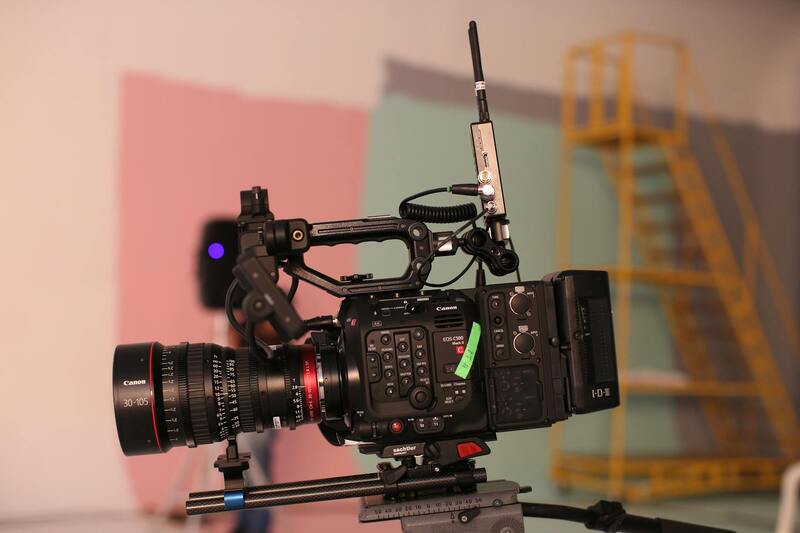
Key Features of Streaming Services
Effective live streaming services come equipped with a suite of features designed to enhance both the producer’s workflow and the viewer's experience. These features include:
- High-definition video support: Ensuring crisp visuals that meet professional standards.
- Adaptive bitrate streaming: Automatically adjusts video quality based on viewer bandwidth, preventing buffering issues.
- Multi-platform compatibility: Stream to various devices including smartphones, tablets, desktops, and smart TVs.
- Real-time analytics: Providing insight into viewer engagement, geographic distribution, and viewing patterns to optimize future events.
- Secure streaming protocols: Protecting content with encryption and access controls.
- Scalable infrastructure: Managing large audiences without degrading performance, crucial for prominent events in Miami's bustling venues.
- Customization tools: Branding overlays, logos, and tailored player controls to maintain event identity.
- Interactive features: Live polls, Q&A sessions, chat windows, and social media integrations to foster engagement.
Types of Live Streaming Platforms
Several platforms support live streaming with varying capabilities suited to different event types, including:
- Dedicated streaming service providers: These offer end-to-end solutions with robust infrastructure, technical support, and customization options, ideal for large-scale or high-profile Miami events.
- Social media platforms: Facebook Live, YouTube Live, and Instagram Live facilitate quick and accessible streaming, beneficial for reaching broad audiences and engaging Miami's social media-savvy demographics.
- Enterprise-level streaming services: These platforms integrate with existing systems, providing advanced analytics, monetization options, and security features for professional event producers.
- Open-source solutions: Lower-cost options with custom configurations, suitable for technical teams capable of managing infrastructure and ensuring quality control.
Choosing the right platform depends on the event’s scale, budget, and specific requirements, such as interactive elements or branding needs relevant to Miami's diverse event landscape.

Choosing a Streaming Service for Miami Events
Selecting the ideal live streaming service for Miami events involves assessing several key factors to ensure a seamless broadcast. The first consideration is the service's experience with Miami’s unique venues and demographic trends. Providers with a track record of managing outdoor waterfront festivals, downtown conferences, or multicultural celebrations often possess the necessary infrastructure and local knowledge to handle complex setups. Next, evaluate scalability and reliability, ensuring the platform can support anticipated viewership volumes without performance degradation.
Additional criteria include technical support and customer service availability, particularly during live events where immediate troubleshooting can prevent disruptions. Budget considerations are important; transparent pricing models that align with the event’s scope help avoid unexpected costs. Customization capabilities, such as branded overlays and viewer interaction features, also enhance the overall experience. Finally, security measures like encryption and access controls safeguard the content, which is especially critical for ticketed or private events in Miami's high-profile venues.
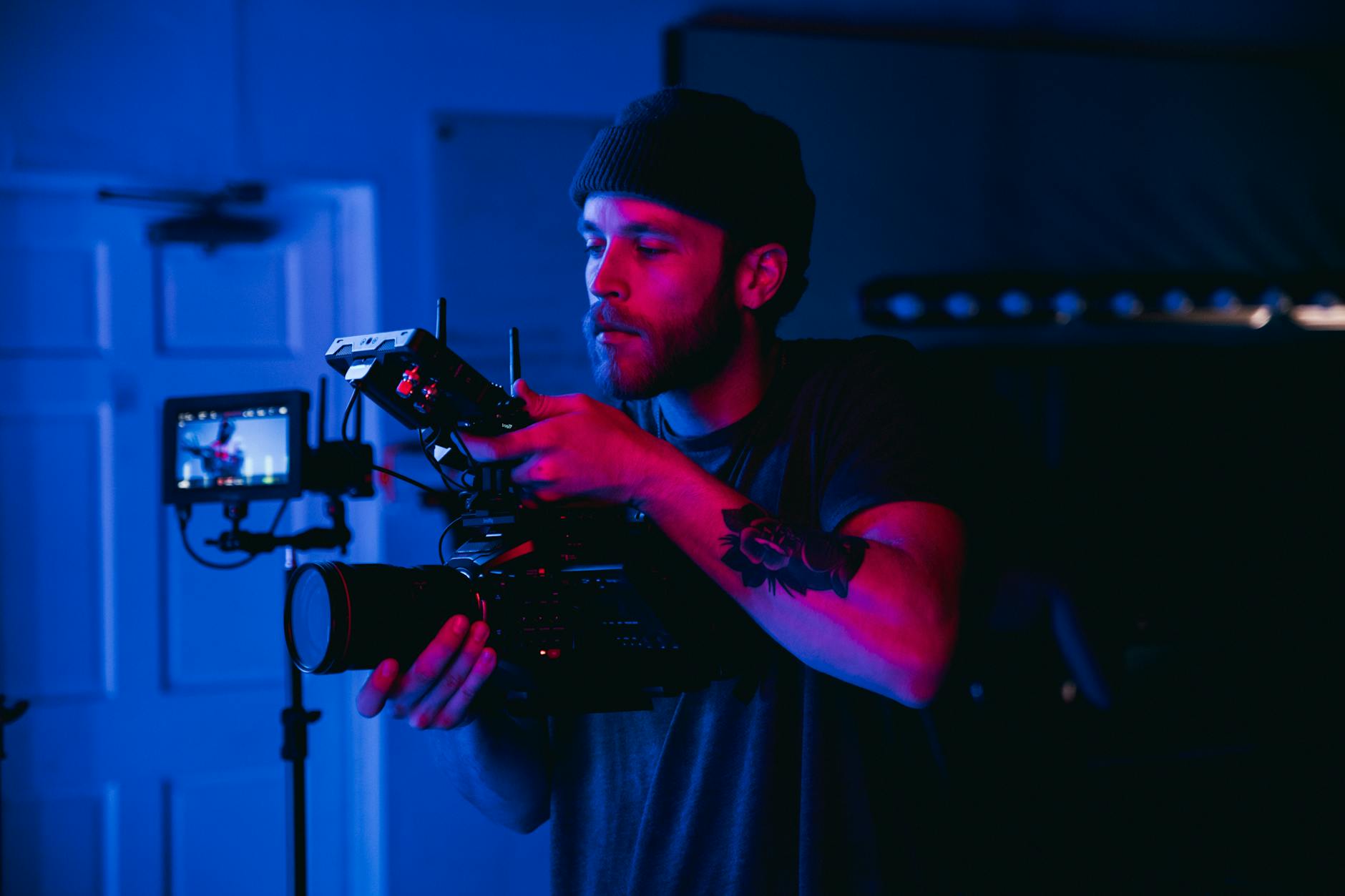
Technical Requirements and Setup
To facilitate effective live streaming, technical preparations must be meticulously planned and executed. The core components include high-quality cameras, audio equipment, encoding devices, and a robust internet connection. Cameras should support 4K resolution for clear visuals, particularly important for outdoor and dynamic events in Miami. Microphones and audio mixers must capture high-fidelity sound, ensuring intelligible commentary and ambiance are preserved. Encoders convert the raw video feed into streaming-compatible formats, with hardware or software options depending on event size and complexity.
Internet connectivity is the backbone of live streaming; a dedicated, high-capacity broadband line with sufficient upload bandwidth minimizes latency and buffering. Redundancy plans, including backup internet sources and power supplies, safeguard against disruptions. Venue infrastructure should support optimal placement of equipment, with cable routing considerations and stable mounting solutions for outdoor setups. Testing the entire system before the event enables calibration and troubleshooting, reducing the risk of technical failures. It’s also essential to coordinate with streaming providers or technical teams experienced in Miami’s diverse venues for tailored deployment strategies.

Comprehensive Strategies for Optimizing Live Event Video Streaming in Miami
Ensuring High-Quality Production and Delivery
Achieving an optimal live streaming experience for Miami events hinges on meticulous attention to production quality and delivery stability. This involves leveraging the latest broadcasting equipment and advanced streaming protocols to deliver seamless content to viewers, regardless of their location. Upgrading to 4K cameras ensures crystal-clear visuals that capture Miami’s vibrant cityscapes, lively outdoor festivals, or intricate indoor setups. High-fidelity audio equipment must complement the video quality, providing clear sound that enhances viewer engagement, especially during live commentary or musical performances.
Implementing adaptive bitrate streaming technology is vital for accommodating viewers with varying internet speeds. This technique dynamically adjusts video quality in real-time, reducing buffering time and maintaining continuous playback. Utilizing a Content Delivery Network (CDN) across Miami’s geographic regions further minimizes latency and load times, ensuring stable and swift access for global audiences. Furthermore, engaging experienced technical teams familiar with Miami’s unique venues—ranging from beachfront stages to downtown conference centers—ensures equipment is optimally configured and positioned for maximum impact.

Implementing Effective Content Promotion and Viewer Engagement
Successful live streaming extends beyond technical excellence; strategic content promotion is essential to attract and grow the audience. Promoting upcoming streams through Miami-based social media channels, local forums, and community boards can maximize visibility. Timely reminders and engaging pre-event teasers create anticipation, encouraging viewers to tune in live.
Integrating interactive features during the stream enhances viewer participation. Polls, Q&A sessions, and live chats foster a sense of community and immediate engagement with the content. Utilizing multi-platform streaming ensures accessibility, allowing audiences to view on their preferred devices—smartphones, tablets, or desktops. Additionally, offering on-demand access post-event caters to viewers unable to attend live, extending the reach and longevity of Miami events.
Post-Event Content Management and Analysis
After the live broadcast concludes, comprehensive content management is crucial. Analyzing viewer metrics such as watch time, engagement levels, and geographic data provides insights into audience preferences and behaviors specific to Miami’s demographic. Archiving the streamed content for future reference, promotional reuse, or highlight reels maximizes the investment made in live production.
Employing advanced analytics tools helps identify patterns and opportunities for improving future streams. Feedback collection from viewers and stakeholders further refines the streaming process, aligning future content with audience expectations. Ensuring secure storage and accessible formats supports ongoing marketing efforts and community building around Miami’s vibrant cultural and professional events.
Overall, meticulous planning, strategic promotion, and data-driven adjustments are essential to delivering outstanding live event experiences in Miami through top-tier streaming services.