
Understanding Live Event Streaming Services
In the rapidly evolving digital landscape, live event streaming has become an essential method for broadcasters, organizers, and content creators to reach audiences beyond physical venues. A live event streaming company specializes in delivering real-time video content over the internet, enabling viewers to experience events as they happen, regardless of their geographical location. These companies offer comprehensive solutions that encompass the entire streaming process, from capturing high-quality footage to broadcasting it seamlessly to viewers worldwide.
Core services provided by a live event streaming company typically include professional video production, real-time encoding, bandwidth management, and distribution. The goal is to ensure that the broadcast is smooth, high-definition, and free of interruptions. Many of these companies also provide technical support throughout the event, managing the infrastructure needed for optimal streaming performance. This includes testing equipment beforehand, monitoring the stream during the event, and troubleshooting any issues that may arise to prevent delays or quality drops.
Effective live streaming demands advanced technology and expertise. Companies utilize specialized hardware and software such as multi-camera setups, live switching equipment, and encoding solutions to create professional-grade broadcasts. They also implement adaptive streaming protocols, which adjust video quality dynamically in response to viewers’ internet speeds, ensuring a consistent viewing experience. Additionally, some companies offer multi-platform streaming services, allowing content to be simultaneously broadcast across various social media channels, websites, and internal platforms.

Engaging viewers through live streaming not only enhances accessibility but also amplifies the reach and impact of events. Whether it’s a corporate conference, concert, sports event, or community gathering, a dedicated live event streaming company ensures the delivery of a seamless, high-quality viewing experience that captures the essence and energy of the occasion.
Key Technologies Used by Live Event Streaming Companies
- High-definition cameras and multi-camera setups
- Hardware and software encoders for real-time video processing
- Content Delivery Network (CDN) integration for efficient distribution
- Adaptive bitrate streaming protocols such as HLS and DASH
- Live switching and graphics overlay systems for professional presentation
- Mobile streaming solutions for on-the-go coverage
Understanding Live Event Streaming Services
Live event streaming has transformed the way organizations and individuals share experiences with global audiences. The backbone of effective live streaming lies in the integration of sophisticated technology and professional expertise to deliver high-quality, uninterrupted broadcasts. Companies specializing in live event streaming leverage an array of advanced hardware and software solutions to ensure that each broadcast maintains clarity, stability, and visual appeal. This includes multi-camera setups that capture different angles, live switching equipment to create dynamic presentations, and encoding systems that convert video signals into streaming formats compatible across various platforms.
Beyond hardware, the implementation of adaptive streaming protocols plays a critical role in accommodating viewers' diverse internet speeds. Protocols such as HTTP Live Streaming (HLS) and Dynamic Adaptive Streaming over HTTP (DASH) automatically adjust video quality in real-time, minimizing buffering and ensuring a smooth viewing experience regardless of connection stability. Many live event streaming companies also provide multi-platform capabilities, allowing content to be simultaneously broadcast across social media channels, websites, and internal networks. This targeted distribution maximizes reach and engagement, tailoring the viewing experience for different segments of the audience.

Optimal live streaming requires precise planning and execution, involving not only cutting-edge technology but also experienced personnel who oversee production logistics, camera operation, sound engineering, and technical troubleshooting. By combining the right tools and expertise, live event streaming companies can replicate the energy and immediacy of in-person events, amplifying their impact across a broader audience base. From corporate seminars and trade shows to concerts and sporting events, professional live streaming enhances engagement, accessibility, and overall reach.
Key Technologies Used by Live Event Streaming Companies
- High-definition cameras and multi-camera configurations to capture every detail.
- Hardware and software encoders that facilitate the real-time conversion of footage into streaming-ready formats.
- Content Delivery Network (CDN) integration, which ensures scalable and reliable distribution across various regions.
- Adaptive bitrate streaming protocols such as HLS and DASH that adjust video quality dynamically based on network conditions.
- Live switching systems and integrated graphics overlays, providing engaging visuals and real-time information display.
- Mobile streaming solutions that empower on-the-go coverage, allowing remote broadcasters to participate seamlessly.
Technical capabilities extend beyond hardware, involving robust internet connectivity and network redundancy setups that safeguard against interruptions. This layered infrastructure ensures that viewers experience a continuous, high-fidelity broadcast, regardless of external disruptions. As technology continues to evolve, live event streaming services adopt innovations like 4K resolution, virtual reality integration, and AI-driven analytics to enhance interactivity and viewer insights.
Understanding Live Event Streaming Services
Live event streaming services have transformed the way organizations and entertainment entities connect with their audiences. By leveraging advanced technology and strategic planning, these services facilitate the broadcast of live content over the internet, making it accessible in real-time across multiple devices and locations. They encompass a wide range of event types, including corporate conferences, music festivals, sporting competitions, religious gatherings, and cultural festivals, offering a seamless and immersive experience to viewers regardless of their physical location.
These platforms utilize a combination of hardware and software to deliver high-quality video and audio feeds. The primary goal is to replicate the live, energetic atmosphere of in-person events while expanding reach and accessibility. Event organizers can now engage with global audiences, gather real-time feedback, and increase participation levels without geographical limitations. This broadens their potential market, enhances event visibility, and drives greater interaction among participants.
Furthermore, live streaming provides opportunities for monetization through pay-per-view models, subscriptions, or advertising partnerships. With the capacity to record broadcast sessions, it also lays the foundation for post-event content marketing, training, and archival purposes. As digital engagement increasingly influences consumer behavior, investing in professional live event streaming becomes an essential component of a comprehensive event strategy.

Key Technologies Used by Live Event Streaming Companies
To deliver reliable, high-fidelity broadcasts, live event streaming companies implement a suite of sophisticated technologies. They start with high-definition cameras, often configured in multi-camera setups, designed to capture every detail from different angles. These are coupled with hardware and software encoders that convert raw footage into optimized streaming formats suited for internet delivery.
Content Delivery Networks (CDNs) are integral to the infrastructure, ensuring scalable and consistent distribution across diverse geographic regions. Adaptive bitrate streaming protocols like HLS (HTTP Live Streaming) and MPEG-DASH dynamically adjust video quality based on viewer bandwidth, minimizing buffering and maintaining visual clarity. Additionally, live switching systems and graphics overlays provide dynamic visual elements, enabling real-time information displays and engaging visual transitions.
Mobile streaming solutions further expand coverage, allowing remote broadcasters and field teams to transmit content seamlessly from various locations. Robust internet connectivity, often with redundancy setups, is critical to prevent interruptions and maintain broadcast stability. Emerging innovations such as 4K resolution, virtual reality integration, and AI-powered analytics are increasingly incorporated to enhance viewer experiences and gather valuable engagement data.
Content Security and Rights Management in Live Streaming
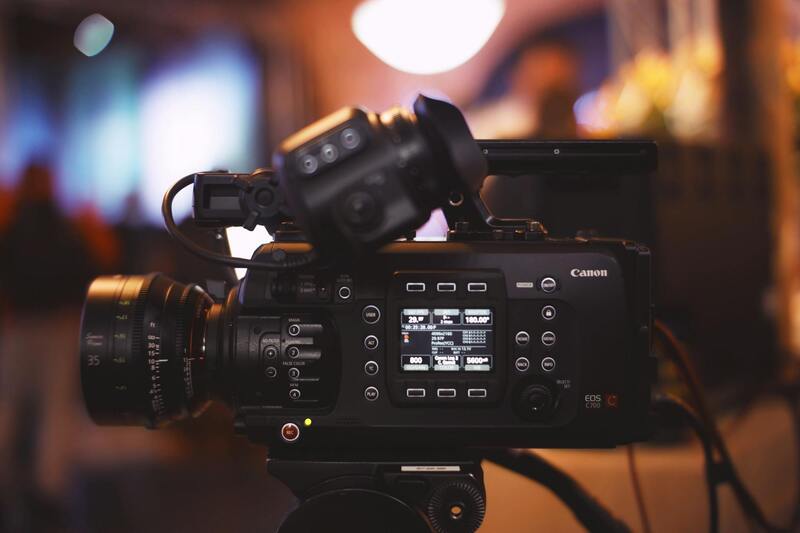
One of the critical aspects that a professional live event streaming company focuses on is the implementation of robust content security measures. This ensures that the streamed content remains protected from unauthorized access and distribution, safeguarding intellectual property rights and maintaining brand integrity. Techniques such as Digital Rights Management (DRM) systems are employed to control who can view the content and under what conditions, preventing illegal sharing or piracy.
Authentication protocols are essential in verifying viewer identities before granting access to the stream. These include login credentials, secure tokens, and multi-factor authentication processes designed to ensure only authorized individuals can view the broadcast. For confidential events, encrypted streams add an additional layer of security, making it extremely difficult for unintended parties to intercept or decode the footage.
Technical Support and On-Site Expertise
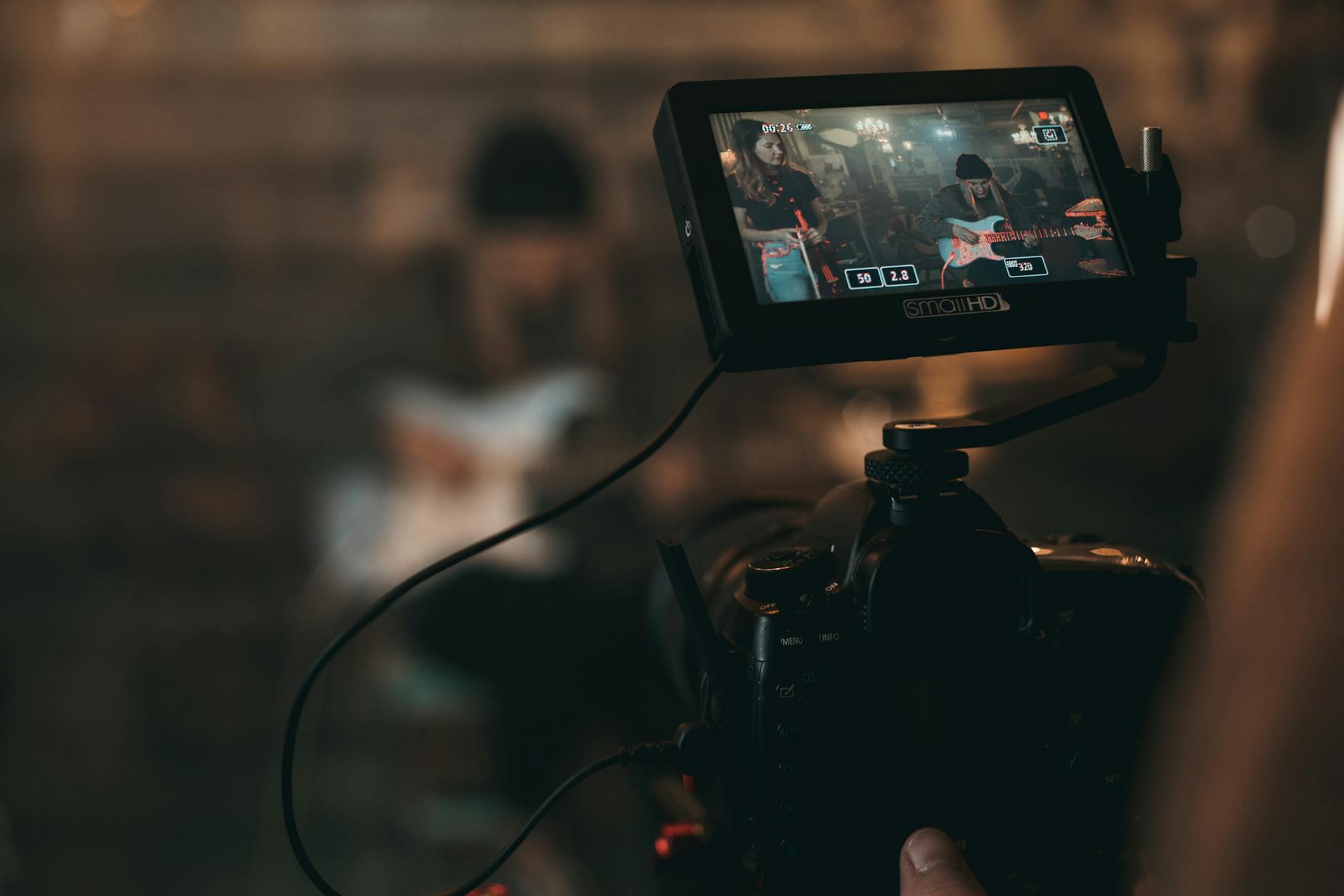
Effective live event streaming relies heavily on meticulous on-site technical support. Experienced technicians manage the entire broadcast infrastructure, including camera operations, audio mixing, and live switching. They ensure seamless synchronization of multiple video feeds, real-time graphic overlays, and high-quality audio delivery.
During the event, the technical team monitors the stream continuously, ready to troubleshoot any issues that may arise, such as connectivity disruptions or equipment malfunctions. Their presence minimizes downtime and preserves the quality of the viewer experience. Furthermore, they coordinate with event organizers to adapt to any changes or unforeseen circumstances swiftly.
Customizable Viewing Experiences and Interactive Features
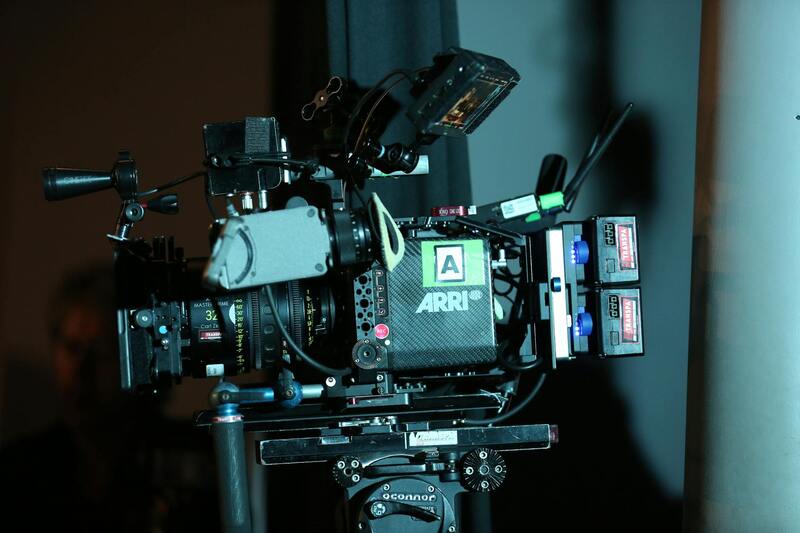
To elevate viewer engagement, a competent live event streaming company offers customizable features that cater to the specific needs of each event. These include multi-language support, allowing content to be accessible to diverse audiences worldwide. Interactive elements such as live chat, polls, and Q&A sessions foster real-time engagement, making the virtual experience more dynamic and participatory.
Branding opportunities are also maximized through customized graphics, overlays, and watermarks embedded into the stream. For exclusive or VIP audiences, options like private streams or password-protected access create a sense of exclusivity.
Understanding Live Event Streaming Services
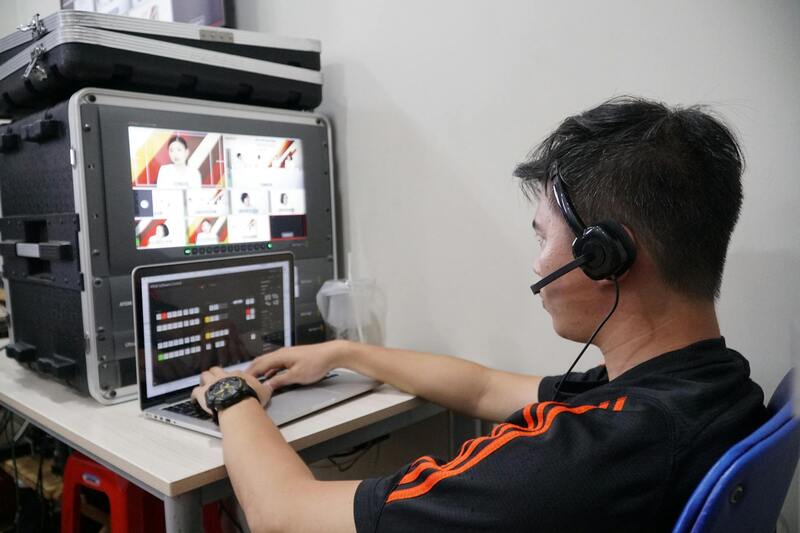
Live event streaming services encompass a comprehensive suite of solutions designed to broadcast events in real-time over the internet. These services are vital for organizations aiming to reach global audiences without geographical limitations. A professional live event streaming company provides end-to-end management, from video capture and encoding to distribution and viewer engagement. They utilize specialized hardware and software to ensure high-definition quality, minimal latency, and seamless delivery across multiple devices and network conditions. Such services are customizable to accommodate various event types, including corporate presentations, concerts, sports events, product launches, and community gatherings.
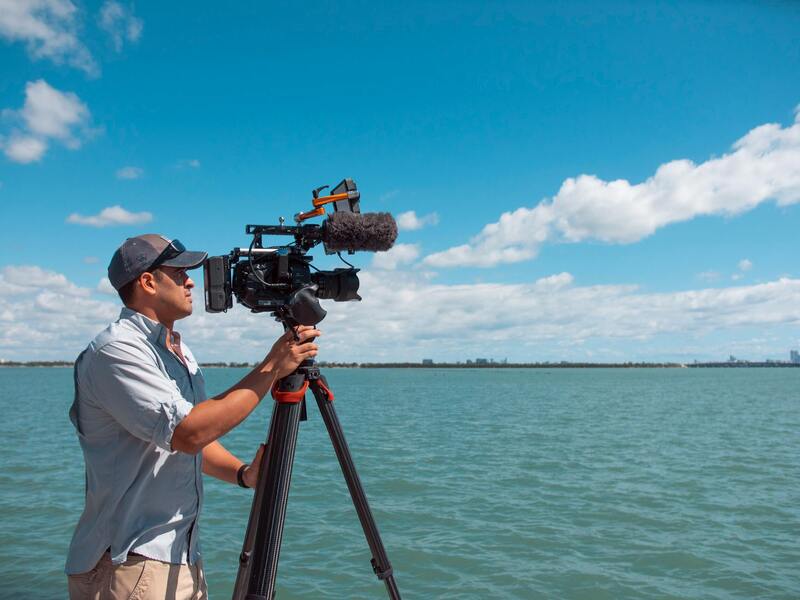
Engaging a dedicated streaming provider ensures that technical complexities are handled by experts, allowing event organizers to focus on content delivery and audience interaction. The service often includes real-time monitoring, multi-platform distribution, and optimization for both live viewing and on-demand access post-event. These providers also offer scalable solutions that can adapt to the size and scope of the event, whether it's a small seminar or a large festival.
Key Technologies Used by Live Event Streaming Companies
The backbone of efficient live streaming hinges on sophisticated technologies that facilitate quality and reliability. Essential components include:
- Video Capture and Encoders: Professional cameras combined with hardware or software encoders convert raw footage into digital formats suitable for streaming.
- Content Delivery Networks (CDNs): Distributed server networks that ensure fast, reliable content distribution regardless of viewer location.
- Streaming Protocols: Technologies such as RTMP, HLS, and DASH are employed to deliver streams smoothly across various devices and internet speeds.
- Monitoring and Analytics Tools: These track stream health, viewer metrics, and engagement levels, providing valuable data for post-event analysis and improvements.
- Interactive Technologies: Chat interfaces, live polls, and social media integration enhance participant engagement and foster community interaction during the event.
Quality Assurance and Redundancy
To prevent disruptions, streaming companies implement redundant systems, including backup encoders and multiple internet connections, ensuring continuous operation despite technical hiccups. This high level of reliability is critical for maintaining a professional broadcast experience and meeting audience expectations.
Advantages of Hiring a Professional Live Event Streaming Company
Partnering with seasoned providers offers multiple benefits that elevate the quality and reach of your event:
- Technical Expertise: Skilled technicians manage all aspects of streaming, from setup to troubleshooting, ensuring seamless delivery.
- High-Quality Production: Professional equipment and production techniques deliver crisp visuals, clear audio, and polished graphics.
- Audience Engagement: Interactive features and multi-platform streaming maximize viewer participation and extend the event's impact.
- Branding Opportunities: Customized overlays, watermarks, and sponsor integrations promote brand visibility throughout the broadcast.
- Scalability and Flexibility: Experienced providers adapt to diverse event needs, adjusting the technical setup for larger audiences or more complex productions.
Types of Events Suitable for Live Streaming
Various events benefit significantly from professional live streaming services, including:
- Corporate Conferences and Meetings: Extending participation to remote stakeholders and facilitating real-time Q&A sessions.
- Concerts and Music Festivals: Reaching diverse audiences worldwide while preserving audio-visual quality.
- Sports Competitions: Providing live coverage with multiple camera angles and instant replays for fans unable to attend physically.
- Religious Services: Allowing congregations to participate virtually while maintaining the spiritual experience.
- Community Events and Fundraisers: Increasing visibility and engagement through online participation.
Understanding Live Event Streaming Services
Live event streaming services encompass a comprehensive range of solutions designed to transmit live video and audio content over the internet in real-time. These services enable organizers to reach global audiences instantly, preserving the energy and immediacy of in-person events. The core components of these services include high-definition video capture, robust encoding processes, reliable transmission over various networks, and user-friendly platforms for viewer access. By leveraging advanced streaming protocols such as RTMP (Real-Time Messaging Protocol) and HLS (HTTP Live Streaming), live event streaming companies ensure minimal latency and consistent playback quality, even when broadcasting to large audiences.
They also provide solutions tailored to diverse event types—ranging from small corporate seminars to large-scale concerts—ensuring flexibility and adaptability. Additionally, features like multi-camera feeds, graphic overlays, real-time comments, and interactive polls can enhance viewer engagement, transforming passive watching into an immersive experience. The services extend beyond mere transmission, offering comprehensive solutions including content management, security protocols for protected streams, and detailed analytics post-broadcast. This integrated approach allows organizers to maximize their event's reach and impact, transforming live events into dynamic digital experiences that resonate with audiences worldwide.
Key Technologies Used by Live Event Streaming Companies
Modern live event streaming companies utilize a suite of advanced technologies to deliver seamless and high-quality broadcasts. Central to these are professional-grade cameras, switchers, and encoders that capture and process live footage efficiently. Video encoders compress raw signals into optimized formats suitable for transmission over the internet, reducing latency and buffering issues. These encoders support a variety of streaming protocols, enabling compatibility across devices and platforms.
- Content Delivery Networks (CDNs): CDNs distribute streaming data across multiple servers worldwide, decreasing load times and ensuring stability even during high traffic events.
- Adaptive Bitrate Streaming: This technology adjusts video quality dynamically based on the viewer's internet connection, preventing interruptions and maintaining clarity.
- Cloud-Based Infrastructure: Cloud platforms facilitate scalable and flexible broadcasting, allowing for quick deployment and resource management.
- Interactive Tools: Features such as live chat, polling, and social media integration foster real-time engagement and feedback from viewers.
- Security Protocols: Secure streaming options, including encrypted transmissions and access controls, protect sensitive content and control audience access.
Beyond hardware and software, live event streaming companies also deploy monitoring tools that oversee stream health, detect issues proactively, and provide real-time diagnostics. This technological ecosystem ensures reliable, high-quality broadcasts that meet professional standards and viewer expectations.
Advantages of Hiring a Professional Live Event Streaming Company
Engaging an experienced live event streaming company ensures a level of professionalism and technical proficiency that significantly enhances event quality. These providers bring specialized knowledge and equipment, minimizing the risk of technical failures during critical moments. They handle all aspects of the production, including camera operation, audio mixing, graphics integration, and stream management, allowing event organizers to focus on content and audience interaction.
- Enhanced Visual and Audio Quality: Certified technicians utilize high-end equipment to deliver crisp visuals and clear sound, ensuring viewers experience the event as intended.
- Seamless Broadcasts: Expert planning and real-time troubleshooting result in fewer disruptions, buffering issues, or delays, maintaining professional standards throughout the event.
- Broader Reach and Accessibility: Professional companies optimize streams for various devices and platforms, expanding audience accessibility and engagement.
- Customization and Branding: They incorporate personalized overlays, sponsor graphics, and interactive features that align with branding goals and enhance viewer experience.
- Post-Event Content Delivery: These providers facilitate efficient content archiving and distribution, making event recordings accessible for future promotions or internal use.
Types of Events Suitable for Live Streaming
Many different event formats benefit from professional live streaming, leveraging the technology to increase visibility, engagement, and impact. Examples include:
- Corporate Conferences and Meetings: Extends participation beyond physical attendees, features live Q&As, and facilitates global networking opportunities.
- Concerts and Music Festivals: Reaches diverse audiences worldwide while ensuring high-quality sound and visuals, capturing the live atmosphere virtually.
- Sports Competitions: Offers multiple camera angles, instant replays, and detailed commentary, giving remote viewers an experience close to attending in person.
- Religious Services: Enables congregations to participate remotely, preserving the spiritual connection and communal aspects of services.
- Community Events and Fundraisers: Increases event exposure, encourages online donations, and fosters broad participation across demographics.
Post-Event Services and Content Archiving
Effective post-event management is a critical component of professional live streaming. After the live broadcast concludes, the work is far from over. High-quality content archiving ensures that recordings are stored securely and optimized for various platforms. This process preserves the event for on-demand access, enabling audiences who missed the live stream to revisit the content at their convenience. Additionally, well-organized archives serve as valuable resources for future marketing, training, or internal review. Many live event streaming companies employ advanced encoding and storage solutions to guarantee the integrity and accessibility of archived content.
Moreover, post-event analysis yields actionable insights by examining viewer engagement metrics, peak viewership times, and audience demographics. These analytics inform strategies for future events, enhance content targeting, and optimize marketing efforts. Content repurposing is another vital aspect, where recordings can be transformed into highlight reels, clips for social media, or promotional materials. This not only extends the event’s reach but also maximizes ROI, providing ongoing value long after the live broadcast ends.

Factors to Consider When Choosing a Live Event Streaming Partner
- Technical Expertise and Experience: A proven track record with diverse event types indicates a partner’s capability to handle complex live streaming scenarios efficiently.
- Quality of Equipment and Infrastructure: State-of-the-art cameras, audio systems, and encoding hardware are essential for delivering crisp visuals and clear sound.
- Customization Capabilities: The ability to tailor overlays, graphics, and user interfaces enhances brand integration and viewer engagement.
- Reliability and Support: 24/7 technical support, backup systems, and contingency plans help mitigate unexpected issues.
- Platform Compatibility and Accessibility: Ensuring streams are compatible across various devices and platforms maximizes audience reach.
- Cultural and Local Knowledge: A Miami-based provider understands regional preferences, language considerations, and logistical aspects, making coordination smoother.
- Pricing and Packages: Transparent pricing structures with flexible options cater to different event sizes and needs.
Preparation and Planning for a Successful Live Stream
Effective planning begins with a clear understanding of the event’s objectives and audience. Collaborating with a professional streaming company early in the process ensures that technical requirements, content flow, and logistics are thoroughly outlined. Site assessments and equipment checks are crucial to identify potential challenges before the event. Rehearsals help technicians fine-tune camera angles, audio levels, and streaming software configurations, reducing the likelihood of technical issues during the actual event.
Clear communication with all stakeholders, including event coordinators, presenters, and technical staff, facilitates a smooth operation. Creating comprehensive backup plans, such as alternative internet connections and redundant hardware, safeguards against unexpected disruptions. Integrating branding elements, interactive features, and multimedia content enhances viewer engagement. Lastly, establishing a detailed schedule covering pre-event setup, live execution, and post-event processes ensures that every phase flows seamlessly, resulting in a professional and impactful live streaming experience.
Post-Event Services and Content Archiving
Once the live event concludes, the responsibilities of a professional live event streaming company extend well beyond the final seconds of broadcast. Post-event services are crucial for maximizing the value of the content captured, ensuring that the investment in streaming translates into ongoing engagement, revenue opportunities, and content utilization.
Content Delivery and On-Demand Access
After the live transmission, the recorded footage can be processed, edited, and uploaded to various platforms, including specialized streaming portals, social media channels, or client websites. Offering on-demand access enables audiences who missed the live event to view it at their convenience, expanding reach and engagement. High-quality editing and post-production enhance viewer experience, allowing for highlights, summaries, or full event archives that can serve promotional, educational, or archival purposes.
Data Analysis and Audience Insights
One of the significant benefits of professional streaming services is the ability to gather comprehensive analytics. Metrics such as viewer demographics, engagement rates, total views, peak watch times, and geographical data provide valuable insights. These analytics help organizers understand their audience better, tailor future events, and refine marketing strategies to improve outreach and participation.
Archiving and Content Management
Proper archiving is essential for preserving valuable content for future use. A reliable streaming company offers secure storage solutions, ensuring that recordings are safely maintained and easily retrievable. This archived content can be repurposed for promotional campaigns, training programs, or as part of a broader content library that supports ongoing digital marketing efforts.
Distribution of Recorded Content
Beyond hosting the event footage online, streaming companies can assist with distributing content across multiple channels. This includes uploading to video hosting platforms, embedding videos on your website, or integrating with email marketing campaigns. Strategic distribution helps to maximize audience reach and ensures that the event's impact extends far beyond the live moment.
Technical Support for Post-Event Processes
Efficient handling of post-event tasks involves technical expertise to ensure smooth content delivery. This includes formatting videos for various devices, optimizing streaming quality, and implementing digital rights management (DRM) if required. Ensuring all content adheres to brand standards and maintains high visual and audio quality is paramount for professional presentation.

Legal Considerations and Rights Management
Proper handling of rights management and legal considerations during post-event processing safeguards the content's value and ensures compliance with intellectual property laws. This includes managing permissions for third-party content, music licensing, and distribution rights. An experienced streaming partner provides guidance on licensing, content clearance, and secure handling of sensitive material, contributing to a smooth post-event process with minimized risk.
Continuous Improvement and Feedback Integration
Gathering feedback from viewers and stakeholders is vital for refining future live streaming endeavors. Post-event reports and surveys can provide insight into viewer satisfaction, technical performance, and content relevance. By analyzing this feedback, live event streaming companies can implement improvements in equipment, content presentation, and overall service quality for subsequent events.