
Overview of Event Streaming Production
Event streaming production refers to the process of delivering live or on-demand multimedia content over the internet to audiences in real-time or through recorded sessions. This methodology has become integral in enabling expansive reach, allowing event organizers to transcend physical boundaries and connect with virtual viewers across different geographical locations. In the dynamic environment of Miami's event industry, the adoption of professional event streaming has transformed how conferences, concerts, corporate gatherings, and cultural festivals engage with their audiences. The ability to provide high-quality, reliable streams ensures that virtual attendees experience the event as if they were physically present, enhancing overall engagement and participation.
Event streaming production involves a comprehensive pipeline that includes content capture, encoding, distribution, and viewing interfaces. Effective implementation relies on a combination of advanced technology, strategic planning, and seamless execution. For Miami-based event organizers, leveraging robust streaming solutions means maintaining brand integrity, expanding reach, and capturing new markets. The significance of event streaming extends beyond mere content delivery; it facilitates interactive elements such as live Q&A sessions, polls, and networking opportunities, creating a holistic virtual event environment.
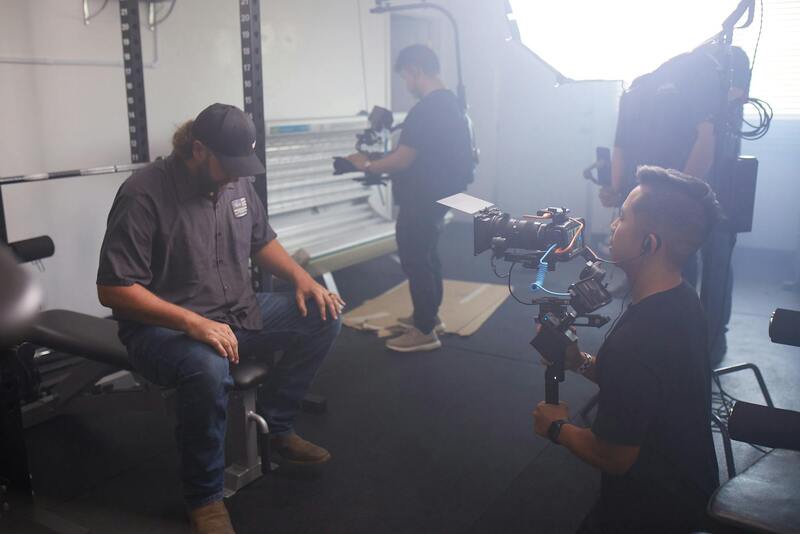
As the demand for professional event streaming grows, Miami’s industry leaders prioritize reliability, security, and high-definition quality. This focus ensures that every viewer, regardless of location or device, receives a consistent and engaging experience. Event streaming production is an evolving field that adapts rapidly to technological advancements and changing audience expectations, making it essential for organizers to work with experienced professionals who understand the nuances of live digital broadcasting.
Overall, the significance of effective event streaming production in Miami’s fast-paced event sector cannot be overstated. It bridges the gap between physical and virtual participation, enhances accessibility, and offers scalable solutions for diverse event formats. Engaging a dedicated production team that specializes in comprehensive streaming solutions results in more successful events with broader reach and increased engagement metrics.
Key Components of Event Streaming Infrastructure
Establishing a reliable and high-quality event streaming production requires a comprehensive infrastructure that integrates advanced hardware, software, and network components. Each element plays a vital role in ensuring seamless transmission, optimal video quality, and overall viewer satisfaction. Effective infrastructure begins with selecting the right cameras, which should be capable of capturing high-definition footage with minimal latency, adaptability to various lighting conditions, and compatibility with editing and broadcasting systems.
Encoders serve as critical devices that convert raw camera signals into a digital format suitable for streaming. Modern encoders offer real-time compression, adaptive bitrate streaming, and integration with multiple streaming platforms, which are essential for maintaining video quality across diverse network conditions. Additionally, robust streaming platforms provide the backbone for live transmission, offering scalable capacity, user-friendly interfaces, and security features to safeguard content against unauthorized access or disruptions.
Network requirements are equally crucial. A dedicated, high-bandwidth internet connection with low latency ensures consistent data flow, preventing buffering or quality degradation during live events. Redundant network setups and backup solutions help mitigate potential connectivity issues, especially in high-stakes production environments. It is also important to employ professional-grade audio equipment, such as high-fidelity microphones and mixers, to complement the visual content and create an immersive experience for virtual attendees.
To streamline operations, integration of software management tools for scheduling, content management, and real-time analytics enhances the overall streaming workflow. These tools facilitate pre-production coordination, monitor live stream health, and provide insights into viewer engagement, allowing producers to adapt swiftly during broadcasts. Combining these technological essentials with meticulous planning results in a resilient streaming infrastructure capable of supporting diverse event formats and audience sizes.
Furthermore, leveraging cloud-based services for scaling resources and storage, paired with secure content delivery networks (CDNs), ensures that high-quality streams reach global audiences without interruption. As technology continues to evolve, staying ahead with the latest innovations such as 4K streaming, virtual reality capabilities, and AI-driven analytics becomes advantageous for production teams aiming to offer cutting-edge virtual event experiences.
Technical Setup and Equipment Setup
Executing a successful event streaming production requires meticulous planning of the technical and equipment setup to ensure optimal performance throughout the broadcast. The foundation starts with selecting high-quality streaming hardware capable of handling the desired resolutions and data loads. Professional-grade encoders are essential for compressing video feeds efficiently without compromising visual clarity, especially when streaming in 4K or higher formats. Simultaneously, high-definition cameras with flexible angles and reliable connectivity provide dynamic and engaging visuals for the audience.
Audio quality is equally vital; employing studio-grade microphones, audio mixers, and sound processing tools guarantees that voice and ambient sounds are captured with clarity. Proper placement of microphones relative to speakers and instruments minimizes unwanted noise and echoes, delivering a pristine audio experience.
Supporting hardware such as switchers and monitors allow production teams to manage multiple video feeds seamlessly, enabling real-time switching and overlay of graphics or information. Adequate lighting is crucial as well; professional lighting kits help eliminate shadows and improve image sharpness under varying indoor conditions.
Network stability is a cornerstone of reliable streaming. Implementing dedicated internet connections or bonded network solutions ensures sufficient upload speeds and reduces latency. Redundant internet sources and backup power supplies add layers of resilience, minimizing the risk of interruptions during live broadcasts.
Furthermore, integrating hardware control systems with software management platforms facilitates streamlined operation. These tools enable precise scheduling of content, real-time diagnostics throughout the stream, and effortless coordination among technical staff. As event complexity scales, the deployment of cloud-based control systems can help synchronize multiple setups across different locations, fostering consistency and efficiency.
Supplying staff with comprehensive training on equipment operation and troubleshooting procedures enhances responsiveness during live sessions. Having a well-documented setup plan accompanies each stage of the technical configuration, ensuring that all components work harmoniously to deliver a seamless streaming experience regardless of event scale.
Technical Setup and Equipment Setup
Successfully executing an event stream hinges on meticulous technical setup and precise equipment configuration. In Miami’s diverse event landscape, selecting the right audiovisual gear is fundamental to achieve high-definition video quality and crystal-clear audio. This process begins with ensuring the compatibility of cameras, microphones, and encoders, tailored to the specific demands of the event, whether it’s a corporate conference, concert, or live seminar.
Equipping the venue with professional-grade lighting equipment influences the overall visual clarity and attendee experience. Proper lighting not only enhances image quality but also affects color accuracy and depth perception, which are critical elements in large-scale productions. It is necessary to calibrate lighting setups to adapt seamlessly to indoor and outdoor conditions, avoiding common issues like shadows or washed-out visuals.
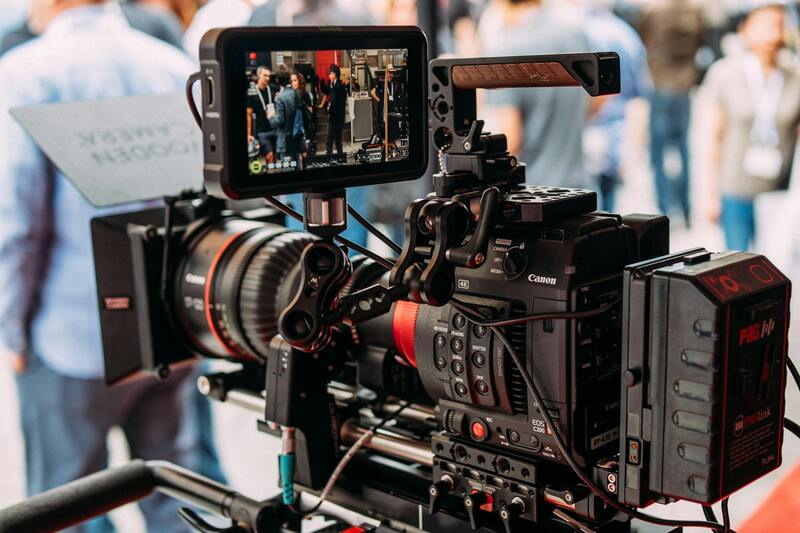
Network stability forms the backbone of reliable event streaming. In Miami, where network congestion can impact connectivity, proactive measures such as dedicated internet lines or bonded internet solutions are recommended. These configurations combine multiple internet sources to ensure sufficient bandwidth and reduce data packet loss. Additionally, implementing load balancing and quality of service (QoS) protocols prioritizes streaming data, minimizing latency and buffering.
Redundancy measures must be integrated into the setup. Backup power supplies, such as uninterruptible power supplies (UPS), safeguard against power failures that could disrupt the stream. Hardware redundancies, including secondary encoders and alternate feed sources, preserve the continuity of live transmission despite technical hiccups.
Beyond hardware, software configurations play an indispensable role. Setting up streaming management platforms that offer real-time diagnostics, content scheduling, and multi-camera control enables technical teams to monitor stream health constantly. Integration of these systems across multiple locations ensures consistent quality and smooth transitions during complex productions, especially in large events with multiple camera angles and varied content streams.
Training personnel on equipment operation is equally important. Well-structured technical manuals and run-through rehearsals prepare team members to troubleshoot issues swiftly, reducing on-site stress. Having a comprehensive setup plan that details each component’s configuration, connections, and operational procedures helps avoid oversights and promotes synchronization among the technical staff.
Investments in advanced networking, lighting, and streaming hardware tailored to Miami’s dynamic event environment significantly elevate the quality and reliability of event streams. Ensuring these elements are configured correctly and maintained regularly is the cornerstone of professional event production, delivering engaging live experiences that meet audience expectations and client goals.
Live Streaming Execution
Executing an event stream in real time demands meticulous coordination among technical teams and creative directors. During the event, operators are responsible for managing live feed switching, ensuring seamless transitions between multiple camera angles and video sources. This process requires sophisticated switching equipment and real-time decision-making skills to respond promptly to any on-site changes or unexpected issues.
One of the critical aspects of live streaming execution is troubleshooting on-the-fly technical problems. Despite rigorous pre-event planning, issues such as audio dropouts, connectivity disruptions, or video lag can occur. Skilled technicians monitor stream health using advanced diagnostics tools, swiftly implementing contingency protocols when necessary. For example, switching to backup feeds or rerouting streams through redundant servers can prevent broadcasting interruptions, preserving the viewer experience.
Engagement with virtual audiences plays a vital role in modern event streaming. Utilizing integrated chat functions, live polls, and Q&A sessions encourages real-time interaction, which enhances audience involvement. Ensuring that these interactive components are positioned and managed effectively requires dedicated support personnel who oversee virtual engagement platforms, moderate comments, and coordinate viewer participation without disrupting the broadcast flow.
Effective communication among crew members is paramount. Clear protocols for incident reporting, rapid decision-making, and coordination ensure swift resolution of technical issues. Utilizing headsets, real-time chat applications, and visual cues helps maintain streamlined communication, minimizing delays and preserving the integrity of the broadcast.
Furthermore, the technical team must be prepared to adapt quickly to changing event dynamics. Whether adjusting camera angles, managing graphic overlays, or integrating additional multimedia content, flexibility is crucial to maintaining a high-quality streaming experience. Continuous monitoring and quick response strategies collectively uphold the professional standards expected in high-stakes event streaming scenarios.
Technical Setup and Equipment Setup
Implementing a robust technical setup is pivotal to ensure seamless event streaming production. This process involves meticulous planning to select the right hardware and software that align with the event's scale and complexity. High-definition cameras, professional audio mixers, and reliable encoders form the backbone of live broadcasting. For multi-camera productions, synchronized switching systems are essential to enhance visual engagement and provide viewers with dynamic perspectives.
Network infrastructure must be capable of handling high bandwidth to support multiple streams and prevent lag or interruptions. Wired connections are preferred over wireless links for their stability, especially during critical moments of the event. Additionally, utilizing Content Delivery Networks (CDNs) aids in efficient content distribution globally, reducing latency and buffering issues for viewers around the world.
Audio quality significantly impacts viewer experience; hence, professional microphones and audio interfaces are employed to capture clear sound. Placement and acoustics are carefully managed to avoid feedback and background noise. To support real-time editing and overlays, live production software such as switchers, graphics generators, and titling tools are integrated into the workflow.
Redundancy and Backup Systems
To mitigate potential technical failures, redundant systems are configured. Backup hardware, such as secondary encoders and power supplies, are kept operational to take over seamlessly if primary devices encounter issues. Virtualized backup streams through cloud services provide an additional layer of security, ensuring continuous coverage even during equipment failures or network disruptions.
Staff training on handling technical equipment is crucial. Crew members should be well-versed in troubleshooting procedures and emergency protocols. Conducting test runs prior to the event allows for equipment calibration and workflow validation, minimizing the risk of unforeseen problems during live transmission.
By ensuring that all technical elements—from cameras and audio to network infrastructure and backup systems—are meticulously configured, event streaming production can achieve professional quality, reliability, and an engaging viewer experience that meets high standards.
Technical Setup and Equipment Setup
Executing a successful event streaming production hinges on meticulous technical setup and the deployment of high-quality equipment. The foundation begins with selecting appropriate cameras that offer optimal resolution and low latency to ensure the broadcast's clarity and immediacy. Professional-grade video cameras with pan-tilt-zoom capabilities facilitate dynamic framing, allowing operators to showcase key moments seamlessly.
Audio quality remains a pivotal component; therefore, high-fidelity microphones such as shotgun mics, lapel lavaliers, and handheld units are utilized to capture speech and ambient sounds accurately. These are connected via professional audio interfaces that provide clean, balanced signals to live production software.
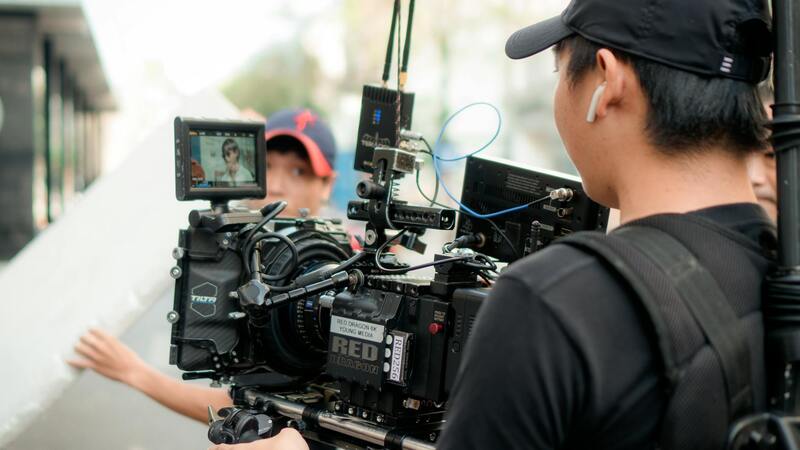
Network infrastructure must be engineered for robust bandwidth and minimal latency. Utilizing wired Ethernet connections over Wi-Fi wherever possible reduces interference and potential signal loss, crucial for maintaining high-quality streams. For wireless setups, enterprise-grade routers and signal repeaters extend coverage and stability across large venues.
Additional technical considerations include the deployment of appropriate switchers and video encoders. Video switchers enable smooth transitions between multiple camera feeds, while encoders convert the video into formats compatible with streaming platforms. These devices should be scalable and support multiple streams to accommodate various camera angles and sources.
Lighting plays a significant role in the visual clarity of the broadcast, with professional lighting rigs ensuring clear images with accurate color representation. Proper placement avoids shadows and glare, facilitating a polished production aesthetic.
Moreover, backup systems are integrated into the setup. Redundant encoders, power supplies, and network connections ensure continuous operation during unforeseen failures. Virtualized backup streams hosted on cloud servers serve as fail-safe options, allowing the production to maintain coverage regardless of hardware issues.
Staff involved in equipment setup must undergo comprehensive training to handle complex gear effectively. Conducting pre-event test runs offers an opportunity to calibrate equipment, troubleshoot potential issues, and validate workflows, thereby minimizing on-the-spot technical disruptions.
Live Streaming Execution
Successfully managing live event streaming execution involves precise coordination among crew members, real-time technical adjustments, and professional oversight. As the event unfolds, camera operators and directors work in tandem to capture key moments, utilizing multi-camera setups for varied perspectives.
Real-time monitoring of audio levels, video feeds, and network stability is essential. All feeds are transmitted to a central control room, where skilled operators oversee the switcher and coordinate transitions, overlays, and graphics. Utilizing dedicated hardware and software, the team ensures a seamless viewer experience.
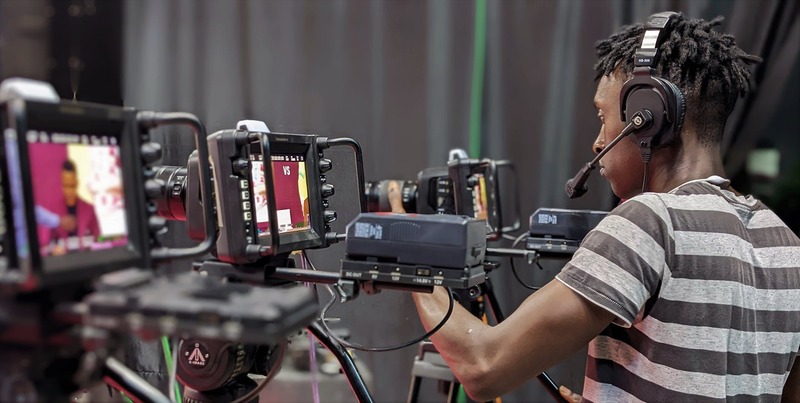
Employing streaming software with built-in redundancy supports continued broadcasting amid potential network fluctuations. Multiplexing streams to multiple platforms simultaneously enhances reach and audience engagement.
Communication protocols among production staff, technical teams, and moderators are critical to respond swiftly to on-the-fly adjustments or issues. Clear roles and contingency plans enable the team to adapt quickly, maintaining broadcast quality and minimizing disruptions.
During the streaming, real-time analytics provide insights into viewer engagement, stream stability, and performance metrics. These data points inform immediate corrective actions and offer valuable feedback for future productions.
Post-Event Streaming Management
Once the live event concludes, the focus shifts to post-streaming activities that maximize content value and engagement. Archived recordings are processed to remove technical glitches and optimize video quality. Edited versions of key segments can be prepared for on-demand distribution across platforms.
Data analytics reports detail viewership metrics, geographic spread, engagement levels, and technical performance. This information guides improvements in future productions, from equipment upgrades to content strategies.
Content licensing and rights management are carefully reviewed to ensure proper authorization and compliance. Hosting rights for recordings and clips are managed to prevent unauthorized use, while also facilitating monetization through partnerships or licensing agreements.
The storage of recordings is handled within secure cloud environments or dedicated servers, ensuring easy access for future use or promotional purposes. Engaging with the audience post-event through social media snippets, behind-the-scenes footage, or interactive sessions maintains engagement and builds a loyal viewer base.
Comprehensive Guide to Event Streaming Production
Understanding the Core Methods for Reliable Streaming
Executing an event streaming production with precision and professionalism demands adherence to a set of validated methods that ensure quality, stability, and compliance. Following established protocols for encoding, transcoding, and distribution facilitates seamless delivery of high-quality video content to diverse audiences across multiple platforms. These methods involve leveraging industry-standard encoding software, such as OBS Studio, vMix, or Wirecast, which convert raw audio-visual signals into optimized streams suitable for internet transmission.
In addition to encoding, employing CDN (Content Delivery Network) services plays a critical role in distributing live streams efficiently. CDNs optimize content delivery by caching streams at various geographic points, reducing latency and buffering issues. This setup enhances user experience by maintaining consistent stream quality regardless of viewers' locations.
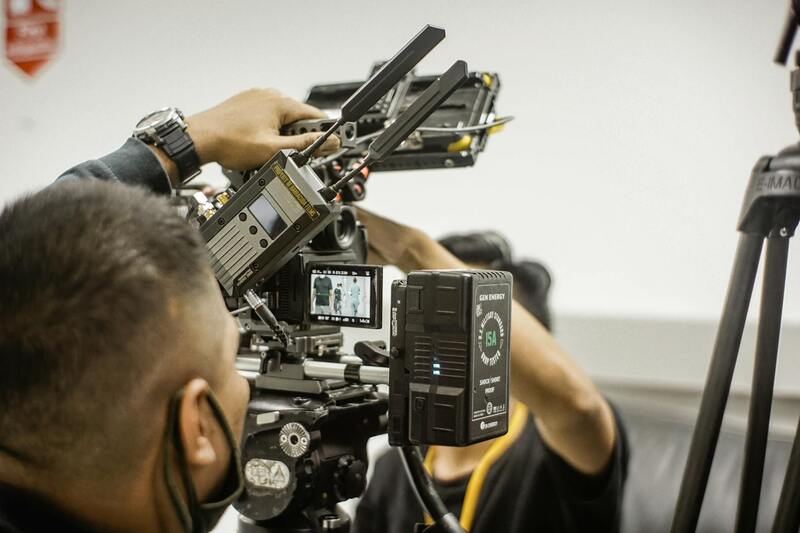
Official Methods for Content Acquisition and Management
Securing high-quality sources for pre-recorded content and live feeds is foundational to professional event streaming. This involves collaborating with authorized event vendors, camera operators, and content providers to ensure all footage and audio used are properly licensed and rights-cleared. Proper management of raw media files from capture to post-production not only preserves content integrity but also facilitates compliance with distribution standards.
When integrating feeds from multiple sources, standard protocols like RTMP (Real-Time Messaging Protocol) and SRT (Secure Reliable Transport) are employed to maintain secure and dependable transmission channels. Utilizing these official protocols guarantees minimal latency and optimal synchronization across various video and audio feeds, providing a cohesive viewing experience for the audience.
Implementing Secure and Certified Streaming Platforms
Hosting the live stream through officially recognized streaming platforms ensures broad accessibility and reliable performance. These platforms have rigorous standards for uptime, security, and user authentication, which are critical when managing high-profile events or sensitive content. Employing multi-factor authentication and encrypted transmission channels during platform integration protect the stream from unauthorized access or interference.
To meet the highest quality standards, it is essential to perform regular platform certification checks and updates. This proactive approach preserves stream integrity and aligns with industry best practices for digital broadcasting.
Rigorous Testing and Validation Procedures
Prior to the event, comprehensive testing of all technical components and workflows is conducted. This includes verifying equipment functionality, network speeds, and compatibility of encoding and decoding hardware/software. Simulated streams allow for troubleshooting potential issues, such as signal dropouts or latency spikes, enabling corrective actions well before the actual event. Validating all encryption and security measures confirms compliance with industry standards and minimizes risk during live transmission.
Documentation of these testing procedures provides a reliable reference for post-event analysis and continuous improvement.
Summary
Adopting official, tested methods for event streaming production ensures a resilient, high-quality broadcast. From encoding and content management to secure platform hosting and rigorous testing, each step involves proven practices that uphold professionalism and viewer satisfaction. Implementing these methods not only guarantees performance but also aligns production workflows with industry standards that support clear, credible, and engaging live events across Miami and beyond.