
Overview of Live Event Video Streaming
Live event video streaming represents the real-time broadcasting of events over the internet, allowing audiences from different locations to experience the event as it unfolds. This technology harnesses the power of the internet to deliver high-quality video content directly to viewers' devices, such as smartphones, laptops, and smart TVs. For event organizers in Miami, live streaming opens up new avenues for expanding reach, engaging global audiences, and offering virtual attendance options for conventions, concerts, corporate proceedings, and sports events.
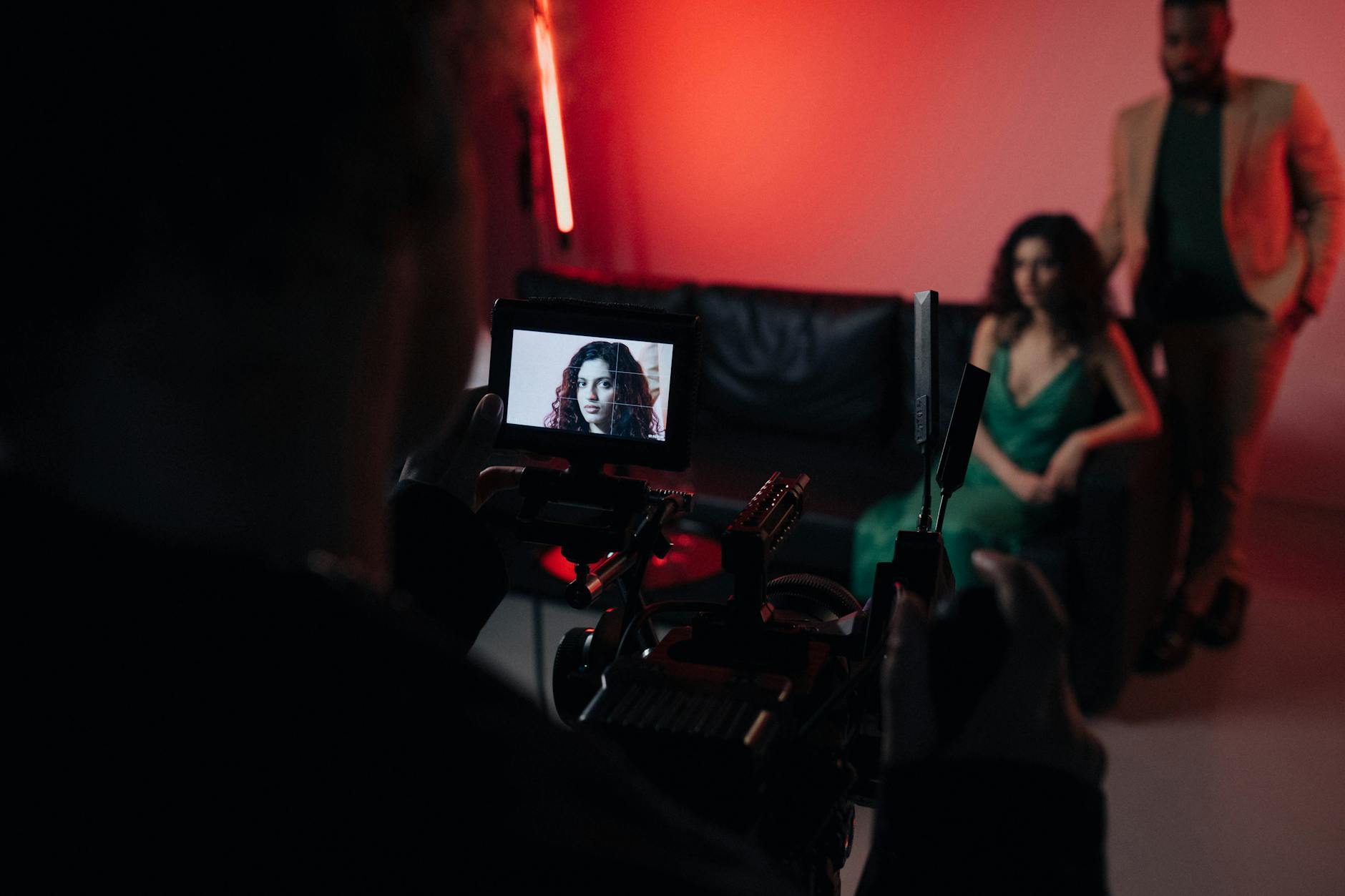
The significance of live streaming for Miami's vibrant event scene cannot be overstated. With the city renowned for its dynamic entertainment, business conferences, and cultural festivals, the ability to broadcast these happenings live enhances visibility and accessibility. Event organizers are increasingly adopting streaming solutions to accommodate social distancing measures, expand audience participation, and create new revenue streams. For viewers, live streaming offers the convenience of experiencing their favorite events from anywhere, ensuring inclusivity for those unable to attend physically.
High-quality live video streaming involves multiple layers, including capturing video signals, encoding, transmitting via robust delivery networks, and ensuring seamless viewing experiences. As technology advances, the tools and platforms available for streaming have become more sophisticated, incorporating adaptive bitrate streaming to optimize quality based on viewers' device and internet speed. Vendors and technicians specializing in live event streaming integrate reliable infrastructure and professional-grade equipment to guarantee a consistent and engaging viewing experience for Miami audiences.
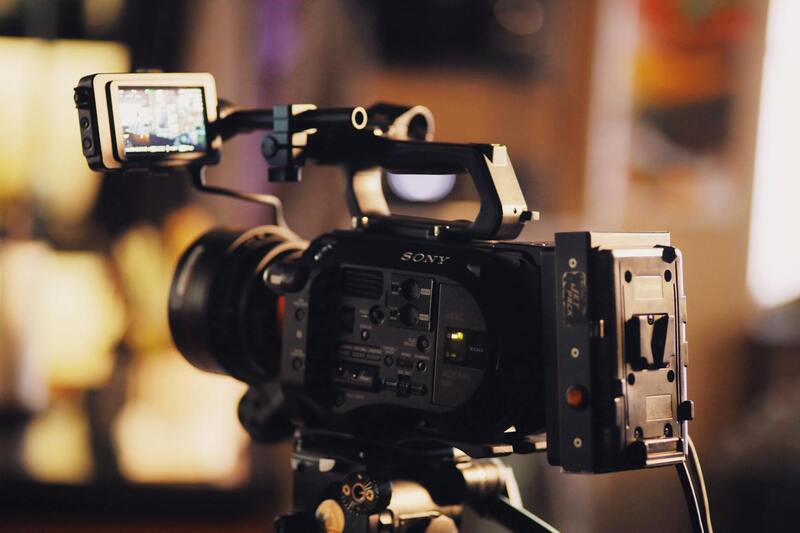
The importance of effective live streaming extends beyond simply transmitting video. It encompasses comprehensive planning, technical expertise, and tailored solutions to meet the specific demands of each event. Whether it’s a small corporate seminar or a large-scale cultural celebration, understanding the core elements of live streaming helps organizers optimize the impact and ensure their message reaches the intended audience clearly and professionally. As Miami continues to grow as a hub for events and entertainment, the demand for reliable, high-definition live video streaming services will only increase, making it essential for event planners to be well-versed in the core principles and latest trends in live streaming technology.
Key Technologies and Platforms
Delivering pristine live event video streaming relies heavily on a combination of advanced hardware, robust software solutions, and reliable streaming platforms. These components are crucial to ensure high-definition quality, low latency, and a seamless viewing experience for audiences both on-site and remote. Modern production setups integrate high-definition cameras, professional-grade audio equipment, and live switchers capable of real-time video mixing to facilitate dynamic production quality.
In terms of hardware, key elements include robust encoding devices that convert raw video signals into digital streams suitable for transmission. Encoders can be hardware-based or software-driven, with hardware encoders often preferred for their reliability and real-time processing capabilities. Additionally, high-capacity SDI and HDMI capture cards, along with stabilizing and tracking equipment, contribute to a professional broadcast standard.
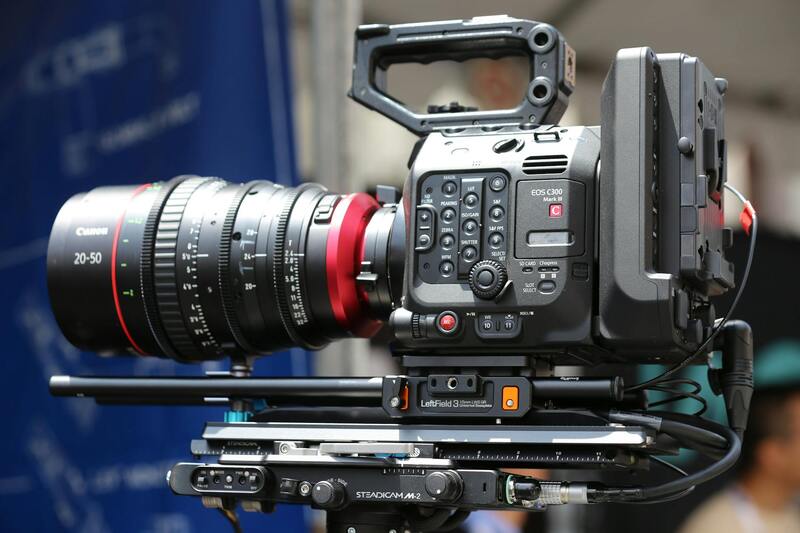
On the software front, streaming platforms like Wowza, Vimeo Livestream, and Facebook Live offer scalable, customizable solutions that support adaptive bitrate streaming — a critical feature for adjusting video quality based on viewers’ bandwidth. These platforms also offer integrated analytics and audience engagement tools, giving organizers insight into viewer metrics and enabling interactive experiences.
Furthermore, content delivery networks (CDNs) play a vital role in dispersing the stream efficiently across various locations. CDNs distribute content via a web of servers strategically positioned worldwide, reducing latency and buffering issues, especially for large audiences dispersed across Miami and beyond.
Types of Streaming Platforms
- Commercial Streaming Services: Platforms like Vimeo, YouTube Live, and Facebook Live provide accessible, easy-to-use interfaces for various event sizes.
- Custom Streaming Solutions: For larger or more exclusive events, dedicated streaming servers and custom platforms offer enhanced control, security, and integration options.
- Hybrid Platforms: Combining features of multiple platforms allows organizations to optimize reach and engagement based on audience preferences and technical requirements.
When selecting the right technology and platform, Miami-based event organizers should consider factors such as scalability, security, and compatibility with existing infrastructure. Partnering with experienced streaming providers ensures access to state-of-the-art equipment and technical expertise that can adapt to the specific needs of each event.
Integration and Compatibility
Ensuring seamless integration between hardware devices, streaming software, and distribution networks is essential. Compatibility issues can cause delays or degrade stream quality. Therefore, proper planning during the setup phase, including testing and rehearsals, helps to identify and resolve potential conflicts before the live event begins. This forethought guarantees a smooth broadcast, preserving the professional standard that Miami events demand.
Production Equipment and Setup
To deliver high-quality live event video streaming, meticulous planning and professional-grade equipment are fundamental. The choice of cameras impacts the clarity and detail of the broadcast; thus, HD cameras with capabilities for field production are preferred for capturing dynamic scenes and ensuring sharp visuals. Audio quality is equally crucial, necessitating professional microphones and sound mixing devices to minimize background noise and guarantee clear sound transmission.
Lighting plays a pivotal role in visual clarity and atmosphere; appropriate lighting setups should be integrated to adapt to different venue conditions, enhancing the overall viewer experience. Additionally, video switchers allow seamless switching between multiple camera feeds, creating a polished and engaging broadcast.
The backbone of any successful streaming setup is a robust internet connection. For Miami-based events, leveraging dedicated fiber connections or bonded internet solutions ensures bandwidth stability, allowing for uninterrupted streaming even during peak network usage. Network redundancy options help mitigate the risks of disconnections, safeguarding the consistency of the live broadcast.
Production Equipment and Setup
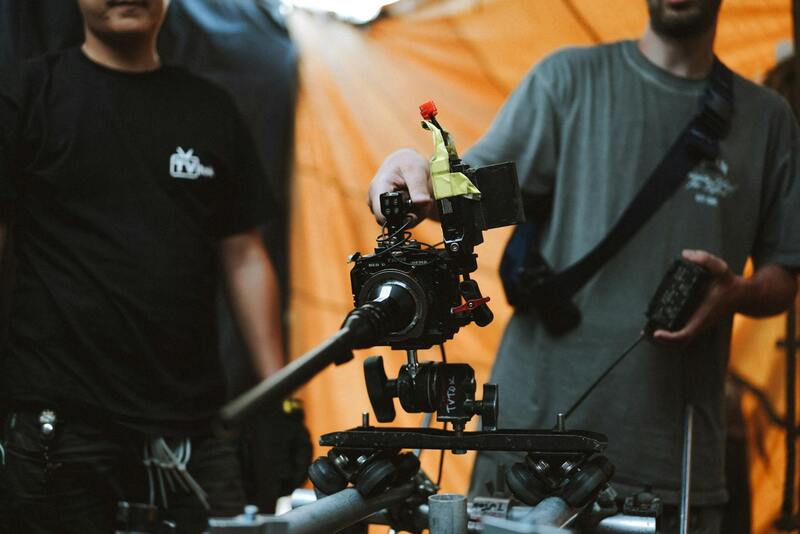
Establishing a professional live event video stream in Miami requires meticulous selection of production equipment to ensure high-quality output. The core components include a combination of advanced cameras, high-fidelity audio devices, reliable encoding hardware, and strategic lighting setups.
Cameras: Professional-grade cameras with high resolution and adaptive autofocus capabilities capture clear, crisp visuals. Depending on the event scale, a mix of fixed and PTZ (pan-tilt-zoom) cameras can be employed to cover different angles and facilitate dynamic shots. For close-up shots, handheld or stationary studio cameras are preferred, while wide-angle cameras provide comprehensive venue coverage.
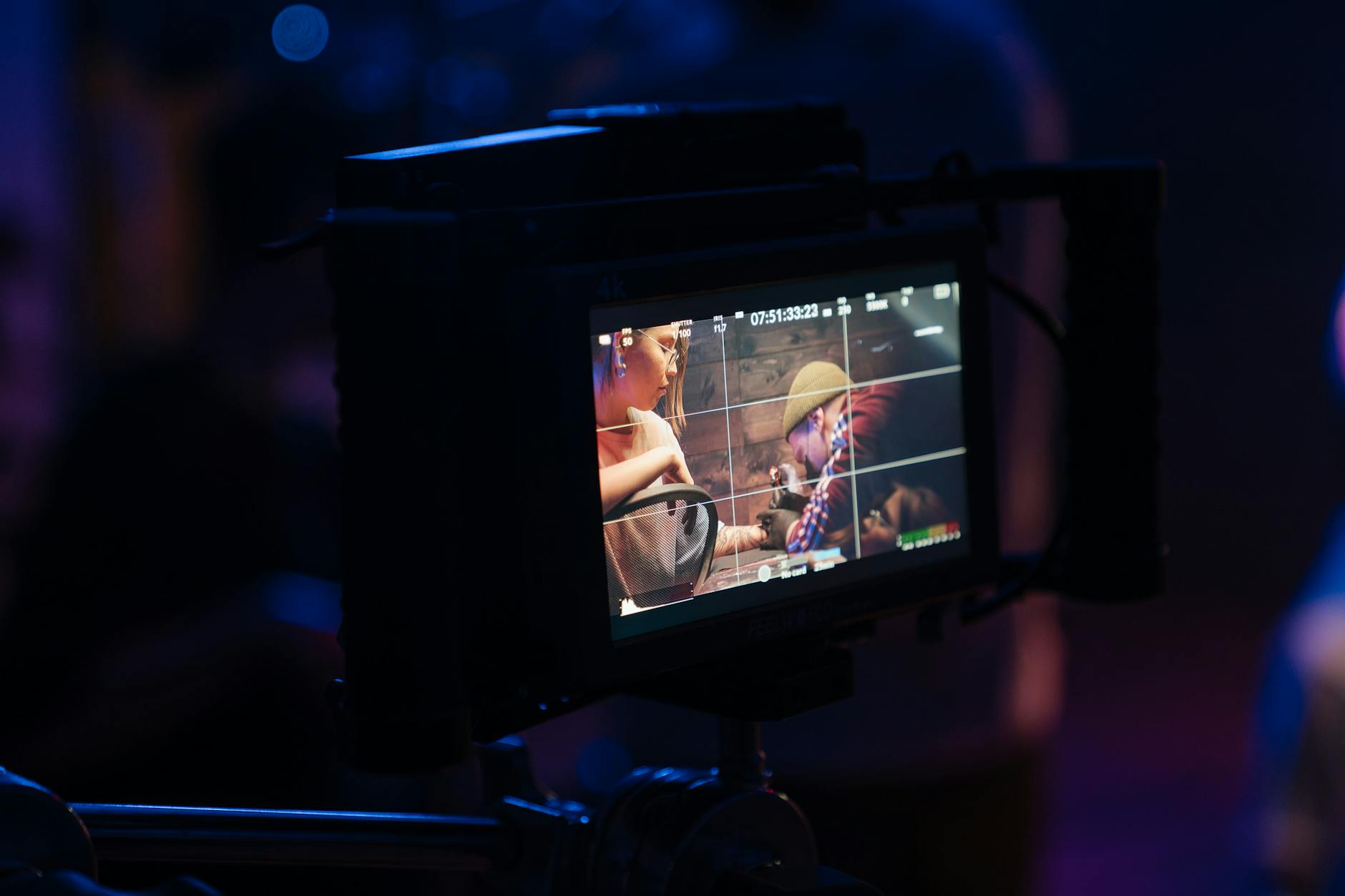
Audio Devices: Clear audio is essential for audience engagement. Lavalier microphones, shotgun microphones, and mixing consoles are used to capture and control sound sources effectively. Wireless setups enhance mobility for speakers and performers without compromising audio quality.
Encoders: Hardware encoders are pivotal in converting raw camera feeds into digital streams compatible with online platforms. Cloud-based or on-premise encoders should be selected based on event complexity and expected viewership. Proper configuration ensures minimal latency and optimal streaming quality.
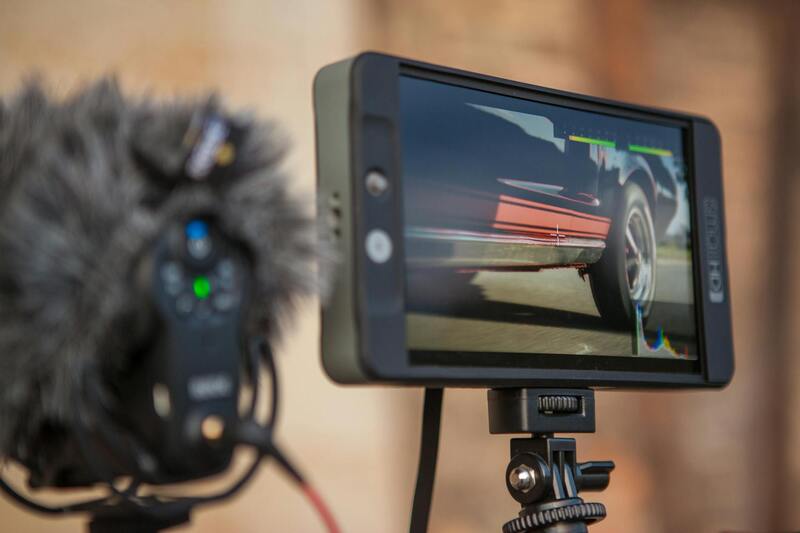
Lighting: Adequate lighting enhances the visual clarity of streamed content. A combination of key lights, fill lights, and backlights helps eliminate shadows and ensures subjects are well illuminated. Lighting rigs should be adaptable to the venue’s layout and size to create a professional ambiance.
When setting up the equipment, considerations such as power supply, cable management, and space layout are crucial. Cable runs should be organized to prevent tripping hazards and interference. Additionally, redundancy in critical hardware, like backup encoders and power supplies, safeguards against unexpected failures.
Optimal Configuration for a Seamless Stream
Achieving a high-quality live stream in Miami hinges on the correct configuration of all equipment components. Calibration of cameras, consultation with audio specialists, and testing encoding settings contribute to a smooth broadcast. Setting up multiple backup options ensures resilience against technical issues. An effective pre-event rehearsal serves as a final check to verify that all equipment and settings function harmoniously.
Ultimately, an integrated approach combining top-tier equipment, strategic setup, and thorough testing results in a professional live event streaming experience that captures the essence of Miami’s vibrant event scene with clarity and reliability.
Production Equipment and Setup for Live Event Video Streaming
Establishing a robust production environment is essential to delivering a seamless live event broadcast. The process begins with selecting high-quality cameras capable of capturing detailed footage under various lighting conditions typical of Miami venues. These cameras should support multiple resolutions and frame rates to adapt to the event’s demands and ensure clear visuals across all devices.
Audio fidelity plays a significant role in the overall streaming experience. Professional-grade microphones, including Lavalier, shotgun, and ambient microphones, should be strategically positioned to capture clear sound from speakers, performers, and the audience. Using sound mixers and audio processors helps refine audio signals, minimizing background noise and balancing levels throughout the broadcast.
Encoding devices, such as hardware encoders, are tasked with compressing video and audio streams to optimize data transmission. Redundant encoding options, including cloud-based solutions, can automatically switch over if primary encoders encounter issues, maintaining uninterrupted streams. Additionally, pre-configured streaming servers or CDN (Content Delivery Network) integrations can distribute the broadcast to multiple platforms simultaneously, ensuring high availability and reliable delivery.
The physical setup should integrate RAM-based systems or uninterruptible power supplies (UPS) to prevent disruptions caused by power fluctuations. Cable management is critical to eliminate trip hazards and reduce interference. Organizing cables neatly and using high-quality connectors uphold signal integrity and safety for crew members.
Strategic placement of light fixtures and monitoring screens allows technicians to oversee all production elements in real-time. Monitoring software applications enable remote quality control, offering insights into bandwidth usage, video quality metrics, and encoding status. Conducting comprehensive test runs prior to the event is vital to identify potential issues and optimize settings for the live broadcast.
In addition to technical equipment, personnel versed in live streaming operations—such as camera operators, audio engineers, and technical directors—are integral to managing the production smoothly. Their coordination ensures that signals are captured, transmitted, and monitored effectively, creating an engaging and professional viewing experience that captures the vibrancy of Miami's event culture.
Factors Affecting Streaming Quality and Reliability
Several critical factors influence the quality and dependability of live event video streaming, which directly impact audience satisfaction and overall broadcast professionalism. Understanding these elements allows production teams to optimize their setups for seamless transmission and high viewer retention.
- Internet Bandwidth and Connection Stability: A robust and high-capacity internet connection is the backbone of any live stream. In Miami’s vibrant event venues or studio environments, dedicated upload bandwidth ensures smooth data flow, minimizing buffering and latency issues. Utilizing multiple internet sources with automatic failover capabilities can prevent interruptions if one connection experiences downtime.
- Encoding Settings and Software: Proper configuration of encoding parameters influences the clarity, resolution, and latency of the stream. High-quality encoders managed by experienced operators maintain optimal bitrate and frame rate, reducing artifacts and stuttering. Calibration of input and output settings before the event ensures consistent video quality amid fluctuating network conditions.
- Content Delivery Network (CDN) and Server Infrastructure: Employing reliable CDNs distributes the stream across geographically dispersed servers, reducing load times and avoiding congestion. Strategically positioned servers in or near Miami enhance delivery speed and minimize delays, letting viewers experience synchronized streams regardless of their location.
- Source Equipment and Signal Integrity: High-definition cameras, professional microphones, and stable power supplies contribute to clean, distortion-free audio and video. Regular maintenance and calibration of equipment prevent quality degradation due to technical faults or interference.
- Environmental Conditions and Venue Setup: Adequate lighting, soundproofing, and temperature control in the venue or studio environment preserve the quality of captured footage. Proper cable management and secure hardware placement reduce the risk of signal loss or hardware failure during the live broadcast.
- Technical Support and Monitoring: Continuous monitoring of streaming metrics allows quick response to issues such as bandwidth saturation, latency spikes, or hardware malfunctions. Having a dedicated technical team on-site and remote ensures swift troubleshooting, maintaining the stream’s integrity throughout the event.
igure>
Best Practices for Miami Production Agencies
For Miami-based production agencies specializing in live event video streaming, adhering to proven best practices is paramount to deliver exceptional broadcasts. These include meticulous planning, leveraging advanced technology, and fostering effective team coordination.
- Pre-Event Rehearsals: Conduct thorough test runs to validate equipment functionality, review streaming workflows, and troubleshoot potential issues. This minimizes surprises during the live event and provides confidence in the production process.
- High-Quality Content Capture: Employ professional-grade cameras and audio devices to ensure crisp visuals and clear sound. Properly framing shots and managing ambient noise contribute to a polished final product.
- Optimal Network Configuration: Coordinate with venue IT teams to secure dedicated bandwidth, set up backup internet options, and verify network security protocols to prevent disruptions.
- Use of Redundant Systems: Implement redundant encoders, power supplies, and streaming servers to maintain broadcast continuity in case of hardware failure or technical glitches.
- Real-Time Monitoring and Control: Assign skilled personnel to oversee the live stream, monitor system health, and make instant adjustments based on live feedback. Integration of real-time analytics enhances responsiveness to unforeseen issues.
- Post-Event Review: Analyze streaming data, audience engagement metrics, and technical logs to identify strengths and areas for improvement. This continuous improvement cycle ensures higher quality in subsequent events.
 igure>
Understanding the Role of Content Delivery Networks (CDNs)
One of the most critical elements in achieving reliable, high-quality live event video streaming involves the use of Content Delivery Networks (CDNs). CDNs are networks of distributed servers strategically positioned across various geographic locations. Their primary function is to deliver streaming content swiftly and efficiently to viewers, regardless of their physical location. By caching static content and balancing the distribution load, CDNs drastically reduce latency, minimize buffering, and enhance overall streaming stability.
For Miami-based live streaming productions, partnering with a robust CDN provider ensures that the event's broadcast can handle large viewer numbers without degradation in quality. This is particularly important for events expecting a broad and diverse audience, as it guarantees a seamless viewing experience through optimized routing and failover capabilities.

Advanced CDN implementations include features like edge computing, which facilitates the handling of interactive elements such as real-time chat or viewer polls directly at the network's edge. This reduces the data load on central servers and ensures rapid response times, contributing to an engaging and lag-free viewer interaction.
Strategies for Enhancing Stream Scalability and Redundancy
Scaling a live stream to accommodate thousands of concurrent viewers requires meticulous planning and technical foresight. Employing multiple streaming servers and redundant pathways ensures continuous delivery even if one server encounters a failure. The deployment of multiple encoders, configured to switch seamlessly between primary and backup sources, minimizes downtime and maintains a professional broadcast appearance.
Implementing adaptive bitrate streaming is another key strategy. This technology automatically adjusts the quality of the stream based on each viewer’s internet speed, preventing buffering and ensuring smooth playback. For producers in Miami organizing large-scale events, these methods not only improve reliability but also optimize bandwidth usage, leading to a more cost-effective streaming operation.
Technical Support and Ongoing Monitoring During Live Streams
Active technical oversight during live events is essential to address unforeseen challenges swiftly. Specialized monitoring tools provide real-time analytics, such as latency measurements, stream health indicators, and viewer activity metrics. Designating a dedicated team responsible for on-the-fly adjustments ensures that any issues—like signal degradation, hardware trouble, or network anomalies—are promptly rectified without disrupting the viewer experience.
It is advisable to conduct comprehensive pre-event testing to simulate live conditions, including bandwidth stress tests, encoder load assessments, and network resilience checks. Continuous communication among the production team, network operators, and streaming technicians fosters an environment where problems are identified early and solutions are rapidly implemented.
Implementing Secure and Protected Streaming Solutions
For live event productions in Miami that require confidentiality or access control, implementing secure streaming solutions is fundamental. Utilizing encryption protocols, user authentication systems, and tokenized access ensures that only authorized viewers can access the live feed. This is particularly relevant for corporate events, private celebrations, or governmental functions.

Additionally, deploying Digital Rights Management (DRM) systems prevents unauthorized recording or redistribution of the content, safeguarding intellectual property and proprietary information.
Summary of Key Technical Components
- Content Delivery Networks (CDNs) for efficient content distribution and scalability
- Adaptive bitrate streaming for seamless playback across varying internet speeds
- Redundancy in hardware, network pathways, and encoders for reliability
- Real-time monitoring tools for live oversight and rapid troubleshooting
- Security measures such as encryption, authentication, and DRM for content protection
By integrating these technical elements, Miami production agencies can deliver robust, high-quality live event streams that meet professional standards, ensuring viewer satisfaction and operational success.
Factors Affecting Streaming Quality and Reliability
Achieving a flawless live event video stream in Miami involves multiple technical considerations that directly influence the quality and dependability of the broadcast. Some of the primary factors include internet bandwidth, network stability, encoding settings, and hardware capabilities. Ensuring that each element is optimized is vital for delivering a professional viewing experience to audiences.
Internet Bandwidth and Network Infrastructure
Reliable high-speed internet connectivity forms the backbone of a successful live stream. It’s essential to use dedicated, wired connections whenever possible to minimize latency and avoid fluctuations caused by wireless interference. Miami-based production teams often coordinate with local internet service providers to secure the necessary bandwidth levels that support high-quality video transmission, especially for large-scale events. Redundant network pathways and failover systems help prevent interruptions during critical moments.
Encoding Settings and Compression
Proper encoding settings ensure that video is compressed efficiently without sacrificing visual quality. Adaptive bitrate streaming dynamically adjusts the output based on the viewer’s internet speed, providing a buffer against variability in connection quality. Employing codecs such as H.264 or H.265 enhances compression efficiency, reducing buffering issues and enabling smoother playback across various devices and network conditions.
Hardware and Equipment Reliability
The choice of cameras, encoders, and servers significantly impacts the stability of a live stream. High-performance, professionally maintained equipment minimizes the risk of technical failures. Regular pre-event testing, calibration, and maintenance ensure that all devices operate at optimal settings. Additionally, having backup hardware ready allows quick swaps if issues arise unexpectedly during the event.
Monitoring and Troubleshooting Tools
Real-time monitoring systems are essential for detecting potential issues before they escalate. These tools provide live analytics on stream health, bandwidth usage, and encoding performance, allowing technical teams to make immediate adjustments. Implementing comprehensive troubleshooting protocols also facilitates rapid response to unexpected disruptions, reducing downtime and ensuring continuous streaming.
Environmental and External Factors
Consideration of external factors such as electrical power stability and environmental conditions are also important. Using uninterruptible power supplies (UPS) and climate-controlled environments for equipment storage and operation helps maintain consistent performance. In Miami’s climate, this is particularly relevant to prevent overheating or moisture-related issues that could compromise hardware functionality.
Meeting these technical requirements comprehensively allows Miami production companies to deliver dependable, high-quality live event streams. By proactively addressing potential challenges, organizers ensure that viewers receive a seamless broadcast experience, preserving the integrity and professionalism of the event.