
Understanding Live Video Production Services
In today’s dynamic media landscape, live video production companies play a crucial role in capturing real-time events and broadcasting content to global audiences. These companies specialize in delivering seamless live video content for a broad range of applications, including corporate events, concerts, sports broadcasts, conferences, and more. Their expertise extends beyond mere filming; they encompass a full spectrum of services that ensure a professional and engaging live broadcast.
Key services provided by live video production companies include pre-production planning, multi-camera setups, live switching, audio mixing, graphics integration, and post-production support. They leverage advanced technology and professional equipment to ensure high-quality visuals and audio, allowing viewers to experience the event as if they were physically present. Whether it’s a small corporate seminar or a large-scale music festival, these services are customized to meet the specific requirements of each event.
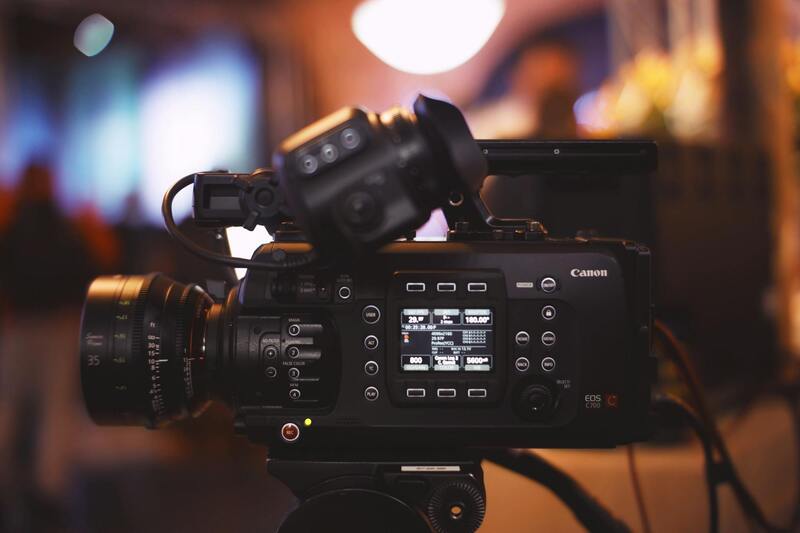
One of the primary roles of a live video production company is to facilitate real-time content delivery. This involves deploying multiple cameras, switching between different angles and perspectives, and incorporating live graphics or captions. Skilled technicians operate sophisticated equipment to adapt to unforeseen circumstances and maintain broadcast stability throughout the event. Furthermore, they handle the technical logistics of streaming the content to the desired platform, whether it’s a dedicated website, social media channels, or broadcast networks.
In addition to traditional broadcasting, live video production companies are increasingly involved in hybrid events, combining in-person attendance with virtual participation. This expanded scope requires expertise in interactive streaming solutions, real-time chat integration, and multi-platform distribution strategies. Overall, their services aim to enhance audience engagement, ensure technical reliability, and produce visually compelling content that aligns with the client’s objectives.
When selecting a live video production company, understanding the scope of their services and their technological capabilities is essential. It enables organizations to leverage the power of live broadcasting effectively, reaching broader audiences and creating memorable experiences that resonate long after the event concludes. For those seeking local providers in Miami, partnering with experienced companies like Miami Video Company can ensure professional quality and reliable service tailored to your specific needs.
Technologies and Equipment Used in Live Video Production
Effective live video production relies heavily on cutting-edge technologies and high-quality equipment that ensure seamless transmission and professional visual output. Key components include multiple camera systems, such as robotic cameras, handheld camcorders, and ultra-high-definition (UHD) cameras, which deliver versatile shot options and exceptional image clarity under varying lighting conditions. Alongside cameras, video switchers or production mixers are crucial for real-time editing, allowing operators to seamlessly transition between feeds, overlay graphics, or incorporate pre-recorded segments to enhance the live broadcast.
Beyond basic hardware, advanced audio equipment—including wireless microphones, audio mixers, and noise-cancellation systems—ensures clear sound quality synchronized perfectly with the visuals. Incorporating professional lighting rigs is vital for maintaining optimal image exposure and creating the desired atmosphere, especially during indoor productions. These lighting setups help highlight subjects and ensure visual consistency throughout the event.
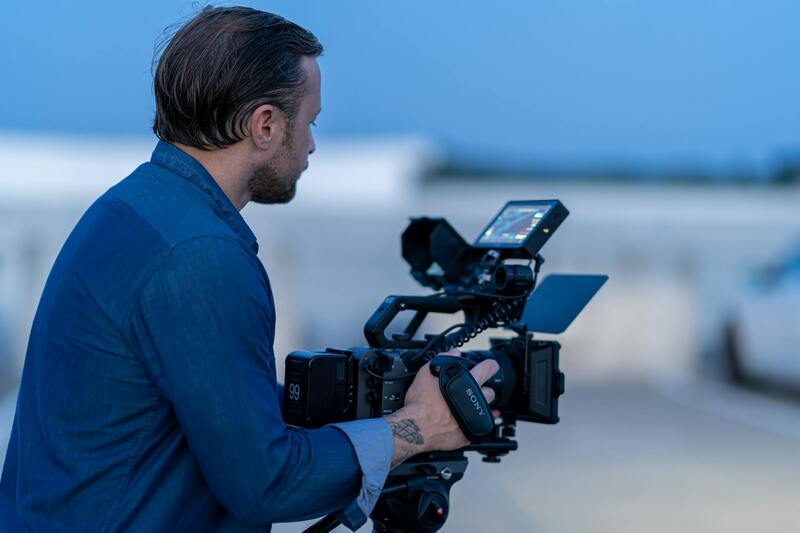
Modern live video production also makes extensive use of streaming hardware encoders and servers that facilitate the encoding and delivery of high-resolution streams to multiple platforms simultaneously. These encoders support adaptive bitrate streaming, adjusting content quality based on viewers’ internet speeds, thus maintaining a smooth viewing experience. Equally important are reliable internet connections and backup systems, such as redundant network pathways and power supplies, which prevent disruptions during live broadcasts.
In addition, the integration of live graphics, on-screen annotations, and real-time data feeds enhances viewer engagement and provides visual context tailored to the event’s narrative. Many production companies also utilize cloud-based solutions for flexible remote access, collaborative editing, and multi-platform content distribution, allowing for efficient management and delivery of live content across various digital channels.
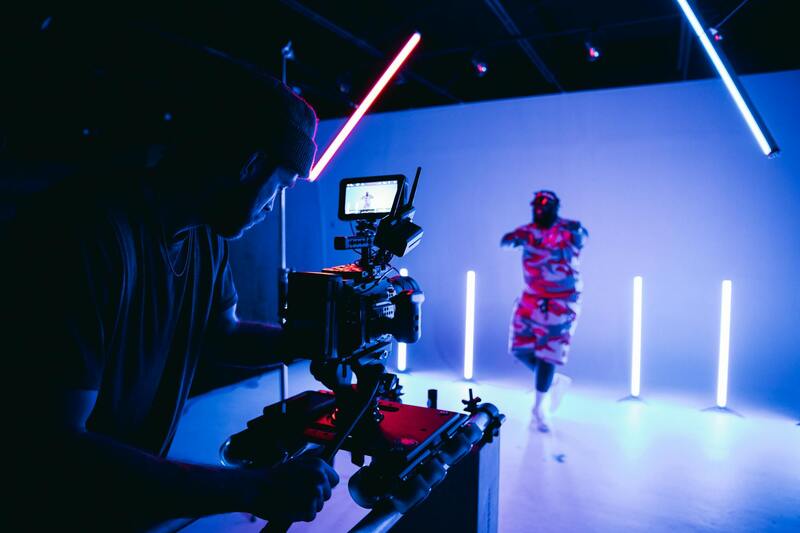
While traditional broadcasting equipment remains foundational, emerging technologies such as 4K/UHD cameras, virtual studios, and augmented reality (AR) overlays are increasingly integrated into live production workflows. These advancements not only elevate visual production standards but also enable more interactive and immersive viewer experiences. The deployment of such sophisticated systems underscores the importance of working with experienced professionals who understand how to optimize technology for specific event needs, ensuring a flawless live broadcast that aligns with your strategic goals.
Technologies and Equipment Used in Live Video Production
In the realm of live video production, cutting-edge technologies and high-quality equipment are essential for delivering professional and seamless broadcasts. State-of-the-art cameras, such as 4K/UHD models, capture crisp visuals that elevate the overall viewing experience. These cameras are often paired with professional-grade lenses, stabilizers, and remote-controlled systems to ensure smooth, stable footage in dynamic environments.
Audio quality is equally important; thus, production companies utilize high-fidelity microphones, audio mixers, and digital signal processing tools to deliver clear sound, reduce background noise, and synchronize audio with visual content effectively. Multi-camera setups allow for varied shots, including close-ups, wide angles, and dynamic transitions, contributing to a more engaging broadcast.
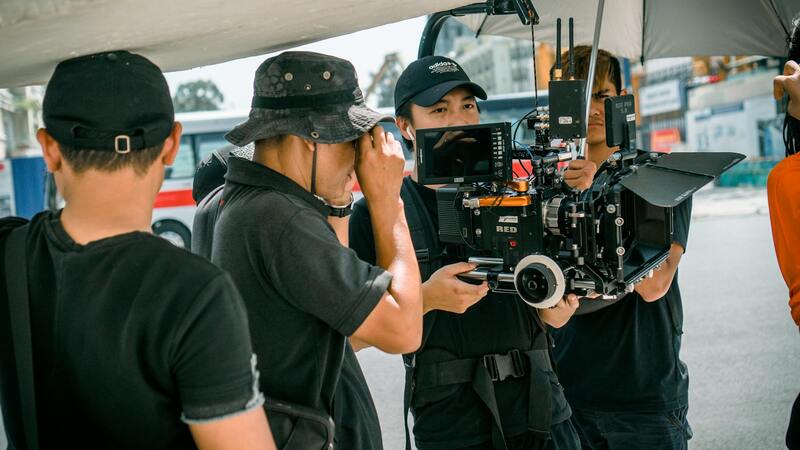
Production control is managed through powerful video switchers and live editing software. These tools facilitate real-time seamless transitions, graphic overlays, and visual effects that enrich the viewer’s experience. Simultaneously, real-time streaming hardware encodes the content into multiple digital formats compatible with various online platforms, ensuring broad accessibility across desktops, tablets, and smartphones.
To enhance broadcast reliability, production companies often incorporate redundant systems such as backup encoders, power supplies, and internet connections. Cloud-based solutions further expand capabilities for remote monitoring, multi-channel distribution, and collaborative editing, allowing teams to work efficiently regardless of physical location.
The Process of Working with a Live Video Production Company
Engaging with a live video production company involves a structured process aimed at delivering a tailored broadcast that meets your specific requirements. Initial consultations focus on understanding your event’s objectives, audience, venue, and technical needs. This phase includes detailed discussions of the event format, content flow, and desired visual effects.
Once the project scope is defined, the production team conducts site visits to assess logistical aspects such as camera placement, lighting, power sources, and internet infrastructure. They also develop a comprehensive production plan that includes timelines, equipment deployment, and crew responsibilities.
During the event, the production team executes the plan, operating cameras, managing live graphics, and ensuring audio-visual synchronization. Constant communication and monitoring help adapt to unforeseen challenges, maintaining broadcast quality throughout the event.
Post-event, the production company provides edited recordings, highlights, and data analytics, offering insights into viewer engagement and performance metrics. This enables clients to evaluate the success of their live broadcast and plan for future productions.
Benefits of Choosing a Local Miami Live Video Production Company
Partnering with a Miami-based live video production company offers distinct advantages rooted in local expertise and proximity. Local teams possess in-depth knowledge of the area's venues, infrastructure, and permitting requirements, streamlining logistics and ensuring smoother execution.
Availability for onsite support and quick response to technical issues is a key benefit, minimizing disruptions during live events. Additionally, local companies often have established relationships with regional vendors, venues, and broadcasters, which can lead to cost savings and more efficient coordination.
By working with a company familiar with Miami’s unique event landscape, clients benefit from customized solutions that cater to local audience preferences and regional broadcasting standards. This familiarity enhances the overall quality and impact of the broadcast, delivering a professional presentation that resonates with viewers.
Technologies and Equipment Used in Live Video Production
Modern live video production companies leverage an array of advanced tools and technologies to deliver seamless, high-quality broadcasts. At the core of any successful live event are professional-grade cameras capable of capturing high-definition video from multiple angles. These cameras often include robotic or remote-controlled models that allow for dynamic shot changes and precise framing, essential for engaging live streams.
Video switchers, also known as mixers, facilitate real-time transitions between camera feeds, incorporate graphics, and add special effects, enhancing the visual appeal of the broadcast. Integrated into these systems are multi-view monitors that allow operators to oversee all video sources simultaneously, ensuring accurate shot selection and synchronization.
Audio equipment is equally vital, with high-fidelity microphones and digital audio mixers managing multiple sound inputs. Clear audio quality is fundamental to maintain viewer engagement and deliver a professional broadcast experience. Wireless mics, lapel mics, and line-level inputs from event sources contribute to versatile sound capture, while audio processors minimize background noise and distortions.
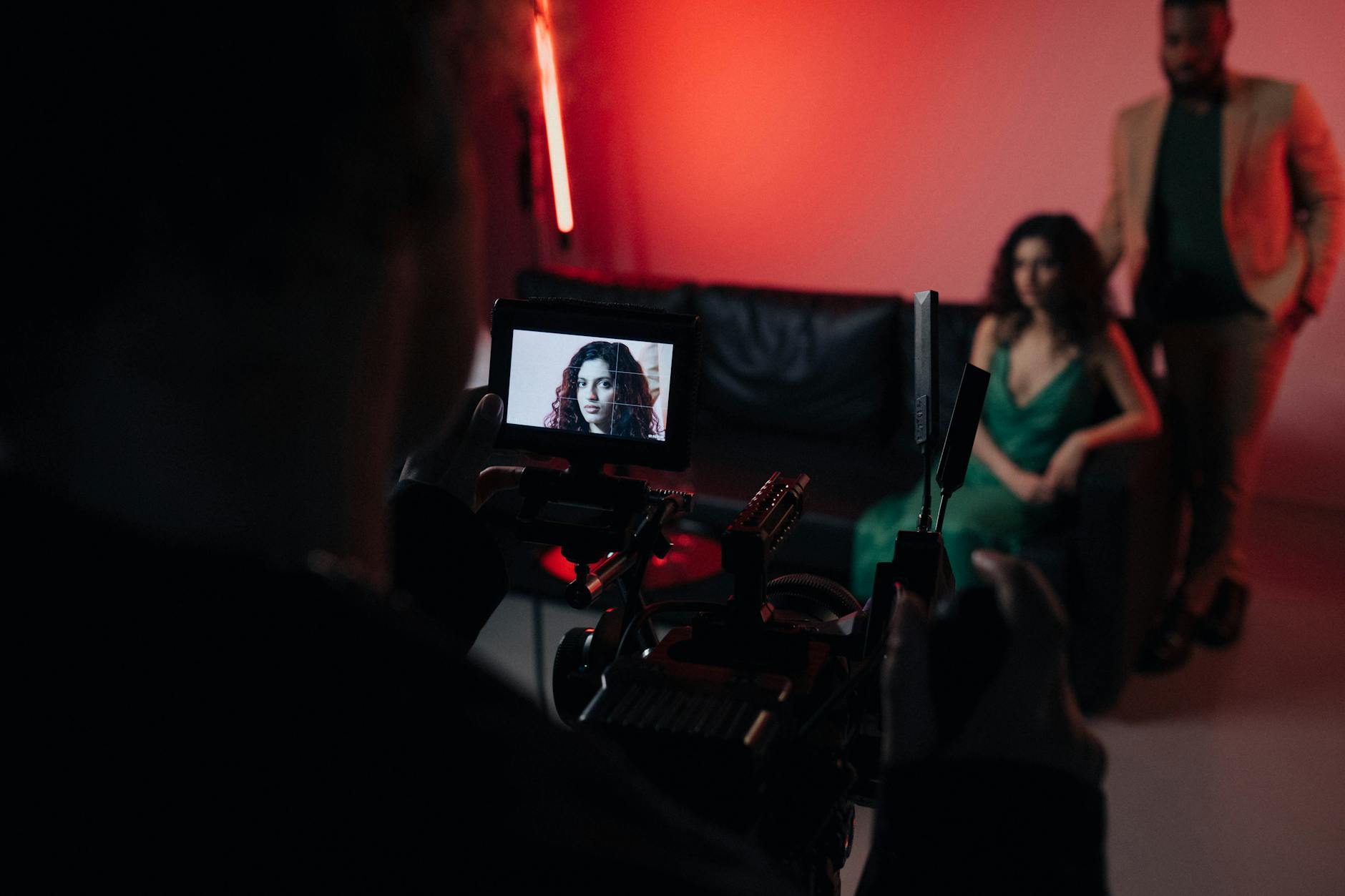
Stream management is a critical component, requiring reliable platforms and encoders that ensure stable transmission over the internet. These platforms support various streaming protocols, adaptive bitrate streaming, and multi-platform broadcasting, expanding reach across social media, websites, and dedicated streaming services.
Additional equipment includes lighting setups tailored to different environments, ensuring proper exposure and visibility for both on-site audiences and broadcast viewers. Support infrastructure such as fiber optic cables, power supplies, and backup systems safeguard against disruptions, providing resilience during live productions.
In recent years, innovations like 4K resolution cameras, virtual sets, augmented reality overlays, and remote monitoring tools have further elevated live production standards. Adopting this suite of technologies enables production companies to deliver visually compelling and technically flawless streams that meet evolving viewer expectations.
Technologies and Equipment Used in Live Video Production
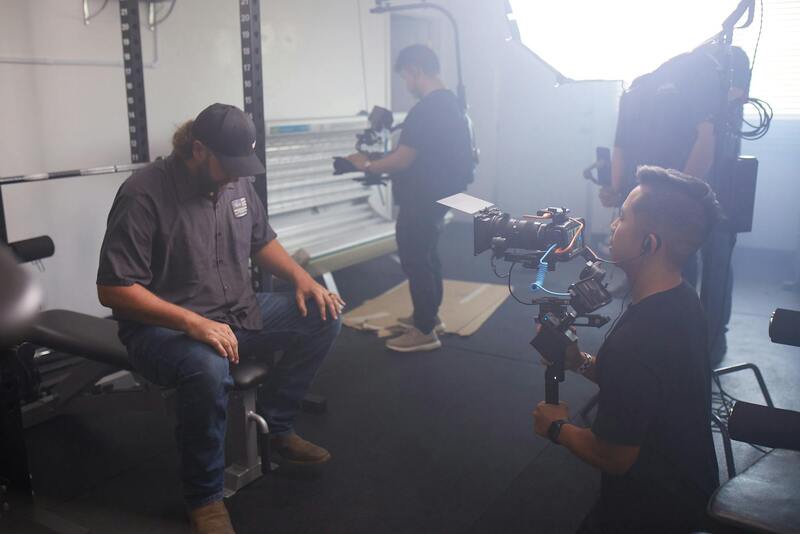
Modern live video production relies heavily on cutting-edge technologies and specialized equipment to ensure seamless broadcasting quality. A core aspect involves high-definition cameras that capture visuals in resolutions up to 4K, providing sharp, vibrant images that captivate viewers. These cameras are often mounted on remote-controlled robotic arms or stabilized rigs to achieve smooth, dynamic shots, elevating the production value of any event.
Switching equipment plays a vital role in managing multiple video feeds simultaneously. Professional video switchers enable operators to seamlessly transition between camera angles, incorporate graphics, and overlay live video with other visual elements. These switchers support various inputs, including live feeds from remote locations, creating a cohesive and engaging broadcast.
 igure>
Audio technology is equally crucial; high-fidelity microphones, audio mixers, and processors work together to deliver crystal-clear sound, which is vital for audience engagement. Wireless microphones, lapel mics, and console inputs record multiple audio sources simultaneously, while digital audio processors reduce background noise and interference, maintaining audio purity throughout the broadcast.
Lighting systems are tailored to the production environment to optimize visibility and atmosphere. LED panels, spotlights, and ring lights provide even illumination, preventing shadows and enhancing visual clarity for both on-site viewers and remote audiences. Proper lighting setup ensures that the visual quality remains consistent regardless of the location or time of day.
Stream management technologies include encoders and reliable streaming platforms designed to handle large data flows without interruptions. These tools support adaptive bitrate streaming, which adjusts video quality based on viewer bandwidth, ensuring smooth playback. Multi-platform broadcasting allows the stream to reach social media channels, websites, and proprietary platforms simultaneously, broadening the reach of the event.
Support infrastructure such as fiber optic cabling, backup power supplies, and redundant systems are essential to prevent disruptions during live broadcasts. These elements provide resilience, ensuring continuous operation even in the event of technical issues. As innovations in the field continue, more sophisticated tools like virtual sets, augmented reality overlays, and remote monitoring software have become integral, enabling production teams to deliver immersive and visually compelling live streams.
Adopting these advanced technologies enables live video production companies to meet the high standards expected by clients, creating professional broadcasts that captivate viewers and enhance event experiences across numerous sectors.
Understanding Live Video Production Services
Live video production services encompass a comprehensive suite of audio-visual capabilities designed to facilitate real-time broadcasting of events. These services often include pre-production planning, on-site setup, live switching, and post-production support to deliver seamless high-quality streams. By integrating multiple technical facets such as multi-camera setups, advanced audio systems, and real-time graphics, live video production companies create dynamic broadcasts that engage audiences both locally and remotely.
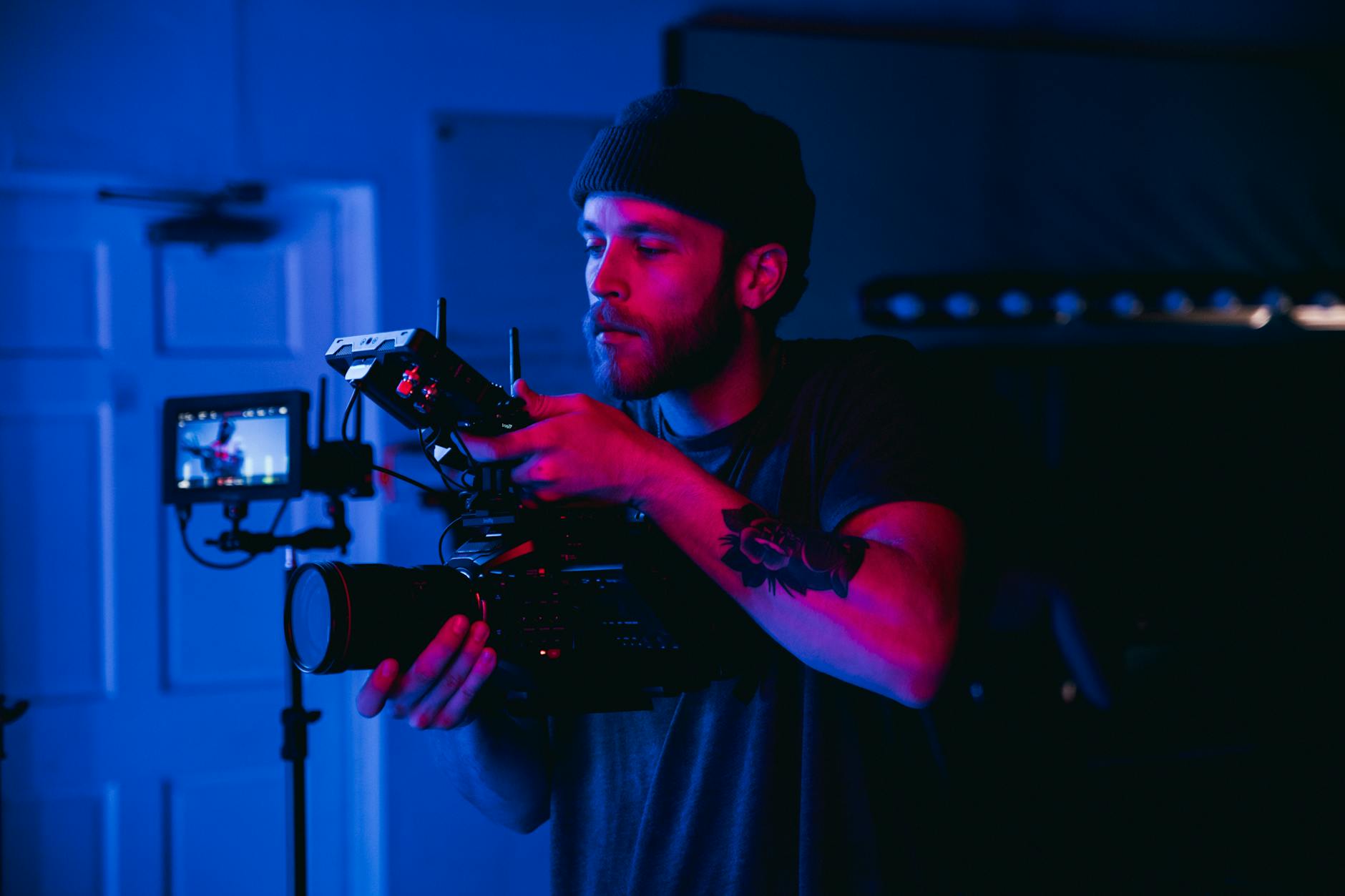
Central to these services is the use of sophisticated streaming hardware and software that enable uninterrupted transmission. This includes encoders that compress and transmit video data efficiently, as well as reliable streaming platforms capable of handling high bandwidth demands. The integration of multiple camera angles allows for a more immersive experience, capturing different perspectives of the event in real time.
Sound quality remains a key consideration, with production teams utilizing high-end microphones and audio mixers to ensure clarity and balance. Graphics and overlays are added live, providing context or branding elements that enhance viewer engagement. Remote collaboration tools further aid production teams in managing different aspects of the broadcast from various locations, ensuring synchronization and quality control throughout the event.
Standout features of professional live video services include:
- Multi-camera filming with real-time switching
- High-definition streaming capabilities
- Graphics, overlays, and branding integration
- Multi-platform broadcasting to reach broader audiences
- Remote production management and monitoring tools
Such technical proficiency ensures that the event's visual storytelling is compelling and that the presentation maintains a professional standard capable of captivating viewers across all platforms.
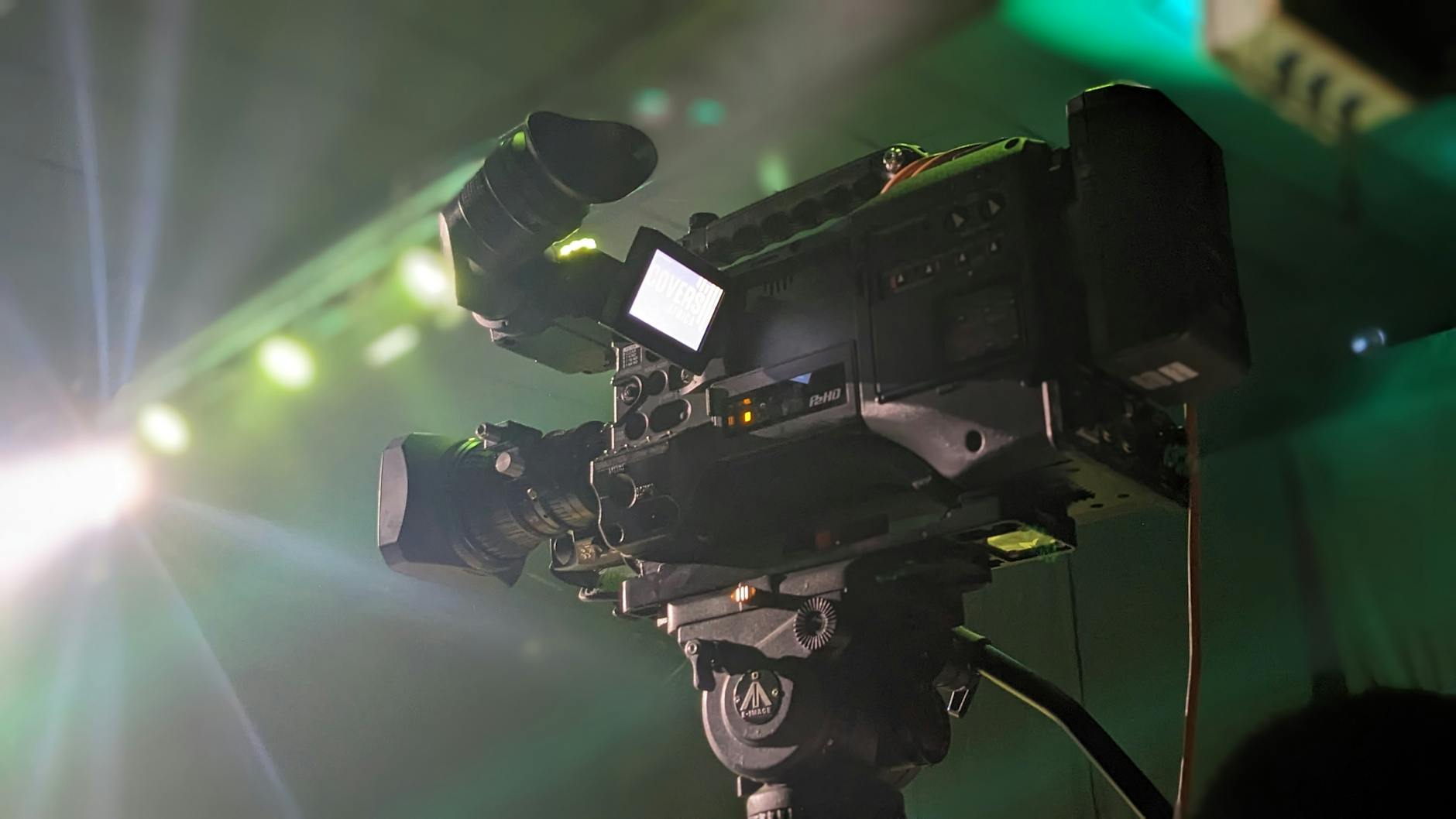
These solutions are customizable depending on the event’s scope, whether it’s a corporate conference, concert, sports event, or live seminar. Leveraging the latest technology not only enhances production quality but also provides flexibility to adapt to various event environments and audience sizes.
Investing in professional live video production services translates into tangible benefits such as increased viewer engagement, wider reach, and a polished, memorable presentation. As live events continue to thrive in digital spaces, partnering with experienced production companies ensures a seamless and impactful broadcast tailored to specific event requirements.
Understanding Live Video Production Services
Live video production services encompass a comprehensive range of solutions designed to deliver high-quality broadcasts in real-time. These services involve planning, filming, editing, and streaming live content across various platforms to reach audiences instantly. Whether for corporate events, concerts, sports competitions, or educational seminars, professional live video production ensures seamless visual storytelling that captivates viewers and communicates the intended message effectively.
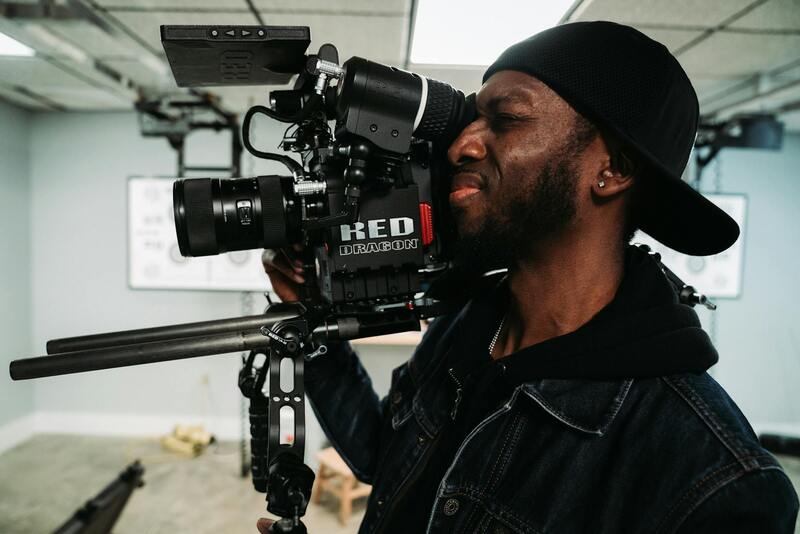
At the core, live video production combines cutting-edge technology with skilled technicians to manage multi-camera setups, real-time editing, and multi-platform streaming. This integration ensures that every visual element — from camera angles and graphics to overlays and branding — aligns perfectly with the event’s objectives. The use of high-definition cameras, professional audio equipment, and advanced switching hardware creates a polished presentation that can rival traditional broadcast quality.
Furthermore, live video production services are adaptable to different scales, offering solutions from small-scale webinars to large multi-camera live broadcasts. This flexibility allows organizers to choose packages tailored to their specific needs, ensuring optimal resource allocation while maintaining high production standards.
Key Technical Components of Live Video Production
- Camera Systems: Multiple high-definition cameras enable varied shot angles to keep the visuals engaging and dynamic.
- Switching Consoles: Real-time video switching seamlessly transitions between camera feeds, overlays, or graphics.
- Audio Equipment: Professional microphones and sound mixing ensure clear audio quality throughout the broadcast.
- Graphics and Overlays: Branded visuals and informational overlays add a professional touch and improve viewer engagement.
- Streaming Platforms: Integration with multiple online platforms guarantees broad dissemination of the live event.
Operational Workflow of Live Video Production
Executing a successful live broadcast involves meticulous planning and coordination. Beginning with pre-production meetings, the team identifies objectives, technical requirements, and logistics. During the event, skilled directors oversee camera feeds, manage transitions, and coordinate graphics, all in real-time. Post-event processes include reviewing footage, analyzing viewer metrics, and providing recordings for on-demand access.
Technological Advancements Enhancing Live Video Production
Recent technological advancements have significantly improved live broadcast quality and efficiency. 4K resolution cameras offer sharper visuals, while cloud-based editing and streaming solutions facilitate remote management and quick broadcast setups. Additionally, integration of remote control and monitoring tools allows production teams to oversee the entire operation remotely, ensuring smooth execution even from distant locations.
Comprehensive Methods for Hiring Reputable Live Video Production Companies
Researching and Vetting Potential Providers
When selecting a live video production company, comprehensive research forms the foundation of an informed decision. Start by analyzing the company's online presence, including their official website, social media profiles, and client testimonials. A well-maintained website like miamivideocompany.us often showcases a portfolio of past projects, demonstrating their technical capabilities and creative approach. Look for case studies that align with your event type to gauge their experience and versatility.
In addition to online research, reaching out directly to potential providers for detailed inquiries can yield valuable insights. Ask about their team expertise, equipment inventory, and experience with similar events. Verify if they comply with industry standards and best practices for production quality, safety protocols, and project management. This thorough vetting process ensures you engage a company that has the capacity to deliver your vision effectively.
Reviewing Portfolios and Client Testimonials
Examining a company’s portfolio allows you to assess their aesthetic style, technical proficiency, and adaptability across different event formats. Request access to recent videos or broadcasts to evaluate broadcast clarity, camera work, audio quality, and graphics integration. Pay attention to details such as camera angles, lighting, and how seamlessly transitions are handled.
Client testimonials and reviews offer further insights into the company's professionalism and reliability. Favor companies with consistent positive feedback concerning punctuality, communication, technical support, and post-event services. Testimonials can also shed light on how they manage unforeseen technical issues, which is critical during live productions where quick problem-solving is essential.
Assessing Technical Capabilities and Equipment
Modern live video production demands advanced technology to produce high-quality broadcasts. Verify that the company utilizes state-of-the-art equipment including 4K cameras, professional microphones, and high-speed internet connections for streaming. Additionally, confirm they employ contemporary switching consoles, graphics overlays, and multi-platform streaming solutions to maximize viewer engagement and accessibility.
Ensure the provider has contingency plans for potential technical disruptions. Redundancy in critical equipment like backup generators, secondary streaming servers, and spare hardware components minimizes the risk of broadcast interruptions. A well-equipped company can adapt to the specific needs of your event, whether it involves complex multi-camera setups or integrating live graphics.
Understanding Their Approach to Event Planning and Collaboration
Effective communication and collaboration with the production team streamline the workflow and foster a successful outcome. Discuss their pre-production planning process, including site assessments, delineation of roles, and technical rehearsals. Companies that prioritize coordination tend to produce more polished broadcasts and respond swiftly to client feedback.
Ask about their flexibility and responsiveness during the event. A competent team maintains clear lines of communication, providing updates and adjusting to evolving requirements or unforeseen circumstances. This proactive approach ensures the live production aligns with your objectives and delivers a engaging experience for viewers.