
Overview of Event Video Streaming Services
Event video streaming services have revolutionized the way organizations, businesses, and individuals share their moments with audiences around the world. These platforms enable live broadcasting of events, blending advanced technology with user-centric features to deliver high-quality content directly to viewers in real-time. As a vital component of modern event coverage, streaming services facilitate immediate engagement, allowing audiences to participate regardless of geographical location. This capability expands the reach of events from small local gatherings to large-scale international conferences, concerts, or sporting matches, providing a seamless experience for remote viewers.
At its core, an event video streaming service functions as a bridge between the organizers and the audience. It allows for the relaying of live footage through secure, scalable networks that cater to varying sizes of viewership. The importance of these services is reflected in their ability to deliver high-definition video content, minimize latency, and incorporate interactive features such as chats, polls, and Q&A sessions, which enhance viewer engagement and participation. Furthermore, many platforms offer options to archive streamed content for on-demand access, expanding the longevity and accessibility of the event beyond the live broadcast.
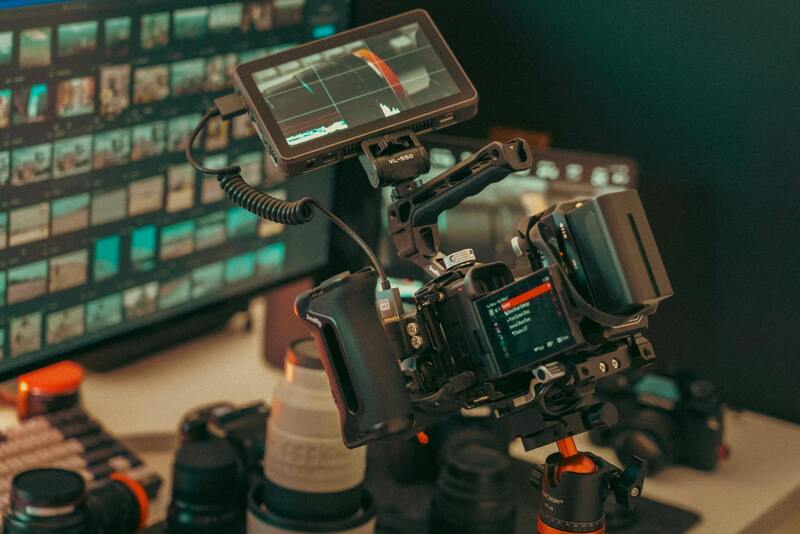
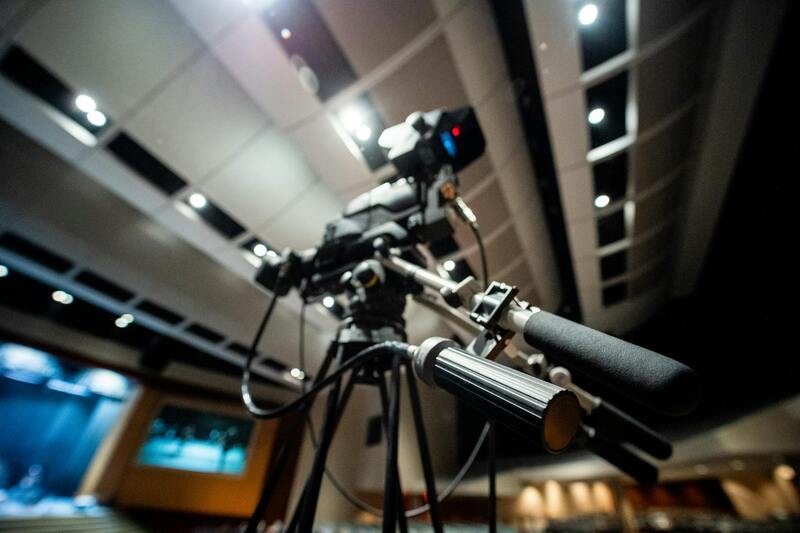 igurecaption> Illustration of a professional live streaming setup for a corporate event
In the digital age, the demand for reliable, versatile, and user-friendly streaming solutions continues to grow. Event video streaming services are now integral to event planning and execution, ensuring that content reaches the widest possible audience while maintaining a polished, professional appearance. Their role extends beyond mere broadcasting, incorporating analytics, audience engagement tools, and multi-platform compatibility, which collectively enhance the overall event experience for both organizers and viewers.
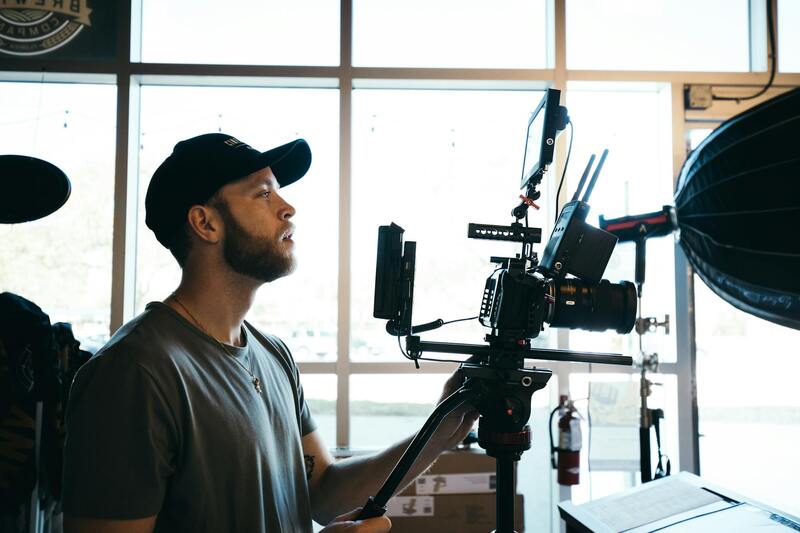 igurecaption> High-quality streaming setup used for broadcast-quality events
By adopting these services, organizers can overcome traditional geographic and logistical constraints, ensuring inclusivity and broader outreach. Whether hosting a small business seminar or a large international expo, selecting an appropriate streaming platform is crucial to delivering a successful and impactful event that resonates with audiences worldwide.
Overview of Event Video Streaming Services
Event video streaming services have become an indispensable part of modern event planning, enabling organizers to reach extensive audiences regardless of geographical limitations. These platforms facilitate high-definition transmission with minimal latency, ensuring that viewers experience the event as if they were physically present. The integration of interactive features such as live chat, polls, and Q&A sessions significantly boosts engagement, fostering a more dynamic and participative environment.
In addition to live broadcasting, many streaming services provide options to archive content, allowing on-demand access after the event concludes. This feature extends the lifespan of the event, making it accessible to viewers who could not attend in real time or who wish to revisit key moments. Such functionality enhances the overall value proposition for organizers, who can leverage archived content for marketing, training, or informational purposes.
From small corporate meetings to large-scale international conferences, these services adapt to various event scales and complexities. They support multiple streaming platforms, allow for seamless integration with event management software, and often include analytics tools that provide insights into viewer engagement, average watch times, and demographic data. These metrics help organizers refine future events and tailor content to audience preferences.
Adopting event streaming solutions allows organizers to transcend traditional boundaries, ensuring broader inclusivity and participation. This capability is especially vital in today’s digital-first environment, where engaging a diverse, global audience enhances the impact and reach of any event. Properly executed streamed events can also improve brand visibility, facilitate networking opportunities, and provide valuable data for post-event analysis.
Key Features of Event Streaming Platforms
Successful hosting of streamed events hinges on the selection of platforms that match specific requirements. Essential features encompass:
- High-definition video quality: Ensures crisp visuals that retain professionalism and viewer engagement.
- Multi-camera support: Enables dynamic coverage from various angles, creating a polished viewing experience.
- Interactivity options: Live chat, polls, Q&A sessions, and comment sections promote active participation.
- Integration capabilities: Compatibility with social media, registration tools, and analytics systems streamline event management.
- Scalability and reliability: The platform must support fluctuating viewership numbers without compromising quality.
Types of Events Suitable for Streaming
Various event categories benefit from streaming, including:
- Conferences and seminars: Allows remote attendance and broadens audience reach.
- Product launches: Engages customers and media worldwide, generating buzz and coverage.
- Workshops and training sessions: Facilitates continuous learning with on-demand access.
- Corporate meetings and town halls: Ensures company-wide communication regardless of location.
- Festivals and cultural events: Promotes inclusivity and global participation.
Choosing the Right Streaming Service
Selection criteria should be based on factors such as event size, desired features, budget, and technical support. Opt for platforms that offer customizable solutions, high scalability, and a reputation for dependable service. Evaluating trial versions or requesting demonstrations can provide insight into platform capabilities, ensuring the selected service aligns with specific event goals.
Technical Requirements for Streaming Events
Ensuring a smooth streaming experience necessitates robust technical preparation:
- Strong internet connection: High bandwidth and stable connectivity are critical for uninterrupted streams.
- Quality audio equipment: Clear sound enhances viewer experience and engagement.
- Multiple cameras and microphones: Support multi-angle coverage and dynamic presentations.
- Streaming hardware/software: Includes encoders, switchers, and dedicated streaming platforms.
- Support team: Skilled technicians to manage technical aspects during the event.
Legal and Privacy Considerations
Handling streamed content requires careful attention to licensing, content rights, and data privacy. Secure measures must be implemented to protect intellectual property and ensure compliance with data protection regulations. Since streamed events often involve participant interactions, obtaining proper consents and ensuring the confidentiality of sensitive information are essential practices.
Cost and Budgeting for Streaming Services
Pricing structures vary based on factors such as platform features, event duration, viewer capacity, and additional services like technical support or content archiving. Establishing a clear budget involves considering all these elements, along with potential hidden costs. Negotiating packages that align with event scope and requirements can optimize expenditure while maintaining quality standards.
Future Trends in Event Streaming
Ongoing advancements are shaping the future of live streaming, including the integration of virtual reality (VR) and augmented reality (AR) to create immersive experiences, the use of artificial intelligence (AI) for real-time analytics and content personalization, and enhanced interactivity through gamification and real-time engagement tools. The evolution of 5G technology will further improve streaming stability and reduce latency, making live digital events even more seamless and engaging for global audiences.
Overview of Event Video Streaming Services
Event video streaming services have become an indispensable component of contemporary event planning and execution. These services enable organizations, event organizers, and individual hosts to broadcast live footage to a global audience with high-quality video transmission. By leveraging advanced streaming platforms, stakeholders can reach a broader demographic, increase engagement, and enhance the overall experience of their events. The proliferation of internet connectivity and technological improvements has made live streaming more accessible and reliable, allowing for a variety of event types—from corporate conferences and trade shows to music festivals and community festivals—to be broadcast seamlessly.
Choosing a reputable event streaming service involves evaluating the platform’s capacity for reliability, scalability, and interactive features. The core objective is to deliver smooth, uninterrupted streams to viewers across multiple devices, including smartphones, tablets, and desktops. These services typically offer customizable solutions tailored to different event sizes and formats, including options for on-demand content, live chat, and viewer analytics. With professional streaming solutions, event organizers can maintain control over branding, incorporate high-quality visuals, and ensure a professional presentation that aligns with their event's objectives.

Key Features of Event Streaming Platforms
- High-Definition Broadcasts: Platforms support full HD and 4K streaming to deliver crystal-clear visuals, ensuring an immersive viewing experience.
- Scalability: Robust infrastructure allows streaming to thousands of viewers simultaneously without compromising quality.
- Interactive Capabilities: Live chat, Q&A sessions, polls, and virtual networking features foster real-time interaction between hosts and audiences.
- Multi-Device Compatibility: Compatibility across desktops, tablets, and smartphones ensures easy access and convenience for viewers.
- Content Security: Secure streaming protocols, encryption, and access controls protect content from unauthorized distribution.
- Analytics and Reporting: Detailed data on viewer engagement, geographic distribution, and viewing patterns assist in measuring event success and planning future events.
- Content Archiving: Recorded streams enable post-event access and marketing initiatives, extending the reach beyond the live broadcast.
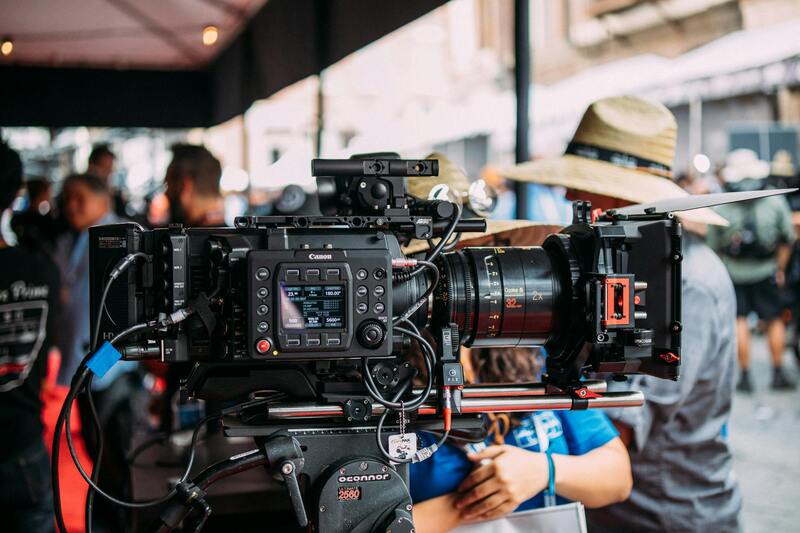
Advanced Technologies Integration
Technological innovations continue to shape the landscape of event streaming. Integration of augmented reality (AR) and virtual reality (VR) creates more immersive experiences, allowing remote attendees to engage as if they were physically present. Artificial intelligence (AI) enhances content delivery through real-time analytics, personalized viewer recommendations, and automated captioning. The rollout of 5G networks significantly reduces latency and improves streaming stability, ensuring consistent high-quality broadcast even in dense urban areas or remote locations. These advancements pave the way for more dynamic, interactive, and immersive event streaming experiences in the future.
Technical Requirements for Streaming Events
To ensure a seamless event streaming experience, several technical considerations must be addressed. Proper planning of hardware, software, and network infrastructure significantly impacts the quality and reliability of the broadcast. Essential equipment includes high-definition cameras, professional audio systems, and reliable encoders that convert raw footage into streamable content. Additionally, a robust internet connection with sufficient upload bandwidth is crucial; typically, a dedicated fiber optic line with at least 10 Mbps upload speed is recommended for HD streaming. For larger events with higher viewership, multiple internet connections or content delivery networks (CDNs) can distribute traffic loads and prevent outages.
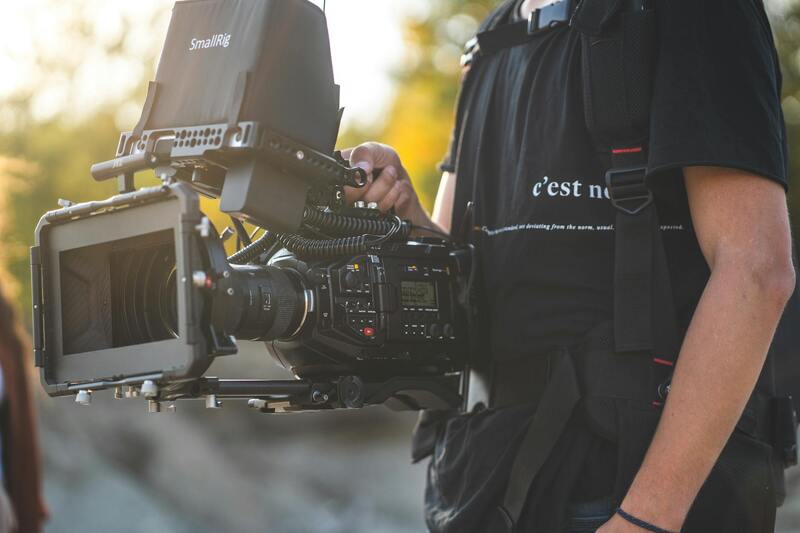
Streaming platforms require specific software solutions, such as professional encoding programs and management consoles, to control stream quality and monitor performance. Compatibility with various devices and operating systems ensures a broad reach, so platforms that support WebRTC, RTMP, or HLS protocols are essential. Also, implementing backup systems and redundant streams adds an extra layer of security against technical failures. Network firewalls, VPNs, and cybersecurity measures must be configured to protect streams, especially when dealing with sensitive or proprietary content.
Content Production and Management
- Video and audio quality standards: High-definition (HD) or 4K resolution for clear visuals, coupled with professional-grade audio, deliver an engaging viewer experience.
- Content management systems: Efficient management of multimedia assets, multiple camera feeds, and graphics requires specialized software that integrates with streaming platforms.
- Pre-event testing: Conduct comprehensive dry-runs to identify potential issues with equipment, internet connections, or software settings before the live event.
Post-Stream Processing
- Recording and Archiving: Capturing the live stream allows for post-event review, on-demand content distribution, and promotional activities.
- Editing and Repurposing: Post-production editing tools can enhance recorded streams, adding graphics, subtitles, or cuts to create polished content for future marketing efforts.
Adopting comprehensive technical solutions that align with the scale and nature of each event guarantees an impactful broadcast. From initial setup and testing through to post-event content management, attention to detail minimizes risks and optimizes the viewer experience.
Types of Events Suitable for Streaming
Event video streaming services are versatile platforms capable of accommodating a wide array of occasions, ensuring broader reach and engagement. Conferences, corporate meetings, and seminars benefit from live broadcasting that allows remote participants to join seamlessly without geographical constraints. These streams facilitate real-time interaction through integrated chat functions, Q&A sessions, and polling, enhancing attendee involvement and providing immediate feedback.
Music festivals, concerts, and art performances leverage streaming to connect with audiences worldwide. High-quality audio and visual capabilities ensure that viewers enjoy an immersive experience akin to attending in person. Similarly, sports events—ranging from local tournaments to major league games—are increasingly streamed to cater to fans unable to attend physically, with numerous platforms offering real-time commentary and multiple camera angles for dynamic viewing.
Educational programs, workshops, and training sessions benefit significantly from online streaming. They enable instructors to reach larger audiences, often with the option to record sessions for later access. This flexibility supports ongoing learning initiatives and expands the program's reach beyond traditional classrooms.
Religious services, community gatherings, and charity events are also increasingly utilizing streaming to include broader communities in their activities. Live streaming ensures inclusivity for those unable to attend physically due to distance, health issues, or scheduling conflicts. Furthermore, corporate product launches and press conferences are streamed to generate immediate buzz and media coverage, allowing companies to reach their target audiences efficiently.
Choosing the right event streaming platform depends heavily on the specific type of event, the expected audience size, and the level of interaction required. Advanced platforms can handle large-scale live audiences with minimal latency, integrate interactive features, and support multiple content formats. These capabilities ensure that every event, regardless of scale or nature, is executed flawlessly, offering a seamless experience for both hosts and viewers.
Technical Requirements for Streaming Events
Ensuring a successful streaming event involves understanding and establishing the necessary technical infrastructure. This includes high-quality internet connections capable of sustaining significant bandwidth demands, particularly during large-scale broadcasts where multiple viewers access the stream simultaneously. Network stability is crucial to minimize latency and prevent buffering issues that can disrupt viewer engagement.
Streamers should utilize professional-grade equipment such as high-definition cameras, microphones, and broadcasting encoders. Modern streaming platforms often support a variety of camera inputs, enabling event organizers to produce dynamic, multi-angle footage that enhances the viewer experience. Additionally, backup equipment and redundant internet connections are recommended to mitigate unforeseen technical failures, ensuring continuous broadcast without interruptions.
The choice of streaming platform significantly impacts the technical setup. Platforms with integrated CDN (Content Delivery Network) support facilitate the delivery of high-quality streams to dispersed audiences globally. Compatibility with various devices and browsers, including desktops, tablets, and smartphones, is essential for maximizing reach. Event organizers should verify platform capabilities for adaptive streaming, which adjusts video quality based on viewers' internet speeds, maintaining seamless playback.
Audio quality is equally important. Clear sound with minimal delays requires professional microphones and audio mixers. Integrated audio streaming features on platforms can help synchronize audio with video streams effectively. For events with multiple speakers or performers, wired connections or wireless microphones capable of handling high frequencies without interference are recommended to preserve sound integrity.
Additionally, for events where interactivity is prioritized, integrating real-time chat or Q&A features involves additional technical considerations. These require robust servers and proper software configuration to allow smooth, lag-free interaction between hosts and viewers.
Event organizers should also prepare for post-event scenarios by setting up reliable recording systems. Recording and storing streams for on-demand access increases the event's value and impact. These recordings can be edited or segmented for promotional use or future reference, providing ongoing engagement opportunities beyond the live broadcast.
Technical Setup and Optimization for Live Event Streaming
Ensuring a successful live event stream involves meticulous technical planning and execution. High-quality streaming requires more than a reliable platform; it depends on appropriate equipment, stable internet connectivity, and efficient configurations. One of the primary considerations is the selection of encoding hardware or software. Encoders are responsible for converting raw audio and video signals into a digital format suitable for streaming. Professional-grade encoders deliver higher resolution and better compression, reducing latency and buffering issues.
Bandwidth plays a crucial role in delivering a consistent stream, especially when targeting large audiences. A dedicated, high-bandwidth internet connection with symmetrical upload speeds ensures that live video and audio are transmitted smoothly. Redundancy measures, such as backup internet lines, are advisable to prevent disruptions due to connectivity failures. Event organizers should also consider the geographical distribution of their audience. Using a platform with integrated Content Delivery Network (CDN) support helps distribute the stream efficiently across different regions, minimizing latency and buffering issues.
Audio-Visual Quality and Synchronization
Clear, synchronized audio and video are essential for engaging live broadcasts. Heart of the quality is the choice of microphones, cameras, and audio mixers. Professional microphones, such as lapel or shotgun mics, help capture crisp sound, while high-definition cameras contribute to visual clarity. Proper placement and settings avoid issues like echo, background noise, or flickering video.
Synchronization between audio and video streams enhances the professionalism of the event, maintaining viewer immersion. Many streaming platforms offer built-in tools for audio-video sync adjustment, but initial setup is key to preventing lag or desynchronization during the live event.
Interactivity and Real-Time Engagement
Interactive features like Q&A sessions, polls, or chat functionalities enrich the live experience and foster audience participation. Implementing these features requires reliable real-time data transmission and server capacity. Effective integration ensures minimal latency, so viewers can engage without delays or interruptions.
Additionally, event organizers should allocate resources for managing interactions during the broadcast, with designated moderators to facilitate smooth communication and address viewer questions promptly. Platforms that support integration with social media and audience engagement tools further amplify the reach and interaction dynamics of the event.
Post-Streaming Procedures and Content Management
Recording the event during live streaming allows for on-demand access, content repurposing, and archival purposes. Reliable recording systems integrated into the streaming setup capture the entire broadcast in high resolution, maintaining audio clarity and visual detail. Post-event editing can highlight key moments, create promotional clips, or prepare segments for future broadcasts.
For comprehensive content management, organizers should establish secure storage solutions that facilitate easy access and sharing. Proper categorization and tagging enable efficient retrieval and distribution to various platforms or stakeholders. Additionally, analyzing stream data, such as viewer engagement metrics and geographic distribution, informs future event planning and platform selection.
Technical Requirements for Streaming Events
Executing a successful event streaming relies heavily on robust technical infrastructure. A stable high-speed internet connection with sufficient upload bandwidth is crucial to prevent buffering and ensure high-quality video transmission. Typically, streaming in HD requires upload speeds of at least 5 Mbps, but for 4K content or multiple streams, higher bandwidths are necessary. Ultra-low latency streaming hardware, such as professional encoders, minimizes delays between the live event and online viewers, facilitating real-time interaction.
Additionally, a reliable content delivery network (CDN) infrastructure distributes the stream efficiently across geographic locations, reducing load times and buffering for remote audiences. Effective use of redundant systems, including backup internet lines and hardware, safeguards against unexpected failures.
High-resolution cameras and professional audio equipment are also essential for capturing the event with clarity. Multiple camera angles and professional microphones contribute to a more engaging viewing experience. Real-time monitoring tools help operators oversee stream quality, enabling rapid adjustments if issues arise.
Integration with Content Management Systems and Playback Options
Integrating streaming platforms with content management systems (CMS) simplifies the organization and scheduling of live and on-demand content. This integration allows seamless access to pre-recorded segments, highlights, and additional multimedia. Providing multiple playback options—including embedded players, mobile compatibility, and downloadable content—broadens accessibility and enhances viewer satisfaction.
Security Measures to Protect Broadcasts
Security is a key aspect in maintaining the integrity of streamed events. Encryption protocols, secure login procedures, and digital rights management (DRM) tools help prevent unauthorized access and content piracy. For sensitive or proprietary events, allowing access only through authenticated accounts and employing geofencing techniques can further restrict viewership geographically.