
Overview of Streaming in Miami
Miami has rapidly established itself as a dynamic hub for digital content delivery and live broadcasting. The city’s vibrant cultural scene, coupled with its strategic geographic location, makes it an optimal setting for a wide range of streaming activities. From high-profile corporate events and music festivals to local community gatherings, the demand for seamless, high-quality streaming solutions continues to grow. This surge is driven by increased internet penetration, advancements in streaming technology, and the exponential rise of content consumption across multiple platforms. For production agencies in Miami, leveraging the latest streaming capabilities is essential to meet the expectations of both local audiences and international viewers. The city’s diverse demographic, characterized by a mix of residents, tourists, and business travelers, underscores the importance of using reliable streaming methods that can accommodate varying bandwidths and device types. This allows organizations to deliver tailored content experiences that maintain viewer engagement. Moreover, Miami's prominence as an entertainment and event hotspot enhances the necessity for robust streaming infrastructure. Major conferences, sports events, art exhibitions, and nightlife activities often incorporate live streaming to expand their reach and maximize exposure. These efforts require a sophisticated approach to broadcasting that prioritizes clarity, stability, and accessibility. The growth of streaming in Miami also fosters economic opportunities for local production companies, technologists, and content creators. As demand intensifies, the necessity for professional-grade equipment, skilled technicians, and strategic planning becomes apparent. Agencies that understand the technical nuances and best practices for delivering high-quality streams stand to gain a competitive edge. To foster trust and a positive reputation among viewers, content providers emphasize transparency about their streaming processes and ensure compliance with regional broadcasting standards and licensing agreements. This professional approach to streaming not only enhances audience experience but also mitigates any potential operational risks. At the core, the evolution of streaming in Miami reflects a broader shift toward digital content dissemination, driven by technological progress and changing consumer preferences. As the city continues to grow as an influential media center, the importance of adopting effective, legitimate streaming methods will only become more critical for any organization seeking to captivate and expand its audience.
Technical Requirements for Streaming in Miami
Successful streaming in Miami demands meticulous technical planning to ensure high-quality delivery and seamless viewer engagement. The core components include robust internet connectivity, suitable encoding hardware, content delivery networks (CDNs), and reliable streaming software. High-speed internet with sufficient upload bandwidth is fundamental, often necessitating dedicated connections to prevent interruptions during live broadcasts. Fiber optic lines or enterprise-grade broadband connections are preferred to sustain the demanding data transfer rates.
Encoding hardware and software are vital for converting raw video feeds into streams compatible with various devices and platforms. Professional encoders and transcoders allow for real-time adjustments, such as bitrate and resolution, optimizing the viewing experience based on viewer bandwidth and device capabilities. Additionally, deploying multiple CDN providers ensures content is distributed efficiently across geographical locations, reducing latency and buffering issues.
Audio quality is often overlooked but equally crucial for engaging broadcasts. Utilizing mixing consoles, noise suppression tools, and high-fidelity microphones helps achieve clarity and professionalism. Content security also plays a role; employing digital rights management (DRM) tools prevents unauthorized access and protects intellectual property.
Stream stability is enhanced through redundancy measures, such as backup internet connections and failover systems. These protocols are especially important for large-scale events or events with critical deadlines, where any disruption could impact reputation and revenue. The integration of monitoring tools allows operators to oversee stream health continuously, addressing issues proactively before viewers experience disruptions.
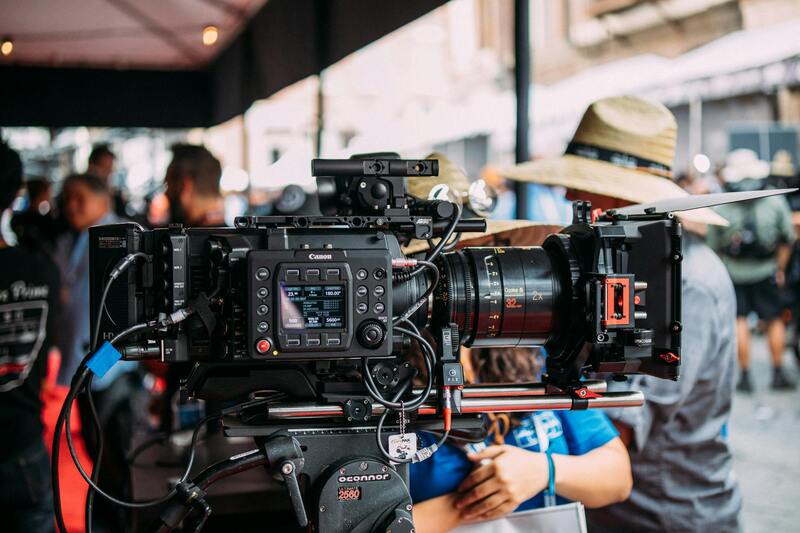
Lighting and camera setups tailored to specific environments, whether indoor or outdoor, contribute to the overall production value. All equipment must be calibrated correctly to ensure consistent quality throughout the broadcast. This comprehensive technical infrastructure supports Miami’s diverse array of streaming needs, from live concerts to corporate conferences.
Technical Requirements for Streaming in Miami
Achieving high-quality streaming in Miami relies on meticulously meeting specific technical standards. The foundation of a successful stream begins with reliable internet connectivity. Typically, a dedicated upload bandwidth of at least 10 Mbps is recommended for HD video streams, although higher bandwidth ensures better stability and clarity, especially during larger events with multiple camera angles or higher resolution outputs. In environments where multiple streams or concurrent uploads are necessary, upgrading to 20 Mbps or more can provide a buffer against fluctuating network conditions.
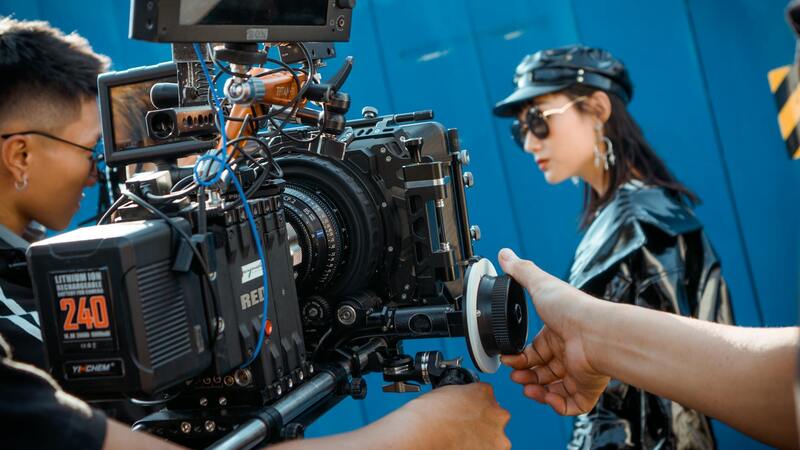
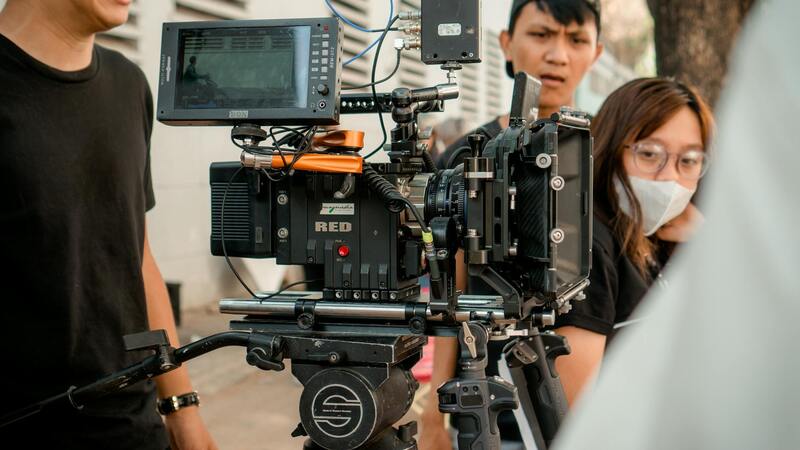
Equipping your setup with professional-grade hardware is essential. This includes high-definition cameras capable of capturing sharp visuals, coupled with lenses suitable for indoor or outdoor conditions. For audio, employing mixers, professional microphones, and noise reduction tools guarantees crisp, clear sound quality, complementing the visual aspect.
Software solutions play a pivotal role in stream management. Platforms such as OBS Studio, vMix, or Wirecast offer robust options for live video production, including overlays, transitions, and multi-source input handling. These tools should be integrated seamlessly with streaming services and CDN (Content Delivery Network) providers to ensure smooth distribution.
Content encoding settings are also critical. Optimal encoding parameters—such as H.264 or H.265 codecs—strike a balance between video quality and data compression, minimizing bandwidth usage without sacrificing clarity. Adaptive bitrate streaming technology dynamically adjusts quality based on viewers’ internet connections, maintaining an uninterrupted viewing experience.
Implementing backup systems, such as secondary internet connections and redundant power supplies, enhances stream resilience. Monitoring tools that provide real-time insights into stream health help troubleshoot issues proactively, preventing viewer disruptions.
This technical infrastructure, when properly configured, supports Miami’s vibrant and diverse streaming demands—from large-scale live concerts and festivals to corporate webinars and community broadcasts. Constant evaluation and upgrade of hardware and software ensure the streaming operation stays ahead in quality and reliability, reflecting Miami’s dynamic event landscape.
Assessing Your Technical Readiness for Miami Streaming Projects
- Conduct comprehensive bandwidth assessments to accommodate streaming resolutions and concurrent viewers.
- Invest in high-performance cameras and audio equipment suitable for your event’s scale.
- Choose reliable streaming software compatible with your content and destination platforms
- Implement redundant systems and monitoring tools to catch and fix issues proactively.
- Prepare a technical contingency plan to handle unforeseen disruptions seamlessly.
Technical Requirements for Streaming in Miami
To ensure a seamless and high-quality streaming experience in Miami, understanding and implementing the proper technical setup is crucial. This involves not only selecting suitable hardware and software but also preparing for network stability and resilience against common disruptions. The following guidelines cover essential components necessary for optimal streaming performance in Miami’s diverse and dynamic environment.
High-Performance Equipment
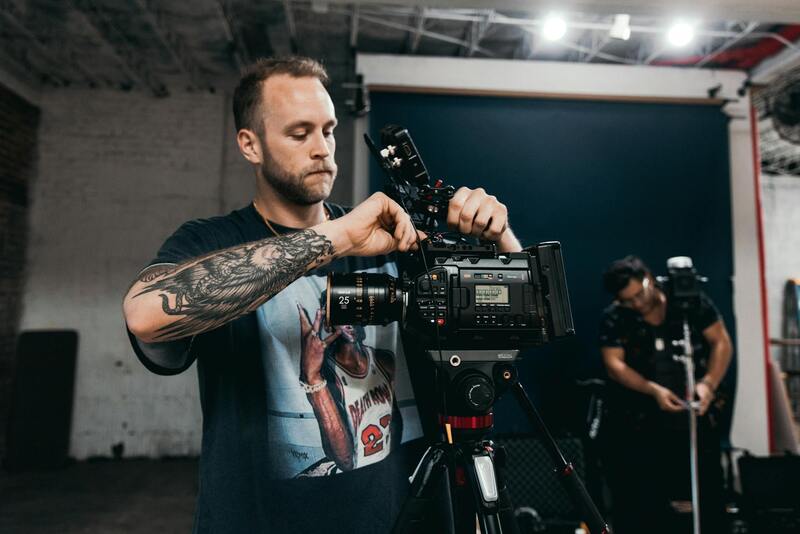
Investing in professional-grade cameras, microphones, and encoders is fundamental. High-definition cameras capable of capturing clear visuals from various angles can significantly enhance viewer engagement. Similarly, high-quality audio equipment ensures crystal-clear sound, which is vital for live events, webinars, and other interactive streams. Encoders, specifically hardware encoders, facilitate efficient encoding of video feeds, offering better reliability and lower latency compared to software encoders.
Reliable Network Infrastructure
Given Miami’s susceptibility to network congestion during peak hours or large events, establishing a robust internet connection with sufficient bandwidth is non-negotiable. Ideally, a dedicated fiber optic line or multiple high-speed internet sources should be used to prevent interruptions. Load balancing across multiple connections ensures continuous streaming even if one connection experiences issues. Additionally, implementing Quality of Service (QoS) protocols prioritizes streaming traffic, reducing buffering and lag.
Encoding and Streaming Software
Choosing the right streaming software is vital for managing video quality, stream stability, and interaction features. Software like OBS Studio, vMix, or Wirecast provides customization options, overlays, multi-camera switching, and real-time analytics. Compatibility with streaming platforms, such as YouTube Live, Facebook Live, or dedicated CDN services, enables smooth broadcasting across different channels. Implementing adaptive bitrate streaming technology allows viewers with varying internet speeds to enjoy continuous playback by dynamically adjusting quality levels.
Redundancy and Backup Systems
Resilience is key in live broadcasting. Secondary internet connections, backup power supplies, and redundant servers should be in place to prevent disruptions. Automated failover systems switch to backup sources instantly if primary equipment fails, ensuring uninterrupted streams. Regular testing of these backups is essential to confirm their functionality during critical moments.
Monitoring and Troubleshooting Tools
Real-time monitoring dashboards provide insights into stream performance, bandwidth utilization, and latency concerns. Tools like Streamlabs, Nimble Streamer, or proprietary platform analytics help detect issues early and facilitate prompt corrective actions. Setting up alerts for significant deviations allows technical teams to resolve problems before they impact viewers.
Preparation and Planning
- Conduct comprehensive bandwidth assessments tailored to expected stream quality and concurrent viewers.
- Select appropriate cameras and audio equipment that match the scale of the event or broadcast.
- Choose streaming software that offers necessary features and platform compatibility.
- Implement redundant systems and continuous monitoring for proactive issue management.
- Develop a contingency plan addressing potential technical disruptions, including alternative power sources and fallback streaming options.
Technical Setup and Infrastructure for Miami Streaming Projects
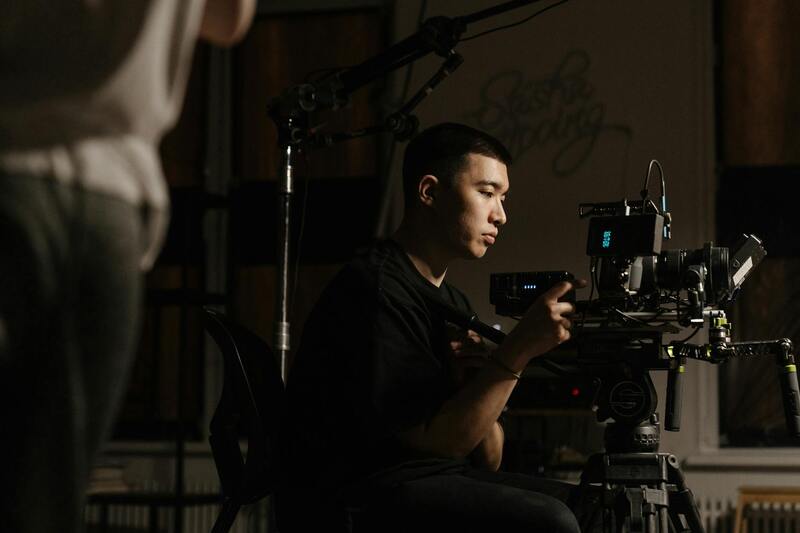
Establishing a robust technical infrastructure is essential to deliver seamless streaming experiences in Miami. This begins with assessing the available internet bandwidth, which must support high-quality video transmission without latency or buffering issues. Utilizing dedicated fiber optic connections or high-speed broadband is preferable, especially for large-scale events requiring multi-camera setups and high-definition streams.
Support equipment plays a critical role in maintaining stream quality and reliability. Professional-grade cameras, audio interfaces, and encoding hardware should be chosen based on the event's scale and desired video resolution. Pairing this with high-performance streaming software allows for flexible configuration and platform compatibility, ensuring the broadcast reaches audiences effectively.
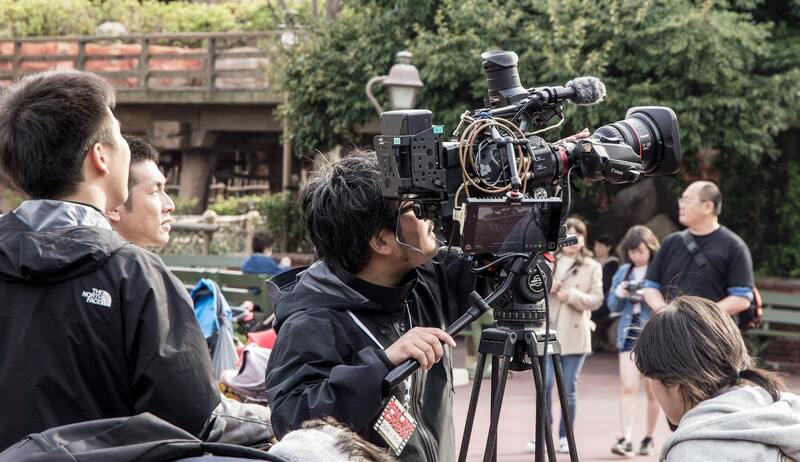
Networking infrastructure must incorporate redundancy measures to prevent interruptions. Multiple internet connections, such as primary fiber and secondary LTE or satellite links, create backup pathways should the main connection experience issues. Employing automatic failover systems ensures that the stream remains uninterrupted by switching to backup sources instantly in case of failure.
Power stability is equally vital. Uninterruptible Power Supplies (UPS) and backup generators guarantee continuous operation during outages. Regular testing of these power systems and redundant hardware components helps identify potential points of failure before critical events.
For live broadcast monitoring, real-time dashboards offer insights into network health, stream stability, and viewer engagement metrics. Advanced tools like Streamlabs or platform-specific analytics assist technical teams in promptly diagnosing issues, enabling rapid response and minimizing viewer impact. Configuring alert systems for unusual bandwidth spikes or latency deviations enhances proactive management.
Preparation involves comprehensive planning. This includes conducting detailed bandwidth assessments based on factors such as expected viewership size and streaming quality. Selecting cameras and audio equipment that align with broadcast needs ensures professional presentation. The choice of streaming platforms should be based on their feature set, scalability, and ease of integration.
Furthermore, establishing clear contingency protocols is necessary. Backup internet options, alternative encoding workflows, and redundant hardware setups should be prearranged. Regular testing of all technical components guarantees operational readiness, reducing the risk of unanticipated disruptions during live streams.
Implementing a meticulous approach to technical infrastructure in Miami ensures a high-quality streaming experience that effectively reaches intended audiences. Combining advanced equipment, redundant systems, monitoring tools, and strategic planning forms the foundation for successful live broadcasts in this vibrant media market.
Overview of Streaming in Miami
Miami stands as a vibrant hub for digital media content, with its bustling media community and diverse audience base. The city’s unique geographic and demographic landscape makes it an attractive location for live streaming, whether for entertainment, corporate events, or cultural showcases. As an international center, Miami benefits from a technologically advanced infrastructure, enabling high-quality broadcast workflows. Streamers and broadcasters in Miami leverage these technological advantages to reach global audiences effectively, ensuring their content stands out amid the competitive streaming landscape.
Understanding the Local Streaming Ecosystem
The streaming scene in Miami is characterized by a variety of local vendors and technical support services that cater to the specific needs of content providers. The area hosts numerous facilities equipped with state-of-the-art studios, broadcasting equipment, and transmission networks. This infrastructure supports a range of streaming activities—from live concerts and sports events to citywide festivals and corporate webinars. The city’s media ecosystem is further enriched by its proximity to major broadcast networks and media companies, facilitating collaborations and resource sharing.
Key Infrastructure and Connectivity
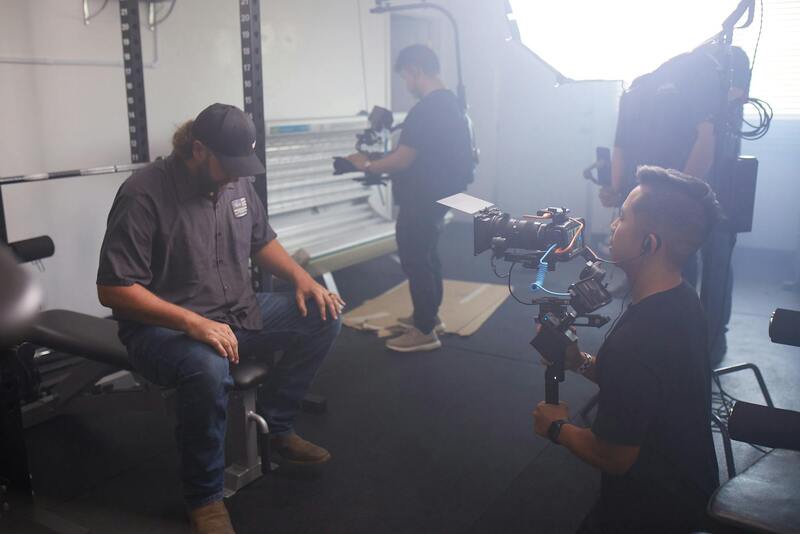
Miami’s robust internet connectivity plays a foundational role in supporting high-quality streaming. The presence of fiber-optic networks, extensive Wi-Fi coverage, and reliable mobile data services ensures minimal buffering and high-resolution streams. This infrastructure enables broadcasters to maintain excellent video and audio quality even during large, high-traffic events. The city also offers dedicated media hubs and streaming centers that provide scalable solutions for various project sizes, from small-scale webcasts to large-scale, multi-camera productions.
Engagement with the Miami Audience
Miami’s diverse population offers an extensive audience base across different cultural and language groups. Content creators often customize their streams to serve this multicultural market, incorporating multilingual support and culturally relevant themes. The city’s vibrant events calendar presents numerous opportunities for live streaming, allowing brands and content creators to connect with local viewers in real-time. Effective engagement strategies include integrating social media interactivity, real-time polls, and virtual meet-and-greets that resonate with Miami’s energetic community.
Popular Streaming Platforms Used in Miami
Leading Platforms for Content Distribution
- YouTube Live: Popular for its vast user base and extensive monetization options, YouTube Live is frequently used by Miami-based content creators and brands to broadcast events, tutorials, and entertainment segments.
- Twitch: While primarily associated with gaming, Twitch has expanded its reach into live music, talk shows, and creative streams, making it a choice for Miami’s diverse content producers.
- Facebook Live: As a social media powerhouse, Facebook Live allows real-time engagement directly within the social network environment, ideal for community-centered events and local promotions.
- Instagram Live: With its focus on visual storytelling, Instagram Live is favored for short-form content, behind-the-scenes footage, and immediate audience interaction, especially among younger demographics in Miami.
- Vimeo Livestream: Known for its professional-grade streaming capabilities, Vimeo Livestream caters to corporate events, conferences, and high-profile productions needing superior video quality and customizable features.
Emerging Platforms and Trends
New platforms such as TikTok Live and regional streaming services are gaining popularity among Miami content creators seeking niche audiences or innovative formats. These platforms often offer unique interactive features and monetization options, aligning with the city’s dynamic digital landscape.
Technical Requirements for Streaming in Miami
Essential Equipment and Connectivity
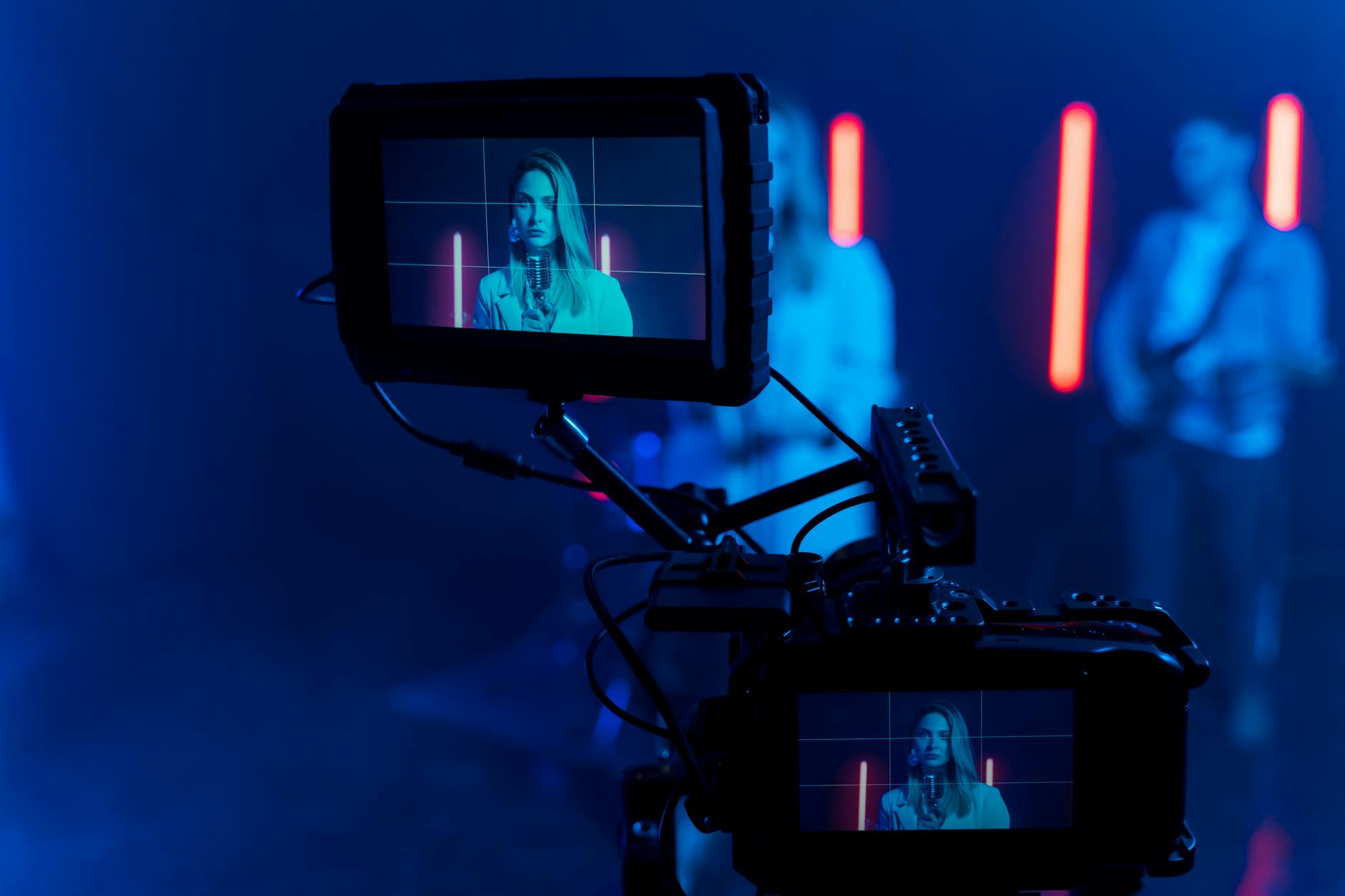
- High-Definition Cameras: Utilizing 4K or HD cameras ensures crisp video output suitable for large screens and professional presentation standards.
- Quality Microphones: Directional and lapel microphones contribute to clear audio, which is crucial for engaging live streams.
- Reliable Internet Connection: A dedicated broadband connection with symmetrical upload/download speeds of at least 25 Mbps for standard HD streams; higher speeds are recommended for 4K quality.
- Encoding Hardware and Software: Devices such as hardware encoders or software like OBS Studio facilitate flexible and high-quality streaming workflows.
- Power Backup Systems: Uninterruptible Power Supplies (UPS) prevent interruptions during critical streaming moments.
Network and Bandwidth Considerations
Effective streaming in Miami demands thorough bandwidth assessment tailored to anticipated viewer numbers and desired resolution. To optimize stream stability, utilizing dedicated internet lines or bonding multiple connections mitigates risks associated with network congestion. Latency monitoring tools help maintain synchronization between audio and video, ensuring a seamless viewing experience. Pre-event tests and synchronized hardware configurations are necessary to confirm all equipment functions correctly under real-world conditions.
Production Workflow Planning
Stream production workflows should integrate a clear hierarchy of roles, including camera operators, technical directors, and on-screen talent. Establishing master control protocols helps coordinate multi-camera setups, graphics overlays, and live editing. Attaching contingency plans—such as alternate encoding setups or hardware redundancies—ensures readiness for unforeseen technical issues. Regular rehearsals of the entire streaming process, including internet failover scenarios, bolster confidence in delivering high-quality streams for Miami’s diverse event landscape.
Technical Compatibility and Infrastructure Optimization for Miami Streaming
Successfully streaming in Miami requires meticulous attention to technical compatibility and infrastructure optimization to deliver high-quality content consistently. This process begins with an evaluation of the local internet service provider (ISP) offerings and the available bandwidth options. Miami’s geographic location and dense urban landscape can influence network options, making it essential for content creators and event organizers to opt for dedicated fiber-optic lines or symmetric internet connections that deliver upload speeds sufficient for the intended stream resolution and audience size.
Understanding the importance of low latency and minimal packet loss, professionals often implement connection bonding—simultaneously utilizing multiple internet sources to boost stability and bandwidth capacity. Such setups mitigate potential disruptions caused by network congestion or outages, which are particularly critical during live events where viewer experience hinges on seamless delivery.
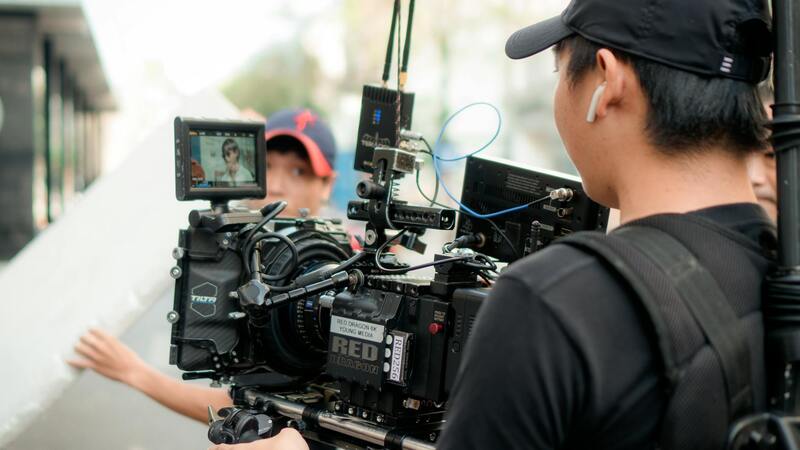
Another significant aspect involves the deployment of robust encoding hardware or high-grade software solutions. Hardware encoders, such as those from industry-leading brands, convert raw footage into optimized streams with minimal latency, ensuring that footage captured from various locations is transmitted effectively. Simultaneously, software encoders like OBS Studio or vMix offer flexibility for live switching, overlay integration, and real-time adjustments, which are essential during dynamic live events.
Power and Environmental Considerations
Power stability forms a crucial backbone for any live streaming operation, especially in Miami, where weather conditions can pose unexpected challenges. Utilizing uninterruptible power supplies (UPS) guarantees continuous operation during power fluctuations, allowing technical teams to troubleshoot issues without impacting the broadcast. Additionally, climate control in server and equipment rooms helps prevent overheating, which could compromise hardware performance during extended streaming sessions.
Workflow and Redundancy Planning
An effective setup incorporates structured workflows that define clear roles within the production team—ranging from camera operators to technical directors. Such clarity ensures coordinated switching between camera feeds, real-time graphic insertion, and sound mixing are executed flawlessly. Implementing redundancy measures—including backup encoders, secondary internet connections, and alternative power sources—further shields the streaming process from unforeseen disruptions. Conducting full rehearsals and dry runs prior to the actual event phase helps identify potential vulnerabilities, ensuring reliability in Miami’s complex environment.
Conclusion
Aligning technical strategies with Miami’s unique network ecosystem is vital for delivering consistent and high-quality streams. Emphasizing reliable hardware, maintaining infrastructure resilience, and meticulous planning collectively contribute to a streamlined streaming experience, capable of engaging audiences whether for corporate forums, cultural festivals, or community gatherings across Miami.
Comprehensive Approaches to Stream Miami Events Effectively
To ensure successful streaming of events in Miami, leveraging official and established methods is essential. Stakeholders should prioritize partnerships with reputable streaming service providers who possess a proven track record of delivering high-quality broadcasts. These providers typically benefit from access to advanced infrastructure, experienced technical teams, and reliable support systems.
When selecting a streaming platform or partner, consider their ability to accommodate the specific needs of your event—whether it’s a corporate seminar, music concert, or local festival. Look for providers who have demonstrated capacity in managing large-scale audiences and complex multimedia integrations. Their familiarity with Miami’s unique network landscape can also optimize latency and bandwidth allocation, preventing interruptions during live streams.
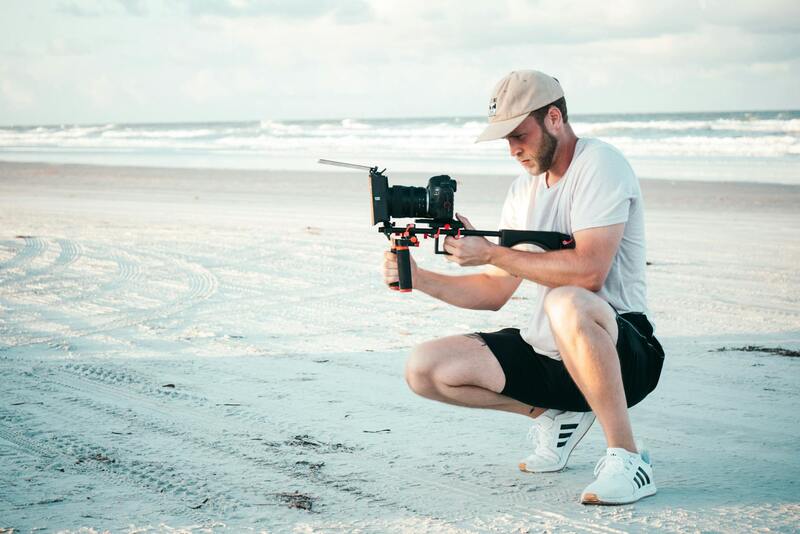
Investing in professional-grade hardware—such as high-definition cameras, multi-channel audio mixers, and robust encoding devices—ensures visual and sound fidelity. These tools, operated by skilled technicians, translate your event content into a seamless online experience. Additionally, prior testing and dry runs are critical steps; they uncover potential issues like signal interference or equipment malfunctions, allowing corrective measures to be implemented well in advance of the actual broadcast.
Implementing Redundancy and Backup Systems
Given the importance of uptime in streaming, establishing redundant systems forms an integral part of broadcasting strategies. Redundancy involves having backup internet connections—such as fiber, LTE, or satellite links—that can swiftly take over if the primary connection falters. Similarly, deploying secondary streaming encoders and storing local copies of raw footage can prevent data loss and facilitate quick recovery.
Climate-controlled environments and professional maintenance further safeguard hardware integrity. By reducing the risk of overheating and hardware failure, event organizers ensure continuous operation even during extended streaming sessions. Regular maintenance schedules and real-time monitoring tools provide additional layers of security, alerting technical teams to potential issues before they escalate.
Ensuring Compliance with Local Regulations and Standards
Adherence to Miami’s broadcasting and content distribution policies is vital. Proper licensing agreements and content rights clearances need to be secured for all media elements, including music, imagery, and video clips. Collaborating with local authorities or consulting with legal experts familiar with Miami’s regulatory landscape helps streamline this process.
Having well-documented procedures for content management and broadcast permissions ensures that streams are not disrupted or subject to unnecessary interference. Maintaining transparency and compliance fosters trust with audiences and stakeholders, thereby enhancing the credibility and success of your Miami-based broadcast initiatives.
Choosing the Ideal Equipment for Miami’s Environment
To optimize streaming quality, equipment must be suited to Miami’s climatic conditions. Humidity and heat levels can impact hardware performance, especially during outdoor or semi-outdoor events. Selecting hardware with appropriate thermal management features and durability ratings is critical. Weatherproof enclosures and protective casings help safeguard sensitive equipment from humidity, sand, or rain.
Furthermore, leveraging high-speed internet connections available through Miami’s extensive infrastructure supports stable streaming. Implementing adaptive bitrate streaming technology can dynamically adjust quality based on network conditions, providing smoother experiences for viewers regardless of bandwidth fluctuations.
Investing in Staff Training and Technical Expertise
Effective streaming in Miami requires a skilled technical team proficient in modern broadcasting tools. Regular training sessions enable staff to stay current with evolving technologies, troubleshooting procedures, and best practices. Training modules should encompass network management, equipment operation, content encoding, and live event coordination.
Expertise in handling live interactions such as chat moderation, viewer analytics, and real-time troubleshooting enhances overall broadcast reliability and viewer engagement. Collaborative planning, rehearsals, and post-event reviews also contribute to continuous improvement, especially in Miami’s dynamic environment where technical variables can rapidly change.