
Overview of Live Event Streaming Rental
Live event streaming rental services have become an essential component for those aiming to broadcast live events effectively and professionally. These services encompass a comprehensive range of high-quality equipment and technical support, enabling event organizers, producers, and corporations in Miami to reach audiences virtually, regardless of location. By leveraging advanced streaming technologies, organizers can provide seamless viewing experiences that capture the energy and atmosphere of live events, from conferences and concerts to sports matches and corporate presentations.
The significance of live event streaming rental services goes beyond mere broadcasting. They allow for expanded reach, increased engagement, and real-time interaction with remote audiences. This is particularly vital in Miami’s vibrant event scene, where diverse occasions demand sophisticated audiovisual solutions. Renting equipment ensures access to the latest technology without the substantial investment required for ownership, providing flexibility and scalability tailored to each event’s specific needs.
For event organizers, understanding the scope and benefits of live event streaming rental services is crucial for planning successful broadcasts. These services typically include professional-grade cameras, audio systems, switching consoles, encoders, and reliable internet connections, all managed by skilled technical crews. As Miami continues to host a multitude of large-scale and intimate events, access to top-tier streaming technology can significantly elevate the event’s profile, accessibility, and overall impact.
Moreover, renting streaming solutions offers the advantage of flexibility. Whether for a one-time event or recurring broadcasts, rental services adapt to various schedules, venue sizes, and audience demands. This flexibility ensures that every event, regardless of scale, can achieve high production values without overextending budgets or resources.
In essence, live event streaming rental services have emerged as an indispensable resource for modern event execution, enabling organizers to deliver professional, engaging, and accessible live experiences to audiences worldwide from the vibrant hub of Miami.
Key Equipment and Technologies
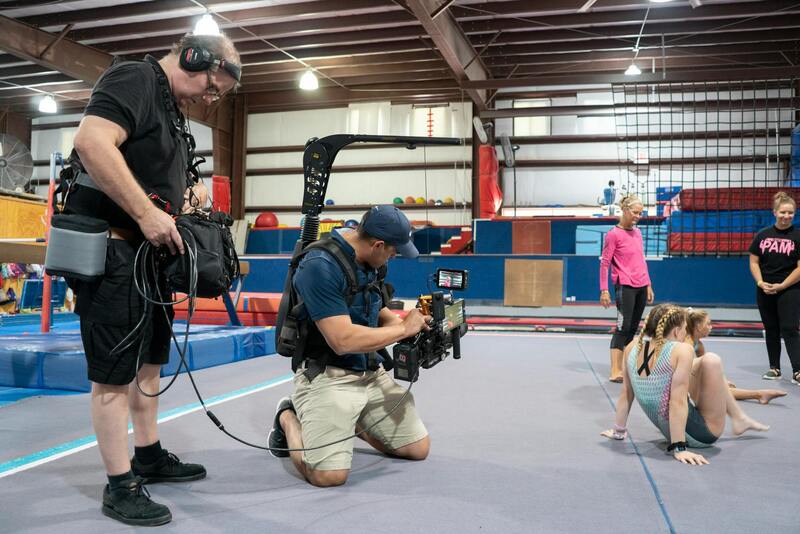
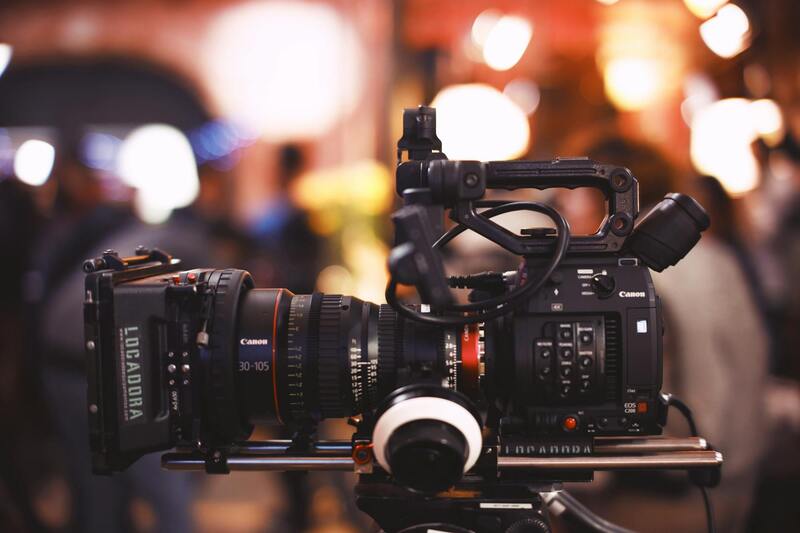
To achieve a seamless live event broadcast, a suite of professional-grade equipment and cutting-edge technology is essential. High-definition cameras are at the core of capturing crisp visuals, with options ranging from portable camcorders to studio-grade units, depending on the scale of the event. These cameras should be capable of handling various lighting conditions and providing multiple angles to enhance viewer engagement. Robust video switchers enable smooth transitions and real-time editing, ensuring a polished broadcast that maintains the audience's attention.
Audio quality is equally critical. Professional audio mixers, microphones, and soundboards ensure clear, balanced sound that resonates with viewers, whether capturing live performances or speeches. Wireless microphones can add mobility and flexibility, especially in large venues or outdoor settings.
Encoding hardware or software encoders translate the video signals into a suitable format for online streaming, with modern options supporting various streaming platforms and resolutions. Reliable streaming platforms or content delivery networks (CDNs) are vital to distribute the live content efficiently to audiences around the world, minimizing buffering and latency issues. Additionally, professional-grade internet connections with sufficient bandwidth are necessary to handle the high data throughput required for HD or 4K streams.
Stream management software provides control over the live feed, enabling overlays, graphics, and real-time monitoring. This comprehensive suite of technology ensures broadcast stability, high quality, and viewer interaction capabilities, making it possible for event organizers to deliver engaging, professional-grade live streams.
Choosing a Streaming Service Provider
Selecting the right provider involves evaluating their technical expertise, equipment portfolio, and track record of delivering high-quality streams. A reputable provider offers comprehensive service coverage, including pre-event planning, on-site setup, and post-broadcast support. They should also demonstrate the ability to customize solutions based on specific event requirements, venue constraints, and audience capacity.
Experience with different streaming platforms, such as social media integration or proprietary portals, is advantageous. The provider’s access to dependable internet infrastructure and their technical crew’s proficiency are critical factors that influence the overall success of the live broadcast. Ensuring transparent communication and detailed service agreements helps align expectations and facilitates smooth project execution.
Factors to Consider When Renting Equipment
- Compatibility: Ensure the equipment integrates seamlessly with your venue and the desired streaming platform.
- Quality: Opt for high-end, professional-grade gear to guarantee broadcast clarity and reliability.
- Scalability: Choose solutions that can accommodate your event’s scale, from small gatherings to large festivals.
- Support and Maintenance: Confirm that technical support is available throughout the event to address any issues promptly.
- Ease of Setup: Equipment should be user-friendly for smooth installation and operation, even for teams with limited technical experience.
Cost Factors and Budgeting
Pricing for live event streaming rentals varies based on equipment quality, duration of use, and service complexity. Basic setups for smaller events without extensive production needs tend to be more affordable, whereas large-scale broadcasts with multiple cameras, overlays, and interactive elements require a higher investment. Transparent quotes should detail the costs of equipment, crew, on-site support, and any additional services, helping organizers allocate resources efficiently.
Setup, Crew, and Technical Support
Professional setup begins with a thorough site assessment to determine optimal equipment placement and internet requirements. Skilled technical crews handle equipment installation, testing, and calibration to ensure everything functions correctly before the event starts. On the day of the broadcast, support staff remain on standby to troubleshoot issues swiftly, minimizing disruptions. A coordinated approach between the client's team and the service provider is vital for smooth operations, especially during complex live productions.
Best Practices for Successful Streaming Events
- Pre-Event Testing: Conduct comprehensive testing of all equipment, internet connections, and streaming platforms days before the event.
- Stable Internet Connection: Use dedicated, high-bandwidth internet services to prevent interruptions during the live broadcast.
- Clear Communication: Maintain constant communication channels between the technical team, performers, and event coordinators.
- Engagement Features: Incorporate chat, polling, and other interactive elements to boost viewer participation.
- Backup Plans: Prepare contingency strategies, including backup equipment and alternative internet solutions, to handle unexpected issues efficiently.
Legal and Compliance Considerations
Ensuring all content shared during the broadcast complies with intellectual property rights, including music, video clips, and branding, is paramount. Securing necessary permissions and clearances prevents potential disputes and guarantees an unobstructed live stream. Additionally, understanding venue-specific regulations and obtaining any required permits for broadcasting and equipment setup contribute to a smooth, hassle-free event. Properly documented agreements with all involved parties ensure clarity around usage rights, content ownership, and liability coverage, supporting a professional and responsible streaming operation.
Key Equipment and Technologies
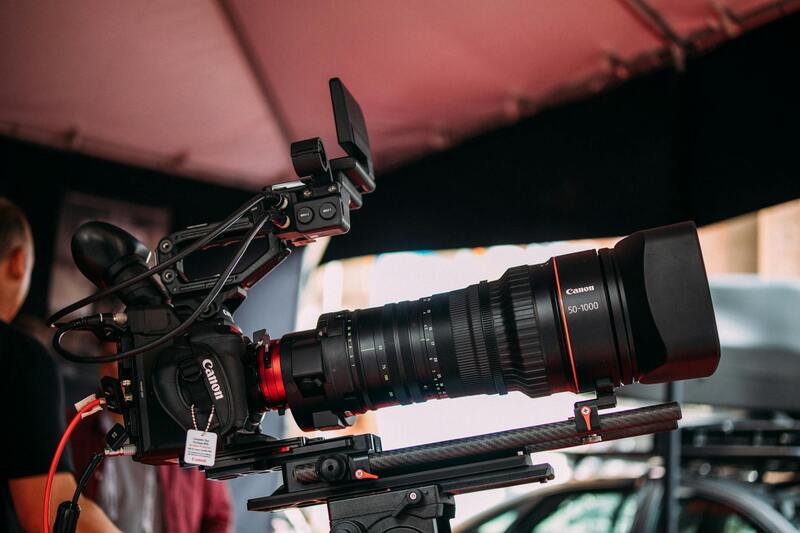
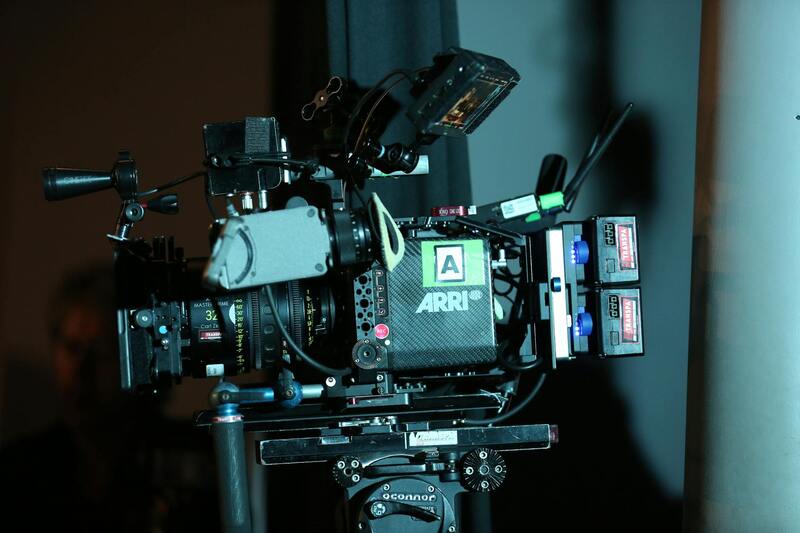
Successful live event streaming hinges on the deployment of advanced equipment and reliable technologies designed to deliver seamless broadcasts. Central to this setup are professional-grade cameras capable of capturing high-definition video with accurate color reproduction, ensuring viewers experience the event as if they were physically present. These cameras often support remote control features, allowing operators to adjust angles, focus, and zoom in real-time for dynamic shots that enhance viewer engagement.
Complementing cameras are high-quality video switchers, which facilitate multi-camera coordination, transitions, and overlays. These switchers enable a director to seamlessly select camera feeds, add graphics or titles, and ensure a smooth visual flow throughout the broadcast. Audio equipment is equally critical; professional microphones—such as lavalier, shotgun, or desktop models—capture clear sound, while audio mixers help balance levels and eliminate background noise.
Reliable streaming hardware, including encoders, is central to converting captured footage into a digital signal suitable for online distribution. Hardware encoders support multiple streams and formats, ensuring compatibility with various platforms and devices. Modern encoders offer features such as hardware acceleration, low latency, and adaptive bitrate streaming—optimizing the viewing experience across different internet speeds and device types.
Networking infrastructure forms the backbone of any live streaming operation. Dedicated, high-bandwidth internet connections with redundancy capabilities are essential to sustain uninterrupted data flow. Use of fiber-optic internet or bonded internet connections helps mitigate potential disruptions. Firewalls, switches, and load balancers are configured to prioritize streaming traffic, reducing latency and packet loss.
To enhance interactivity and viewer engagement, innovative technologies such as integrated chat systems, real-time polling, and social media integration are incorporated into streaming setups. These tools foster active participation, making viewers feel connected to the event regardless of their physical location.
Preparation: Equipment and Technology Integration
Successful live streaming deployment also involves meticulous planning and integration of all systems. Prior to the event, comprehensive technical rehearsals are conducted to ensure all equipment functions cohesively. These rehearsals simulate live conditions, allowing the team to identify potential issues and optimize configurations. Checks include verifying camera angles, audio clarity, encoder settings, internet stability, and platform compatibility.
During setup, cable management and equipment placement are carefully organized to facilitate smooth operation and quick adjustments. When multiple systems are in play, synchronization becomes vital—network time protocols and control interfaces are configured to enable real-time coordination and troubleshooting.
Redundancy and System Backup Strategies
Implementing redundancy mechanisms minimizes the risk of technical failures disrupting the live stream. Backup cameras, audio sources, and encoders are on standby, ready to take over if primary equipment fails. Dual internet connections, utilizing different service providers, ensure continuous coverage should one connection experience issues. Portable power supplies and uninterruptible power supplies (UPS) further safeguard against power outages.
Through meticulous equipment selection and system integration, a live stream can maintain high-quality output with minimal disruptions, delivering a professional experience that captivates audiences and preserves the credibility of the event.
Factors to Consider When Renting Equipment
When engaging in live event streaming rental services, it is crucial to evaluate several key factors to ensure seamless transmission and optimal audience experience. The environment in which the event takes place greatly influences the selection of equipment, as factors such as venue size, audience capacity, and infrastructure play vital roles in determining the appropriate technology setup.
Venue size dictates the quantity and type of equipment needed. Larger venues often require multiple cameras and audio sources to capture the event from various angles and ensure clear sound for all attendees. The spatial arrangement also influences the placement of streaming hardware, with considerations for power accessibility, Wi-Fi coverage, and sightlines for camera operators.
Audience scale impacts bandwidth planning. Events expecting a vast viewership demand robust internet connections and high-capacity streaming servers to handle increased data flow without buffering or quality degradation. For smaller gatherings, a streamlined setup might suffice, but scalability should be considered to accommodate future growth or unexpected audience surges.
Reliable internet connectivity is foundational for a successful live stream. It is advisable to perform on-site network tests ahead of the event, evaluating bandwidth, stability, and latency. In cases where venue Wi-Fi falls short, dedicated wired internet connections or portable 4G/5G hotspots can serve as effective alternatives to maintain consistent streaming quality.
Technical support requirements should also influence rental decisions. Events of a larger scale or with complex production elements benefit from on-site technicians or dedicated technical teams. Their expertise ensures the proper configuration of equipment, troubleshooting of unforeseen issues, and smooth operation throughout the event. Clarity on the availability of technical support from the rental provider can significantly impact the overall success of the live stream.
Additional Considerations
- Compatibility of rented equipment with existing venue infrastructure
- Availability of multilingual or specialized technical staff
- Flexibility of rental terms to accommodate unexpected changes
- Options for equipment upgrades or customized configurations
Incorporating these considerations during the rental process ensures a tailored setup that aligns with the specific needs of the event, facilitates troubleshooting, and enhances the overall experience for viewers.
Setup, Crew, and Technical Support
Ensuring the smooth execution of a live event stream hinges on meticulous planning and having the right team in place. A comprehensive setup involves not only the rental of high-quality equipment but also assembling a skilled crew to operate, monitor, and troubleshoot active streams. The technical support staff should possess a thorough understanding of streaming hardware, software, and network configurations to preempt issues before they impact broadcast quality.
For larger events, engaging a dedicated technical team can make a significant difference. These experts handle everything from initial equipment calibration to real-time troubleshooting, allowing event organizers to focus on content delivery and audience engagement. Smaller events may opt for a rental provider that includes on-site technicians as part of their package, ensuring rapid response to unforeseen technical problems.
Ready to Start Your Video Project?
Contact our Miami production team for a free consultation.