
Understanding Live Broadcast Production
Live broadcast production is a specialized segment of the media industry focused on delivering real-time video content to viewers. It involves a complex interplay of planning, technology, and execution to ensure seamless transmission of live events, whether for corporate functions, entertainment, sports, or news. In the Miami market, this discipline has grown significantly, driven by the city’s vibrant cultural scene and diverse audience demand for high-quality, instantaneous content.
Core Objectives of Live Broadcast Production
- Real-Time Delivery: Ensuring viewers receive content instantaneously, maintaining the immediacy and excitement of live events.
- High-Quality Content: Utilizing advanced technology to produce crisp visuals and clear audio, which enhances viewer experience.
- Reliability and Stability: Maintaining uninterrupted streams despite technical challenges, to uphold audience trust and engagement.
- Flexibility and Adaptability: Adjusting on the fly to changing conditions, such as camera angles, audio levels, or unexpected technical issues.
Basic Process of Live Broadcast Production
- Planning and Coordination: Defining the scope, scope, target audience, and technical requirements.
- Setup and Rehearsal: Testing equipment, coordinating crew responsibilities, and rehearsing key segments.
- Execution: Managing camera feeds, controlling audio levels, and monitoring stream health during the live event.
- Delivery and Monitoring: Streaming the content to various platforms while observing performance metrics and viewer feedback.
Miami’s live broadcast production sector employs a blend of innovative methods and traditional techniques, tailored to meet the diverse needs of its dynamic market. From small corporate presentations to large-scale sporting events, understanding the foundational principles of live production ensures high standards and viewer satisfaction.
Technical Equipment and Infrastructure
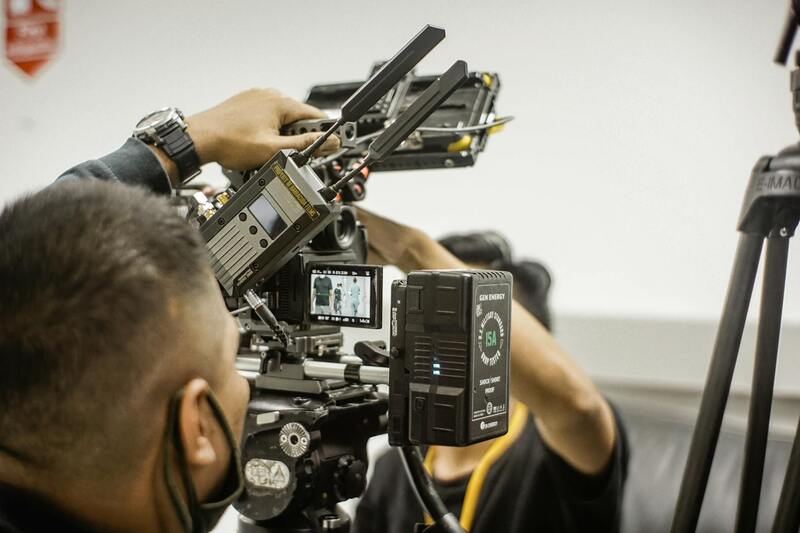
Successful live broadcast production hinges on the deployment of advanced technical equipment and a robust infrastructure. This foundation supports seamless transmission, superior visual and audio quality, and operational efficiency. Central to this setup are professional-grade cameras, switchers, servers, and encoding devices, all chosen for their reliability and compatibility with live broadcasting demands. High-definition (HD) or 4K cameras capture crisp visuals, which are essential for engaging viewers across diverse platforms. These cameras are often paired with tripods and stabilization rigs to ensure steady footage, especially during dynamic scenes or fast-moving events.
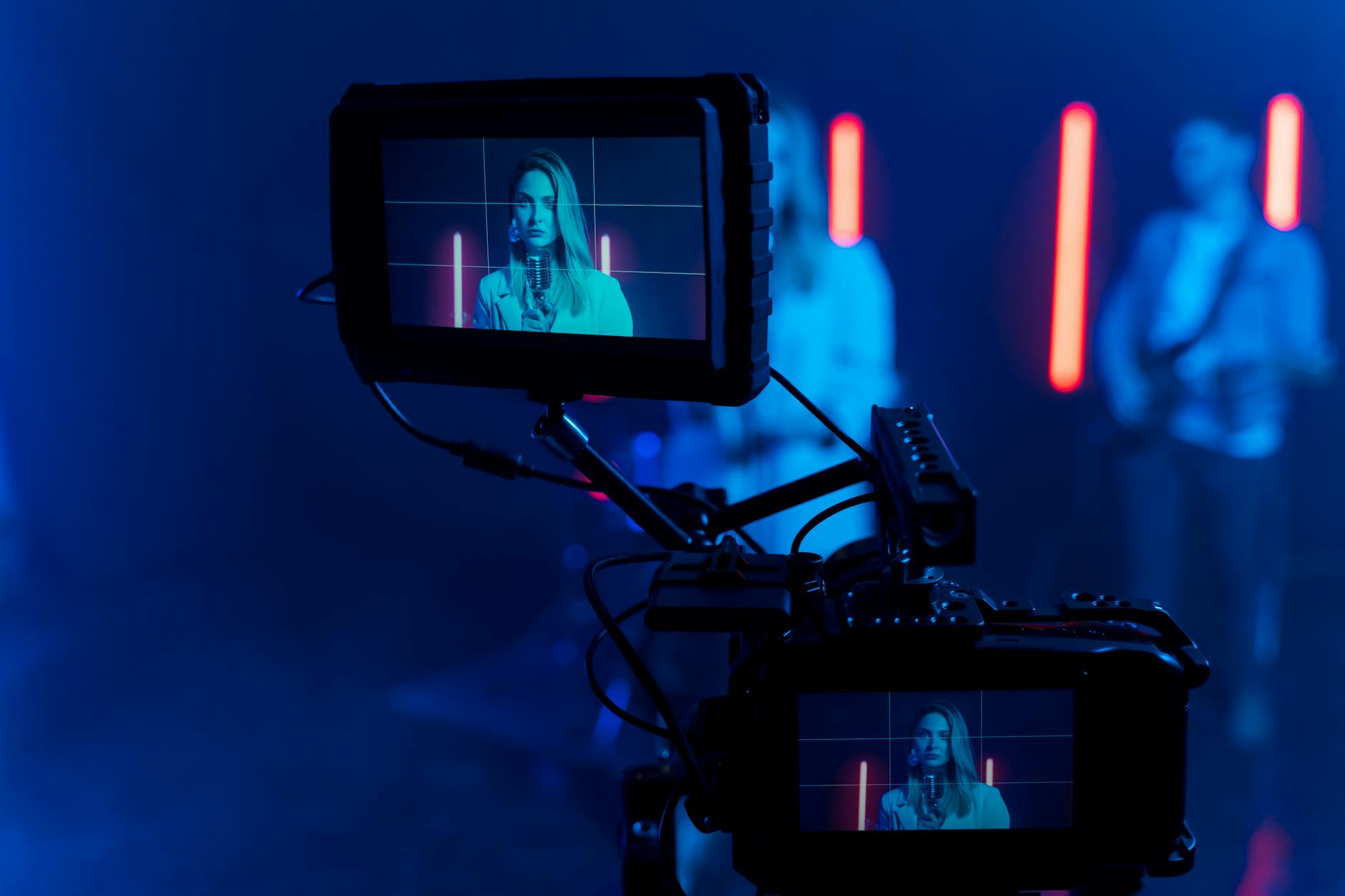
In addition to cameras, high-quality audio equipment—including wireless microphones, mixers, and in-ear monitors—ensures crystal-clear sound. Audio management is crucial in live broadcasts, as it directly impacts viewer perception and engagement. Reliable internet connectivity and network infrastructure are equally vital, facilitating high-bandwidth streaming capabilities and quick data transmission. Redundant setups, such as backup internet lines and power supplies, are standard to prevent interruptions.
Infrastructure for Reliable Streaming
Miami’s live broadcast facilities leverage dedicated fiber-optic networks and Content Delivery Networks (CDNs) to deliver stable, high-capacity streams. Servers host encoding, transcoding, and streaming processes, enabling broadcasters to reach multiple platforms instantly. A well-designed workflow incorporates fail-safes and real-time monitoring tools that track stream health, detect potential issues early, and allow rapid remedial actions.

The technological backbone also includes control rooms equipped with broadcast consoles, multi-view monitors, and advanced software for real-time editing and switching. These elements allow operators to manage multiple camera feeds, adjust visuals, and synchronize audio seamlessly, ensuring a professional and polished output.
Technical Equipment and Infrastructure
Efficient live broadcast production relies on a comprehensive suite of hardware and software components that work cohesively to deliver high-quality content. Central to this setup are professional-grade cameras capable of capturing high-resolution video with precise color accuracy, ensuring that visuals are vibrant and engaging for viewers. These cameras are often equipped with advanced features such as optical zoom, image stabilization, and low-light sensitivity to adapt to varying production environments.
Video switchers, also known as production mixers, enable seamless transitions between multiple camera feeds. They provide real-time control over video sources, allowing directors to switch, cut, and apply effects instantaneously, which maintains the flow and professionalism of the broadcast. Additionally, video routers distribute signals efficiently to different viewing platforms and recording devices, ensuring synchronized delivery across all channels.
Audio components form a vital part of the broadcast infrastructure. High-quality microphones—including wireless lavalier and handheld styles—capture clear voice recordings while minimizing ambient noise interference. Audio mixers or digital consoles manage multiple input sources, balancing levels and applying necessary equalization and effects to achieve an optimal listening experience. In-ear monitor systems assist on-camera talent and crew in maintaining consistent audio cues and communication throughout the broadcast.
On the software side, robust streaming platforms and encoders are essential for real-time encoding, transcoding, and distribution. These tools compress video streams efficiently while preserving visual quality, enabling smooth delivery to various platforms such as social media sites, dedicated websites, or broadcast networks. Content Management Systems (CMS) and real-time monitoring solutions keep the production team informed about stream health, latency, and viewer engagement metrics, facilitating prompt responses to potential disruptions.
 igure>
Networking infrastructure plays a decisive role in the stability of live streams. High-bandwidth internet connections, often supported by fiber-optic technology, ensure swift data transmission. Redundant internet links provide fail-safes in case of primary connection failure, maintaining uninterrupted broadcast quality. Network switches and firewalls support secure and reliable data flow, while network monitoring tools facilitate early detection of issues, reducing the risk of outages or lag.
Physical infrastructure—including power supplies, backup generators, and uninterruptible power supplies (UPS)—ensures continuous operation during power fluctuations or outages. Such redundancy prevents live production disruptions, safeguarding the broadcast’s smooth execution from start to finish.
igure>
To support complex multi-camera shoots, control rooms are equipped with broadcast consoles, multi-view monitors, and editing software that allow real-time adjustments. These facilities enable operators to manage multiple feeds, overlay graphics, perform instant edits, and synchronize audio seamlessly, ultimately producing a professional visual presentation that resonates with viewers.
Understanding Live Broadcast Production
Effective live broadcast production hinges on meticulous planning and execution across various technical and creative domains. Whether covering sporting events, conferences, concerts, or special ceremonies, the core focus remains on delivering high-quality content that engages viewers and maintains a seamless viewing experience. This process encompasses a comprehensive understanding of production workflows, equipment, infrastructure, and the significance of real-time decision-making. Ensuring each component functions harmoniously requires specialized expertise and a deep understanding of broadcast standards and best practices.
Pre-Production Planning and Coordination
Pre-production serves as the blueprint for successful live broadcasts. This phase involves detailed scheduling, script development, and logistical arrangements. Coordinators define camera angles, shot sequences, and graphics, anticipating potential challenges that may arise during live execution. Effective communication among the production team ensures clarity on roles, responsibilities, and technical requirements.
Creating a comprehensive rundown or production plan allows teams to align on timing, cues, and transitions, thereby reducing errors. Location scouting and site surveys facilitate understanding of environmental constraints, lighting conditions, and acoustics, ultimately informing equipment choices and setup configuration. Collaboration with talent and speakers before the event ensures everyone understands cues, presentation flow, and technical needs, fostering a cohesive production environment.
Technical Equipment and Infrastructure
At the heart of live broadcast production lies robust technical infrastructure. Advanced cameras with high resolution and frame rate capabilities capture detailed visuals, accommodating different shot requirements. Video switchers or mixers enable real-time switching among multiple camera feeds, creating dynamic visual sequences tailored to the event’s narrative.
Audio equipment such as mixers, microphones, and intercom systems are crucial for maintaining clear sound, which directly impacts viewer engagement. Reliable encoding devices and streaming hardware convert and transmit the live feed efficiently, supporting multiple streaming platforms if needed.
Networking infrastructure is equally vital, with high-bandwidth internet connections, often utilizing fiber-optic links, to ensure minimal latency and stable streaming. Redundant connections serve as backups, providing fail-safe options to prevent interruptions. Network switches and firewalls protect the data flow, while monitoring tools enable immediate detection of issues, thus minimizing potential disruptions during live broadcasts.
Physical infrastructure, including backup power supplies, generators, and uninterruptible power supplies (UPS), guarantees continuous operation. These redundancies are essential for maintaining broadcast integrity despite unforeseen power issues or technical glitches, safeguarding against costly delays or broadcast failures.
Control Rooms and Facilities
Control rooms equipped with broadcast consoles, multi-view monitors, and editing software enable live operators to manage multiple feeds simultaneously. This environment allows for real-time adjustments, such as overlaying graphics, correcting color balances, or performing instant zooms, ensuring a polished final output. Synchronized audio and video feeds create a cohesive viewer experience, while operators work in concert to respond swiftly to any technical or content-related issues.
These facilities incorporate communication systems that facilitate smooth coordination among team members, from camera operators to technical directors and producers. Effective coordination within the control room translates directly into professionalism and the ability to adapt quickly to evolving live scenarios, ensuring the broadcast remains engaging and free of technical hiccups.
Technical Equipment and Infrastructure
Ensuring a smooth live broadcast requires sophisticated technical infrastructure that combines robust hardware with reliable network systems. High-definition cameras, professional sound equipment, and optimized lighting setups are critical for capturing high-quality visuals and audio, which meet the expectations of a diverse audience. Investment in these professional-grade tools helps mitigate risks related to image quality deterioration or audio disruptions during a live event.
A comprehensive broadcast system incorporates redundant servers and streaming platforms designed to handle high traffic volumes efficiently. These systems often feature load balancing capabilities to distribute the streaming load, thereby preventing crashes and buffering issues. High-capacity bandwidth ensures minimal latency and seamless delivery across various viewing devices and internet speeds.
The integration of fiber optic cabling and wireless transmission solutions permits flexible camera placements and quick repositioning, facilitating dynamic scene changes and angles without sacrificing quality or reliability. Wireless transmission also reduces cable clutter, offering a clean setup that can adapt to any venue's constraints.
Critical to the infrastructure are backup power supplies and generators. These prevent outages during power interruptions, maintaining continuous broadcast flow. UPS units protect against voltage spikes and surges, safeguarding sensitive electronic components.
Audio Management in Live Broadcasts
Effective audio management plays a crucial role in delivering a seamless live broadcast experience. High-fidelity sound ensures clarity and engagement, making it imperative to utilize professional-grade microphones, mixers, and audio processing tools. Microphone placement is carefully strategized to capture the best possible sound, whether the event involves multiple speakers, musical performances, or ambient sounds.
During live production, audio engineers continuously monitor levels, balancing sound inputs to prevent distortion or unwanted noise. They adjust gain, equalization, and compression settings in real-time to maintain consistent audio quality despite changing conditions on the ground. In cases where multiple audio feeds are involved, such as multi-camera setups or several microphone sources, automated mixing or manual switching ensures smooth transitions and balanced output.
Another key aspect is synchronization. Audio signals must be precisely aligned with video feeds to prevent delays or lip-sync issues that can distract viewers. This synchronization is achieved through dedicated audio-video synchronization systems integrated within the production workflow.
In addition, engineers implement real-time monitoring through headphones and speakers in the control room, allowing immediate detection of audio anomalies. In certain scenarios, backup audio channels are established to quickly switch over if primary feeds encounter problems, ensuring uninterrupted sound delivery.
Implementing consistent sound checks and rehearsals before the live event helps identify potential issues and fine-tune equipment setup. This proactive approach minimizes disruptions during the broadcast, safeguarding the viewing experience.
Understanding Live Broadcast Production
Effective live broadcast production hinges on meticulous planning, advanced technical infrastructure, and seamless coordination among various teams. It is essential to have a comprehensive understanding of each element that contributes to a successful broadcast, from pre-event preparations to real-time execution and post-event engagement. In particular, the focus on using reputable and legitimate methods ensures reliability, legal compliance, and high-quality delivery.
Pre-Production Planning and Coordination
Pre-production is the foundation of any successful live broadcast. This phase involves detailed planning, including the development of a comprehensive broadcast script, allocation of roles, casting, and scheduling. It also entails obtaining necessary permits and ensuring all legal documentation aligns with industry standards. Coordination among technical staff, presenters, performers, and crew members is crucial to establish clear communication channels and prevent misunderstandings during the live event.
Creating a detailed run sheet or program flow is essential, allowing everyone involved to understand timing, cue points, transitions, and contingencies. This plan should also include backup options for critical equipment or personnel, ensuring the production can adapt swiftly to unforeseen circumstances.
Technical Equipment and Infrastructure

Deploying state-of-the-art, professionally certified equipment forms the backbone of a reliable live broadcast. This includes high-definition cameras with professional lenses, stable switching systems, robust encoders, and resilient network connectivity. A dependable internet connection, preferably with high bandwidth and failover options, is vital for uninterrupted streaming. Additionally, using licensed software and hardware ensures compatibility, security, and compliance with broadcasting standards.
Infrastructure must also encompass a dedicated control room, equipped with monitors, audio mixing consoles, and a graphics operator station. Proper cabling and power backups guarantee consistent operation despite power fluctuations or technical disruptions. When working with external vendors or suppliers, ensuring they adhere to legal and industry standards is fundamental to avoid issues related to equipment legality or improper licensing.
Camera Operation and Visual Direction
Skilled camera operators and a knowledgeable director collaboratively shape the visual narrative of the broadcast. The director oversees camera angles, shot composition, and transition timing, directing the crew to capture the most engaging visuals. Using wired or wireless professional-grade cameras with stabilized mounts and high-quality lenses ensures sharp, clear images throughout the broadcast. The control room must have reliable communication channels—such as intercoms and cue systems—for real-time coordination.
Strategic camera placement supports multiple viewpoints, including close-ups, wide shots, and specialized angles. This variety enhances the viewer experience and maintains audience engagement. Consistent training and certification for camera operators guarantee adherence to best practices and proper handling of equipment, which is critical for avoiding technical mishaps on-air.
Audio Management in Live Broadcasts
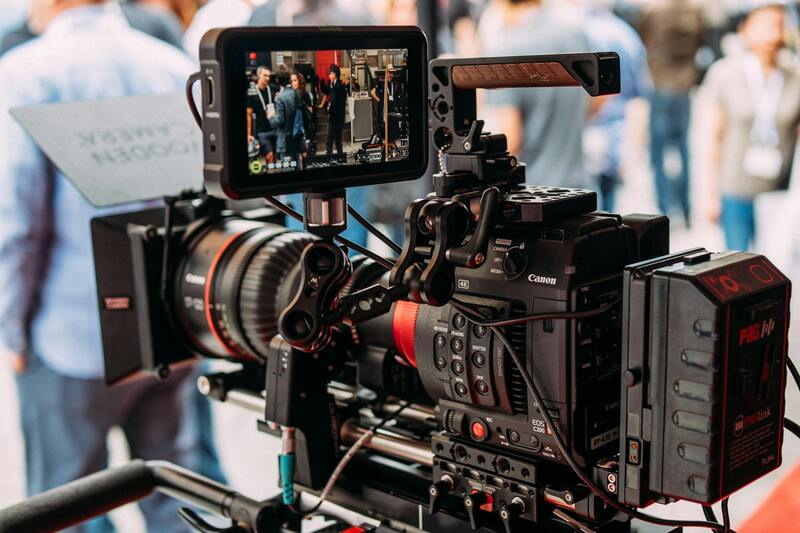
Sound quality is pivotal in live broadcast production. Audio engineers utilize high-grade, licensed equipment to monitor and adjust sound inputs continually. They balance multiple audio feeds to exclude noise, distortion, and unintended interruptions, ensuring clarity for the audience. Synchronization with video feeds is achieved through precision audio-video sync systems—an essential component to prevent lip-sync errors that can detract from the viewing experience.
Real-time monitoring through professional-grade headphones and speakers allows technicians to promptly address any anomalies, such as feedback or dropouts. Backup audio channels are established for critical feeds, enabling immediate switching if primary sources encounter problems. Regular sound checks and rehearsals, conducted well before the event, help identify potential issues, refine settings, and establish a baseline of quality that consistently meets industry standards. When handled with legitimate hardware and compliant practices, audio management elevates the overall production value without risking infringing on licensing agreements or standards.
Streaming and Broadcast Delivery
The delivery of live content involves multiple, verified streaming platforms and delivery methods that adhere to industry standards. Encoders convert high-quality audio and video signals into digital streams compatible with various devices and networks. Options such as content delivery networks (CDNs) or dedicated streaming servers facilitate distribution to global audiences seamlessly.
Implementing reliable, licensed streaming solutions with built-in redundancy minimizes latency and buffering issues, thus maintaining a smooth viewing experience. Security measures—including encryption and access controls—help prevent unauthorized access or piracy. Legal distribution channels and proper licensing agreements are necessary to ensure compliance while providing viewers a high-fidelity, uninterrupted broadcast.
Careful routing and monitoring of streaming data, combined with real-time analytics, allow production teams to troubleshoot issues proactively. This approach ensures consistent quality and a professional presentation that reflects the high standards of legitimacy and operational excellence in live broadcast production.
Comprehensive Methods for Authentic Live Broadcast Production
Utilizing Certified Platforms and Infrastructure
Implementing live broadcast production requires collaboration with reputable streaming services that provide verified, secure, and reliable delivery channels. These platforms employ rigorous standards for content distribution, ensuring seamless operation across various devices and network environments. Using licensed streaming infrastructure such as dedicated content delivery networks (CDNs) or specialized streaming servers guarantees consistent high quality and minimizes latency issues that could disrupt viewing experiences. Such platforms often include built-in security features like end-to-end encryption and access controls, effectively preventing unauthorized viewing and safeguarding content integrity.
Opting for certified encoding solutions and data routing practices also contributes significantly to a professional live broadcast. Encoders convert high-definition video and audio signals into digital streams compatible with chosen distribution channels. Maintenance of these systems through regular updates, calibration, and adherence to industry specifications ensures that the broadcast remains consistent in quality and aligns with established operational protocols.
Implementing Rigorous Quality Control and Monitoring
To facilitate continuous quality assurance, live production teams should employ advanced monitoring tools that scrutinize streaming metrics in real-time. These tools provide crucial insights into bandwidth usage, latency, buffering, and overall stream stability. Addressing issues promptly through these mechanisms prevents disruptions that could compromise viewer engagement. Routine checks of streaming data, coupled with comprehensive analytics, inform operational adjustments that uphold the scheduled broadcast timeline and production standards.
Structured Content Management and Compliance
Ensuring content complies with licensing and distribution policies involves meticulous management of media rights, licensing agreements, and content classification. Production teams must verify that all digital assets, including graphics, music, and video clips, are appropriately licensed and used within the bounds of permitted rights. This diligent approach maintains the credibility of the broadcast and aligns with industry best practices for responsible content management.
Advanced Troubleshooting and Contingency Strategies
Effective troubleshooting during live production involves detailed preparation for technical failures or unforeseen interruptions. Employing redundant hardware, such as backup generators, additional cameras, and secondary streaming sources, contributes to operational resilience. Well-defined contingency plans including pre-arranged communication protocols ensure swift response to potential issues.
- Backup Systems: Maintain duplicate audio and video sources ready to activate instantaneously if primary equipment fails.
- Redundant Internet Connectivity: Incorporate multiple internet lines and failover configurations to prevent disruptions caused by connectivity issues.
- Staff Training: Ensure technical staff are well-versed in troubleshooting procedures and emergency protocols to address problems rapidly.
Monitoring and Incident Response
During live broadcasts, continuous surveillance of streaming data and system performance is crucial. Experienced personnel utilize professional monitoring tools to detect anomalies promptly. Immediate response actions include switching to backup systems, adjusting encoding settings, or halting streams temporarily to diagnose issues without compromising viewer experience. Post-event analysis of incident logs and system performance reports delivers valuable insights for refining future production workflows and mitigating recurring problems.
Comprehensive Security and Content Protection Measures
Safeguarding live broadcast content from unauthorized access involves deploying strict security protocols such as encrypted data streams, secure login credentials, and digital rights management (DRM) solutions. Maintaining access controls at various points within the network prevents infiltration and ensures only authorized personnel can modify or distribute content. Transparent licensing agreements and clear content usage policies contribute to lawful distribution and protection of intellectual property rights.