
Understanding Live Streaming Video Production
Live streaming video production has become an integral part of modern digital communication. Its primary purpose is to broadcast real-time video content over the internet, allowing viewers from around the world to experience events and presentations as they happen. This method of broadcasting enhances the reach and engagement of various activities, from corporate meetings and product launches to live concerts and community events.
The role of live streaming in digital broadcasting is multifaceted. It bridges geographical distances, enabling organizations to connect with a broader audience without the constraints of physical location. Live streams foster immediacy and interaction, making them highly effective for audience engagement. They also serve as a scalable solution for organizations looking to share important updates, showcase live events, or host virtual conferences with professional quality.
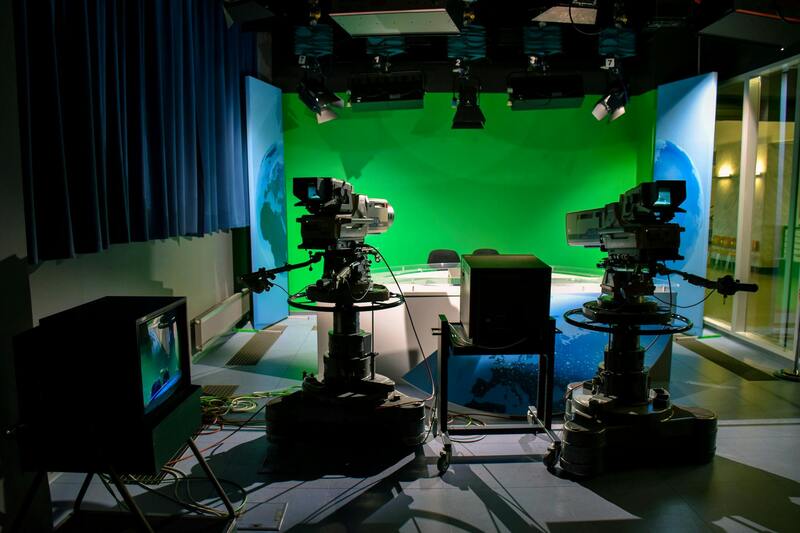
Effective live streaming video production involves meticulous planning, high-quality equipment, and expert execution. The procedure typically includes several stages: pre-production planning, the actual live shoot, and post-event analysis. Each stage plays a crucial role in ensuring a seamless viewing experience for the audience.
During production, the role of the videographer is pivotal. They manage all technical aspects of the live stream, including camera setups, lighting, audio, and encoding. The videographer ensures that the visual and audio components are synchronized and that the stream maintains a professional standard throughout the broadcast.
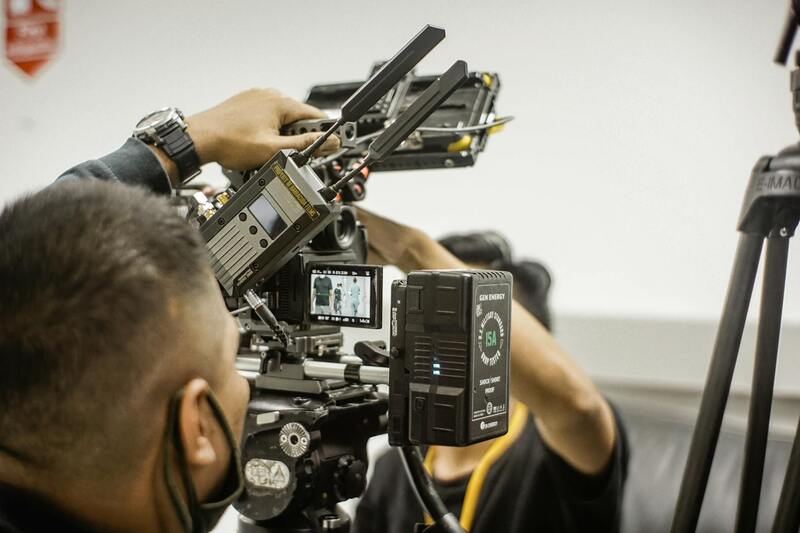
Overall, understanding the intricacies of live streaming video production helps organizations optimize their digital communication strategies, maximize engagement, and deliver high-quality content that meets the expectations of modern audiences.
The Role of a Videographer in Live Streaming
In the dynamic environment of live streaming, the videographer assumes a critical role that directly influences the overall production quality. Their responsibilities extend beyond simply operating cameras, encompassing a comprehensive understanding of technical and creative aspects that ensure the live event is captured seamlessly and professionally. A skilled videographer meticulously manages camera operation, ensuring optimal framing, focus, and composition to convey the event’s significance visually.
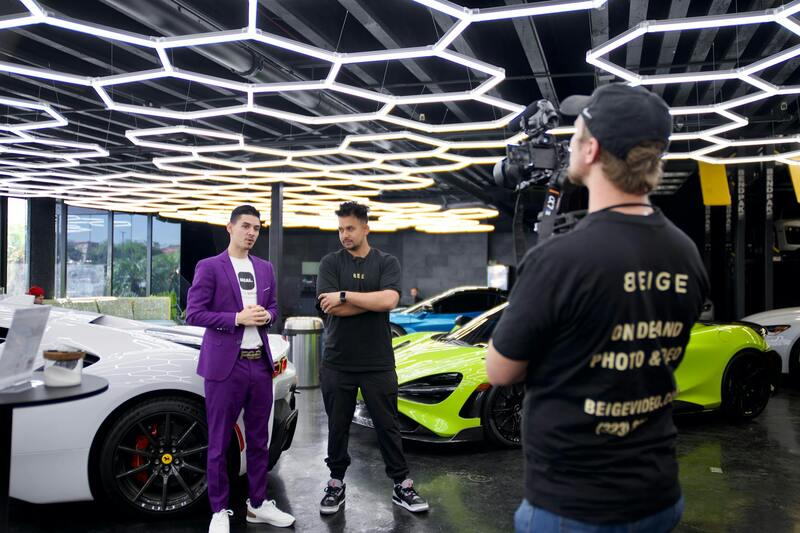
Coordination with other technical personnel is essential to maintain a smooth workflow. The videographer collaborates with sound engineers, lighting technicians, and streaming specialists to synchronize audio and visual elements, preventing glitches or quality dips during the broadcast. They are adept at adjusting camera angles on-the-fly, adapting to the pace of live events and unpredictable scenarios, making sure every shot is aligned with the storytelling or informational goals of the stream.
Additionally, the videographer's skill set includes the management of live switching between multiple camera feeds, which involves selecting the best angles, close-ups, and wide shots to enhance viewer engagement. This requires not only technical proficiency but also an intuitive sense of timing and event flow, ensuring that transitions appear natural and unobtrusive. Their role also encompasses troubleshooting technical issues swiftly, from connectivity problems to equipment malfunctions, to minimize disruptions.
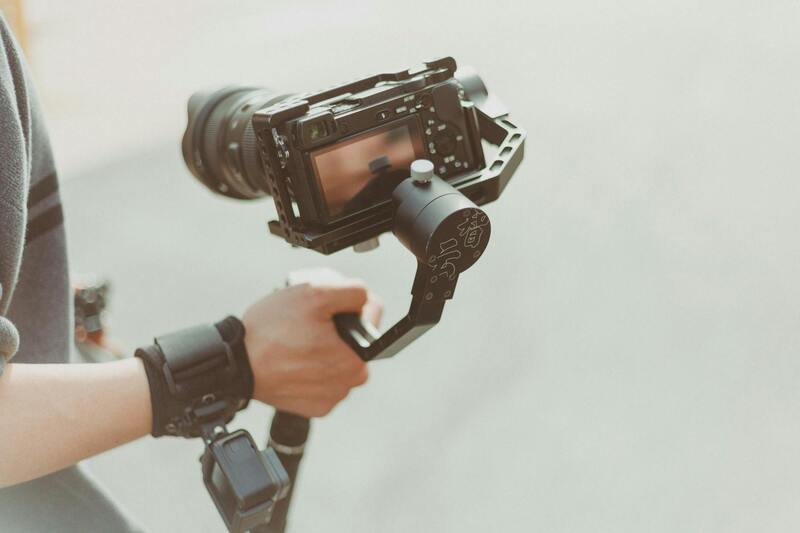
Underlying all these tasks is a focus on maintaining a high standard of image quality. This involves selecting appropriate lenses, adjusting exposure settings based on lighting conditions, and ensuring stable camera operation—often utilizing tripods or stabilizers to avoid shaky footage. Mastery of camera settings in real-time helps deliver crisp visuals that meet the expectations of a discerning audience.
Furthermore, the videographer's responsibilities extend into strategic planning before the event. This includes devising camera placement schemas tailored to the venue layout, planning shot lists aligned with content objectives, and understanding the logistical constraints of the venue. Effective pre-event preparation contributes to a fluid and polished live streaming experience, reflecting professionalism and technical expertise.
In large-scale productions or complex virtual events, the videographer may work alongside multiple camera operators, each designated to specific zones or angles. Synchronizing these feeds and managing transitions in real-time ensures cohesive storytelling and comprehensive coverage of the event. Their role requires excellent communication skills to coordinate with the director or producer who oversees the broader production strategy.
Ultimately, the success of a live stream hinges on the competence of the videographer. Their technical proficiency, quick problem-solving skills, and artistic eye combine to deliver high-quality content that resonates with viewers, enhances brand reputation, and achieves the event’s communication goals.
Understanding Live Streaming Video Production
Effective live streaming video production combines technical prowess with artistic vision to deliver seamless, engaging content. The process requires meticulous planning, synchronized execution, and high-quality equipment to ensure that the intended message reaches viewers without interruption or degradation in quality. Every stage—from pre-production to post-broadcast analysis—plays a vital role in creating a professional live stream capable of capturing the attention of an online audience.
At its core, live streaming video production is about translating the energy and immediacy of an event into a digital format that viewers can enjoy in real-time. This transformation demands a comprehensive understanding of audiovisual technologies, network infrastructure, and the nuances of live content management. Skilled videographers are at the forefront of this process, utilizing their technical skills to adapt dynamically to changing lighting, sound conditions, and venue constraints, ensuring the seamless delivery of high-definition video and audio signals.
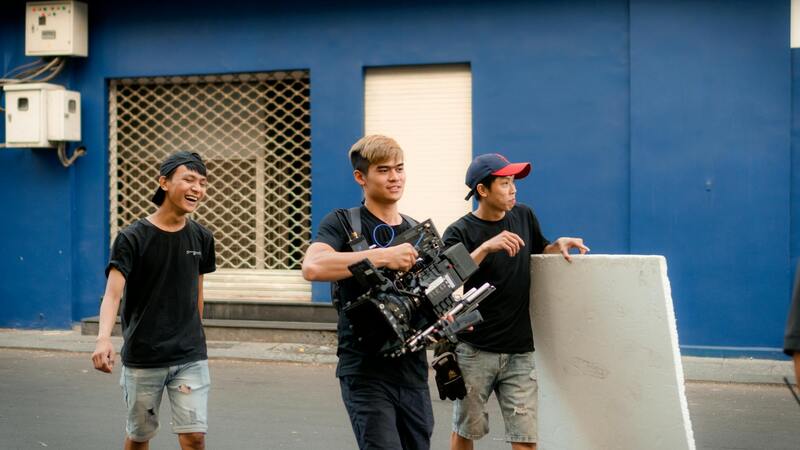
Moreover, a well-executed live stream is more than just a broadcast; it is a strategic communication tool. It involves detailed planning, including selecting the optimal camera angles, setting up reliable audio feeds, and configuring encoding hardware to distribute content across multiple platforms. Ensuring that content delivery networks (CDNs) are optimized for fast and reliable streaming in Miami’s dynamic internet environment further enhances viewer experience, reducing buffering and lag times. Technical teams also prepare backup measures such as redundant internet connections and backup power supplies to minimize risks during the event, ensuring uninterrupted transmission regardless of unforeseen issues.
The Role of a Videographer in Live Streaming
A live streaming videographer acts as the heartbeat of the visual component, balancing artistic insight with technical execution. Responsibilities extend from camera operation, including adjustments for lighting and composition, to real-time management of multiple feeds. This role demands a keen eye for detail and quick decision-making, especially when capturing spontaneous moments or addressing unexpected technical challenges.
During the shoot, the videographer must work closely with the director and production team to execute the predetermined shot list while remaining agile for any spontaneous adjustments required by the event’s flow. They employ advanced camera rigs, stabilization tools, and live switching equipment to create engaging transitions and maintain a consistent visual narrative. In complex setups involving several cameras, the videographer ensures smooth communication across the team to coordinate camera switching, framing, and focus adjustments, all while monitoring the live feed quality.
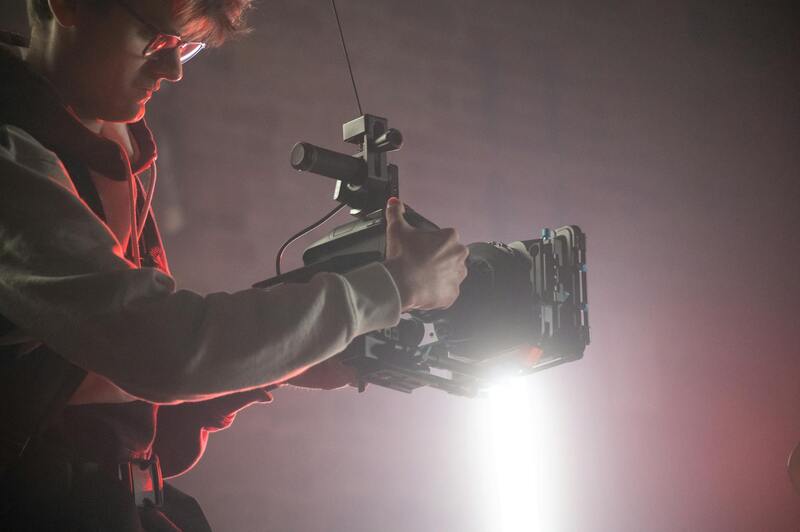
The competence of a videographer directly influences the viewer’s experience. A skilled professional adapts to changing conditions swiftly, maintaining optimal shot quality and technical consistency. Their ability to troubleshoot issues—such as dropped feeds, audio disruptions, or equipment failures—and rectify them swiftly is crucial for preserving broadcast integrity. Additionally, an understanding of the event’s narrative flow allows the videographer to capture key moments effectively, ensuring that the live stream communicates the event’s essence powerfully.
Essential Equipment for Live Streaming
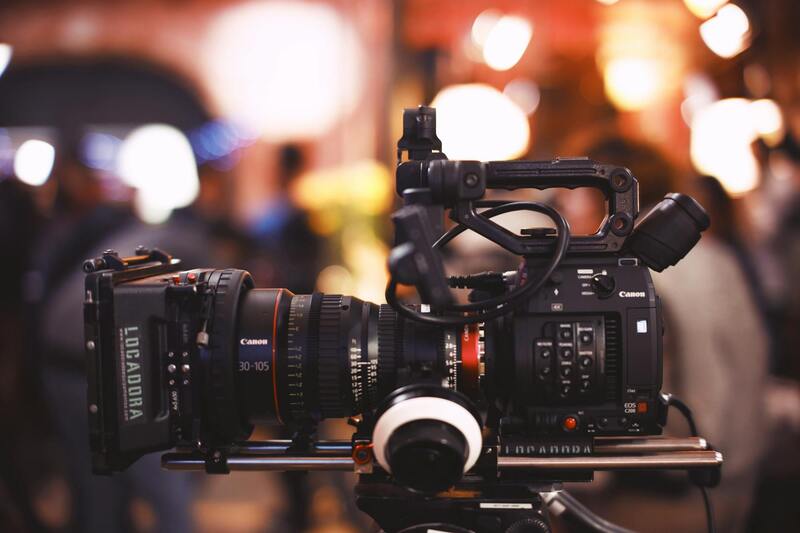
Successful live streaming in Miami relies heavily on the right equipment. Typically, this includes high-definition cameras capable of delivering clear footage even in challenging lighting conditions, digital encoders for converting video signals into internet-ready streams, and professional-grade microphones to capture crisp audio. Reliable internet connectivity is paramount, with dedicated broadband or bonded cellular streams providing the bandwidth needed for uninterrupted transmission. Additionally, external monitors, transmission switches, and backup power supplies are integral for on-site management and contingency planning.
- High-quality cameras (e.g., ENG or cinema cameras)
- Streaming encoders (hardware or software-based)
- Professional microphones (lapel, shotgun, etc.)
- Dedicated high-speed internet connections
- Video switchers and monitors for multi-camera setup
- Battery backup and uninterruptible power supplies
Investing in durable equipment tailored to Miami’s climate and infrastructure ensures a resilient and high-quality live streaming experience. Whether broadcasting a corporate event, concert, or community gathering, the equipment must be capable of handling the specific demands of each event type, including venue size, lighting conditions, and audience engagement levels.
Technical Considerations for a Flawless Live Stream
Ensuring a seamless live streaming experience in Miami requires meticulous attention to technical details that influence broadcast quality. A robust internet connection is the cornerstone—preferably a dedicated, high-bandwidth line that can handle the data load without interruptions. Bonded cellular solutions serve as reliable secondary options, providing redundancy to prevent drops due to network fluctuations. Equipment calibration prior to the event is crucial; this includes testing camera angles, audio levels, and encoder settings to optimize performance. The choice of encoding hardware or software can significantly impact latency and video quality. Hardware encoders tend to offer more stability, which is vital for high-profile events or broadcasts with critical timing. Furthermore, multi-camera setups necessitate efficient switching and synchronization. Video switchers enable real-time selection between different camera feeds, allowing for dynamic storytelling that keeps viewers engaged throughout the broadcast. Professional-grade microphones, including lavalier or shotgun options, are essential for capturing clear audio, especially in environments with ambient noise or multiple speakers. External monitors facilitate on-site adjustments, allowing videographers to respond swiftly to any technical issues that may arise. Power management cannot be overlooked; uninterruptible power supplies (UPS) and backup generators provide security against power failures that could jeopardize the live stream. Weatherproofing equipment and choosing infrastructure resilient to Miami’s climate variations further safeguard the equipment and ensure continuous operation. Ultimately, comprehensive pre-event testing combined with real-time troubleshooting capability distinguishes professional live streaming productions from amateur efforts. This proactive approach minimizes latency, improves image quality, and ensures an uninterrupted viewer experience, reflecting the high standards required for professional videography in Miami.
Enhancing Audience Engagement During Live Streams
Engagement is a critical component of successful live streaming events. Interactive features such as live chats, Q&A sessions, and real-time polls encourage viewer participation, fostering a sense of community and connection. A skilled videographer collaborates with event organizers to incorporate these elements seamlessly into the broadcast, ensuring they complement the visual content without causing distractions. Monitoring viewer metrics in real time offers valuable insights into audience behavior and preferences. These metrics include viewer counts, engagement rates, and geographic distribution, allowing adjustments to the content or broadcast delivery as needed. Incorporating social media integrations also amplifies reach, encouraging viewers to share the event widely across platforms. Clear branding and consistent visual identity are vital in reinforcing the event’s message. This can be achieved through on-screen graphics, overlays, and branded transitions that align with the event’s theme and purpose. Moreover, maintaining high production values—such as crisp visuals, clear audio, and professional graphics—enhances perceived quality and keeps viewers engaged from start to finish. Finally, post-event analysis helps refine future live streaming efforts. Collecting viewer feedback, reviewing performance metrics, and identifying technical bottlenecks inform improvements in planning, equipment setup, and audience interaction strategies. By prioritizing viewer experience alongside technical excellence, Miami-based videographers can elevate the caliber of any live streaming event, making it more memorable and impactful for attendees and remote viewers alike.
Conducting a Live Stream Shoot
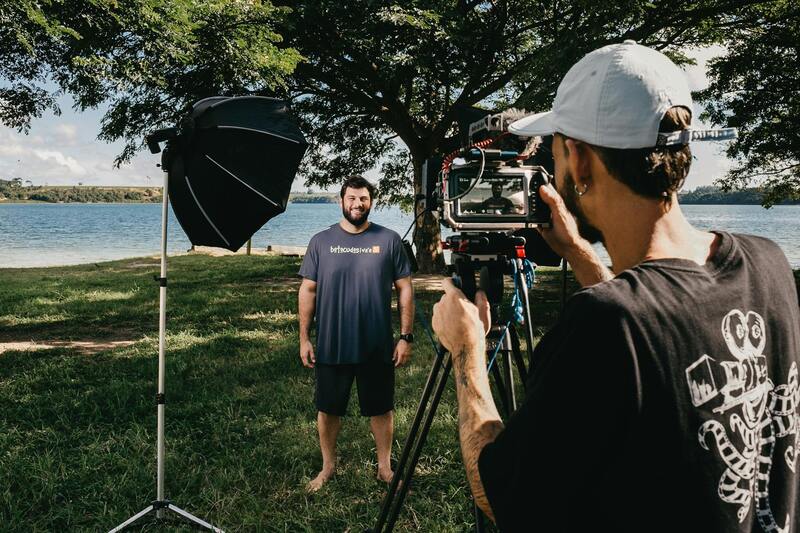
Executing a live streaming event demands meticulous coordination between technical staff and on-site personnel to ensure all aspects run seamlessly. At the core of a successful shoot is the strategic placement of multiple cameras, which allows for dynamic shot composition and comprehensive coverage of the event. This involves selecting camera angles that highlight key moments, sponsor displays, and audience reactions, thereby enriching the viewer experience. Additionally, employing high-definition cameras equipped with professional lenses ensures crisp visuals that meet the expectations of remote viewers accustomed to high-quality streams.
Controlling audio quality is equally essential. Employing professional microphones, audio mixers, and noise-canceling equipment guarantees clear sound capture, as audio complements visual content and sustains viewer engagement. During the shoot, real-time monitoring of audio levels and visual outputs allows technicians to make immediate adjustments, preventing issues such as signal loss or poor sound clarity.
Managing live technical issues is a pivotal component of the production process. Skilled videographers and technical directors monitor the stream’s stability, troubleshoot connectivity problems, and handle equipment failures swiftly to avoid disruptions. This proactive approach minimizes latency, buffering, and pixelation, ensuring a smooth viewing experience. Simple troubleshooting strategies include having backup hardware, redundant internet connections, and pre-established communication channels among team members to address issues promptly.
Maintaining operational flow is achieved through effective coordination among crew members. Clear communication protocols enable rapid responses to technical alerts or on-the-fly content adjustments, such as switching camera feeds, activating graphics overlays, or addressing unexpected content moments. The ability to adapt swiftly under pressure highlights the expertise of a professional live streaming team.
Figures and overlays are integrated into the live feed to enhance visual storytelling and reinforce branding. These graphical elements must be synchronized with the live content to avoid disorienting viewers. Seamless transitions between different camera angles or graphic overlays keep the broadcast polished and professional. It’s crucial to test all equipment and workflows beforehand to identify potential issues and streamline the event execution.
Moreover, the coordination extends to managing audience interaction. Incorporating live polls, Q&A sessions, or social media comments can boost engagement. These interactions should be monitored and integrated smoothly into the live stream without causing delays or technical glitches.
Ultimately, the success of a live stream shoot hinges on meticulous planning, skilled technical execution, and adaptive problem-solving. When executed professionally, it ensures that the broadcast maintains consistent quality, enhances the viewer experience, and effectively delivers the event’s message in real time.
Optimizing the Live Streaming Setup for Maximum Impact
Effective live streaming is rooted in meticulous setup and configuration of the equipment and environment. Ensuring optimal placement of cameras and audio sources significantly enhances the clarity and engagement of the broadcast. High-definition cameras should be positioned to capture key moments from multiple angles, providing viewers with a dynamic visual experience. Simultaneously, audio quality is fundamental; professional-grade microphones and audio mixers are employed to capture clear, balanced sound, minimizing background noise and echo.
Lighting also plays a pivotal role in creating a professional appearance. Proper lighting ensures that subjects are well-lit, reducing shadows and enhancing visual clarity. Depending on the event, a combination of key, fill, and backlighting can be used to achieve a polished look. Testing all technical components prior to the event is essential to identify potential issues and make necessary adjustments, thereby avoiding disruptions during the live broadcast.
Balancing Technical Quality and Viewer Engagement
Beyond equipment, the skills of the videographer and technical team influence the flow and professionalism of the stream. Real-time management involves switching between multiple cameras for varied perspectives, adjusting video settings dynamically, and integrating graphics or overlays that reinforce branding or highlight key information. Smooth transitions between camera feeds contribute to viewer retention, as abrupt changes can be disorienting.
Engagement features like live chat, polls, or Q&A segments can be incorporated seamlessly to foster interaction without compromising stream quality. Implementing these features requires careful coordination, ensuring that they do not introduce lag or technical glitches. Regular communication among the team and thorough rehearsal of these interactive elements help in maintaining a smooth, engaging broadcast.
Ensuring Technical Reliability and Quality Control
The backbone of a successful live streaming event is technical reliability. Redundant systems, such as backup internet connections, emergency power supplies, and secondary streaming devices, safeguard against unforeseen failures. Pre-event testing is critical in identifying potential bottlenecks, such as bandwidth limitations or hardware conflicts. This proactive approach minimizes risks and assures a seamless viewing experience for the audience.
Monitoring tools should be utilized during the event to track stream performance, including signal stability, latency, and viewer metrics. Immediate adjustments can be made if issues arise, ensuring the broadcast remains consistent and professional. Post-event, an analysis of these metrics helps evaluate the success of the stream and guides improvements for future endeavors.
Leveraging Streaming Platforms and Compatibility
Choosing appropriate streaming platforms based on audience size and engagement goals is vital. The selected platform should support multi-camera feeds, high-definition video, and interactive features. Compatibility across devices—from desktops to smartphones—ensures broad accessibility. A professional videographer will ensure that the feed is correctly encoded and streamed at optimal quality, utilizing hardware encoders or reliable streaming software to handle high-resolution content efficiently.
Furthermore, the integration of the streaming feed with social media channels or websites extends reach and visibility. Proper configuration of embedding codes and stream links enhances accessibility, allowing viewers to access the live content smoothly from various outlets without lag or buffering issues.
Understanding Live Streaming Video Production
Live streaming video production is a dynamic facet of modern media, enabling real-time sharing of events, performances, and announcements with audiences across the globe. It involves a complex interplay of planning, technical execution, and post-broadcast analysis to ensure a seamless experience for viewers. Effective live streaming necessitates a deep understanding of video encoding, signal management, and audience engagement strategies. As technology evolves, so does the scope of live streaming, integrating multi-camera setups, interactive overlays, and 4K streaming capabilities to deliver high-quality broadcasts that fully engage viewers.
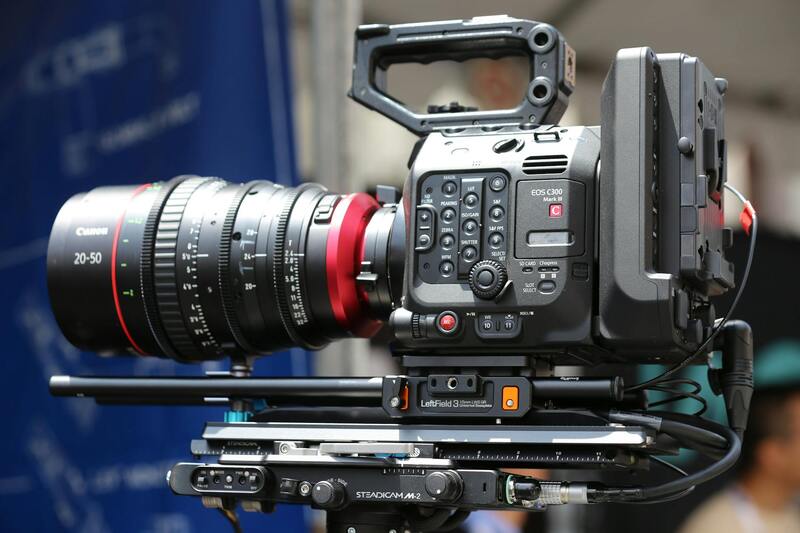
Achieving a professional-grade live stream involves meticulous coordination of various technical components, including cameras, microphones, streaming software, and distribution platforms. The goal is to create a rich, uninterrupted viewing experience that accurately conveys the event’s atmosphere and details. This level of production requires a comprehensive understanding of current broadcasting standards, network infrastructure, and audience behavior analytics. As live streaming continues to embed itself in diverse sectors, from corporate events to entertainment, the importance of clarity, stability, and engagement becomes ever more crucial.
The Role of a Videographer in Live Streaming
The videographer serves as the cornerstone of successful live streaming events. Their primary responsibilities encompass capturing high-resolution footage, managing on-set technical operations, and ensuring optimal camera angles and lighting conditions. Skilled videographers also operate real-time switchers and manage multiple camera feeds to provide dynamic visuals that enhance the storytelling aspect of the broadcast.
Beyond technical proficiency, a live streaming videographer must possess excellent coordination skills to adapt swiftly during the event. They often work closely with directors or event planners to execute the vision effectively. For larger productions, they might operate specialized equipment such as robotic cameras, wireless microphones, or drone cameras, each demanding precise handling and safety protocols. An experienced videographer's ability to troubleshoot on-the-fly, optimize equipment settings, and coordinate with the technical team directly influences the professionalism and viewer engagement level of the broadcast.
Essential Equipment for Live Streaming
- Cameras: High-definition or 4K cameras capable of capturing clear, detailed video footage from multiple angles.
- Microphones: Lavalier, shotgun, or boundary microphones to ensure clear audio capture, crucial for audience engagement.
- Streaming Hardware/Software: Hardware encoders or reliable streaming software that translates live footage into broadcast-quality streams.
- Internet Connectivity: A dedicated, high-bandwidth internet connection with stability and backup options to prevent disruptions.
- Lighting: Professional lighting setups to ensure consistent image quality regardless of venue lighting conditions.
- Mixer Switchers: Video switchers that facilitate seamless transitions between camera feeds and overlays.
- Monitoring Equipment: Multiple monitors for real-time assessment of video and audio quality.
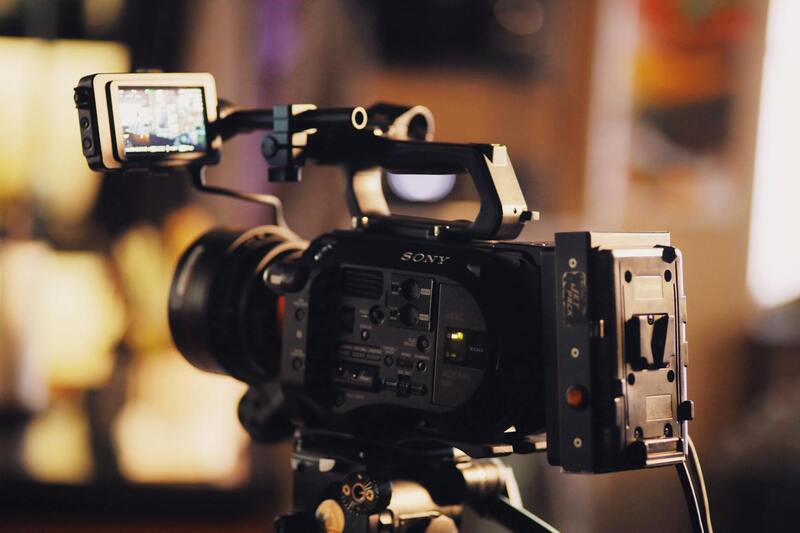
Pre-Production Planning for Live Streaming Events
The success of a live streaming event begins well before the camera starts rolling. Comprehensive pre-production planning involves defining the event's goals, identifying the target audience, and determining the technical requirements to achieve those objectives. It includes selecting appropriate streaming platforms and verifying all equipment functions correctly through rigorous testing.
Key steps include creating a detailed storyboard or shot list, coordinating camera positions, and establishing clear communication channels among the production team. Preparing backup plans for potential technical issues — such as internet outages or equipment failures — mitigates risks and ensures the event proceeds without major disruptions. Additionally, pre-event rehearsals allow the team to familiarize themselves with the filming environment and troubleshoot any unforeseen issues.
Conducting a Live Stream Shoot
During the live event, emphasis should be placed on maintaining technical stability, high-quality visuals, and engaging content delivery. The videographer and technical crew monitor the feed constantly, adjusting camera angles, lighting, and audio as needed. Efficient use of multi-camera setups allows for dynamic shots, keeping viewers interested and emphasizing key moments.
Effective communication between the director, videographer, and other crew members is essential. The director provides real-time instructions for camera switching, graphics overlays, and audio mixing to produce a polished broadcast. During the event, quick troubleshooting for issues like audio feedback, signal lag, or equipment glitches is vital for a smooth stream. Employing redundancy systems, such as backup internet connections and additional hardware, minimizes the risk of unexpected interruptions.
Apart from technical aspects, managing the live chat and viewer interaction (if applicable) enhances audience participation and retention. Preparing promotional materials and on-screen graphics in advance can also enrich the viewing experience, making the stream not just informative but visually compelling.
Enhancing Stream Quality with Professional Post-Production and Analytics
Once the live streaming event concludes, the work of a skilled videographer extends into meticulous post-production processes. This stage involves reviewing the recorded footage to identify moments that can be repurposed for promotional content, highlights, or future marketing campaigns. By editing the footage professionally, the final product can be optimized for different platforms, ensuring consistency and high visual appeal. Color correction, audio refinement, and adding graphics or overlays are integral to creating a polished broadcast that aligns with the brand or event goals.
In addition to editing, stream analysis plays a critical role in improving future productions. Comprehensive review of viewer metrics, including engagement levels, peak viewership times, and interactive behaviors, offers valuable insights. Advanced analytics tools can track viewing patterns, device preferences, and geographic data to better tailor upcoming live streams. Analyzing chat interactions and feedback may also reveal audience interests and areas for content enhancement, fostering deeper engagement in subsequent broadcasts.
Effective post-event evaluation ensures that a live streaming project not only delivers a seamless experience during the event but also builds a foundation for continuous improvement. Regularly reviewing performance metrics, troubleshooting issues, and adopting new strategies based on analytics feedback contribute to increased credibility and viewer loyalty. For organizations aiming to maintain a competitive edge in Miami's evolving digital landscape, investing in professional post-production services and analytical tools is a strategic move toward optimized live streaming outcomes.
Choosing a Miami-based production agency like Miami Video Company enables clients to benefit from local expertise, cutting-edge technology, and tailored strategies aligned with regional audience preferences. These agencies often provide comprehensive packages that include pre-event planning, live management, and post-production services, creating a seamless experience from start to finish. Their familiarity with Miami's unique event landscape and technical infrastructure allows for more reliable and customized live streaming solutions.
Partnering with an experienced team also means access to industry best practices, including comprehensive pre-event rehearsals, advanced redundancy systems, and post-event analytics. This collaboration ensures that every aspect of the live streaming process is handled professionally, maximizing the reach and impact of each event. For businesses, event organizers, or content creators in Miami seeking to elevate their digital presence, engaging a reputable local agency is an investment that yields measurable results in audience engagement and brand visibility.