Understanding Live Streaming Productions
Live streaming productions have transformed the way organizations and individuals broadcast events to audiences across the globe. Unlike traditional broadcasting methods that rely on recorded footage and scheduled airings, live streaming involves transmitting real-time video and audio content via the internet. This method provides immediacy, accessibility, and versatility that are crucial for engaging modern audiences.
At its core, live streaming productions comprise several key components that work seamlessly together to deliver high-quality live content:
- Capture Equipment: Cameras, microphones, and mixers that record and capture audio-visual inputs with clarity and precision.
- Encoding Hardware and Software: Devices and applications that convert raw video and audio signals into a digital format suitable for internet transmission.
- Transmission Platform: Reliable streaming servers and content delivery networks (CDNs) that distribute the live feed to viewers in real-time.
- Viewing Interface: Web-based players or apps through which audiences access the live stream smoothly on their devices.
Unlike traditional broadcasting, which often relies on broadcast towers and scheduled programming, live streaming leverages the internet’s infrastructure to reach a broad, geographically dispersed audience instantaneously. This flexibility allows for interactive elements, instant feedback, and customization based on viewer engagement.
The evolution of internet bandwidth and streaming protocols has significantly enhanced the quality and reliability of live streaming productions. High-definition video, multi-camera angles, and real-time graphics now can be incorporated into live streams, elevating the production value and viewer experience. This technology adaptation is particularly impactful for event organizers in Miami, where dynamic and engaging live content attracts diverse audiences and maximizes event turnout.
Understanding the distinction between live streaming and traditional event broadcasting is essential for anyone looking to leverage this technology effectively. Live streaming allows for immediate audience engagement and broad reach, often with lower costs and greater flexibility than conventional methods. It opens up new opportunities for interactive experiences, sponsorship branding, and analytics to measure viewer engagement—all crucial elements for modern event strategies.
In summary, live streaming productions involve a sophisticated integration of hardware, software, and internet resources to deliver high-quality, real-time content. Their capacity to connect us instantly to events anywhere in the world makes them indispensable in today’s digital landscape, especially in vibrant markets like Miami, where innovative communication methods are highly valued.
Key Equipment and Technology Used in Live Streaming Productions
Executing a high-quality live streaming production relies heavily on the selection and integration of the right equipment and technology. The foundation of any successful broadcast begins with robust, professional-grade hardware combined with advanced software solutions. This ensures seamless transmission, high-definition video quality, and smooth viewer experiences.
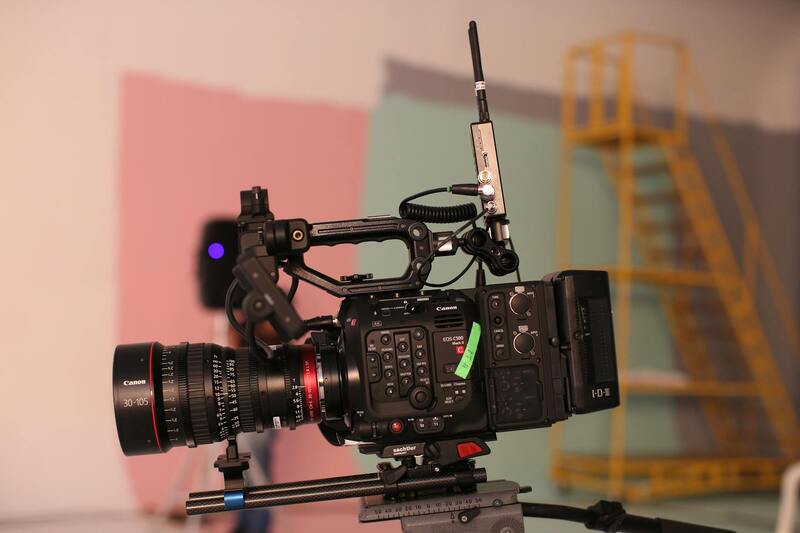
At the core of live streaming setups are professional cameras, which serve as the primary source of video input. These range from high-end broadcast cameras capable of capturing 4K resolution to more portable options for on-the-go shoots. Multi-camera configurations often utilized in live events are managed through video switchers, allowing for dynamic angles and real-time scene changes that enhance viewer engagement.
In addition to cameras, audio quality is critical. High-fidelity microphones and audio mixers are employed to capture clear sound, which is vital for maintaining professional production standards. Audio processing tools help eliminate background noise and balance levels across different sources.
Stream encoding hardware and software are vital for converting high-quality video signals into digital formats compatible with streaming platforms. Hardware encoders provide a stable, dedicated solution for high-bitrate streams, while software encoders such as OBS or vMix offer flexibility and are widely used for their versatility and cost-effectiveness.
Reliable internet connectivity is fundamental. Live streaming productions in Miami often utilize bonded internet connections, fiber optic lines, and backup solutions to prevent interruptions. The implementation of Content Delivery Networks (CDNs) further ensures efficient content distribution to large audiences worldwide, minimizing latency and buffering issues.
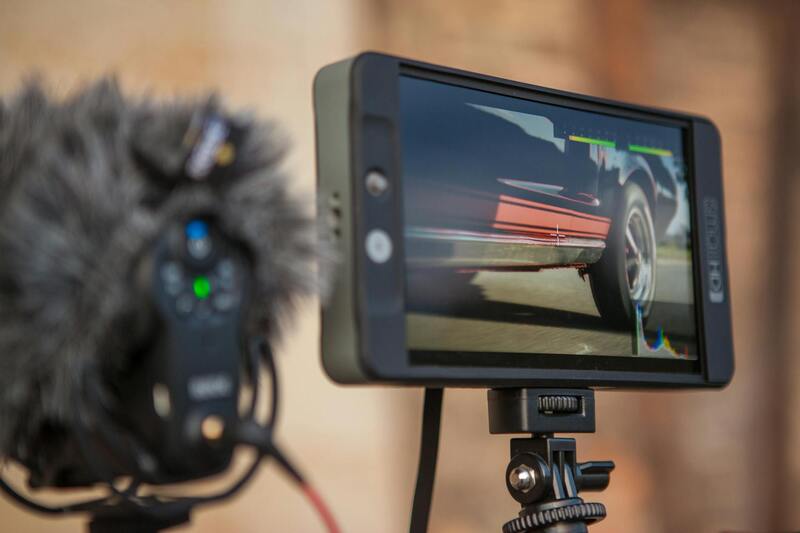
Graphics systems and overlays add professionalism and brand consistency to live streams. These include lower thirds, logos, real-time captions, and other visual enhancements. Additionally, live production control rooms often utilize multi-viewer monitors for real-time management of camera feeds, graphics, and audio sources.
Emerging technologies such as IP-based cameras, live streaming drones, and virtual/studio set integrations are gaining popularity, offering increased flexibility and creative possibilities in live productions. These tools enable a more immersive and engaging viewing experience, especially for large-scale events or broadcasts requiring unique perspectives.
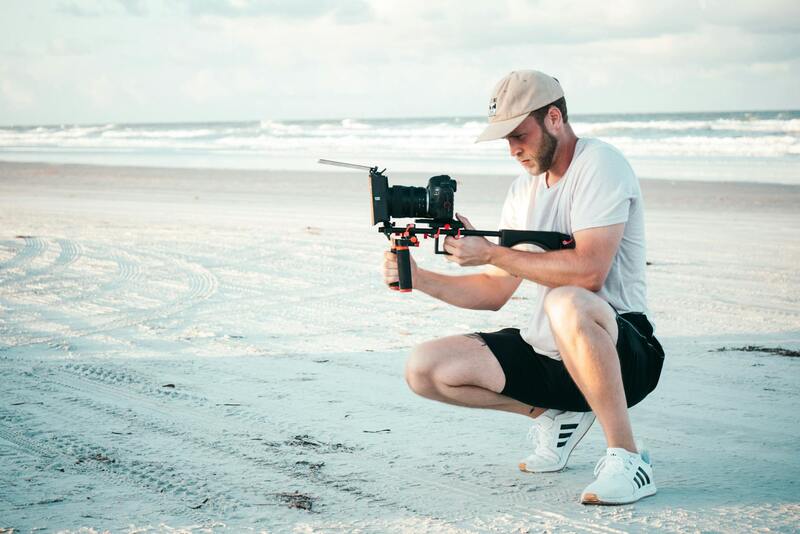
Investment in reliable, cutting-edge equipment paired with specialized software solutions ensures that Miami-based producers can deliver content that meets the high standards expected by viewers and clients. The continuous evolution of streaming tools and infrastructure supports the growing demand for innovative, compelling live content across industries, from entertainment and sports to corporate communications and education.
Key equipment and technology used in live streaming productions
Executing a seamless live streaming production requires a combination of robust hardware and sophisticated software solutions. Essential hardware components include professional-grade cameras that capture high-definition video, ensuring clarity and detail for viewers. These cameras are often connected via SDI or HDMI interfaces to switchers or encoders, enabling real-time management of multiple video feeds and special effects. High-performance video switchers allow producers to transition smoothly between camera angles, incorporate graphics, and add effects that enhance storytelling and viewer engagement.
Encoding technology is critical for converting high-quality video signals into optimized streaming formats compatible with various platforms. Hardware encoders provide reliable, low-latency streams vital for maintaining broadcast quality, especially during complex multi-camera setups. Software encoders, on the other hand, offer flexibility for smaller productions, integrating features such as overlays, picture-in-picture, and audio mixing. Both options are designed to prioritize low latency, minimal buffering, and compatibility with content delivery networks (CDNs).
Streaming platforms or servers serve as the backbone that distributes your live content to global audiences. These platforms facilitate real-time broadcasting, analytics, and viewer interaction features. Integration with content management systems ensures efficient content scheduling, monetization, and the handling of multiple streaming endpoints. Filming and broadcasting in high-definition demands state-of-the-art transmission equipment, including fiber optic internet lines or bonded internet solutions, which guarantee stable, high-bandwidth connectivity.
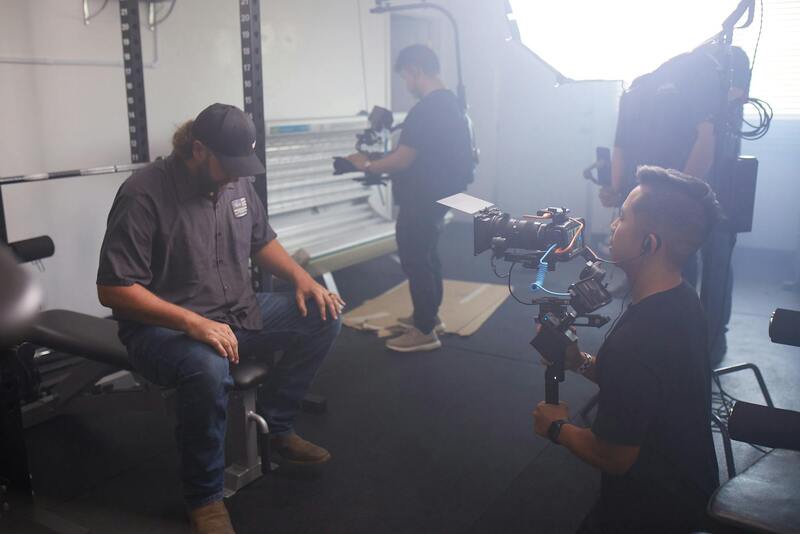
Beyond hardware, comprehensive software solutions support every stage of the live streaming process. These include advanced control room software that manages audio mixing, graphics integration, and real-time monitoring of multiple feeds — crucial for maintaining broadcast quality and consistency. Cloud-based production tools are increasingly popular, allowing remote management and scalability, which reduces on-site hardware dependence and adds flexibility to live production workflows.
Implementing virtual studio environments and augmented reality overlays can elevate the visual presentation of live events, creating engaging experiences that captivate viewers. Additionally, IP-based cameras enable remote filming and point-of-view shots, expanding creative possibilities without additional physical equipment. As technology continues to evolve, innovations such as 4K and 8K resolution streaming, 360-degree cameras, and live interactive features are shaping the future of high-impact live productions.
Technical Setup and Execution During Live Streaming Events
Executing a professional live streaming event requires meticulous coordination of multiple technical components to ensure seamless delivery. Prior to the event, a detailed technical plan is developed, identifying ideal camera placements, encoding solutions, internet bandwidth requirements, and backup systems. During the broadcast, a dedicated production team monitors all equipment and feeds in real-time, ready to troubleshoot or adjust as needed.
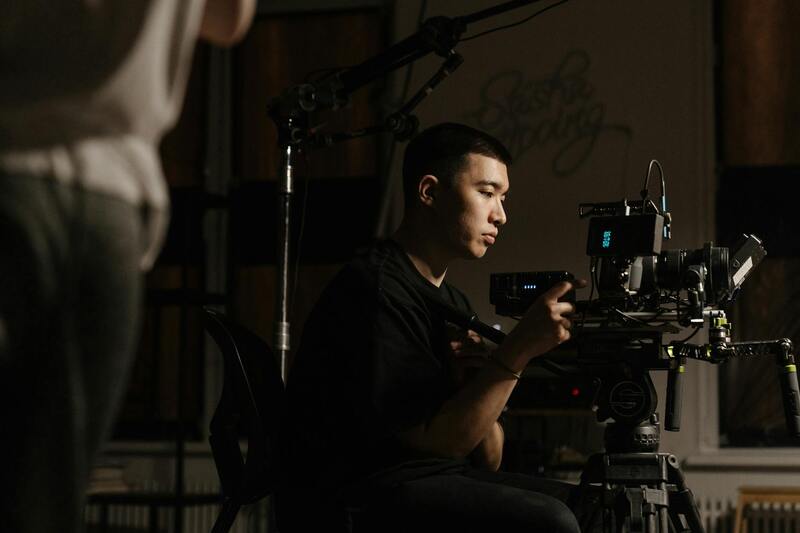
Key to successful execution is the use of multi-camera setups, enabling dynamic shots and engaging visuals. The director and technical crew utilize live switchers to transition smoothly between camera angles, integrate graphics, and manage overlays that enhance viewer experience without causing distractions. Audio quality is equally critical; professional mixers combine multiple sound sources, including microphones and media files, maintaining clarity and balance throughout the event.
Connectivity stability is vital for uninterrupted streaming. Bonded internet solutions and redundant internet connections act as safeguards against potential outages. Network monitoring tools track bandwidth usage and stream quality in real-time, allowing operators to make swift adjustments. The use of latency management software ensures synchronization between audio and video feeds, preventing lag or desynchronization that could impact viewer engagement.
In addition, comprehensive control room software consolidates all technical functions into an intuitive interface, guiding the team through each stage of the stream. This software enables real-time analytics, facilitating immediate insights into viewer engagement and stream health. The implementation of augmented reality overlays and virtual environments can be integrated seamlessly at this stage, adding visual flair and interactivity.
Throughout the broadcast, live feedback from viewers can be managed through chat moderation tools, polls, or interactive elements. This real-time audience interaction fosters a sense of community and encourages active participation. Post-event, data collected during the broadcast—such as viewer count, engagement metrics, and technical performance—provides a comprehensive understanding of the event’s impact and areas for improvement.
Employing these industry-leading practices and technologies is essential for producing live streaming events that not only meet professional standards but also deliver captivating and reliable viewing experiences that resonate with audiences.
Advanced Techniques and Best Practices in Live Streaming Productions
Executing a high-quality live streaming production requires meticulous attention to detail and the integration of advanced techniques that ensure a seamless viewing experience. One of the core elements is the use of multi-camera setups, which allow producers to capture different angles and perspectives, creating a dynamic and engaging broadcast. Multiple camera feeds are managed through a video switcher, which enables smooth transitions, picture-in-picture effects, and overlays that enhance visual storytelling.
Audio quality is equally important. Industry-grade microphones, audio mixers, and real-time audio processing ensure that sound remains clear and synchronized with the video feed. Proper audio mixing balances speech, background music, and environmental sounds, while noise reduction tools eliminate unwanted noise, providing viewers with an immersive experience.
The integration of on-screen graphics, lower thirds, and event branding plays a vital role in professional live streaming. These visuals are usually managed through dedicated software that allows for real-time updates, ensuring branding consistency throughout the broadcast. Additionally, incorporating interactive elements such as live polls, Q&A sessions, or chat engagement can significantly elevate viewer participation and satisfaction.
Another essential aspect is the implementation of robust encoding hardware and software that compresses and transmits the video data efficiently. This ensures high-quality streams with minimal latency, even over networks with variable bandwidths. CDN (Content Delivery Network) deployment distributes the stream across multiple servers globally, reducing buffering and latency issues, providing viewers with a smooth experience regardless of their location.
Technical teams must continuously monitor stream health throughout the event. Real-time analytics dashboards provide insights into viewer engagement, stream stability, and performance metrics. Immediate troubleshooting capabilities allow for swift mitigation of any technical issues, maintaining broadcast integrity and viewer trust.
Ensuring Security and Compliance in Live Streaming Productions
Security remains a critical focus in live streaming productions. Implementing encryption protocols for data transmission protects the content from unauthorized access or piracy. Secure login procedures and access controls limit the number of individuals managing or viewing the stream, reducing the risk of breaches.
Adhering to content compliance guidelines ensures that all broadcast material conforms to regional regulations and industry standards. This includes proper licensing of music, images, and video clips, as well as ensuring that sensitive or proprietary content is appropriately protected and shared within authorized channels.
Innovative Technologies Shaping the Future of Live Streaming
Emerging advancements such as 4K and 8K Ultra HD streaming offer unparalleled clarity and detail, enriching the viewer experience. Augmented reality (AR) and virtual reality (VR) integrations elevate live events by providing immersive environments that can be experienced remotely.
Artificial intelligence (AI) and machine learning are increasingly utilized for real-time content enhancement, such as automatic scene switching, facial recognition for personalized interactions, and intelligent captioning services. 5G connectivity is also revolutionizing live streaming by enabling higher bandwidths and lower latency, supporting more intricate and data-heavy broadcasts without interruption.
Adoption of cloud-based live streaming platforms allows for scalable, flexible production workflows that can adapt to the changing demands of large or complex events. These platforms facilitate remote coordination, multi-source integration, and real-time data analytics, all within secure environments.
As technology continues to evolve, staying ahead involves not only embracing new tools but also maintaining a focus on quality, security, and audience engagement. Professional live streaming production companies dedicated to these standards can ensure that events are polished, secure, and impactful, delivering impressive results regardless of scale or scope.
Technical Setup and Equipment for Live Streaming Productions
Executing a seamless live streaming event relies heavily on deploying the right technological tools and equipment. High-quality video cameras are the backbone, capturing the event with clarity and precision. Professional-grade camcorders and switchers allow for multi-camera setups, facilitating dynamic shots and smooth transitions that enhance viewer engagement. These devices should be capable of streaming in various resolutions, including 4K or higher, to meet the demands of modern audiences who expect crisp and detailed visuals.
Audio quality plays an equally vital role. Lavalier microphones, shotgun mics, and mixers are used to ensure clear sound capture regardless of venue size or ambient noise. Clear audio not only elevates the production value but also minimizes viewer distractions caused by audio inconsistencies.
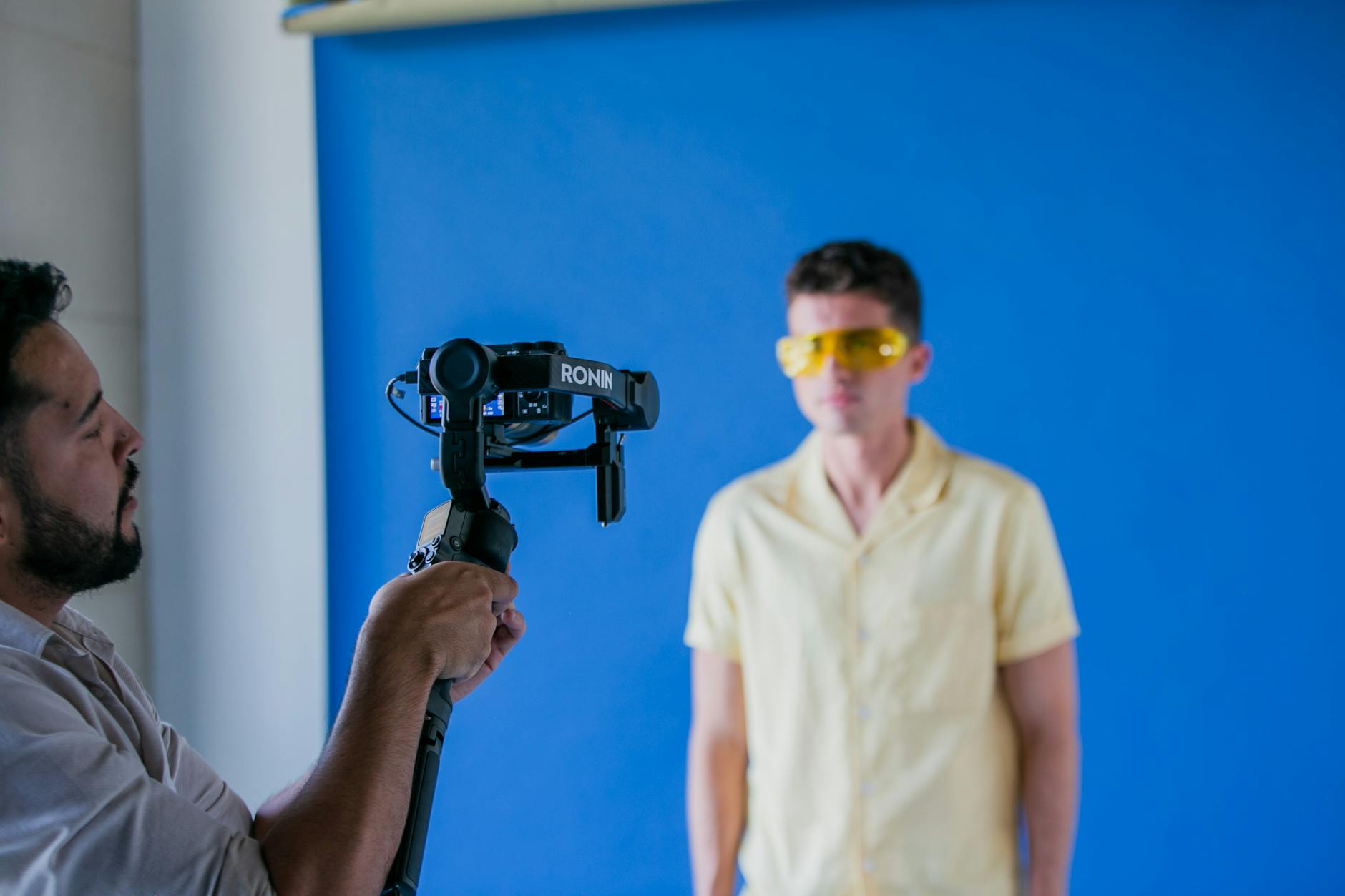
Connectivity and Streaming Platforms
Stable and robust internet connectivity is crucial for uninterrupted live streaming. Professional producers often pair fiber-optic connections with redundant systems to prevent disruptions due to network issues. Additionally, the use of encoders—hardware or software solutions—translates raw video feeds into streaming-compatible formats, ensuring low latency and high fidelity.
Choosing the right streaming platform is essential for content delivery. Platforms supporting adaptive streaming technology automatically adjust video quality based on the viewer's bandwidth, maintaining a smooth experience across different devices and connection speeds. These platforms often include integrated tools for chat, analytics, and audience engagement, making them indispensable for comprehensive live streaming solutions.
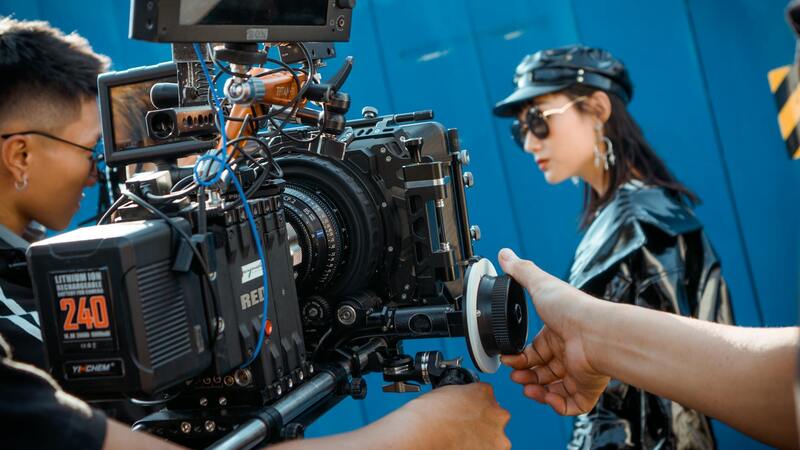
Production Control and Monitoring Tools
To oversee a live broadcast effectively, production teams utilize control panels and monitoring software. These tools enable real-time switching between cameras, overlays, and graphics, ensuring a professional presentation. Multiview monitors allow producers and technicians to supervise multiple feeds simultaneously, addressing any issues promptly to avoid broadcast downtime.
Streaming analytics tools provide real-time data on viewer engagement, geographic distribution, and stream quality. This information is invaluable for making immediate adjustments and for planning future broadcasts, ensuring content resonates with the target audience and maintains high standards of quality.
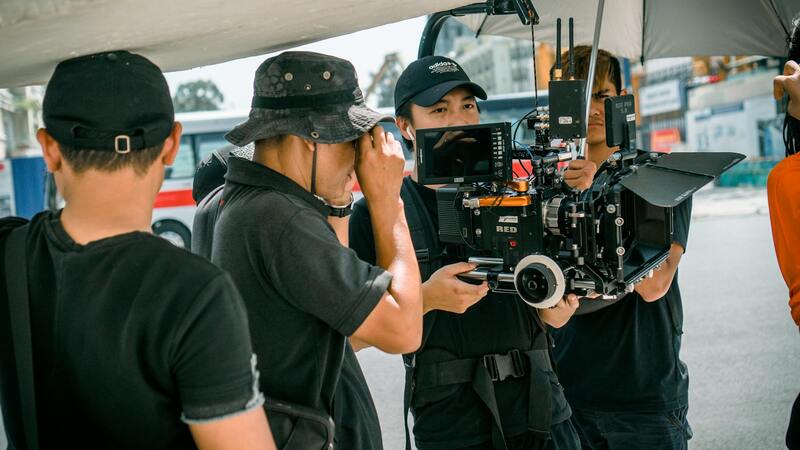
Post-Production and Content Optimization
After a live streaming event, meticulous editing and content review help maximize the value of the recorded footage. Post-production editing can involve cleaning up audio and video, adding graphics or subtitles, and creating highlight reels for promotional purposes. Analyzing viewer engagement data also helps identify which moments resonated most, informing the content strategy for future streams.
Leveraging audience analytics enables organizers to tailor content more effectively, fostering higher engagement rates in subsequent events. Additionally, storing recordings in a secure, organized manner facilitates easy access for repurposing content or conducting thorough reviews.
Choosing a Miami-based live streaming production partner
Selecting the right partner for live streaming productions in Miami requires careful consideration of several critical factors to ensure the success of your event. An experienced local production team can provide specialized knowledge of the area's infrastructure and audience preferences, which significantly enhances the overall quality of the broadcast.
One of the primary considerations is the company’s portfolio of previous work. Reviewing their past projects offers insights into their technical capabilities, creativity, and ability to handle various types of events, from corporate conferences to large-scale festivals. Additionally, examining client testimonials and references can shed light on their professionalism, reliability, and customer satisfaction levels.
Technological expertise and equipment
It is essential to verify whether the production partner employs state-of-the-art equipment and up-to-date streaming technology. This includes 4K cameras, professional audio systems, and robust encoders capable of delivering high-quality streams without interruptions. The integration of multi-camera setups, graphics, and real-time overlays is crucial for a polished live presentation.
Experience with different event formats
A proficient Miami-based production team should have a proven track record of managing a variety of event types. Whether it’s a live concert, corporate webinar, or sports event, their versatility ensures they can adapt to your specific requirements while maintaining seamless production flow.
Support and technical assistance
Reliable on-site and remote support during your event minimizes risks associated with technical issues. The production partner must offer comprehensive pre-event testing, real-time troubleshooting, and post-event support to guarantee broadcast integrity and smooth execution.
Pricing and packages
Clear, detailed pricing structures help in aligning your budget with your production needs. Request comprehensive proposals that outline deliverables, equipment specifications, and service timelines to avoid unforeseen costs. An established Miami-based firm typically offers scalable packages tailored to different event sizes and complexity.
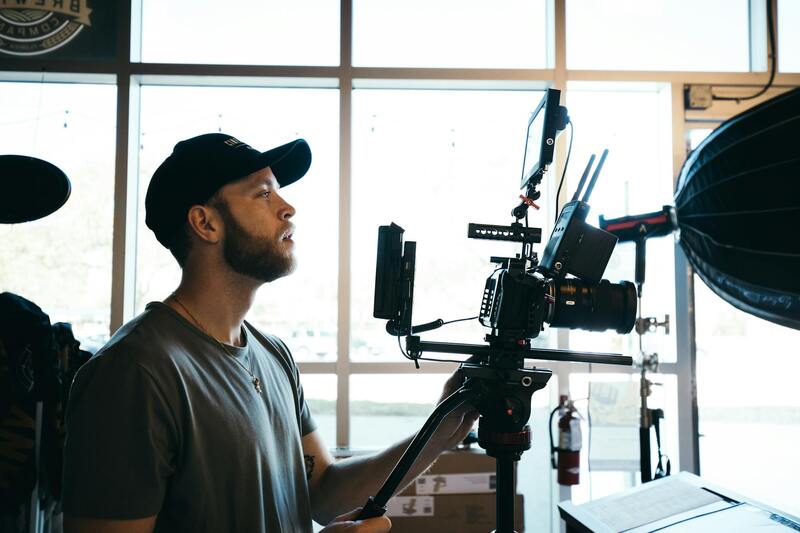
Collaborating with a local live streaming production company in Miami equips you with a team experienced in navigating regional technical infrastructure and audience expectations. This local knowledge enhances communication, flexibility, and responsiveness, critical for the flawless execution of your event.
Understanding live streaming productions
Live streaming productions involve the real-time broadcasting of events through digital platforms, allowing audiences to view live content from any location with internet access. This process combines advanced video capture, encoding, and transmission technologies to deliver high-quality streams that engage viewers instantly. Successful live streaming requires meticulous planning, skilled technical execution, and the integration of various multimedia elements such as graphics, overlays, and multi-camera angles. Understanding the intricacies of live streaming productions is essential for organizations aiming to maximize viewer engagement, expand their reach, and deliver dynamic content that resonates with their target audiences.
Benefits of live streaming for events in Miami
Harnessing live streaming in Miami offers numerous advantages, including increased accessibility for local and international audiences. By broadcasting events live, organizations can foster greater engagement, as viewers can participate in real time through comments and interactions. This immediacy enhances the overall experience, making events more immersive and memorable. Additionally, live streaming reduces logistics and venue constraints, allowing for larger audiences without spatial limitations. In a vibrant city like Miami, where diverse events ranging from corporate conferences to cultural festivals take place, live streaming amplifies exposure and offers a cost-effective alternative to physical attendance.
Key equipment and technology used in live streaming productions
- High-definition cameras to ensure crisp, clear visuals.
- Video encoders for converting live footage into streamable formats.
- Audio equipment such as microphones and mixers for pristine sound quality.
- Streaming platforms or content delivery networks (CDNs) for stable distribution.
- Graphical overlays and animation software for branding and visual enhancements.
- Networking infrastructure capable of handling high bandwidth to prevent latency or buffering issues.
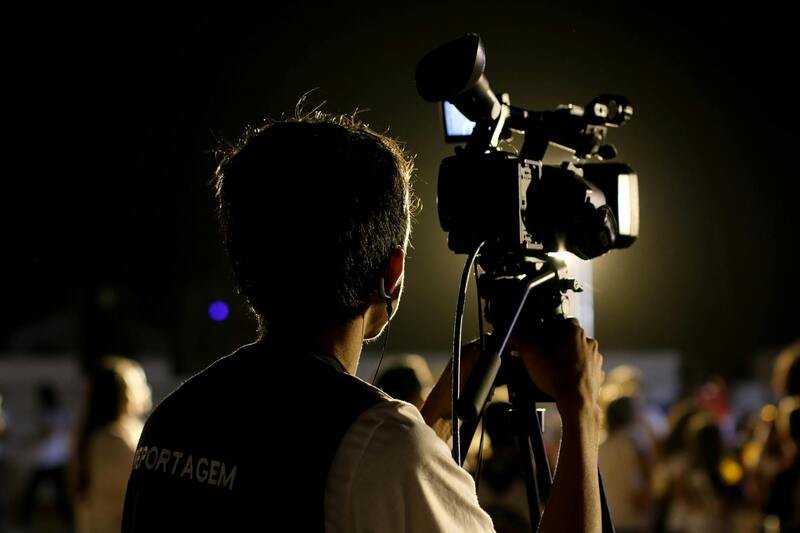
- Multi-camera switching systems for dynamic shots and angles.
Planning and pre-production for live streaming events
Effective live streaming begins with comprehensive planning. This includes defining the event’s objectives, target audience, and key messaging. A detailed production schedule should be crafted, encompassing pre-event rehearsals, equipment setup, and contingency plans. Pre-production also involves assessing technical requirements, securing necessary permissions, and coordinating with stakeholders such as speakers, performers, or presenters. Content preparation is equally critical, focusing on script development, graphics, branding elements, and camera angles. Conducting test runs ensures all systems are synchronized and performance is seamless, reducing the risk of unexpected issues during the live event.
Execution of live streaming events
During the event, the production team manages the technical aspects, ensuring smooth operation of all equipment and synchronization of various elements. Multi-camera setups are controlled by skilled operators who switch between angles to maintain visual interest. Real-time overlays, graphics, and captions are incorporated as needed to enhance clarity and engagement. Continuous monitoring of audio and video feeds allows for immediate troubleshooting if technical glitches arise. Effective communication among team members ensures the timing and transitions are seamless, while backup plans are in place to counter any unforeseen problems. Interaction with the online audience through chat or social media integration can further boost engagement during the live stream.
Post-production and analytics
After the live event concludes, post-production activities involve editing recorded footage to create highlight reels or edited versions for on-demand viewing. Gathering analytics data, such as viewer counts, engagement metrics, and geographic distribution, helps evaluate the success of the broadcast. These insights inform future streaming strategies by highlighting audience preferences and technical performance. Additionally, sharing recorded content across various channels expands the lifespan of the event, reaching a wider demographic and creating ongoing engagement opportunities.
Choosing a Miami-based live streaming production partner
Partnering with a local Miami-based live streaming production company provides access to a team experienced with regional technical infrastructure and audience behaviors. When selecting a provider, consider their portfolio of past events, technological capabilities, and ability to adapt to different event formats. It's essential to assess their support offerings, including pre-event testing, on-site assistance, and post-event analytics. Transparent pricing, flexible packages, and clear communication ensure that the collaboration aligns with your event objectives and budget. A dedicated local partner understands the nuances of Miami’s diverse audience and can tailor content delivery accordingly, ensuring your live stream reaches and resonates with your target viewers effectively.