
Overview of Live Streaming Production Studios
Live streaming production studios have become an essential component in the world of digital media, enabling high-quality, real-time broadcasting across various platforms. These studios are specialized facilities equipped with advanced technology designed to capture, produce, and transmit live content seamlessly to audiences around the globe. In Miami—a vibrant hub for media, entertainment, and corporate events—such studios serve a diverse array of clients, from local businesses and event organizers to national media outlets.
At their core, live streaming production studios integrate a combination of technical equipment and skilled personnel to ensure smooth, professional broadcasts. They facilitate real-time interaction, audience engagement, and instant content delivery, which are vital for marketing campaigns, conferences, sporting events, concerts, and other live events. The significance of these studios in Miami's dynamic media landscape cannot be overstated, providing a reliable venue for producing compelling content that reaches wide and diverse audiences.
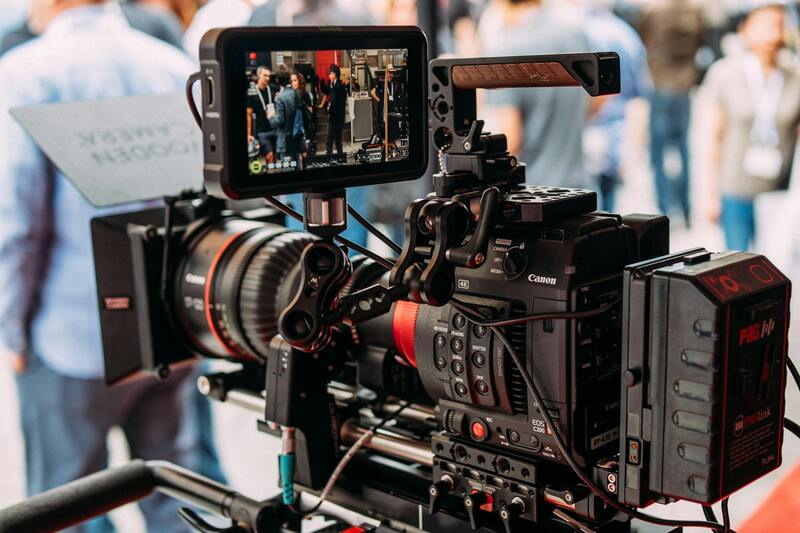
Furthermore, the growing demand for live streaming content underscores the importance of professional studios capable of managing complex production workflows. A well-equipped live streaming studio reduces technical disruptions, enhances visual and audio quality, and ensures synchronized delivery across multiple channels. For Miami agencies aiming to elevate their content production, investing in a dedicated live streaming studio provides the necessary infrastructure to meet modern broadcasting standards efficiently.
Core Equipment and Technology
To produce seamless live broadcasts, studios rely on an array of sophisticated equipment. Essential components include high-definition cameras, professional switchers, audio mixers, and encoders, all integrated into a cohesive system. Reliable internet connectivity and backup systems are crucial to prevent interruptions, especially in high-stakes environments such as live corporate events or large-scale performances.
Additional tools such as graphics generators, video playback servers, and multiple monitor setups allow producers to enhance visual engagement and coordinate real-time content updates. Technologies like IP streaming protocols and cloud-based management platforms facilitate multi-channel distribution and remote control, broadening the reach of live content beyond traditional boundaries.
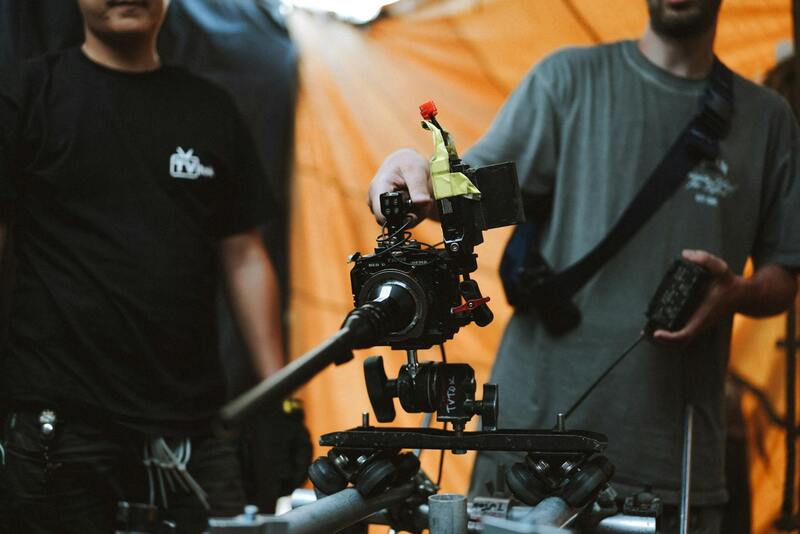
Utilizing the latest advancements in streaming hardware and software allows Miami-based studios to maintain a competitive edge. It ensures that live broadcasts are delivered with minimal latency, maximum clarity, and robust security, accommodating the increasing demand for high-definition, interactive streaming experiences.
Studio Design and Layout
The design of a live streaming studio plays a vital role in its efficiency and production quality. A well-planned layout minimizes logistical challenges and optimizes workflow. Typically, studios feature an ergonomic control room, multi-camera shooting areas, and dedicated spaces for audio mixing and graphics insertion.
Soundproofing, lighting control, and flexible staging are critical considerations in studio design. High ceilings, adjustable lighting fixtures, and versatile backdrops enable customization for different types of content, from corporate webinars to entertainment shows. The arrangement fosters a smooth flow of operations, allowing technical staff and presenters to collaborate seamlessly without unnecessary delays.
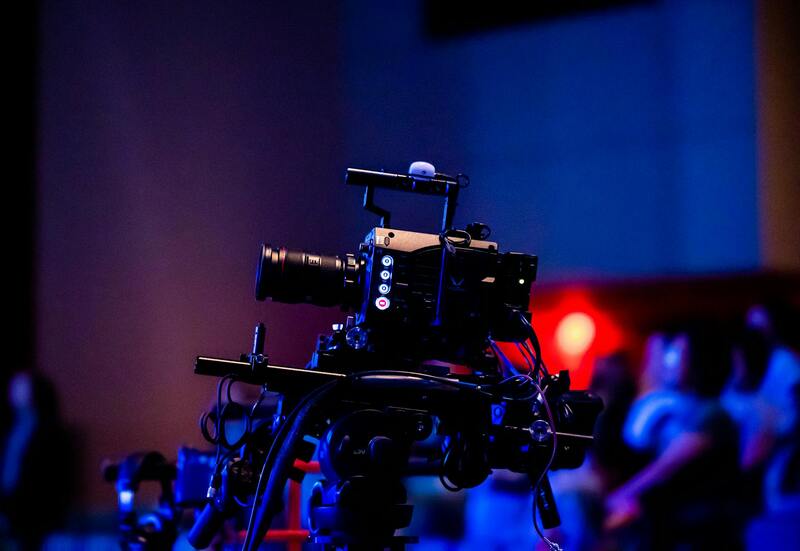
Proper acoustic treatments and lighting control also contribute to professional-grade visuals and sound, essential for engaging viewers. The integration of modular components ensures flexibility, accommodating future technological upgrades or changing production needs.
Core Equipment and Technology
Establishing high-quality live streaming production studios hinges on utilizing state-of-the-art hardware and software solutions. Central to any professional setup are high-definition cameras capable of capturing crisp, detailed visuals under various lighting conditions. These cameras often come with remote control functionalities, enabling operators to adjust focus, zoom, and exposure seamlessly during live broadcasts. Complementing cameras are video switchers, which allow producers to switch between multiple video feeds, add graphics, and overlay live content without disrupting the flow of the broadcast.
Pairing hardware with robust streaming platforms ensures real-time delivery of content with minimal latency. Such platforms often incorporate adaptive bitrate streaming to optimize viewing experiences across diverse internet connections. Additionally, encoders—hardware or software solutions that compress and prepare video signals for streaming—play a vital role in maintaining video quality while managing bandwidth constraints.
Audio quality is another pillar of professional live streams. High-fidelity microphones and audio processors are used to capture clear sound, while digital audio mixers enable precise control over audio levels, mixing multiple sources, and applying real-time enhancements such as noise reduction or EQ adjustments.
Moreover, the advent of IP-based infrastructure has transformed live streaming by enabling high-speed data transfer over Ethernet networks, reducing latency and improving reliability. Network switches and firewalls are configured to prioritize streaming traffic, ensuring uninterrupted broadcast flow.
In terms of software, control systems for video switching, graphics insertion, and real-time monitoring are integrated into comprehensive production suites. These platforms often feature user-friendly interfaces to allow operators to manage complex production workflows efficiently. Advanced features such as multi-view monitoring, automated cueing, and integration with social media channels further enhance the quality and reach of live broadcasts.
r>
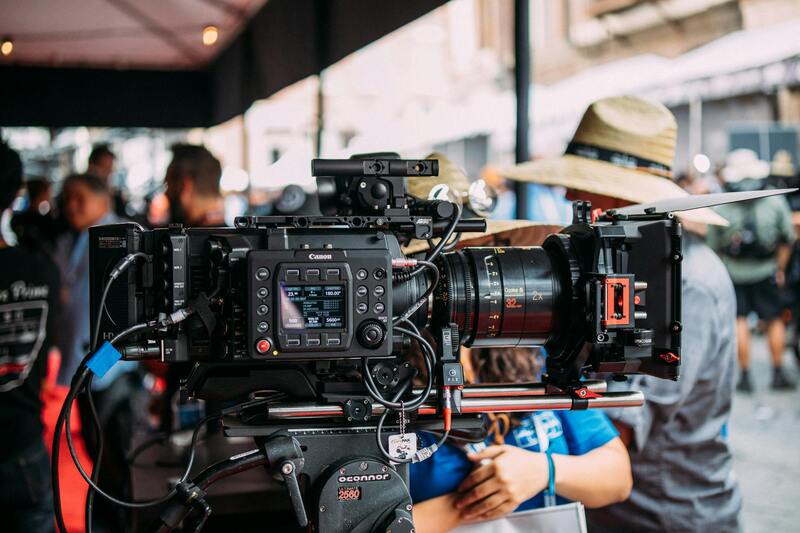
Overview of Live Streaming Production Studios
Live streaming production studios are sophisticated environments engineered to deliver seamless, high-quality broadcast content to diverse audiences. These studios serve as the backbone for various digital events, including corporate webinars, live concerts, educational seminars, and entertainment broadcasts. They are designed with precision to integrate a multitude of hardware and software components, ensuring the smooth execution of complex production workflows. In the context of Miami’s vibrant media scene, these studios combine cutting-edge technology with strategic spatial planning to meet the demands of dynamic live content delivery.
Key features of a professional live streaming production studio include a well-organized control room, a soundproofed environment, and a layout optimized for different production needs. Upon entering the studio, each element—from camera setups to audio processing stations—is strategically positioned to facilitate efficient workflows. Multiple workstations enable simultaneous management of video feeds, audio mixing, graphic insertion, and live switching. This ensures that live broadcasts are visually appealing, acoustically clear, and technically reliable, even during complex multi-camera productions.

These studios are also equipped with scalable infrastructure to accommodate various production sizes. From small-scale local events to large-scale international broadcasts, the flexibility of these environments allows seamless adaptation. The integration of IP-based networking solutions further enhances workflow efficiency, allowing faster data transfer, lower latency, and improved synchronization of audio-visual elements. Such technological robustness is critical in delivering real-time content that maintains high fidelity and viewer engagement across multiple platforms.
Core Equipment and Technology
Understanding the core equipment within a live streaming production studio is essential for appreciating how these environments operate at maximum efficiency. The backbone often comprises high-definition cameras capable of capturing 4K and higher resolutions, ensuring crisp, detailed visuals. Video switchers or video mixers enable the seamless transition between different camera feeds, overlays, and pre-recorded segments. These devices make it possible to create dynamic live content, incorporating multiple angles and visual effects.
Audio equipment is equally vital. Professional microphones, such as lavaliers, shotguns, and condensers, capture clear sound, while digital audio mixers allow operators to control levels meticulously. Audio effects and noise reduction features are integrated within these mixers to ensure pristine sound quality. Combining these audio assets with high-fidelity loudspeakers and monitoring systems guarantees a balanced listening experience for both production staff and live audiences.
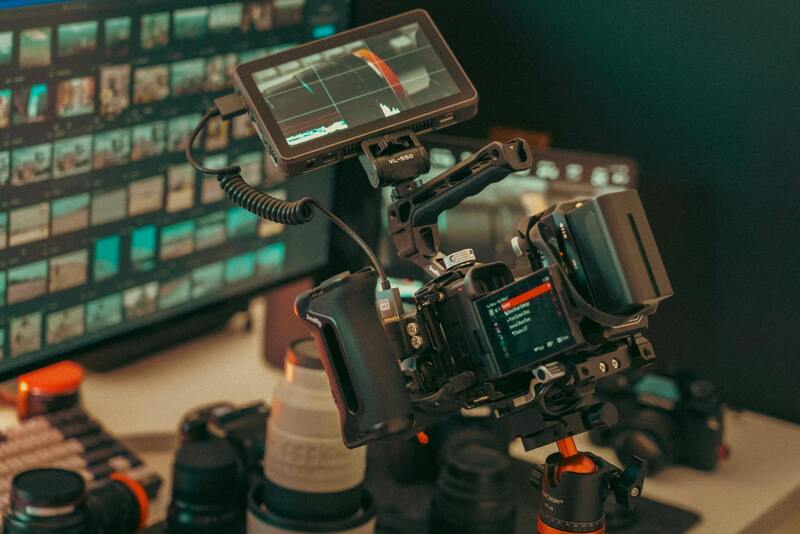
Moreover, with the rise of IP-based infrastructure, live streaming studios now utilize network switches, routers, and firewalls configured to prioritize streaming traffic. This setup ensures latency is minimized, and data flows are uninterrupted, even during high-demand periods. Additionally, software solutions such as control panels for video switching, graphic insertion, and real-time monitoring are integrated into intuitive user interfaces. These platforms facilitate complex production processes, automate routine tasks, and enable quick adjustments during live broadcasts.
Complementing hardware, advanced broadcasting software supports multi-view monitoring, automated cueing, and social media integration. These features expand the reach and interactivity of live streams, providing real-time engagement metrics and instant content sharing capabilities. Overall, the combination of quality hardware and versatile software creates an environment capable of producing engaging, reliable, and high-quality live content tailored to diverse audience needs.
Optimizing Signal Transmission and Network Infrastructure
Reliable signal transmission is fundamental for successful live streaming production studios. The core of this system is a robust network infrastructure that supports high-bandwidth, low-latency data transfer. Modern studios prioritize the deployment of high-performance network switches and routers engineered specifically for media traffic, ensuring that video and audio signals are transmitted seamlessly without delays or interruptions. This infrastructure should be configured with Quality of Service (QoS) settings to prioritize live streaming data packets, which significantly reduces latency and jitter, thereby providing viewers with a smooth and uninterrupted experience.
Firewalls and security gateways are critical components in protecting the live streaming environment from external threats. Proper configuration ensures that only authorized devices and personnel access the production network, maintaining system integrity and preventing potential disruptions. These security measures also include encrypted data channels and VPN access for remote operators, enabling secure control over the live stream from remote locations.
Utilizing IP-Based Video and Audio Transmission
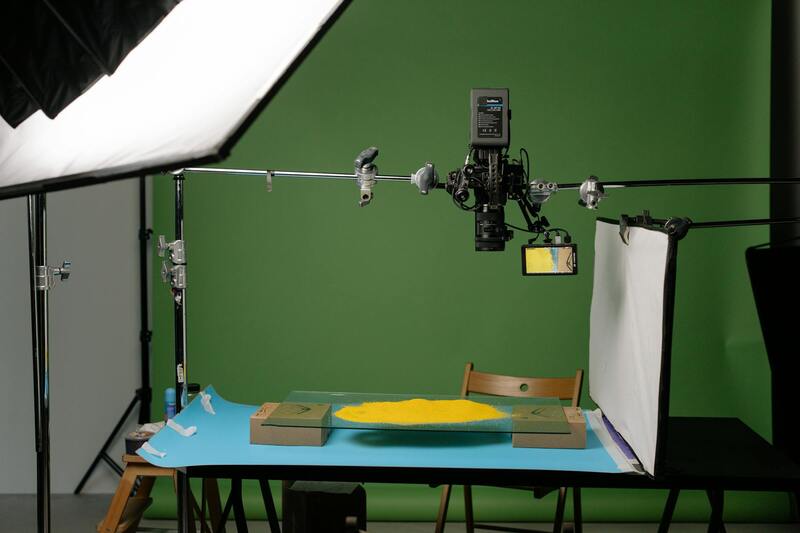
Many contemporary live streaming studios adopt Internet Protocol (IP) technology to transmit video and audio signals. IP-based transmission offers scalable, flexible, and cost-effective solutions compared to traditional SDI or HDMI cabling. This switch allows multiple video sources, audio channels, and control signals to be routed over a single network. IP-based systems facilitate easier room for expansion, remote camera operation, and integration with cloud services, broadening the potential reach of live broadcasts.
In this setup, network switches with multi-gigabit support are employed to handle the high data load, ensuring that each signal maintains its integrity throughout the transmission process. Additionally, edge devices such as encoders and decoders encode and decode the signals for efficient streaming. These devices often feature adaptive bitrate streaming capabilities, adjusting quality in real time based on network conditions to prevent buffering and provide viewers with a consistently high-quality experience.
Integration of Broadcasting Software and Control Interfaces
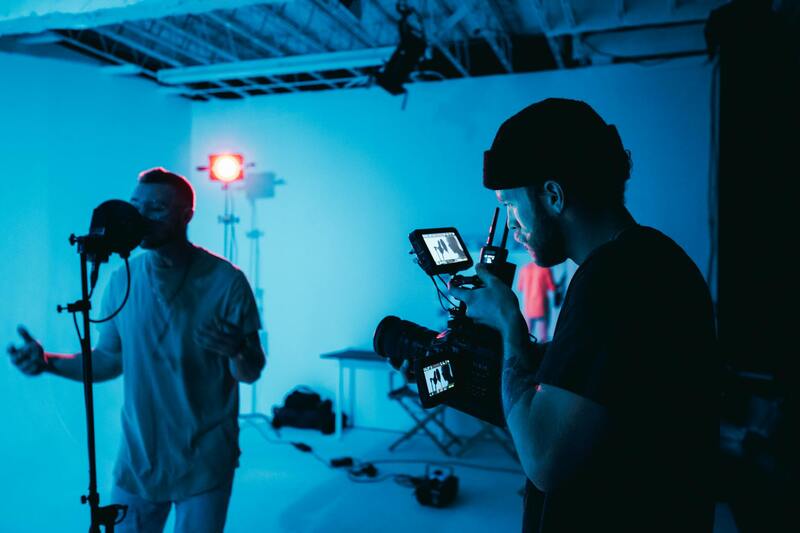
Advanced broadcasting software acts as the central hub for managing live streams, incorporating multiple functions such as video switching, graphics insertion, and real-time monitoring. These platforms typically feature intuitive graphical user interfaces that allow operators to execute complex production tasks efficiently. Automation tools within these software solutions facilitate synchronization of audio levels, video transitions, and graphic overlays, ensuring a polished broadcast without the need for constant manual input.
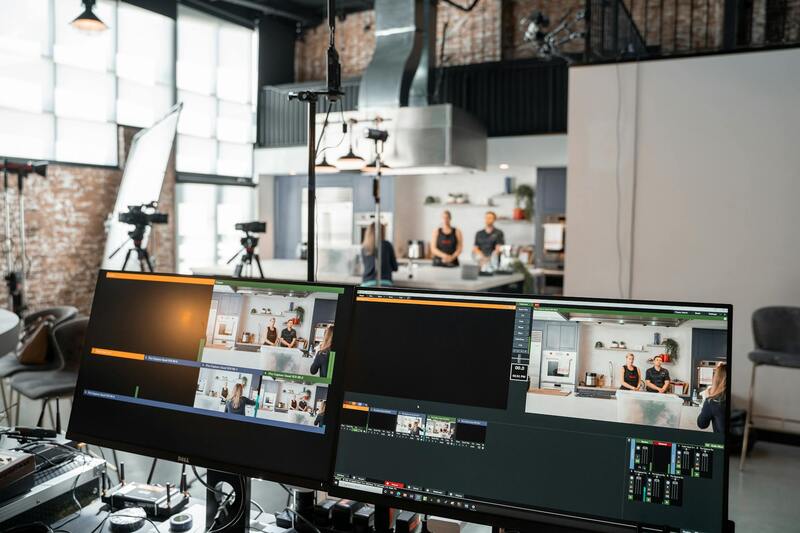
Multiview monitoring systems integrated within broadcasting software give operators comprehensive oversight of multiple camera feeds and output streams. This capability enables quick adjustments during live broadcasts, improving overall production quality. Additionally, social media integration tools allow real-time sharing and audience interaction, significantly enhancing viewer engagement and expanding reach.
Monitoring and Quality Assurance Mechanisms
To maintain high production standards, live streaming studios implement monitoring solutions that track signal integrity, bandwidth usage, and hardware performance. Continuous monitoring allows technicians to identify and resolve issues instantaneously, minimizing downtime. Meanwhile, automated alert systems notify personnel of any anomalies, such as dropped signals or latency spikes, enabling swift corrective actions.
Implementing multi-layered redundancy ensures that even if one element of the system encounters a failure, backup pathways and devices seamlessly take over. This redundancy can include secondary internet connections, backup encoded streams, and failover hardware components, which collectively guarantee uninterrupted broadcast delivery even under adverse conditions.
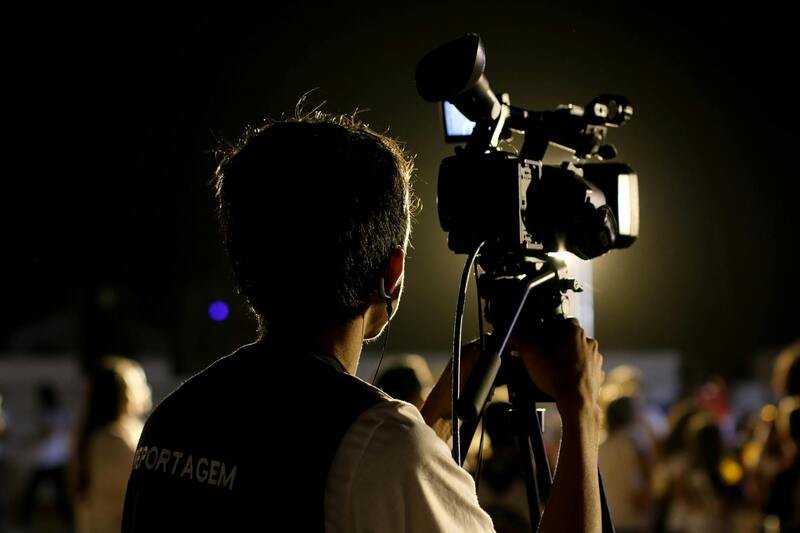
Studio Design and Layout
Effective design and layout of a live streaming production studio are vital to accommodate advanced equipment while fostering an efficient workflow. The spatial arrangement should facilitate seamless movement among core areas such as the control room, the main studio space, and equipment storage. Soundproofing techniques are essential to minimize external noise interference, which can compromise audio quality. Adequate lighting setup ensures optimal visual clarity and can be adjustable to match different production needs.
Controller positions must be ergonomically configured to allow staff at mixing consoles and switchers to operate comfortably during extended broadcasts. The studio's visual backdrop should be versatile, supporting multiple configurations and branding requirements. Incorporating modular design elements simplifies upgrades and customization, enabling the studio to stay current with technological advancements.

Production Workflow and Processes
Establishing a structured workflow is fundamental for the smooth execution of live streaming projects. The process begins with pre-production planning, where content scripts, shot lists, and technical setups are finalized. During the setup phase, equipment calibration and testing are performed to confirm all systems are operational.
On the day of the live event, a designated director or producer oversees the entire operation, coordinating camera operators, sound engineers, and graphics personnel. The control room is the hub for managing video feeds, audio levels, transitions, and overlay graphics, all synchronized through comprehensive broadcasting software.
Real-time monitoring ensures immediate adjustments can be made in response to unexpected issues such as audio feedback, signal drops, or latency spikes. Post-broadcast procedures include review and analysis of stream quality, viewer engagement metrics, and technical logs, providing valuable insights for future productions.
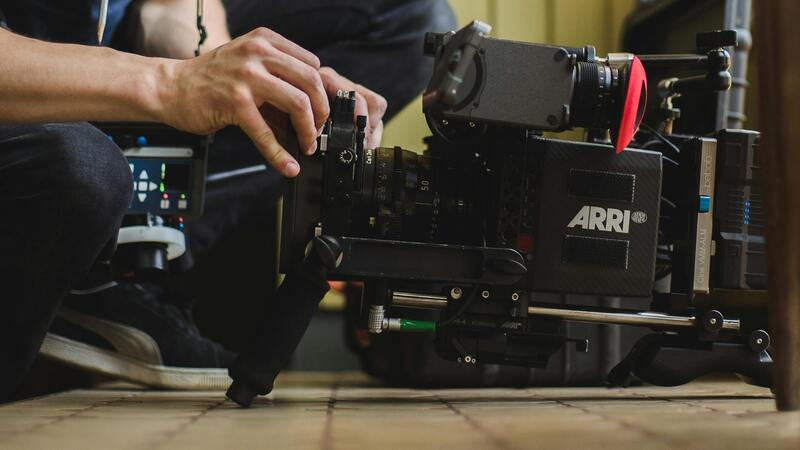
Overview of Live Streaming Production Studios
Live streaming production studios serve as professional environments designed to deliver high-quality digital broadcasts across various platforms. These studios encompass everything from dedicated soundproof rooms to sophisticated control rooms equipped with state-of-the-art audiovisual technology. They enable content creators, corporate entities, and broadcasters to reach wide audiences effectively, showcasing their messages with clarity and impact. The core advantage of such studios lies in their ability to produce seamless live content, incorporating multiple video feeds, dynamic graphics, and real-time interactions that elevate viewer engagement.

In recent years, the demand for professional live streaming environments has surged, driven by the need for reliable, high-quality digital content delivery. These studios are often custom-designed to blend ergonomic workflows with cutting-edge technology, ensuring efficient production pipelines and creative flexibility. Whether broadcasting corporate conferences, entertainment events, or educational webinars, the sophistication of the production process begins within a well-planned studio environment that prioritizes clarity, stability, and visual appeal.
Core Equipment and Technology
A fully optimized live streaming production studio is anchored by an array of essential tools and hardware that facilitate flawless execution. Central to this setup are the professional cameras, which capture high-definition video from various angles. These cameras are typically connected to a video switcher or router that enables real-time switching between feeds, creating a cohesive visual narrative.
- Video Servers and Streaming Encoders: These devices encode incoming video signals into streaming-compatible formats and manage the distribution to various platforms.
- Audio Devices: High-quality microphones, audio mixers, and monitor speakers ensure crisp sound. Audio equipment must be calibrated and synchronized with video feeds to maintain clarity throughout the broadcast.
- Graphics and Overlay Systems: Advanced graphic software, integrated with real-time data feeds, enhance visual engagement with overlays, lower thirds, and dynamic branding elements.
- Broadcasting Software: The backbone of live streaming production, these platforms coordinate video feeds, audio levels, transitions, and chat interactions, offering centralized control for seamless operation.
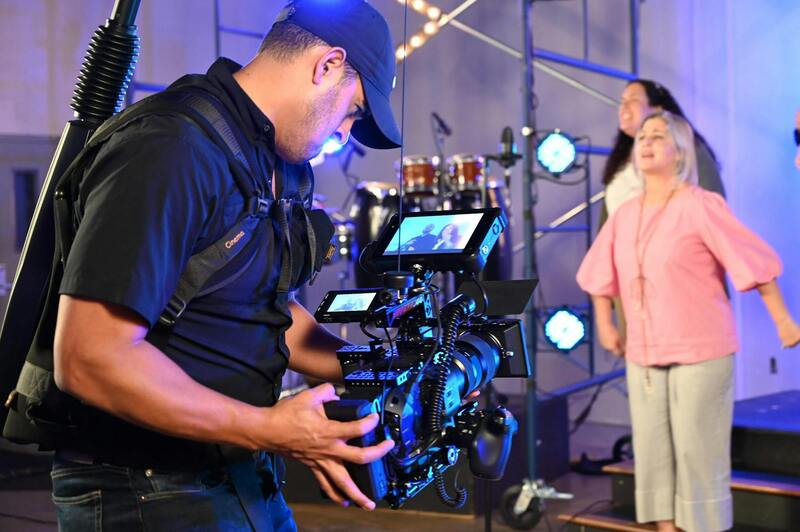
Studio Design and Layout
The physical design of a live streaming studio combines functionality with aesthetic appeal, ensuring efficient workflow while creating an engaging environment. Acoustic treatment minimizes sound reflections, while adjustable lighting setups enhance image quality and set the mood for broadcasts. Modular design elements enable quick reconfiguration to adapt to different content formats or branding requirements.
Strategic placement of equipment and personnel ensures rapid access to essential tools, reducing setup time and enhancing operational efficiency. The control room, often separated by soundproof glass, provides the command center for production, equipped with customizable consoles and monitoring screens for all feeds. Dedicated areas for talent, production technicians, and technical support foster a collaborative atmosphere conducive to high-quality output.
Production Workflow and Processes
Executing a live broadcast involves a meticulously structured workflow that spans pre-production, production, and post-production phases. Pre-production sets the stage by developing scripts, shot lists, and technical checklists, ensuring all elements are prepared in advance. During setup, all equipment undergoes calibration and testing to confirm functionality and optimal settings.
On the day of the live event, a designated director or producer manages the entire operation from the control room, coordinating camera operators, sound engineers, and graphics staff to adhere to the planned sequence. The production team leverages broadcasting software to manage transitions, overlays, and audio mixing, ensuring a polished presentation that resonates with the audience.
Real-time monitoring allows immediate response to issues such as audio distortion, signal interruptions, or latency. After broadcast completion, post-production activities include reviewing stored footage, analyzing performance metrics, and refining processes for future streams. Proper documentation and review help maintain high standards of quality and viewer satisfaction, supporting ongoing improvements in live streaming capabilities.
Overview of Live Streaming Production Studios
Live streaming production studios serve as the backbone of high-quality digital broadcasting, offering a professional environment equipped with advanced technology to deliver seamless live video content. These studios are designed to accommodate a variety of content types, from corporate webinars and product launches to entertainment events and esports competitions. The primary goal of a live streaming production studio is to produce visually engaging, technically sound broadcasts that resonate with targeted audiences. Modern studios integrate sophisticated audiovisual equipment, reliable internet connections, and specialized software to facilitate real-time content management and distribution, ensuring viewers enjoy uninterrupted and immersive experiences. They also feature customizable control rooms with monitoring systems that enable producers to oversee multiple feeds, audio levels, and visual effects simultaneously. Additionally, collaboration areas foster teamwork among producers, technicians, and on-camera talent, creating a cohesive environment focused on output excellence.
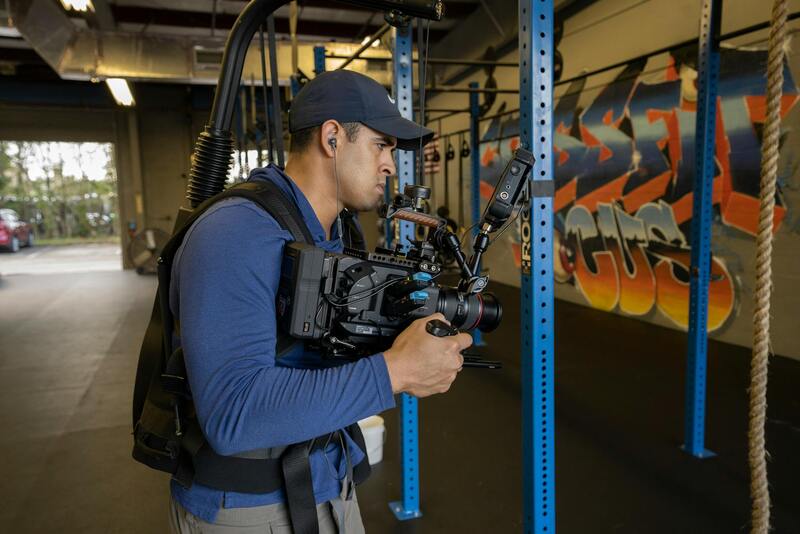
These studios are adaptable to different scales, from compact setups suitable for small businesses to expansive facilities capable of handling multi-camera productions with complex graphics and interactive features. As digital content consumption continues to grow, the demand for professional-grade live streaming studios is expanding, making them essential assets for organizations seeking to reach broad audiences with high-quality visuals and sound. Ensuring the studio environment meets industry standards involves not only purchasing state-of-the-art equipment but also implementing robust workflows and staffing appropriately trained personnel to manage all aspects of the production process effectively.
Core Equipment and Technology
The success of a live streaming production hinges on a foundation of reliable, high-performance equipment. Central to the studio setup are the cameras, which typically include multiple high-definition or 4K models capable of capturing different angles and shots. These cameras are often paired with switchers or video mixers, allowing seamless switching between feeds and integration of special effects, picture-in-picture displays, and transitions. Audio is managed through high-quality microphones, audio mixing consoles, and digital interfaces that ensure clear sound capture and distribution. Graphics engines and overlay systems create real-time visuals, including titles, lower thirds, and branding elements, enhancing the broadcast’s professionalism.
Behind the scenes, strong networking hardware and streaming servers provide the bandwidth needed to transmit high-resolution content without lag or interruption. Live encoding hardware or cloud-based services compress video feeds efficiently, ensuring compatibility with various streaming platforms. Monitoring tools and multi-view screens allow producers to oversee all incoming and outgoing feeds, ensuring broadcast integrity. Reliable power sources and backup systems safeguard against disruptions, maintaining uptime during critical live events. The integration of broadcasting software simplifies the management of multiple workflows, including cueing, timing, and overlay insertion, optimizing the overall production quality.
Studio Design and Layout
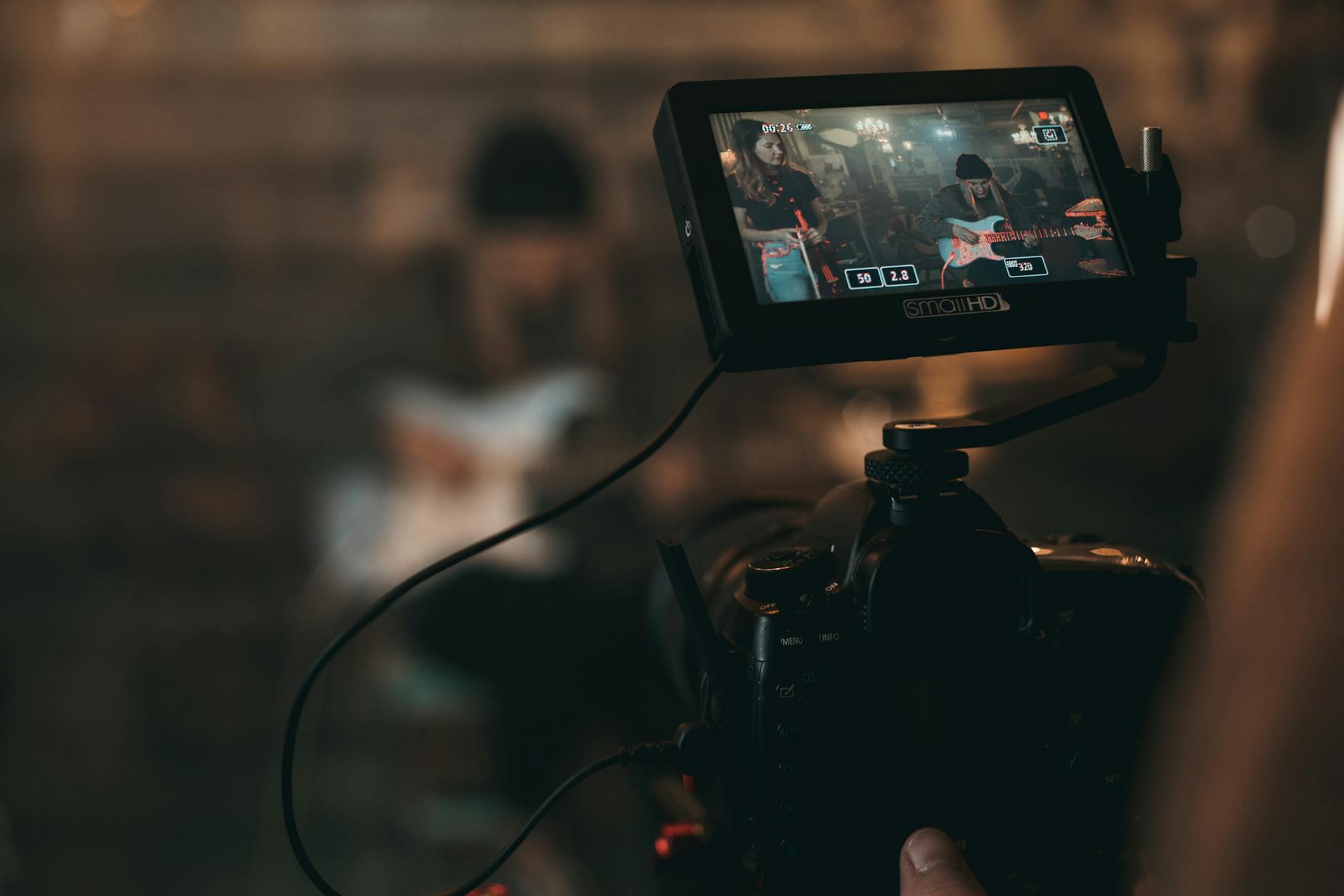
An effective live streaming studio layout balances functionality, comfort, and aesthetics. The control room is strategically positioned to oversee the production area, equipped with ergonomic furniture, multiple monitors, and intuitive interfaces for real-time adjustments. The camera area should be spacious enough to accommodate multiple angles and movement, with adjustable lighting to provide consistent exposure and eliminate shadows. Talent and presenter areas are designed to be inviting, with appropriate backdrops, green screens for virtual backgrounds, and ample space for props or demonstrations. Soundproofing measures reduce ambient noise, ensuring crisp audio quality. Incorporating modular furniture and flexible setups allows the studio to adapt quickly to different content formats and show styles.
Production Workflow and Processes
A structured workflow forms the core of successful live streaming. Pre-production involves planning content, scripting scenes, scheduling technical checks, and preparing backup plans for potential issues. During setup, calibration of equipment, testing internet connectivity, and rehearsals ensure technical readiness. On the day of the broadcast, the production team coordinates activities from a centralized control room, managing camera cues, sound levels, graphics, and transitions through specialized software. Real-time monitoring enables immediate troubleshooting of any technical issues, maintaining broadcast continuity. Post-production involves reviewing recorded footage, analyzing viewer engagement metrics, and adjusting future strategies. Proper documentation of each production step helps maintain high standards and facilitates continuous improvement, ensuring consistent delivery of quality content.
This systematic approach maximizes efficiency and minimizes errors, reinforcing the importance of meticulous planning, skilled staffing, and reliable equipment management within live streaming studios.
Advanced Techniques for Live Streaming Production in Miami
Implementing cutting-edge methods and innovative technologies elevates the quality and professionalism of live streaming productions in Miami. Advanced techniques include the integration of high dynamic range (HDR) imaging, which enhances visual clarity and color accuracy, ensuring viewers experience vibrant and true-to-life visuals across diverse devices. Additionally, 4K ultra HD streaming capabilities provide superb resolution, catering to audiences demanding superior image quality, especially on large screens or high-end displays.
Another critical aspect is the utilization of synchronized multi-camera setups combined with real-time switching. This allows producers to deliver dynamic content, offering multiple angles and seamless transitions that engage viewers more effectively. Video switchers, whether hardware or software-based, streamline this process, ensuring smooth visual flow without lag or interruptions.
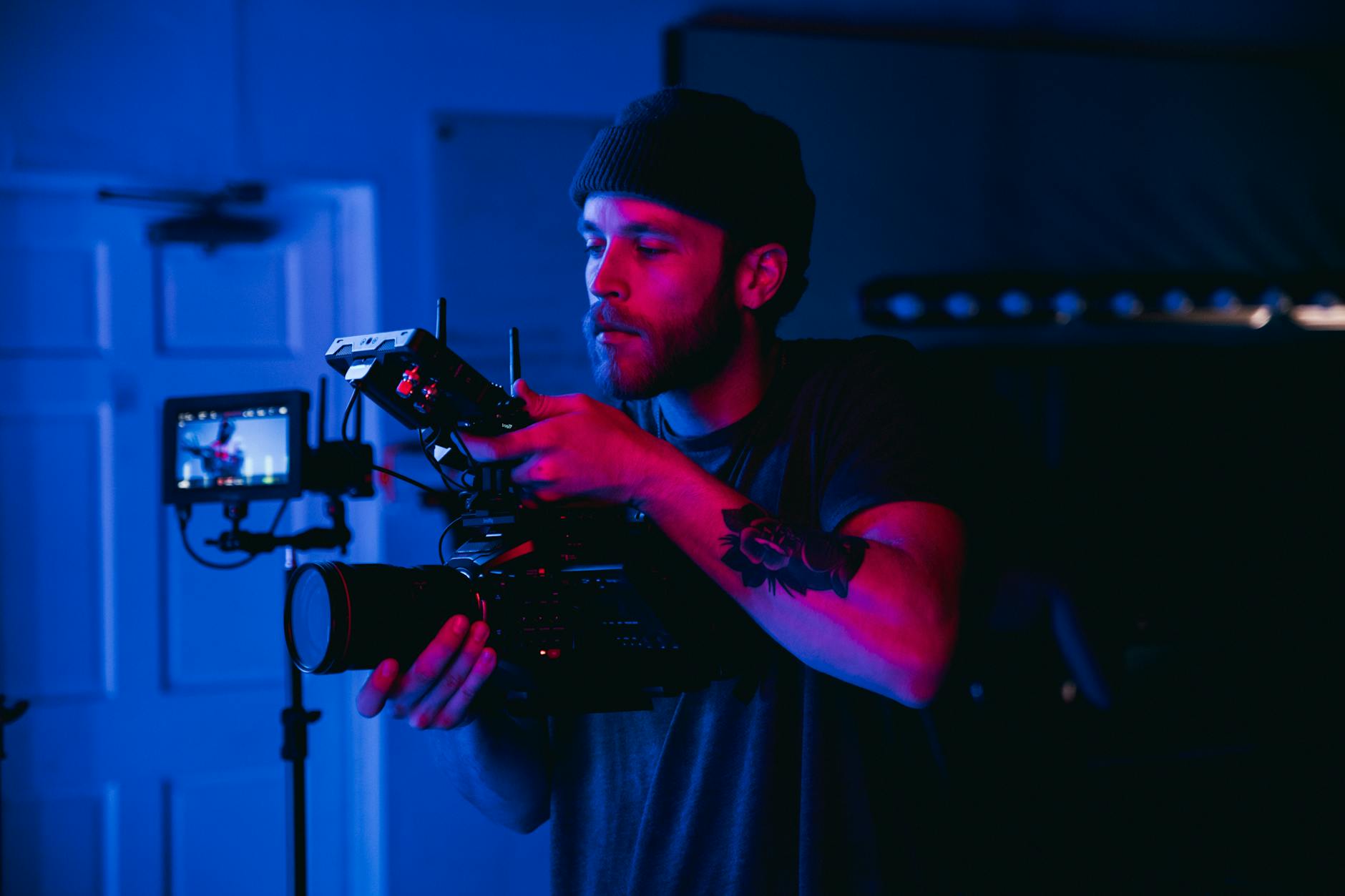
Enhancing audio fidelity is equally important. Incorporating digital audio workstations (DAWs), wireless microphone systems, and automated audio mixing tools ensures that sound is clear, balanced, and free of unwanted noise. Acoustic treatments within the studio space, such as bass traps and diffusers, further optimize sound quality, minimizing reflections and reverberations.
Innovative Software and Network Solutions
Modern live streaming production relies heavily on sophisticated software platforms that facilitate real-time editing, graphic overlays, and interactive features. These tools enable producers to incorporate lower thirds, live comments, sponsorship banners, and on-screen alerts seamlessly. Cloud-based streaming solutions also provide redundancy, allowing for automatic failover to backup servers if primary streams encounter disruptions.
Moreover, ultra-reliable internet connectivity, featuring bonded network systems combining multiple providers or dedicated fiber connections, is essential. These setups ensure consistent bandwidth, crucial for live broadcasts that require high throughput and low latency. Network security measures, including firewalls and encryption protocols, safeguard streams from unauthorized access or malicious interference.
Automation and Remote Production Capabilities
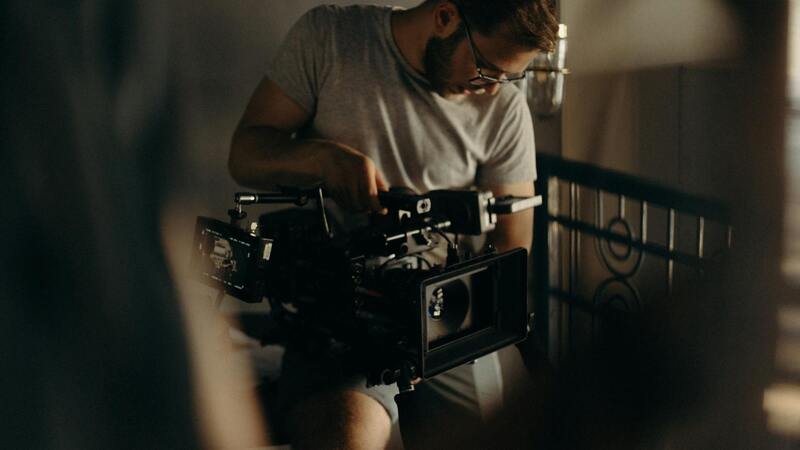
Emerging trends emphasize automation in live streaming workflows. Features such as automated camera tracking, audio level adjustments, and preset scene transitions minimize manual intervention, enabling smoother production flow. Remote production technologies now allow operators and directors to manage and control live streams from virtually anywhere, which is especially beneficial for collaborations across multiple locations.
This shift towards remote capabilities enhances flexibility, reduces operational costs, and broadens the scope of content production. Using hardware encoders, software interfaces, and secure connections, Miami studios can expand their reach while maintaining high standards of quality and reliability.
In conclusion, staying at the forefront of technological advancements and adopting innovative techniques ensures that Miami-based live streaming production studios deliver compelling, professional content that meets evolving viewer expectations and industry standards.