
Overview of Live Feed Services
Live feed services have become an integral component of contemporary media production, offering real-time transmission of audio and visual content from one location to another with minimal latency. As the demand for immediate communication and instant access to live events grows, these services enable broadcasters, event organizers, and corporate entities to reach audiences beyond physical boundaries. In Miami, a city renowned for its vibrant event scene, live feed services are crucial for delivering seamless coverage of concerts, conferences, sporting events, and citywide festivals.
At their core, live feed services involve the utilization of sophisticated technology that allows high-quality video and audio signals to be transmitted over various networks, including dedicated fiber optics, satellite links, or robust internet connections. This ensures that viewers experience minimal disruptions, maintaining the integrity and professionalism of the broadcast regardless of geographic distance. For agencies operating in Miami, leveraging efficient live feed solutions means reaching broader audiences, enhancing engagement, and providing clients with impactful, real-time content delivery.

Additionally, live feed services support various functionalities such as multi-camera feeds, instant replays, and synchronized audio streams, making them vital for complex productions requiring multiple input sources. As technology advances, the importance of reliable live feed services continues to escalate, especially in a competitive market like Miami, where the demand for high-quality, professional broadcasts is constant. System redundancy and robust support are pivotal features that ensure consistent performance during critical events, reinforcing the importance of choosing experienced providers capable of delivering consistent, high-quality live streams.
In essence, live feed services serve as the backbone of modern media and event coverage, connecting audiences and clients with real-time content that informs, entertains, and engages. For Miami-based agencies, understanding the core elements and benefits of these services establishes a foundation for selecting optimal solutions and fostering successful, live event broadcasts with maximum impact.
Key Features of Live Feed Services
Modern live feed services incorporate a range of advanced features designed to meet the diverse needs of productions in Miami. These capabilities ensure the delivery of seamless, high-quality broadcasts that satisfy both technical and aesthetic standards demanded by professional media outlets. A few key features include:
- High-Resolution Streaming: Support for high-definition (HD) and ultra-high-definition (UHD) streams ensures crystal-clear video quality, crucial for impactful visual storytelling in any event or broadcast.
- Multi-Platform Compatibility: The ability to broadcast simultaneously across various platforms such as social media, dedicated websites, and multicast channels enhances audience reach and engagement.
- Reliability and Redundancy: Advanced infrastructure with failover mechanisms prevents disruptions, maintaining continuous transmission during live events regardless of unforeseen technical issues.
- Multi-Camera Support and Switching: Integration of multiple camera feeds with real-time switching provides dynamic perspectives, essential for large productions or multi-view broadcasts.
- Audio Integration: Synchronized, high-quality audio streams accompany video feeds, offering an immersive viewing experience and clarity in live commentary or narration.
- Latency Optimization: Minimal delay between the live event and the broadcast ensures real-time interaction, which is vital for live commentary, auctions, or interactive sessions.
- Secure Transmission Protocols: Encryption and secure channels protect content from unauthorized access, securing sensitive material during transmission.

These features collectively contribute to a comprehensive live feed solution that addresses the technical complexity of modern broadcast needs. Providers offering these capabilities demonstrate a commitment to quality, stability, and flexibility—key factors in Miami’s competitive media landscape. When selecting a service, understanding how these features are implemented and supported can significantly influence the overall success of the live event or broadcast campaign.
Customization and Scalability
Beyond core features, leading live feed services often provide tailored solutions to match specific production requirements. This includes scalable bandwidth options to accommodate high numbers of viewers, integration with existing production hardware, and customizable user interfaces for easier control and monitoring of live streams. Such adaptability is particularly advantageous for Miami-based agencies handling diverse events—from sprawling festivals to corporate conferences—requiring different technical setups and delivery methods.

Types of Live Feed Technologies
Choosing the appropriate live feed technology is fundamental to ensuring smooth, high-quality streaming experiences. Different solutions cater to various event sizes, broadcast needs, and technical capacities. A few of the most common types include:
- SRT (Secure Reliable Transport): An open-source protocol designed for low-latency, resilient streaming over unpredictable networks. SRT is favored for its ability to maintain stream quality even with fluctuating network conditions, making it ideal for live events requiring stable delivery across diverse locations.
- RTMP (Real-Time Messaging Protocol): A widely adopted protocol historically used for live streaming. While it offers good reliability, RTMP can sometimes prove less adaptable in modern network environments. It remains relevant for certain integrations with streaming platforms and software encoders.
- HLS (HTTP Live Streaming): Developed by Apple, HLS splits the stream into small chunks delivered over HTTP, facilitating adaptive bitrate streaming. It provides broad compatibility among devices and is suitable for large-scale broadcasts where audience reach is a priority.
- WebRTC: This technology enables real-time communication with ultra-low latency, primarily favored for interactive live sessions such as webinars or live Q&A sessions. WebRTC's peer-to-peer architecture minimizes delay but may require specialized setup.

Each technology offers distinct benefits aligned with specific broadcast goals. For Miami-based productions often involving multiple venues or complex setups, selecting a platform that supports a combination of these protocols can optimize delivery and viewer experience. The right choice depends on event size, audience location, budget constraints, and technological infrastructure.
Choosing a Live Feed Service Provider in Miami
When selecting a provider, assess their experience in handling diverse event types and their capacity to deliver consistent quality under varying conditions. Factors to consider include technical support availability, integration capabilities with existing hardware and software, and the provider’s commitment to innovation and flexibility. An effective provider should also offer comprehensive training and documentation to ensure your team can operate the live feed system efficiently.
Miami’s vibrant event scene demands a high level of adaptability. Providers who understand local network infrastructures, lighting conditions, and audience expectations are better equipped to tailor solutions that meet your specific needs. Transparent communication about technical specifications, response times, and contingency plans further enhances confidence in their service offerings.

Implementation Considerations
Effective deployment of live feed services necessitates careful planning around several key areas:
- Bandwidth Management: Ensuring sufficient bandwidth is critical to prevent buffering or interruptions, particularly when streaming high-definition content to large audiences.
- Network Reliability: Implementing redundant internet connections and backup systems minimizes downtime. Establishing a dedicated network path for live streams can further enhance stability.
- Hardware Compatibility: Compatibility with existing cameras, encoders, and mixing consoles ensures seamless integration and operational efficiency.
- On-Site Technical Support: Real-time troubleshooting and immediate adjustments are essential during live events. A provider with a local Miami presence can respond swiftly to unexpected challenges.
- Permissions and Licensing: Ensuring all necessary permissions for live streaming are secured helps maintain smooth operations and avoids disruptions.
Strategic coordination between your team and the service provider at the planning stage sets the foundation for a successful broadcast. Conducting test runs before the event can identify potential issues, allowing for adjustments that optimize broadcast quality and reliability.

Types of Live Feed Technologies
When selecting a live feed service in Miami, understanding the available streaming technologies is essential for matching your production needs. Several hardware and software options cater to diverse requirements, offering varying levels of quality, latency, and ease of use.
Hardware-Based Streaming Solutions
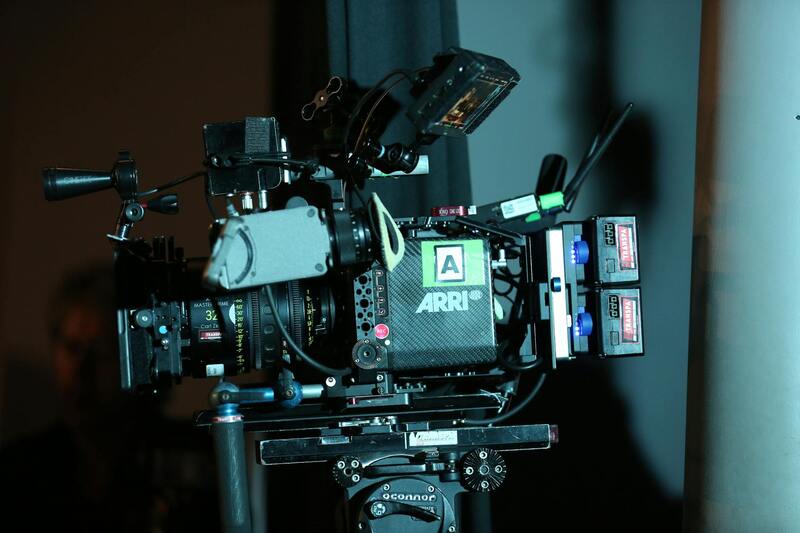
High-end hardware encoders provide robust, dedicated results, ideal for large-scale events and critical broadcasts. These devices convert video feeds from professional cameras into digital streams with minimal latency, often supporting multiple outputs for simultaneous streaming across different platforms. Hardware solutions are preferred when reliability and high-quality output are non-negotiable, as they eliminate dependency on internet stability to a significant extent.
Software-Based Streaming Platforms
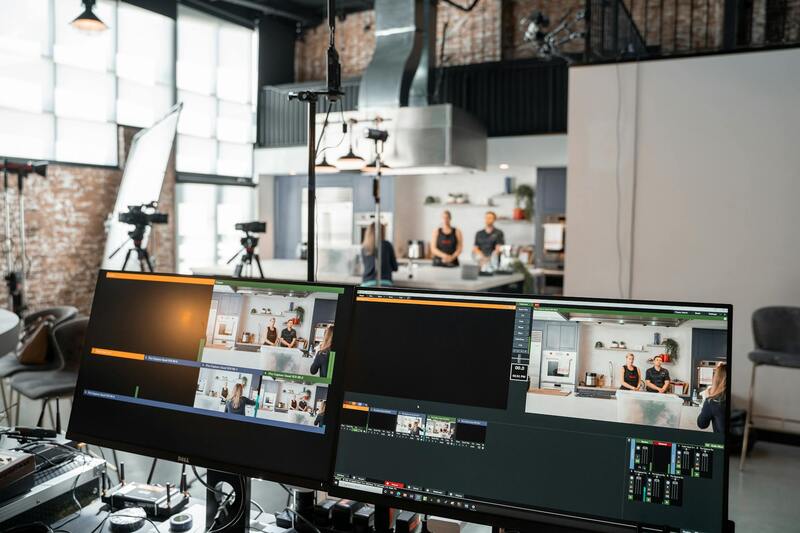
Software solutions, such as OBS Studio, Wirecast, or vMix, offer flexible and cost-effective alternatives primarily suitable for smaller productions or real-time streaming needs. These platforms run on computers and can integrate multiple video sources, graphics, and overlays to deliver dynamic content. Their adaptability makes them perfect for live broadcasts from temporary locations or smaller studios in Miami.
Cloud-based streaming services have gained popularity due to their scalability and ease of management. They allow live feeds to be managed remotely, with minimal onsite infrastructure, making them a preferred option for virtual events or multi-platform broadcasting.
Platform Compatibility and Integration
Ensuring compatibility between streaming hardware and platform interfaces is essential. Many Miami-based productions leverage platforms such as YouTube Live, Facebook Live, or specialized enterprise streaming services. Developers often employ RTMP, SRT, or WebRTC protocols to optimize transmission quality across different service providers, adapting quickly to evolving technological standards.
Choosing the Proper Technology for Your Production
- Scale of broadcast: Larger events may require dedicated hardware encoders for stability.
- Budget considerations: Software solutions provide flexible options with lower initial costs.
- Latency requirements: Live sports and news demand low-latency streaming, favoring hardware encoders or optimized software configurations.
- Technical infrastructure: Compatibility with existing equipment influences the choice of technology.

Implementation Considerations
When selecting and deploying a live feed service in Miami, several critical aspects must be thoroughly evaluated to ensure seamless streaming operations. The planning phase begins with assessing the technical infrastructure of the production site. This involves verifying the compatibility of existing hardware, such as cameras, encoders, and servers, with the chosen live feed solutions. Ensuring that these components can integrate smoothly minimizes potential disruptions and technical glitches during broadcast.
Furthermore, network capacity plays a pivotal role. High-bandwidth internet connections, ideally with dedicated lines or bonded networks, are essential for maintaining broadcast stability. Latency can significantly impact viewer experience, especially during time-sensitive events like sports or breaking news. Redundant internet connections and failover systems should be considered to provide continuity in case of connectivity issues.
Staff training is another vital consideration. Operators and technical staff need to be familiar with the live feed platform's interface, controls, and troubleshooting procedures. Proper training reduces errors, enhances response times, and ensures the technical team can swiftly address unforeseen challenges.
Additionally, establishing clear protocols for content management and security helps safeguard the feed against unauthorized access or disruptions. Using secure login credentials, encrypted streams, and access controls can protect sensitive content and uphold broadcast integrity.
Finally, conducting comprehensive test runs before the actual live event is crucial. These sessions help identify potential technical problems and allow the team to fine-tune settings, ensuring a polished and reliable transmission on the day of the broadcast.

Legal and Compliance Aspects
Operating a live feed service in Miami involves adhering to specific legal requirements and industry standards to protect both content providers and viewers. Compliance encompasses various facets, including content rights, licensing agreements, and broadcast etiquette. Securing the necessary rights for all multimedia elements used during a broadcast is fundamental. This entails obtaining licenses for music, video clips, graphics, and any third-party content incorporated into the live feed. Proper licensing prevents potential copyright violations and related legal issues. Data privacy and security regulations also influence live feed operations. Implementing strict security measures ensures that viewer data, streaming credentials, and proprietary content are protected from unauthorized access. Utilizing secure transmission protocols and encrypted streams upholds these standards. Moreover, compliance with local broadcast regulations and industry codes of conduct is vital. Miami-based live feed providers often align with the guidelines set by relevant authorities, ensuring that content adheres to decency standards, intellectual property laws, and broadcasting ethics. Another critical aspect involves monitoring and moderation. Live streams should incorporate real-time moderation tools to address inappropriate content or behavior promptly, safeguarding the broadcaster’s reputation and viewer experience. Finally, maintaining detailed records of licensing agreements, content rights, and compliance measures is advisable. These documents can serve as proof of adherence should any disputes or audits arise, reinforcing the professionalism and reliability of the live broadcast operations.
Legal and Compliance Aspects of Live Feed Services
Engaging in live feed broadcasting within Miami involves navigating various legal and compliance considerations that ensure the integrity and professionalism of the service. A critical component is the adherence to copyright laws and branding rights, which necessitates proper licensing for all multimedia elements integrated into a live stream. This includes securing permissions for music, video clips, visual graphics, and any other third-party content to prevent unauthorized use. Maintaining detailed records of these licenses not only provides proof of compliance but also streamlines audits and dispute resolutions.
Beyond intellectual property, data protection plays a significant role. With streaming often involving viewer interaction, personal data collection, and transmission of sensitive information, following strict data privacy standards is essential. Implementing encrypted streams and secure data handling protocols helps safeguard viewer information against breaches and unauthorized access, reinforcing trust and operational credibility.

In addition, adherence to local broadcast standards and regulations set by city authorities or media oversight bodies is fundamental. These guidelines typically cover content decency, advertising transparency, and ethical broadcast practices. Ensuring compliance not only avoids legal complications but also enhances the reputation of the broadcasting entity in Miami’s vibrant media landscape.
Another vital aspect involves implementing effective moderation strategies during live streams. Real-time moderation tools enable broadcasters to promptly address inappropriate content, contentious language, or disruptive user behavior, thereby maintaining a professional and respectful broadcast environment.
Lastly, documentation of all compliance-related activities, licensing agreements, and security measures forms a crucial part of responsible live feed operations. Well-maintained records offer a transparent trail that can verify adherence to legal standards, support audit processes, and demonstrate the provider's commitment to professional broadcasting practices.
Impact on Miami Production Agencies
For production agencies operating in Miami, understanding and implementing these legal and compliance aspects is vital for seamless and reputable live broadcasting. By prioritizing regulatory adherence, agencies can mitigate risks, enhance operational efficiency, and foster long-term relationships with clients and viewers who value integrity and professionalism. This diligent approach ensures that every live feed service delivered aligns with Miami’s dynamic media environment, supporting growth and innovation within the industry.
Overview of Live Feed Services
Live feed services enable real-time broadcasting of multimedia content through specialized platforms that transmit audio-visual streams directly to viewers. These services are integral to modern media production, event coverage, corporate communications, and broadcasting enterprises in Miami. By utilizing high-performance streaming infrastructure, live feed providers ensure that content reaches audiences seamlessly, with minimal latency and maximum clarity. This immediacy enhances viewer engagement and supports dynamic content dissemination across various devices, including smartphones, tablets, computers, and smart TVs.
The core of live feed services involves capturing live footage, encoding the signal, and transmitting it through robust networks optimized for high bandwidth and reliability. Miami-based producers and organizations increasingly rely on these services to deliver live concerts, sports events, conferences, and community broadcasts, aligning with the city’s vibrant and diverse media ecosystem.

Key Features of Live Feed Services
- High-Quality Streams: Utilization of advanced codecs and infrastructure ensures provision of crystal-clear video and audio, even in challenging network environments.
- Low Latency Transmission: Critical for real-time interaction and live participation, reducing delays that can hinder audience engagement.
- Multi-Device Compatibility: Stream content efficiently across desktops, smartphones, tablets, and connected TVs.
- Scalable Infrastructure: Accommodates various audience sizes without compromising stream stability or quality, from small corporate meetings to large public events.
- Secure Streaming: Implementation of encryption and access controls to prevent unauthorized viewing and protect sensitive content.
- Customization & Control: Options for branding, overlay graphics, chat integration, and viewer interaction to enhance the broadcast experience.
Image placeholder
Advantages for Miami Production Agencies
For production agencies operating within Miami’s dynamic media sphere, leveraging professional live feed services translates into several operational benefits. First, it facilitates the delivery of high-resolution, real-time content that captures audience attention and elevates the overall production value. Agencies can expand their service offerings by integrating live streaming into their projects, differentiating themselves in a competitive market.
Furthermore, consistent access to reliable live feed technology reduces logistical challenges related to signal stability and quality. This reliability minimizes delays, buffering, and disruptions—factors that can undermine audience trust and satisfaction. Real-time streaming also supports interactive formats such as live Q&As, polls, and instant viewer feedback, fostering a more engaged community around Miami-specific events and brands.
Additionally, professional live feed solutions streamline multi-camera operations, remote production workflows, and integrated graphics overlays, enhancing overall broadcast professionalism. Agencies that adopt these technologies position themselves as reliable, innovative leaders capable of managing complex live projects, from local festivals to high-profile conferences.

Types of Live Feed Technologies
- WebRTC: Enables real-time communication over peer-to-peer networks, ideal for low-latency applications like live chats and interactive broadcasts.
- RTMP & RTSP: Protocols widely used for streaming to CDN platforms, providing reliable transmission for live sports and entertainment events.
- HLS & DASH: Adaptive bitrate streaming technologies that optimize viewer experience across varying internet speeds, especially important for mobile audiences.
- IP Video Transmission: Uses internet protocols to transmit high-quality video over dedicated or shared networks, supporting large-scale live events in Miami.
- SRT & Zixi: Secure, low-latency protocols designed to handle professional-grade live broadcasting with enhanced reliability and resilience against network inconsistencies.
Choosing a Live Feed Service Provider in Miami
Selecting the right provider involves evaluating several key factors. Providers should demonstrate a proven track record of delivering consistent, high-quality streams tailored to Miami’s diverse event landscape. Look for those with comprehensive infrastructure that supports a range of technologies and accommodates your specific content requirements.
Assess the provider’s network reliability, customer support responsiveness, and scalability options to ensure they can handle your evolving needs. Additionally, reviewing case studies or client testimonials can provide insights into their operational excellence and service continuity. Transparent pricing models, including options for tiered plans or pay-per-view setups, also play an essential role in aligning services with your budget constraints.
Image placeholder

Implementation Considerations
Implementing an effective live feed system in Miami requires meticulous planning. Ensuring robust internet connectivity is paramount; hence, dedicated fiber connections are often preferred over shared networks to maintain stream stability. Equipment calibration, including cameras, encoders, and audio interfaces, should be precise to deliver consistent quality.
Furthermore, integration with existing production infrastructure is essential to streamline workflows and avoid operational bottlenecks. For large events, establishing a dedicated control room with redundancy systems ensures uninterrupted broadcasts. It is also advisable to conduct comprehensive testing phases prior to the live event, evaluating both technical performance and security parameters.
Security considerations encompass encryption, controlled access credentials, and real-time monitoring to prevent disruptions and unauthorized access. Staff training on the operational nuances of live feed systems enhances reliability and responsiveness during broadcasts. Proper documentation of setup procedures, network configurations, and emergency protocols sustains operational excellence and quick troubleshooting if needed.
Legal and Compliance Aspects
When deploying live feed services in Miami, it is crucial to adhere to established standards and protocols that ensure smooth and secure broadcasting. Proper licensing and permissions from content rights holders are fundamental to prevent interruptions during live streams. Implementing encryption methods for data transmission helps safeguard sensitive information and maintain viewer privacy. Access controls, such as secure login credentials and multi-factor authentication, are essential to restrict unauthorized access to live feeds and associated systems.
Regular updates and maintenance of broadcasting technology also contribute significantly to operational integrity. Keeping software and firmware up-to-date mitigates vulnerabilities that could be exploited to disrupt live streams. Additionally, establishing clear procedures for handling unforeseen technical issues or cybersecurity threats minimizes downtime and preserves viewers’ trust.
Operational transparency and compliance with local broadcasting regulations support long-term success. Documenting all procedures and maintaining comprehensive logs of broadcast activities can facilitate audits, improve accountability, and ensure adherence to industry standards. Collaborating with trained technical personnel ensures that live feed systems operate seamlessly and adapt promptly to any unexpected challenges.
Ultimately, choosing a dedicated, reputable live feed provider that emphasizes security and compliance can streamline the broadcasting process and uphold the integrity of your content. From encryption protocols to access management and ongoing system monitoring, attention to these detailed aspects underpins reliable, high-quality live streaming tailored to Miami’s dynamic media environment.