
Overview of Broadcast Streaming Production
Broadcast streaming production involves the creation, management, and dissemination of live or pre-recorded audio and video content across digital platforms. This process has become an essential component for organizations aiming to reach broad audiences with high-quality visual content, particularly in vibrant media hubs like Miami. With the proliferation of internet-enabled devices and social media platforms, professional broadcast streaming provides a reliable and scalable way to deliver live events, corporate communications, entertainment shows, and educational content in real time and on demand.
In the Miami media landscape, broadcast streaming production bridges the gap between traditional broadcasting techniques and modern digital dissemination. It leverages advanced technology to ensure seamless delivery of content across multiple channels, including social media platforms, dedicated websites, and streaming services. This approach allows content providers to expand their reach dramatically, engage audiences more interactively, and deliver content with superior clarity and reliability.
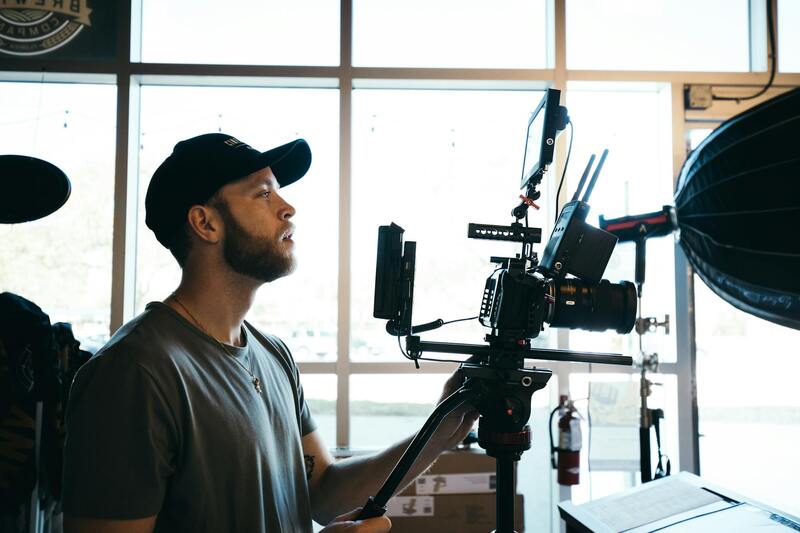
Understanding the fundamentals of broadcast streaming production involves recognizing its role in providing dynamic, real-time content delivery while maintaining high standards of visual and audio quality. Whether it's live sports, corporate webinars, or entertainment events, expertise in broadcast streaming ensures a polished and professional presentation that captivates viewers and enhances brand presence. As Miami continues to grow as a media hub, investment in proficient broadcasting methodologies is crucial for maximizing content impact and audience engagement.
Effective broadcast streaming production is characterized by meticulous planning, operational excellence, and cutting-edge technology integration. From live event coverage to on-demand media, the process is driven by a combination of strategic content development and technical execution. This synergy ensures that every broadcast meets predefined standards of quality and reliability, fostering trust and satisfaction among viewers.
Furthermore, Miami’s diverse and vibrant community offers unique opportunities for tailored content strategies that resonate with audiences locally and globally. By harnessing sophisticated streaming methods, content creators and businesses can enhance their visibility, audience interaction, and overall media performance in an increasingly digital world.
Equipment and Technology Used in Miami Broadcast Streaming
Miami's vibrant media landscape demands advanced equipment and technology to deliver seamless broadcast streaming experiences. Professional setups incorporate industry-standard hardware and software solutions that ensure high-quality video and audio transmission, minimal latency, and reliable connectivity. This collection of tools forms the backbone of efficient broadcast production, facilitating complex live operations with precision.
Among the essential hardware components are multiple high-definition cameras capable of capturing detailed visuals from various angles. These cameras are often fiber-connected or utilize wireless technology to provide flexibility during live events. Video switchers or production control consoles allow operators to seamlessly select between camera feeds, incorporate graphics, and manage transitions, creating a coherent and engaging broadcast.
In addition, encoders play a crucial role by converting raw video signals into digital streams compatible with various streaming platforms. Modern encoders support adaptive bitrate streaming, which adjusts video quality according to viewers' internet speeds, ensuring uninterrupted viewing experiences.
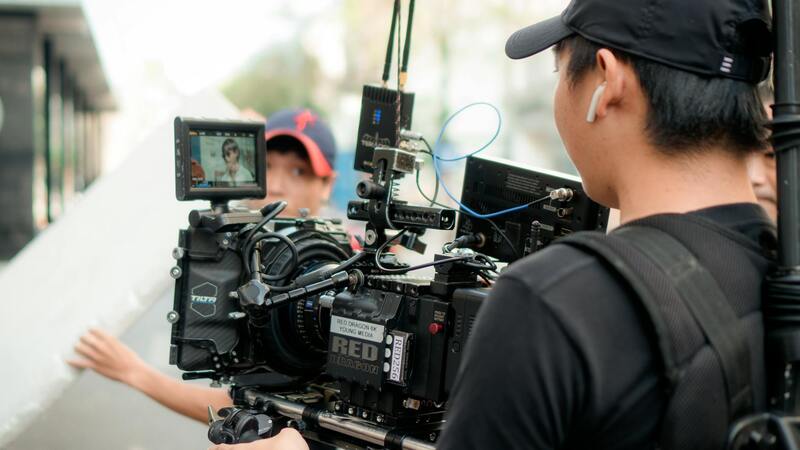
Given Miami’s diverse content requirements—ranging from sports to corporate events—investing in reliable, scalable technology is essential. Cloud-based management systems offer flexible control over streaming workflows, allowing producers to monitor and troubleshoot remotely, reducing downtime and enhancing operational efficiency.
Overview of Broadcast Streaming Production
Broadcast streaming production embodies the comprehensive process of capturing, processing, and transmitting live content through digital channels to reach audiences in real-time. This methodology combines advanced technology, strategic planning, and meticulous execution to deliver seamless live experiences across multiple platforms. As the demand for high-quality streaming continues to rise, organizations are increasingly investing in sophisticated infrastructures that support reliable and scalable broadcast solutions. From sporting events and concerts to corporate conferences and religious gatherings, the scope of broadcast streaming production in Miami covers diverse content requirements, each demanding a tailored approach to ensure clarity, engagement, and professionalism in delivery.
Central to effective broadcast streaming is a well-orchestrated combination of hardware, software, and network resources, enabling content creators to produce live broadcasts that meet elevated standards of quality and reliability. Such production setups are designed to handle multiple inputs, manage real-time graphics, overlay information, and synchronize audio-visual elements efficiently. The continuous evolution of streaming technology makes it possible for Miami-based production companies to deliver content that is not only visually appealing but also technically resilient against common issues like latency and buffering. When executed properly, broadcast streaming transforms live events into accessible, engaging digital experiences that expand audience reach and enhance viewer interaction.
Key Components of Broadcast Streaming Production
Successful broadcast streaming relies on several core components working in tandem:
- Video Capture Devices: High-definition cameras, robotic cameras, and specialized encoders are used to capture live footage with excellent clarity and color fidelity. These devices are optimized for various environments, from stadiums to conference halls.
- Audio Equipment: Digital mixers, wireless microphones, and audio interfaces ensure pristine sound quality, which is crucial for professional broadcasts.
- Encoding and Transcoding Systems: These convert raw video streams into digital signals suitable for streaming platforms, supporting adaptive bitrate streaming to match viewers' internet capabilities.
- Switchers and Control Consoles: Video switchers facilitate seamless transitions between different camera feeds and overlay graphics or information overlays dynamically.
- Content Delivery Network Integration: CDNs enable widespread distribution of streams while maintaining high quality and low latency, regardless of viewer location.
- Production Software: Platforms for graphics, overlays, real-time editing, and captioning help produce engaging content on the fly.
- Networking Infrastructure: Dedicated fiber optic lines, high-speed internet connections, and redundant systems minimize disruptions and support uninterrupted live transmission.
Equipment and Technology Used in Miami Broadcast Streaming
Miami’s broadcast production agencies leverage cutting-edge hardware and software tailored to meet diverse content demands. These include 4K and ultra-high-definition cameras capable of capturing cinematic detail, along with state-of-the-art audio mixers that deliver pristine sound. Servers and encoders equipped with the latest compression algorithms ensure efficient streaming without sacrificing quality, facilitating both live and on-demand access. Additionally, cloud-based solutions support remote management and multi-platform distribution, enabling producers to adapt quickly to on-the-fly changes and troubleshoot issues remotely. As a hub for entertainment, sports, and corporate events, Miami’s broadcast technology landscape remains at the forefront, ensuring the highest standards of production and delivery.
Advanced Broadcast Equipment Setup in Miami Studios for Live Streaming Projects
Miami's broadcast streaming industry relies heavily on a sophisticated array of equipment designed to meet the demands of high-quality live production. Among the core components are 4K and ultra-high-definition cameras, offering exceptional clarity and cinematic detail that elevate the viewing experience across multiple platforms. These cameras are often paired with professional-grade lenses that enable smooth zooms and focus adjustments, ensuring clarity even in dynamic environments.
Complementing the visual hardware are advanced audio mixing consoles that deliver pristine sound quality. These mixers support multiple audio sources, allowing seamless integration of live microphones, pre-recorded segments, and external sound feeds, which guarantees audio consistency and clarity throughout the broadcast.
In addition, powerful servers and encoders equipped with the latest compression algorithms form the backbone of the streaming infrastructure. They optimize video data for rapid transmission while maintaining high quality, enabling smooth viewing experiences on various devices. These encoders are capable of adaptive bitrate streaming, which adjusts to fluctuating network conditions, ensuring uninterrupted playback even in areas with unstable internet connections.
Cloud-based management platforms further strengthen Miami’s broadcast infrastructure by facilitating remote oversight of all production components. Producers can monitor streams in real-time, manage multi-platform distribution, and troubleshoot technical issues without being physically present at the studio. This flexibility is crucial for coordinating large-scale events and live broadcasts where rapid response times are essential.
Redundant systems and dedicated fiber optic lines are also standard, reducing the risk of disruptions during live transmissions. These connections provide high bandwidth and low latency, supporting multiple feeds simultaneously with minimal delay. Miami's studios frequently incorporate backup generators and failover networks to safeguard against power outages or internet failures, ensuring continuous broadcast flow even under adverse conditions.
Moreover, modern broadcast facilities often utilize remote camera controls and robotic systems, enabling operators to manage multiple angles and shots from a centralized location. This not only enhances the visual storytelling but also streamlines production workflows, allowing for more dynamic and engaging live content.
Collectively, these advanced equipment components and technological integrations position Miami as a leader in broadcast streaming production. The emphasis on high-quality hardware combined with flexible, scalable solutions ensures that every live stream maintains excellence, reliability, and viewer engagement across diverse projects, from entertainment events to corporate communications.
Advanced Transmission Protocols for Reliable Streaming
Implementing robust transmission protocols is fundamental to maintaining seamless broadcast streams. Protocols such as Real-Time Messaging Protocol (RTMP), Secure Reliable Transport (SRT), and Zixi provide resilient pathways for data transfer, ensuring high-quality video delivery even in fluctuating network conditions. These protocols incorporate error correction, adaptive bitrate technology, and encryption, which collectively enhance stream stability and security during live broadcasts in Miami's dynamic environment.
Miami broadcast production companies frequently utilize multi-protocol streaming setups to optimize delivery across various platforms. These configurations allow for real-time adaptability, enabling broadcasters to switch between protocols or combine them for redundancy. Such measures are essential for minimizing latency, reducing packet loss, and compensating for congestion, thereby delivering an uninterrupted viewing experience for audiences worldwide.
Scalability and Content Management Solutions
Modern broadcast streaming production in Miami emphasizes scalability to accommodate varying event sizes and audience loads. Cloud-based content management systems (CMS) facilitate efficient organization, scheduling, and distribution of live content, enabling broadcasters to expand their reach effortlessly. These systems also support real-time analytics, providing insights into viewer engagement and stream performance, which inform ongoing production adjustments.
Advanced content delivery networks (CDNs) are integral to this process, optimizing the geographical distribution of streams to reduce latency and buffer times. By leveraging Miami's strategic location and robust network infrastructure, production teams can deliver high-definition streams to diverse audiences, from local viewers to international markets, with minimal delays.
Security and Compliance Measures in Broadcast Streaming
Secure broadcast streaming is achieved through a combination of encryption protocols, digital rights management (DRM), and multi-factor authentication. These measures protect proprietary content from unauthorized access and ensure compliance with content distribution rights. Miami broadcast production companies prioritize implementing these security layers in their workflows to maintain the integrity of live streams and safeguard sensitive information.
Furthermore, continuous monitoring and intrusion detection systems help identify and mitigate potential cyber threats in real time. This proactive approach to security ensures that live broadcasts are resilient against disruptions, preserving the professionalism and reliability expected in Miami's vibrant production environment.
Planning and Pre-Production Processes
Effective broadcast streaming production begins with meticulous planning and pre-production steps that lay the foundation for a successful live event. This stage involves detailed conceptualization of the content, determining the broadcast format, and setting clear objectives aligned with the target audience. Production teams work on creating a comprehensive storyboard or shot list, which guides camera angles, scene transitions, and visual effects, ensuring consistency and professionalism throughout the delivery. Coordination with talent, crew, and technical staff is essential during this phase. Scheduling rehearsals and technical run-throughs helps identify potential issues related to audio-visual synchronization, streaming bandwidth, and equipment functionality. Pre-production also encompasses securing necessary permits, arranging site logistics, and establishing contingency plans in case of unforeseen challenges. This proactive approach minimizes disruptions during the live broadcast and ensures seamless content delivery. A critical aspect often overlooked is the testing of streaming infrastructure—analyzing data connectivity, load capacity of streaming servers, and fallback strategies. These measures confirm that all technical components are aligned and functioning optimally, especially when broadcasting from complex venues or outdoor locations in Miami where environmental factors could impact signal stability. Collaboration with platform providers and understanding their streaming capabilities allow production teams to tailor content delivery according to specific audience reach and engagement goals. Another important pre-production element involves securing rights and permissions for copyrighted materials, ensuring that all visual and audio elements are cleared for public broadcast. This diligent preparation safeguards against content disputes and stream interruptions, maintaining the integrity of the production. Overall, this stage serves as the blueprint, orchestrating all elements required for live production, from technical setups to content approval processes, enabling a smooth transition into the actual execution phase.
Overview of Broadcast Streaming Production
Broadcast streaming production encompasses a comprehensive suite of processes and technologies designed to deliver live or pre-recorded content to audiences across digital platforms. This practice combines audiovisual recording, encoding, and real-time transmission, ensuring viewers experience high-quality streams with minimal latency. Effective broadcast streaming production demands meticulous planning, specialized equipment, and seamless execution to meet the dynamic demands of modern digital consumption.
Unlike traditional broadcasting, which relies heavily on terrestrial signals or cable networks, broadcast streaming utilizes internet protocols to reach viewers anywhere, on any device. The scope involves multiple stages, from initial concept development and content scripting to live switching, encoding, and distribution. When executed professionally, broadcast streaming can significantly expand audience engagement, provide interactive viewing opportunities, and support various monetization strategies.
In Miami, where the media and entertainment landscape is vibrant, deploying robust broadcast streaming production enhances the visibility of events ranging from corporate conferences to large-scale festivals. The ability to deliver premium content in real-time helps organizations stand out and connect more effectively with diverse demographics.
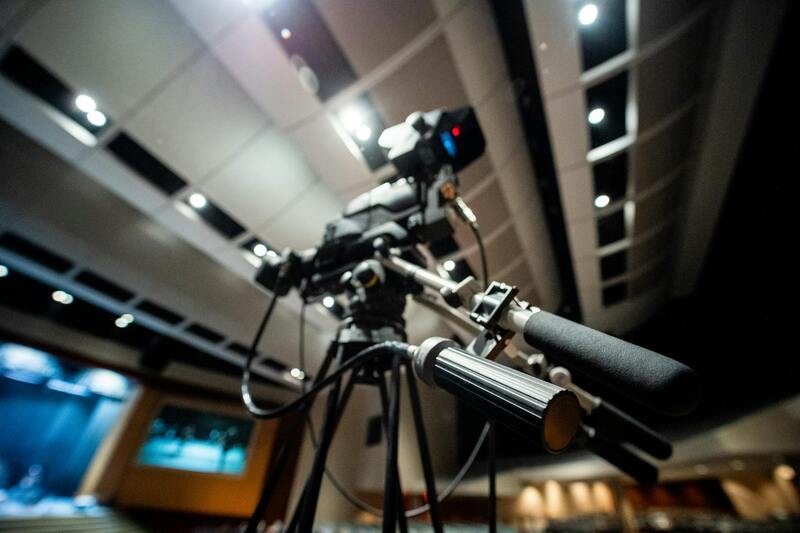
Key Components of Broadcast Streaming Production
- Video Capture Equipment: Utilizes professional-grade cameras capable of high-definition or 4K resolution to ensure crystal-clear visuals, even in challenging lighting conditions.
- Audio Systems: Incorporates advanced microphones and audio mixing consoles to deliver clear sound with appropriate levels, minimizing disruptions or distortions during live broadcasts.
- Encoding and Compression: Employs reliable encoding hardware or software to convert raw footage into stream-compatible formats, optimizing video quality while managing bandwidth.
- Streaming Servers and CDN: Uses content delivery networks (CDNs) and streaming servers to distribute content efficiently, reducing latency and buffering for viewers across Miami and beyond.
- Graphics and Overlay Tools: Integrates real-time graphics, logos, and lower-thirds to enhance branding and viewer engagement, especially during live interviews and event highlights.
- Monitoring and Control Systems: Implements real-time monitoring for audio-video synchronization, stream stability, and viewer analytics, allowing operators to make instant adjustments whenever necessary.
Equipment and Technology Used in Miami Broadcast Streaming
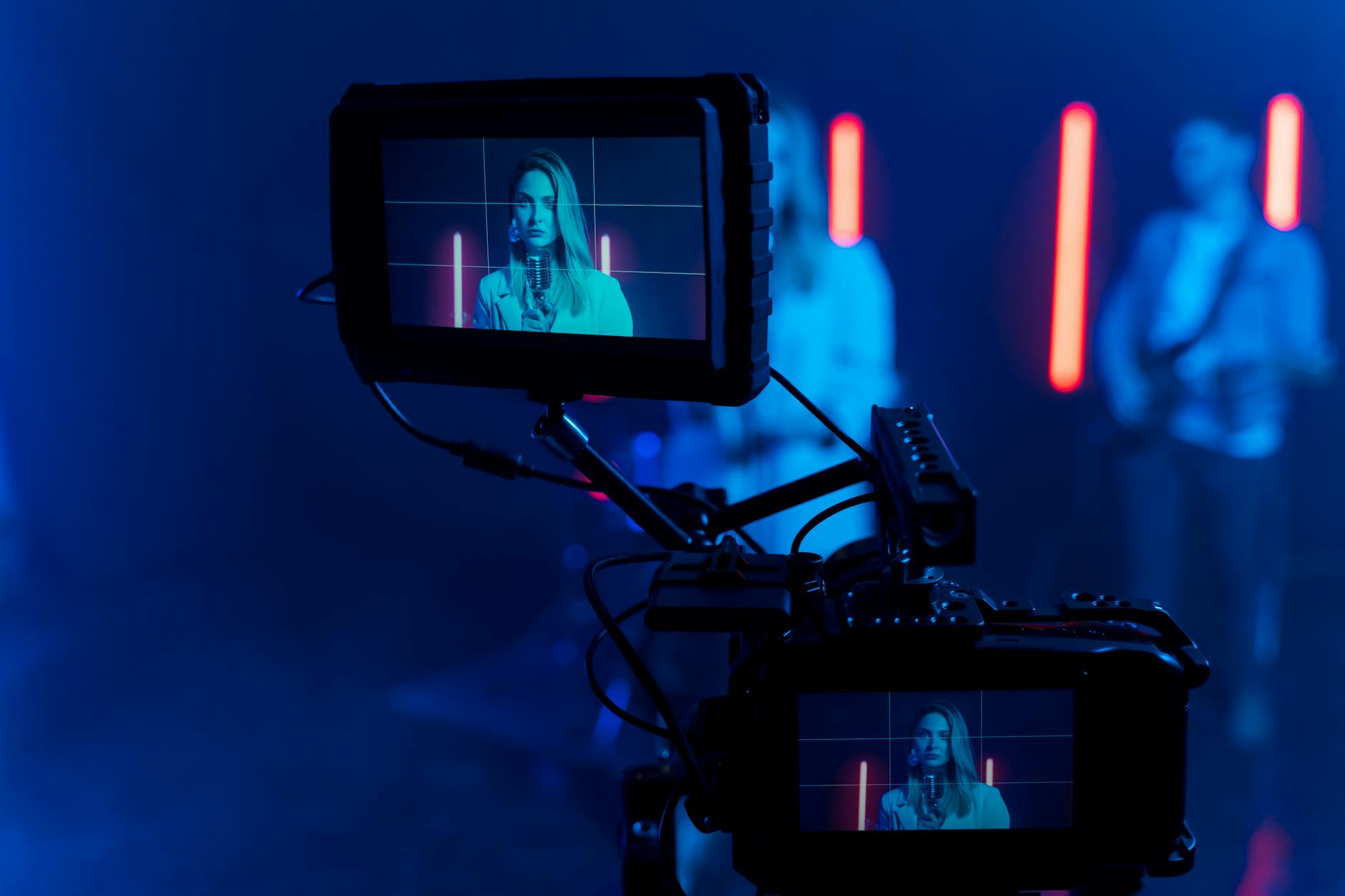
Miami's broadcast streaming productions leverage cutting-edge technology, including multi-camera setups, live switchers, and cloud-based streaming solutions. Modern broadcast vans and control rooms in the city feature powerful video routers, real-time editing capabilities, and integration with mobile broadcasting units for on-site coverage. Internet connectivity in Miami aligns with fiber-optic infrastructure and high-capacity wireless networks, supporting high-bixel rates necessary for 4K streams. Advanced encoding hardware ensures minimal latency and enhances viewer experience, regardless of platform or device.
Planning and Pre-Production Processes
Effective pre-production planning is vital to a successful broadcast stream. This phase involves creating a detailed production plan, defining technical requirements, and coordinating logistics to ensure all elements align seamlessly. It includes assessing site-specific conditions, such as venue layout, power sources, and environmental factors, especially when broadcasting from outdoor or complex locations in Miami.
Pre-visualization through storyboards and shot lists guides camera operators and technical staff during the live event. A comprehensive checklist encompasses securing permits, rights clearance, and content permissions to prevent interruptions or disputes. Additionally, multiple rehearsals are scheduled to test equipment functionality, connectivity, and overall workflow, minimizing unpredictable issues during the actual broadcast.
Production and Live Streaming Execution
During live production, the coordination among camera operators, directors, audio engineers, and technical staff is paramount. Live switching between camera feeds, adding graphics, and managing audio levels happen in real time, requiring precise timing and communication. Skilled directors oversee the flow, ensuring that visuals align with audio cues and narrative intent.
The infrastructure must support load balancing, with backup plans in place for equipment failures or connectivity issues. Miami's production teams often utilize redundant internet connections—including fiber, LTE, or satellite links—to guarantee continuous stream delivery. Real-time monitoring dashboards alert operators to potential issues, allowing swift intervention to maintain stream stability and quality.
Post-Production and Content Distribution
After the live event concludes, the content transitions into post-production phases where editing, captioning, and quality checks occur. Edited recordings serve multiple purposes, including on-demand viewing, highlights, and promotional content, which can be published across various platforms. Distributing such content involves encoding the footage into compatible formats and deploying it on streaming services, social media channels, and company websites.
Reliable analytics tools track viewer engagement, stream performance, and geographic distribution, offering actionable insights to refine future broadcasts. These metrics help produce more targeted and engaging content, tailored to Miami’s diverse audience. Additionally, maintaining a repository of broadcast assets ensures quick access for future productions, enabling a scalable, consistent content strategy across multiple projects.
Advanced Techniques for Broadcast Streaming Production in Miami
As Miami continues to solidify its reputation as a vibrant hub for live events, the demand for sophisticated broadcast streaming solutions intensifies. To meet this demand, employing advanced production techniques is crucial for delivering seamless, high-quality content that engages viewers and maintains professional standards. This involves integrating cutting-edge equipment, leveraging innovative software solutions, and adopting refined operational practices tailored to Miami’s dynamic event landscape.
Utilizing Multi-Camera and 4K Streaming Capabilities
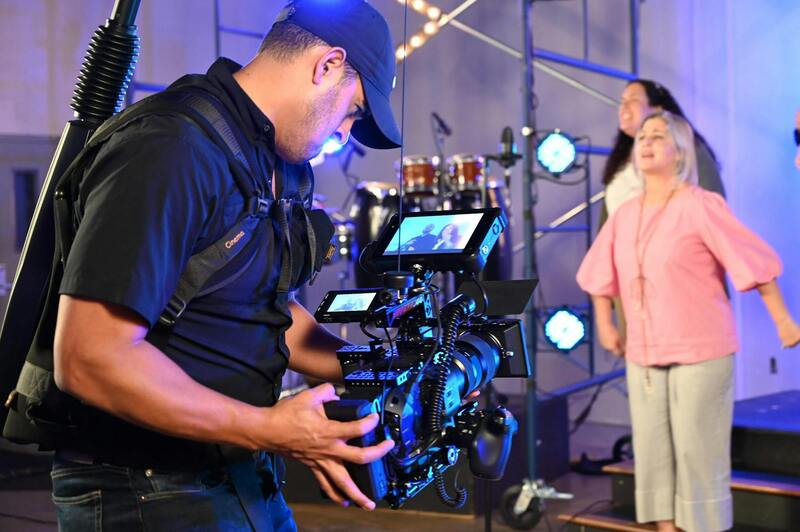
Professional broadcast streaming often employs multi-camera setups to capture different angles and perspectives, enhancing the viewing experience. High-definition and 4K streaming provide crisp, detailed visuals that are especially impactful during corporate events, concerts, or sports broadcasts. Proper camera placement, synchronized switching, and real-time editing are essential to create a polished live stream that feels as immersive as in-stadium or in-venue viewing experiences.
Integration of Live Graphics and Real-Time Data
Embedding live graphics, score overlays, or social media feeds into broadcasts enhances viewer engagement and provides contextual information. Advanced software solutions allow for dynamic graphic insertion, synchronized with live events, ensuring your Miami broadcast remains informative and visually captivating. Incorporating real-time data, such as weather updates or event statistics, can elevate the production value and generate a more interactive viewer experience.
Utilizing Cloud-Based OTT Platforms
Over-the-top (OTT) delivery platforms enable scalable, flexible broadcasting options that extend beyond traditional streaming. Cloud-based solutions allow for the distribution of high-quality streams with minimal latency, supporting multi-platform access and on-demand content. Miami event organizers increasingly leverage these platforms to reach larger audiences, with customizable content delivery and robust analytics tools that inform future content strategies.
Implementing Adaptive Bitrate Streaming
To ensure optimal viewing across varied internet connections and devices, adaptive bitrate streaming dynamically adjusts the video quality based on the viewer’s bandwidth. This technology minimizes buffering and enhances the overall streaming experience, a vital feature for Miami's diverse demographic and technological landscape. Proper implementation requires compatibility testing and network optimization to deliver consistent, professional-grade streams.
Focus on Redundancy and Network Resilience
Creating a resilient broadcast streaming environment involves deploying multiple internet connections and failover protocols. Miami’s production teams often employ dual internet feeds—fiber optic, LTE, or satellite—to maintain uninterrupted streams during critical live events. Real-time monitoring tools supply operators with continuous feedback on stream health, enabling immediate response to any disruptions and ensuring a smooth broadcast regardless of local network conditions.

Advanced Audio Management and Mixing
High-quality audio is just as essential as HD visuals in professional broadcast streaming. Utilizing digital mixers, wireless microphones, and audio processing tools ensures clarity and balance. Sound engineers oversee audio levels, reducing background noise and echo, which is especially important in outdoor or open-air Miami events. Proper audio synchronization with video feeds results in a cohesive, professional presentation.
Emphasizing Continuous Staff Training and Certification
Keeping staff updated with ongoing training in the latest broadcast technologies and compliance standards enhances production quality. Miami-based teams regularly participate in certifications and workshops, enabling them to handle complex setups, troubleshoot issues swiftly, and adapt to evolving streaming trends. Skilled personnel are vital for maintaining a high standard of professionalism during live broadcasts.
Monitoring and Analytics for Quality Control
Post-broadcast analysis employs sophisticated tools to review stream performance, viewer engagement, and technical issues encountered during the event. These insights guide future production enhancements, ensuring that Miami’s broadcast streaming continues to meet high standards. Tracking metrics such as viewer retention, geographic distribution, and device usage informs content planning and technical investments for upcoming projects.