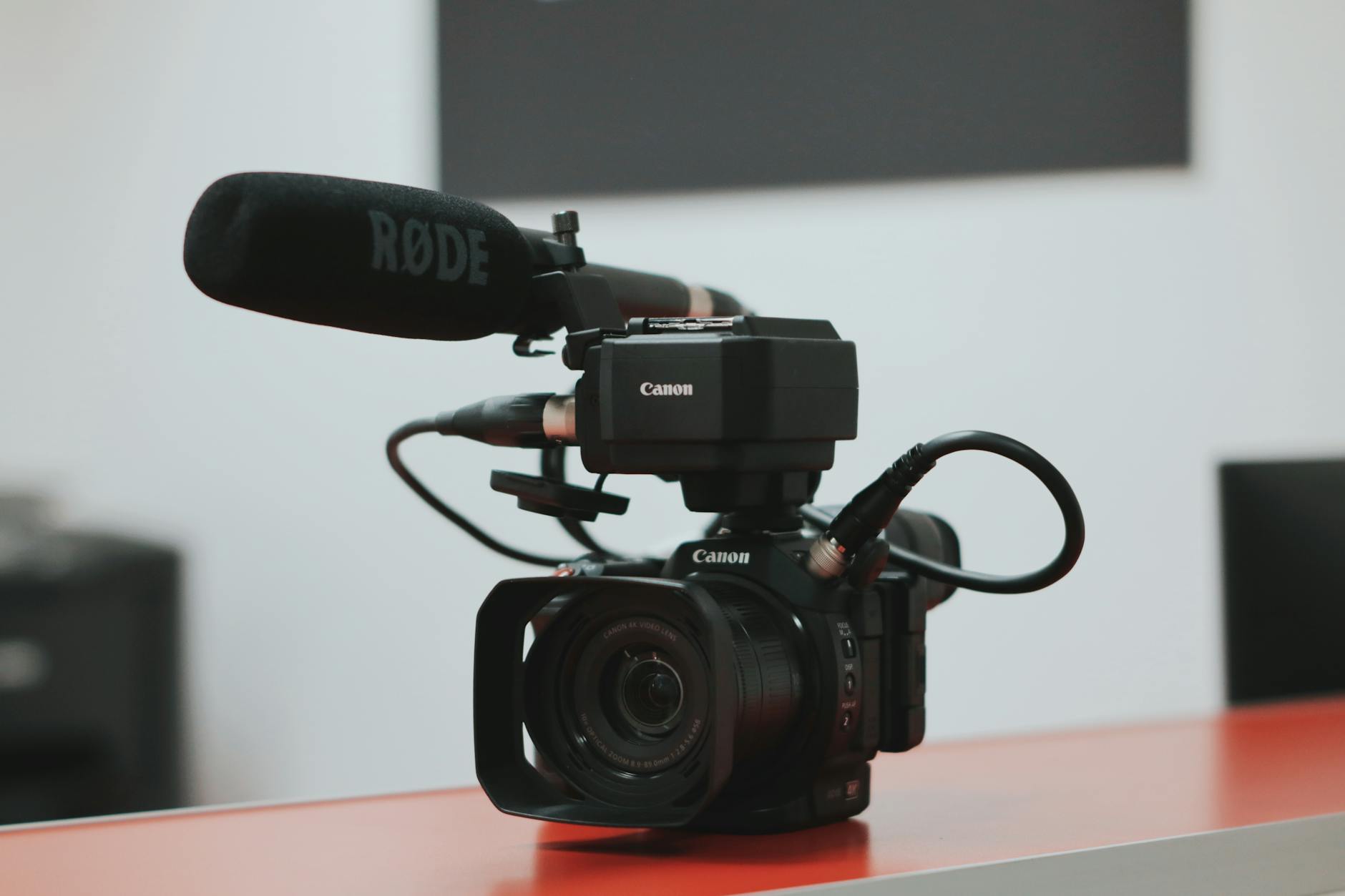
Understanding Streaming Production
Streaming production has emerged as a cornerstone of modern digital communication, providing a dynamic and interactive platform for delivering high-quality video content over the internet. Unlike traditional broadcasting, which relies on terrestrial or cable channels, streaming involves transmitting live or pre-recorded video content directly to viewers via online platforms, ensuring instant access regardless of geographical location.
This approach has revolutionized the way organizations, content creators, and businesses share information, host events, and engage with their audiences. Core to streaming production are several essential components that work seamlessly to deliver a smooth viewing experience. These include capturing high-definition video signals, encoding content into suitable formats, distributing the stream through robust content delivery networks (CDNs), and enabling viewers to access the content on a variety of devices such as smartphones, tablets, and desktop computers.
Compared to traditional broadcast methods, streaming offers unparalleled flexibility, scalability, and immediacy. Traditional broadcast typically involves a fixed transmission infrastructure and scheduled programming, whereas streaming provides real-time interaction, on-demand access, and the ability to tailor content for specific audiences. This adaptability makes streaming an ideal solution for live events, corporate communications, education, and entertainment industries seeking to enhance their digital presence and reach wider audiences effectively.
Key to successful streaming production is understanding the distinct phases involved: pre-production planning, technical setup, on-air management, and post-event analysis. Each phase plays a critical role in ensuring a professional, engaging, and technically sound broadcast. This comprehensive understanding of streaming production sets the foundation for leveraging the best tools, techniques, and practices to deliver high-impact content to online audiences.
Understanding Streaming Production
Streaming production has revolutionized the way content is delivered and consumed across numerous industries. At its core, it involves a comprehensive process that transforms raw video and audio signals into engaging digital broadcasts accessible via the internet. This process encompasses several core phases: content capture, encoding, distribution, and viewer access. Successful streaming hinges on integrating high-quality hardware and robust software solutions to ensure seamless delivery, minimal latency, and an optimal viewer experience.
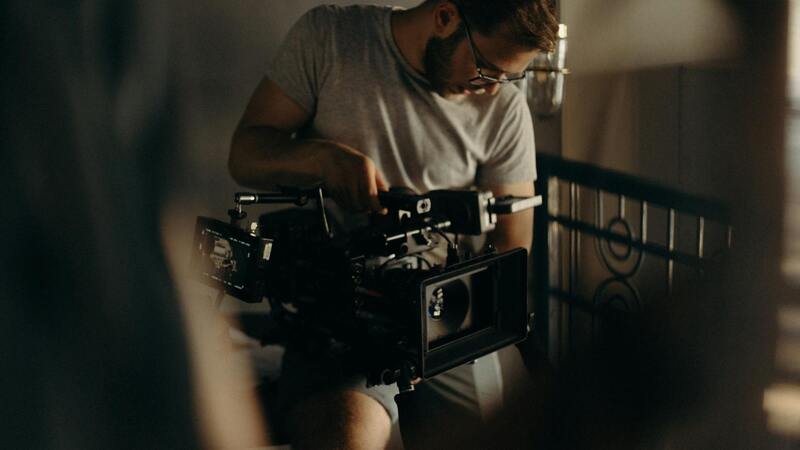
Unlike traditional broadcast methods, which rely on fixed infrastructure and scheduled transmissions, streaming production offers remarkable flexibility. It allows real-time adjustments, immediate audience interaction, and customized content targeting. Whether used for live concerts, corporate webinars, or educational seminars, streaming adapts swiftly to the dynamic requirements of modern digital communication. The ability to scale content delivery and integrate various hardware components simplifies complex production setups, making high-quality streams accessible to diverse audiences worldwide.
Fundamental Components of Streaming Production
- Capture Devices: Cameras and microphones collect the raw audiovisual signals, differentiating between different formats and resolutions based on the event's requirements.
- Encoding Software and Hardware: Encoders process the captured signals into compressed formats suitable for internet transmission, balancing quality and bandwidth considerations.
- Content Delivery Networks (CDNs): These networks distribute content efficiently across vast geographical regions, minimizing latency and buffering issues.
- Streaming Platforms: Platforms serve as the interface for viewers, providing access to live broadcasts and on-demand content through various devices.
Integrating these components effectively ensures a smooth broadcast experience, where each part operates in harmony to deliver professional-grade content.
Streaming Production Workflow Essentials
- Content Planning: Developing a detailed plan that covers content, timing, and technical requirements.
- Technical Setup: Configuring equipment, testing feeds, and ensuring network connections are stable.
- On-air Management: Coordinating live cameras, switchers, and streaming software to execute the broadcast smoothly.
- Post-event Procedures: Analyzing streaming data, reviewing performance metrics, and archiving content for future access.
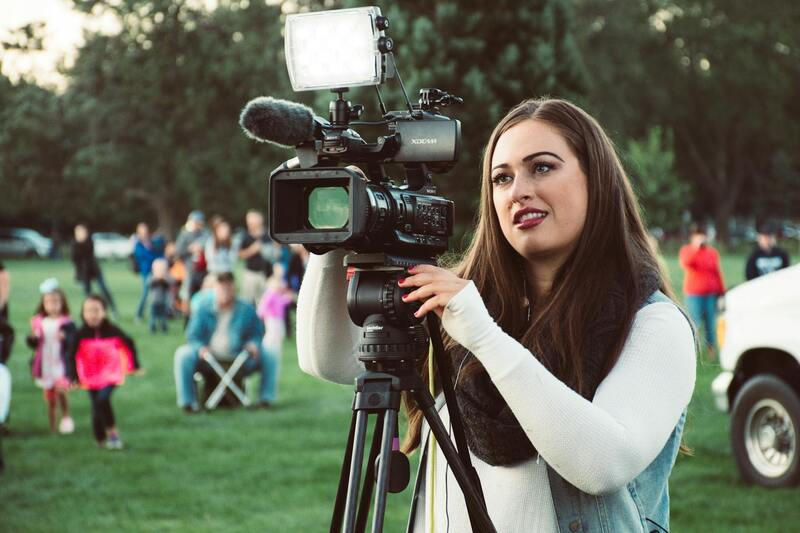
This structured approach to streaming production guarantees high-quality, reliable broadcasts that meet audience expectations across various platforms. Continual assessment and improvement of each phase help content creators and organizations maintain competitive standards, expand reach, and foster engaging viewer experiences efficiently.
Technical Setup and Configuration
Establishing a robust technical foundation is crucial for successful streaming production. This involves meticulously configuring hardware and software components to ensure seamless transmission of high-quality video content. The core hardware elements include broadcast-quality cameras, capture cards, and streaming encoders, each selected for compatibility and performance. High-fidelity microphones and audio mixers complement video equipment, delivering clear sound essential for professional broadcasts.
Network infrastructure plays a pivotal role; stable, high-speed internet connections with adequate bandwidth are non-negotiable to prevent interruptions. Redundant internet connections and failover protocols can mitigate the risk of streaming disruptions. Implementing a local area network (LAN) that isolates streaming traffic from other network activities helps maintain consistent performance.

Software configuration, including live switching software and encoding settings, must be optimized for the target platform and audience size. Properly calibrated settings balance video quality with data rates, ensuring that viewers with varied internet speeds experience minimal buffering. Workflow automation tools assist in managing multiple sources, overlays, and transitions seamlessly, reducing the potential for human error during live events.
Production Techniques and On-air Management
Efficient management of on-air operations is vital for maintaining broadcast professionalism. This entails coordinated control of camera angles, transitions, graphics, and overlays, all orchestrated through a production switcher or control interface. Skilled operators monitor live feeds, adjusting in real-time to enhance storytelling and viewer engagement.
Live event directors and technical directors collaborate closely to execute the planned broadcast script, respond to on-the-fly issues, and manage timing. Employing multi-camera setups provides dynamic angles and perspectives, enriching the viewing experience. Properly timed graphics and score overlays, synchronized with live content, augment the narrative without disrupting the broadcast flow.
Audience Engagement and Interactivity
Engaging viewers during live streams enhances participation and retention. Incorporating interactive features such as live chat, polling, and Q&A sessions allows audiences to connect directly with hosts or presenters. Stream overlays displaying social media feeds or viewer comments create a sense of community and immediacy.
Strategically managing moderation and technical support ensures smooth interactivity, preventing disruptions caused by inappropriate messages or technical issues. Real-time analytics tools monitor viewer metrics, helping producers adjust content delivery dynamically to meet audience preferences and optimize engagement.
Post-production and Analytics
Following a live stream, the focus shifts to content analysis and refinement. Archiving the broadcast enables on-demand access for viewers, extending content longevity. Video editing software can be used to trim segments, add annotations, or create highlight reels that serve marketing and promotional purposes.
Data analytics provide insights into viewer behavior, retention rates, and engagement levels. Analyzing these metrics informs future production strategies, allowing content creators to tailor their approaches to audience interests and platform demands. Comprehensive reports on stream performance assist in identifying technical bottlenecks and areas for improvement, contributing to ongoing quality enhancement.
Figure Placeholder
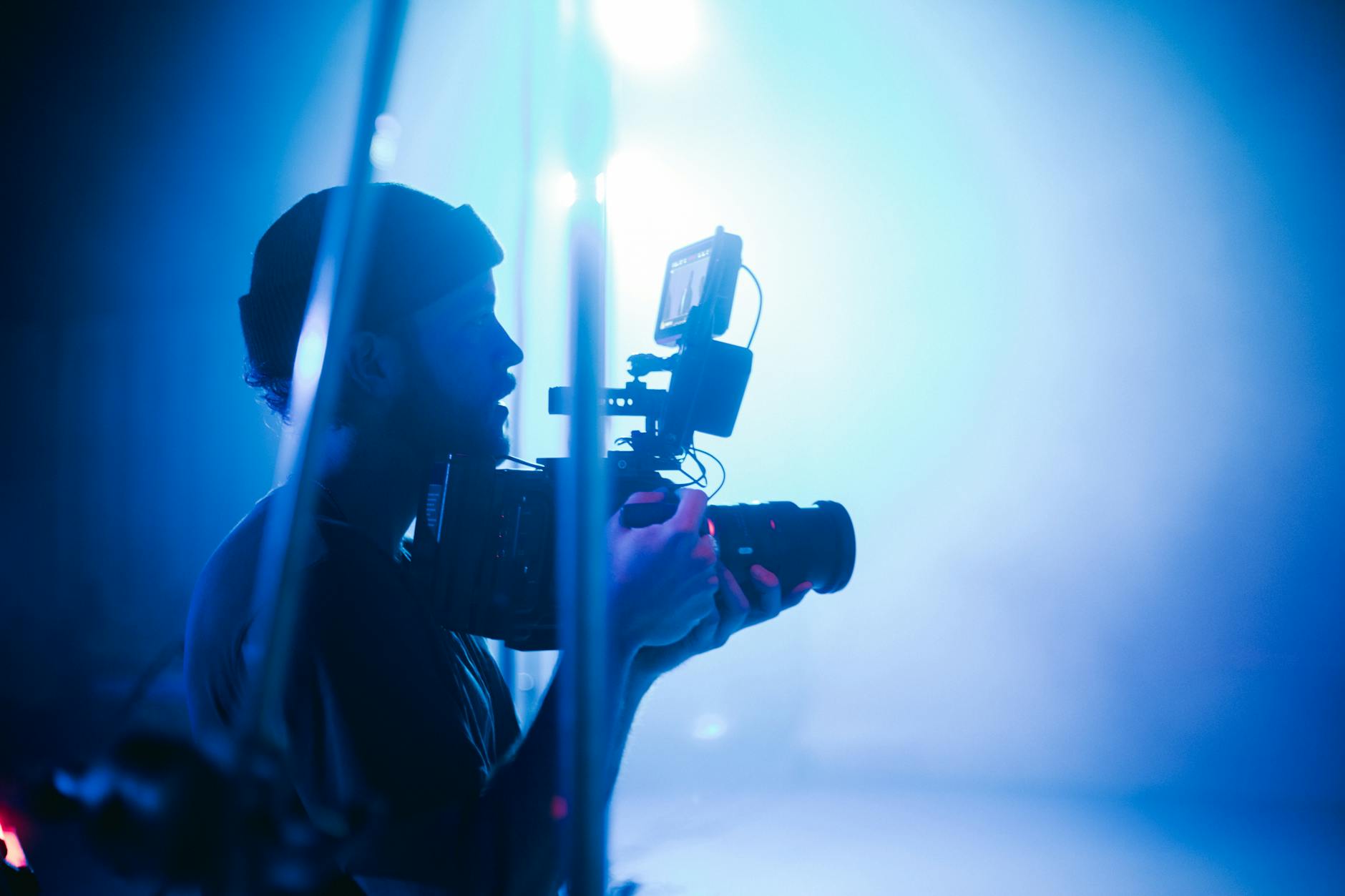
Ensuring Quality Through Robust Technical Setup and Configuration
Establishing a solid technical foundation is vital for delivering seamless streaming experiences. This involves meticulous planning of both hardware and network infrastructure to prevent interruptions and ensure high-quality video and audio outputs. A stable and high-bandwidth internet connection is indispensable; typically, a connection with upload speeds of at least 10 Mbps is recommended for HD streaming. Utilizing wired Ethernet connections over Wi-Fi minimizes latency and reduces the risk of signal interference, providing a consistently reliable transmission channel.
Audio calibration is equally important, as clear sound enhances viewer engagement and understanding. Employing professional microphones, audio mixers, and sound processors helps achieve balanced audio levels and reduces background noise. For video, calibration involves setting optimal camera angles, focus, exposure, and white balance to produce visually appealing content. Proper lighting techniques, such as three-point lighting setups, prevent shadows and ensure subjects are well-lit, contributing significantly to professional-quality visuals.
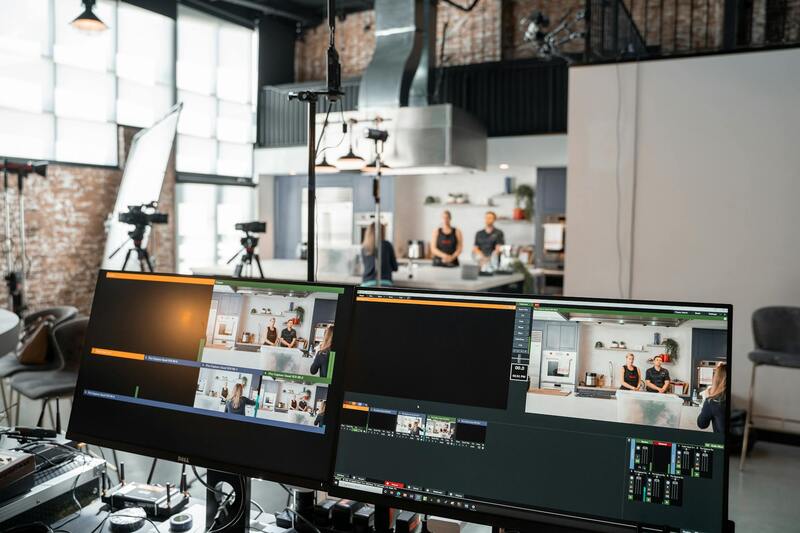
Implementing encoders is crucial for converting raw video footage into stream-compatible formats. Hardware encoders are often preferred for their reliability and lower latency, especially in multi-camera setups. Encoders should be configured with appropriate bitrates, resolutions, and frame rates to match target platforms and audience bandwidths. Redundancy measures, including backup internet connections and power supplies, add resilience against unforeseen disruptions, safeguarding the streaming session from potential technical failures.
 igure>
Effective configuration of audio-visual equipment and network parameters translates directly into a smooth viewer experience. This requires comprehensive testing procedures prior to go-live, including live dry runs to identify and resolve any technical issues. Ensuring all devices are compatible, firmware is up-to-date, and synchronization between audio and video feeds is meticulously maintained culminate in a polished streaming presentation that meets professional standards.
Optimizing Streaming Quality with Reliable Methods
Employing established techniques to ensure high-quality streaming is fundamental for any professional production. Using dependable internet connections, such as fiber-optic lines or dedicated bandwidth providers, minimizes buffering and ensures a stable transmission. Implementing load balancing across multiple servers distributes network traffic effectively, reducing latency and preventing overloads during peak viewer engagement.
Hardware encoders are favored for their consistency and ability to handle high-bidelity streams with minimal delay. These devices compress live video streams into formats compatible with various platforms, maintaining clarity and synchronicity. Configuring encoders with appropriate bitrate settings optimizes visual quality without overwhelming viewers’ bandwidth capabilities. Additionally, live monitoring tools allow producers to track streaming performance in real time, enabling swift adjustments if issues arise.
Switching to software-based options for streaming offers flexibility and cost-efficiency, especially when integrated within robust production workflows. Software encoders like OBS Studio or vMix can be seamlessly configured to support multiple input sources, overlays, and transitions. To uphold production standards, these solutions require high-performance hardware and a reliable network infrastructure, guaranteeing minimal latency and crisp audiovisual delivery.

Implementing redundancy strategies ensures seamless streaming even when primary systems face unexpected interruptions. Dual internet connections, such as a primary fiber line supplemented by a cellular backup, keep the broadcast operational. Uninterruptible power supplies (UPS) safeguard against power outages, preventing disruptions that could compromise content delivery.
Furthermore, meticulous pre-event testing of all hardware, software, and network components is crucial. Conducting dry runs under conditions that mirror the actual event helps identify potential issues, from connectivity lapses to audio mismatches. Consistent monitoring during the live session enables immediate troubleshooting, preserving a professional viewer experience.
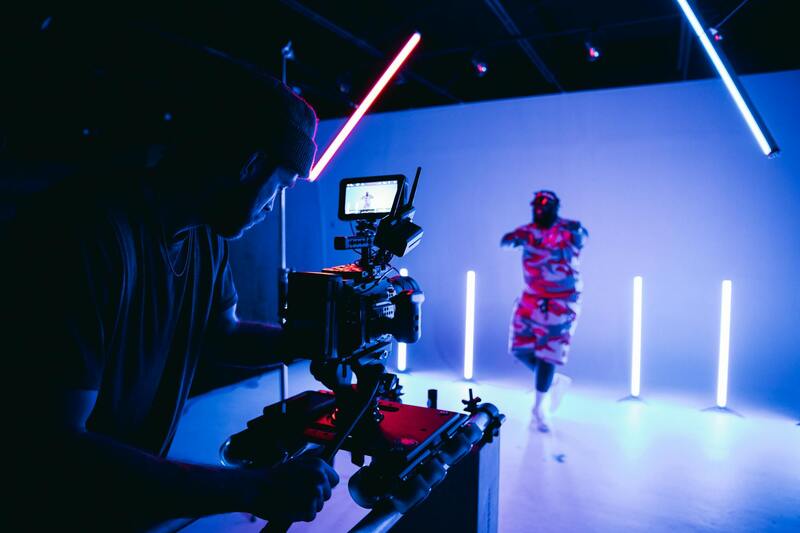
Adhering to emerging industry standards for streaming protocols, such as SRT (Secure Reliable Transport), enhances protection against data loss and ensures higher resilience across network conditions. These protocols facilitate secure, low-latency transmission, which is especially beneficial during complex multi-camera productions or live events with high viewer demands.
By consistently applying these proven practices, production teams can deliver consistent, clear, and engaging streamed content that meets the expectations of both organizers and viewers. Maintaining focus on technical excellence creates an environment where viewers experience seamless broadcasts, reinforcing reputation and credibility for professional streaming services.
Understanding Streaming Production
Effective streaming production hinges on meticulously planned execution and precise technical management. It encompasses the entire process of capturing, encoding, transmitting, and broadcasting live video content to audiences. Streaming production integrates various components such as hardware setup, software control systems, and network infrastructure to deliver a seamless viewer experience. This process demands a strategic approach to ensure video and audio quality, synchronization, and stability, especially during high-profile or large-scale broadcasts. With the increasing demand for real-time content delivery, staying current with industry best practices is imperative.
Key Equipment for Streaming Video
High-quality streaming starts with proper equipment selection and setup. Fundamental hardware components include professional cameras capable of capturing high-definition footage, switchers for multi-camera control, and robust audio systems to ensure clear sound. Additionally, encoders play a vital role in converting video signals into digital formats suitable for streaming, with hardware encoders often preferred for their stability and low latency.
Networking hardware must support high bandwidth and low latency, often requiring dedicated internet connections or bonded network solutions to ensure uninterrupted streaming. Additionally, backup systems like uninterruptible power supplies (UPS) and secondary internet links help mitigate disruptions caused by power fluctuations or connectivity issues. Use of professional audio interfaces and mixing consoles guarantees balanced sound levels and minimizes background noise, contributing to a polished final product.
Planning and Pre-production for Streaming Events
Effective planning is essential for a smooth streaming experience. This phase involves detailed event scoping, including selecting suitable locations, establishing a content flow, and coordinating with all team members. Pre-production activities include verifying equipment functionality, conducting site surveys to assess lighting and acoustics, and preparing scripts or cue sheets. Ensuring all content, graphics, overlays, and multimedia assets are ready in advance reduces on-the-fly adjustments during the broadcast.
Pre-event dry runs are crucial to identify potential issues with hardware, software, or network configurations. These test runs also provide an opportunity to practice transitions, rehearse key moments, and fine-tune technical settings. A comprehensive checklist covering all aspects of production enhances coordination, minimizes oversights, and ensures the event proceeds as planned.
Technical Setup and Configuration
Setting up for streaming involves configuring all hardware and software components in harmony. Network configurations should include dedicated bandwidth allocation, quality of service (QoS) settings to prioritize streaming data, and testing for latency and jitter. Video sources must be correctly connected to encoders, with appropriate resolution and bit-rate settings based on target platforms and audience expectations.
Software control panels facilitate scene switching, overlays, and real-time adjustments. Automation tools can help manage transitions smoothly, while monitoring software provides real-time feedback on stream health, bandwidth consumption, and potential errors. Proper calibration of audio and video synchronization ensures viewers experience a cohesive and professional broadcast.
Production Techniques and On-air Management
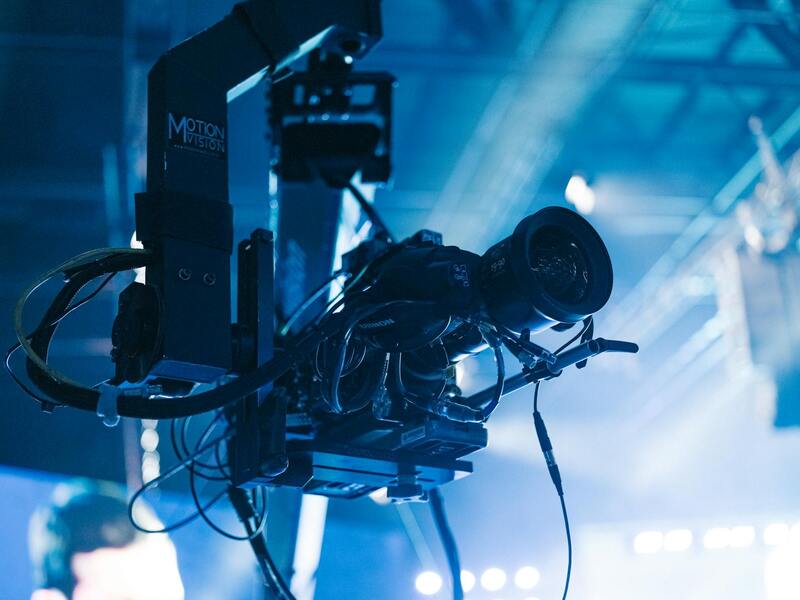
During the live broadcast, skilled operators manage camera angles, audio levels, and visual transitions to create a compelling viewing experience. Multi-camera setups allow dynamic shots, while overlays and on-screen graphics enhance engagement and provide context. Effective communication among crew members via headsets ensures coordinated transitions and rapid response to unforeseen issues.
Real-time monitoring tools track the health of the stream, alerting operators to latency spikes, dropped frames, or connectivity problems. Prompt troubleshooting minimizes viewer disruptions. Additionally, implementing instant replay and picture-in-picture features can elevate the production value. Maintaining a calm, professional on-air presence fosters viewer trust and satisfaction, reinforcing the reputation of the streaming service.
Understanding Streaming Production
Streaming production encompasses the entire process of creating, managing, and delivering live video content over digital networks. It involves a combination of technical preparation, live event management, and post-event activities that ensure high-quality broadcasting tailored to diverse audiences. Effective streaming production requires meticulous planning, sophisticated equipment, and skilled personnel to execute each stage seamlessly. It is essential for content creators aiming to reach wide audiences with professional-grade audiovisual experiences, whether for corporate events, concerts, sports, or educational sessions.
Key Equipment for Streaming Video
To achieve professional-quality streaming production, certain key equipment components are indispensable. These include:
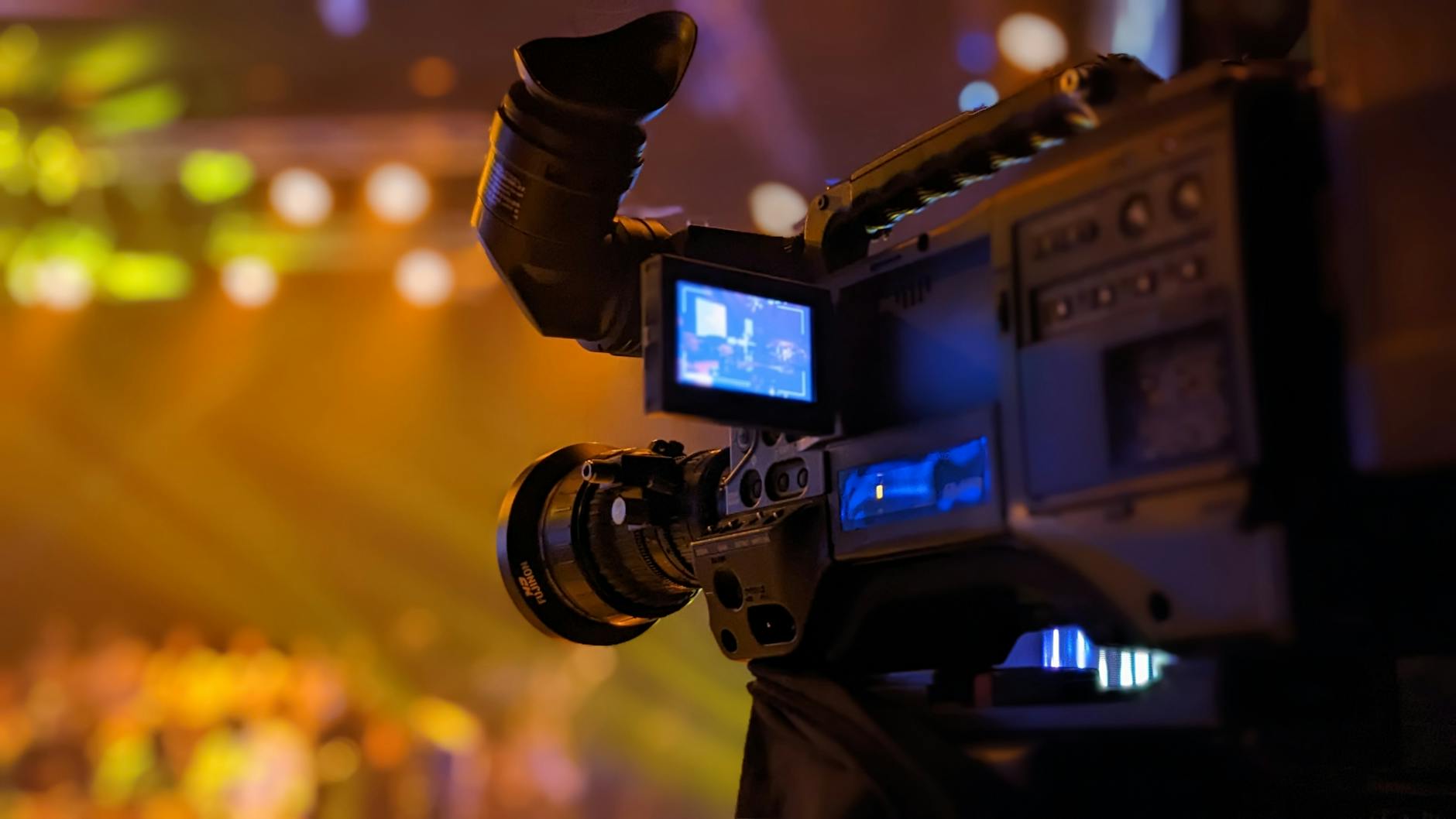
- Video Capture Devices: High-definition cameras capable of capturing clear, crisp images. Depending on the scale of the event, this can range from DSLR cameras for smaller productions to pan-tilt-zoom (PTZ) cameras for larger, multi-angle coverage.
- Encoding Hardware and Software: Encoders convert raw video signals into digital streams suitable for distribution over the internet. Hardware encoders provide robust, low-latency performance, while software encoders offer flexibility and ease of use.
- Audio Equipment: Quality microphones, mixers, and audio interfaces ensure clear sound. Proper audio balancing and synchronization with video are critical for a professional viewer experience.
- Streaming Platforms and CDN Integration: Selecting a reliable streaming platform and content delivery network (CDN) ensures smooth distribution and minimal buffering for viewers worldwide.
- Lighting and Backgrounds: Adequate lighting enhances video quality and visibility, while suitable backgrounds or virtual sets add professionalism to the visual presentation.
Planning and Pre-production for Streaming Events
Thorough planning plays a crucial role in the success of any live streaming event. This phase involves defining the objectives, selecting appropriate equipment, and mapping out the content flow. Pre-production ensures all technical elements are arranged correctly before the event, minimizing surprises during the live broadcast. Tasks include scouting locations, testing internet connectivity, and coordinating with presenters or performers.
Developing a detailed script or rundown, including cue points for camera switches, graphics, and other visual elements, helps streamline the on-air workflow. Preparing backup plans for potential disruptions—like power outages or connectivity issues—is also vital. Additionally, pre-event rehearsals allow the team to identify and address any technical or operational challenges, ensuring a polished, seamless production on the day of the event.
Technical Setup and Configuration
Proper configuration of technical equipment is fundamental to maintaining stream quality. This involves setting up cameras, encoders, and audio devices with calibrated settings tailored to the specific event requirements. Bandwidth assessment and network optimization ensure minimal latency and prevent buffering issues. Encoders must be configured with appropriate resolution, frame rate, and bit-rate settings aligned with target platforms such as social media, dedicated apps, or web portals.
Synchronization of audio and video feeds is essential for a cohesive viewing experience. Adjustments to audio levels, camera angles, and overlay visuals should be tested thoroughly during pre-broadcast checks. Additionally, implementing redundant systems, such as backup internet connections and secondary hardware, adds resilience to the streaming setup.
Production Techniques and On-air Management
During the live event, real-time control is exercised through a production switcher or control panel. Skilled operators manage multiple camera feeds and visual overlays, ensuring dynamic presentation suited to the event’s flow. The use of multi-camera setups allows for varied perspectives that engage viewers more effectively. Graphics, lower thirds, and branding overlays enhance professionalism and provide supplementary information to the audience.
Effective communication is maintained through headsets and communication channels among crew members, enabling swift coordination and response to unforeseen issues. Real-time monitoring tools track stream health indicators such as latency, dropped frames, or connection stability, allowing operators to troubleshoot promptly. Incorporating features like instant replays or picture-in-picture segments can add production value, especially for sports or event highlights. Maintaining composure and professionalism on-air fosters viewer trust and elevates overall broadcast quality.
Ensuring Professional Quality with Proper Post-production and Analytics
Post-production plays a vital role in refining a streaming event to meet high standards of quality and viewer engagement. After the live broadcast concludes, a comprehensive review of the recorded footage and data gathered during the event provides valuable insights. Editing can be undertaken to enhance visual and audio clarity, add branding, and incorporate additional graphics or effects that were not feasible during the live stream. This process ensures the content remains polished and aligns with the desired presentation style for subsequent uses.
Utilizing detailed analytics and metrics gathered from streaming platforms enables creators and producers to understand viewer behavior, technical performance, and overall satisfaction. Data points such as viewer retention rates, engagement levels, and drop-off points help identify areas for improvement. Analyzing stream health reports—including bandwidth usage, latency issues, and error logs—provides actionable insights to optimize future broadcasts, ensuring smoother streams and better viewer experiences.

Essential Elements of Post-production
- Video editing for clarity, branding, and content pacing
- Audio enhancement to improve clarity and balance
- Segmentation for highlight reels or trimmed content
- Graphical overlays and branding integration
- Adding closed captions and accessibility features
Leveraging Data for Future Events
Data analysis allows streaming professionals to tailor future content to audience preferences, optimize streaming infrastructure, and enhance interactivity. By tracking viewer engagement, content creators can make informed decisions about content timing, format, and promotion strategies. A recurring review process ensures continuous improvement in production techniques and quality standards.
Effective post-event activities also include archiving footage securely and preparing content for on-demand delivery, broadening the lifespan and reach of the streamed material. These practices provide long-term value and allow organizers to repurpose content for additional marketing, training, or community engagement initiatives.
Furthermore, integrating audience feedback collected through surveys or live chat interactions offers qualitative insights that complement quantitative metrics. This feedback helps producers understand viewer preferences and tailor future streamed events to meet audience expectations more effectively.