
Overview of Live Streaming Production
Live streaming production is an evolving discipline that integrates advanced technology, strategic planning, and creative storytelling to broadcast real-time content across digital platforms. Its primary purpose is to deliver engaging, high-quality live events directly to audiences regardless of geographical location, often for corporate communications, entertainment, education, or promotional activities. The process begins with meticulous planning, ensuring all technical components and logistical details are aligned to produce a seamless viewing experience.
One of the principal benefits of live streaming production is its immediacy and ability to foster a sense of real-time connection. This makes it an invaluable tool for organizations aiming to enhance audience engagement, boost brand visibility, and generate interactive sessions. Additionally, live streaming eliminates geographical barriers, allowing content to reach a global audience instantaneously, thus expanding outreach and impact. Proper production involves a combination of high-quality video and audio capture, real-time switching between multiple camera angles, and reliable streaming infrastructure.
To achieve a successful live broadcast, several integral elements must be managed effectively. These include camera operation, audio management, lighting setup, streaming software, and redundancy measures to prevent technical failures. The integration of these components creates a cohesive system capable of delivering professional-grade content under live conditions. As the demand for live streaming increases across industries, understanding the core components and best practices involved in live streaming production becomes essential for organizations seeking to elevate their digital presence.
Key Equipment and Technology for Live Streaming
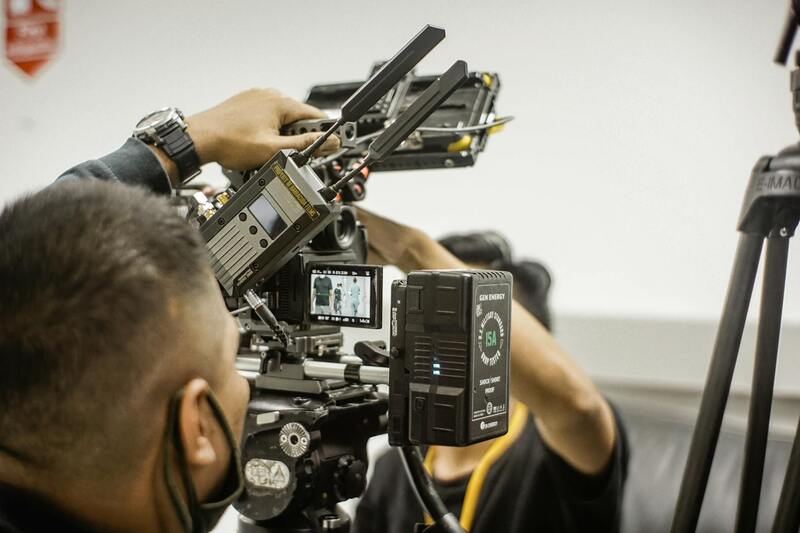
The foundation of a successful live streaming production lies in the selection and deployment of appropriate equipment and technology. Essential hardware includes professional cameras capable of capturing high-resolution video, audio mixers or microphones to ensure clear sound, and lighting systems to enhance image quality. Additionally, encoding devices or software convert video signals into a digital format suitable for streaming.
Streaming infrastructure requires a robust internet connection, preferably wired Ethernet, with sufficient bandwidth to support high-definition content without buffering or delays. Video switchers, mix-minus audio feeds, and real-time monitoring displays are indispensable for managing production seamlessly. Cloud-based or on-premises streaming servers facilitate stable transmission to digital platforms, while backup systems safeguard against technical glitches. The integration of all these technologies ensures a polished and professional live broadcast, enhancing viewer experience and engagement.

Key Equipment and Technology for Live Streaming
Achieving a seamless and professional-quality live stream depends heavily on selecting the right equipment and utilizing advanced technology. For organizations aiming to broadcast content that captivates audiences, understanding the core hardware and infrastructure is vital to ensure a smooth production process from start to finish.
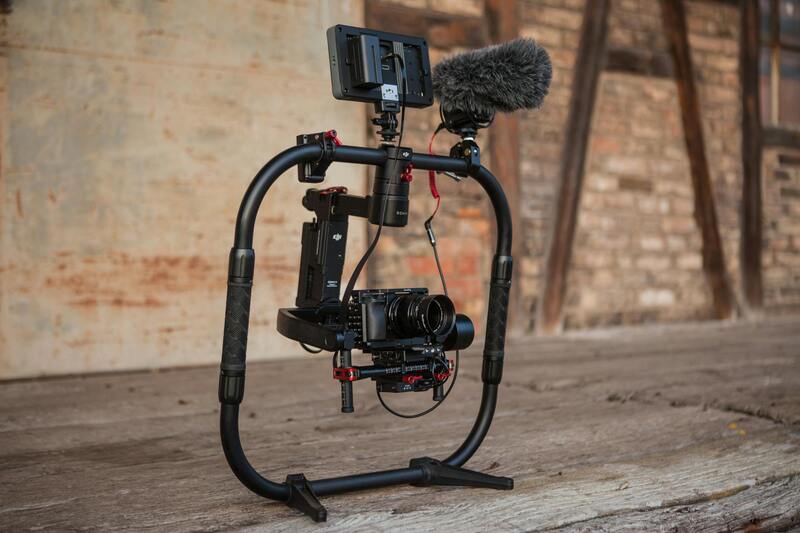
High-resolution cameras are fundamental components, providing crisp visuals that resonate with viewers across various devices. Modern professional cameras often support 4K or higher resolutions, delivering detailed imagery essential for engaging presentations, product launches, or corporate events. These cameras are equipped with multiple lenses and adjustable focus settings, offering flexibility to adapt to different environments and lighting conditions.
Audio quality is equally critical. High-quality microphones—such as shotgun or lapel mics—capture clear sound with minimal background noise. Audio mixers are employed to balance multiple input sources, ensuring consistent sound levels and intelligibility throughout the broadcast. Incorporating audio processors and monitoring systems helps prevent audio distortions and facilitates real-time adjustments.
Lighting setups are indispensable in creating visually appealing streams. Proper lighting equips content creators with the ability to illuminate subjects effectively, reducing shadows and enhancing overall image clarity. LED panels and softboxes are popular choices for studio and on-site productions, enabling smooth adjustments for different scenarios.
Encoding technology transforms the captured video into digital formats suitable for streaming platforms. Hardware encoders serve as dedicated devices that handle compression and stream transmission securely. Software encoders, operating on robust systems, offer flexibility with customizable settings and multi-stream capabilities. The selection between hardware and software encoders depends on the scale of the production, available infrastructure, and specific broadcast needs.
Reliable internet connectivity forms the backbone of any live streaming operation. Wired Ethernet connections provide stable bandwidth, minimizing latency and buffering during broadcasts. Internet service providers that support high upload speeds—often exceeding 20 Mbps for HD streams—are preferred. To further safeguard against interruptions, many productions employ backup internet sources, such as LTE or 5G hotspots.
Transitioning between scenes or multiple camera feeds seamlessly necessitates live video switchers. These devices allow producers to cut, fade, or overlay different video sources in real-time, creating a dynamic viewing experience. Furthermore, monitoring displays provide immediate feedback on audio and video quality, enabling on-the-fly adjustments to maintain professional standards.
Streaming infrastructure also includes robust servers and delivery networks. Cloud-based streaming services or on-premises servers ensure stable content delivery to multiple platforms simultaneously. Redundant systems and backup storage are implemented to prevent data loss or interruptions during critical live events, maintaining transmission continuity and viewer engagement.
Leveraging these advanced tools and technological solutions empowers organizations to produce live streams that are visually stunning, acoustically clear, and impeccably reliable. The combination of high-quality equipment, resilient internet connections, and sophisticated encoding and switching systems lays the foundation for a successful live streaming operation in Miami or beyond.
Technological Innovations Elevating Live Streaming Quality
- 4K and HDR Video Capabilities for Stunning Visuals
- Low-Latency Encoders for Real-Time Interaction
- Wireless Transmission Technologies for Greater Setup Flexibility
- Automated Mixing and Switching for Smoother Transitions
- AI-Powered Video Enhancement and Noise Reduction
Production Workflow and On-Site Operations
Efficient production workflow and on-site operations are critical to delivering a seamless live streaming experience. The process begins with meticulous planning, ensuring all technical and logistical components are aligned. On the day of the event, a detailed run sheet guides the crew through every stage, including setup, rehearsals, and the live broadcast itself. This planning minimizes the risk of unexpected issues and helps maintain a professional broadcast quality.
Setting up on-site is a multi-layered task that involves deploying audio equipment, camera systems, lighting, and backup power sources. Camera placements are strategically chosen to capture key angles and ensure comprehensive coverage of the event. High-definition video cameras equipped with pan-tilt-zoom (PTZ) capabilities facilitate dynamic shots, while professional audio equipment ensures clear sound reproduction. Positioning audio mixers, microphones, and speakers in optimal locations guarantees balanced audio, free from feedback or interference.
Operational protocols include comprehensive testing of all equipment before the event begins. This encompasses checking internet connectivity with primary and secondary connections, verifying the functionality of switching equipment, and confirming encoder setups. On-site technicians monitor the live feed continuously, making real-time adjustments to color grading, audio levels, and video transitions, ensuring consistent quality throughout the broadcast.
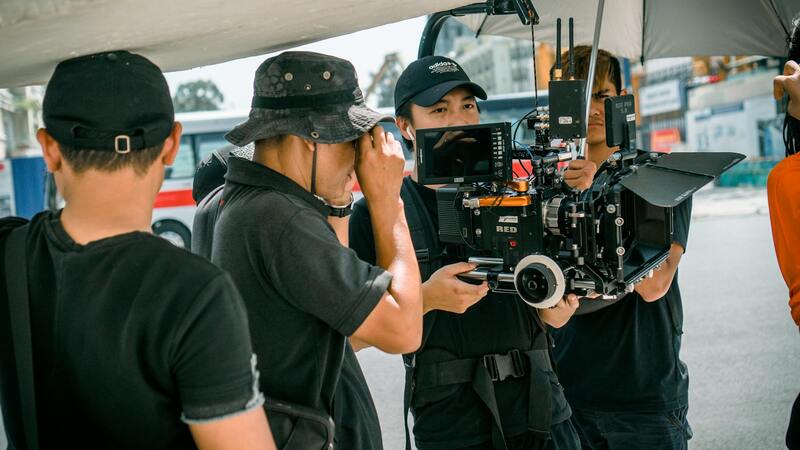
Communication among the crew is maintained through wireless headsets and clear signaling protocols to coordinate transitions and troubleshoot issues immediately. Backup plans, including spare equipment and alternative internet sources such as LTE or 5G hotspots, are ready to deploy if primary systems encounter problems. This proactive approach safeguards the broadcast against potential technical failures, fostering a reliable streaming experience for viewers.
Attention to detail during on-site operations ensures that each component—from camera angles to audio clarity—is optimized for the live event. Skilled technicians and producers work in tandem to troubleshoot, adapt to unforeseen circumstances, and deliver content that meets high-quality standards, regardless of the event size or complexity.
Production Workflow and On-Site Operations
Executing a seamless live streaming event hinges on meticulous coordination among various production activities conducted on-site. A comprehensive on-site workflow involves orchestrating camera switching, audio mixing, graphics integration, and real-time communication among the production crew. Each element must synchronize flawlessly to ensure a professional broadcast that captures the event’s essence and maintains viewer engagement.
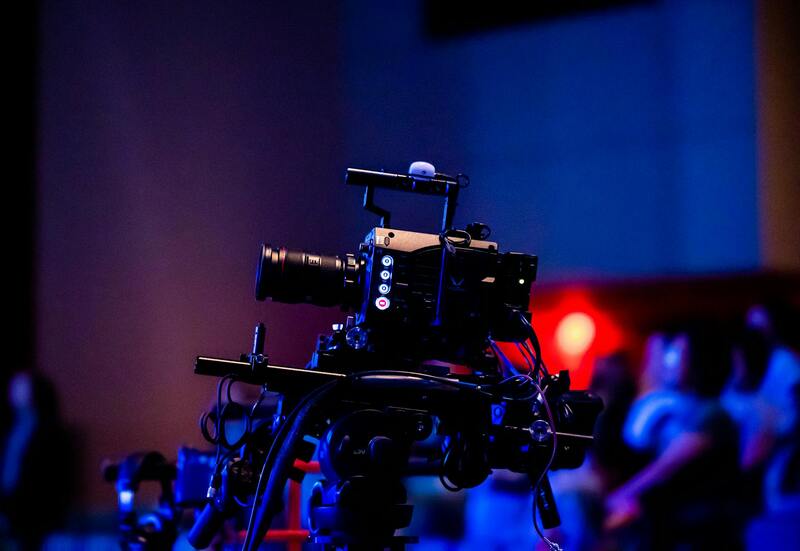
During the event, camera operators transition between multiple angles and shots, providing dynamic visual coverage. These transitions are managed through video switchers, which allow directors to select live feeds smoothly. Skilled camera operators are essential to deliver clear images, appropriate framing, and optimal focus, especially when capturing fast-paced action or detailed close-ups.
Audio engineers play a critical role by constantly monitoring sound quality. They adjust levels, balance multiple microphone inputs, and eliminate unwanted noise or feedback. Effective audio mixing ensures speech, music, and ambient sounds are clear and well-balanced across the broadcast, which is vital for maintaining the auditory clarity of the live stream.
Graphics integration adds a layer of professionalism to the broadcast. This includes inserting lower thirds, logos, event branding, and informational overlays that enhance viewer understanding and engagement. A dedicated graphics operator manages these elements with precision, ensuring timing and placement complement the visual content without causing distractions.
Coordination among production staff is primarily maintained through wireless communication devices such as headsets and signaling protocols. This facilitates instant response to technical issues, scene changes, or other live adjustments. A designated director oversees the entire operation, making real-time decisions to switch camera angles, insert graphics, or adjust audio levels as needed.
Preparation plays a vital role in facilitating smooth on-site operations. Prior to the event, rehearsals help identify potential issues with equipment or coordination protocols. During the event, dedicated technicians continuously monitor system performance, including internet stability, encoder status, and hardware functionality. Backup strategies, such as secondary internet connections or spare equipment, are in place to prevent disruptions.
Overall, the success of a live streaming production depends on the flawless execution of these coordinated activities. A well-organized on-site operation minimizes technical hiccups and delivers a broadcast that appears polished, professional, and engaging for viewers across various platforms.
Advanced Techniques for Live Streaming Production
To elevate production quality and ensure a smooth viewer experience during live streaming events, utilizing advanced techniques and official methods is crucial. This includes implementing high-quality video encoding, multi-camera setups, and real-time graphics integration that conform to industry standards. High-definition (HD) and 4K streaming options are often used to meet viewer expectations for clarity and detail, especially when showcasing high-impact visuals or detailed textual information.
Proper use of professional hardware such as dedicated video switchers enables seamless transitions between different camera angles or sources. These switchers often support multi-source inputs and offer features like picture-in-picture and live effects, allowing a dynamic presentation. Furthermore, employing reliable live streaming software that supports multiscreen output and real-time editing ensures flexibility and control over the broadcast.
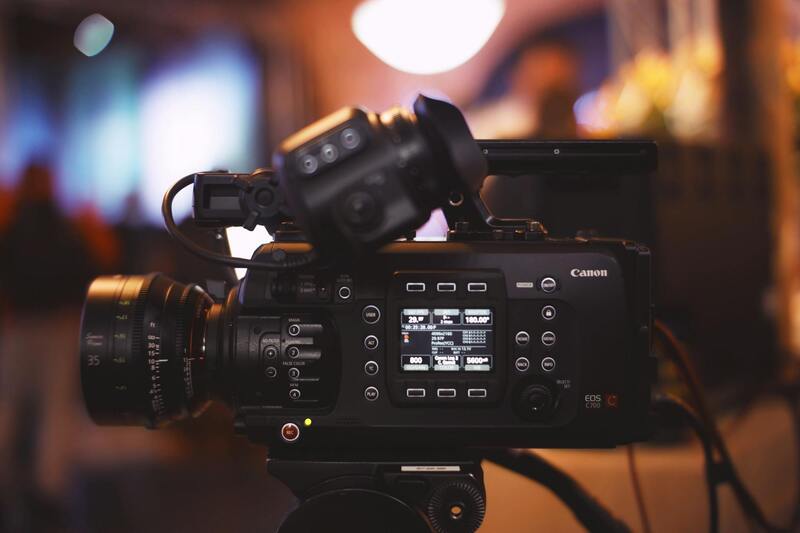
Incorporating content delivery networks (CDNs) optimizes streaming distribution by reducing latency and buffering, especially for large audiences across different geographies. CDNs effectively distribute the stream to multiple servers worldwide, ensuring stable playback and minimal lag. It’s also important to rely on reputable encoders, which convert the raw video input into a compressed digital format suited for streaming.
Ensuring Reliable Internet and Hardware Connectivity
A fundamental element of professional live streaming production involves securing robust internet connections. This often includes dedicated high-speed internet lines with symmetrical upload/download speeds, along with backup connections like cellular data or secondary broadband links. Monitoring tools provide real-time insights into bandwidth usage, latency, and packet loss, allowing technicians to troubleshoot issues proactively.
Hardware reliability is equally critical. Using enterprise-grade routers, switches, and redundant power supplies helps prevent interruptions. Spares of key components such as cameras, microphones, or encoders should be on-site and ready for quick replacement. For large events, deploying portable signal repeaters or wireless transmission units enhances signal strength and stability across sprawling venues.
Optimizing Audio for Live Streaming
Clear, balanced audio quality significantly impacts audience engagement. Using professional-grade microphones tailored for the environment—such as lavalier, shotgun, or handheld mics—is essential. Automated audio mixing, which adjusts levels in real-time, can be complemented by manual controls maintained by an audio technician.
Audio feeds should be synchronized with video sources to prevent delays or mismatched lip movements. Additionally, implementing noise reduction techniques and ensuring proper soundproofing contribute to a pristine listening experience. For multilingual or audience-diverse events, real-time translation overlays or subtitles can be integrated, expanding reach and inclusivity.
Technical Aspects of Live Streaming Production
Implementing a seamless live streaming production demands a sophisticated integration of multiple technical components. This includes high-quality video encoding devices, reliable content delivery networks, and robust data management protocols. Effective use of hardware such as professional-grade encoders ensures that video signals are compressed efficiently without sacrificing visual quality, enabling smoother broadcasts over various platforms.
Moreover, the selection of streaming protocols plays a critical role. Adaptive bitrate streaming dynamically adjusts video quality based on the viewer’s internet speed, providing a buffer-free experience. HLS (HTTP Live Streaming) and DASH (Dynamic Adaptive Streaming over HTTP) are among the most widely adopted protocols that facilitate this adaptive quality management.
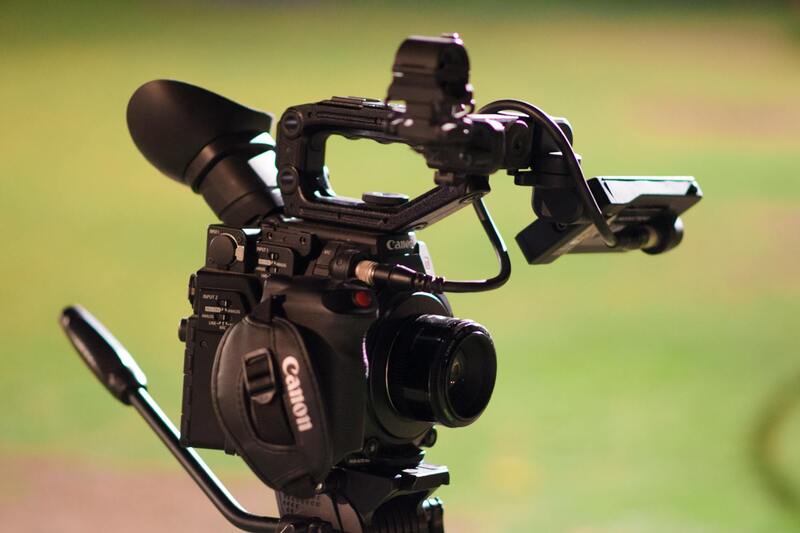
Network configuration also warrants meticulous attention. Dedicated fiber-optic connections with symmetrical upload and download capabilities are preferred to maintain stability and minimize latency. Network redundancy setups involving backup internet sources, such as cellular hotspots or secondary broadband lines, are vital for uninterrupted streaming, especially during high-profile events where any interruption could compromise the broadcast quality.
Quality Control and Monitoring During Live Streams
Real-time monitoring tools are integral to the production process, providing continuous oversight of stream health. These systems track parameters like bandwidth consumption, latency, and packet loss, allowing technicians to respond swiftly to potential issues. Visual and audio synchronization quality is also closely observed to ensure a cohesive experience for viewers.
Audio quality management involves the use of professional-grade microphones, sophisticated mixing consoles, and sound engineering techniques. Proper acoustics and noise suppression enhance clarity, while real-time audio level adjustments prevent distortion or volume spikes. When multilingual audiences are involved, integrated translation channels or subtitles can be managed in parallel, broadening accessibility and engagement.
Integration of Graphics and Multimedia Content
Dynamic graphics, overlays, and multimedia inserts enrich live broadcasts, making the content more engaging and informative. This requires dedicated software and hardware that allow seamless integration without causing delays or dropouts. Experienced production teams manage cueing, transitions, and live call-ins efficiently, maintaining a polished flow throughout the broadcast.

Overall, a meticulous approach to the technical architecture and vigilant on-the-fly management are fundamental to producing professional-grade live streams that meet audience expectations across various platforms and devices.
Advanced Strategies for Stream Stability and Audience Engagement
Maintaining a seamless live streaming experience requires meticulous planning and the implementation of sophisticated synchronization techniques. Advanced synchronization tools coordinate audio, video, and interactive elements to ensure viewers receive a unified and professional broadcast, regardless of their device or bandwidth constraints. These systems monitor real-time data flows, automatically adjusting stream parameters to combat latency and jitter, which are common challenges in live streaming environments.
Implementing redundant infrastructure is critical for minimizing disruptions. This involves deploying backup servers and alternative internet pathways, enabling the stream to switch seamlessly if primary connections falter. Such failover systems are essential for high-profile live events where any downtime can significantly diminish viewer satisfaction.
Effective use of real-time analytics dashboards allows production teams to monitor stream health continuously. These dashboards display metrics like buffering rates, viewer engagement levels, and geographic data, equipping producers with actionable insights. Proactive measures—such as pre-emptively addressing predictable bottlenecks based on historical data—can prevent potential issues before they impact the viewer experience.
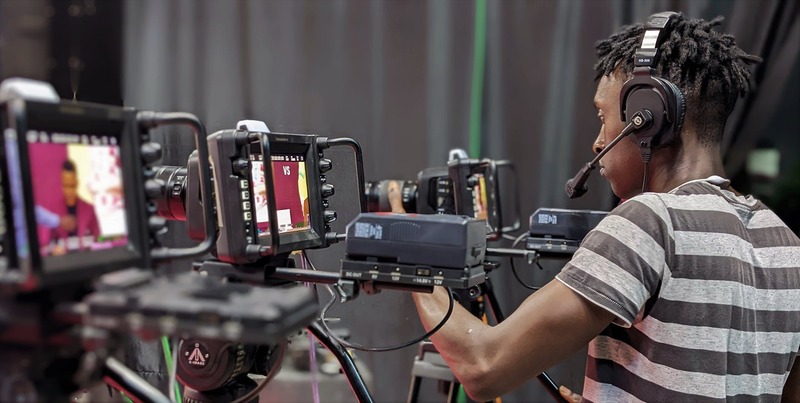
Enhancing audience interaction is another key focus. Incorporating live chat modules, polls, and Q&A sessions during streams encourages active participation, fostering a sense of community and increasing retention rates. To optimize this engagement, moderators should be on hand to facilitate smooth interactions, monitor feedback, and swiftly address technical issues that may arise during the broadcast.
Leveraging multi-platform streaming ensures broader reach and accessibility. This involves distributing the live stream across various channels such as social media platforms, dedicated websites, and third-party streaming services. Multi-platform delivery requires advanced encoding setups that adapt the stream to different formats and resolutions in real time, ensuring compatibility and high quality across all endpoints.
Additionally, integrating adaptive bitrate streaming strategies dynamically adjusts the quality of the stream based on the viewer’s network conditions. This approach reduces buffering and enhances viewer satisfaction by providing the best possible experience with minimal interruptions.
Technical Workforce and Training
Ensuring a successful live streaming event also depends heavily on the skills of the technical team. Continuous training in the latest streaming protocols, troubleshooting techniques, and platform-specific features is essential. Well-trained personnel can swiftly diagnose and resolve issues, maintaining the integrity and professionalism of the broadcast.
Investing in ongoing education for the production team encourages familiarity with emerging technologies such as 4K/8K streaming, VR/AR integration, and innovative graphics overlays. This proactive approach ensures that production quality remains competitive and meets evolving viewer expectations.
Compliance and Quality Assurance
Adhering to industry standards and best practices for encoding, encryption, and content delivery guarantees a reliable viewing experience and safeguards performance. Regular quality assurance checks before and during live events help identify potential points of failure and allow for immediate corrective action. These measures include comprehensive system testing, rehearsal runs, and real-time stream validation protocols.
Post-Production and Content Repurposing
Following the live broadcast, the process of post-production plays a crucial role in maximizing the value of the streamed content. This phase involves editing, color correction, audio enhancement, and the addition of graphics or overlays to improve overall production quality. In many cases, segments from the live event can be extracted to create highlight reels or promotional clips that extend the lifespan and reach of the original content.
Content repurposing is a key strategy for extending audience engagement beyond the live event. Recorded footage can be adapted for various platforms, including social media, websites, and on-demand streaming services. This approach not only broadens the exposure but also reinforces branding efforts and provides additional monetization opportunities.

Effective post-production also involves ensuring that the final content aligns with the intended message and meets quality standards. Using professional editing tools allows for seamless integration of multiple camera angles, transitional effects, and visual enhancements. The edited content can then be optimized for different platforms by adjusting encoding settings and file formats to suit each distribution channel.
Maximizing Content across Multiple Channels
- Social Media: Clips and highlights can be shared quickly to generate buzz and increase viewer engagement.
- Corporate Websites: Embedded videos serve as permanent assets that showcase company events, product launches, or educational seminars.
- On-Demand Platforms: Offering full recordings allows audiences to access content at their convenience, expanding reach and potential revenue streams.
By effectively repurposing live streaming content, organizations can create a sustained digital presence and continuously engage with their audience even after the live event concludes.