
Understanding Live Stream Productions
Live stream productions have become an essential tool for organizations seeking to maximize their reach and engagement during events. These productions involve the real-time broadcasting of events, conferences, performances, and other live content over the internet. The primary goal is to deliver high-quality visual and audio experiences directly to viewers wherever they are, eliminating geographical barriers and expanding audience potential.
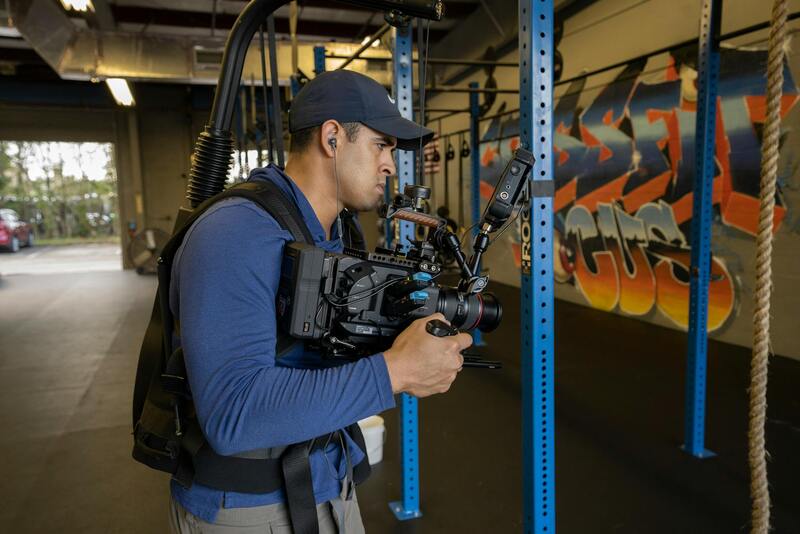
In Miami, a city renowned for its vibrant events, cultural festivals, corporate functions, and sports gatherings, live stream productions play a pivotal role in amplifying visibility and interaction. They enable organizers to reach local, national, and global audiences effectively, providing a digital extension of physical events. With professional live streaming services, Miami-based organizations can enhance event accessibility, drive higher engagement levels, and ensure their message resonates beyond traditional boundaries.
Key to successful live stream productions is the seamless integration of multiple technical elements, including high-definition cameras, reliable internet connectivity, advanced audio systems, and real-time editing. When executed properly, these components work together to produce an immersive viewing experience that mimics the energy and atmosphere of in-person attendance. This capability is especially significant in Miami’s dynamic event landscape, where engaging diverse audiences is often a priority.
The importance of professional live streaming is also reflected in the ability to incorporate branding elements, interactive features, and multimedia content during the broadcast. Such enhancements contribute to a more engaging, memorable experience for viewers, increasing the likelihood of shared content and social media interaction. As the demand for virtual participation continues to grow, having a robust live streaming infrastructure becomes crucial for Miami organizations aiming to stay competitive and relevant in their respective industries.
Ultimately, live stream productions are about more than just broadcasting; they are strategic tools for communication, marketing, and community building. They allow organizations to document their events comprehensively, create reusable digital assets, and extend the lifespan of their content for ongoing engagement. Whether for conferences, concerts, or corporate seminars, mastering the fundamentals of live streaming equips Miami-based entities with a powerful platform to connect on a broader scale.
Types of Live Stream Productions
There are various formats and styles of live stream productions tailored to meet specific event needs and audience preferences. Understanding these types helps organizations select the most effective approach for their goals. Common live stream production types include:
- Single-Camera Live Streaming: This straightforward format typically involves one camera capturing the event, providing a simple yet effective broadcast suitable for smaller events, webinars, or Q&A sessions. It focuses on clear visuals and sound, often with minimal overlay graphics.
- Multi-Camera Production: Incorporating multiple cameras allows for dynamic angles and close-ups, adding professionalism and engagement to the broadcast. This type suits concerts, conferences, or theatrical performances where visual variety enhances the viewer experience.
- Studio-Style Live Streaming: Designed to resemble traditional TV studios, this approach involves a dedicated control room, professional lighting, and multiple camera setups. It is ideal for product launches, interviews, or panel discussions aiming for high production quality.
- Simulcast Streaming: This method distributes a single live stream across multiple platforms simultaneously, broadening reach and maximizing visibility. It requires coordination of different streaming channels and optimized technical configurations.
- Interactive Live Streams: Incorporating interactive features such as live polling, real-time chat, and Q&A sessions fosters audience engagement. This type is increasingly popular for virtual events, workshops, and community-driven content.
Each type of live stream production demands specific technical setups, staffing, and post-event strategies. Selecting the right format depends on the event’s scale, nature, and desired viewer interaction, ensuring a seamless and compelling viewing experience.
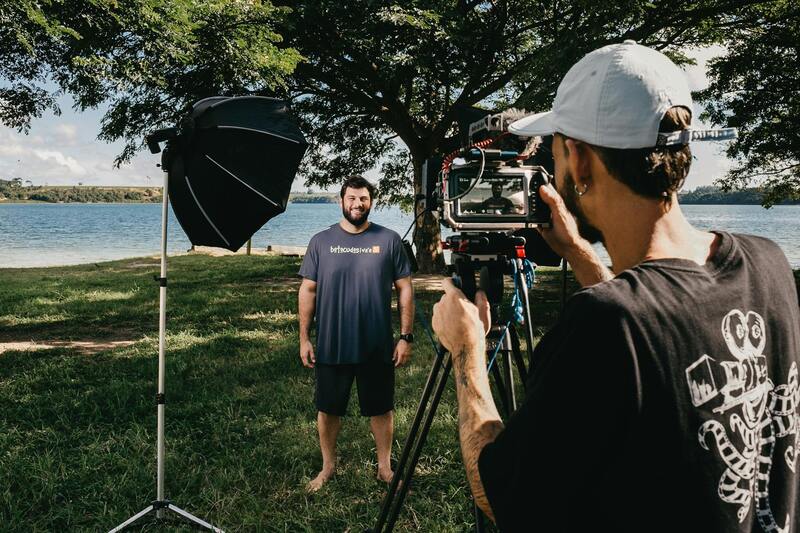
Understanding Live Stream Productions
Live stream productions have revolutionized the way organizations, entertainers, and brands connect with their audiences. These productions are carefully orchestrated processes that involve a range of technical and creative elements to deliver high-quality streaming content. The goal is to provide viewers with an engaging, seamless experience that closely resembles traditional broadcasting while leveraging the flexibility and reach of internet-based platforms.
At the core of a successful live stream is the ability to coordinate multiple interconnected components. This includes capturing dynamic visuals, crystal-clear audio, real-time graphics, and interactive features, all synchronized to create a cohesive viewing experience. Whether the event is a small webinar, a large concert, or a complex sports tournament, the production process remains focused on optimizing content delivery and audience engagement.
These productions often require meticulous planning, technical expertise, and innovative use of broadcasting technology. As the landscape continues to evolve, so too do the methods by which live stream content is produced, ensuring that every broadcast meets specific objectives and viewer expectations.
Key Components of Live Stream Productions
Understanding the essential elements that comprise live stream productions allows for better planning and execution. These components work together to create a polished and professional broadcast, regardless of event size or complexity.
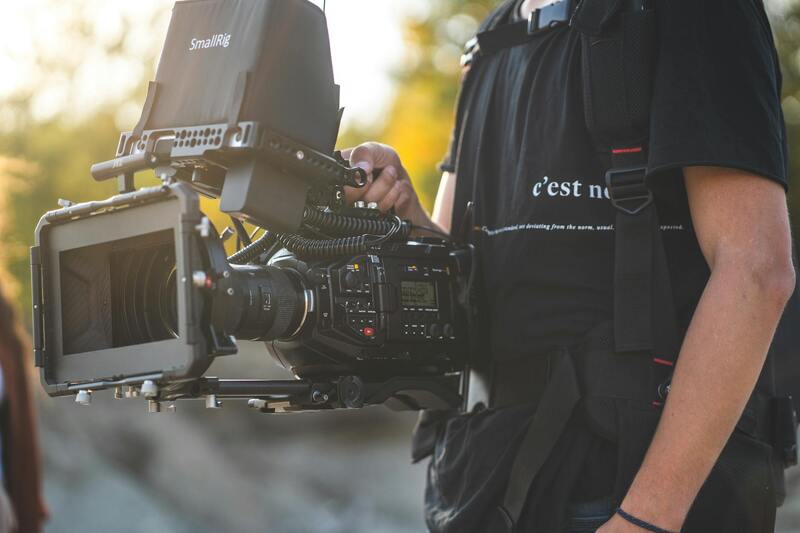
- Video Capture Equipment: High-definition cameras, portable camcorders, and multi-camera setups provide versatile visual angles and dynamic coverage. Professional-grade cameras are crucial for capturing crisp images that translate well over streaming platforms.
- Audio Systems: Clear, balanced audio is vital. This includes wireless microphones, mixing consoles, and soundproofing measures to eliminate background noise and ensure speech clarity or musical fidelity.
- Streaming Platforms and Software: Reliable streaming platforms and encoders convert raw audio and video into optimized data streams. These tools manage broadcasting quality, stability, and platform integration.
- Network Connectivity: Robust internet connections prevent buffering and interruptions. Backup connections and dedicated bandwidth are essential for maintaining stream stability throughout the event.
- Lighting: Proper lighting enhances on-camera visuals, highlights speakers or performers, and creates the right atmosphere for the event’s tone.
- Graphics and Overlays: Real-time graphics, lower thirds, and branding elements add professionalism and visual interest to the broadcast.
- Technical Staff: Skilled operators manage cameras, sound, switching, and encoding, ensuring the production runs smoothly without technical disruptions.
Each of these components must be tailored to suit the specific needs of an event, whether it’s a casual webinar or a large-scale televised concert. The integration and flawless coordination of these elements determine the overall quality and effectiveness of the live stream.
Technical Setup and Execution in Live Stream Productions
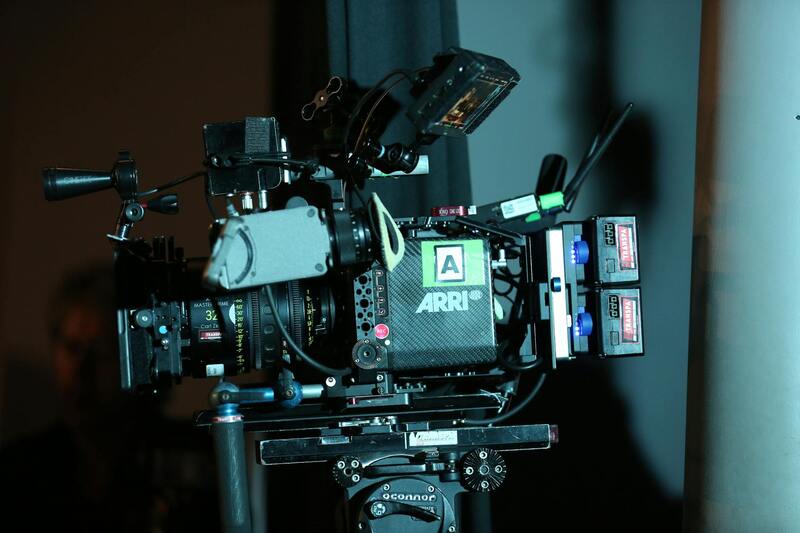
Executing a live stream requires meticulous technical planning and precise coordination among various team members. A robust network infrastructure is fundamental to prevent disruptions, with dedicated bandwidth ensuring a stable data transmission. Prior to broadcast, comprehensive testing of all equipment—including cameras, audio systems, and streaming software—is essential to identify and resolve potential issues. Technical rehearsals allow the crew to fine-tune camera angles, audio levels, and graphic overlays, ensuring a seamless production.
During the live event, technical staff operate equipment such as switchers for transitioning between camera feeds, audio mixers to balance sound sources, and encoders that compress the broadcast for online streaming. Effective communication among team members guarantees rapid response to unforeseen challenges, maintaining broadcast continuity. Implementing backup systems for internet connectivity, power supplies, and key hardware components minimizes the risk of interruptions.
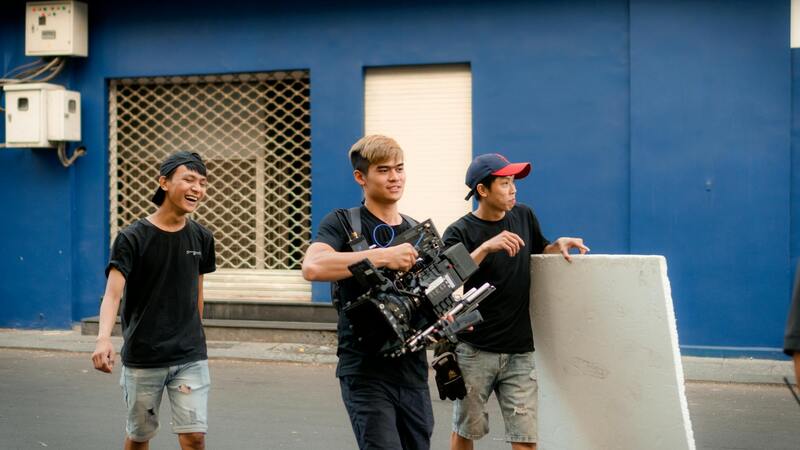
Beyond technical equipment, human expertise plays a vital role. Skilled operators monitor the live feed, handle real-time switching, and adjust audio settings to maintain high-quality delivery. Proper coordination ensures that transitions are smooth, graphics integrated in real-time align with content flow, and overall production aesthetics meet client expectations.
Post-Production Processes
While the primary focus of live stream productions is real-time broadcasting, post-production plays a crucial role in maximizing content utility. Recorded streams can be archived for on-demand viewing, providing extended engagement opportunities. Editing might involve trimming unnecessary segments, enhancing video quality, or adding branding elements to reinforce brand messaging.
Distribution channels extend beyond the live event. Content can be uploaded to video hosting platforms, embedded into websites, or shared through social media channels to reach broader audiences. Proper metadata, descriptions, and timestamps improve discoverability and viewer comprehension. Additionally, analyzing streaming metrics such as viewer engagement, drop-off points, and bandwidth usage helps refine future productions for even higher quality and engagement.
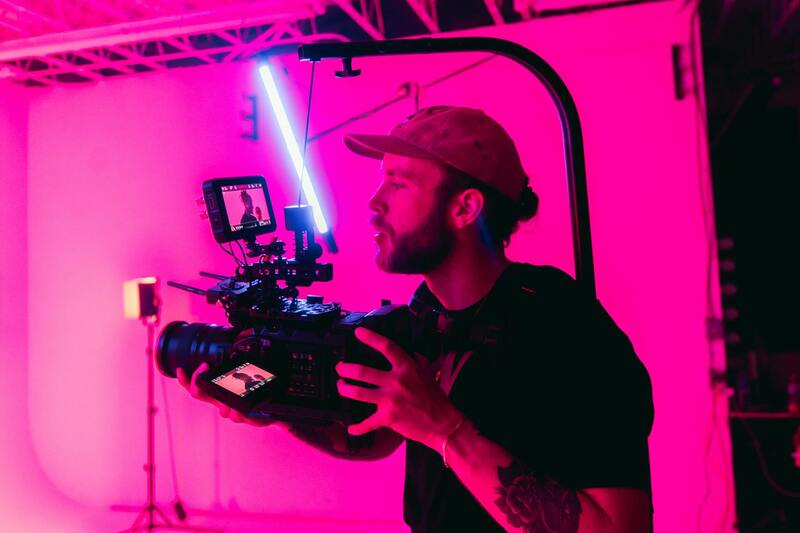
Effective content distribution strategies optimize the reach and impact of live streamed events, ensuring that content aligns with audience preferences and platform requirements. The integration of high-quality recordings and timely dissemination amplifies the event’s visibility and value, transforming live streams from transient broadcasts into lasting digital assets.
Understanding Live Stream Productions
Live stream productions encompass a comprehensive array of activities designed to deliver real-time video content to viewers across various digital platforms. These productions involve multiple stages, from initial concept development through final broadcast, requiring coordination among technical teams, content creators, and client stakeholders. The goal is to produce a seamless and engaging viewing experience that aligns with the event’s objectives, whether it be a corporate conference, entertainment event, or educational seminar.
Critical Elements of Successful Live Stream Productions
- Pre-Production Planning: Establishing the vision, setting objectives, and confirming logistical details. This encompasses scriptwriting, scheduling, and technical rehearsals.
- Technical Setup: Configuring cameras, audio equipment, and streaming hardware. Ensuring reliable internet connections and backup systems are in place is vital for uninterrupted broadcast.
- Production Team Coordination: Managing camera operators, directors, sound engineers, and on-screen talent to execute the event smoothly.
- Real-Time Execution: Live switching between camera angles, managing audio levels, and integrating graphics and overlays that enhance viewer engagement.
- Post-Event Processing: Archiving, editing, and distributing the recorded content for on-demand access, further extending the event’s reach.
Visual Representation of Entire Process
Implementation of Quality Control Measures
Maintaining high production standards involves thorough testing of equipment, pre-event rehearsals, and real-time monitoring. Live producers continuously oversee feeds for potential issues, enabling immediate troubleshooting to minimize disruptions. Employing redundant systems, such as backup internet connections and audio sources, ensures continuous broadcast even if primary systems encounter problems.
Integration of Interactive Features
To enhance viewer engagement, live stream productions can incorporate interactive elements like chat interfaces, Q&A sessions, and polls. These features demand technical integration and dedicated moderation to facilitate smooth interaction without compromising broadcast quality.
Continuous Improvement and Feedback
Post-event analysis is essential for refining future productions. Gathering feedback from viewers, analyzing streaming data, and reviewing the technical execution help identify areas for enhancement. Regular updates to equipment, software, and production workflows ensure that the live streams remain cutting-edge and aligned with audience expectations.
Execution and Technical Considerations in Live Stream Productions
Achieving a seamless live stream requires meticulous attention to technical details and execution strategies. Ensuring that all equipment functions correctly and that the production team is prepared for potential challenges is critical for delivering a high-quality broadcast.
Technical Setup and Equipment Calibration
Prior to the event, comprehensive testing of all audiovisual components is essential. This includes checking camera angles, microphones, switchers, and encoding hardware or software. Proper calibration ensures color accuracy, audio clarity, and minimal latency, which collectively enhance the viewer experience. Setting up multiple cameras allows for varied shots, providing a professional and engaging visual presentation.
Bandwidth and Network Reliability
Stable internet connections form the backbone of any successful live stream. Redundant network setups, including backup internet sources, help prevent disruptions caused by connectivity issues. Networking hardware should be optimized for high throughput, with adequate bandwidth allocated to handle the streaming data without lag or buffering. Continuous monitoring during the event allows operators to swiftly address any connectivity fluctuations or interruptions.
Real-Time Monitoring and Troubleshooting
Constant oversight by dedicated technicians ensures the stream maintains quality standards throughout the broadcast. They monitor video feeds, audio levels, and streaming metrics, ready to intervene at the first sign of technical hiccups. Implementing real-time feedback systems allows for prompt fixes, minimizing viewer experience disruptions. Emergency protocols, such as switching to backup feeds or rerouting signals, are crucial components of the production plan.
Audio-Visual Synchronization and Quality Assurance
Maintaining synchronization between audio and video streams is vital for a polished presentation. Audio mixing consoles and delay adjustments ensure clarity and synchronization, preventing lip-sync issues that can disengage viewers. Prior to the live event, run-throughs and rehearsals help identify and rectify potential mismatches or technical inconsistencies, supporting smooth execution.
Implementation of Interactive Elements without Compromising Stream Quality
Interactive features like live chat, polls, and Q&A sessions significantly boost viewer engagement. To integrate these elements seamlessly, production teams employ dedicated servers or software that can handle multiple inputs without causing latency or lag. Moderators oversee real-time interactions, ensuring a positive and distraction-free environment. Proper resource allocation ensures these features complement the broadcast rather than detract from its quality.
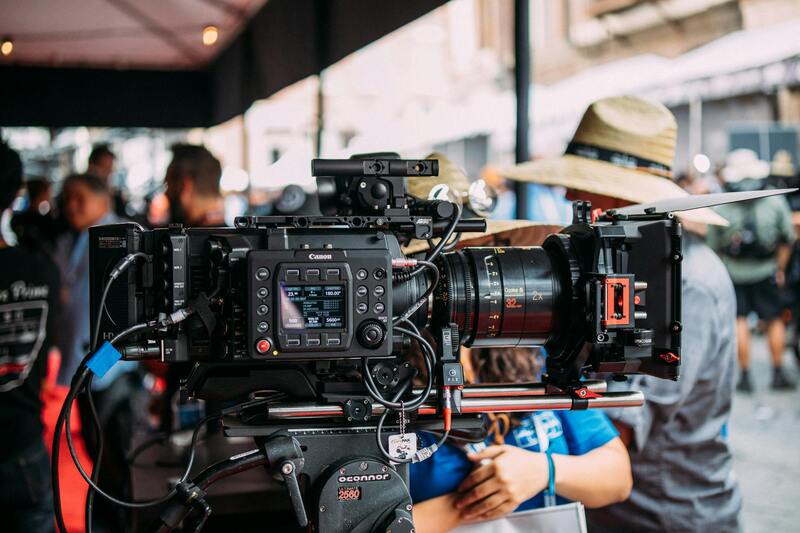
In addition to these core elements, continual refinement of production workflows and adopting emerging technologies such as adaptive streaming protocols and AI-assisted monitoring tools can further elevate the quality and reliability of live streams. Regular equipment updates, staff training, and reviewing past broadcasts contribute to ongoing improvements, ensuring your Miami-based live stream productions stay at the forefront of the industry standards.
Quality Control and Content Delivery in Live Stream Productions
Delivering a seamless live stream hinges on rigorous quality control protocols and efficient content delivery mechanisms. Before the start of a live event, comprehensive testing of all equipment—including cameras, microphones, encoders, and streaming servers—is essential to minimize the risk of technical issues during broadcast. This pre-event checklist ensures that the video and audio feeds are clear, stable, and synchronized, meeting professional standards for high-quality production.
During the live event, real-time monitoring of stream health is vital. This involves tracking bandwidth usage, encoding quality, and viewer metrics to promptly identify and resolve potential disruptions. Stream managers utilize specialized software to observe latency, resolution, and buffer health, enabling immediate intervention if anomalies are detected. Proper network infrastructure, such as redundant internet connections and robust servers, mitigates the impact of connectivity issues, ensuring uninterrupted transmission.
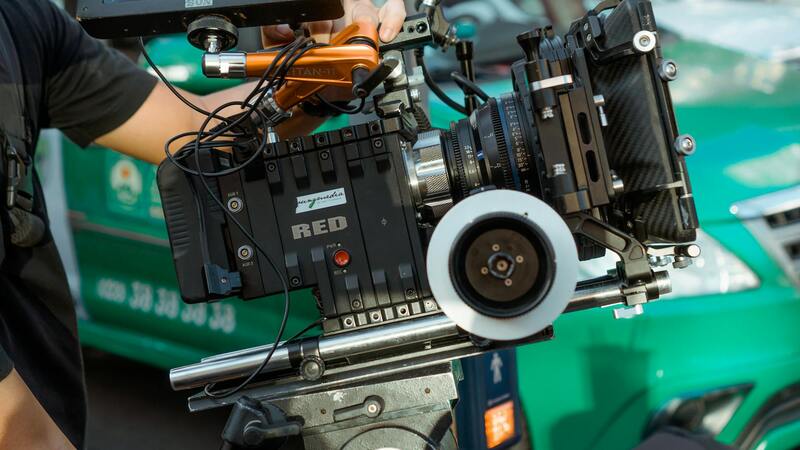
Implementing adaptive bitrate streaming technology is another cornerstone of successful live streams. This technique automatically adjusts video quality based on viewers' internet speeds, providing a smooth experience for all users regardless of their connection stability. Content delivery networks (CDNs) are integral to this process, distributing streams across multiple servers geographically dispersed to reduce latency and prevent bottlenecks.
Post-broadcast, data analysis offers invaluable insights into viewer engagement, technical performance, and content reception. Analyzing metrics such as dropout rates, average viewing time, and engagement levels guides future enhancements. Additionally, maintaining detailed records of equipment performance and incident logs informs maintenance schedules and equipment upgrades, fostering continuous improvement.
Security and Rights Management in Live Streaming
Securing live stream content from unauthorized access and piracy is a critical aspect of professional productions. Encryption protocols encrypt stream data, preventing interception or unauthorized sharing. Access control mechanisms, including login authentication and geo-restrictions, restrict viewer access to permitted regions or demographics.
Furthermore, digital rights management (DRM) solutions help content owners enforce licensing agreements and protect intellectual property. Watermarking and fingerprinting technologies also serve as deterrents against unauthorized redistribution, providing traceability if streams are distributed beyond authorized channels.
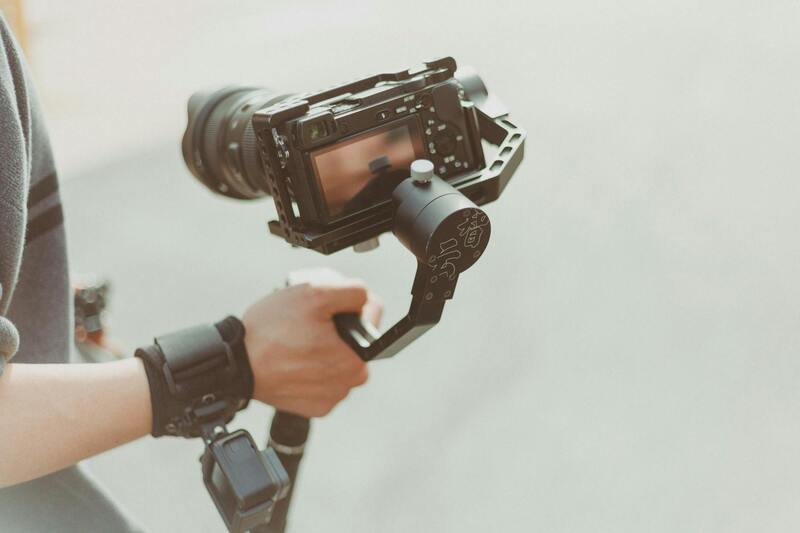
Effective security protocols not only protect content but also uphold viewer trust and brand integrity. Integration of these measures into the production workflow ensures that live streaming remains a reliable and secure method for content dissemination, meeting the rigorous standards expected by professional entities and audiences alike.
Understanding Live Stream Productions
Live stream productions involve the real-time broadcasting of events, performances, or presentations through digital platforms, creating an immediate and engaging experience for viewers. These productions require meticulous coordination of both creative elements and technical execution to deliver high-quality content that resonates with audiences across various devices and locations. As a cornerstone of modern digital communication, live streaming offers an effective way to reach niche markets, host interactive webinars, showcase live events, or broadcast corporate messages, thereby expanding outreach and enhancing brand visibility.
Key Components of Live Stream Productions
Successful live streaming relies on multiple integral components working seamlessly together. These include high-resolution cameras capable of capturing the event from various angles, professional audio equipment to ensure clarity, and a robust internet connection that supports uninterrupted data transfer. Additionally, a capable production team handles switching, graphics, and overlays in real-time, elevating the production quality and viewer engagement. Video encoders compress and transmit the feed efficiently, while streaming servers and content delivery networks (CDNs) optimize distribution across platforms, minimizing latency and buffering issues. Proper lighting, staging, and technical support are equally important to enhance visual appeal and troubleshoot potential issues.

Types of Live Stream Productions
- Event Broadcasts: Covering conferences, concerts, weddings, or sports events, providing real-time access to audiences unable to attend in person.
- Webinars and Virtual Summits: Delivering educational content, corporate training, or panel discussions to a remote audience with interactive features.
- Product Launches and Promotions: Showcasing new offerings or marketing campaigns through live demonstrations, often integrated with social media interaction.
- News and Media Broadcasts: Offering up-to-the-minute coverage of current events, interviews, or special reports.
Planning and Pre-Production Steps
Effective live stream production begins long before the event takes place. Detailed planning involves defining goals, selecting platforms, and understanding the target audience. Pre-production includes script scripting, creating a shot list, and organizing the technical setup. It is important to conduct site surveys to evaluate lighting conditions, space for equipment, and ambient noise levels, ensuring the environment supports high-quality broadcasting. Scheduling rehearsals allows the team to troubleshoot technical issues, refine camera angles, and coordinate cues. Permissions, permits, and legal clearances are obtained during this phase to ensure smooth execution of the event.
Execution and Technical Considerations
During the broadcast, real-time coordination between the director, camera operators, and technical staff guarantees a professional presentation. The core technical considerations encompass quality audio-visual feeds, smooth transitions, and live graphics. Redundancy systems, such as backup internet connections and power supplies, mitigate the risk of disruptions. Monitoring software tracks stream health, engagement metrics, and viewer feedback, enabling immediate adjustments when needed. Integrated chat systems or social media feeds foster real-time interaction, increasing audience engagement and satisfaction. Ensuring compatibility across different devices, resolutions, and streaming platforms enhances accessibility and user experience.
Post-Production and Content Distribution
Following the live event, content is often edited for on-demand viewing, highlights, or promotional materials. Post-production involves trimming unnecessary segments, enhancing audio and visual quality, and adding branding elements or subtitles. Properly organized content can be uploaded to various hosting platforms, such as social media channels, websites, or dedicated streaming portals. Distributing the content strategically boosts reach and ensures the material is accessible to audiences who may have missed the live broadcast. Analytics tools provide detailed viewer engagement reports, offering insights into audience behavior and preferences. These metrics inform future productions, enabling continuous improvement and targeted content delivery.
Image Placeholder: