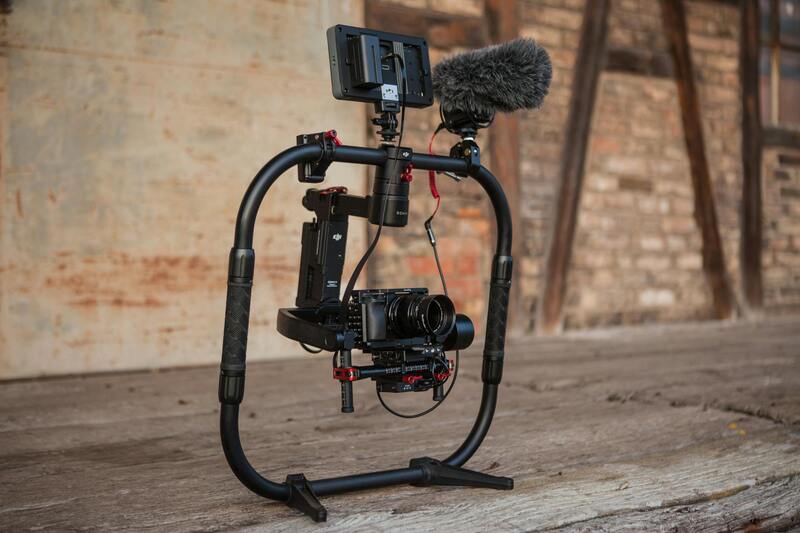
Overview of Remote Live Stream Production
Remote live stream production has revolutionized the way live events are broadcast and experienced by audiences worldwide. This method involves capturing, transmitting, and broadcasting live video content from a remote location without the need for a traditional on-site production team to be physically present at the event site. Instead, specialized technology and skilled professionals manage the entire production process remotely, ensuring seamless delivery of high-quality live streams to viewers over the internet.
The core benefit of remote live stream production lies in its capacity to facilitate the broadcasting of events from diverse and often inaccessible locations, expanding the reach of content while minimizing logistical constraints. Whether it’s a corporate conference, sports event, concert, or religious ceremony, remote production enables organizers to deliver professional-grade visuals and audio to audiences across the globe. This approach not only reduces costs associated with travel and on-site staffing but also allows for more flexible, scalable, and efficient event management.
At its essence, remote live stream production integrates a combination of high-definition video capture, secure data transmission, and real-time editing and switching, all orchestrated by a team of skilled technicians who operate studios or control centers located miles away from the event site. The process is supported by advances in internet bandwidth, cloud-based processing, and sophisticated streaming platforms, which collectively facilitate a robust, reliable transmission. This ensures viewers receive an uninterrupted, immersive viewing experience regardless of geographic boundaries.
Furthermore, remote live stream production opens opportunities for real-time interaction and multi-platform distribution. Content can be tailored for various endpoints, including social media, dedicated websites, or custom streaming apps, making it more accessible and engaging for different audience segments. As industries increasingly adopt digital-first communication strategies, mastering remote live stream production becomes a critical element in delivering compelling, professional-grade live content that resonates with viewers and meets high audience expectations.
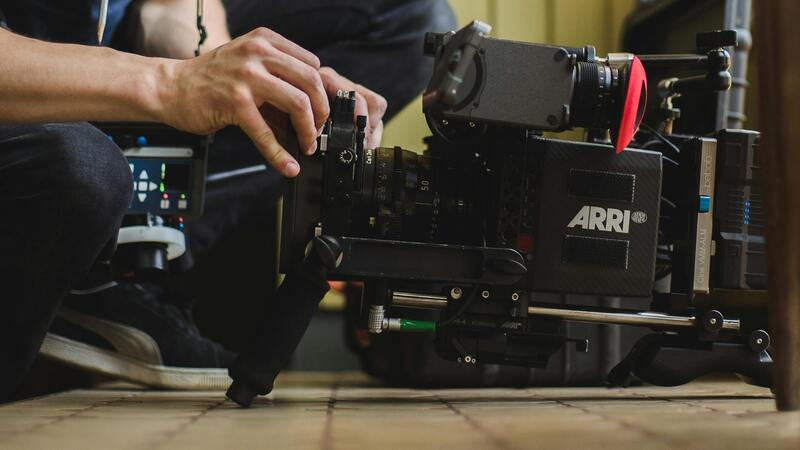 igure>
Key Components of Remote Live Stream Setup
Implementing a successful remote live stream production necessitates a well-coordinated integration of various technological elements. Each component plays a pivotal role in ensuring the delivery of seamless, high-quality content to viewers around the world. These include specialized cameras, advanced streaming hardware, robust software solutions, and highly reliable internet connections, all working harmoniously to facilitate real-time broadcasting.
High-Definition Cameras and Audio Equipment
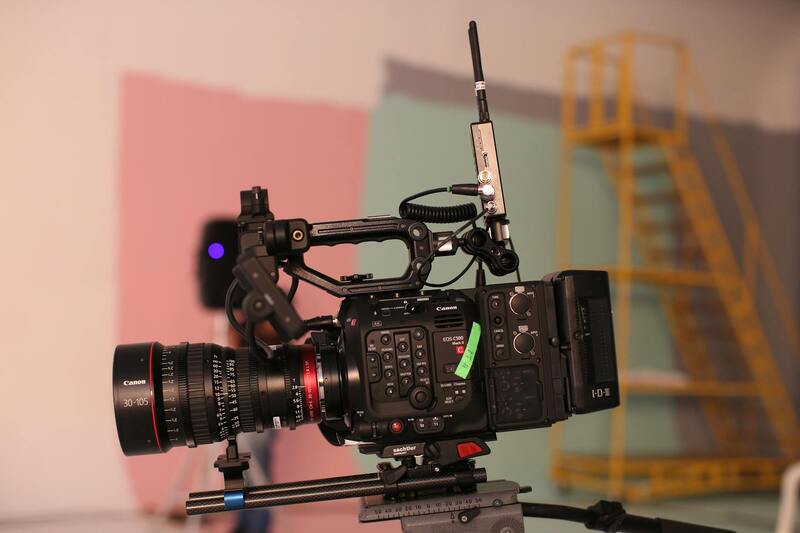
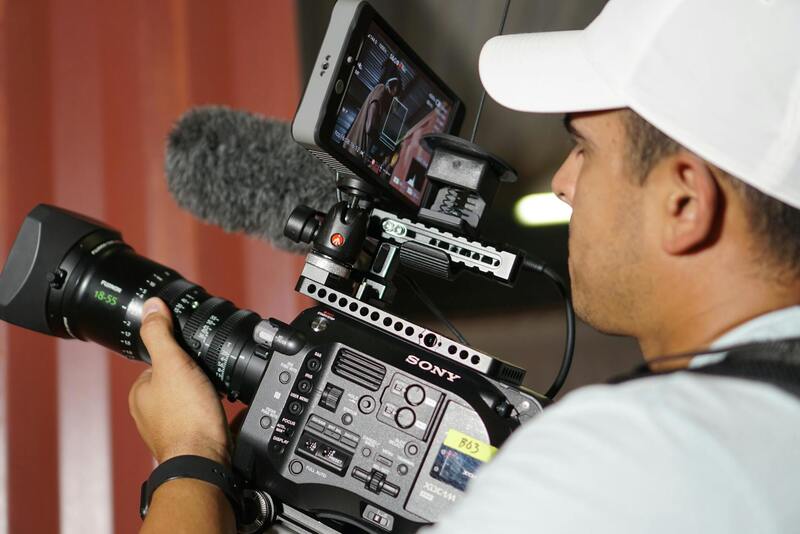
The cornerstone of any professional remote live stream is the use of high-definition cameras capable of capturing crisp visuals in various lighting conditions. Multiple camera angles can be employed to add dynamism and professionalism, including fixed, pan-tilt-zoom (PTZ), and robotic cameras. Complementing the video setup, high-quality microphones and audio mixers are essential to ensure clear sound — an often-overlooked aspect that significantly impacts viewer experience.
Streaming Hardware and Encoding Devices
The backbone of remote production lies in powerful encoding hardware, which compresses raw video and audio signals for efficient transmission. These include dedicated hardware encoders or software-based solutions installed on reliable computers or servers. Hardware encoders offer lower latency and higher stability, making them ideal for live events. They interface with cameras and audio equipment, converting the captured signals into a format suitable for streaming platforms.
Streaming Software Platforms
Stream management software enables real-time video switching, overlays, graphics, and interactive elements that enhance broadcast quality. These platforms also permit multiple input sources, facilitating seamless transitions between different camera feeds, video clips, or pre-recorded content. Cloud-based software solutions further facilitate remote control, allowing producers to oversee live streams from any location with internet access, thus improving flexibility and operational efficiency.
Stable Internet Connectivity
A cornerstone for successful remote live streaming is a high-speed, stable internet connection. This usually involves dedicated fiber optic lines or high-bandwidth broadband connections with low latency and jitter. Backup internet options, such as cellular tethering or secondary connections, are critical to mitigate disruptions. Network monitoring tools and load-balancing equipment may also be incorporated to maintain consistent quality during the broadcast.
Supporting Equipment and Infrastructure
- Reliable power supplies and backup generators
- Secure and redundant data storage solutions
- Physical racks or mobile setups for portable deployments
- Remote control panels and console interfaces for live production management
Each of these components must be meticulously selected, configured, and maintained to ensure the integrity and professionalism of your remote broadcast. When these elements work together seamlessly, they create a cohesive production environment capable of delivering high-quality live streams, regardless of geographic distance from the event site.
Technical Considerations and Best Practices
Achieving a seamless remote live stream production requires meticulous attention to technical details and adherence to best practices that optimize broadcast quality and reliability. One critical factor is bandwidth management; ensuring that the upload and download speeds are sufficiently high to handle multiple high-definition video feeds is essential. This often involves utilizing dedicated internet connections or bonded internet solutions to combine multiple networks, thereby increasing bandwidth and reducing the risk of interruptions.
Video encoding settings play a pivotal role in maintaining the balance between video quality and latency. Using hardware encoders or professional-grade software encoders allows precise control over compression, resolution, and frame rates. Typically, streaming at 1080p resolution with a frame rate of 30 FPS offers a high-quality viewer experience without excessive bandwidth consumption.
Latency management is also crucial, especially during interactive or real-time events. Techniques to minimize delay include optimizing encoder configurations, choosing the appropriate streaming protocols, and ensuring that network paths are clear of unnecessary congestion. Protocols like Secure Reliable Transport (SRT) or Low Latency CMAF are often preferred for their efficiency and robustness.
Backup plans and redundancy measures safeguard against potential disruptions. Maintaining secondary internet connections ensures that the broadcast continues smoothly if the primary connection falters. Additionally, having backup power sources such as uninterruptible power supplies (UPS) and generators prevents interruptions caused by power fluctuations.
Effective remote production also involves pre-event testing. Conducting comprehensive dry runs allows technical teams to identify possible issues with audio, video, and network connectivity. Real-time monitoring tools can provide continuous insights into stream health, enabling quick adjustments during the broadcast.
Furthermore, the integration of remote control panels or cloud-based production consoles facilitates immediate intervention and adjustments, providing producers with a centralized command interface regardless of their physical location. These tools support live audio mixing, camera switching, graphic insertion, and captioning, ensuring a polished final product.
By adhering to these technical considerations and adopting proven best practices, professional remote live stream production can maintain high standards of quality and consistency, thereby delivering exceptional viewing experiences that effectively engage audiences across distances.
Technical Considerations and Best Practices
Implementing remote live stream production requires a strategic approach to technical setup and operational procedures. Ensuring the stability and quality of the stream begins with a robust network infrastructure. Utilizing fiber-optic internet connections where possible provides higher bandwidth and lower latency, minimizing the risk of lag or disconnections during live broadcasts. For locations where fiber-optic access isn't feasible, multiple high-speed internet options should be combined using bonding technologies to create a resilient connection.
Audio and video equipment play critical roles in delivering broadcast-quality content. Professionals typically use high-definition cameras with PTZ (pan-tilt-zoom) capabilities controlled remotely, combined with professional-grade microphones for clear audio. These feeds are encoded using hardware or software encoders optimized for streaming, which support adaptive bitrate technologies to adjust quality dynamically based on viewer bandwidth.
Pre-production testing is non-negotiable. Conducting detailed dry runs allows teams to verify signal paths, test network stability, and calibrate audio-visual synchronization. During the event, real-time monitoring tools are essential for tracking stream health, detecting latency issues, and diagnosing technical failures promptly.
Security measures, such as encrypted streams and secure access controls, protect content from unauthorized interception. It is also important to implement redundancy in key equipment, like backup cameras and audio sources, to mitigate potential hardware failures.
Effective remote control is facilitated through cloud-based production platforms that enable operators to manage multiple camera angles, graphics, and overlays from a centralized interface. These platforms often support multi-user access, allowing team members to collaborate efficiently regardless of their physical location.
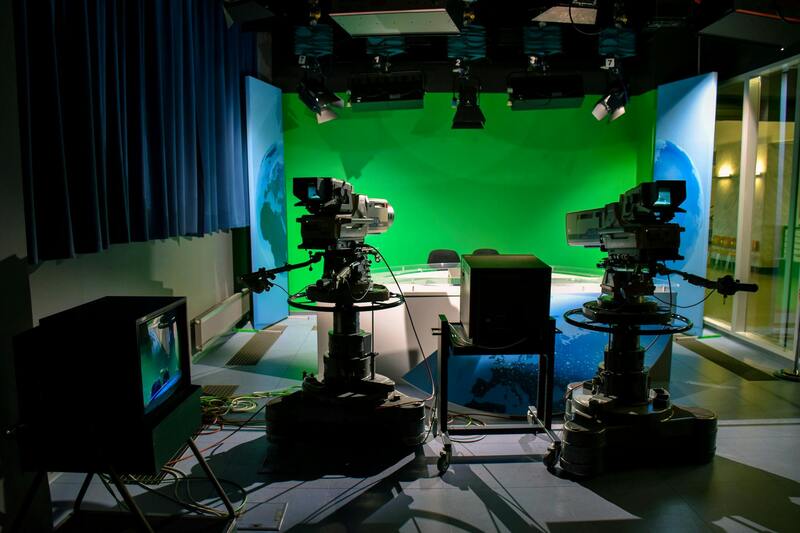
Adopting these practices ensures a consistently high-quality broadcast and delivers a seamless experience for viewers. Regular updates to equipment, continuous staff training, and adherence to industry best practices help maintain operational excellence, which is vital for engaging audiences and elevating the perceived professionalism of the broadcast.
Technical Considerations and Best Practices
Implementing remote live stream production requires meticulous planning and adherence to technical standards to ensure a smooth, professional broadcast. One of the primary considerations is the selection of high-quality encoding hardware and software solutions capable of handling multi-bit-rate streaming. These tools should support adaptive streaming technologies, such as HLS or DASH, which automatically adjust video quality based on viewer bandwidth, minimizing buffering and ensuring a consistent viewing experience.
Network reliability is critical; a dedicated, high-speed internet connection with sufficient upload bandwidth must be secured to prevent interruptions. Redundant internet connections, including backup wired or wireless options, can serve as fail-safes during unforeseen network issues. It is advisable to perform pre-event network testing to identify potential bottlenecks and optimize configurations.
Audio consistency is often overlooked, yet it plays a fundamental role in viewer engagement. Using professional-grade microphones, mixing consoles, and audio processing equipment helps maintain clarity and balance across multiple audio sources. Additionally, real-time audio monitoring allows technical teams to detect issues instantly, addressing any discrepancies swiftly.
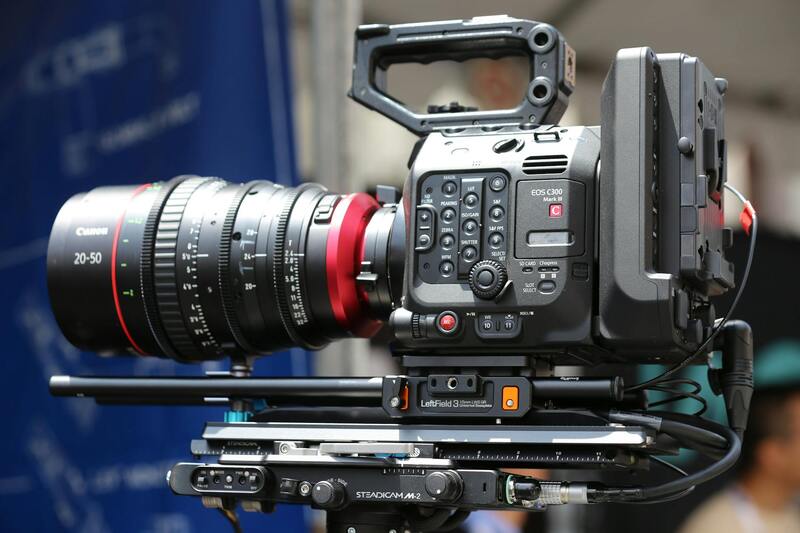
Visual fidelity depends on the quality of cameras and lighting used in remote setups. Employing high-definition cameras with remote zoom capabilities, along with proper lighting, ensures the visuals are sharp and vibrant. Camera control can be managed remotely via PTZ (pan-tilt-zoom) controllers or control interfaces integrated with cloud-based production systems.
Coordination among team members is streamlined through the use of centralized control dashboards. These platforms enable producers and directors to oversee video feeds, graphics, transition effects, and live interactions seamlessly from various locations. Proper synchronization of audio and video feeds, with minimal latency, is essential for a professional broadcast.
Security considerations include encrypted streaming protocols and secure login credentials for control interfaces. Strict access controls prevent unauthorized personnel from interfering with the live production. Regular firmware and software updates from equipment manufacturers are also necessary to safeguard against vulnerabilities.
Finally, establishing clear communication channels among the remote production team, on-site crew, and client is vital. Utilizing real-time chat or VoIP systems ensures that all stakeholders are aligned during the broadcast, allowing for prompt problem-solving and implementation of changes.
Technical Considerations and Best Practices in Remote Live Stream Production
Implementing a successful remote live stream requires meticulous attention to a variety of technical factors that directly influence the broadcast’s quality and reliability. At the core of these considerations lie robust internet connectivity, optimized bandwidth management, advanced multi-camera switching capabilities, and precise encoding settings, all of which contribute to a seamless viewing experience.
Internet Reliability and Bandwidth Management
Ensuring a stable and high-speed internet connection is paramount in remote live stream production. Multiple internet sources, such as fiber-optic lines or dedicated broadband connections, can be combined using load balancing techniques to prevent interruptions caused by bandwidth fluctuations. Employing multiple internet pathways also provides redundancy, enabling the stream to continue uninterrupted even if one connection fails. Additionally, prioritizing bandwidth for critical video and audio feeds through Quality of Service (QoS) settings helps prevent latency issues and buffering during the broadcast.
Advanced Multi-Camera Switching and Video Management
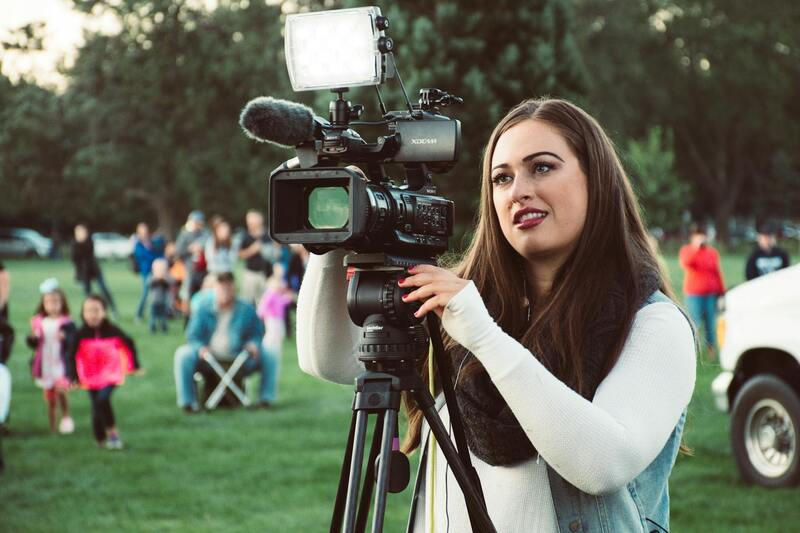
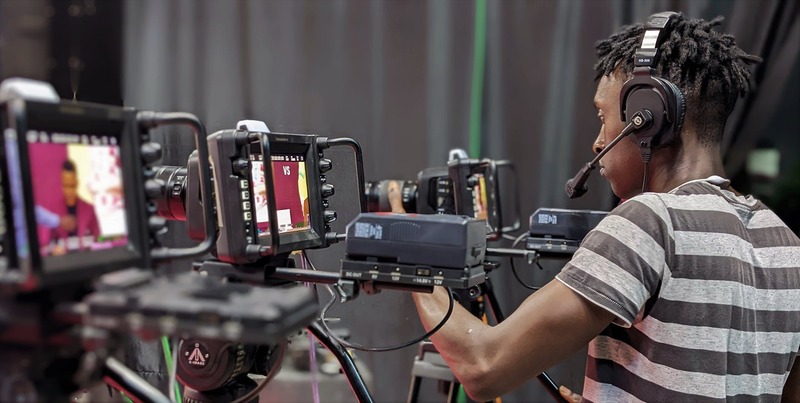
Remote live stream setups often incorporate multiple camera feeds to provide dynamic visual coverage of the event. Efficient multi-camera switching is achieved through hardware or software controllers that allow operators to select different angles, apply transitions, and incorporate graphic overlays in real time. The integration of remote camera control systems enables operators to pan, tilt, and zoom camera views from afar, enhancing visual engagement.
Encoding Settings for Optimal Video Quality
The encoding process compresses raw video data into formats suitable for streaming over networks. Selecting the right encoder settings is crucial in balancing video quality and bandwidth consumption. Variable bitrate (VBR) encoding adjusts quality dynamically based on available bandwidth, preventing drops in quality during network fluctuations. Additionally, configuring resolution, frame rate, and keyframe intervals to match the targeted delivery platform ensures that viewers experience crisp, smooth visuals without unnecessary buffering.
Synchronization and Latency Management
To maintain a cohesive broadcast, audio and video feeds must be synchronized precisely. Implementing time-stamping protocols and real-time clock synchronization across devices minimizes latency discrepancies. Techniques such as low-latency streaming protocols and buffer management further contribute to reducing delays, allowing seamless interactions between hosts, guests, and audiences.
Security Protocols and Access Controls
Protecting the integrity of live streams involves robust security measures. Encrypted streaming protocols like Secure Reliable Transport (SRT) and Transport Layer Security (TLS) ensure data encryption during transmission. Role-based access controls restrict control over stream configurations to authorized personnel, while secure login credentials and multi-factor authentication safeguard management interfaces. Regular updates of firmware and software patch security vulnerabilities, reducing the risk of disruptions or malicious interference.
Communication and Coordination
Effective communication channels among remote team members, on-site staff, and clients are essential. Utilizing dedicated video conferencing platforms or real-time chat systems allows for immediate troubleshooting and swift decision-making. Clear communication protocols streamline workflows, reduce errors, and enhance overall production efficiency.
Monitoring and Testing
Prior to going live, comprehensive testing of all equipment, network connections, and streaming parameters is vital. Conducting test streams helps identify potential issues, allowing adjustments to be made proactively. During the broadcast, continuous monitoring of stream quality, bandwidth utilization, and system performance ensures swift responses to any anomalies, maintaining a high standard of broadcast integrity.
Summary
- Secure and reliable internet connections with backup solutions ensure uninterrupted streams.
- Multi-camera control systems facilitate dynamic coverage from remote locations.
- Optimized encoding settings balance video quality and bandwidth efficiency.
- Synchronized audio and video feeds are crucial for seamless viewing experiences.
- Advanced security protocols protect the broadcast from unauthorized access and disruptions.
- Robust communication channels support quick issue resolution and coordination.
- Pre-broadcast testing mitigates potential technical issues during live events.
Technical Considerations and Best Practices
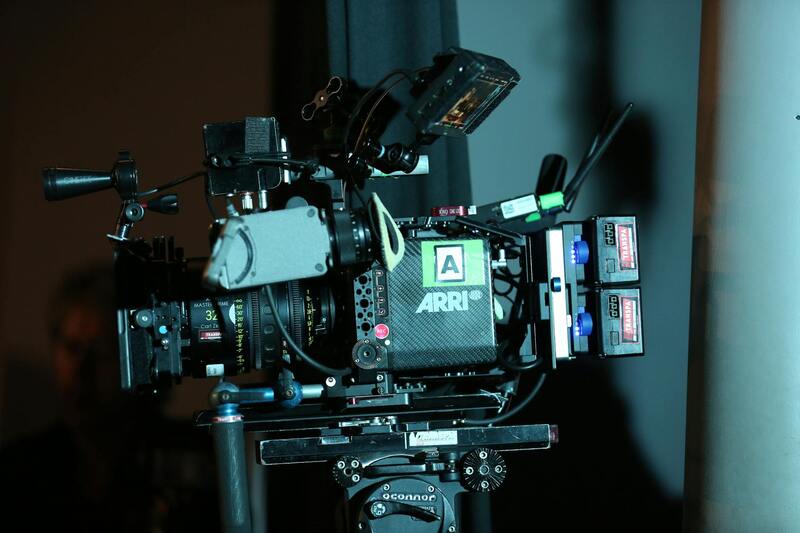
Implementing a seamless remote live stream production requires meticulous attention to technical details that ensure broadcast quality and operational efficiency. One key element is the utilization of professional-grade encoding hardware and software. High-efficiency encoders convert video streams into formats optimized for internet transmission, balancing resolution, bitrate, and latency to deliver smooth, high-definition content without overwhelming bandwidth capacities.
Bandwidth management plays a significant role in maintaining stream stability. Dedicated internet connections, such as fiber optic lines or bonded internet solutions, should be prioritized over standard consumer networks. Redundant connections serve as fail-safes, automatically taking over if primary links encounter issues, thereby minimizing the risk of interruptions during live broadcasts.
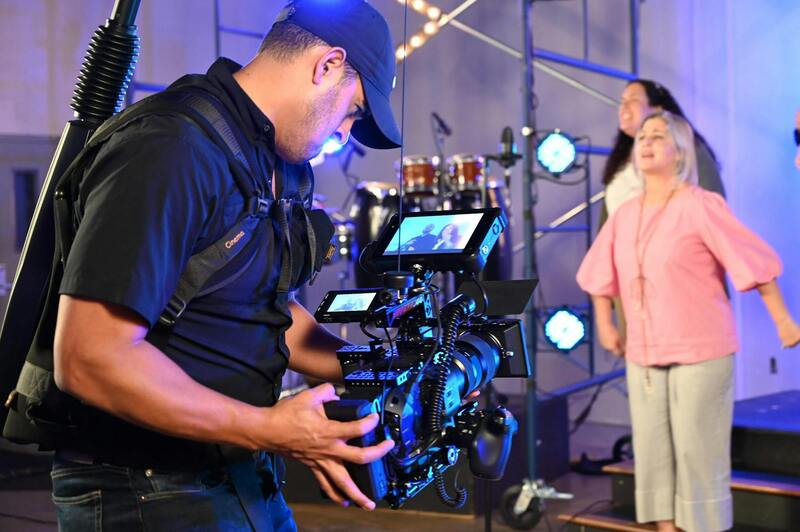
Synchronization of audio and video feeds is crucial for a cohesive viewing experience. Using synchronized audio-video equipment and ensuring that encoding settings preserve lip-sync integrity prevents delays or mismatches that could distract or frustrate viewers. Additionally, deploying multi-camera control systems allows remote producers to switch angles dynamically, enhancing the visual storytelling and engagement of the audience.
Advanced security protocols, such as end-to-end encryption, access controls, and secure login credentials, safeguard the content from unauthorized access and potential cyber threats. Implementing firewalls and VPNs further encrypt connections, especially when remote production teams access sensitive systems or proprietary content.
Monitoring systems should be integrated to provide real-time analytics on stream health, viewer engagement, and technical performance. Tools that track data such as bitrate stability, latency, and viewer metrics enable on-the-fly adjustments, ensuring optimal quality and experience throughout the event.
Clear communication channels are indispensable. Utilizing dedicated platforms like secure chat applications or integrated control rooms helps coordinate between remote operators, on-site staff, and clients. Quick access to technical support and troubleshooting resources reduces downtime and ensures swift resolution of unexpected issues.
Pre-event testing is an essential phase. Rehearsals and dry runs allow teams to identify potential bottlenecks and resolve them before the actual live broadcast. These tests encompass equipment verification, internet speed assessments, software configurations, and review of security measures. During the event, continuous supervision—through live dashboards and remote monitoring tools—maintains the integrity of the stream, with immediate response protocols ready for any anomalies detected.
Overview of Remote Live Stream Production
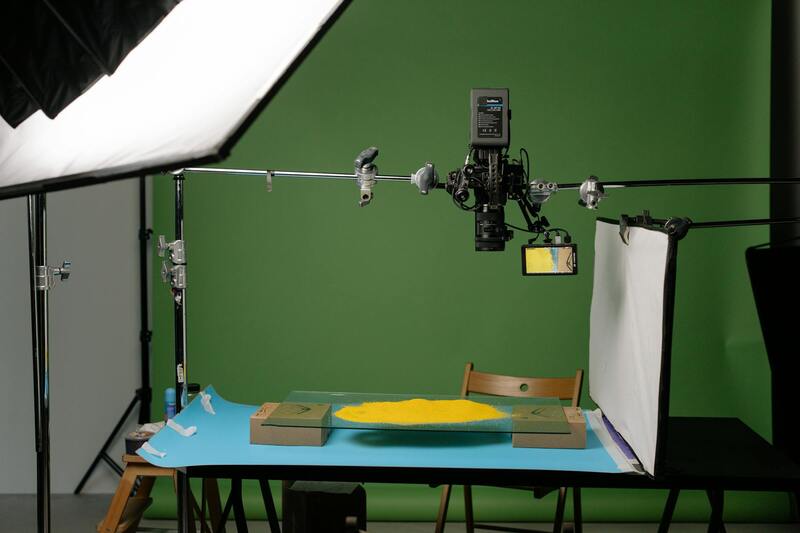
Remote live stream production has transformed the way content is created and broadcasted across diverse industries. By leveraging high-speed internet, advanced broadcasting software, and state-of-the-art hardware, producers can deliver high-quality live video experiences from virtually any location. This approach eliminates the need for extensive on-site setups, reduces costs, and enhances flexibility, making it an attractive solution for various types of events. Remote production enables real-time collaboration among geographically dispersed teams, ensuring seamless coordination and synchronization of audio-visual feeds.
Key Components of Remote Live Stream Setup
Implementing an effective remote live stream relies on several critical components that work in harmony to deliver a smooth broadcast. These include:
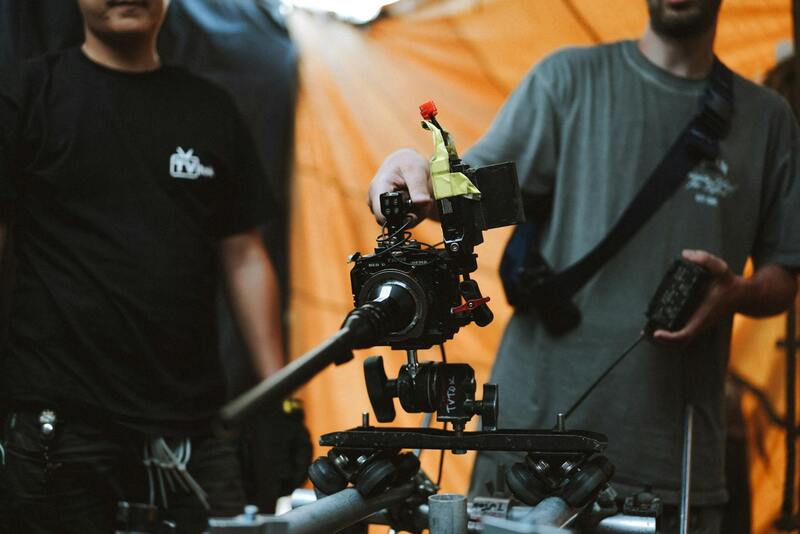
- High-Quality Video Capture Devices: Cameras and encoders that transmit crisp, reliable video feeds from various locations.
- Robust Network Infrastructure: Fast, stable internet connections with sufficient bandwidth are essential to prevent disruptions and maintain stream stability.
- Remote Production Software: Platforms that facilitate multi-camera switching, real-time graphics, and audio mixing remotely. Examples include cloud-based production tools that provide control interfaces accessible from any location.
- Secure Data Transmission: Encrypted connections, VPNs, and firewalls to protect content, especially when transmitting proprietary or sensitive material.
- Monitoring and Analytics Tools: Systems that track stream health, viewer engagement, and technical performance, enabling proactive management of the broadcast.
Advantages of Remote Live Stream Production
The adoption of remote live streaming offers numerous advantages:
- Cost Efficiency: Significantly reduces expenses related to on-site staff, equipment rental, and logistical arrangements.
- Flexibility and Accessibility: Allows production teams and presenters to operate from any location, facilitating event coverage across multiple sites or even international venues.
- Enhanced Collaboration: Enables specialists from different regions to contribute simultaneously, improving the overall quality and professionalism of the broadcast.
- Rapid Deployment: Enables quicker setup and turnaround times, ideal for breaking news, live sports, or urgent corporate communications.
- Scalability: Easily expands to include additional feeds, remote guests, or complex graphics without extensive physical infrastructure.
Types of Events Suitable for Remote Live Streaming
Various event formats benefit from remote live stream production, including:
- Corporate Events: Conferences, seminars, product launches, and town halls that require broad internal or external stakeholder engagement.
- Sports Events: Live coverage of local or national competitions, especially when on-site presence is limited or impractical.
- Religious Services and Ceremonies: Worship services, weddings, and cultural celebrations that want to reach a wider audience beyond the physical venue.
- Educational Classes and Workshops: Remote classes, webinars, and training sessions that maintain interactive participation.
- Entertainment and Concerts: Music festivals, theater productions, and award shows that seek expansive online viewership.
Role of Miami-based Production Agencies
Specialized agencies located in Miami play a vital role in facilitating remote live stream production. Their expertise encompasses technical planning, equipment provisioning, and on-demand support, ensuring flawless execution regardless of event scale or complexity. These agencies offer tailored solutions that incorporate the latest streaming technologies, security protocols, and audience engagement strategies. By leveraging local infrastructure and industry experience, Miami-based production firms can deliver high-caliber broadcasts with regional or global reach.
Technical Considerations and Best Practices
Achieving a professional remote live stream requires meticulous attention to technical details and adherence to best practices:
- Internet Reliability: Ensure high upload speeds and low latency connections. Utilize backup internet sources such as bonded cellular or dedicated fiber lines.
- Equipment Optimization: Use professional-grade cameras, microphones, and encoders. Regular maintenance and testing prior to the event mitigate unforeseen issues.
- Pre-Event Rehearsals: Conduct dry runs to troubleshoot equipment setups, signal paths, and software configurations, minimizing unforeseen delays or glitches during the live broadcast.
- Stream Security: Implement access controls, encrypted streams, and secure login credentials to safeguard content and prevent unauthorized viewing.
- Communication Protocols: Establish clear channels among remote operators, on-site staff, and clients. Utilize secure messaging platforms and control panels for real-time coordination.
- Quality Control Measures: Continuously monitor stream health, video quality, and viewer analytics. Employ feedback mechanisms to resolve issues swiftly.
Ensuring High-Quality Production and Audience Engagement
Delivering an immersive and professional remote broadcast involves integrating various elements:
- Multi-Source Input Management: Incorporate multiple camera angles, graphic overlays, and live captions to enhance visual interest and accessibility.
- Interactive Features: Integrate live chat, polls, and Q&A sessions to foster viewer participation.
- Optimized Content Delivery: Use adaptive bitrate streaming to accommodate different viewer bandwidths, ensuring smooth playback across devices.
- On-Screen Elements: Incorporate branding, countdown timers, and informational overlays to improve professionalism and viewer retention.
- Post-Event Analytics: Leverage data to assess viewer engagement, identify areas for improvement, and plan future productions more effectively.