
Overview of Live Broadcast Services
Live broadcast services encompass a specialized suite of solutions designed to transmit real-time video and audio content over the internet or other digital platforms. These services are integral to a range of industries, including media, entertainment, corporate communications, and public events, offering a seamless way to reach audiences instantly and interactively. For Miami-based production agencies, live broadcast services present a powerful tool to elevate brand visibility, enhance audience engagement, and deliver dynamic content across various channels.
Typically, live broadcast services involve capturing high-quality footage, encoding the video for optimal transmission, and streaming it to viewers via multiple platforms such as social media, dedicated websites, or streaming portals. The ability to broadcast live ensures immediacy and authenticity, making it invaluable for events like concerts, sports, conferences, or live news coverage. These services are characterized by their capacity to support high-definition video, multi-camera setups, and interactive features, allowing broadcasters to deliver professional-grade content to diverse audiences.
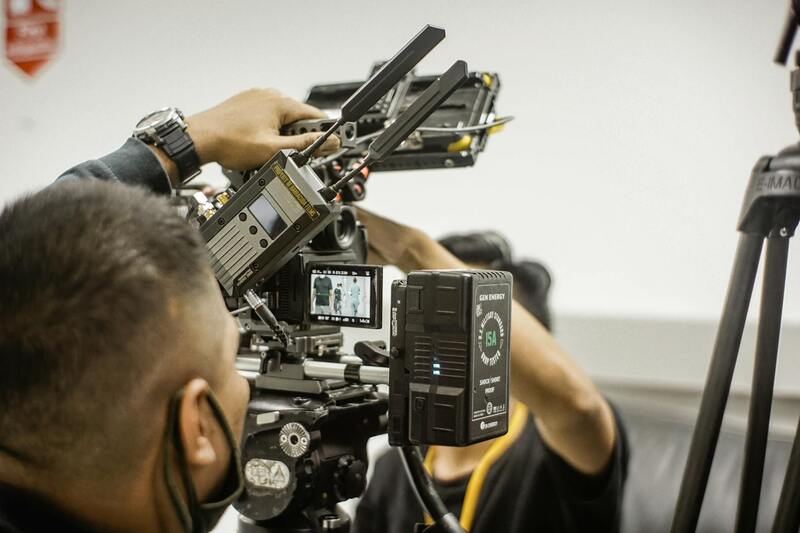
Moreover, the significance of live broadcast services for Miami-based production agencies lies in their ability to facilitate real-time content sharing with global viewers, providing local companies and organizations with a competitive edge. By leveraging advanced technology, these services enable live event coverage that is reliable, scalable, and customizable to meet each client's unique requirements. From small-scale corporate webinars to large per-formance festivals, professional live broadcast solutions ensure a polished, engaging digital experience.
Types of Live Broadcast Solutions
Within the realm of live broadcast services, various types of solutions cater to different needs and scales. These include:
- Simple Streaming Services: Suitable for small events or internal communications, offering straightforward live streaming via popular platforms.
- Advanced Multi-Camera Productions: Involving multiple video feeds, professional switching, and graphics for more polished broadcasts.
- Webcast Solutions: Focused on delivering content via custom websites or portals, often with interactive components such as chats or Q&A.
- Hybrid Live Events: Combining in-person and virtual participation, accommodating both physical audiences and remote viewers.
Choosing the appropriate solution depends on the scale of the event, target audience, and desired production quality, ensuring the delivery is tailored to client objectives.

Key Components and Technology
Efficient live broadcast services rely on a sophisticated array of equipment and technological infrastructure to ensure seamless streaming experiences. At the core are high-definition cameras capable of capturing crisp images from multiple angles, which are essential for dynamic multi-camera productions. These cameras, when paired with professional video switchers, enable broadcasters to switch seamlessly between different feeds, creating a polished, cohesive presentation.
Another fundamental element involves audio technology. Clear and synchronized sound quality is achieved using professional microphones and digital audio mixers, crucial for maintaining viewer engagement, especially during conferences or interactive sessions. Reliable audio-visual synchronization guarantees that each visual cue aligns perfectly with sound, creating an immersive experience.
Data encoding and streaming servers form the backbone of live broadcast systems. Advanced encoding hardware compresses video feeds efficiently for transmission over various network conditions, minimizing latency and buffering. Content Delivery Networks (CDNs) further distribute the live feed across multiple geographic locations, ensuring low latency and high availability for viewers regardless of their location.

The importance of resilient internet connectivity cannot be overstated. Professional live broadcast services utilize redundant internet connections—such as wired broadband, fiber optics, and cellular networks—to prevent interruptions. Additionally, specialized software for live switching, graphics integration, and real-time analytics enhances the broadcast quality while providing clients with valuable viewer engagement data.
Benefits of Professional Live Broadcast Services
Engaging and reliable live broadcast solutions offer numerous advantages for Miami-based organizations seeking to maximize their reach and impact.
- Enhanced Audience Engagement: An expertly managed live broadcast captures audience attention and facilitates interactive elements, such as live chat or polls, fostering real-time interaction.
- Global Reach: Professional streaming services break geographical barriers by making events accessible worldwide, expanding the potential audience exponentially.
- High-Quality Production: Utilizing state-of-the-art technology ensures broadcasts are visually stunning, with minimal technical disruptions, elevating the organization's professional image.
- Content Preservation: Recorded live streams can be archived for future viewing, offering ongoing value and content repurposing opportunities.
- Customization and Branding: Broadcasts can be tailored to incorporate branding elements, graphics, and interactive features that align with organizational identity.
These advantages ultimately translate into more effective communication, higher event engagement, and stronger connections with audiences, whether for corporate, entertainment, or community events in Miami.
Key Components and Technology
Implementing a seamless live broadcast requires a sophisticated blend of hardware and software components that work in harmony to deliver high-quality streaming experiences. Critical equipment includes high-definition professional cameras capable of capturing crisp visuals in various lighting conditions, ensuring that the visual fidelity remains consistent throughout the broadcast.
Alongside cameras, an essential element is robust streaming hardware, which handles the encoding and transmission of video signals to online platforms. These encoders convert raw footage into streamable formats, enabling smooth delivery over each viewer's connection. Modern encoders often support multiple bitrates, adaptive streaming, and redundancy features to prevent interruptions.
Complementing the hardware setup is specialized encoding software that provides real-time control over video quality, graphics, and transitions. Integration with live switching software allows production teams to seamlessly alternate between camera feeds, overlay graphics, or insert pre-recorded segments, elevating the overall production quality.
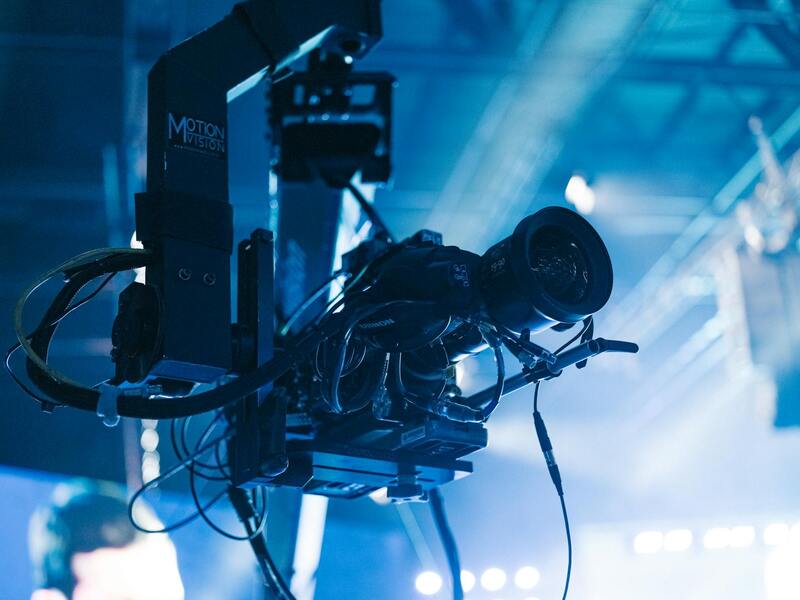
For effective audience engagement, integrated audio equipment such as high-fidelity microphones and audio mixers are employed to capture and balance sound, ensuring speech clarity and background audio management. Meanwhile, network infrastructure—including high-bandwidth internet connections—serves as the backbone of live broadcasting, requiring dedicated fiber optic lines or bonded cellular connections to deliver uninterrupted streams regardless of external network conditions.
Advanced solutions also utilize real-time analytics software that monitors stream health, viewer engagement metrics, and performance data. These insights allow broadcasters to make immediate adjustments during live sessions, enhancing viewer experience and maximizing reach.
Overall, the synergy of high-quality cameras, reliable streaming hardware, intelligent software, and robust networking forms the foundation of a successful live broadcast service. Proper integration of these components ensures that Miami organizations can project their message clearly and professionally across a global platform.
Key Components and Technology
Achieving seamless and high-quality live broadcasts in Miami heavily relies on the integration of sophisticated equipment and reliable technology. Central to this setup are professional-grade cameras capable of capturing high-resolution video with excellent low-light performance, ensuring clear visuals regardless of event conditions. These cameras are often paired with advanced encoding devices, which compress and prepare video signals for online transmission, balancing quality with bandwidth efficiency.
To orchestrate a polished broadcast, producers utilize specialized switching hardware and software that enable dynamic transitions between multiple camera feeds, graphics overlays, and pre-recorded clips. This flexibility allows for real-time storytelling, maintaining viewer engagement and professionalism throughout the event. Integrated audio equipment like high-fidelity microphones, digital audio mixers, and an optimized sound environment capture crisp speech and balanced ambient sounds, which are critical for clarity in live streams especially during conferences, concerts, or corporate events.
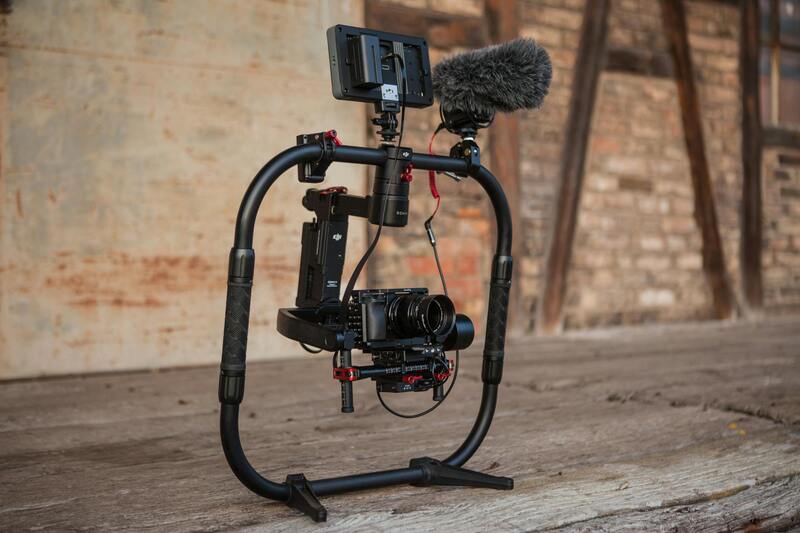
Behind the scenes, robust network infrastructure underpins the entire streaming process. Miami-based live broadcasters often rely on dedicated fiber optic lines or bonded cellular solutions that aggregate multiple cellular data streams, providing stable connectivity that is resistant to momentary disruptions. This setup is crucial in maintaining uninterrupted streams, especially during large-scale or outdoor events where network conditions may vary.
Real-time analytics software plays an increasingly vital role in live broadcasting by continuously monitoring stream health and viewer engagement. These insights enable operators to make immediate technical adjustments, such as adjusting bitrates or switching to backup streams, ensuring the broadcast remains smooth and accessible for viewers worldwide.
Moreover, technological advancements have introduced AI-driven tools that assist in real-time video stabilization, automatic camera tracking, and closed-captioning, further enhancing the viewer experience. The combination of high-quality production gear, efficient software solutions, and resilient networking forms the backbone of professional live broadcast services in Miami, enabling organizations to communicate their message with clarity and impact across digital platforms.
Factors to Consider When Choosing a Service Provider
Selecting the appropriate live broadcast service provider involves a comprehensive evaluation of several critical factors. For organizations in Miami seeking high-quality streaming, understanding these considerations ensures a seamless experience tailored to specific event needs and audience expectations.
Experience and Industry Reputation
One of the primary indicators of a dependable live broadcast partner is their experience in handling diverse event types. An established provider with a proven track record of managing large-scale conferences, outdoor festivals, or corporate presentations demonstrates the ability to navigate complex technical demands and deliver consistent results. Local expertise is especially valuable in Miami, where unique event environments and logistical considerations are prevalent.
State-of-the-Art Equipment and Technology
The quality of hardware and software directly impacts the clarity, stability, and overall professionalism of the live stream. Ensure the provider utilizes high-definition cameras, professional-grade audio capture systems, and reliable encoding hardware. Additionally, advanced streaming platforms equipped with adaptive bitrate technology can dynamically adjust video quality based on viewer bandwidth, reducing buffering and latency issues.
Bandwidth Capacity and Network Reliability
Robust network infrastructure is essential for uninterrupted streams. Providers leveraging dedicated fiber optic lines or bonding multiple cellular data streams via bonded cellular solutions can withstand fluctuations in network performance. This resilience is critical in outdoor or large venue settings where network congestion is common.
Customization and Flexibility
Every event has unique requirements. A competent provider should offer customizable solutions, allowing clients to choose between different streaming formats, multiple camera angles, and interactive features such as live chat or Q&A integrations. Flexibility in scheduling and on-site technical support further enhances the overall broadcast experience.
Customer Support and Post-Event Services
Efficient communication and prompt technical assistance are vital during live events. A dedicated support team that can respond swiftly to unforeseen issues minimizes potential disruptions. Post-event services, including recording, editing, and distribution of content, also add value to the engagement process.
Compliance with Local Regulations and Standards
Ensuring adherence to Miami’s specific broadcasting regulations and standards is crucial. Providers familiar with local policies regarding data privacy, copyright, and content distribution can facilitate smoother operations and avoid potential legal complications.

Legal and Technical Compliance Considerations
Ensuring that live broadcast services adhere to all relevant technical standards and regulatory requirements is fundamental to delivering a seamless streaming experience. Providers must implement robust infrastructure capable of supporting high-quality video and audio transmission while maintaining security protocols to protect content and user data. This includes compliance with data privacy laws, copyright regulations, and local broadcasting standards specific to Miami and surrounding regions.
Technical compliance extends to stream stability, latency control, and adaptive bitrate technologies that adjust video quality dynamically based on viewer bandwidth. This prevents buffering issues and maintains viewer engagement across diverse network conditions. Additionally, providers should utilize secure content delivery networks (CDNs) to streamline distribution and prevent unauthorized access or content piracy.

Adherence to Local Content Regulations and Standards
Given Miami’s vibrant cultural landscape and diverse audience, live broadcasters need to respect local standards pertaining to content appropriateness, cultural sensitivities, and language requirements. Collaborating with providers knowledgeable about Miami's specific broadcasting policies ensures that all content aligns with regional expectations and legal frameworks.
For instance, broadcasters should implement measures such as bilingual captioning or subtitles, especially when streaming to bilingual audiences, to foster broader engagement and accessibility. Furthermore, obtaining necessary permits for certain types of content or events, particularly those involving copyrighted material or sensitive topics, helps mitigate potential legal challenges.
Regulatory Compliance and Licensing
Compliance with licensing agreements, copyright laws, and local broadcasting licenses is essential. Service providers typically work with legal teams to ensure all content rights are secured and that distribution complies with regional standards, thereby safeguarding the broadcaster from potential disputes.
Technical Standards and Infrastructure Compatibility
Compatibility with various devices, operating systems, and network environments ensures a consistent viewer experience across platforms. This includes optimizing streams for desktops, smartphones, tablets, and smart TVs, as well as supporting different browsers and media players. Implementing scalable and redundant infrastructure also prepares broadcasters for high traffic volumes, especially during major events or peak viewing times.
To address these complex requirements, choosing a provider with proven experience in Miami's broadcasting landscape is essential. A provider familiar with local network conditions, content regulations, and audience expectations can deliver streams that are technically sound, legally compliant, and culturally appropriate.
Legal and Technical Compliance Considerations
Adhering to Regulatory Frameworks
Ensuring that live broadcast content complies with regional regulations and technical standards is fundamental for a successful streaming operation. Broadcasters must stay informed about local policies that govern content dissemination, especially for events that involve sensitive or copyrighted material. Working with experienced service providers who understand the nuances of Miami’s broadcast environment helps in navigating licensing requirements and content restrictions effectively.
Consistent compliance also includes respecting intellectual property rights by securing appropriate permissions for copyrighted media or music included in the stream. This process involves obtaining licenses from relevant rights-holders or licensing organizations, which prevents interruptions or disputes during broadcasting.
Copyright and Licensing Management
The management of copyright and licensing is a critical aspect of live streaming. Content creators need to ensure they have valid permissions before broadcasting any protected material. This involves detailed documentation of licenses and formal agreements, which should be reviewed and managed by legal professionals or experienced compliance teams associated with the service provider.
- Secure licenses for music, video clips, or proprietary content.
- Verify rights to broadcast any third-party content.
- Maintain records of licensing agreements for all media used in streams.
Failing to address these aspects can result in content takedowns, financial penalties, or reputational damage. Partnering with providers that offer support in licensing processes helps streamline content management and ensures uninterrupted live broadcasts.
Technical Standards and Infrastructure Compatibility
Immersive and seamless viewer experiences require adherence to technical standards that guarantee compatibility across multiple devices and platforms. This includes optimizing stream quality for high-resolution displays, ensuring low latency for interactive broadcasts, and supporting a variety of browsers and media players.
Scalable infrastructure is also vital to handle fluctuating audience sizes efficiently. During high-traffic periods, such as major Miami events or global broadcasts, robust network architecture and content delivery networks (CDNs) are essential to maintain stream stability and quality.

This involves selecting service providers capable of deploying redundant systems to mitigate potential outages, as well as implementing adaptive bitrate streaming to accommodate viewers’ varying internet speeds. When choosing a provider, consider their capacity to integrate with existing broadcasting setups and their ability to meet industry standards such as HLS or DASH protocols.
Prioritizing Data Security and Privacy
Protecting viewer data and content integrity is critical. Implementing end-to-end encryption, secure login methods, and access controls helps safeguard streams from unauthorized access or tampering. Additionally, compliance with data privacy standards, such as GDPR or other relevant regulations, ensures respectful treatment of viewer information and enhances trust in the broadcast service.
Continuous Monitoring and Quality Assurance
Ongoing performance monitoring is essential for identifying and resolving technical issues promptly. This includes real-time analytics on stream health, viewer engagement, and buffering statistics. Proactive adjustments based on this data help maintain a high-quality experience throughout the broadcast.
Employing redundant systems and backup streams ensures that any unforeseen disruptions can be mitigated swiftly, thereby preserving viewer satisfaction and brand credibility. A professional live broadcast service continuously audits their infrastructure and updates protocols to align with technological advancements and emerging standards.
Ensuring Optimal Delivery and Viewer Experience in Miami
To achieve the highest quality live broadcasts, service providers in Miami employ advanced delivery techniques that adapt to viewer conditions. Content delivery networks (CDNs) are pivotal in this process, transmitting streams through geographically distributed servers to reduce latency and buffering. By leveraging such infrastructure, broadcasters can ensure that viewers in Miami and beyond experience seamless streaming, irrespective of their internet speeds.
Adaptive bitrate streaming is integral to maintaining viewer engagement, dynamically adjusting stream quality based on real-time network performance. This technique prevents interruptions and maintains visual clarity, which is particularly crucial for high-resolution content such as 4K streams. Incorporating multi-bitrate streams and auto-adjust features ensures a consistent viewer experience, minimizing frustration and improving overall satisfaction.

Implementing Robust Security Measures
In the realm of live broadcasting, safeguarding the content and viewer data is of paramount importance. Effective security protocols include the deployment of end-to-end encryption, ensuring that streams cannot be intercepted or tampered with during transmission. Secure login systems, such as multi-factor authentication, restrict access to authorized personnel and prevent unauthorized viewing.
Access controls, digital rights management (DRM), and content encryption further protect intellectual property. For Miami-based broadcasters, maintaining strict compliance with data privacy standards like GDPR reinforces trust and demonstrates a commitment to viewer confidentiality. Incorporating these digital safeguards is essential in protecting both broadcasters and viewers from cyber threats and content piracy.

Quality Assurance and Continuous Monitoring
Maintaining high broadcast quality demands ongoing monitoring and proactive management. Using real-time analytics tools, broadcasters can track key metrics such as stream stability, viewer engagement, and buffering statistics. This data provides vital insights for immediate adjustments, ensuring the viewing experience remains optimal throughout the event.
Redundant systems and backup streams are crucial in mitigating disruptions. Should primary streams encounter issues, failover mechanisms automatically switch to backup sources without interrupting the broadcast. Regular infrastructure audits and protocol updates are necessary to adapt to emerging technological standards, ensuring consistent quality and resilience in live streaming operations.
Effective communication with viewers through on-screen messages or through social media integration can also enhance engagement and manage expectations during unforeseen challenges, further strengthening viewer trust and satisfaction.