
Understanding Live Streaming Production
Live streaming production encompasses the comprehensive process of planning, executing, and broadcasting real-time video content over digital platforms. It has become a vital tool for businesses, event organizers, and content creators in Miami seeking to reach broader audiences with immediacy and high-quality visuals. The process involves multiple stages, including pre-production planning, technical setup, production execution, and post-broadcast evaluations. Each phase ensures that the live stream is engaging, professional, and smoothly delivered, reflecting a company’s brand image or elevating an event’s overall impact.
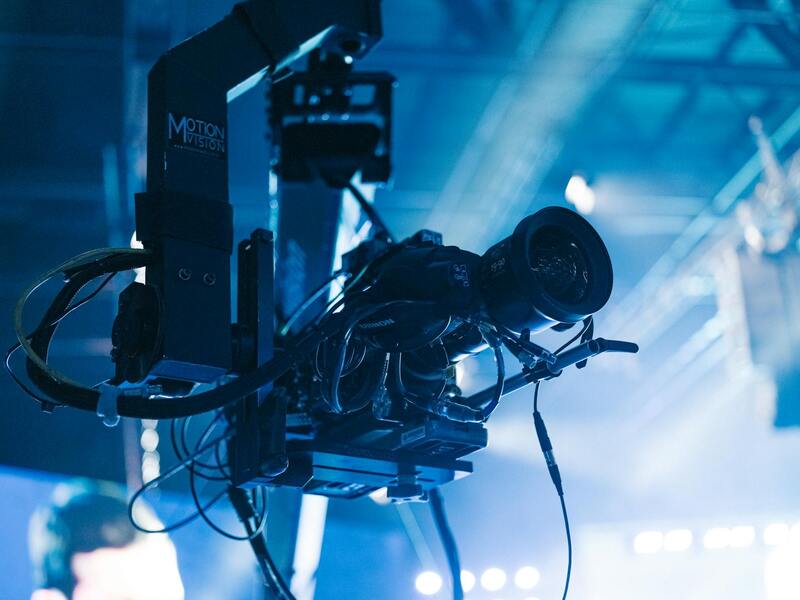
The significance of live streaming production in Miami extends beyond simple video broadcasts. It allows businesses to connect with clients, showcase products, and host virtual events without geographical limitations. In a city renowned for its vibrant culture, diverse events, and busy corporate scene, the ability to produce compelling live content has become a strategic advantage. From corporate conferences and product launches to cultural festivals and educational seminars, live streaming ensures real-time engagement with audiences that are increasingly dependent on digital content consumption.
Effective live streaming production demands a combination of technical expertise, creative content development, and strategic execution. It involves selecting appropriate streaming platforms, ensuring audiovisual quality, managing real-time broadcasting logistics, and interacting with viewers during the event. The increasing use of high-definition video, multi-camera setups, and interactive elements has further elevated the standard for professional live streaming, necessitating specialized skills and equipment.
By collaborating with experienced live streaming production companies in Miami, organizations can achieve seamless broadcasts that uphold their professional standards. Such partnerships often involve dedicated teams of producers, camera operators, sound engineers, and technical support staff working in harmony to deliver a captivating viewing experience. This ensures your content not only reaches your target audience but also leaves a lasting impression, fostering increased engagement and brand loyalty.
In summary, live streaming production is an essential component of modern digital communication strategies, combining technical mastery with creative storytelling. Its importance for businesses and events in Miami can’t be overstated, as it enhances visibility, fosters community interactions, and offers measurable results that can significantly impact growth and reputation.
Types of Live Streaming Content
Miami's dynamic digital scene offers a broad spectrum of live streaming content tailored to diverse audiences and industries. This variety ensures brands and organizations can effectively engage viewers through customized formats that resonate with their target demographics.
One of the most prominent content types is corporate live streams. These often encompass product launches, company announcements, or internal conferences that require clarity, professional presentation, and seamless execution. Such streams help businesses reach wider audiences, foster transparency, and showcase innovation in real-time.
Concerts and live entertainment are also prevalent, leveraging Miami’s vibrant music and arts communities. High-quality multi-camera setups, stage lighting, and sound engineering are essential to capture the energy of live performances, providing viewers with immersive concert experiences directly from their devices.
Webinars and educational sessions are frequently streamed by universities, training organizations, and industry panels, offering informative content to global audiences. These events benefit from interactive features such as live Q&A sessions, polls, and chat integrations to boost engagement and facilitate real-time communication.
Product launches represent another critical live streaming format. They demand precise timing and high production quality to generate buzz and excitement around new offerings. Miami-based companies often collaborate with professional producers to craft compelling narratives and visually captivating presentations that leave a lasting impression.
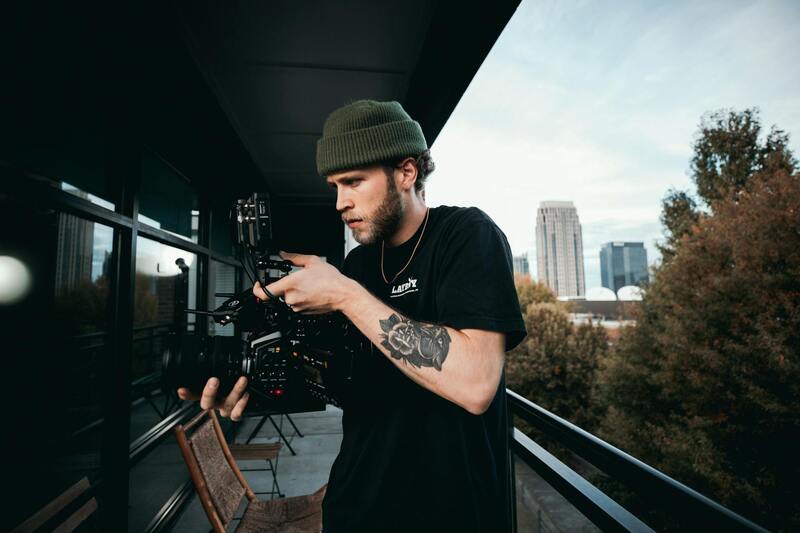
Beyond these primary formats, there is a growing trend towards hybrid events that combine physical attendance with virtual streaming, expanding reach while maintaining an intimate connection with onsite audiences. Proper integration of this format relies heavily on dedicated technical support and innovative streaming solutions.
In all cases, the core objective remains consistency in audiovisual quality, viewer interaction, and reliable transmission. Miami’s live streaming production companies excel in customizing content formats that align with specific goals, ensuring that the broadcast resonates well with the intended audience while maintaining the high standards expected from professional streaming services.
Key Components of Live Streaming Setup
Effective live streaming production relies heavily on a well-coordinated setup that ensures seamless content delivery to viewers. The fundamental components include robust hardware, reliable technology infrastructure, and skilled personnel dedicated to managing every aspect of the broadcast.
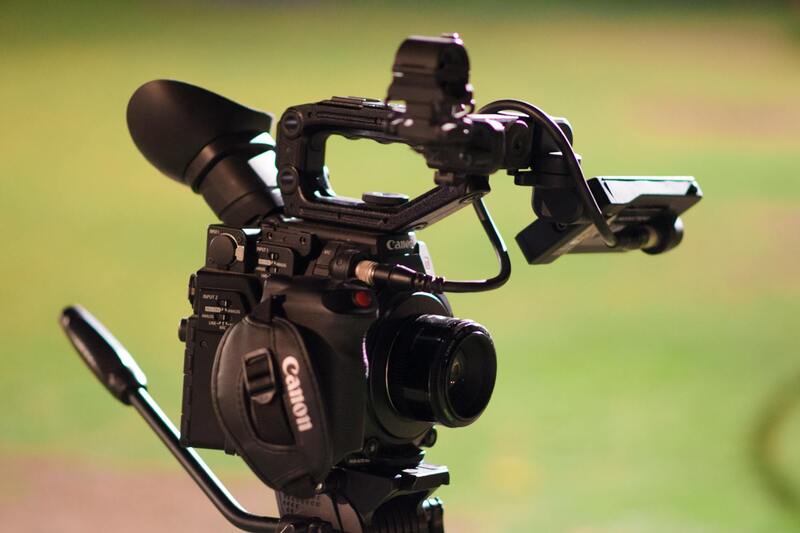
At the core of the setup is high-definition cameras capable of capturing professional-quality visuals. Multiple cameras are often employed to provide dynamic angles and close-up shots, creating an engaging viewing experience. These are typically complemented by professional audio equipment, including wireless microphones and mixers, to ensure crystal-clear sound and minimize background noise.
To facilitate smooth streaming, a high-speed, stable internet connection is indispensable. Many production teams opt for dedicated fiber-optic lines or bonded internet solutions to prevent interruptions and lag during broadcasts. Additionally, advanced encoding equipment transforms raw footage into streamable formats compatible with various platforms, maintaining visual quality and minimizing latency.
Supporting equipment such as lighting systems, teleprompters, and monitors enhances production quality and facilitates smooth operation. Proper lighting ensures clarity and visual appeal, especially for indoor setups, while monitors allow directors and producers to oversee feeds in real-time. Keyboard and software control panels enable seamless switching between camera angles, overlays, and pre-recorded segments.
Furthermore, skilled personnel are essential for executing a successful broadcast. This team often includes a director or producer to oversee the entire operation, camera operators managing visual feeds, audio technicians ensuring sound quality, and technical support staff troubleshooting issues swiftly. The coordination among team members directly impacts the professionalism and reliability of the live stream.
Professional-grade streaming platforms often incorporate features like multi-bitrate streaming, adaptive playback, and integrated analytics. These tools enable customization based on audience size, viewing device, and engagement goals, ultimately enhancing the broadcast's effectiveness and reach.
Investing in quality components and experienced personnel not only guarantees high production standards but also minimizes disruptions, ensuring that viewers experience an uninterrupted, engaging live event. Miami-based production companies prioritize these elements, leveraging cutting-edge technology to deliver broadcasts that meet the highest professional standards.
Understanding Live Streaming Production
Live streaming production involves the comprehensive process of planning, executing, and broadcasting live events over digital platforms. It encompasses a variety of technical skills and equipment to ensure the delivery of high-quality content to audiences in real-time. This process requires meticulous coordination between camera crews, audio engineers, lighting technicians, and production directors, all working together to produce a seamless viewing experience.
The core objective of effective live streaming production is to capture the event in its entirety while maintaining clarity, audio fidelity, and visual engagement. To achieve this, professional setups often include multiple high-definition cameras, professional-grade microphones, and state-of-the-art streaming hardware and software. The integration of these components allows precise control over the visual and audio feed, ensuring consistency and professionalism throughout the broadcast.
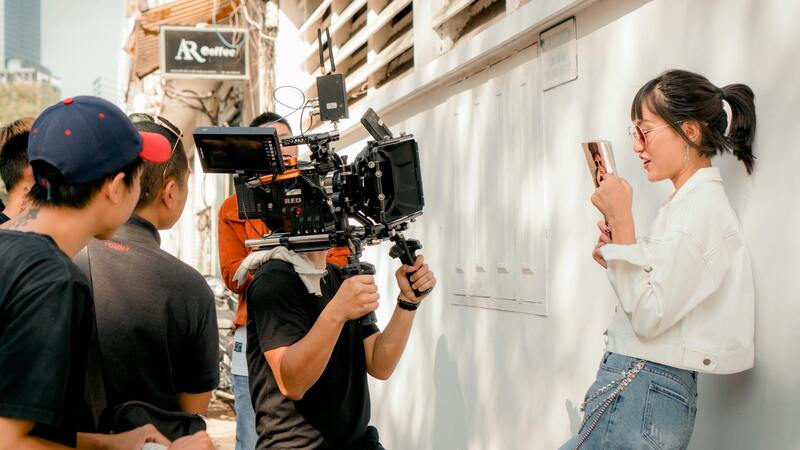
Preparation plays a crucial role in live streaming production. This includes script planning, technical rehearsals, and contingency planning for potential disruptions. A well-orchestrated production team, skilled in managing live feeds and troubleshooting issues as they arise, is essential to minimize downtime and maintain broadcast integrity.
Operational Workflow and Technical Execution
During the live broadcast, the production team manages various technical elements, such as switching between camera angles, integrating real-time overlays, and managing pre-recorded content. Live editing tools enable producers to make instant decisions that enhance the viewer’s experience, such as highlighting key moments or adjusting visuals for better engagement.
The use of professional streaming platforms provides features like content delivery network (CDN) integration, adaptive bitrate streaming, and real-time analytics, which further optimize the viewing experience. These platforms also facilitate audience interaction, allowing for live chatting, polls, and other engagement tools that help boost viewer interaction and retention.
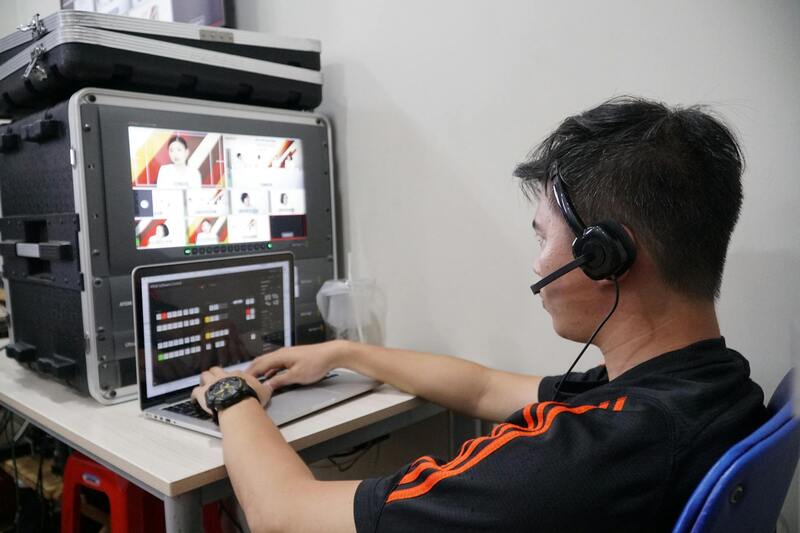
Achieving a successful live stream requires not only advanced equipment but also a team of experienced professionals. Assigning roles such as a director, camera operators, audio technicians, and technical support ensures that each aspect of the broadcast is managed efficiently. In high-pressure situations, clear communication channels and predefined workflows are vital for quick problem resolution and smooth operation.
Monitoring and Post-Event Analysis
Throughout the live broadcast, constant monitoring of audio and video feeds enables immediate adjustments to optimize quality. After the event, detailed analytics are reviewed to assess viewer engagement, stream stability, and technical performance. These insights inform improvements for future productions, enabling broadcasters to refine their strategies and equipment choices.
Comprehensive Workflow and Technical Execution in Live Streaming Production
Executing a seamless live streaming event requires meticulous planning and flawless technical execution. The process begins with a detailed pre-production phase, where the production team develops a storyboard or run of show to outline the sequence of content, camera shots, graphics, and transitions. During this phase, key decisions are made regarding the technical setup, including equipment placement, camera angles, audio sources, and visual overlays. These preparations are vital to ensure a coherent flow and to minimize on-the-fly disruptions during the broadcast.
On the day of the live event, rigorous technical checks are conducted to verify all equipment functionality. This includes testing cameras, microphones, switchers, encoders, and internet connectivity to prevent delays or interruptions. Multiple backup systems are often implemented, such as spare cameras, audio channels, and redundant internet connections, to facilitate swift troubleshooting if technical issues arise. Ensuring synchronization between audio and video feeds is critical to deliver a professional viewing experience, especially when multiple camera angles and overlays are involved.
During the broadcast, real-time monitoring is imperative. Dedicated operators oversee different aspects, including video switching, audio levels, graphics insertion, and stream stability. Modern live streaming setups employ hardware and software switchers that enable the seamless transition between feeds, allowing directors to highlight key moments or switch views dynamically. Technical support personnel continuously monitor internet bandwidth and stream health metrics, ensuring the broadcast remains stable despite fluctuations in network performance.
Metadata management, including overlays, lower thirds, and branded graphics, enhances the professionalism of the broadcast. Proper integration of these visual elements without obstructing the content requires careful coordination and editing skills. Additionally, audience engagement tools such as live chat, polls, and Q&A features are integrated through streaming platforms to foster interaction while maintaining stream integrity.
Post-production activities are equally vital. Once the live stream concludes, the recorded content undergoes review for quality assessment and distribution. Analytics tools generate comprehensive reports on viewer engagement, peak viewership times, and technical performance metrics. These insights help refine future projects, optimize content delivery strategies, and identify areas for technical upgrades. Archiving the stream provides a valuable resource for promotional clips or on-demand content, extending the reach and longevity of the broadcast.
Understanding Live Streaming Production
Live streaming production involves a complex coordination of technical and creative elements to deliver high-quality content to audiences in real time. It encompasses everything from pre-broadcast planning to the technical setup and post-broadcast analysis. Effective live streaming production requires meticulous attention to detail, ensuring that visuals, audio, and interactive elements work seamlessly together. This process is crucial for brands, event organizers, and content creators aiming to maximize viewer engagement and professional presentation. In Miami, a city known for its vibrant entertainment scene and business events, mastering live streaming production can significantly enhance outreach and visibility for various projects.
Coordination of Technical and Creative Teams
Successful live streaming relies heavily on the coordination of skilled teams, including directors, camera operators, sound engineers, and graphics designers. Each team member plays a vital role: directors strategize shot selections, camera operators execute the visual capturing, sound engineers ensure crisp audio, and graphics designers enhance visuals with overlays and lower thirds. All components must synchronize perfectly to deliver a cohesive viewing experience. Advanced production systems enable real-time collaboration, allowing teams to adapt swiftly to unexpected issues or last-minute content changes. This level of coordination ensures that the live broadcast maintains a professional standard throughout its duration.
Precision in Technical Setup
The foundation of a successful live stream is a robust technical setup. This includes high-definition cameras, professional audio equipment, and reliable streaming hardware and software. High-quality encoders convert raw footage into optimized streams suitable for online platforms. Connectivity is equally critical; dedicated bandwidth with backup internet connections minimizes the risk of stream disruptions. Additionally, sync systems coordinate audio and video feeds, preventing delays and desynchronization. For Miami-based productions, leveraging local data centers can reduce latency, resulting in smoother broadcasts that cater to geographically dispersed audiences.
Integration of Monetization and Interactive Features
Maximizing the impact of live streaming involves integrating monetization channels and interactive features. Platforms that support real-time viewer interactions—such as live chat, polls, and Q&A sessions—foster engagement, driving higher viewer retention. Incorporating secure payment systems enables live monetization through ticket sales, sponsorships, or donations. These features not only enhance audience involvement but also provide revenue streams that support ongoing production efforts. Deploying advanced analytics tools alongside these features offers insights into viewer behaviors, preferences, and participation levels, guiding future content strategies.
Understanding Live Streaming Production
Live streaming production involves a complex integration of technical expertise, creative direction, and logistical coordination to deliver high-quality content to audiences in real time. Successful production relies on meticulous planning, including pre-production rehearsals, equipment setup, and clear communication channels among team members. The objective is to ensure that every aspect of the broadcast—from visual clarity to audio fidelity—is optimized for viewer engagement. Producers must consider factors such as bandwidth sufficiency, encoding parameters, and synchronization techniques to prevent disruptions. Additionally, implementing real-time monitoring tools enables operators to instantly troubleshoot issues, maintaining seamless delivery regardless of the scale or complexity of the event.
Types of Live Streaming Content
- Corporate Events: Live product launches, conferences, webinars, and trade shows aimed at engaging clients, partners, and internal staff.
- Entertainment: Music festivals, concerts, theater performances, and award shows broadcasted to reach global audiences.
- Sports: Live coverage of local, national, or international sporting events, providing real-time updates and engaging fans worldwide.
- Educational Content: Lectures, workshops, and training sessions designed for remote learning and professional development.
- Community and Social Events: Religious ceremonies, charity fundraisers, and cultural festivals that connect communities in real time.
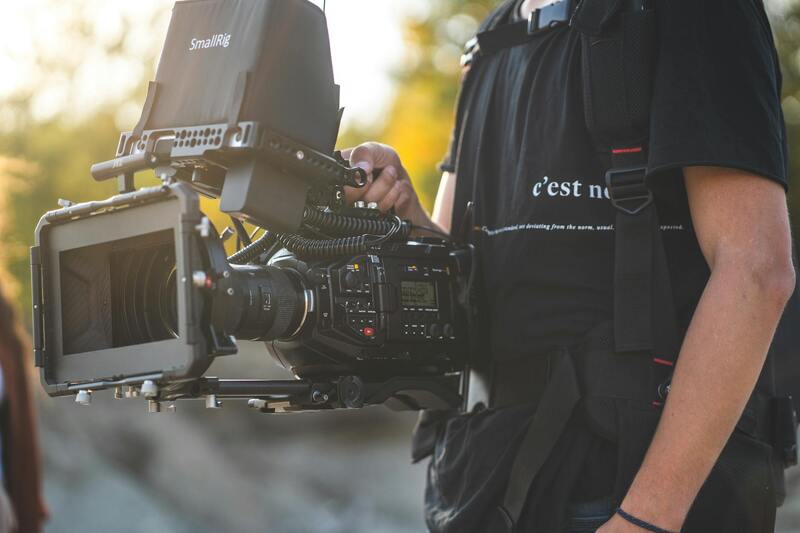
Key Components of Live Streaming Setup
Establishing a professional-grade live streaming setup requires several core elements to ensure the broadcast meets industry standards:
- Video Capture Devices: High-definition cameras, including PTZ (pan-tilt-zoom) models for dynamic shots and different angles.
- Audio Equipment: Lavalier and shotgun microphones, audio mixers, and digital interfaces to capture clear sound quality from multiple sources.
- Encoding Solutions: Hardware or software encoders that convert raw footage into optimized digital streams suitable for online broadcasting.
- Streaming Hardware & Software: Reliable encoders, streaming platforms, and control interfaces to manage live feeds effectively.
- Connectivity: Dedicated internet connections with symmetrical bandwidth, supported by backup links to prevent data loss or stream interruption.
- Monitoring & Control Systems: Video switchers, real-time graphics, and audio mixers to enable on-the-fly adjustments and quality control during broadcasts.
Choosing the Right Production Partner in Miami
Selecting a proficient live streaming production partner in Miami involves evaluating their technical capabilities, experience, and understanding of local logistical requirements. Experienced providers should demonstrate a comprehensive portfolio of past projects, showcasing excellence in delivering different types of live content. They should offer tailored solutions, considering factors such as venue size, audience engagement goals, and the specific platform(s) used for streaming. A good partner provides end-to-end services including pre-production planning, technical setup, live direction, and post-broadcast analysis. Incorporating local knowledge about Miami’s infrastructure and partner networks ensures minimal latency and robust connectivity, especially crucial for large-scale or high-profile events.
Best Practices for Live Stream Planning and Execution
- Pre-Production Coordination: Clear communication with all stakeholders to define objectives, content flow, and roles. Conduct technical rehearsals to identify potential issues before the live event.
- Content Quality Assurance: Ensure that cameras are calibrated, audio levels are optimized, and backup equipment is ready. Test all streaming components and confirm platform compatibility.
- Audience Engagement Strategies: Integrate interactive features such as real-time polls, chat moderation, and viewer Q&A to foster active participation.
- Technical Monitoring: Constant oversight of stream health, latency, and audio-visual synchronization. Use real-time analytics to gauge audience engagement and adapt dynamically.
- Post-Stream Analysis: Collect data related to viewer metrics, engagement levels, and technical performance to inform future productions and improvement plans.
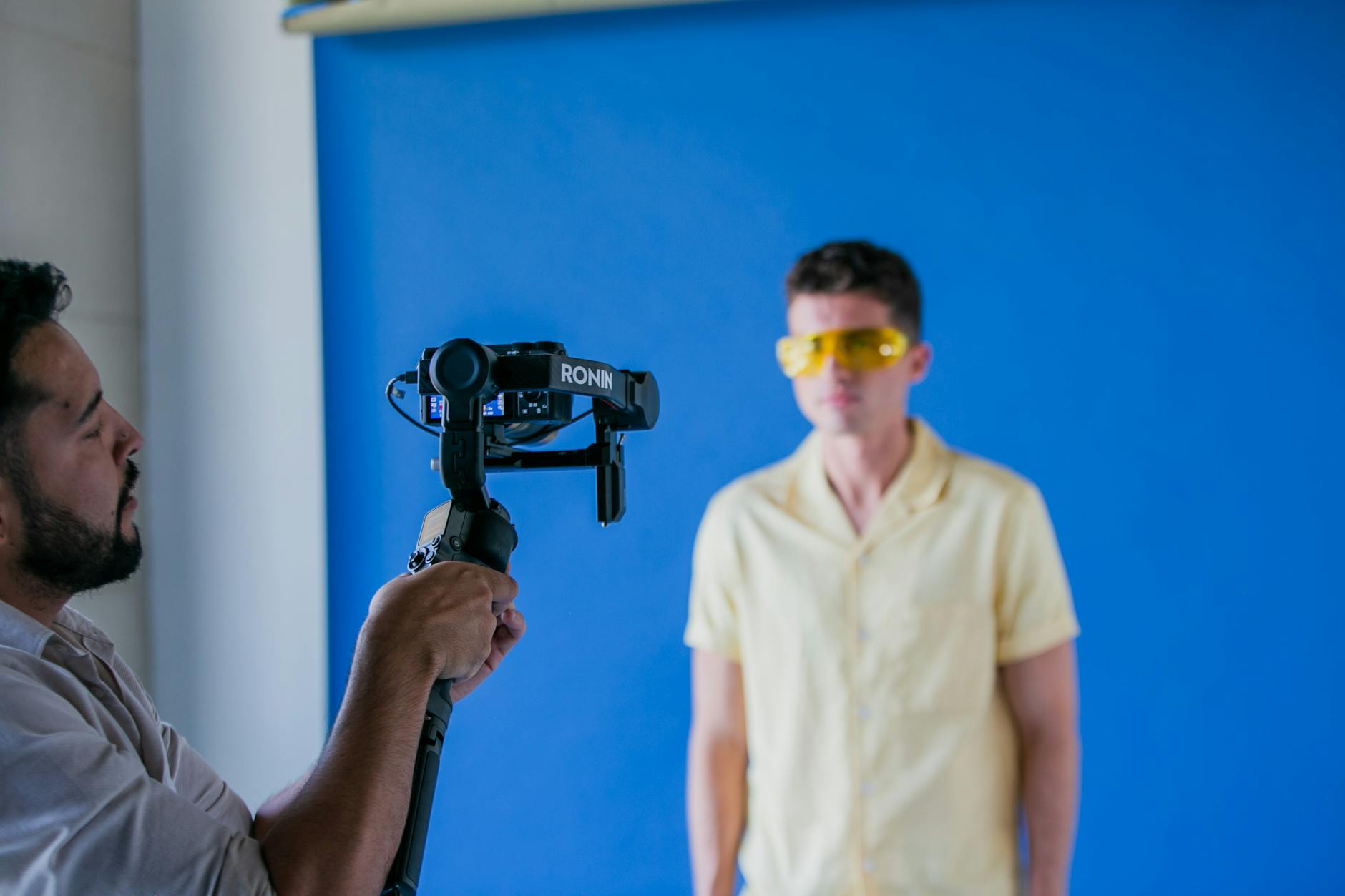
Advanced Techniques and Equipment Optimization in Live Streaming Production
Achieving a seamless and professional live streaming experience requires meticulous attention to advanced techniques and equipment optimization. Ensuring top-tier production quality involves not only selecting high-quality hardware but also implementing sophisticated methods that enhance both the visual and audio aspects of the broadcast.
Utilizing Multi-Camera Setups for Dynamic Content
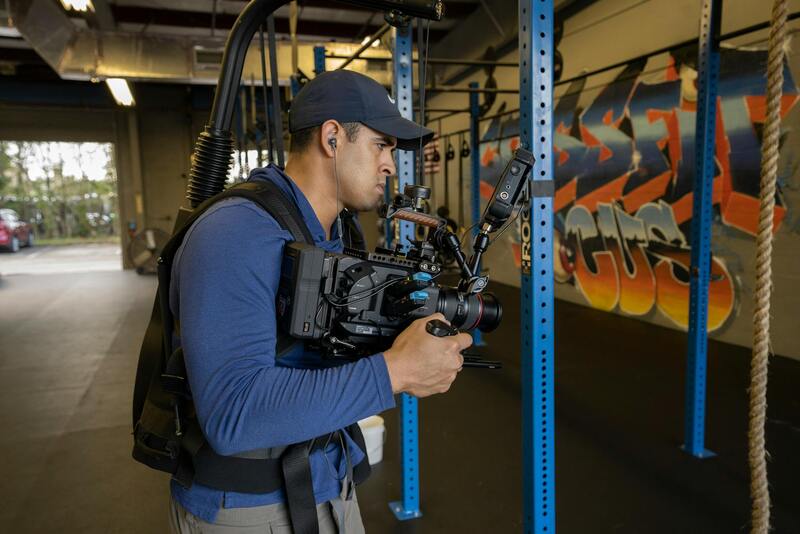
Deploying multiple cameras provides versatility and a more engaging viewing experience. Strategically positioning cameras to cover different angles allows producers to create a dynamic narrative, emphasizing important moments and maintaining viewer interest. It is vital to synchronize camera feeds, which can be achieved through high-speed connectivity and reliable switchers, to maintain smooth transitions and prevent latency issues.
Optimizing Audio Quality for Clarity and Impact
High-quality audio is crucial for professional live streaming. Employing professional microphones, such as lavalier and shotgun microphones, ensures clarity and minimizes background noise. Using audio mixers and processors can enhance sound levels, equalize frequencies, and reduce echo or feedback. Incorporating real-time audio monitoring allows technicians to make immediate adjustments, ensuring consistent sound quality throughout the broadcast.
Incorporating Live Graphics and Lower Thirds
Using graphics, lower thirds, and overlays in real-time can significantly increase the professionalism of a live broadcast. These elements can display speaker names, event titles, hashtags, or sponsor logos. Modern streaming software allows for seamless integration and quick updates, enabling a polished presentation without disrupting the flow of the event.
Leveraging Reliable Streaming Protocols and CDN Solutions
Choosing robust streaming protocols like SRT or HLS ensures minimal latency and stable delivery over varying network conditions. Content Delivery Networks (CDNs) distribute the stream efficiently across multiple servers, reducing buffering and delays for viewers regardless of location. Working with a seasoned production partner often provides access to premium CDN infrastructure tailored to Miami’s high-demand streaming environment.
Implementing Redundancy and Backup Systems
Redundancy is vital for uninterrupted broadcasts. This involves setting up backup internet connections, power supplies, and secondary streaming equipment. Automated failover systems can switch to backup sources instantaneously if primary systems encounter issues, preventing disruptions. Regular testing of these backup measures ensures reliability during critical live events.
Fine-Tuning Network Infrastructure for Optimal Performance
In a city like Miami, leveraging local infrastructure is advantageous. Prioritizing dedicated fiber-optic connections and ensuring sufficient bandwidth allocation can mitigate delays or quality drops. Close coordination with local ISPs allows for tailored network configurations that support high bandwidth and low latency, critical for large-scale or multiple simultaneous streams.
Post-Production Enhancements and Archival Content
Post-event processing enhances content value. Editing highlights, adding captions, and creating promotional clips from the live stream extend content reach and engagement. Additionally, archiving raw footage and finished broadcasts provides valuable assets for future marketing, training, or recap content, maximizing the return on investment in professional live streaming production.