
Understanding Live-Streaming Production
Live-streaming production refers to the comprehensive process of capturing, broadcasting, and managing real-time video content over digital platforms. It entails a series of coordinated steps that transform raw footage into a seamless viewing experience for audiences across various devices and locations. This process is critically important for organizations, events, and businesses seeking to expand their reach and engage viewers in a dynamic and interactive manner.
At its core, live-streaming production involves several key components:
- Pre-Production Planning: Establishing the objectives, selecting the right platforms, and preparing equipment and content.
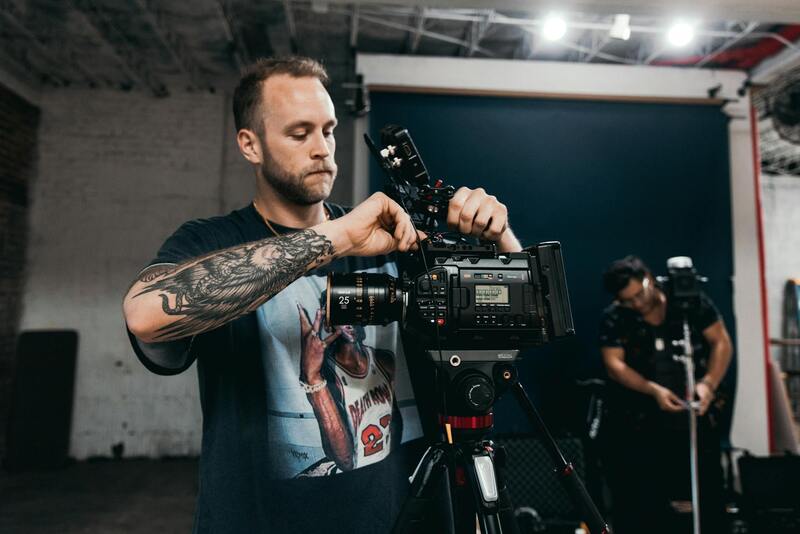
- On-Site Production: Capturing video footage using professional cameras, microphones, and streaming hardware. Managing live switching, audio mixing, and incorporating graphics or overlays in real-time.
- Transmission and Delivery: Encoding and transmitting the live feed through reliable internet connections to ensure minimal latency and high quality.
- Post-Production: Editing, archiving, and distributing recorded segments or highlights for future use.
This process is vital for local businesses and events in Miami that aim to reach wider audiences, promote community engagement, and generate amplified visibility. Whether it's a corporate seminar, a music festival, or a community fundraiser, live-streaming production provides a powerful platform to showcase events in real time, thereby increasing participation and expanding outreach beyond physical boundaries.
Effective live-streaming production combines advanced technology with strategic planning. It ensures that the content delivered is of high quality, reliable, and engaging, ultimately helping Miami-based organizations to stand out in a competitive digital landscape. Comprehending the multifaceted nature of live-streaming production enables organizations to harness its full potential, fostering more meaningful connections and delivering memorable digital experiences.
Equipment and Technology Used in Live-Streaming
Successful live-streaming production relies heavily on a broad array of specialized equipment designed to capture, encode, transmit, and display high-quality video content in real-time. The choice of technology directly influences the clarity, stability, and overall professionalism of the stream, making the selection of appropriate tools crucial for project success.
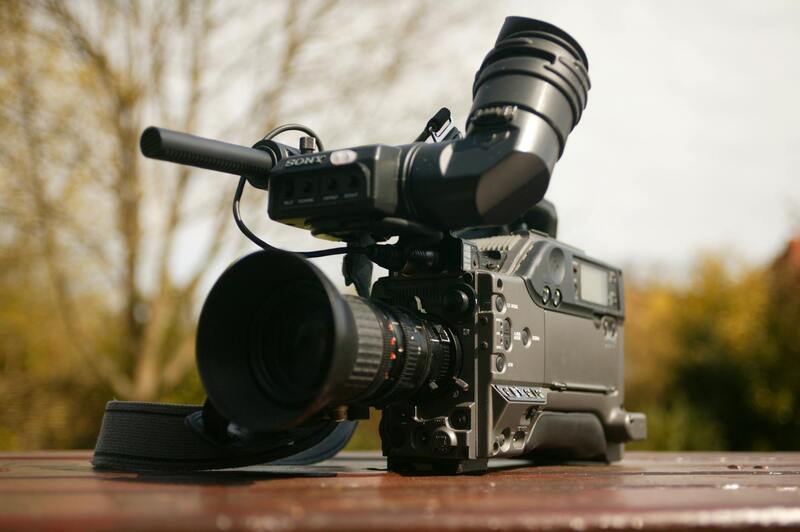
Central to live-streaming are professional video cameras, which range from broadcast-grade cameras to high-definition camcorders. These devices provide crisp visuals and reliable performance, even in challenging lighting conditions. Coupled with high-quality microphones, they ensure clear audio pickup essential for audience engagement and communication.
Hardware encoders play a vital role in converting raw audio and video signals into digital streams compatible with the chosen streaming platforms. Devices such as hardware encoders or software solutions ensure stable transmission by compressing data efficiently, reducing latency, and maintaining high resolution. These are often integrated with streaming management software that allows real-time control over broadcast settings, overlays, and multi-source switching.
Robust streaming hardware includes reliable internet connectivity solutions such as wired Ethernet connections, bonded internet to combine multiple connections for stability, and backup internet options to mitigate potential disruptions. In addition, video switchers or mixers enable live editing, allowing producers to seamlessly switch between camera feeds, add graphics or overlays, and incorporate effects to enhance visual appeal.
Graphical overlay systems—utilizing dedicated hardware or software—permit real-time addition of lower thirds, logos, live chat, or other graphics that secure branding and visual messaging. For interactive events, integrated solutions can include live chat modules or social media comment feeds, fostering greater engagement with online audiences.
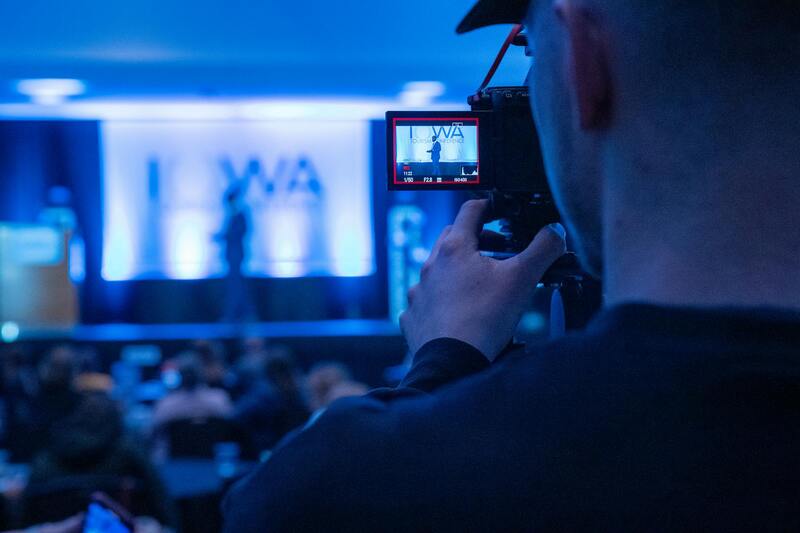
Furthermore, dedicated monitoring equipment such as professional monitors and audio feedback systems are essential for overseeing stream quality during production. This setup allows operators to promptly address any technical issues, ensuring a smooth viewing experience for the audience.
As technology continues to evolve, live-streaming studios increasingly adopt integrated solutions that combine hardware and software into cohesive systems. Cloud-based streaming platforms are also gaining traction, offering scalable solutions that require less on-site hardware, providing flexibility and ease of access for remote production setups.
Implementing the proper mix of equipment and staying current with technological advances enable the delivery of engaging, high-quality live content. When executed with precision, these tools collectively contribute to a production that is visually compelling, technically reliable, and aligned with the strategic objectives of Miami organizations.
Understanding Live-Streaming Production
Executing a successful live-streaming production involves a meticulously coordinated process that integrates multiple technical components. It begins with the pre-production phase, where detailed planning and strategic preparation lay the groundwork for a seamless event. This includes defining the production goals, understanding the target audience, selecting suitable content formats, and scheduling key segments to maintain viewer engagement.
During the production phase, a comprehensive setup of professional-grade equipment is crucial. High-definition cameras, proficient audio capture devices, and reliable encoding tools work in tandem to capture and transmit content with clarity. The integration of advanced broadcast software facilitates seamless transitions, real-time graphics, and dynamic overlays that enhance visual storytelling. Additionally, synchronized monitoring systems, such as multi-view monitors and robust audio feedback tools, enable technicians to oversee the live feed, detect issues promptly, and make immediate adjustments to sustain quality.
Effective live-streaming production also heavily relies on internet stability and bandwidth management. Using dedicated network connections or bonded streaming solutions ensures a steady data flow, minimizing lag and buffering. In some cases, utilizing multiple streaming servers or content delivery networks (CDNs) distributes the content efficiently across various geographical regions, reaching wider audiences without degradation in quality.
Types of Live-Streaming Services Offered
Miami-based production companies provide a broad spectrum of live-streaming services tailored to diverse needs. These encompass simple single-camera broadcasts ideal for small corporate events or webinars, to complex multi-camera setups suitable for large-scale conferences, concerts, or sports tournaments. Additionally, there are specialized solutions for interactive broadcasts which integrate social media feeds, live chat functionalities, and audience polling, enhancing viewer participation and engagement.
- Corporate Webcasts: Seamless delivery of corporate announcements, training sessions, and investor meetings that require a professional presentation, synchronized branding, and reliable technology.
- Live Event Streaming: Covering concerts, festivals, or community gatherings with high-definition visuals, professional audio, and real-time graphics to replicate the live experience virtually.
- Educational Content: Streaming lectures, seminars, or panel discussions with features such as captioning, Q&A integration, and multimedia presentations to support interactive learning environments.
- Religious and Community Services: Facilitating worship services or community meetings with live streaming options to extend reach beyond physical attendance.
- Product Launches and Marketing Campaigns: Creating immersive virtual experiences that highlight new products or campaigns via polished visuals and dynamic effects.
Technical Considerations for Optimal Streaming
To ensure the highest quality output, careful attention must be given to several critical technical aspects. Video encoding settings should balance resolution and bandwidth consumption, typically favoring 1080p for high-definition clarity. Audio input must be clean and free from background noise, supported by professional microphones and consistent levels. Lighting setups contribute significantly to image clarity, emphasizing the importance of adequate, well-placed illumination.
Network infrastructure is foundational; a wired connection is always preferable for stability, and redundant internet options can serve as backup to prevent unexpected disruptions. The use of hardware or software-based encoders benefits from advanced features like adaptive bitrate streaming and multi-bitrate outputs, which optimize playback across devices and connection speeds.
Conclusion
Mastering live-streaming production requires an understanding of the complex interplay between equipment, technology, and execution strategies. When properly managed, it empowers Miami organizations to deliver compelling visual narratives that resonate with online audiences, ensuring content remains engaging, professional, and impactful throughout the transmission process.
Technical Setup and Workflow for Live-Streaming Production
Ensuring seamless live-streaming production hinges on meticulous technical planning and execution. The process begins with the selection of appropriate hardware and software tools capable of handling high-quality video and audio signals in real-time. Professional-grade cameras, such as broadcast-grade ENG cameras or PTZ (pan-tilt-zoom) cameras, capture live footage with crystal-clear resolution and reliable performance. These cameras must be integrated with reliable video switchers that facilitate real-time scene changes, overlays, and multi-camera management.
Audio quality is equally vital. High-fidelity microphones and digital audio mixers are employed to capture clean sound and adjust levels instantaneously. Proper audio routing and synchronization ensure that speech, music, or sound effects are delivered without lag or distortion. Additionally, lighting equipment must be pre-configured to eliminate shadows and highlight key subjects or topics, enhancing visual clarity for viewers.
Streaming hardware, such as encoders—either hardware-based or software-driven—play a pivotal role in transmitting content to online platforms. These encoders convert the captured footage into compressed digital streams compatible with various streaming protocols, enabling high-quality delivery across devices. Adaptive bitrate streaming capabilities further enhance viewer experience by adjusting quality dynamically based on bandwidth availability.
Network infrastructure must be robust to prevent interruptions. Wired Ethernet connections are preferred over Wi-Fi for stability, and redundant internet links act as fail-safes against connectivity issues. It is advisable to perform comprehensive network testing before the event, ensuring the bandwidth can sustain the chosen streaming resolution and that there are no latency or packet loss issues.
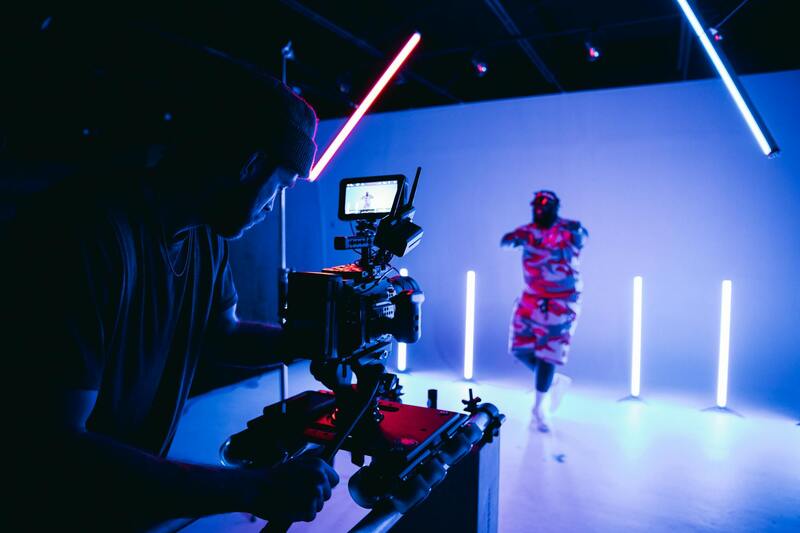
Synchronization across all components is crucial—video feeds, audio inputs, graphical overlays, and live chat interactions should be meticulously coordinated. Employing professional software platforms enables producers to control production elements in real time, from inserting lower thirds to managing live comments and social media interactions. This integrated approach creates a dynamic and engaging broadcast that maintains viewer interest throughout the event.
In addition, deploying monitoring tools allows technical teams to oversee the stream's health, detect issues promptly, and make necessary adjustments on the fly. Maintaining backup equipment and readily available spare parts ensures that unforeseen technical problems do not compromise the event's quality or timing.
Understanding Live-Streaming Production
Effective live-streaming production is fundamental to delivering a seamless and professional broadcasting experience. It involves a combination of meticulous planning, technical expertise, and real-time decision-making. The process begins with pre-production preparations, which include defining the event’s objectives, identifying the target audience, and determining the optimal streaming platform. This groundwork ensures that every element, from camera placement to audio setup, aligns with the intended message and viewer engagement goals.
During the live event, the production team manages multiple technical components simultaneously. Camera operators capture footage from various angles, while producers switch between these feeds to create a cohesive narrative. Audio engineers ensure clear sound quality by mixing feeds from microphones, instruments, or other audio sources. Graphical overlays, such as lower thirds and logos, are integrated in real time to reinforce branding and provide contextual information.
Efficient coordination between technical staff is vital to respond swiftly to unforeseen issues like equipment malfunctions or connectivity problems. Communication tools, such as headsets and dedicated control interfaces, facilitate quick exchanges among team members. A well-structured production workflow minimizes latency, prevents signal losses, and guarantees smooth transitions. Furthermore, integrating monitoring systems allows the team to keep a close watch on stream health, resolving issues proactively to uphold high production standards.
Types of Live-Streaming Services Offered
- Single Camera Production: Ideal for small events or webinars, focusing on a single shot with straightforward switching.
- Multi-Camera Production: Incorporates multiple camera feeds to add depth and professionalism, suitable for conferences, ceremonies, or performances.
- Event Broadcasts: Complete end-to-end streaming solutions for concerts, sports events, or large-scale corporate gatherings, including pre-event setup and post-event analytics.
- Hybrid Streaming Solutions: Combining live broadcast elements with on-demand content, enhancing viewer interaction and content accessibility.
- Interactive Live-Streaming: Integrates live chat, polls, and social media interactions to foster audience engagement during events.
Equipment and Technology Used in Live-Streaming
The backbone of any professional live stream rests upon top-tier equipment and robust technology. High-definition cameras equipped with optical zoom and stabilization features ensure clear, steady footage. Video switchers allow seamless transitions between multiple feeds, while professional-grade microphones and audio mixers guarantee crisp sound quality.
Encoding hardware or software compresses the live feed for efficient transmission, supporting various streaming protocols to reach multiple platforms concurrently. Use of strong internet connections—preferably wired Ethernet—reduces bandwidth instability. Redundant network systems and failover protocols maintain continuous streaming even if primary internet links encounter disruptions.
Advanced streaming solutions incorporate real-time monitoring tools to track signal integrity, latency, and viewer metrics. These systems assist producers in making immediate adjustments to optimize broadcast quality. Additionally, remote control capabilities allow operators to manage streams from off-site locations, providing flexibility and minimizing on-site personnel needs.
Understanding Live-Streaming Production
Live-streaming production encapsulates the comprehensive process of capturing, encoding, transmitting, and broadcasting live video content over the internet. The objective is to deliver high-quality, real-time experiences to viewers across various digital platforms, whether for corporate communications, entertainment, education, or promotional events. This process relies heavily on meticulous planning, sophisticated technology, and seamless execution to ensure that the broadcast maintains visual clarity, audio fidelity, and uninterrupted signal flow.
At its core, live-streaming production involves a collaborative effort between technical experts and content creators who work together to craft an engaging and professional viewing experience. The production process spans from the initial conceptualization and pre-event preparations to on-site execution and post-event content dissemination. Successful live-streaming hinges on choosing the appropriate equipment, selecting reliable internet infrastructure, implementing effective workflows, and understanding viewer engagement metrics to refine future broadcasts.
Key Components of Live-Streaming Production
- Content Planning: Defining the purpose of the stream, target audience, and key messages to ensure alignment with overall communication goals.
- Technical Setup: Selecting and preparing all equipment and network infrastructure to support a stable broadcast environment.
- Production Crew: Assembling a team of camera operators, audio engineers, and technical directors capable of executing the live event seamlessly.
- Content Management: Coordinating camera shots, graphics, overlays, and interactive features to enhance viewer engagement.
- Monitoring & Troubleshooting: Real-time inspection of video and audio signals, with contingency plans to address potential disruptions.
Workflow for Executing Live-Streaming Production
- Pre-Event Preparation: Conducting site surveys, testing equipment, and establishing backup systems to ensure readiness.
- Setup & Testing: Arriving on-site early to install equipment, configure hardware, and verify all systems are functioning properly.
- Rehearsals: Running practice sessions to optimize camera angles, audio levels, and graphics integration.
- Broadcast Execution: Monitoring live feeds, managing transitions, and ensuring consistent quality throughout the event.
- Post-Event Wrap-Up: Archiving the raw footage, analyzing performance metrics, and preparing content for further distribution or repurposing.
Choosing a Live-Streaming Production Partner in Miami
Partnering with the right live-streaming production company is essential for establishing a seamless, engaging, and professional broadcast. In Miami’s vibrant market, selecting a partner with local expertise and technical proficiency ensures your event meets the highest standards and reaches your target audience effectively. When evaluating potential production providers, consider their track record in managing diverse live events, from corporate webinars to large-scale conferences and entertainment shows.
Evaluate the company’s portfolio to review past projects and assess their versatility across different industries. Check for experience with the latest streaming technologies, including multi-camera setups, live graphics, real-time audience interaction, and seamless integration with social media platforms. A reputable provider also offers comprehensive pre-production planning, ensuring that every detail—from content scripting and session structures to technical rehearsals—is meticulously coordinated.
Effective communication and transparency are vital. The production partner should provide clear, detailed proposals outlining workflows, technical specifications, and contingency plans, aligning with your specific event objectives. Local knowledge is another critical factor; a Miami-based team understands regional broadcasting standards, audience expectations, and logistical considerations—such as venue limitations and network infrastructure—to facilitate a smooth streaming experience.
Assessing Technical Capabilities and Infrastructure
Verify that the production partner utilizes state-of-the-art equipment, including high-definition cameras, professional-grade audio systems, and reliable streaming software. It’s also important that they have robust internet connectivity solutions, such as dedicated fiber feeds or bonded cellular systems, to guarantee uninterrupted streaming performance. A proficient team is adept at managing multiple technical aspects simultaneously, including live switching, graphic overlays, and live chat moderation, to produce a polished broadcast.
In addition to hardware, their understanding of media encoding, content delivery networks (CDNs), and adaptive streaming ensures viewers receive high-quality video across all devices and bandwidth conditions. A dedicated technical team constantly monitors the stream during the event, ready to troubleshoot issues swiftly to avoid disruptions that could diminish viewer engagement.
Consulting and Customizing Your Live-Streaming Solution
Effective collaboration begins with a comprehensive consultation that explores your event goals, audience demographics, and content format. Your production partner should offer customized solutions tailored to your specific needs—whether that involves multi-camera configurations, interactive features, or multi-platform distribution. They can also advise on best practices for content branding and visual presentation to reinforce your messaging.
Strategic planning includes aligning your content schedule with technical rehearsals, testing all equipment and internet pathways, and establishing clear roles and responsibilities among the production team. This thorough preparation minimizes unforeseen technical glitches during the live event, ensuring a smooth viewer experience from start to finish.
Advanced Techniques and Content Strategies in Live-Streaming Production
To elevate the quality and engagement level of your live broadcasts, incorporating advanced production techniques and strategic content planning is essential. This involves leveraging cutting-edge technology and creative approaches to ensure your live-streaming event resonates with your target audience and stands out in a crowded digital landscape.
Multi-Camera Setups for Dynamic Viewing Experiences
Implementing multi-camera configurations allows producers to offer diverse perspectives, close-ups, wide shots, and specialized angles. This dynamic visual presentation maintains viewer interest and provides a professional feel akin to traditional broadcast television. For example, during a corporate product launch, different camera feeds can focus on the presenter, product demonstrations, and audience reactions, creating a compelling narrative flow.
Graphics and Visual Enhancements
Incorporating graphic overlays, lower thirds, and animated transitions enhances the visual appeal and clarity of the broadcast. These elements can display key information such as speaker names, event schedules, or call-to-action prompts. Custom branding visuals also reinforce your company's identity, making the event more memorable and aligned with your marketing goals.
Interactive Features to Foster Engagement
Embedding live chat, polls, Q&A sessions, or audience reactions encourages real-time interaction, making viewers feel part of the event. Interactive elements can significantly boost engagement metrics and provide immediate feedback, which is invaluable for optimizing the stream and future content planning.
Content Repurposing and On-Demand Delivery
Recording live events allows for the creation of on-demand content, which can be distributed across multiple channels post-event. Edited highlight reels, behind-the-scenes footage, and key segments can extend the lifespan of your content and reach a broader audience beyond the live broadcast. Ensuring proper archiving during the production process facilitates easy access for future marketing efforts.
Leveraging Analytics for Continuous Improvement
An advanced live-streaming setup integrates analytics tools to monitor viewer behavior, engagement levels, and technical performance during the event. Analyzing this data helps refine future streams, optimize content delivery, and improve overall viewer experience.
Methods to Secure High-Quality Content Delivery
- Content Delivery Networks (CDNs): Utilize robust CDNs to distribute your content efficiently, minimizing latency and buffering regardless of audience location.
- Adaptive Streaming: Implement adaptive bitrate streaming that adjusts video quality in real-time based on viewers’ internet speeds, ensuring continuous playback without interruptions.
- Bandwidth Management: Collaborate with your production partner to assess and allocate sufficient internet bandwidth, reducing the risk of stream dropouts or quality degradation during high-traffic moments.
Ensuring Consistent Broadcast Quality through Technical Rehearsals
Conducting comprehensive technical rehearsals prior to the live event is crucial. These sessions test all equipment, internet connectivity, and streaming configurations. This proactive approach helps identify potential issues, allowing the technical team to implement solutions in advance, thus safeguarding a seamless broadcast experience.
Legal Considerations and Content Rights Management
While utilizing legitimate live-streaming methods, it is important to ensure proper rights management for all content involved. This includes securing permissions for copyrighted music, videos, and images used during the event. Clear contracts and licensing agreements should be in place to prevent copyright infringement issues. Additionally, displaying appropriate disclaimers and adhering to broadcast standards help maintain your organization’s reputation and operational integrity.