
Overview of Live-Streaming Production Services
Live-streaming production services encompass a comprehensive suite of technological solutions designed to broadcast live events over the internet with high quality and reliability. These services are vital for a variety of applications, including corporate conferences, product launches, trade shows, educational seminars, and entertainment events. In Miami, a vibrant hub of business activity and cultural events, live-streaming production has become an essential component for expanding outreach and engaging audiences who cannot attend in person.
Professional live-streaming production ensures that every moment of an event is captured, transmitted, and delivered seamlessly to viewers across multiple platforms. This process involves meticulous planning, specialized equipment, and skilled personnel who manage the technical aspects of live broadcasting. As organizations and event organizers seek to maximize reach and impact, partnering with experienced live-streaming providers becomes crucial to achieve crystal-clear video, synchronized audio, and reliable streaming performance.
Beyond simply broadcasting video feeds, live-streaming production services also support interactive features such as live chat, real-time polling, and audience engagement tools. These elements are especially important in Miami’s diverse and dynamic environment, where connecting with remote attendees and expanding audience participation are top priorities. As the demand for quality and consistency grows, professional live-streaming solutions enable brands, corporations, and content creators to deliver compelling experiences that resonate with their target audiences.
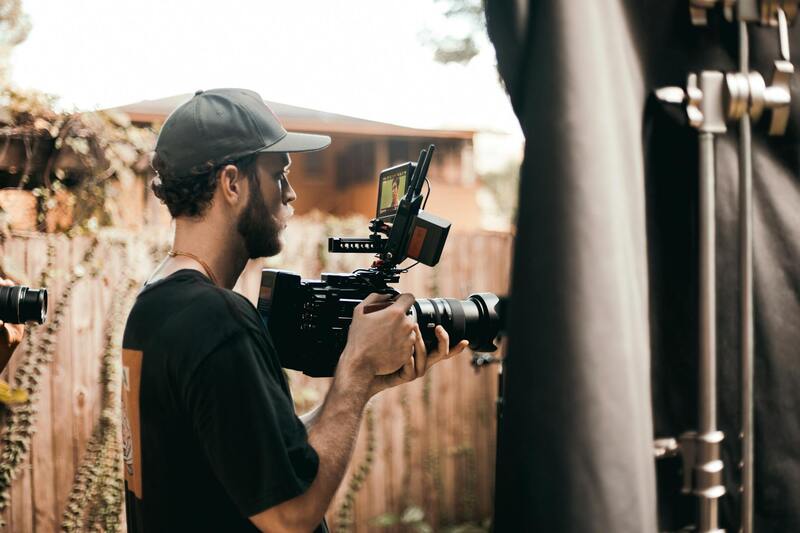
Implementing effective live-streaming production involves an intricate blend of technology, expertise, and strategic planning. From selecting the right equipment to managing signal transmission and ensuring redundancy, each element plays a vital role in the success of the broadcast. As Miami continues to grow as a center for business, entertainment, and cultural events, professional live-streaming services are increasingly recognized as essential for maximizing event reach, enhancing brand visibility, and fostering stronger online communities.
Ultimately, the importance of live-streaming production services in Miami lies in their capacity to deliver high-quality digital experiences that mirror, or even surpass, in-person engagement. With a focus on professionalism, technical excellence, and audience interaction, these services provide a competitive edge for organizations looking to stand out in a crowded digital landscape.
Technologies and Equipment Used in Live-Streaming Production
Producing a seamless live broadcast in Miami necessitates the deployment of advanced technologies and dependable equipment. At the core of any successful live-streaming event are high-definition cameras capable of capturing detailed visuals from multiple angles. These cameras should support various resolutions to adapt to different broadcasting scenarios and bandwidth conditions. Fixed and robotic cameras are often integrated to provide dynamic shot options, with robotic cameras offering remote control capabilities that enhance production flexibility.
For optimal audio clarity, professional-grade microphones and audio interfaces are essential. Lavalier, shotgun, and boundary microphones are commonly used to suit different environments and coverage needs, ensuring clear sound reproduction even in noisy or complex settings. Audio mixing consoles help balance multiple sound sources, delivering a polished auditory experience that complements high-resolution visuals.
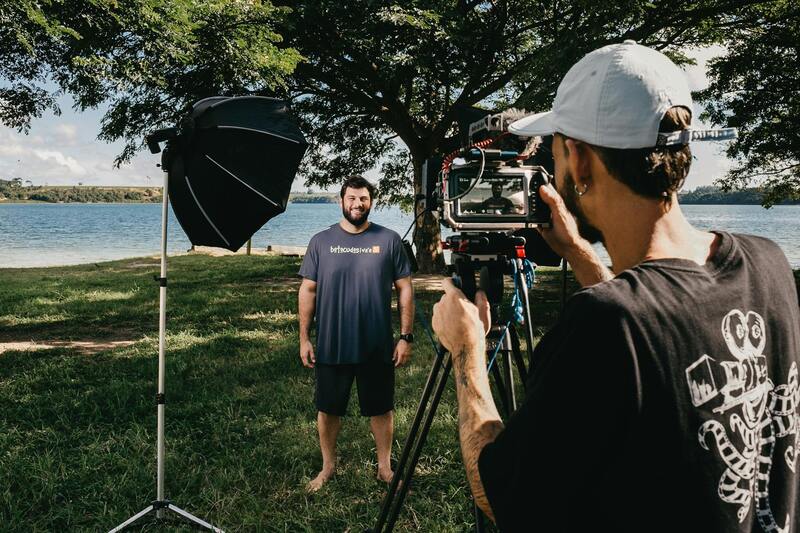
Lighting setups play a critical role in achieving professional-quality output. Implementing a combination of key lights, fill lights, and backlighting ensures subjects are evenly illuminated, reducing shadows and enhancing visual appeal. LED lighting panels with dimmable features are popular for their versatility and energy efficiency.
Encoding hardware and software are the backbone of the live-streaming process, converting raw footage into broadcast-ready streams. Hardware encoders provide reliable, high-quality streams with minimal latency, whereas software encoders offer flexibility and ease of use, especially for smaller productions. Reliable internet connectivity, often supported by backup systems like cellular bonding or redundant fiber connections, safeguards against interruptions during live broadcasts.
Additional equipment such as video switchers allows seamless switching between camera feeds, graphics generators enable real-time visual enhancements, and multi-view monitors facilitate real-time monitoring of all feeds. Infrastructure such as fiber optic cabling, wireless transmission solutions, and signal amplifiers further enhances broadcast stability and quality.
Technologies and Equipment Used
Implementing high-quality live-streaming production requires a suite of advanced technologies and specialized equipment that work in harmony to deliver seamless broadcasts. Central to this setup are professional camera systems, which can range from high-definition DSLR cameras to 4K broadcast cameras, depending on the event's complexity and visual requirements. These cameras provide crisp, detailed footage essential for engaging viewers across various platforms.
Film and broadcast-grade video switchers are vital in managing multiple camera feeds, enabling producers to switch between angles smoothly and incorporate real-time effects or overlays. Graphics generators and titling systems further enhance visual engagement, allowing the display of dynamic titles, logos, or live captions, which are crucial for branding and information dissemination during the broadcast.
Audio quality is equally important; hence, professional-grade microphones and audio mixers are employed to capture clear, balanced sound. Wireless microphones and in-ear monitors facilitate mobility for presenters and hosts, ensuring they can interact naturally without sacrificing audio fidelity.
Encoding hardware or software solutions convert the raw footage into digital streams compatible with various streaming platforms. Hardware encoders offer robustness and minimal latency, making them ideal for high-stakes live events. Conversely, software encoders provide versatility and are increasingly popular for smaller-scale productions due to their ease of use and affordability.
Reliable internet connectivity is supported by fiber optic lines, cellular bonding solutions, or satellite uplinks to ensure continuous transmission without interruption. Redundant connections and backup power supplies further safeguard against disruptions, maintaining a professional standard during live broadcasts.
Additional infrastructure components such as signal amplifiers, wireless transmission units, and multi-view monitors facilitate real-time management and troubleshooting during broadcasts. This comprehensive setup ensures high stability, minimal latency, and optimal picture and sound quality, creating an immersive experience for viewers watching from remote locations.
Investing in the right combination of these components, tailored to specific event needs, guarantees a professional-level live-stream that engages audiences, reinforces branding, and meets the operational standards expected in Miami’s vibrant media environment. When integrated correctly, these technologies serve as the backbone of successful live production services, capable of handling diverse event types ranging from corporate conferences to large-scale entertainment festivals.
Key Components of Live-Streaming Production
Successful live-streaming production hinges on a combination of sophisticated equipment, strategic planning, and a well-coordinated team. At the core of these components are hardware and software tools that work seamlessly to deliver high-quality broadcasts. High-definition cameras capture crisp visuals, while professional audio equipment ensures clarity and richness of sound. These elements are synchronized through master control systems that facilitate real-time switching, scoring, and editing, promoting a polished viewing experience.
Video switchers, also known as vision mixers, are essential for managing multiple camera feeds and incorporating graphics or pre-recorded segments. Encoders—both hardware and software—compress and transmit the video signals to streaming platforms, maintaining integrity and minimizing latency. Reliable network infrastructure, including fiber optic cables, cellular bonding, or satellite links, guarantees uninterrupted data flow. Additionally, redundant connections and backup power sources safeguard against potential technical failures, maintaining broadcast consistency.
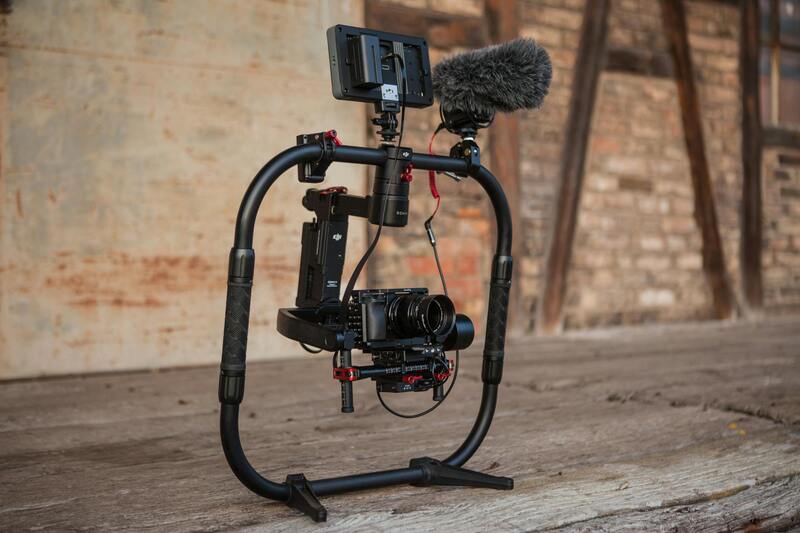
On-site infrastructure also includes signal amplifiers for boosting transmission strength, wireless transmission units for mobility, and multi-view monitors that enable producers to oversee multiple feeds simultaneously. These tools facilitate immediate troubleshooting, reducing potential delays or quality issues. Multi-camera rigs, stabilization systems, and lighting are carefully selected to enhance visual storytelling, ensuring the audience remains engaged with clear, vibrant images.
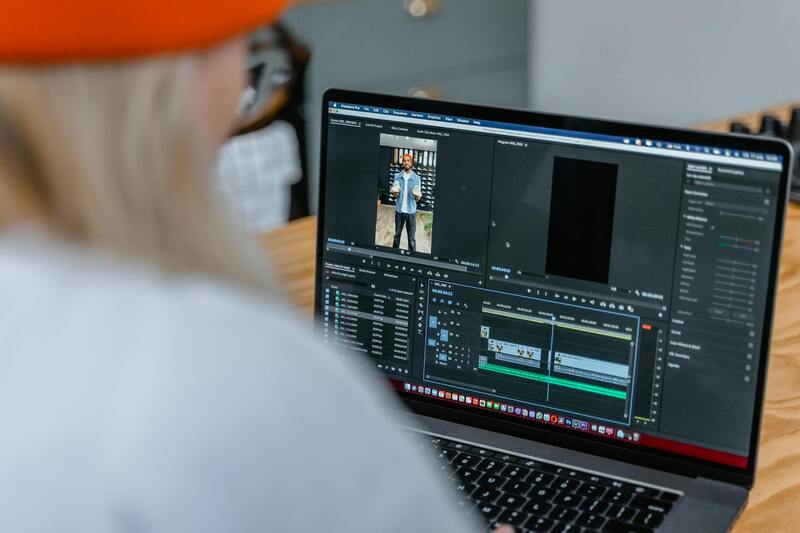
Moreover, production crews employ advanced editing software capable of real-time adjustments, transitions, and graphics overlays. This combination of hardware and software creates a cohesive ecosystem that supports the dynamic nature of live events. Proper integration and calibration of these components allow for precise control over the broadcast, preserving the event's integrity while maximizing viewer engagement.
It is equally vital to consider environmental factors such as acoustics, lighting, and location acoustics to optimize audio-visual presentation. Detailed pre-production planning, including run sheets and technical rehearsals, ensures everyone involved understands their roles and responsibilities. This preparation minimizes errors during the live broadcast, delivering a seamless experience for audiences tuning in from arts festivals, corporate meetings, or sports matches across Miami.
Maintaining open lines of communication and thorough coordination between the technical crew, directors, and on-site personnel contributes to a fluid production process. Automation tools like tally systems, teleprompters, and monitoring software further streamline operations. These elements collectively form an integrated solution that guarantees the delivery of professional-grade live streams, reinforcing the credibility of the hosting organization and increasing audience retention.
Technologies and Equipment Used
Effective live-streaming production hinges on utilizing a sophisticated array of technologies and equipment that ensure high-quality output and seamless transmission. Central to this setup are professional-grade cameras capable of capturing crisp, detailed visuals across various angles. These cameras often include 4K or even 8K resolution options, depending on the event's scale and client needs, delivering sharp imagery that appeals to viewers whether on desktop or mobile devices.
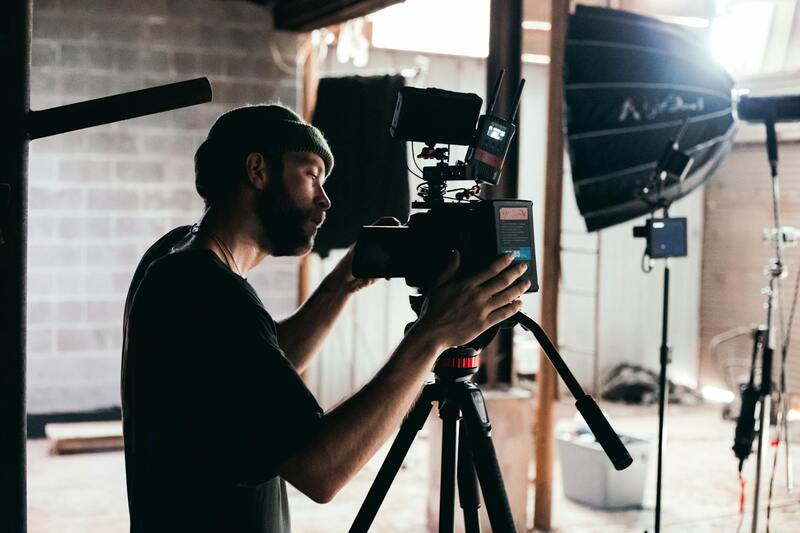
Complementing the cameras are video switchers or production mixers that facilitate real-time editing, allowing producers to transition smoothly between multiple camera feeds, overlay graphics, and incorporate pre-recorded segments. These switchers are crucial for maintaining a professional appearance and engaging pacing throughout the live event. In addition, high-quality microphones, including lavalier, shotgun, and boundary microphones, are strategically positioned to capture clear audio, a fundamental component for viewer immersion and understanding.
Communication and Control Systems
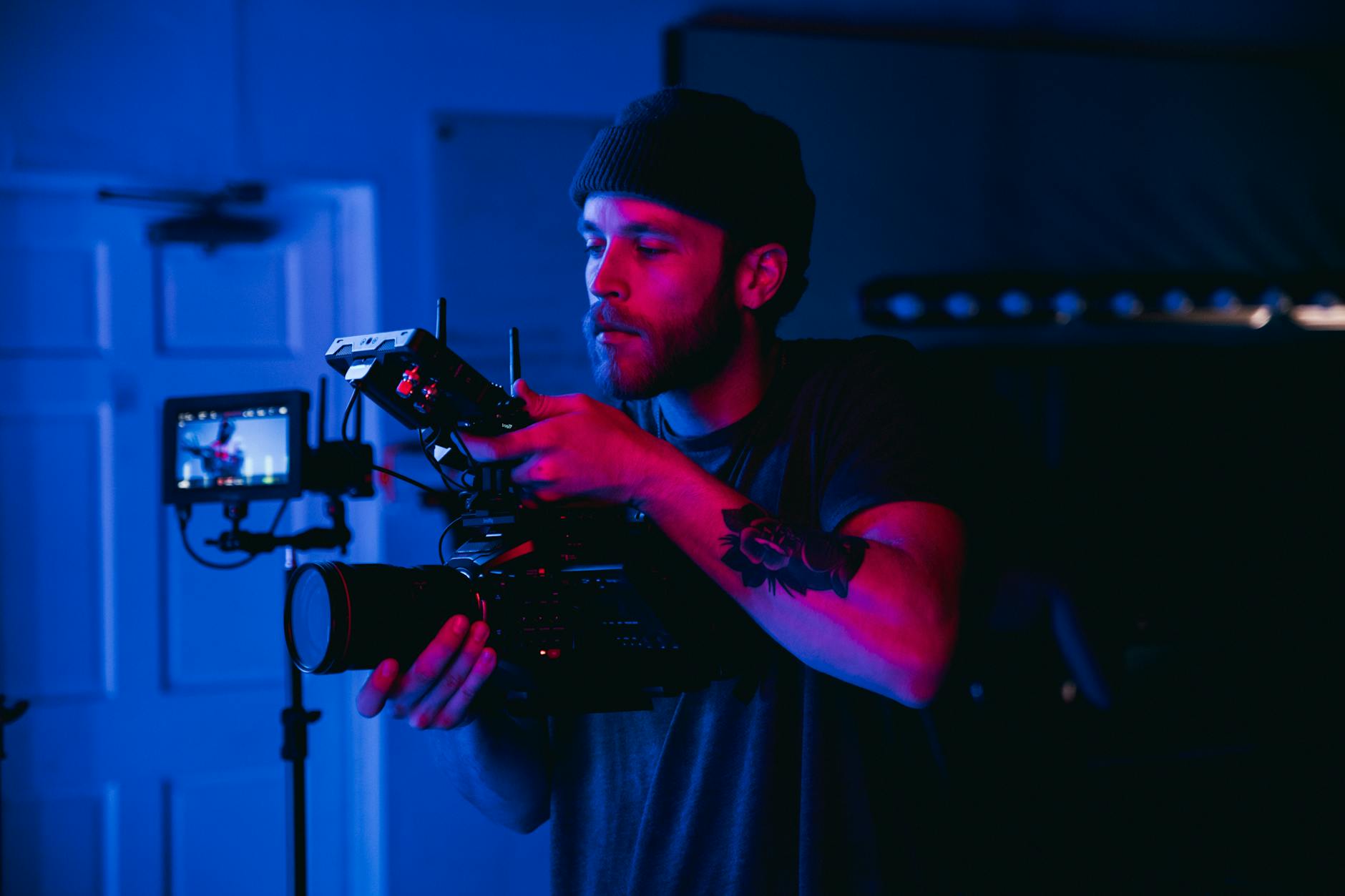
Behind the scenes, sophisticated communication tools such as intercom systems connect directors, camera operators, and technical staff, fostering real-time coordination. Tally systems indicate active camera feeds, guiding operators and eliminating confusion during complex sequences. These tools collectively ensure a synchronized operation vital for a polished live broadcast.
Networking and Data Transmission Technologies
A robust, high-speed internet connection is the backbone of any live-streaming setup. Fiber optic connections are preferred for their stability and bandwidth, reducing the risk of buffering and signal loss. In some cases, redundant internet feeds are deployed to provide fail-safe backup options. Content delivery networks (CDNs) are used to distribute the stream efficiently across multiple geographic locations, ensuring viewers across Miami and beyond enjoy a consistent, lag-free experience.
Supporting Software and Cloud Solutions
Modern live-streaming services leverage cloud-based platforms that enable scalable, flexible multi-platform broadcasting. Software like OBS Studio, vMix, or Wirecast provides live editing, graphics overlays, and integration with social media or streaming platforms. These tools facilitate real-time monitoring, allowing operators to make quick adjustments and troubleshoot issues instantly, thus maintaining the broadcast’s professionalism and flow.
Incorporating automation software and control systems streamlines the production workflow, ensuring timely transitions, accurate graphics, and synchronized audio levels. As technology advances, these solutions increasingly rely on AI-driven processes for content analysis, scene detection, and viewer engagement optimization, paving the way for more dynamic and interactive live events.
Overview of Live-Streaming Production Services
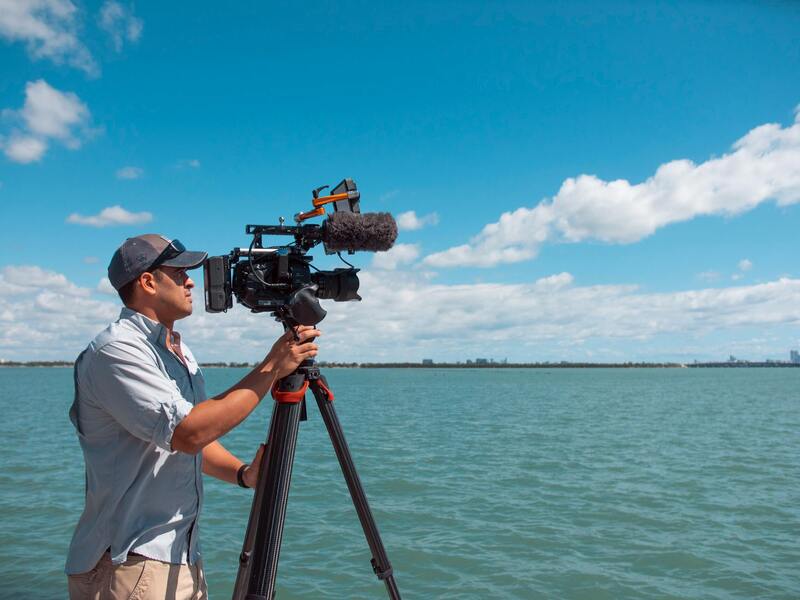
Live-streaming production services encompass a comprehensive suite of solutions designed to broadcast real-time video content seamlessly across digital platforms. These services integrate advanced hardware, specialized software, and robust internet infrastructure to deliver high-quality streams for various applications, including corporate events, concerts, sports, educational seminars, and community gatherings. In Miami, the demand for professional live-streaming solutions has surged, driven by the need for engaging, accessible content delivery that reaches viewers both locally and globally. Effective live-streaming production ensures the seamless transition from physical event setups to digital broadcasts, emphasizing clarity, stability, and viewer interaction without interruption or technical hitches.
Key Components of Live-Streaming Production
- Pre-Production Planning: This phase involves conceptualizing the event, defining objectives, and meticulously planning technical requirements, including camera placements, audio setups, and streaming platforms.
- Production Equipment: Utilization of professional cameras, switchers, microphones, and lighting ensures high-definition output and optimal visual quality. Multi-camera setups enable dynamic shots and angles, enhancing viewer engagement.
- Video Switching and Graphics: Live video switching allows seamless transitions between different camera feeds, while graphic overlays, titles, and branding are integrated to maintain a polished appearance.
- Audio Management: Clear audio capture via mixers and microphones is crucial, often supplemented with sound processing tools to eliminate background noise and optimize clarity.
- Stream Encoding and Transmission: Encoding hardware or software converts video feed into digital formats suitable for live streaming, with adaptive bitrate technology accommodating fluctuating internet conditions.
- Distribution and Delivery: Content Delivery Networks (CDNs) and streaming platforms ensure efficient distribution of the live feed to viewers across multiple devices and locations, maintaining latency and quality standards.
Types of Live-Streaming Solutions
- Event Livestreaming: Covering conferences, concerts, or sports events, this solution emphasizes multi-camera coverage, real-time graphics, and audience interaction features.
- Webcast Services for Businesses: These solutions are tailored for corporate communications, product launches, and training sessions, often incorporating secure links and access controls.
- Educational Live Streams: Facilitating virtual classrooms and academic seminars with interactive components, such as Q&A sessions and screen sharing.
- Community and Social Event Broadcasts: Streaming local festivals, religious services, or philanthropic drives to maximize community engagement and reach a wider audience.
Technologies and Equipment Used
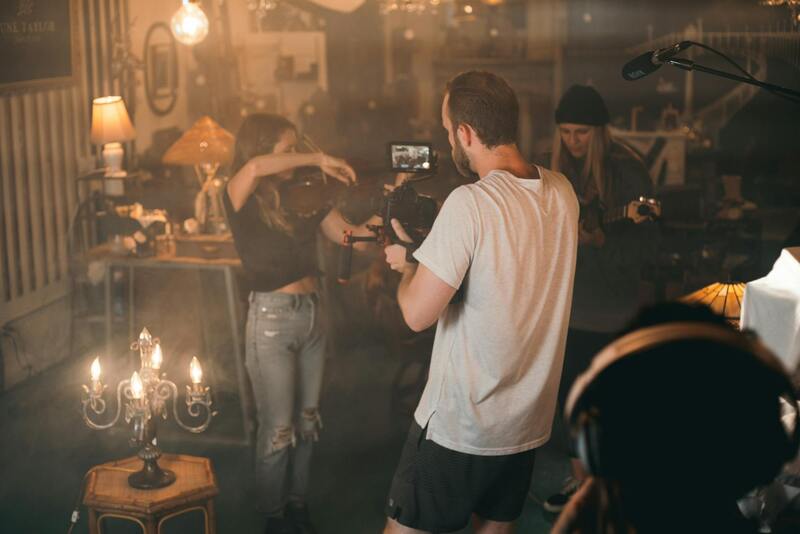
Professional live-streaming relies on a blend of cutting-edge hardware and software solutions to maintain broadcast quality. High-definition cameras with pan-tilt-zoom capabilities capture detailed visuals, while video switchers enable real-time scene changes, adding production value. Audio equipment, such as shotgun microphones, wireless lavaliers, and digital mixers, ensures pristine sound quality. Hardware encoders process raw video into compressed streams optimized for rapid transmission, supported by high-throughput internet connections like fiber optics to prevent buffering.
On the software front, production teams utilize platforms such as vMix, Wirecast, or OBS Studio for live editing, overlays, and platform integration. Cloud-based streaming services facilitate scalable distribution, allowing simultaneous broadcasts across multiple social media networks and content platforms. Technologies like AI-driven scene detection, automated camera control, and viewer engagement analytics are increasingly incorporated, providing dynamic, interactive experiences that resonate with modern digital audiences.
Understanding the Technologies and Equipment Used in Live-Streaming Production
Ensuring a high-quality live-streaming experience begins with the integration of advanced hardware and software solutions. The selection of appropriate equipment and technology is crucial for delivering seamless broadcasts that meet professional standards. In Miami, production companies leverage state-of-the-art tools designed specifically for live events, whether corporate, entertainment, educational, or community-oriented.
At the core of live-streaming production are high-definition cameras, which provide crisp visuals and detailed imagery. Models with pan-tilt-zoom (PTZ) capabilities allow operators to capture multi-angle shots and dynamically adjust framing, enhancing the visual storytelling aspect of the broadcast. These cameras are often connected to video switchers or mixers that enable real-time scene transitions, overlays, and graphics. Using video switchers, production teams can seamlessly switch between multiple camera feeds, incorporate pre-recorded segments, and introduce visual effects to elevate the broadcast's production value.
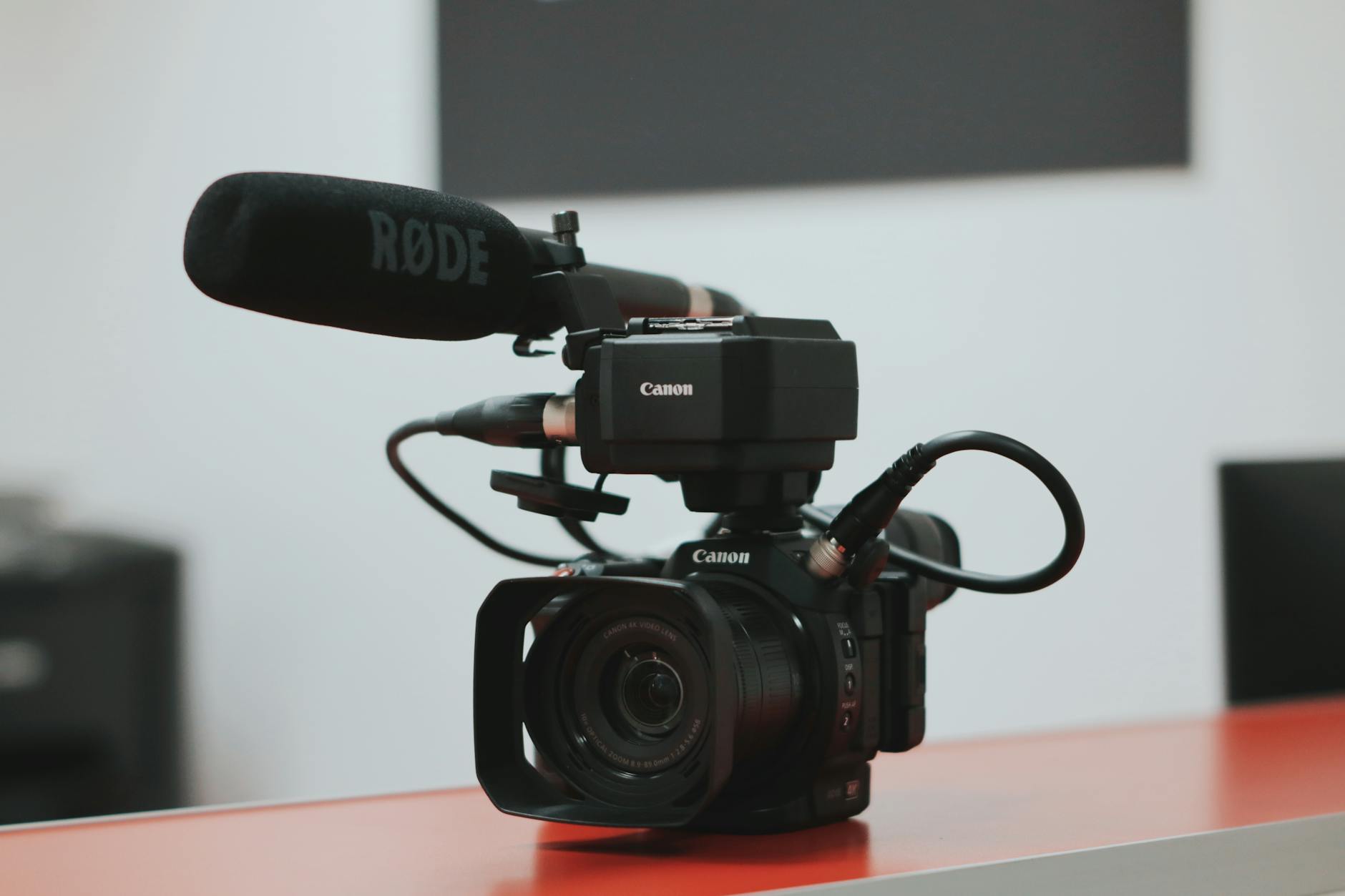
Audio quality is equally vital. Broadcast-grade audio equipment, such as shotgun microphones, wireless lavalier microphones, and digital audio mixers, ensures clear, interference-free sound. These audio devices are synchronized with video feeds and integrated into the production workflow to deliver a cohesive sensory experience to viewers.
Hardware encoders are responsible for converting raw video signals into compressed digital streams that are suitable for internet transmission. Professional encoders support multiple bitrates and resolutions, allowing adaptive streaming that adjusts based on viewers' internet bandwidth. Reliable, high-speed internet connections—preferably fiber-optic—are essential to maintain the stability and consistency of the stream, preventing interruptions and buffering issues.
On the software side, production teams utilize robust platforms such as vMix, Wirecast, or OBS Studio for live editing and real-time visual enhancements. These applications enable the implementation of overlays, graphics, and branding elements, making broadcasts more engaging and visually appealing. Cloud streaming services further expand the reach by distributing content across various social media platforms simultaneously, maximizing audience engagement.
Emerging technological advancements are increasingly incorporated into live-streaming workflows. AI-driven scene detection automates camera switching in multi-camera setups, reducing the need for manual operation. Automated camera control systems can follow subjects or predefined preset positions, allowing for dynamic visual compositions. Viewer analytics integrated into software solutions provide insights into viewer behavior, engagement levels, and preferences, helping producers tailor future broadcasts for greater impact.
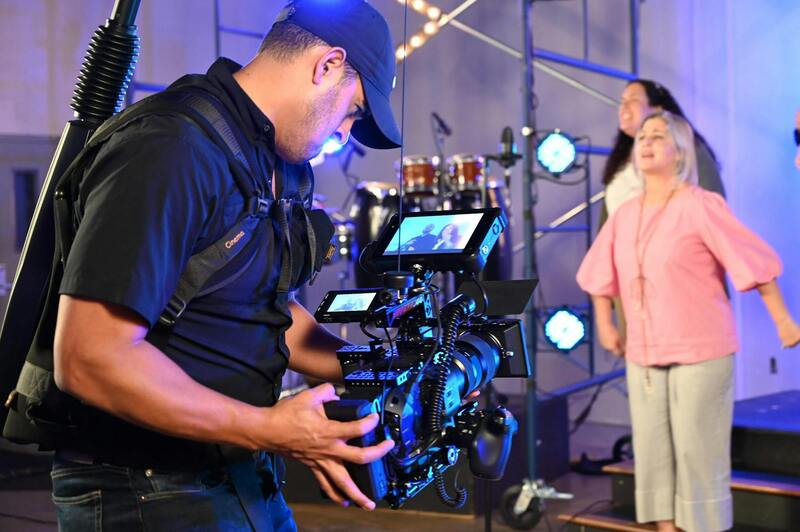
By combining cutting-edge hardware and software, live-streaming production services uphold high broadcast standards, ensure reliable delivery, and enhance viewer engagement. This technology ecosystem is foundational for professional live events, enabling producers to deliver compelling digital content that resonates with diverse audiences across Miami and beyond.
Overview of Live-Streaming Production Services
Live-streaming production services encompass a comprehensive suite of solutions designed to deliver high-quality digital broadcasts across various platforms. These services include pre-production planning, camera operation, audio management, video switching, graphics integration, encoding, and distribution. Professional live-streaming providers ensure that content is delivered seamlessly, with minimal latency and maximum reliability, to audiences in Miami and beyond. These services serve a broad range of events such as corporate presentations, live concerts, sports competitions, religious gatherings, and community festivals, requiring meticulous coordination, sophisticated equipment, and experienced personnel.
Key Components of Live-Streaming Production
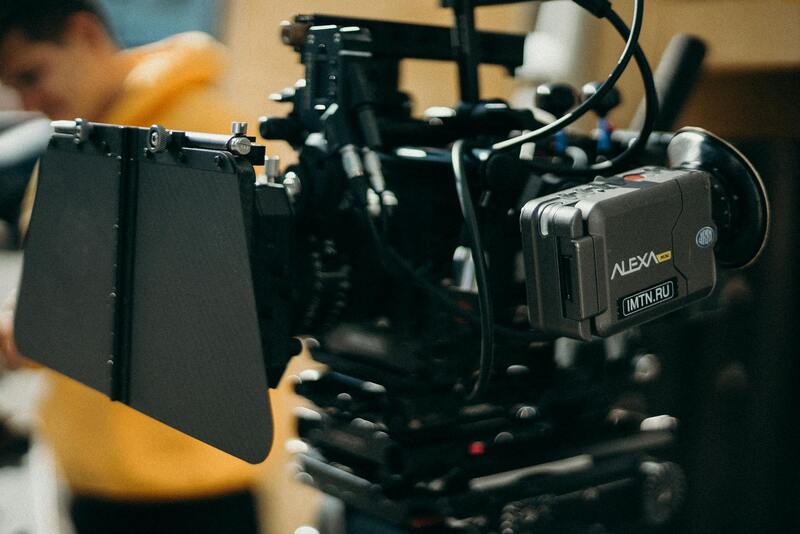
- Video Capture Devices: Professional cameras with high definition and 4K capabilities facilitate crisp visuals that meet broadcast standards.
- Audio Equipment: Lavalier microphones, mixers, and audio interfaces ensure clear sound quality, which is vital for engaging viewers.
- Video Switchers and Encoders: Hardware switchers allow seamless scene transitions, while encoders compress and transmit video streams efficiently.
- Graphics and Overlay Software: Real-time graphics, lower thirds, branding elements, and interactive overlays enhance visual engagement.
- Lighting Fixtures: Proper lighting is essential for optimal camera performance and visual clarity.
- Internet Connectivity: Reliable high-bandwidth internet connections, often with backup options, prevent interruptions during live broadcasts.
- Content Delivery Networks (CDNs): These networks facilitate efficient distribution, ensuring viewers receive smooth streaming regardless of their location.
Types of Live-Streaming Solutions
- Event Streaming: Provides real-time coverage for conferences, festivals, and sporting events, often requiring multi-camera setups and complex graphical overlays.
- Webinars and Virtual Conferences: Focused on interactive online sessions with breakout rooms, Q&A, and polling features.
- Product Launches and Corporate Announcements: High-quality streams that showcase brand messaging and product demonstrations to a targeted audience.
- Religious and Community Services: Accessible streaming options for congregations and community groups to reach wider audiences in a meaningful way.
Technologies and Equipment Used
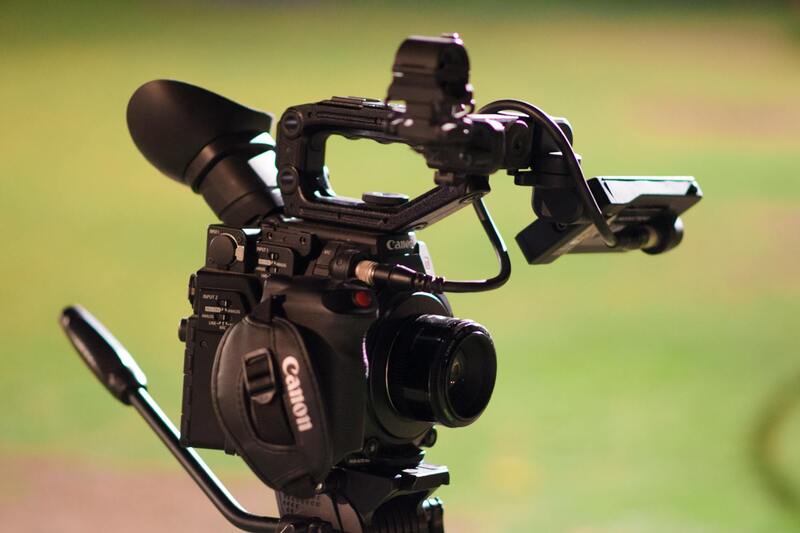
Modern live streaming utilizes a combination of advanced hardware and software solutions. Cameras equipped with SDI/HDMI outputs connect to video switchers, while professional audio mixers integrate multiple sound sources, ensuring clarity and balance. Streaming hardware encoders or software solutions like vMix, Wirecast, or OBS enable real-time encoding and streaming to various platforms. Cloud-based streaming services often work in tandem with hardware to facilitate multi-platform distribution, such as Facebook Live, YouTube Live, and custom RTMP servers. Additionally, emerging technologies like IP-based streaming, 4K video cameras, and automated multi-camera systems are standard components that elevate production quality and efficiency.
Benefits of Professional Live-Streaming in Miami
Employing seasoned live-streaming production services provides numerous advantages for organizations and individuals in Miami. These include access to cutting-edge technology that enhances visual and audio quality, resulting in a more professional presentation. Reliable infrastructure reduces the risk of technical issues during live events, ensuring continuous broadcast flow. Skilled production teams can adapt dynamically to changing circumstances, such as unexpected technical glitches or content adjustments. The expanded reach achieved through high-quality streaming allows organizations to engage with broader audiences, increase brand visibility, and foster community involvement. Furthermore, professional services often incorporate interactive features that promote real-time viewer engagement, boosting participation and feedback.
Choosing a Live-Streaming Production Partner
Selecting the right provider is crucial for the success of any live-streaming initiative. Consider their technical expertise, range of available services, and equipment quality. Evaluate the provider’s past experience with similar events and request client references or case studies to assess their reliability. Ensure they offer end-to-end solutions, including pre-production planning, on-site setup, live management, and post-event analytics. Communication is essential—partners should be responsive and transparent about their workflows, costs, and contingency plans. Compatibility with your specific event requirements and the ability to tailor solutions to your goals will maximize the impact of your live-streaming venture.
Steps in the Live-Streaming Production Process
- Initial Consultation and Planning: Define objectives, target platforms, audience, and content structure.
- Pre-Production Preparation: Coordinate technical requirements, schedule rehearsals, and prepare graphics and branding materials.
- Setup and Testing: Install equipment, establish internet connections, and conduct test streams to troubleshoot technical issues.
- Live Production: Execute the broadcast, managing cameras, audio, graphics, and transitions in real-time.
- Post-Event Review: Analyze viewer metrics, gather feedback, and assess technical performance to inform future streams.