
Understanding Live Streaming Video Production
Live streaming video production represents a sophisticated process that enables organizations, content creators, and businesses to broadcast real-time video content to audiences across the globe. This technology transforms traditional broadcasting methods by leveraging internet infrastructure to deliver instant visual communication with minimal delay, thereby fostering immediate engagement and interaction.
The primary goal of live streaming is to provide viewers with high-quality, uninterrupted video content that aligns with the event or message intended to be conveyed. Whether it is a corporate presentation, a sports event, a concert, or an educational seminar, live streaming allows for seamless dissemination of information and entertainment to a broad audience.
Key components involved in live streaming video production encompass various stages and technical elements, each contributing to the overall quality and effectiveness of the broadcast. These include:
- Content Planning: Defining the scope, objectives, and target audience for the broadcast.
- Video Capture Equipment: Cameras, microphones, and visual sources configured to record the event or content accurately.
- Production Control: A mixing console or software that manages multiple video and audio sources, ensuring synchronization and quality control.
- Encoding and Compression: Conversion of raw video footage into compressed streams suitable for internet transmission, balancing quality with data requirements.
- Content Delivery Network (CDN): A network of servers strategically distributed to distribute the streaming data efficiently to viewers worldwide.
- Monitoring and Feedback: Real-time observation of the stream’s quality, with mechanisms in place for immediate troubleshooting.

Achieving an engaging live stream requires meticulous coordination of these components to ensure clarity, stability, and interactivity. As technology evolves, new tools and methods continue to enhance the viewing experience, making live streaming an essential method for real-time communication in numerous sectors. A thorough understanding of these fundamentals equips content creators and organizations to produce professional-grade broadcasts that resonate with their audiences and meet specific objectives effectively.
Critical Hardware Components in Live Streaming Video Production
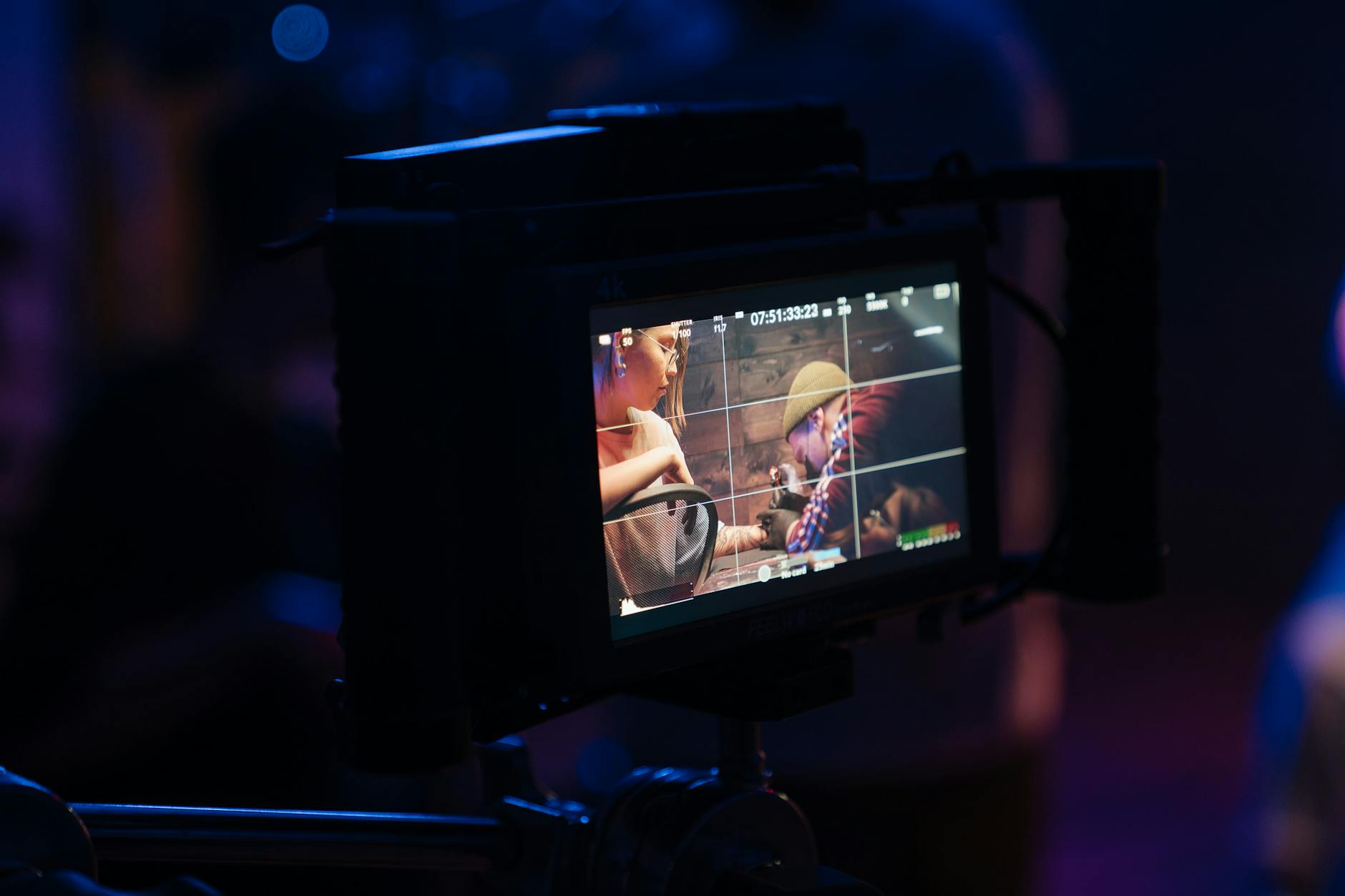
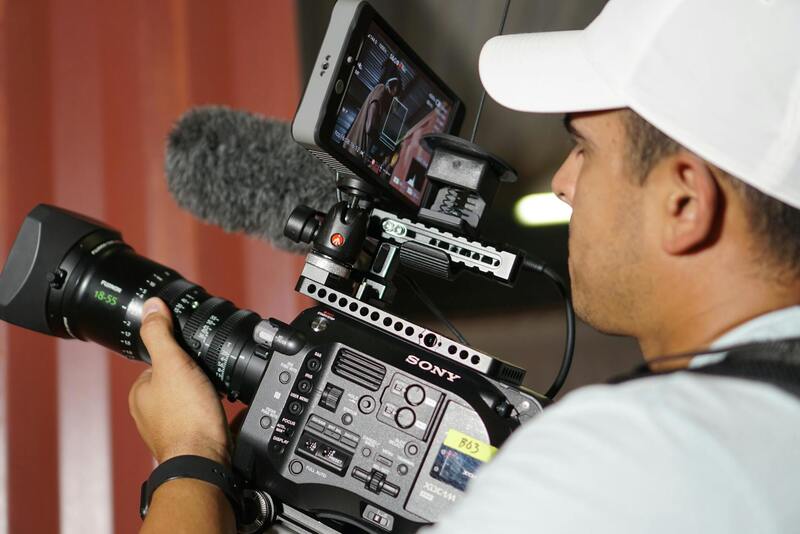
To achieve seamless and high-quality live streaming, selecting the appropriate hardware is fundamental. This includes professional-grade video capture devices such as broadcast cameras and camcorders capable of delivering crisp resolution and reliable performance even during extended streaming sessions. High-definition (HD) and 4K-capable cameras are becoming standard for producing visually compelling streams that captivate audiences. Equipment should feature manual control options to fine-tune focus, exposure, and color settings, ensuring visuals match the desired aesthetic.
Microphones also play a pivotal role in maintaining audio clarity. Omnidirectional and shotgun microphones are usually preferred for capturing clear sound in different environments, whether capturing a single speaker or multiple sources. Proper placement and quality audio equipment prevent background noise interference and provide a professional listening experience.

Encoding hardware is another crucial component, tasked with converting raw video signals into streams compatible with the internet. Hardware encoders are preferred in scenarios demanding low latency and high stability, such as live sports or corporate events. These devices often feature multiple input options, enabling seamless switching between cameras and sources.
Alongside encoding, reliable streaming servers or cloud-based solutions handle the distribution of content to viewers. They manage the load balancing necessary when accommodating large audiences, preventing stream interruptions. Integrating backup systems—such as redundant encoders or secondary internet connections—enhances streaming reliability and minimizes disruption during unforeseen technical issues.
Stream Management and Quality Assurance Tools
To oversee the production process efficiently, professionals employ various control interfaces. Multi-camera switchers or software-based switchers enable operators to transition smoothly between scenes, graphics, or video feeds. Audio mixers allow for real-time adjustment of sound levels, ensuring consistent audio quality. These control tools are essential for maintaining synchronization between video and audio streams, contributing to a polished presentation.
Monitoring equipment such as real-time streaming dashboards and diagnostic tools help technical teams observe stream health continuously. These tools display metrics like bit rate, packet loss, or buffering issues, providing immediate feedback for troubleshooting. Some systems also incorporate automated alerts, notifying operators of potential problems before viewers are affected.
Choosing Compatible and Future-Proof Equipment
Investing in compatible hardware components ensures a streamlined production workflow. It’s vital to select equipment that supports current resolutions, streaming protocols, and connectivity standards. Furthermore, considering scalability and future technological advancements can save costs in the long term, as upgrading is made easier when foundational hardware is adaptable.
Ultimately, the combination of robust hardware, meticulous setup, and vigilant monitoring defines the success of any live streaming video production. Each element must be chosen with attention to specific project requirements, target audience, and content type to ensure the final broadcast meets professional standards and viewer expectations.
Understanding Live Streaming Video Production
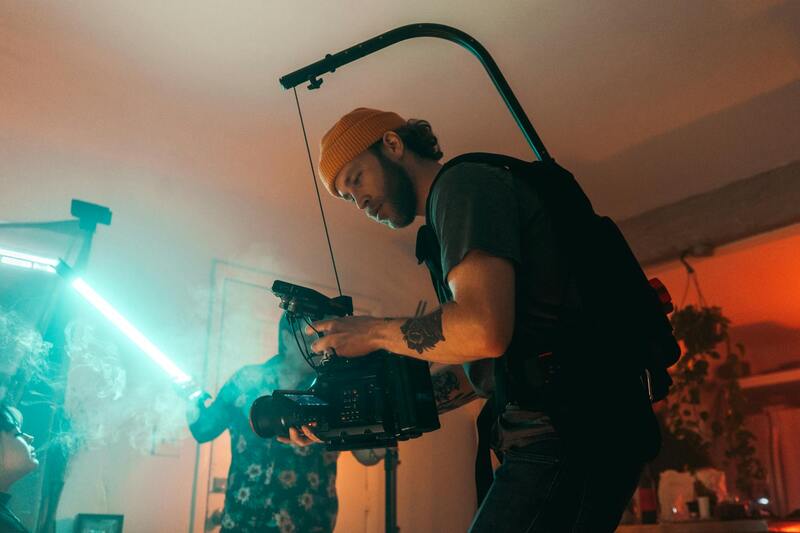
Effective live streaming video production hinges on integrating a series of well-planned technical and creative elements that ensure each broadcast resonates with professionalism and reliability. Central to this process is meticulous attention to content quality, viewer engagement, and technical robustness. High-quality video sources, optimized encoding settings, and dynamic visual and audio enhancements contribute to a seamless viewing experience. Employing multiple camera angles allows producers to offer diverse perspectives that keep viewers engaged, while real-time graphics and overlays can be used to highlight key information or branding elements, thus enriching the visual narrative.
Beyond visual elements, sound quality remains a cornerstone of compelling live broadcasts. Properly configured audio equipment, including high-grade microphones and mixing consoles, ensures clarity and consistency. Ambient noise control and sound leveling are crucial for maintaining an immersive experience, especially during interviews or multi-participant broadcasts. Cooperative planning between audio and video teams facilitates synchronization, eliminating delays or mismatched elements that could detract from professionalism.
Technical coordination involves comprehensive testing procedures to identify potential bottlenecks prior to going live. This includes verifying internet bandwidth capabilities, stream encoding stability, and resolution settings aligned with viewer devices and platform specifications. Reliable streaming infrastructure must be paired with backup solutions, such as secondary internet connections or redundant hardware, to mitigate unexpected disruptions and uphold broadcast continuity.
Pre-Production Planning for Live Streaming
Successful live streaming begins long before the event is broadcast. Pre-production planning encompasses content scheduling, technical preparation, crew roles, and testing protocols. Developing a detailed script or rundown ensures clarity on content flow, cues for transitions, and integration points for graphics or multimedia elements. Equipment checks, including camera tests, audio calibration, and network bandwidth validations, help prevent technical hiccups during the live event.
Crew coordination involves assigning responsibilities for camera operation, audio management, technical support, and on-screen talent. Conducting dry runs or rehearsals allows the team to identify issues and familiarize themselves with the setup, reducing on-air errors and delays. A well-organized pre-production phase also includes arranging for contingency plans to address unforeseen circumstances, such as equipment failures or connectivity issues, ensuring the broadcast remains stable and professional throughout.
In addition to technical readiness, content planning involves aligning the broadcast with the target audience’s interests, incorporating engaging visuals, and preparing any supplementary multimedia. Proper planning maximizes audience engagement and ensures the delivery of a cohesive, impactful message that meets organizational goals and viewer expectations.
Legal and Compliance Considerations
Implementing effective live streaming video production requires adherence to a set of well-established methods designed to ensure a smooth and professional broadcast. Maintaining high standards in content rights management is fundamental, as rights clearance for any third-party audio-visual material included during the stream safeguards against potential disruptions or disputes. This involves verifying that all music, videos, images, and other media assets are properly licensed for live use, and documenting permissions when necessary.
Another critical aspect is ensuring compliance with platform-specific guidelines and industry standards. Each streaming platform may have its own policies regarding content, community guidelines, and technical specifications. Being familiar with these parameters and configuring your stream accordingly minimizes interruptions, content removal, or account restrictions. Proper optimization includes selecting appropriate streaming resolutions, bitrates, and coding formats aligned with platform recommendations, which helps achieve a balanced quality-to-performance ratio.
Data privacy and user security are also paramount. Implementing secure login protocols, such as multi-factor authentication for platform access, protects sensitive production equipment and streaming accounts from unauthorized intrusion. If the content involves live interactions with viewers—such as chats, polls, or Q&A sessions—taking measures to moderate and monitor interactions ensures the broadcast remains respectful, compliant with regulations, and free from inappropriate content. This enhances viewer trust and supports positive brand reputation.
Furthermore, establishing clear policies around recording and storage of live streams is essential. While some broadcasts may require archiving for post-event use, it is important to handle and store these recordings according to industry standards for data protection. Employing reliable recording solutions that are synchronized with the live feed ensures high-quality archived content suitable for future repurposing, such as highlight reels, tutorials, or promotional material.
Comprehensive planning around these official practices enhances the credibility of the live stream, mitigates operational risks, and reinforces the commitment to delivering high-quality, compliant content that resonates with audiences and aligns with organizational objectives.
Implementing Authentic Content Delivery Methods
To ensure the integrity and professionalism of live streaming video production, it is vital to utilize verified content delivery methods. These methods include using Content Delivery Networks (CDNs), which distribute streams through a network of servers geographically positioned to serve viewers efficiently. This minimizes latency, reduces buffering, and maintains consistent quality across diverse locations, leading to a seamless viewer experience.
Employing certified streaming protocols such as RTMP (Real-Time Messaging Protocol), HLS (HTTP Live Streaming), and DASH (Dynamic Adaptive Streaming over HTTP) helps establish stable and secure streams. These protocols support adaptive bitrate streaming, which adjusts video quality dynamically based on viewers’ internet speeds, preventing interruptions. Relying on established platforms that abide by industry standards ensures that content dissemination remains authoritative and authentic.
In addition to technical protocols, privacy management plays a fundamental role in upholding the quality of live streaming. Implementing encryption measures—such as Secure Sockets Layer (SSL) or Transport Layer Security (TLS)—protects data during transmission, safeguarding both content and viewer information. Authenticity checks, such as digital signatures, verify that the broadcast originates from trusted sources, deterring malicious interference.
Furthermore, managing access controls is essential for maintaining the integrity of live streams. Utilizing official login credentials with multi-factor authentication handles unauthorized access risks. Deployment of secure distribution keys and tokens restricts streaming URL sharing, ensuring exclusivity and control over who can view the content. These official authentication methods reinforce the brand’s credibility and provide a trustworthy viewing environment.

Legal and Compliance Considerations
Maintaining adherence to established legal standards is paramount in live streaming video production. Organizations must ensure proper rights management for all content, including music, visuals, and third-party footage, to prevent copyright infringements. Securing necessary licenses and permissions before broadcast minimizes risks associated with unauthorized use of protected materials. This diligence not only safeguards the organization but also enhances viewer trust, affirming commitment to ethical content dissemination.
Furthermore, compliance with data protection regulations is critical. Implementing secure transmission protocols safeguards viewer information, especially when collecting data through registration or interactive features. Clear privacy policies should be communicated to users, outlining data handling practices and obtaining necessary consent where applicable. These practices foster transparency and demonstrate responsibility in managing audience information.
Operational standards necessitate strict content moderation policies. Live streams should be monitored proactively to prevent the dissemination of inappropriate or sensitive material. Establishing official review procedures ensures that all broadcasted content aligns with organizational guidelines and regulatory norms, safeguarding the organization's reputation and promoting a positive viewer experience.
It is also essential to develop a comprehensive emergency protocol to address potential incidents during live streaming, such as technical failures or inappropriate content breaches. Having predefined procedures ensures swift and effective responses, minimizing disruption and potential reputational damage. Consistently updating these protocols in line with evolving regulations and technological advancements helps maintain a proactive compliance posture.
Implementing Secure Content Delivery and Audience Interaction
As live streaming video production becomes increasingly integral to engaging audiences, prioritizing secure content delivery and interactive features significantly enhances viewer experience and confidence. Employing Content Delivery Networks (CDNs) ensures that streams are delivered efficiently across diverse geographic locations, reducing latency and buffering issues that can diminish the professionalism of the broadcast. CDNs distribute content through a network of servers strategically located worldwide, facilitating swift and reliable streaming experiences regardless of viewer location.

In addition to robust delivery infrastructure, integrating encrypted transmission protocols such as Secure Real-Time Transport Protocol (SRTP) helps protect live streams from unauthorized access or interception. This encryption ensures that data remains confidential during transmission, maintaining the integrity of the content and safeguarding proprietary footage or sensitive information.
Furthermore, fostering audience interaction through moderated chat functions, live polls, and real-time Q&A sessions elevates engagement levels. Proper moderation tools prevent spam or malicious comments, ensuring that conversations remain professional and aligned with organizational standards. These interactive elements require a balanced approach, combining user engagement strategies with strict monitoring to avoid potential disruptions or offensive content.
Monitoring and Quality Assurance During Live Broadcasts
Effective oversight during live streaming involves real-time monitoring of audio and video feeds, network stability, and audience feedback. Dedicated operators should track signal quality continuously, ready to troubleshoot technical issues immediately, reducing downtime and ensuring smooth broadcasts.
Implementing automated alerts for dropped connections or degraded stream quality enables rapid intervention, minimizing viewer impact. Additionally, utilizing multi-camera viewpoints, graphics, and overlays adds a layer of professionalism, making the broadcast more dynamic and visually appealing.

Consistent rehearsal sessions before the live event help identify potential technical pitfalls, streamline camera switching, and ensure all personnel are familiar with the production workflow. This preparation guarantees a seamless viewer experience, reflecting well on the organization’s commitment to high standards.
Archiving and Content Repurposing Strategies
Post-broadcast, archived videos serve as valuable assets for future marketing, training, or reference purposes. Proper archiving should adhere to organized naming conventions and metadata tagging to facilitate easy retrieval and indexing.
Repurposing streaming content extends its value, allowing organizations to extract snippets for social media promotion, create highlight reels, or develop on-demand viewing options. This approach not only maximizes the investment in live production but also broadens audience reach across multiple platforms.
High-quality recordings can be integrated into comprehensive content marketing strategies, supporting brand visibility and ongoing engagement with the target market. Additionally, analyzing viewer metrics and feedback from archived streams informs continuous improvement in production quality and content relevance.
Legal and Compliance Considerations
Ensuring your live streaming video production is compliant with relevant regulations and guidelines is essential for maintaining professionalism and avoiding disruptions during broadcasts. This includes verifying all content rights, such as music, video clips, and visual assets, to prevent copyright infringements. Securing appropriate permissions and licenses for any third-party materials used during your live streams is critical to uphold ethical standards and protect your organization from potential legal issues.
Implementing clear policies on data privacy and user consent also plays a vital role. When collecting viewer data, such as during registrations or through interactive features, organizations must adhere to data management standards, ensuring transparent communication about the use of personal information. Incorporating secure data practices helps build trust with your audience and aligns your streaming activities with industry best practices.
Another important aspect involves monitoring and moderating viewer interactions in real time. Especially for public broadcasts, establishing moderation protocols safeguards the environment against inappropriate or disruptive comments. Utilizing moderation tools provided by streaming platforms or dedicated third-party services can streamline this process, ensuring a positive experience for all participants.
Adherence to platform-specific guidelines is equally important. Each streaming service has its own policies regarding content, audience interaction, and technical requirements. Regularly reviewing and updating these policies helps prevent violations that could result in stream interruptions or account suspensions. Staying informed about evolving regulations and platform standards ensures your live streaming efforts remain compliant and professionally managed.
Finally, consider implementing proactive stress-testing and risk management strategies. Conducting routine checks on technical setups, internet connectivity, and backup solutions reduces the likelihood of unforeseen issues during live broadcasts. A well-prepared approach to potential challenges not only preserves the quality of your stream but also demonstrates a commitment to professionalism and integrity in your live streaming video production.