
Understanding Live-Streaming Video Production
Live-streaming video production involves the process of broadcasting real-time video content over the internet to a remote audience. It encompasses several stages, including planning, technical setup, content execution, and post-broadcast activities. This form of content delivery has seen exponential growth as organizations recognize its potential for engaging audiences more interactively and instantly. For businesses and organizations in Miami, leveraging live-streaming offers various advantages such as increased reach, enhanced brand visibility, and the opportunity for immediate audience engagement. High-quality live streams can effectively showcase products, host virtual events, conduct training sessions, and deliver important announcements, making it a vital component of modern communication strategies.
 igure>
Essential Equipment and Technologies
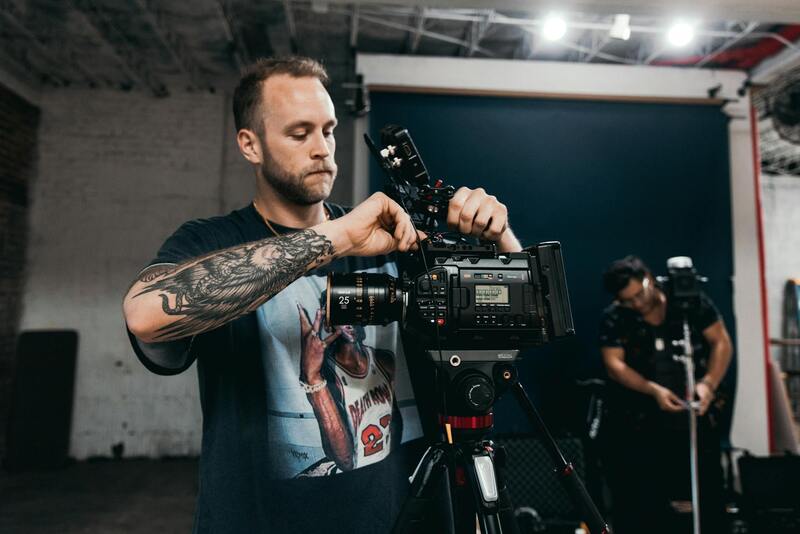
Executing a successful live-streaming event requires specialized equipment and reliable technologies. The foundation begins with high-definition cameras capable of capturing clear video footage. These are often complemented by professional audio equipment, including microphones and mixers, to ensure crisp sound quality. Streaming hardware, such as encoders, plays a crucial role by converting raw video signals into a digital format suitable for internet transmission. Furthermore, a stable and fast internet connection forms the backbone of the entire operation. Often, organizations utilize dedicated internet lines or bonded internet solutions to mitigate disruptions. Video switchers facilitate seamless transitions between multiple camera angles during the live broadcast, enhancing production quality. Additionally, pre-installed or cloud-based streaming platforms handle the live feed distribution, providing scalability and reliability.
Pre-Production Planning and Content Strategy
Successful live streams are driven by meticulous planning and a well-thought-out content strategy. The process begins with defining clear objectives, such as brand promotion, customer education, or product showcase. Knowing the target audience influences content tone, format, and technical requirements. Preparation involves scripting key segments, creating visual cues, and organizing thematic content to maintain audience interest. Setting up a detailed timeline ensures smooth transitions and minimizes technical hitches during the broadcast. Collaborating with a professional production team or experienced content creators enhances the overall quality. These experts assist in storyboard development, talent coaching, and technical rehearsals, which are crucial to identifying potential issues before the live event.
Setup and Technical Configuration
On the day of the production, the setup phase is critical for ensuring a smooth live stream. It begins with assembling all equipment in a dedicated production area, often a studio or controlled environment that minimizes external noise and interruptions. Properly configuring cameras, audio devices, and streaming encoders is vital. Positioning cameras to capture the best angles, setting appropriate lighting, and adjusting audio levels are essential steps. Technical staff perform test runs to verify signal quality, latency, and synchronization. Many organizations opt for redundant systems to prevent failures. This might include backup internet connections and secondary hardware components. Effective technical configuration guarantees a professional broadcast that aligns with the intended content and audience expectations.
Essential Equipment and Technologies
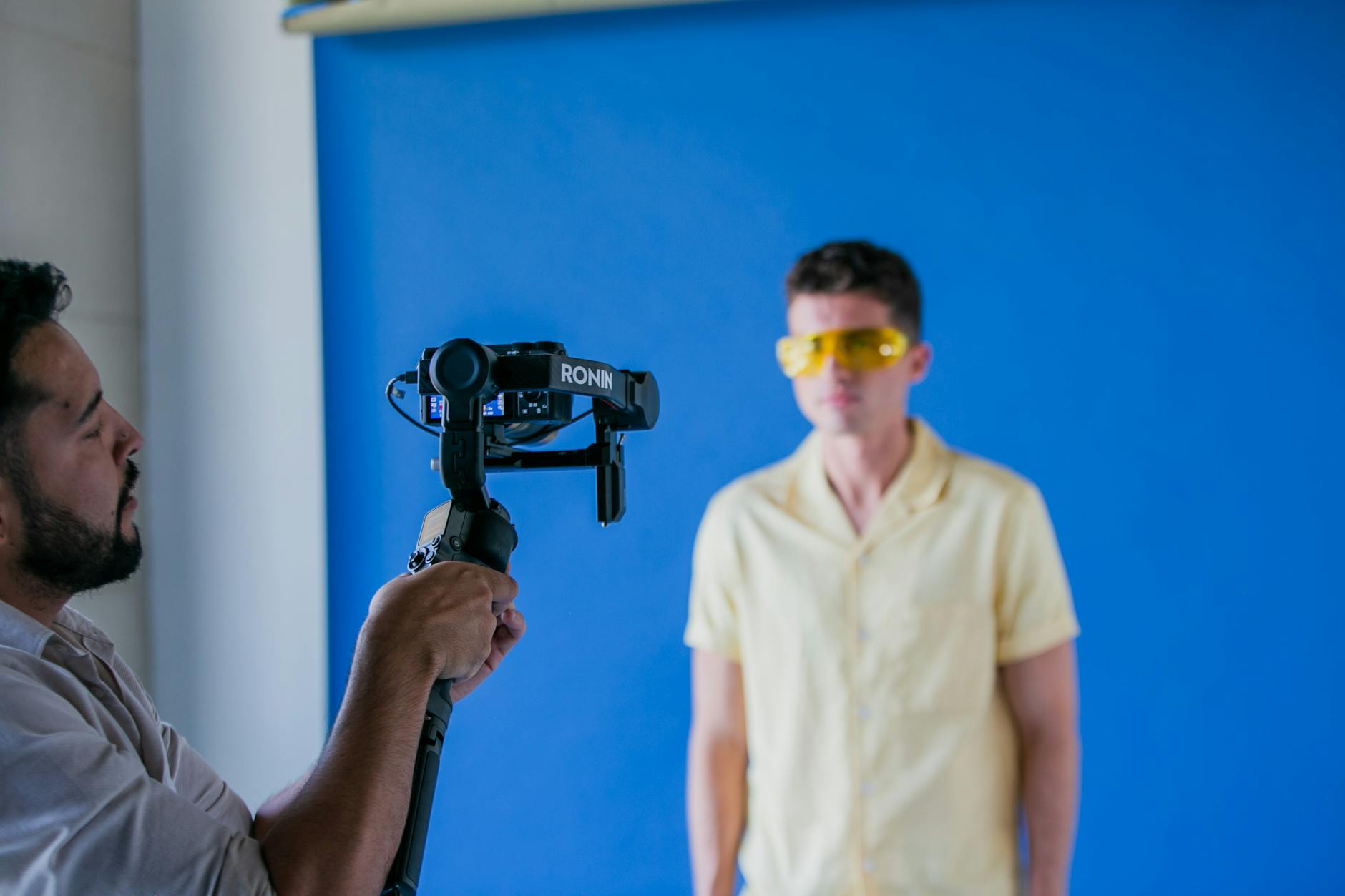
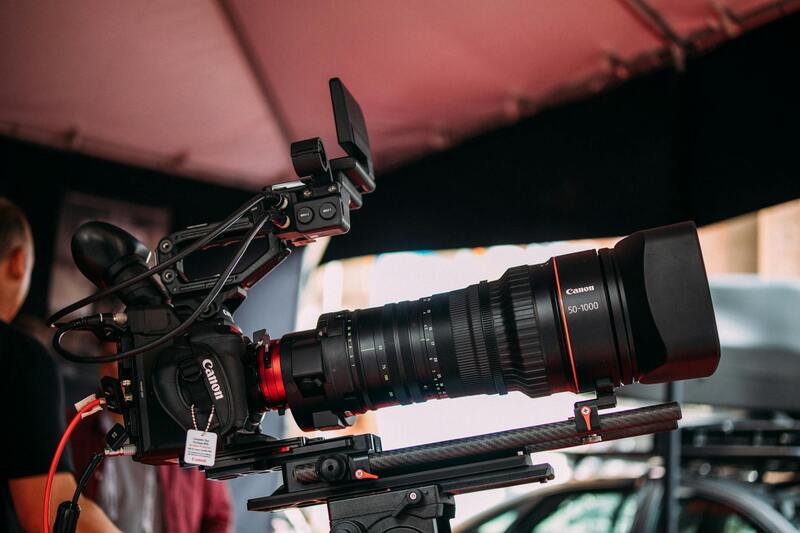
Achieving a seamless live-streaming video production hinges on utilizing the right blend of hardware and software. The foundation begins with high-quality cameras capable of capturing detailed visuals in various lighting conditions, ensuring that the audience receives crisp, clear imagery regardless of the environment. Professional-grade video cameras or digital camcorders with HDMI or SDI outputs are typically preferred, as they provide reliable signal output and compatibility with streaming hardware.
Alongside cameras, audio quality plays a pivotal role in viewer engagement. High-fidelity microphones—such as lavalier, shotgun, or condenser mics—should be employed depending on the setting. An external audio interface or mixer helps control sound levels and prevents distortion, ensuring clear communication throughout the broadcast.
The backbone of any live-streaming setup is the encoder, which converts raw video and audio signals into a format suitable for streaming. Hardware encoders offer stability and often support higher bitrates, reducing latency and buffering issues. Software encoders, like OBS Studio or vMix, are popular for their flexibility and cost-effectiveness, especially for smaller productions.
To distribute the live content, a reliable streaming platform or content delivery network (CDN) is essential. These services handle data transmission to viewers' devices, providing features such as adaptive streaming, chat integration, and analytics. Most enterprises opt for scalable solutions that can accommodate fluctuating viewer numbers and ensure a stress-free experience.
Additional technological tools include multi-view monitors for real-time shot selection, split-screen capabilities for multiple camera feeds, and graphic overlays to enhance visual communication. Lighting equipment, such as softboxes, ring lights, or LED panels, are carefully adjusted to optimize image quality and prevent shadows or glare.
Effective live production also requires backup systems. Redundant internet connections—through secondary broadband lines or cellular networks—help prevent disruptions caused by connectivity issues. Backup hardware components, such as additional cameras or power supplies, serve as contingency plans to maintain broadcast continuity in case of equipment failure.
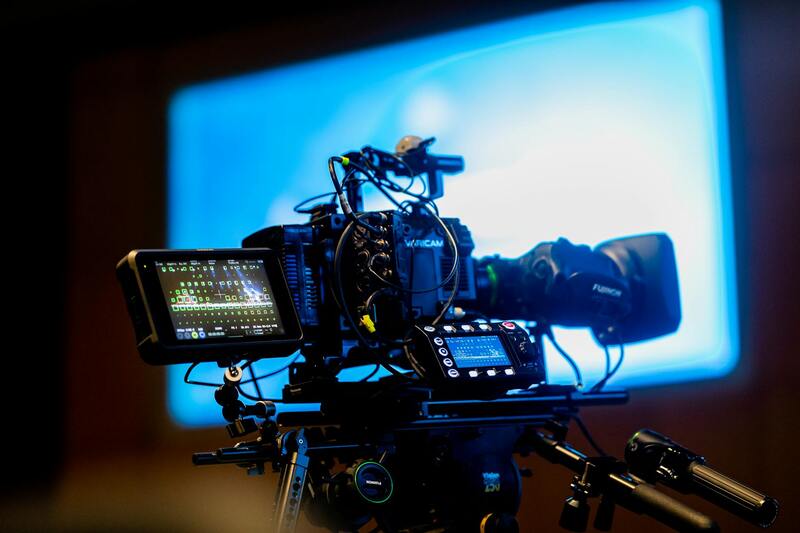
In modern practice, integration of these technologies is streamlined via control software that manages camera switching, audio levels, graphical overlays, and stream switching seamlessly. This coordination is often handled by a dedicated director or technical operator to ensure camera angles, sound quality, and visual effects are synchronized perfectly for an engaging viewer experience.
Setup and Technical Configuration
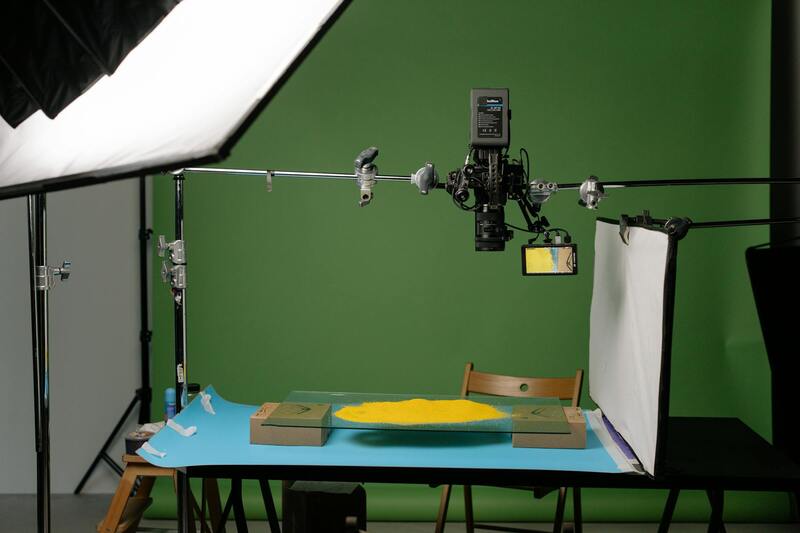
Executing a successful live-streaming video production begins with meticulous setup and precise technical configuration. This phase ensures that all equipment functions harmoniously, providing a stable and high-quality broadcast. It involves configuring cameras, encoders, audio devices, lighting, and network connections to meet the specific demands of the event or content being streamed.
Before going live, engineers perform comprehensive tests to verify signal integrity, image quality, and sound clarity. These pre-broadcast checks include adjusting camera angles, verifying the synchronization of multiple video feeds, and fine-tuning audio levels to prevent distortions or feedback. Proper calibration of lighting ensures that visual content appears sharp and balanced under the chosen environment.
Network configuration is equally critical. Upload speeds, latency, and redundancy measures are reviewed to safeguard against disruptions. Using high-bandwidth internet connections with failover options—such as cellular backup or secondary broadband lines—reduces the risk of stream interruption. The selection of encoders—devices that convert raw video data into streams compatible with chosen streaming platforms—must be appropriate for the event’s scale and quality requirements.
Software control panels allow operators to manage multiple aspects of the live stream seamlessly, including switching between camera feeds, overlaying graphics, adjusting sound levels, and inserting pre-recorded segments. Proper configuration of these control systems ensures a polished and professional broadcast experience for viewers.
Additional considerations include setting up monitoring tools to track stream health in real time, enabling rapid response to technical issues. For instance, real-time overlays and alerts can notify operators of any anomalies in video or audio signals, facilitating immediate corrective actions.
Overall, the technical configuration phase is the backbone of a resilient live-streaming operation. It demands attention to detail, technical expertise, and thorough testing to guarantee that the content reaches viewers without technical hurdles, providing an engaging and uninterrupted viewing experience.
Setup and Technical Configuration
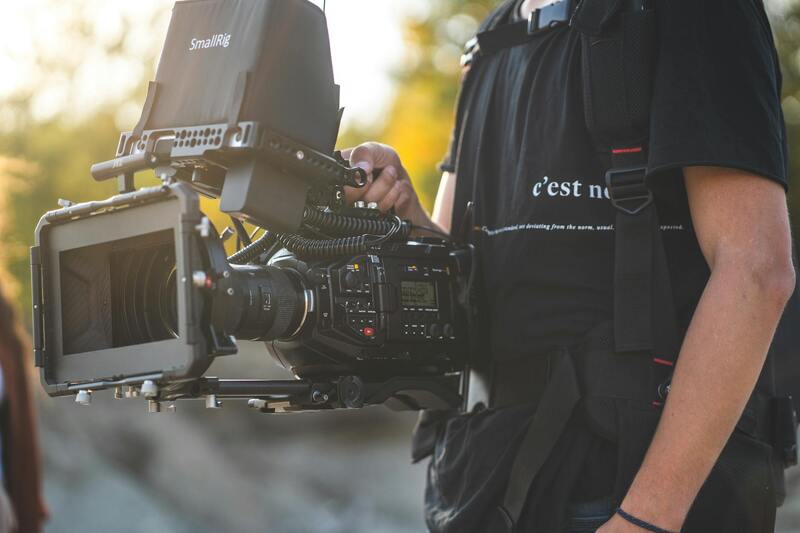
Implementing an effective live-streaming video production for Miami venues demands meticulous setup and precise technical configurations. The foundation begins with strategic camera placement, ensuring optimal coverage of the event space while minimizing blind spots. Key aspects involve selecting camera types suitable for the environment—such as PTZ cameras for flexibility or high-definition static cameras for detailed shots—and positioning them to provide dynamic, engaging angles that enhance viewer experience.
Lighting plays a pivotal role in broadcasting clarity and visual appeal. For indoor venues, professional lighting setups that account for color balance and contrast are vital, while outdoor locations require considerations for natural light variability. Proper illumination ensures that subjects are clearly visible and that video quality remains consistent, regardless of ambient conditions.
Audio configuration is equally critical. High-quality microphones—like shotgun, lavalier, or boundary mics—should be selected based on the environment and event type. Sound mixing consoles and audio processors further refine the output, ensuring clear, balanced sound that complements the visual presentation. Incorporating wireless audio gear can add flexibility, especially in dynamic venue setups.
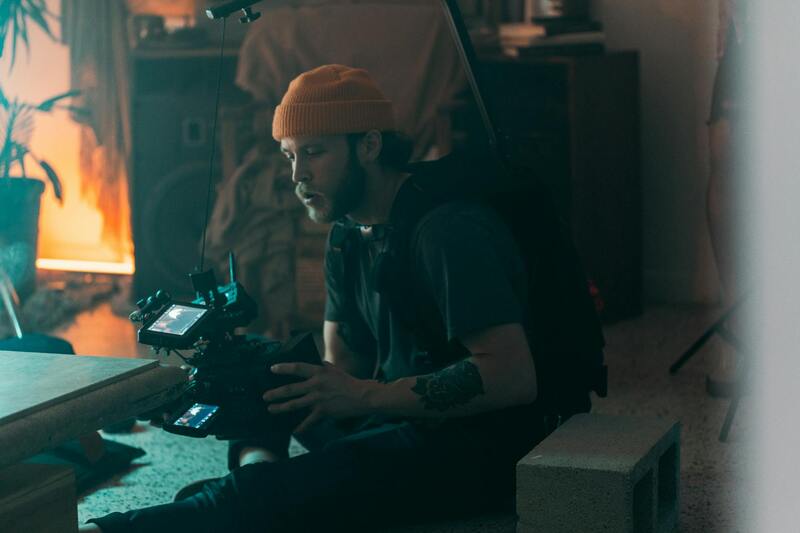
Network infrastructure underpins the entire live-streaming operation. A robust and high-capacity internet connection, preferably wired Ethernet, is essential to handle the data load effectively. Latency reduction and redundancy measures—such as dual internet connections utilizing different service providers—are implemented to prevent interruptions. These redundancy protocols enable seamless switching if one connection fails, maintaining a continuous stream.
Additionally, selecting suitable encoders tailored to the event’s quality standards ensures efficient transmission. Hardware encoders are often preferred for their reliability and real-time processing capabilities, though software solutions can be effective for smaller-scale productions. Network monitoring tools provide real-time insights into connection health and performance metrics, enabling immediate troubleshooting.
Once the technical groundwork is established, calibration and testing are performed. Pre-event dry runs simulate live conditions, allowing operators to identify and rectify potential issues proactively. This comprehensive setup process guarantees that the live broadcast will proceed smoothly, delivering high-quality content to viewers without disruption.
Legal and Compliance Considerations
When engaging in live-streaming video production, adhering to official guidelines and established standards is crucial to ensure a smooth and reputable broadcast. This involves understanding rights management, content licensing, and broadcast regulations that govern live content dissemination. Securing the proper permissions for music, visuals, and proprietary material used during the stream helps prevent content disputes and copyright issues.
To maintain compliance, producers should develop a comprehensive content review process prior to broadcasting. This includes verifying that all materials, including brand logos, trademarks, and copyrighted content, are appropriately authorized for live use. Establishing a clear protocol for monitoring live chat and real-time interactions can also help in managing audience engagement responsibly, ensuring that interactions align with community standards and platform policies.
Additionally, understanding platform-specific policies—whether streaming on social media channels, dedicated websites, or specialized streaming platforms—is essential. Each platform has distinct guidelines concerning content, moderation, and technical standards. Familiarity with these rules helps prevent stream takedowns, account suspensions, or other restrictions that could arise from inadvertent violations.
In the context of Miami, certain regional permits or notifications might be necessary depending on the nature of the live event, especially when broadcasting city-specific content or holding onsite productions. Ensuring proper adherence to local regulations will facilitate an incident-free broadcast and reinforce the production’s reputation for professionalism.
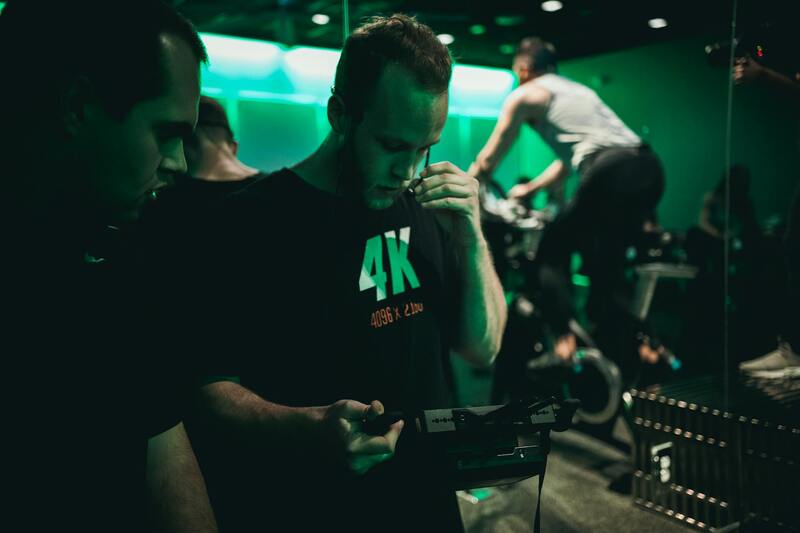
Implementing ongoing training for team members on legal and compliance matters fosters a culture of diligence and responsibility. It also prepares the team to quickly address potential issues during a live broadcast, minimizing disruptions and protecting the producer’s credibility.
Considering these official standards and practices at every stage of live-streaming video production guarantees a trustworthy, high-quality broadcast that aligns with industry best practices and regional requirements.
Legal and Compliance Considerations
When engaging in live-streaming video production, adhering to legal standards and compliance protocols is fundamental to maintaining credibility and avoiding potential disruptions. This entails a comprehensive understanding of intellectual property rights, including rights associated with music, images, videos, and other proprietary content integrated into your stream. Ensuring that all content used during the broadcast has proper permissions or licenses is essential to prevent copyright infringements that could lead to legal complications and content takedowns.
Moreover, compliance involves observing data privacy laws, especially when handling personal information of viewers or participants. Collecting, storing, or sharing user data must follow relevant privacy regulations, such as anonymizing sensitive information and securing consent where necessary. This is particularly critical when live interactions involve user-generated content or comments, which should be moderated in accordance with community standards and platform policies.
Clear communication of terms of service and usage policies to all participants and viewers helps foster transparency and trust. Displaying disclaimers, such as age restrictions or content warnings, aligns with platform requirements and protects the production from liability.
Additionally, adhering to platform-specific content policies is crucial. Different social media and streaming services enforce distinct guidelines on acceptable content, moderation practices, and technical standards. Awareness of these policies prevents streaming interruptions, account suspensions, or sanctions resulting from non-compliance. Regular training sessions for the production team on the evolving landscape of content policies enhance preparedness and reduce the risk of violations.
For live streams conducted within Miami, understanding regional regulations is equally important. Certain permits or notifications may be required, particularly if the stream involves public spaces, city landmarks, or live events that fall under local jurisdiction. Consulting with legal counsel or regional authorities ensures that all necessary documentation is secured, contributing to a smooth streaming process free from regulatory issues.
Establishing a clear adherence framework to these standards—covering intellectual property, privacy, platform policies, and regional regulations—fortifies the production against potential legal challenges. This diligent approach not only safeguards the organization but also enhances the reputation of the live-streaming service as a professional, responsible entity committed to industry best practices.
Legal and Compliance Considerations
Ensuring that live-streaming video production remains compliant with all applicable regulations is essential for maintaining a professional reputation and avoiding potential complications. One fundamental aspect involves managing rights and permissions for all content used during the stream. This includes securing licenses for any copyrighted material, such as music, images, or video clips incorporated into the broadcast. Unauthorized use of copyrighted content can lead to takedown notices, monetization restrictions, or even suspension of streaming rights.
Privacy considerations are equally critical. When broadcasting live, it is crucial to obtain explicit consent from individuals appearing on camera, especially if the content involves private property or personal data. Implementing clear signage or notices prior to the stream can help inform attendees and participants of recording activities, aligning with best practices for privacy management. In addition, safeguarding viewer data collected through registration or interactive features is vital, requiring adherence to data protection standards and best practices.
Adherence to local and industry regulations is another pillar of lawful live-streaming. In Miami, this might involve procuring permits for public broadcasts or ensuring that any required notifications are sent to relevant authorities, particularly when streaming in public spaces or at organized events. An understanding of regional licensing requirements helps prevent interruptions or legal scrutiny. Also, staying updated on platform-specific content policies ensures the stream complies with community standards and content guidelines, reducing risks of penalties, takedowns, or account bans.
To reinforce compliance efforts, companies should develop internal policies and procedures that regularly review content, monitor emerging regulatory developments, and train staff on legal and ethical standards. This proactive approach promotes a culture of responsibility that benefits both the production team and the audience. Documenting all permissions, licenses, and consents further solidifies the organization’s commitment to lawful and professional live-streaming practices.
Legal and Compliance Considerations in Live-Streaming Video Production
Ensuring adherence to established legal and regulatory frameworks is paramount in professional live-streaming operations. When planning and executing a live-stream, especially within Miami’s dynamic media landscape, understanding the continuous evolution of regional regulations is essential for maintaining seamless and compliant broadcasts.
One of the most effective approaches to managing compliance is the meticulous documentation of all necessary permissions, licenses, and consents associated with the content, location, and individuals involved. This documentation not only safeguards against potential disputes but also demonstrates a proactive commitment to responsible broadcasting practices. Engaging with local authorities and acquiring any required permits prior to the event ensures that the live-streaming activity aligns with municipal regulations, particularly when broadcasting in public spaces or during large-scale gatherings.
In addition, educating the production team on regional licensing requirements helps prevent inadvertent violations that could lead to content takedowns or interruptions. For instance, in Miami, broadcasters should be aware of specific requirements related to public events, commercial content, and real-time interactions with viewers. Staying informed about these regional nuances supports smooth operations and helps avoid potential legal encumbrances.
Monitoring Content Policies and Platform Regulations
Each streaming platform has unique content policies and community standards that must be followed to prevent penalties, such as content removal, account suspension, or bans. Regularly reviewing these policies helps ensure that broadcast content aligns with platform guidelines. Additionally, content monitoring tools and moderation practices can be employed during live sessions to identify and address any inappropriate material promptly.
Adhering to data protection standards is equally important, particularly when collecting viewer information through registration or interactive features. Employing secure data handling procedures and informing viewers about how their data will be used fosters trust and complies with applicable privacy standards. This approach not only reduces risks of data breaches but also positions the live-streaming operation as a responsible and transparent entity.
Developing Internal Policies and Continuous Staff Training
Establishing clear internal policies related to content creation, moderation, and compliance ensures consistency across productions. Regular training sessions help keep staff updated on the latest legal requirements and technological best practices. These initiatives cultivate a culture of responsibility and professionalism, which is vital for safeguarding the organization’s reputation and delivering high-quality live-streams.
Moreover, implementing a review process for all content prior to streaming allows the team to identify potential issues related to licensing, performance quality, or compliance violations, thereby reducing the likelihood of disruptions during the broadcast. Continuous improvements and audits of compliance procedures keep the organization aligned with current standards and emerging regulations.
Conclusion
Staying ahead of legal and compliance considerations in live-streaming video production is fundamental for delivering professional, trustworthy, and interruption-free broadcasts. By prioritizing thorough documentation, understanding regional regulations in Miami, adhering to platform policies, and fostering internal compliance culture, production teams can operate confidently and responsibly in an increasingly digital environment.