
Understanding Livestreaming Production Services
Livestreaming production services have become an integral component for organizations, businesses, and event organizers seeking to reach a broader audience through high-quality live broadcasts. These services encompass an array of technical and logistical solutions designed to deliver seamless, engaging viewing experiences across digital platforms. As the demand for real-time content continues to grow, especially within vibrant markets like Miami, professional livestreaming providers offer expertise that ensures every broadcast maintains clarity, stability, and professionalism.
In Miami, a city renowned for its dynamic cultural events, corporate gatherings, and entertainment industry, the necessity for reliable livestreaming production services cannot be overstated. These services enable clients to extend their reach beyond physical venues, allowing remote audiences to participate in events virtually with high-definition visuals and crystal-clear audio. Whether it’s a live concert, a corporate product launch, or a community festival, high-quality livestreaming creates opportunities for engagement, brand visibility, and audience expansion.
Choosing the right livestreaming production service is crucial for achieving professional-grade results. It involves complex planning, equipment setup, real-time management, and post-event analysis. The value lies not only in the technological aspects but also in the strategic execution that aligns with the specific goals of each event or campaign. In Miami’s fast-paced environment, utilizing proficient livestreaming production services ensures that a business or organization communicates effectively, maintains a competitive edge, and maximizes audience engagement across diverse platforms.
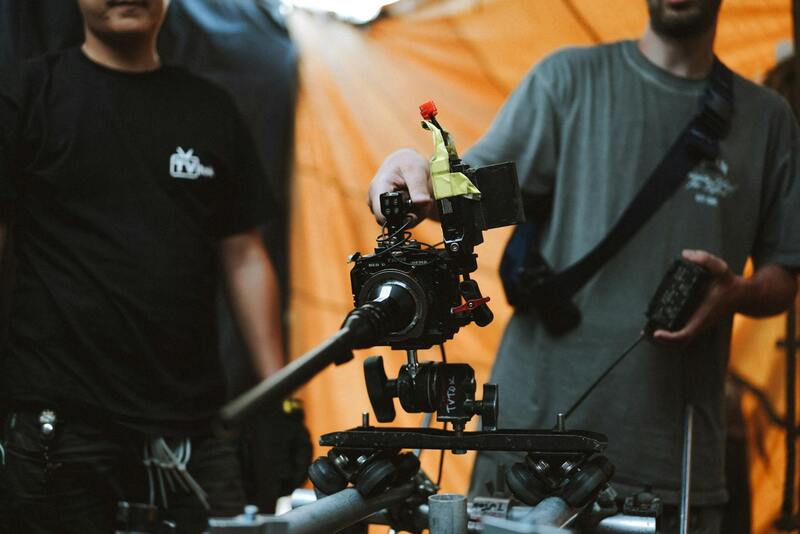
From planning to post-broadcast analytics, these services play a pivotal role in modern communication strategies. As technology evolves, so do the capabilities of livestreaming production companies, empowering clients to deliver innovative, interactive, and visually compelling content that resonates with viewers across Miami and beyond.
Understanding Livestreaming Production Services
Effective livestreaming production services encompass a comprehensive set of procedures aimed at delivering seamless, professional-quality live broadcasts. These services involve meticulous planning to synchronize multiple components such as video, audio, lighting, and internet connectivity, ensuring a cohesive viewing experience for remote audiences. The expertise of a skilled production team plays a crucial role in managing real-time operations, troubleshooting technical issues, and ensuring smooth transitions between segments. High-definition cameras capture crisp visuals, while advanced audio equipment ensures that sound quality remains clear and intelligible throughout the broadcast.
Moreover, strategic content planning aligns the technical execution with overarching event goals. This might include incorporating branding elements, interactive features, or multi-camera angles to create a dynamic viewing experience. In a city like Miami, where variety and vibrancy define many events, tailoring livestream production to match the event’s energy and style enhances viewer engagement and promotes brand visibility.
The integration of sophisticated streaming platforms and encoder technology further refines the broadcast quality. These tools facilitate real-time encoding, compression, and transmission over the internet, ensuring minimal latency and buffering. Additionally, a dedicated team manages the technical aspects during the event, from switching camera feeds to controlling audio levels, enabling a polished final product.
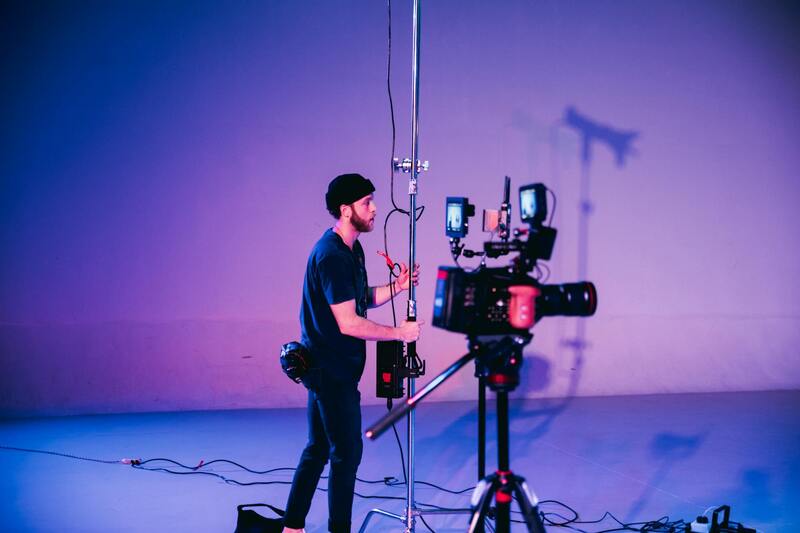
Understanding the core elements and the strategic approach involved in livestreaming production services is essential when planning virtual events that resonate with audiences. Whether for live corporate events, large-scale concerts, or community gatherings, high-quality execution transforms a simple broadcast into an impactful digital experience. Keeping pace with evolving technology and audience preferences ensures your event remains relevant, engaging, and accessible in the competitive Miami market.
Roles and Responsibilities of a Livestreaming Production Team
Effective livestreaming production hinges on a dedicated team of professionals who orchestrate each element of the broadcast to ensure seamless execution. This team typically includes a director, camera operators, audio technicians, technical directors, and support staff, each with distinct responsibilities that contribute to a unified live event.
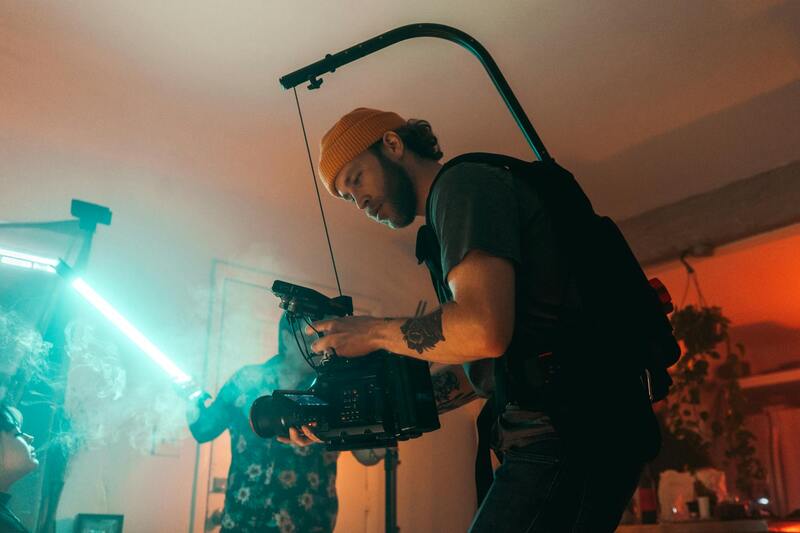
The director leads the coordination, making real-time decisions on camera angles, transitions, and visual effects to maintain a compelling narrative flow. Camera operators are tasked with capturing critical moments from multiple vantage points, utilizing professional-grade equipment such as robotic cameras or handheld stabilizers to ensure smooth, high-definition footage.
Audio technicians focus on capturing and mixing audio sources, including microphones, instruments, and other sound elements, to deliver clear, balanced audio that matches the visual presentation. Technical directors oversee the switcher systems that manage live feeds, relaying the selected camera angles and video sources to viewers without lag or distortion.
Support staff handle logistical aspects such as equipment setup, troubleshooting technical issues, and coordinating communication among team members during the event. This layered approach ensures each component of the livestream aligns perfectly with the overall broadcast strategy.
Furthermore, specialized roles may include graphic operators responsible for on-screen visuals like overlays, lower thirds, and branding elements, as well as social media strategists who coordinate real-time audience engagement to boost viewership and interaction.

High professionalism within the team not only enhances the quality of the live stream but also minimizes technical disruptions that could detract from the viewing experience. In a dynamic environment like Miami, where events often feature vibrant content and diverse audiences, the skillful execution of these roles becomes integral to achieving an impactful online presence.
Ensuring each team member is well-trained and familiar with the latest streaming technologies allows for flexibility and rapid problem-solving during live events. Having a team that communicates effectively and understands the nuances of live production is vital in delivering content that meets high standards and exceeds audience expectations, reinforcing the event's success across every digital platform.
Comprehensive Workflow and Technical Execution in Livestreaming Production
Executing a successful livestream involves meticulous planning and coordination across multiple technical domains. The workflow begins with pre-production rehearsals, where the team tests equipment, finalizes content cues, and ensures all visual and audio elements are perfectly aligned. This preparatory phase is crucial for identifying potential issues before the event, enabling adjustments that facilitate a seamless broadcast.
During the live event, a dedicated director oversees the entire production, making real-time decisions to switch camera angles, incorporate graphics, and adjust audio levels. Multi-camera setups are typically employed to capture dynamic perspectives, engaging viewers with varied visual content. Camera operators, armed with high-definition professional equipment, focus on framing shot compositions that emphasize key moments, ensuring their movements contribute to a fluid viewing experience.
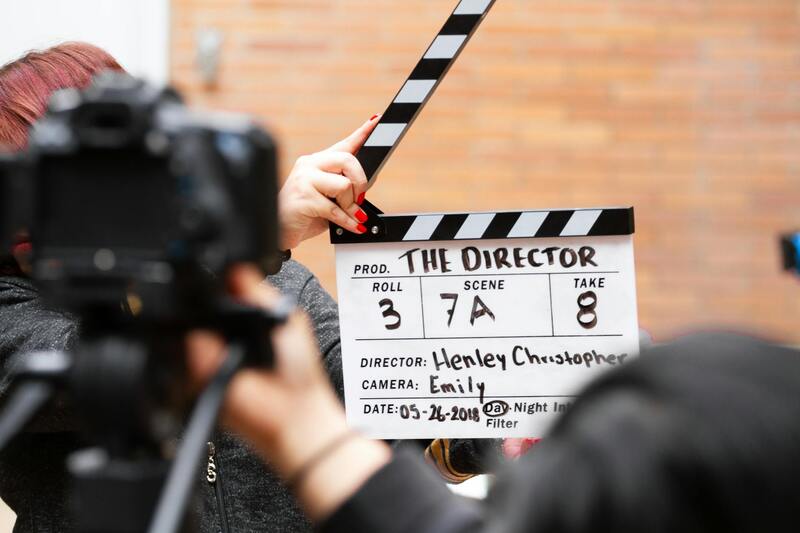
Audio engineers play an essential role in balancing sound inputs from microphones, speakers, and other sources, preventing issues such as feedback or audio lag. Their expertise guarantees clear sound that complements the visual presentation. Meanwhile, technicians monitor streaming bandwidth and server performance, adjusting configurations on the fly to maintain stable data flow and prevent buffering or disconnections.
The integration of graphics, overlays, and lower thirds is handled by a dedicated operator who adds branding elements and contextual information, enriching the viewer’s understanding and engagement. The use of software tools for live switching and real-time editing streamlines the production, providing flexibility and professionalism that elevate the overall broadcast quality. These elements are synchronized with timing cues to ensure a cohesive narrative, especially during complex events involving multiple speakers or simultaneous visual elements.
Effective communication tools such as headsets and intercom systems enable seamless coordination between team members, allowing rapid response to any technical issues that arise unexpectedly. Backup systems, including redundant internet connections and power supplies, are essential to mitigate risks associated with technical failures.
Post-event processes involve detailed review of the broadcast quality, backup of all footage, and analysis of viewer engagement metrics. This feedback loop informs future livestreams, helping service providers refine their approaches and adopt cutting-edge technologies for better performance and audience satisfaction. As live streaming continues to grow, the integration of AI-driven analytics and automation tools is poised to further streamline workflows and enhance viewer experiences.
Understanding Livestreaming Production Services
Livestreaming production services encompass a comprehensive array of technical and creative solutions designed to broadcast live events to digital audiences. These services involve meticulous planning, technical setup, real-time management, and post-event analysis to ensure the transmission is smooth, engaging, and visually compelling. The primary goal is to deliver a seamless viewing experience that captures the essence of the event while maintaining high production standards.
Expert livestreaming providers utilize specialized equipment, professional-grade software, and skilled personnel to maneuver multifaceted visuals, audio, and interactivity features during the broadcast. Effective livestreaming hinges on precise synchronization of multiple components, such as cameras, audio feeds, graphics, and real-time editing, all orchestrated by experienced technicians. This coordination allows broadcasters to adapt dynamically to live occurrences, troubleshoot issues instantly, and incorporate on-the-fly visual enhancements that elevate overall broadcast quality.
From corporate conferences and webinars to concerts and sports tournaments, the scope of livestreaming production services is vast. The core challenge lies in delivering stability amidst the unpredictability of live events. By leveraging cutting-edge technology and skilled professionals, providers ensure each broadcast aligns with client expectations, audience engagement strategies, and branding requirements without interruptions or quality lapses.
Key Components of Livestreaming Production
- Video Capture and Camera Operations: Multiple high-definition cameras are used to capture different perspectives. Skilled camera operators ensure smooth transitions and optimal framing of subjects.
- Audio Management: Professional microphones and audio mixers capture clear sound, balancing feeds and minimizing background noise.
- Broadcast Software and Hardware: Advanced software switchers and encoders facilitate real-time scene switching, graphics overlay, and streaming to digital platforms.
- Graphics and Visual Elements: Overlays, lower thirds, and branded visuals are integrated to improve information delivery and audience engagement.
- Network Infrastructure: High-speed internet connections with redundancy backup are crucial to avoid disruptions during transmission.
- Monitoring and Control: Production control rooms allow operators to oversee the live feed, make adjustments, and respond swiftly to technical issues.
Types of Livestreaming Services Offered
- Event Livestreaming: Coverage of conferences, seminars, and festivals, often involving multiple cameras and interactive features.
- Corporate Livestreaming: Business presentations, product launches, and training sessions broadcast to internal or external audiences.
- Entertainment and Concert Streaming: Live music performances, theatrical productions, or sporting events designed to reach wide audiences in real time.
- Educational Broadcasts: Webinars, online classes, and workshops facilitated through professional streaming setups for interactive learning experiences.
- Religious and Community Events: Services, ceremonies, or community gatherings streamed live to foster engagement among followers and members.
Roles and Responsibilities of a Livestreaming Production Team
A proficient livestreaming production team comprises multiple specialized roles, each integral to the smooth execution of a broadcast. Technical directors oversee overall operations, making critical decisions during the live event. Camera operators manage visual capturing, ensuring optimal angles and focus. Audio technicians handle sound quality, volume levels, and microphone placements to guarantee clear audio delivery. Graphics operators and content specialists integrate visual overlays, text, and branding elements, enriching the viewer experience and conveying essential information effectively.
Production coordinators or directors coordinate between team members, ensuring timing and seamless scene transitions. Network engineers monitor connectivity and troubleshoot any disruptions promptly. Additionally, there are backup operators prepared to step in if needed, helping mitigate potential issues that could compromise broadcast integrity.
Effective communication and synchronized workflow are essential skills within the team, ensuring rapid responses to unforeseen circumstances and maintaining a professional broadcast standard. As livestreaming becomes increasingly central to event strategy, these roles are vital to producing content that is technically flawless and engaging.
Understanding Livestreaming Production Services
Livestreaming production services involve a comprehensive process that ensures live event content is delivered to audiences in real-time with high quality and professionalism. These services encompass planning, technical setup, live execution, and post-broadcast support. When partnering with a provider, clients benefit from meticulous coordination, state-of-the-art technology, and expert guidance, resulting in a seamless streaming experience that elevates the event’s visibility and engagement.
Key Components of Livestreaming Production
Effective livestreaming relies on several core elements working in harmony. These include robust hardware infrastructure, reliable internet connectivity, skilled personnel, and sophisticated software tools. The hardware components comprise high-definition cameras, audio mixers, lighting systems, and switching equipment to facilitate smooth scene transitions. Software solutions enable live video mixing, graphics overlay, and real-time editing, enhancing the visual appeal of the broadcast. Additionally, stream delivery platforms ensure the content reaches the desired online channels without interruption, maintaining quality and stability throughout the event.
Types of Livestreaming Services Offered
- Single-Camera Livestreaming: Ideal for smaller events or presentations, where a single camera captures the entire event space or speaker.
- Multi-Camera Production: Uses multiple cameras to provide varied angles and dynamic visual storytelling, suitable for concerts, conferences, or church services.
- Event Broadcasting: Complete services for large-scale live events, including pre-production planning, on-site setup, and post-event analytics.
- Webcasting and Corporate Live Streams: Tailored solutions for corporate meetings, product launches, and webinars that require brand integration and audience interaction.
- Hybrid Event Streaming: Combines in-person and virtual attendance, with high-quality streaming to remote viewers to maximize reach and engagement.
Roles and Responsibilities of a Livestreaming Production Team
A professional livestreaming production team comprises diverse specialists who coordinate to deliver a seamless broadcast. The technical director oversees overall operations, making real-time decisions to adapt to on-the-fly situations. Camera operators are responsible for capturing compelling visuals, adjusting angles, focus, and framing to maximize viewer engagement. Audio technicians ensure clear sound, balancing levels and addressing issues with microphones or sound systems. Graphic operators add visual overlays, captions, and branding elements, enriching the viewer’s experience with timely information and visual consistency.
Beyond technical staff, a production director manages the overall flow, coordinating timing, transitions, and cueing various segments of the broadcast. Network engineers monitor internet stability, troubleshoot disruptions, and implement backups as necessary to maintain continuous streaming. The team also includes backup operators ready to step in if primary personnel encounter technical difficulties, reducing the risk of broadcast interruptions. Effective communication among team members is vital, relying on clear protocols and reliable equipment for synchronized production.
 igure>
Equipment and Technology Used in Livestreaming
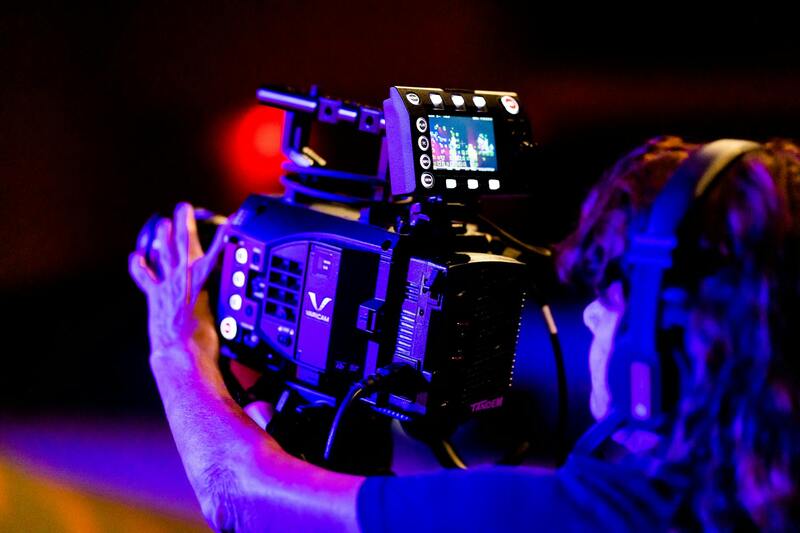
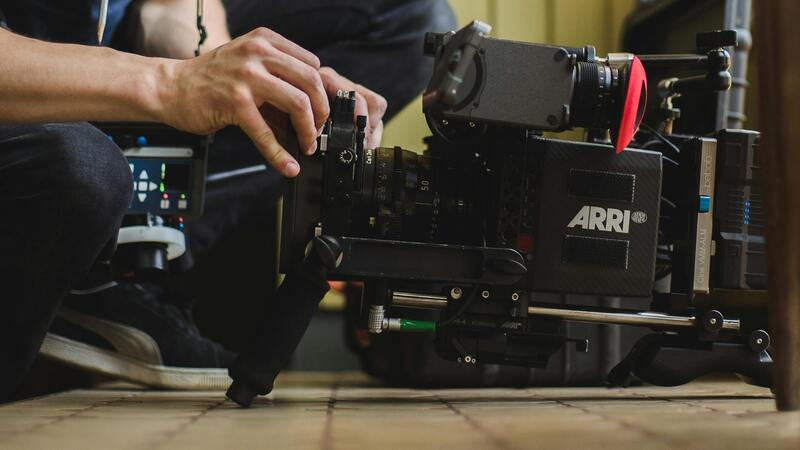
Modern livestreaming relies heavily on sophisticated equipment to deliver high-quality content. High-definition, professional-grade cameras with remote control capabilities are essential for capturing crisp visuals from multiple angles. These are paired with video switchers that allow real-time scene changes and effects. Audio equipment, including mixers, microphones, and wireless systems, guarantees pristine sound quality, which is critical for engaging viewers.
In addition, encoders convert live video feeds into digital formats compatible with streaming platforms. Network infrastructure such as high-speed internet connections, backup routers, and fiber optic links ensure consistent bandwidth and reduce latency issues. Specialized software handles live editing, graphics overlay, and audience interaction, enriching the viewer’s experience. The integration of these components creates a professional-grade setup capable of managing complex live productions with precision and reliability.
 igure>
Understanding Livestreaming Production Services
Livestreaming production services encompass a comprehensive range of technical and creative solutions designed to deliver live video content with high quality, reliability, and engaging visuals. These services cater to various events, including corporate conferences, product launches, music concerts, sports events, and religious gatherings. The primary goal is to produce a seamless broadcast that effectively communicates the intended message while captivating the online audience. This requires meticulous planning, professional-grade equipment, and skilled personnel, all working in harmony to ensure the livestream operates smoothly from start to finish.
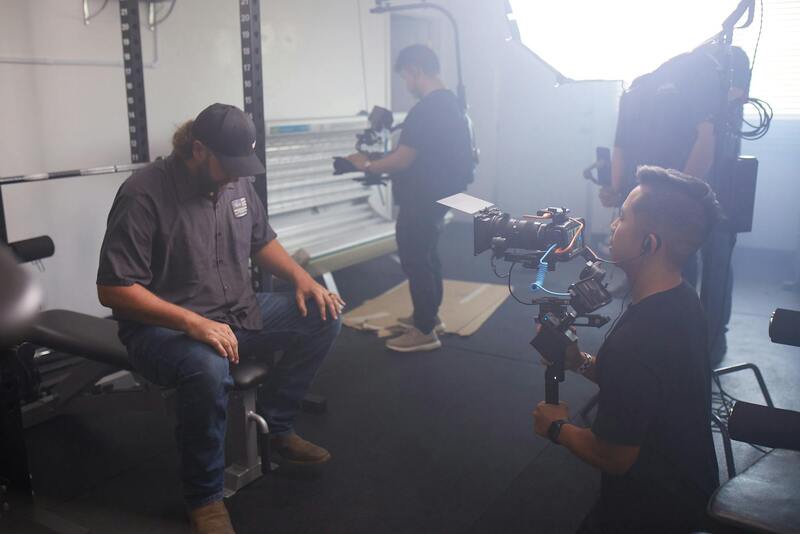
Employing outsourced livestreaming production services involves partnering with experienced providers who understand the nuances of live broadcasting. Such collaborations include pre-production planning, technical setup, live operation during the event, and post-production editing or content distribution. While the technology behind livestreaming is complex, professional providers streamline the process to minimize risks, optimize viewer engagement, and ensure that the broadcast meets or exceeds industry standards. This detailed approach guarantees effective delivery of content to diverse platforms, broadening audience reach and increasing event impact.
Key Components of Livestreaming Production
Successful livestreaming production integrates numerous elements such as advanced video and audio equipment, software solutions, and expert personnel. High-definition cameras deployed at multiple angles capture crisp visuals, while professional audio mixers and microphones ensure clear, immersive sound. Video switchers allow live scene transitions and special effects, maintaining viewer interest. Encoders convert raw video feeds into compatible digital formats, compatible with streaming platforms. Robust network infrastructure, including fiber optic connections and backup routers, helps sustain stable internet performance and minimizes latency.
Additional software manages graphics overlays, live editing, and audience interactions, enriching the viewing experience. These software solutions facilitate real-time adjustments and enhance content presentation. Behind the scenes, a team of skilled technicians monitors each element, ready to troubleshoot any issues that might arise during the broadcast. Ensuring that each component works harmoniously is crucial for delivering professional-grade livestreams capable of engaging viewers across the globe without interruptions. Overall, the integration of these technological components results in a dynamic and reliable live video presentation.
Types of Livestreaming Services Offered
Providers typically offer a variety of services tailored to specific event needs. These range from basic streaming packages, which include essential camera and audio setup, to comprehensive production solutions that encompass multi-camera editing, graphics integration, pre-recorded content insertion, and real-time audience interaction features. Specialized services also include virtual event broadcasting, hybrid event streaming combining live and on-demand content, and multi-platform distribution to ensure maximum outreach. Each service package is customizable based on event size, complexity, and desired viewer engagement, providing flexibility to align with client objectives.
Roles and Responsibilities of a Livestreaming Production Team
A professional livestreaming production team comprises several specialized roles, each contributing to the success of the broadcast. The director oversees the entire operation, coordinating camera shots, graphics, and transitions. Camera operators are responsible for capturing footage from various angles, while sound technicians manage audio quality and microphone setups. Video engineers handle video switching, encoding, and stream management, ensuring the feed remains stable and high-quality. Additionally, technical assistants support equipment setup and troubleshoot issues during the live event. Effective communication and teamwork among these roles are essential to respond swiftly to on-the-fly adjustments and maintain a polished, error-free broadcast.
Equipment and Technology Used in Livestreaming
Modern livestreaming leverages cutting-edge technology to produce professional content. High-definition cameras with remote and manual controls capture clear visuals, while multi-camera setups provide dynamic perspectives. Video switchers facilitate real-time scene changes and special effects, all managed by dedicated operators. Audio equipment — including mixers, high-quality microphones, and wireless systems — ensures crisp sound delivery. Encoders process video signals into digital formats compatible with streaming platforms, with hardware and software solutions enabling live editing and graphical overlays. Reliable high-speed internet, often supported by fiber optic connections and backup routers, mitigates latency and buffering issues. The integration of these advanced tools forms a robust infrastructure capable of delivering consistent, high-quality livestreams for diverse events.
Advanced Techniques and Future Trends in Livestreaming Production
As the demand for high-quality live digital content continues to grow, the evolution of livestreaming production services is shaped by the integration of innovative technologies and strategic industry practices. Leading providers in Miami are increasingly adopting advancements that enhance broadcast quality, viewer engagement, and operational efficiency, positioning them at the forefront of the digital content landscape.
Emergence of 4K and VR Streaming Technologies
One significant trend is the adoption of ultra-high-definition (UHD) formats such as 4K and 8K streaming. These formats deliver crisp, detailed visuals that significantly enhance viewing experiences across multiple devices, including large screens and virtual reality (VR) headsets. Implementing these technologies requires sophisticated camera systems, high-capacity encoding hardware, and robust bandwidth solutions to manage large data streams without latency issues. For instance, some Miami-based livestreaming companies are integrating VR-compatible content creation, allowing remote audiences to experience events in a more immersive manner, effectively bridging the physical and digital divide.

Artificial Intelligence and Automated Production
Artificial intelligence (AI) is transforming live production workflows by enabling automated camera tracking, real-time editing, and intelligent content switching. AI-powered solutions can analyze live footage to detect key moments, optimize lighting, and adjust camera angles dynamically, reducing the need for extensive human oversight. This automation allows producers to focus more on event content and audience interaction, improving efficiency and stream quality. Miami’s livestreaming service providers are increasingly deploying AI tools to deliver more engaging and seamless broadcasts, especially for multifaceted events like conferences and festivals.
Enhanced Interactivity and Audience Engagement
Future livestreaming strategies prioritize audience participation through interactive overlays, live polls, chat integrations, and multimedia presentations. These features create a two-way communication channel, making viewers feel more involved and increasing retention rates. Advanced streaming platforms now allow real-time feedback and customized content delivery, which are particularly valuable during corporate events, product launches, and sporting occasions. The integration of social media interactions directly into the stream further amplifies engagement, broadening outreach and strengthening community building efforts.
Hybrid Event Solutions and Cloud-Based Production
The rise of hybrid events combines in-person and virtual participation, necessitating versatile and scalable livestreaming solutions. Cloud-based production platforms enable seamless integration of remote content sources with minimal infrastructure and overhead. These solutions support multi-location broadcasting, simplified workflows, and easier content management, offering flexibility to Miami-based event organizers and content creators. As remote work and global collaborations become standard, cloud solutions will continue to evolve, providing reliable, high-quality streams with reduced latency and enhanced multi-platform compatibility.
Focus on Sustainability and Eco-Friendly Practices
Environmental considerations are increasingly influencing technology choices in livestreaming production. Energy-efficient equipment, sustainable power solutions, and waste reduction strategies are being implemented to lower carbon footprints. Some service providers are investing in portable, low-power devices and sustainable studio setups that leverage renewable energy sources. These practices demonstrate a commitment to environmental stewardship while maintaining high standards for event production. Such initiatives resonate particularly well with organizations dedicated to corporate social responsibility and eco-conscious branding efforts.
Incorporating these emerging trends ensures that livestreaming production services remain competitive, innovative, and responsive to evolving audience expectations. By staying ahead of technological advancements and industry developments, Miami’s livestreaming professionals can deliver compelling, high-quality content that meets the diverse needs of clients across the event spectrum.