
Understanding Live Streaming in Video Production
Live streaming has revolutionized the way organizations, brands, and individuals broadcast events to audiences around the world. It involves transmitting real-time video content over the internet, enabling viewers to experience live events as they happen. This method of content delivery provides immediacy and interactivity, which are crucial in today’s fast-paced digital environment. Live streaming in video production encompasses a wide range of applications, from corporate conferences and product launches to sports events, concerts, and educational seminars.
The core advantage of live streaming lies in its ability to reach large audiences without geographical limitations. It facilitates instant engagement and fosters a sense of participation among viewers. For broadcasters, the choice of events to stream live hinges on factors such as audience demand, the significance of the event, and the need for real-time interaction. High-profile events like industry panels, live product demonstrations, and community gatherings are ideal candidates for live streaming, elevating their reach and impact significantly.
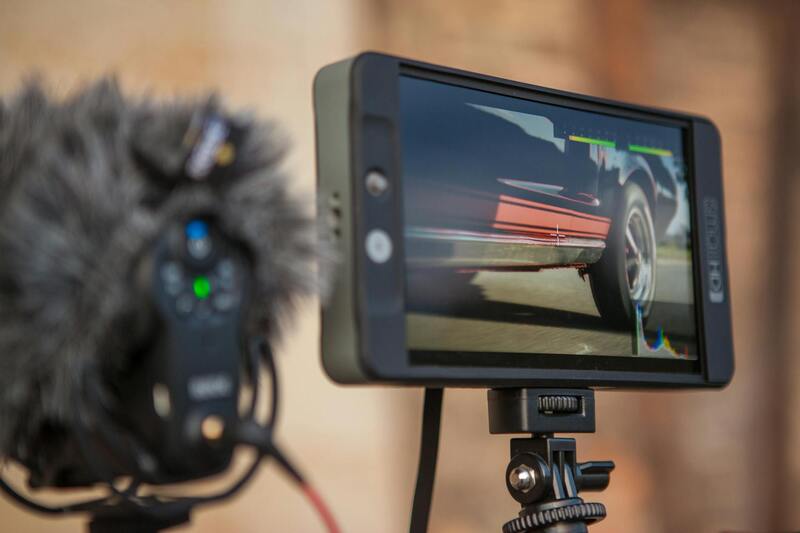
The Role of Live Streaming in Modern Video Production
In modern video production, live streaming is not merely an add-on but a fundamental component. It combines real-time video capture with sophisticated transmission techniques, ensuring minimal latency and high-resolution output. This technology enables content creators to deliver dynamic broadcasts, incorporate multiple camera angles, and interact with audiences seamlessly.
Throughout the process, integrating live streaming into video production workflows demands careful coordination. Precise planning, reliable technology, and expert execution are essential to maintain broadcast quality. This evolution reflects a broader shift towards digital-first content strategies, where immediacy and authenticity drive viewer engagement.
Why Live Streaming Matters Today
As audiences increasingly consume content on digital devices, live streaming offers a direct channel for real-time communication. It enhances visibility, boosts user participation, and provides measurable insights through analytics. For brands and organizations, mastering live streaming expands their reach and enhances their reputation by delivering compelling, timely content that resonates with viewers.
Understanding the fundamentals of live streaming within video production sets the foundation for successful execution. Advanced technologies, strategic planning, and professional support from industry experts ensure that live broadcasts are impactful, reliable, and aligned with organizational goals.
Understanding Live Streaming in Video Production
Live streaming in video production harnesses a combination of specialized hardware, software, and network infrastructures to deliver real-time content to viewers across digital platforms. This approach requires meticulous planning to ensure that broadcasts are smooth, high-quality, and engaging. Core to this process is the use of advanced encoding devices that compress video signals without sacrificing resolution, enabling efficient transmission over varied bandwidths. These encoders convert raw footage from cameras into formats compatible with streaming platforms, ensuring minimal latency and high fidelity.

The backbone of live streaming integrations involves robust infrastructure, including dedicated internet connections with sufficient upload speeds. This prevents buffering issues and maintains broadcast stability. Optimal network setup often involves symmetrical fiber-optic lines to handle large data transfers consistently. Further, deployment of redundant systems and backup connections bolster reliability in case of technical difficulties, minimizing downtime and preserving viewer engagement.
Real-Time Production Tools and Software
Modern live streaming benefits from sophisticated production software that allows real-time switching between multiple camera feeds, overlays, and graphical elements. These tools enable producers to create dynamic presentations, incorporate branding, and engage viewers through interactive features. Additionally, live chat integration and audience response modules facilitate two-way communication, transforming passive viewers into active participants.
Automation features in broadcasting software simplify complex workflows by managing transitions, audio mixing, and visual effects automatically, freeing technical teams to focus on content quality and coordination. Cloud-based services further enhance flexibility, permitting remote production teams to collaborate seamlessly from various locations. This flexibility is particularly essential in the dynamic landscape of live events, conferences, and corporate broadcasts.
Network and Security Considerations
To uphold broadcast integrity, implementing secure streaming protocols and encryption techniques is crucial. This ensures that content remains protected from unauthorized access or interception during transmission. Firewalls, VPNs, and secure credential management contribute to safeguarding sensitive information and maintaining service continuity. Additionally, network monitoring tools allow real-time tracking of data flow, alerting operators to potential bottlenecks or threats, thus maintaining a high standard of security and reliability throughout the streaming process.
Technical Support and Maintenance
Consistent performance hinges on ongoing technical support, including regular hardware checks, software updates, and system diagnostics. Routine maintenance minimizes glitches and ensures compatibility with evolving streaming standards and platforms. Employing experienced technicians familiar with live streaming workflows enhances troubleshooting efficiency and optimizes overall broadcast quality. Keeping abreast of technological advancements allows production teams to incorporate new tools that improve efficiency, quality, and audience engagement.
Technical Setup and Integration
Establishing a robust technical setup is fundamental to delivering a seamless live streaming experience. This involves integrating high-quality video sources with reliable encoding hardware or software that can compress and prepare the content for transmission efficiently. Proper configuration of cameras, switchers, and audio equipment ensures consistent signal quality and minimizes technical disruptions. Additionally, choosing the correct streaming protocol—such as RTMP (Real-Time Messaging Protocol)—is vital for stable data transfer to content delivery networks or streaming servers.
During the setup, thorough testing of all equipment components is essential to identify potential issues before the live event. This includes checking the synchronization between audio and video streams, verifying network connectivity, and ensuring backup systems are in place. Redundant power supplies and dual internet connections can significantly mitigate risks associated with power outages or network failures, keeping the broadcast operational under unforeseen circumstances. Properly calibrated hardware and software configurations contribute to professional-grade output, ensuring the live stream is both visually appealing and technically sound.
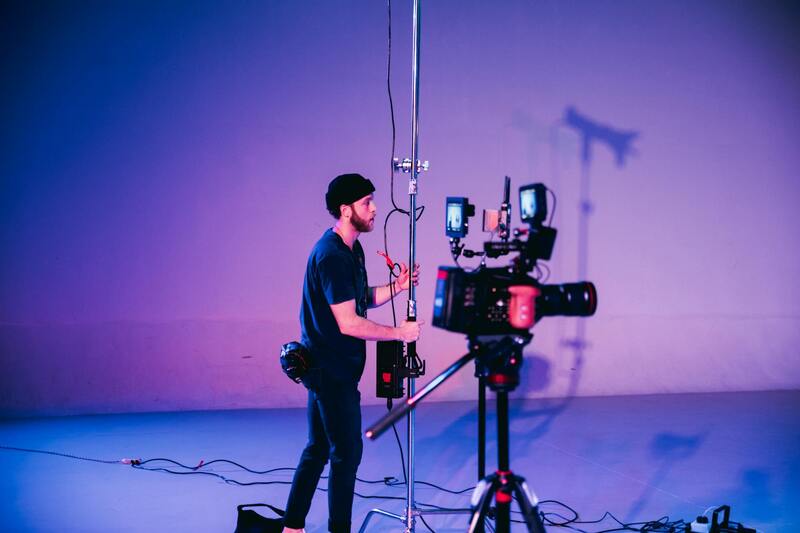
Integrating various platforms and devices into a cohesive workflow involves meticulous planning and coordination. During this phase, establishing local area networks (LANs) dedicated to streaming operations can reduce latency and interference, facilitating a smoother data flow. It is equally vital to synchronize sources from multiple cameras, microphones, and graphics systems to produce a cohesive broadcast. Employing control systems like broadcast switchers enables operators to manage transitions, overlays, and live graphics seamlessly.
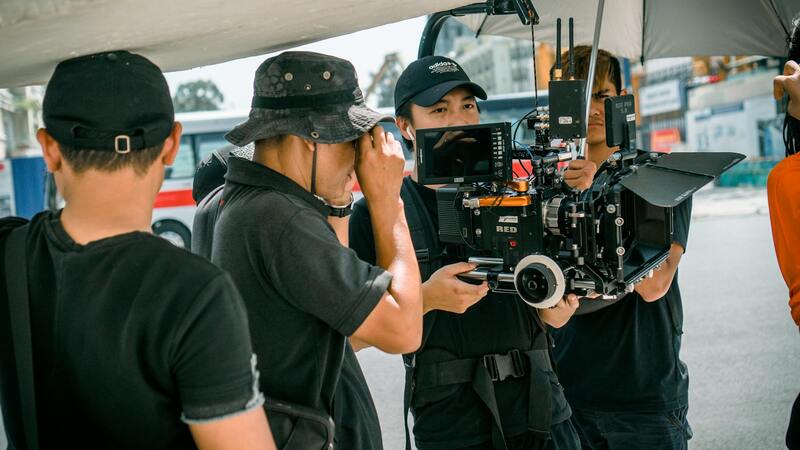
To maximize distribution reach and quality, it is beneficial to work with content delivery networks or cloud infrastructure, allowing for scalable streaming solutions. These systems support multiple device compatibility, adaptive bitrate streaming, and regional content delivery, ensuring viewers access the best possible quality regardless of their location or connection speed. Implementing a comprehensive monitoring system for streams also provides real-time insights into stream health, viewer engagement, and technical performance, enabling swift troubleshooting and continuous improvement.
Technical Setup and Integration for Live Streaming
Establishing a robust technical setup is fundamental for delivering seamless live streaming experiences. This process encompasses configuring audio-visual equipment, establishing reliable internet connectivity, and implementing backup solutions to mitigate potential disruptions. High-quality cameras, professional-grade microphones, and switchers must be properly integrated and calibrated to ensure optimal performance. The selection of encoders—whether hardware or software-based—plays a critical role in compressing and transmitting high-definition streams efficiently. When configuring internet connections, it is advisable to utilize multiple sources such as fiber optic, wired Ethernet, or 4G/5G LTE as failover options, thereby maintaining an uninterrupted broadcast even in case of primary connection issues.

The integration of various components requires precise synchronization. Audio and visual feeds must be synchronized with minimal latency to prevent lip-sync issues or delayed overlays. This process involves managing input sources through centralized control systems, such as broadcast switchers, that enable smooth transitions, real-time graphics overlays, and picture-in-picture effects. Specialized software platforms facilitate remote control of camera angles, audio levels, and graphic presentation, enhancing the overall production quality.
Connectivity issues are a primary concern during live streaming events. To counter this, setting up redundant internet connections—like combining wired Ethernet with reliable cellular data—ensures uninterrupted stream delivery. Additionally, employing load balancing techniques distributes data across multiple channels, optimizing bandwidth utilization and reducing latency. Implementing Quality of Service (QoS) protocols within the network prioritizes streaming traffic, which helps maintain high-quality output even during peak data loads.
Backups of critical systems, including power supplies and network infrastructure, are essential for maintaining operational stability. Uninterruptible Power Supplies (UPS) secure equipment from unexpected outages, while redundant encoders and servers provide failover capabilities. Regular testing of all backup solutions ensures readiness ahead of live events, minimizing risks associated with technical failures.
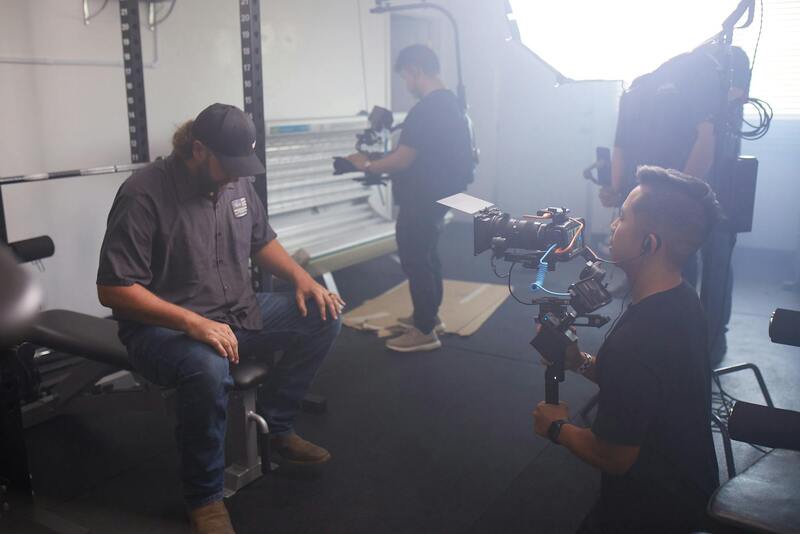
Ensuring Compatibility and Optimal Performance
For successful live streaming, compatibility between hardware and software components must be carefully managed. Ensuring that all devices support common protocols like RTMP, RTSP, or SRT enables smooth data transfer. Regular firmware updates for equipment such as cameras, encoders, and routers prevent compatibility issues and security vulnerabilities. Network infrastructure should be configured to support high bandwidth and low latency connections, optimizing the quality and stability of the stream.
Advanced monitoring tools are vital for overseeing the health of the streaming process in real time. These tools track metrics like bitrate, frame rate, latency, and packet loss, providing immediate insights into potential issues. Dashboards displaying stream status allow technical teams to respond swiftly to anomalies, implementing corrective actions such as adjusting bitrate, switching sources, or re-routing data flows. Such proactive measures significantly enhance viewer satisfaction by minimizing disruptions and maintaining high production standards.
Technical Setup and Integration
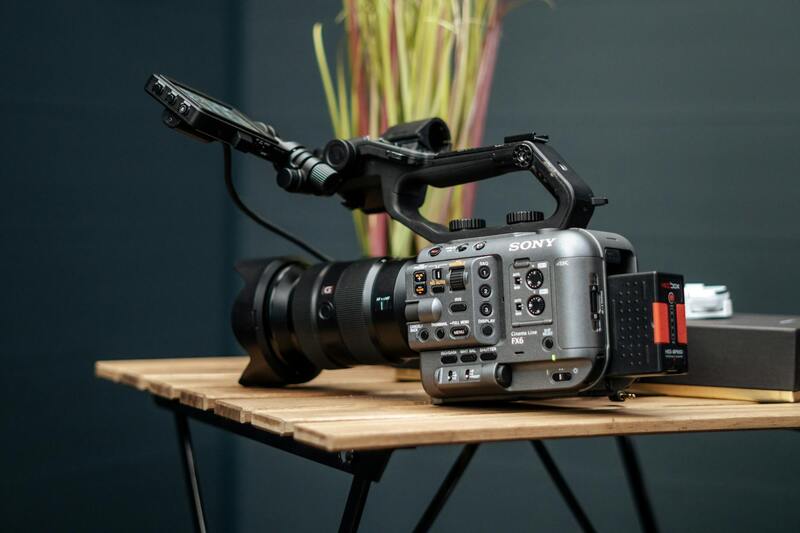
Executing a successful live streaming event requires meticulous attention to the technical setup and seamless integration of all involved systems. This process begins with evaluating the hardware infrastructure, including cameras, encoders, audio equipment, networking devices, and streaming servers. Ensuring compatibility across these components is crucial, with particular emphasis on supporting common streaming protocols such as RTMP, RTSP, and SRT. These protocols facilitate reliable data transmission between the source and distribution points, enabling smooth live broadcasts.
Firmware updates for all critical hardware, including cameras, switchers, and encoders, play an essential role in maintaining smooth operation and security. Regularly updating firmware prevents potential compatibility issues and security vulnerabilities that could disrupt live streams. Network infrastructure must be optimized to support high bandwidth and low latency conditions. Implementing dedicated internet connections or prioritizing streaming traffic through Quality of Service (QoS) settings helps achieve this goal, leading to improved stream stability and quality.
Furthermore, advanced monitoring tools are integral to real-time oversight of the streaming process. These tools track key performance indicators such as bitrate, latency, frame rate, packet loss, and connection stability. Visual dashboards display live data, enabling technical teams to respond swiftly to issues. For instance, if packet loss or jitter is detected, stream adjustments like switching to backup sources, reallocating bandwidth, or re-routing data flows can be undertaken promptly. This proactive management minimizes disruptions and enhances the viewer experience, ensuring that the live broadcast maintains high production standards throughout its duration.
 igure>
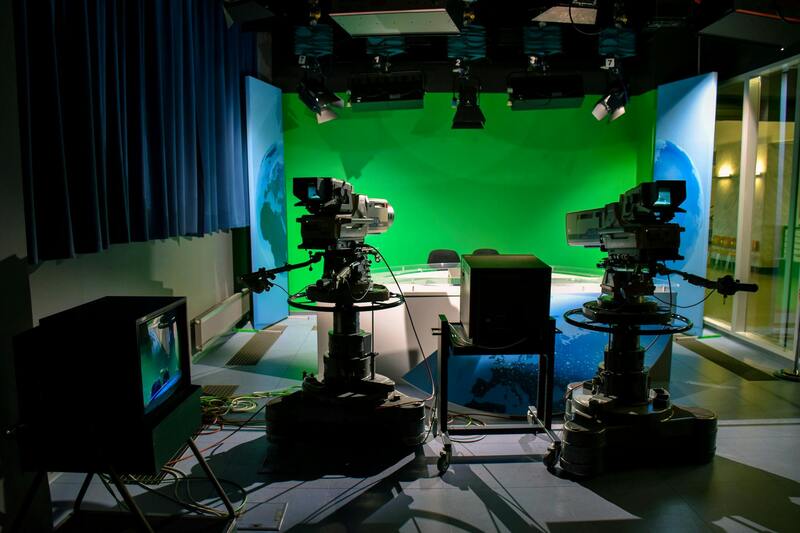
Effective integration also involves synchronizing audio and visual feeds. This includes adjusting audio levels, ensuring lip-sync accuracy, and coordinating multiple camera angles or sources. Seamless transitions between feeds and thoughtful camera switching contribute to a polished final product that engages viewers. Employing professional switching and mixing consoles allows real-time control over this process, enabling smooth scene changes and transitions.
Another critical aspect is the management of on-site and remote control systems. Remote operators should have secure access to the control interfaces, allowing real-time adjustments from off-site locations if necessary. This flexibility enhances the overall resilience of the live streaming operation, as control can continue uninterrupted despite on-site technical issues. Establishing a comprehensive fail-safe plan, including backup encoders and redundant network paths, further safeguards against unexpected failures.
Additionally, integrating live captioning or real-time graphics can augment the broadcast's professional appearance and accessibility. These overlays require seamless synchronization with live feeds and should be managed through specialized software. Proper testing and configuration of these elements prior to streaming reduce the risk of delays or mismatches, delivering a more engaging experience for viewers.
In summary, the success of a live stream depends on meticulous technical setup and integration. From reliable hardware and robust networking to real-time monitoring and flexible control systems, each component must work harmoniously. This comprehensive approach ensures a high-quality, stable broadcast capable of captivating audiences across various platforms.
Technical Setup and Integration
Establishing a seamless live streaming experience hinges on meticulous technical setup and integration of hardware and software components. High-quality video capture begins with professional-grade cameras capable of delivering clear, detailed images suitable for various screen sizes, including large displays and mobile devices. Camera angles, framing, and focus must be pre-planned to ensure dynamic and engaging visuals that align with the event’s narrative.
While cameras form the backbone of live streaming, encoding equipment plays a crucial role in compressing and transmitting the live feed effectively. Dedicated hardware encoders are preferred over software solutions for their reliability and lower latency, especially during high-demand broadcasts. These devices convert video signals into streaming-compatible formats, which are then pushed to streaming servers using secure and stable network connections.
Network infrastructure must be robust, supporting sufficient bandwidth and redundancy to prevent interruptions. Dual internet connections—such as fiber optic and wireless failover options—are often employed to ensure continuous transmission. Load balancers and Quality of Service (QoS) configurations help prioritize live stream data, reducing latency and packet loss.

To facilitate smooth transitions, switching equipment like live production switchers allows operators to alternate between camera feeds, add graphics, and overlay live captions or branding elements. Integrating multi-view monitors provides real-time insights into different video streams, enabling quick decisions during the broadcast.
Audio quality is equally vital. Employing professional microphones, audio mixers, and noise reduction tools ensures sound clarity and balance. Synchronized audio and video feeds are synchronized through genlock or timecode systems, preventing lip-sync discrepancies and maintaining broadcast integrity.
Once all hardware is configured, comprehensive testing is essential. This process involves pre-broadcast rehearsals to verify signal paths, confirm compatibility among components, and fine-tune settings. Such diligence minimizes technical issues during live operations, ensuring a smooth viewer experience that maintains audience engagement.
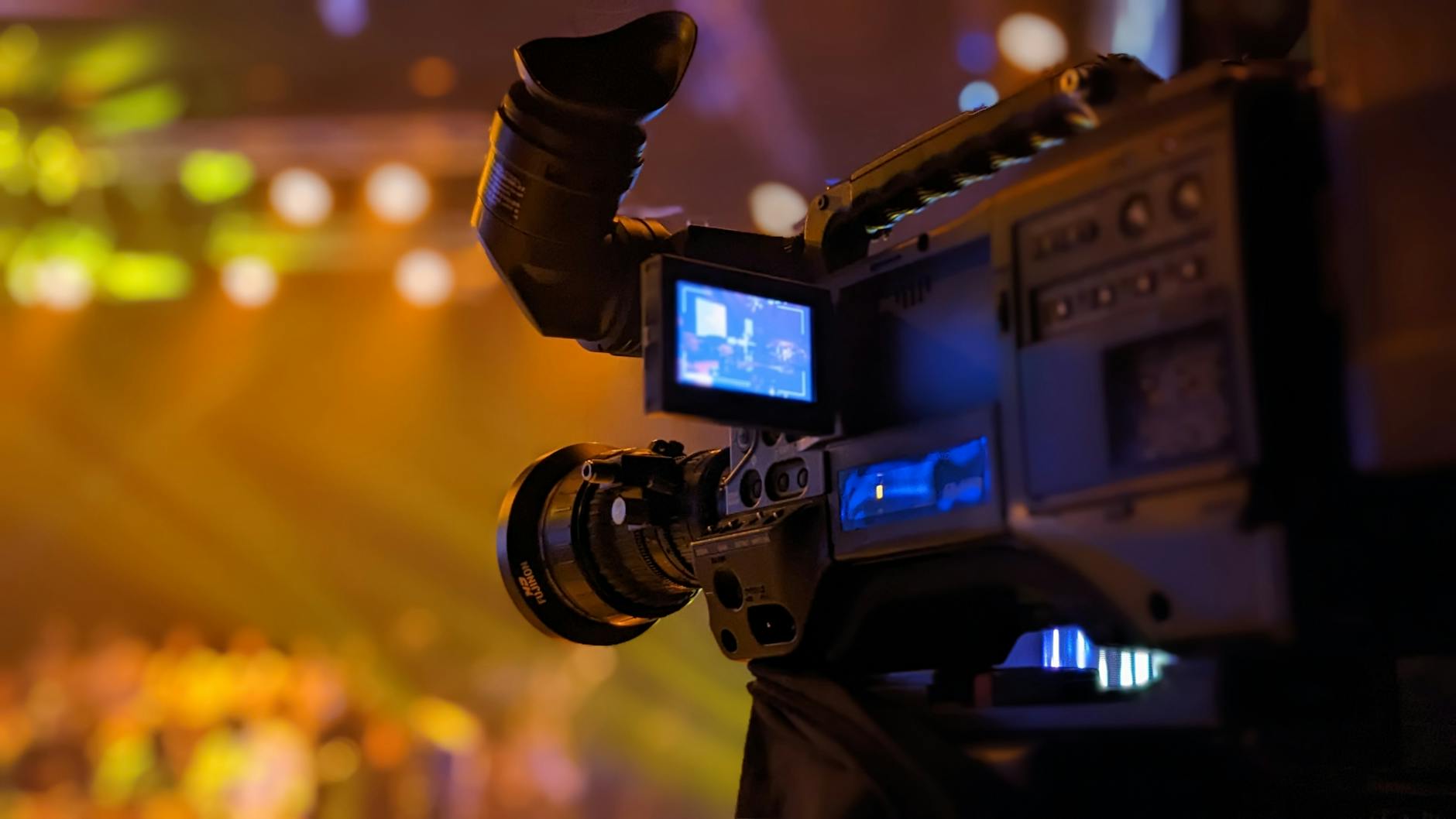
Furthermore, software platforms for live control—such as dedicated production software—offer powerful tools for managing graphics, transitions, and overlays in real time. They often include remote access capabilities, allowing off-site technicians to oversee critical functions, which enhances operational flexibility.
Ensuring Reliability and Redundancy
Critical to any live streaming event is the implementation of fallback solutions. Backup encoders and redundant network paths mitigate risks associated with hardware failure or connectivity issues. These redundancies require synchronization to switch seamlessly during unforeseen disruptions, with minimal impact on the broadcast quality.
Monitoring systems provide real-time feedback on signal strength, bandwidth usage, and encoder health. This proactive approach allows technical teams to address issues before they escalate, maintaining the stream's overall stability and quality.
In sum, the integration of high-end equipment, robust networking, and strategic redundancies forms the foundation for professional live streaming. Attention to these details ensures a resilient operation capable of delivering high-quality content that captivates viewers across multiple platforms.
Understanding Live Streaming in Video Production
Live streaming has revolutionized the way content is delivered and consumed, offering real-time engagement with audiences across the globe. In the realm of video production, it incorporates sophisticated technology and meticulous planning to transmit high-quality video and audio streams through the internet. This process involves capturing content via professional cameras, encoding it with specialized software or hardware, and broadcasting it over reliable networks to various online platforms. The immediacy of live streaming enables organizations, brands, and event organizers to connect directly with viewers, provide interactive experiences, and extend their reach beyond traditional broadcast limits.
Core Components of Live Streaming
- Video Capture Devices: Cameras and encoders that transform video signals into digital formats suitable for streaming.
- Encoding Hardware and Software: Tools that compress and convert raw video into streaming-compatible formats.
- Content Delivery Network (CDN): Distributed servers that efficiently deliver streams to viewers worldwide, reducing latency and buffering issues.
- Streaming Platforms: Online services where audiences access live content, such as social media channels, dedicated streaming websites, or custom solutions.
- Viewing Devices: Computers, smartphones, tablets, and smart TVs through which audiences engage with the stream.
Advantages of Live Streaming in Video Production
Integrating live streaming into video production workflows offers numerous benefits. It allows for immediate interaction through live chats, polls, and Q&A sessions, fostering community engagement. The real-time nature enables timely responses to audience feedback and dynamic storytelling. Additionally, live streams serve as effective marketing tools, expanding visibility for brands and events, and providing valuable data insights for future campaigns. High-quality live streaming also ensures professional presentation, reflecting positively on the reputation of the producing entity.
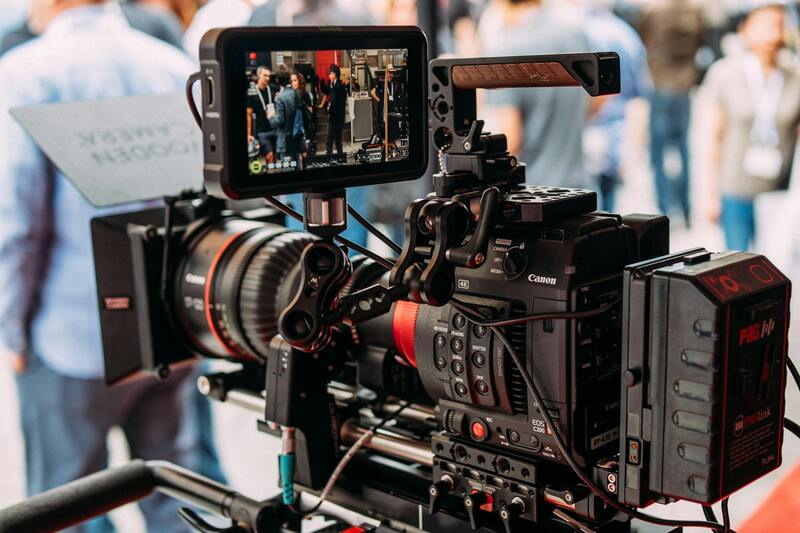
From small corporate meetings to large-scale concerts, conferences, or sporting events, live streaming offers scalable solutions tailored to diverse production complexities. Advanced compression algorithms and robust infrastructure ensure seamless delivery even during high-demand scenarios, maintaining a balance between visual quality and transmission stability. As technology advances, the integration of 4K resolution, multi-camera setups, and real-time graphics further enhances the viewer experience. Maintaining focus on these critical aspects is vital for producing professional-grade content that captivates audiences and achieves organizational objectives.
Understanding Live Streaming in Video Production
Live streaming in video production encompasses the process of broadcasting live video content over the internet to a remote audience in real time. This method transforms traditional broadcast techniques by allowing dynamic, interactive, and immediate engagement, which is particularly valuable for events, corporate communications, and entertainment. The nature of live streaming demands a seamless blend of high-quality video capture, reliable transmission infrastructure, and efficient distribution channels. This approach not only enhances audience reach but also facilitates instant feedback and interaction, making it an indispensable tool in contemporary video production.

Key Equipment and Technology for Live Streaming
Successful live streaming relies heavily on specialized equipment and robust technological infrastructure. Central to this setup are professional-grade cameras capable of capturing high-definition footage, often at 4K resolution, to provide crisp and detailed visuals. These cameras are typically connected to a video switcher or mixer, which allows for seamless transitions and multi-camera management. Audio quality is equally critical; high-quality microphones and sound mixers ensure clarity and eliminate background noise, aligning audio with visual content.
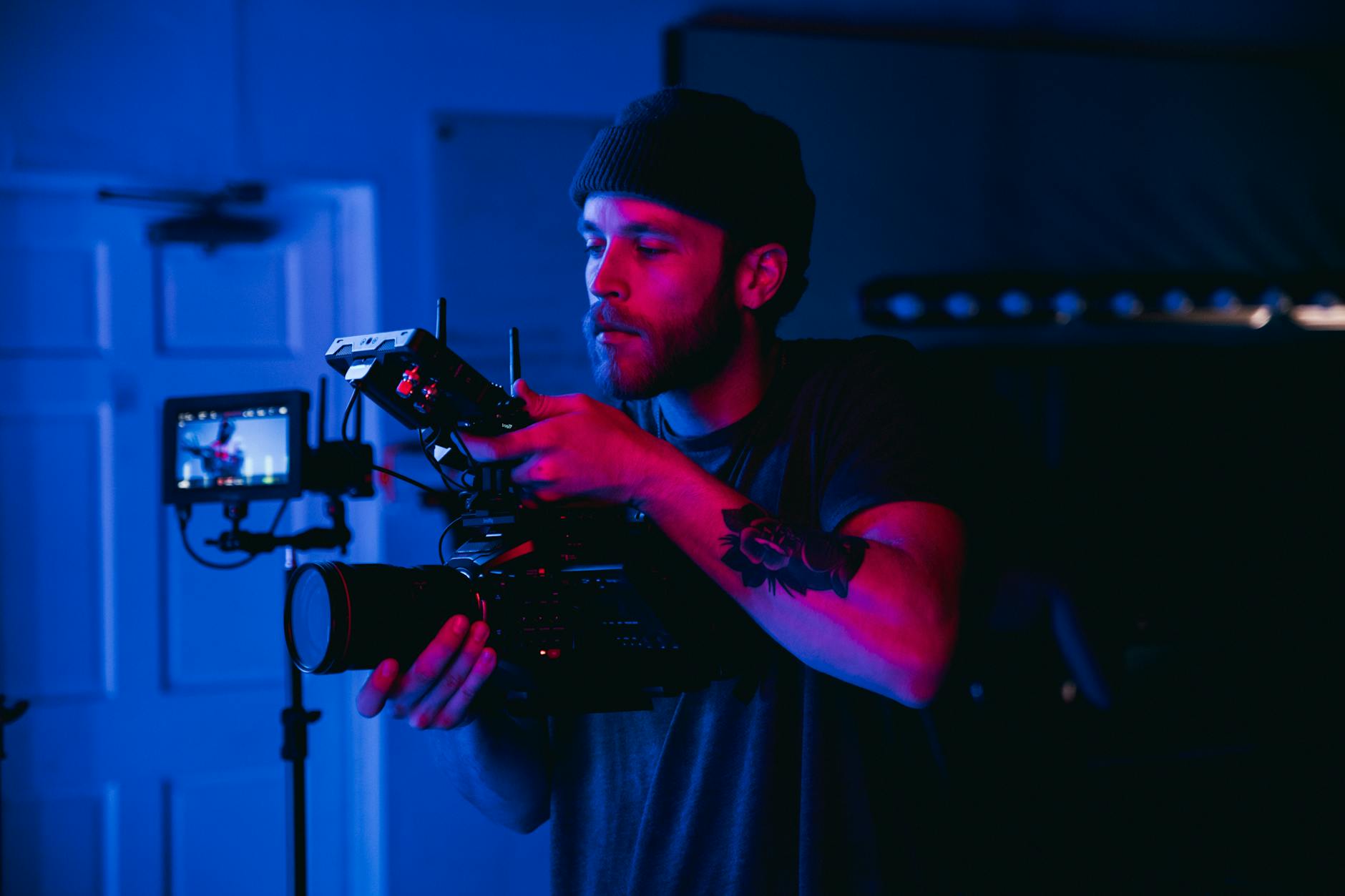
Encoding hardware or software encoders compress the video signal into streamable formats suited for online transmission. Reliable internet connectivity, often via fiber optic networks or bonded internet solutions, guarantees stable bandwidth and minimizes latency or buffering. Additional tools such as video capture cards, graphics systems for overlay and real-time graphics, and backup streaming setups are crucial to maintaining a professional production quality. When integrated correctly, these components create a resilient workflow capable of handling unpredictable challenges during live events.
Streaming Infrastructure and Redundancy
- High-speed internet connections with backup lines to ensure uninterrupted streaming
- Dedicated streaming servers or cloud-based services for distribution
- Content delivery networks (CDNs) to optimize delivery and reduce latency
- Monitoring tools to track stream quality and performance in real-time
Planning and Pre-Production for Live Streaming Events
Effective planning sets the foundation for a successful live stream. Early on, production teams define clear objectives, target audiences, and key message points. A comprehensive storyline or event flowchart ensures content clarity, while identifying required graphics, overlays, and branding elements enhances visual consistency. Scheduling rehearsals, especially on-site technical runs, helps troubleshoot potential issues with equipment or connectivity. Coordination with event organizers, speakers, and presenters ensures everyone is prepared for their roles and technical requirements.
Preparation also involves logistical considerations such as securing permits, setting camera positions, and establishing power sources. Creating a detailed production timeline helps allocate time for setup, testing, rehearsals, and the event itself. Additionally, teams prepare contingency plans for equipment failure, internet disruptions, or other unforeseen circumstances. This proactive approach minimizes risks and guarantees a polished live broadcast that meets expectations.
Technical Setup and Integration
The technical setup involves meticulous integration of various hardware and software components. This includes configuring camera feeds for multi-view perspectives, synchronizing audio and video signals, and establishing reliable streaming pathways. The process begins with rigorous testing of all equipment, ensuring compatibility and optimal performance under live conditions. Signal flow diagrams are used to trace connections from cameras to encoders, switchers, and streaming platforms.
Integration of custom graphics, branding overlays, and real-time info updates is essential for professional presentation. This often involves using digital signage software and graphic overlays, which are fed directly into the live stream. Audio feeds must be balanced and synchronized, with backup options in place. Network security protocols safeguard against hacking or unauthorized access, particularly for private or sensitive events. Once everything is configured, a series of rehearsals verify that all elements work harmoniously, reducing the risk of technical mishaps during the actual live event.
Streaming Platforms and Distribution
- Selection of appropriate platforms such as YouTube Live, Facebook Live, or proprietary solutions based on target audience and event needs
- Utilization of multi-streaming services to broadcast simultaneously across multiple channels, increasing reach
- Implementation of geo-restriction and access controls when necessary to tailor audience experience
- Monitoring viewer metrics and stream engagement to evaluate performance and reach
Production Crew and Roles
Efficient live streaming requires a dedicated production crew with clearly defined roles. The director oversees the entire broadcast, making real-time decisions on camera angles, graphics, and transitions. Camera operators handle shot composition and framing, adapting to event dynamics. A sound technician manages audio inputs, ensuring clarity and addressing issues promptly. Technical directors oversee the encoding process, switching between camera feeds and graphics seamlessly.
Additionally, a producer coordinates with talent, presenters, and technical staff to ensure smooth operations. A dedicated moderator or chat manager may also be present to moderate audience interactions and manage feedback in chat channels. Proper role allocation enhances operational flow and ultimately results in a cohesive, high-quality live event.
Post-Streaming Processes and Content Archiving
Following the live broadcast, attention shifts to content management and analysis. Recorded streams are archived systematically for future use, such as on-demand viewing, promotional reuse, or training materials. Post-event, the production team reviews video footage, assesses stream performance, and documents any glitches or procedural improvements. Editing high-value segments from the live feed can extend content lifespan and provide marketing assets.
Additionally, post-event reports analyze viewer engagement metrics, platform analytics, and audience feedback. These insights inform future streaming strategies and content quality enhancements. Proper archiving and review ensure continuous improvement and maximize return on investment for each live streaming event. This structured approach to post-production solidifies the role of live streaming as an effective and scalable communication channel.