
Understanding Live Streaming Production
Live streaming production encompasses a comprehensive process that transforms real-time events into broadcast-quality digital content accessible to audiences across the globe. It involves a series of meticulously coordinated steps to ensure smooth delivery and high visual fidelity. From capturing footage to disseminating it online, each stage demands specialized equipment, skilled personnel, and strategic planning. The foundation of a successful live stream begins with high-definition video capture. This involves cameras capable of delivering crisp, clear images suitable for various viewing platforms. Proper camera placement and lighting are vital to enhance visual aesthetics and ensure an engaging viewer experience. Once footage is captured, it must be seamlessly switched and integrated in real-time, a process handled by video switchers that allow producers to transition between different camera feeds or multimedia sources. Encoding is the next crucial component, where raw video signals are compressed into formats suitable for internet transmission. Advanced encoding hardware or software ensures minimal latency and optimal quality, regardless of internet bandwidth fluctuations. The encoded streams are then distributed via streaming servers or content delivery networks that optimize delivery speed and reliability across diverse devices and networks. Effective live streaming production also involves integrating multiple audio sources to create a balanced sound environment, synchronized with visuals to maintain a cohesive experience. Additionally, live graphics, titles, and overlays can be incorporated to add branding elements or convey real-time information. Given the dynamic nature of live broadcasts, real-time monitoring and management are essential. Producers and technical crew use specialized software tools to oversee the stream, troubleshoot issues swiftly, and make on-the-fly adjustments to maintain quality and stability. The complexity of live streaming production highlights the importance of understanding each component, from initial planning through distribution. This knowledge forms the basis for executing professional, engaging live streams that meet audience expectations and content objectives.
Essential Equipment and Technologies
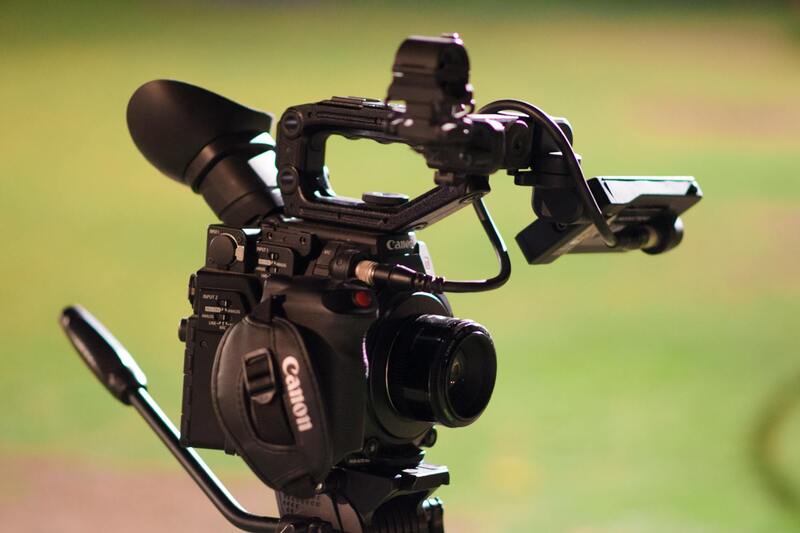
Executing a professional live streaming production demands the integration of specialized equipment and cutting-edge technologies. High-quality cameras are the foundation, with options ranging from professional broadcast models to high-definition consumer cameras, each chosen based on the scope and complexity of the production. These cameras should support multiple resolutions and frame rates to attach seamlessly to various broadcasting setups and ensure flexibility in visual presentation.
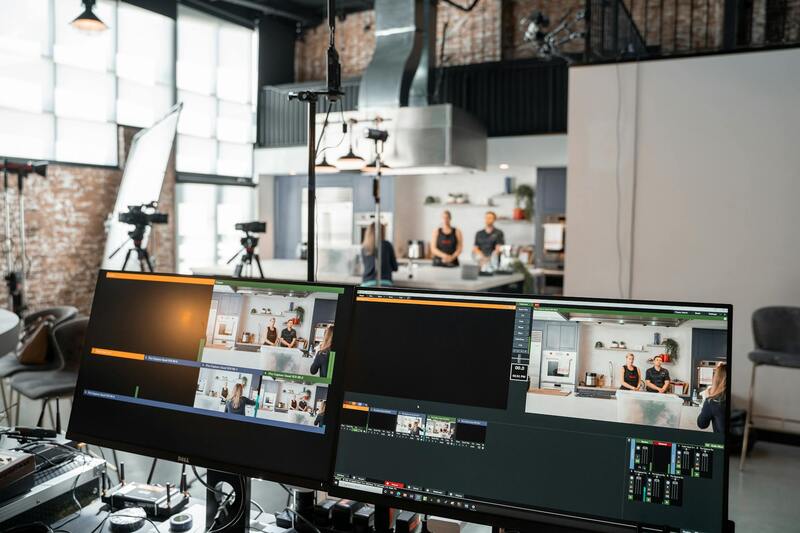
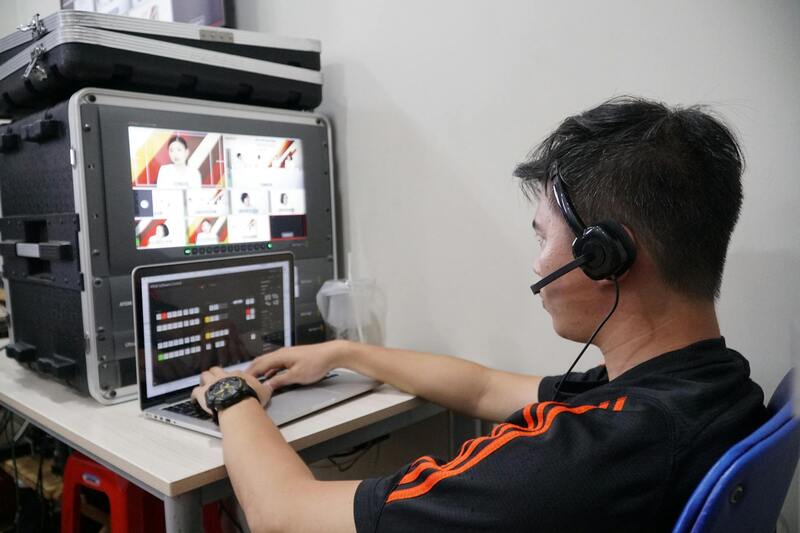
Video switchers are pivotal, enabling producers to switch seamlessly between multiple camera feeds or multimedia sources. State-of-the-art switchers offer built-in effects, transitions, and multi-view monitoring, streamlining on-the-fly decision-making during live broadcasts. Coupled with a reliable video router, these tools facilitate the smooth distribution of signals across various outputs and platforms.
Encoding hardware or software plays an essential role in compressing video signals into web-friendly formats, such as H.264 or H.265, which deliver high quality with minimal latency. Advanced encoders support adaptive bitrate streaming, ensuring viewers experience uninterrupted streams regardless of fluctuating internet speeds. Failover solutions, including dual encoders or redundant streaming setups, provide added stability, preventing interruptions during critical moments.
Audio equipment must be equally sophisticated, incorporating high-fidelity microphones, audio mixers, and digital signal processors. These tools allow precise balancing of multiple audio sources—from microphones, playback devices, or remote guests—ensuring clarity and consistency throughout the broadcast.
Graphics and overlay systems contribute to the visual appeal, enabling real-time display of titles, branding, and information updates. This is often managed through dedicated graphics servers or software that integrate seamlessly with live feeds, providing a polished, professional appearance.
Content Delivery Networks (CDNs) and streaming platforms underpin the distribution process, ensuring that the live stream reaches viewers reliably across geographic locations. These networks optimize delivery paths, reduce latency, and support multi-device compatibility—critical features for engaging diverse audiences effectively.
Production Team Roles and Responsibilities
A well-coordinated production team is essential for a successful live stream. The core roles include director, technical director, camera operators, audio engineers, graphics operators, and stream technicians. Each position demands specific expertise to execute their responsibilities flawlessly.
- Director: Oversees the overall flow, making real-time decisions on camera angles, graphics, and transitions.
- Technical Director: Operates the video switcher and manages the video feed, ensuring transitions occur smoothly and technical issues are handled promptly.
- Camera Operators: Capture diverse visual perspectives, adjusting framing and focus based on the director's cues.
- Audio Engineers: Manage sound levels, eliminate noise, and maintain audio clarity across all sources.
- Graphics Operators: Implement overlays, titles, and branding elements, updating content as needed.
- Stream Technicians: Monitor streaming quality in real-time, troubleshoot issues, and ensure stability during the broadcast.
Assigning clear responsibilities and ensuring team members are well-versed in their roles is fundamental to maintaining a professional standard throughout the live event.
Real-Time Management and Execution
Live streaming requires vigilant real-time management. Software platforms equipped with monitoring dashboards provide visibility into streaming health, including bandwidth usage, latency, and encoding status. These tools allow technical teams to detect and resolve issues swiftly, minimizing disruptions.
Flexibility during live broadcasts is crucial. Producers and operators must adapt to unforeseen events, such as technical glitches or content adjustments. This demands a fluid communication setup among team members, often facilitated through headsets or instant messaging platforms, to coordinate quick responses and maintain engagement.
Implementing redundancy—such as backup internet connections, dual encoders, and secondary power sources—helps ensure uninterrupted streaming. Additionally, pre-tested contingency plans enable the team to respond effectively to unexpected challenges, guaranteeing the reliability of the broadcast.
Essential Equipment and Technologies
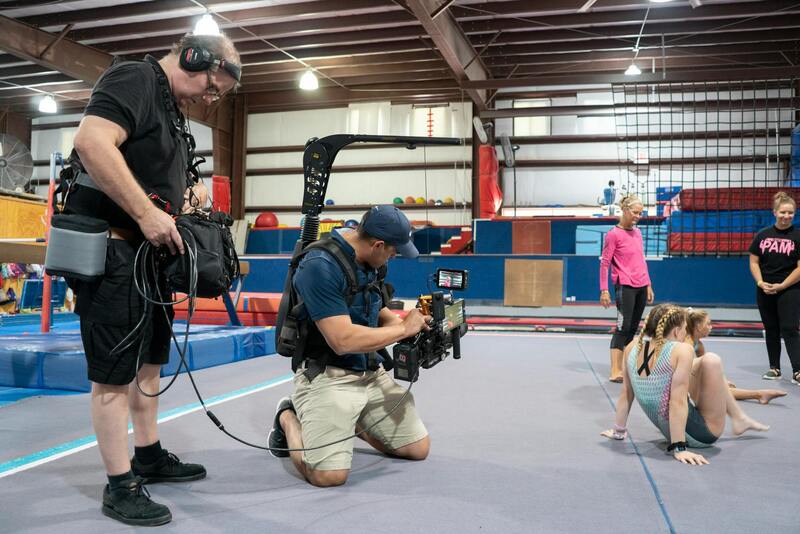
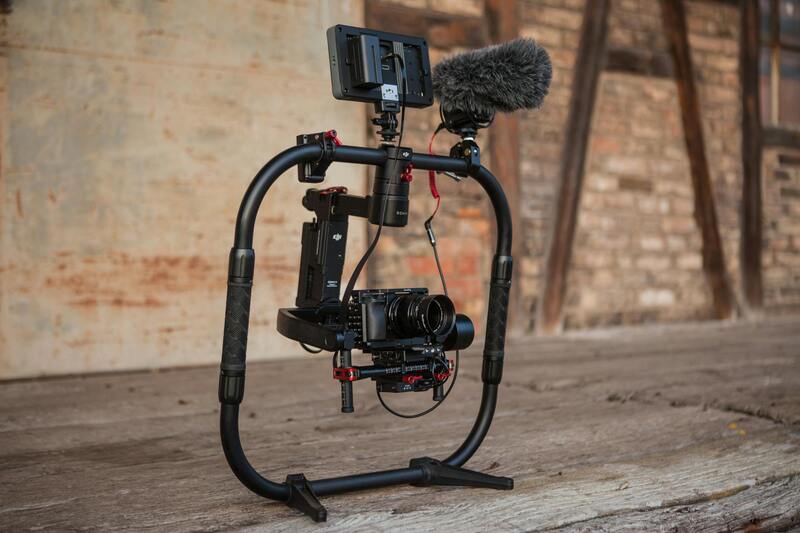
Successful live streaming production hinges on utilizing a comprehensive array of hardware and software tools that ensure high-quality broadcast delivery. The core equipment includes professional-grade cameras capable of capturing crisp, detailed visuals even in low-light conditions. These cameras can be paired with tripods, stabilizers, and lens options tailored to different shooting environments to facilitate versatility and optimal shot composition.
Switchers or video mixers are vital for creating seamless transitions between multiple camera feeds, enabling dynamic presentation styles. Video switchers allow producers to select, cut, or blend video sources live, empowering a fluid and engaging audience experience. Encoders are the bridge between the production hardware and streaming platforms, compressing and transmitting video data with minimal latency. Software and hardware encoders should be selected based on the desired resolution, bitrate, and platform compatibility.
Audio clarity is equally critical for viewer engagement. High-quality microphones, such as lavalier, shotgun, or desktop models, should be deployed considering the environment and content needs. Audio mixers and processors help to balance, synchronize, and optimize sound levels, reducing background noise and echo, thereby enhancing overall production professionalism.
For seamless live streaming, reliable streaming platforms or servers are essential. These services handle the distribution of content to various online audiences, often providing additional features like real-time analytics, chat integration, and adaptive bitrate streaming. Integrating content management systems (CMS) or graphic interfaces allows on-screen overlays, branding, and lower-third graphics to be dynamically updated during the broadcast.
Furthermore, robust networking hardware such as high-speed routers, switches, and dual internet connections contribute to stable streaming. Backup systems, including secondary encoders and uninterruptible power supplies (UPS), are critical for maintaining quality and minimizing disruptions during unforeseen technical issues. Employing multiple communication channels, like wired connections and LTE/5G backup links, can further enhance resilience.
Advanced monitoring and management software provide real-time insights into the stream's health, bandwidth consumption, and encoding performance. These tools enable the production team to proactively identify potential issues, such as latency spikes or dropped frames, allowing prompt corrective actions. In addition, innovative communication platforms facilitate coordinated efforts among team members, streamlining workflows and response times during live events.
Incorporating cutting-edge technology and reliable hardware is fundamental to achieving professional-grade live streams. When combined with meticulous planning, well-trained personnel, and contingency strategies, these equipment and software solutions form the backbone of a resilient, high-quality live streaming operation that can adapt swiftly to the dynamic challenges of live production environments.
Monitoring and Troubleshooting During Production
Effective live streaming production demands continuous monitoring to ensure the broadcast remains seamless and engaging. Utilizing advanced monitoring software allows the technical team to observe key parameters such as bitrates, frame rates, and audio levels in real-time. By maintaining a vigilant eye on these metrics, issues like dropped frames, buffering, or audio disruptions can be promptly identified and addressed. This proactive approach minimizes viewer experiences of lag or degradation in stream quality.
Apart from software tools, having a dedicated team member responsible for troubleshooting during the live event is crucial. This individual acts as a point of contact for resolving technical glitches, liaising with internet providers regarding connectivity issues, and adjusting encoding settings on-the-fly if necessary. Quick adaptation techniques, such as switching to backup streams or lowering resolution, help preserve the broadcast continuity.
Implementing multiple backup systems enhances production resilience. These include secondary encoders configured to automatically activate if the primary encoder fails, and redundant hardware components that ensure continued operation without interruption. IP-based transmission pathways, such as dedicated fiber lines and cellular LTE/5G connections, serve as invaluable fail-safes should primary internet sources experience instability.
Understanding Live Streaming Production
Live streaming production involves a sophisticated combination of planning, technical expertise, and real-time management to deliver seamless broadcasts to audiences. It requires a detailed understanding of how different technological components work together to transmit high-quality video and audio content across the internet. For efficient live streaming, it is essential to grasp the intricacies of signal transmission, encoding processes, and the integration of multiple media sources.
One of the core elements of live streaming production is the robust infrastructure that supports real-time data transfer. This includes selecting appropriate content delivery networks (CDNs), optimizing encoding settings to balance quality and bandwidth usage, and employing reliable internet connections. The production team must carefully coordinate between cameras, microphones, and switching equipment to ensure all visual and audio elements are synchronized and broadcast-ready.

Understanding the technical workflow, from capturing footage to transmitting it to viewers, helps in diagnosing potential disruptions before they impact the broadcast. This comprehensive knowledge enables producers to troubleshoot efficiently, minimize downtime, and provide a consistently engaging viewing experience.
Planning and Pre-Production for Live Streams
Effective planning is the backbone of successful live streaming events. This phase involves detailed scheduling, content scripting, and a strategic review of technical requirements. Preparing contingency plans for various scenarios — such as equipment failure or connectivity issues — ensures resilience during the live event.
Pre-production also encompasses setting up the necessary hardware and software, testing all components, and conducting dry runs to identify potential issues. Clear communication among team members, including roles and responsibilities, mitigates confusion and streamlines the operation. Additionally, coordinating with presenters or performers to ensure they understand the technical setup enhances overall event quality.
Key Elements in Pre-Production
- Detailed script and shot list
- Equipment checklist and setup verification
- Connectivity tests for internet stability
- Backup plans for critical hardware and internet sources
- Run-through sessions with all participants
All these steps lay the groundwork for an uninterrupted live broadcast, reducing the risk of unexpected issues during the actual event.
Essential Equipment and Technologies
Professional live streaming requires high-quality hardware that ensures clear visuals and sound. This includes cameras capable of broadcasting in high definition, professional-grade microphones, and reliable video switchers for seamless feed transitions. Hardware encoders convert the captured signals into digital data suitable for online transmission, making their performance critical to stream stability.
In terms of connectivity, dedicated internet lines such as fiber optics provide the bandwidth needed for HD streams. Redundant internet connections—fiber, LTE, or 5G—serve as fail-safes, allowing the stream to continue even if primary sources face disruptions. Managed network configurations and Quality of Service (QoS) settings optimize bandwidth distribution, prioritizing streaming data to prevent lag.
Additional technologies, such as streaming software (e.g., OBS Studio, vMix) and content management systems, facilitate real-time editing and broadcasting. These tools allow operators to switch between multiple video feeds, add overlays, and incorporate pre-recorded content seamlessly. Proper setup and knowledge of these systems are vital for maintaining high production standards and a professional appearance.
Production Team Roles and Responsibilities
Executing a successful live stream relies on a skilled team that manages every aspect of the broadcast. The key roles include a director who oversees the overall flow and makes real-time decisions, camera operators controlling shot framing, and audio engineers ensuring sound clarity. Technical support staff monitor internet stability, hardware performance, and streaming software operation.
The producer coordinates the entire team, facilitates communication, and manages timing to ensure all elements are synchronized. In larger productions, specialized roles such as graphics operators, social media managers, and backup operators are essential to handle specific tasks efficiently. Cross-training among team members ensures flexibility and quick response to unforeseen challenges during the live event.
Furthermore, adherence to established protocols and clear communication channels significantly enhance the professionalism of the production. Regular rehearsals, detailed checklists, and incident response plans create an environment where technical issues are swiftly addressed, keeping the audience engaged with a smooth broadcast experience.
Implementing Authentic Streaming Methods
For organizations seeking to deliver content through live streaming, leveraging official and proven methods is essential for ensuring quality, reliability, and compliance. One primary approach involves utilizing established streaming platforms that provide robust infrastructure, such as dedicated live streaming services or enterprise-grade Content Delivery Networks (CDNs). These platforms are designed to handle high bandwidth demands, offer advanced security features, and support seamless integration with various media sources.
Custom-built streaming solutions, often developed in collaboration with experienced providers, enable tailored workflows while adhering to best practices. These solutions typically incorporate secure ingestion processes, where video feeds are transmitted via encrypted connections, such as Secure Reliable Transport (SRT) or Real-Time Messaging Protocol (RTMP), to the streaming infrastructure. From there, high-capacity CDNs distribute the content efficiently to viewers across different regions, minimizing latency and buffering issues.
In addition, adopting reliable encoding hardware and software from reputable manufacturers ensures that video quality remains consistent throughout the streaming process. Hardware encoders are preferred in situations demanding maximum control over video settings and minimal latency, while software encoders can be suitable for more flexible or cost-effective setups.
Enhancing the security of live streams involves implementing techniques such as access controls, requiring login credentials for viewers, or employing token-based authentication systems. Furthermore, stream encryption and DRM (Digital Rights Management) solutions protect proprietary content from unauthorized access or distribution.

Moreover, maintaining compatibility with various devices and platforms is crucial. This involves using adaptive bitrate streaming technologies that automatically adjust video quality based on the viewer’s internet connection, ensuring a smooth experience. Common protocols include HLS (HTTP Live Streaming) and DASH (Dynamic Adaptive Streaming over HTTP).
When establishing a live streaming workflow, document all procedures and standards, including source resolution requirements, encoding settings, server configurations, and security measures. Regularly testing these components before live events helps identify potential issues and optimize performance, leading to a more professional and engaging broadcast.

Choosing reliable, well-supported software and hardware solutions from reputable vendors not only enhances broadcast quality but also simplifies troubleshooting. Technical support agreements and comprehensive training ensure that staff can operate the systems efficiently and respond swiftly to any technical challenges during a live event.
Security, Compliance, and Best Practices
Implementing robust security measures is essential to safeguard live streaming content from unauthorized access and potential breaches. Utilizing encrypted streaming protocols, such as secure versions of HLS (HTTPS) and DASH, ensures data integrity and confidentiality during transmission. These protocols encrypt the video data, preventing interception or tampering by malicious actors, thereby providing a safe viewing experience for audiences.
Adhering to copyright standards is critical when broadcasting proprietary content. This involves verifying rights and licenses prior to streaming, and embedding digital watermarks or content identification markers within the broadcast. These measures can deter unauthorized redistribution and facilitate content verification if infringement occurs.
Data security extends beyond encryption. It is important to implement measures such as secure login systems, multi-factor authentication for administrative access, and regular security audits. These practices help prevent cyber threats that could compromise the streaming infrastructure or access control systems.
Industry standards and best practices should guide all aspects of live streaming production. This includes maintaining quality assurance processes, conducting periodic system tests, and ensuring compliance with broadcasting regulations. Keeping software and hardware updated is equally vital to protect against vulnerabilities and to leverage the latest technological advancements.
Additionally, transparency with viewers regarding data collection and privacy policies fosters trust and aligns with best practices in digital communication. Clear communication about data security measures reassures audiences of the integrity of the live stream.
Choosing a Miami-Based Live Streaming Partner
Partnering with a local Miami live streaming provider offers several advantages, including proximity that enhances on-site support and quicker response times for technical issues. It also ensures the provider’s familiarity with regional network infrastructure and compliance requirements.
When selecting a Miami-based partner, it’s important to evaluate their portfolio of live streaming projects, technical expertise, and the range of services offered. A reliable partner should provide end-to-end solutions, from initial planning and technical setup to live production and post-event analysis.
Reputation and client references are key indicators of a partner’s capability to deliver high-quality broadcasts consistently. They should utilize the latest broadcast equipment, streaming platforms, and security protocols, ensuring seamless viewing experiences across devices.
Furthermore, consider their customer support structure and availability during live events. A dedicated support team that can swiftly address technical challenges minimizes disruptions and maintains broadcast professionalism.
Overall, aligning with a Miami-based live streaming team with proven expertise and local support infrastructure is an investment that can significantly elevate the quality, security, and reliability of your live broadcasts, making your events more engaging and accessible for the audience.
Understanding Live Streaming Production
Live streaming production encompasses a complex array of technical and creative tasks designed to deliver high-quality content to viewers in real time. This process involves multiple stages, including pre-event planning, technical setup, live execution, and post-event analysis. Achieving professional-grade live streams demands a thorough understanding of the equipment, technology, and workflows involved in capturing, encoding, and broadcasting content seamlessly across various platforms.
Official Techniques for High-Quality Live Streaming
Utilizing official methods ensures consistent delivery and compliance with industry standards. These methods typically rely on established streaming protocols such as RTMP (Real-Time Messaging Protocol), HLS (HTTP Live Streaming), and DASH (Dynamic Adaptive Streaming over HTTP). Employing certified streaming software and hardware encoders, compliant with recognized standards, guarantees reliable transmission of video and audio signals to content delivery networks (CDNs) and platforms.
Content integrity and security are maintained through official encryption techniques, including Secure Real-time Transport Protocol (SRTP) and HTTPS, safeguarding against unauthorized access and tampering. Connection stability is reinforced via redundant internet connections, load balancing, and the use of enterprise-grade networking equipment certified for live production purposes. These safeguards ensure that streams remain uninterrupted, even in the face of network fluctuations or technical issues.
Leveraging Certified Platforms and Tools
Professionals rely on industry-approved streaming platforms, such as YouTube Live, Facebook Live, and Vimeo Livestream, which offer robust infrastructure and compliance with broadcasting standards. These platforms provide tools for stream management, real-time analytics, and audience engagement features. For content security, tools like DRM (Digital Rights Management) and watermarking are integrated to protect intellectual property and maintain broadcast integrity.
Equipment choices include licensed broadcast cameras, professional audio mixers, and certified switchers that meet professional broadcast standards. Using certified hardware and software ensures compatibility, reduces technical issues, and allows for advanced production features like multiple camera angles, graphics overlays, and live audio effects.

Following Industry Guidelines and Best Practices
Adhering to recognized industry standards and certified practices elevates the quality and reliability of live streams. This includes pre-event testing, establishing clear communication protocols within the production team, and implementing comprehensive backup procedures. Regular training and certification for production staff ensure they remain up-to-date with evolving technologies and compliance requirements.
Furthermore, maintaining detailed documentation of workflows, equipment configurations, and security protocols helps streamline operations and troubleshoot issues efficiently. Consistent review and refinement of streaming procedures enable continuous improvement and adherence to best practices.
By employing officially sanctioned methods, utilizing certified platforms and tools, and adhering to industry standards, live streaming production can achieve a professional level that maximizes viewer engagement and maintains operational integrity.