
Overview of Live Broadcasting Services
Live broadcasting services have become an essential component in the landscape of digital communication, transforming the way events, conferences, concerts, and corporate functions are shared with audiences around the world. These services enable real-time streaming of audio and video content, offering immediacy and interactivity that traditional broadcast methods cannot match. In the vibrant city of Miami, where diverse events—from high-profile corporate gatherings to glamorous nightlife celebrations—are integral to the local culture, professional live broadcasting elevates the experience, reaching wider audiences with clarity and professionalism.
Utilizing high-quality video streaming platforms, live broadcasting allows organizers to connect with viewers beyond physical locations, breaking geographical barriers and expanding event outreach. This capability is especially vital in a city like Miami, known for its dynamic event scene, multicultural influx, and international tourism. Many businesses and event hosts choose live broadcasting to enhance audience engagement, generate real-time feedback, and create an immersive experience that fosters a sense of immediacy and participation.
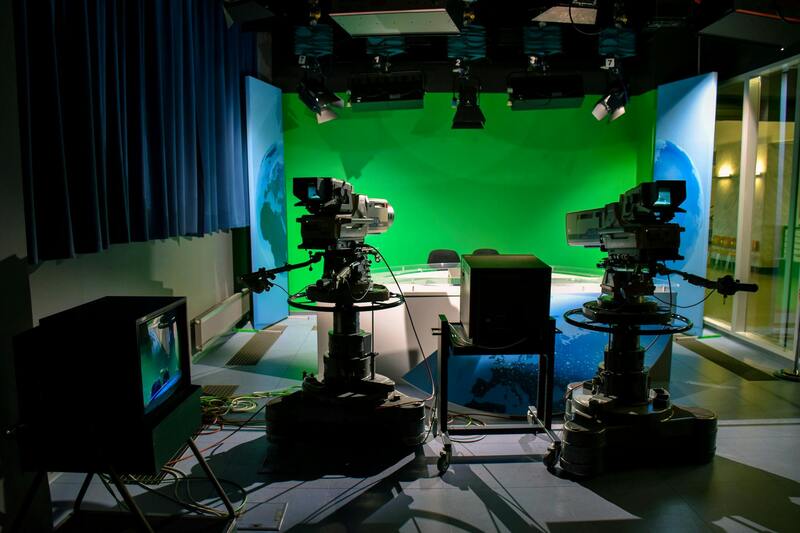
From small corporate meetings to large-scale music festivals, the importance of reliable, high-quality live broadcasting services cannot be overstated. They serve as a crucial link between event organizers and their global audiences, ensuring seamless transmission and professional presentation. With advancements in internet technology and streaming platforms, live broadcasting has become more accessible and efficient, providing tailored solutions to meet the unique needs of each event scenario.
Moreover, these services support various formats, including multi-camera setups, real-time graphics, interactive features, and social media integration, making live events more engaging. As the demand for virtual participation continues to grow, Miami’s live broadcasting providers are continuously evolving their offerings to include advanced features such as 4K streaming, cloud-based management systems, and multi-platform delivery, ensuring that clients stay at the forefront of this digital shift.
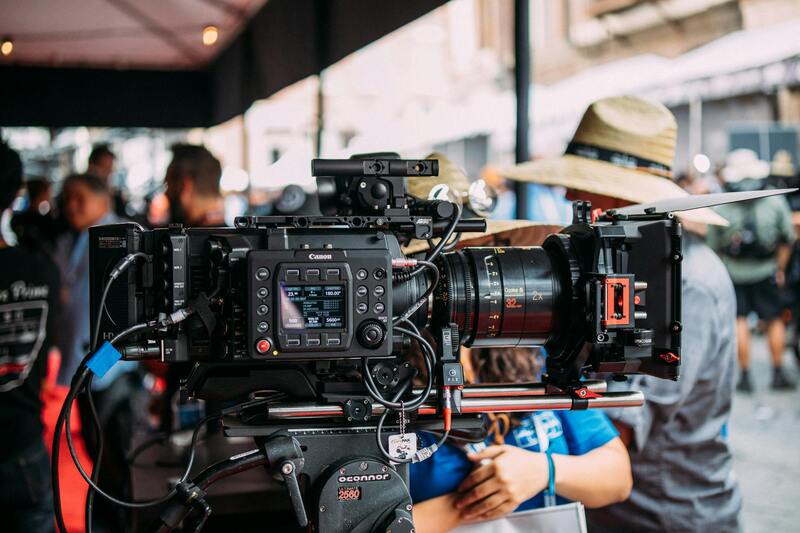
Types of Live Broadcasting Solutions
There is a diverse array of live broadcasting solutions designed to meet the varied demands of different events and organizations. Each solution is tailored to the specific format, scale, and interactivity required, ensuring a seamless experience for both remote viewers and in-person audiences.
For smaller events such as webinars, workshops, or corporate meetings, basic live streaming setups often utilize single-camera configurations connected through high-speed internet to popular platforms like YouTube Live, Facebook Live, or custom embedded players. These solutions typically emphasize ease of use, quick setup, and straightforward management, allowing hosts to focus on content delivery without technical distraction.
Medium-scale events, including panel discussions, product launches, or community gatherings, benefit from multi-camera setups that provide dynamic scenes and angles. These configurations might incorporate switchers, professional audio, and real-time graphics to enhance viewer engagement. Integration with social media channels facilitates instant interaction, feedback, and broader reach.
Large-scale productions such as music festivals, sports events, or international conferences often employ comprehensive live broadcasting systems. These solutions feature multi-camera arrays, live video mixers, and advanced audio processing, ensuring broadcast quality that rivals television networks. They also leverage cloud-based management to facilitate remote monitoring, multi-platform delivery, and high-resolution outputs like 4K streaming for premium viewing experiences.
Additionally, emerging technologies are expanding the options available. For instance, virtual reality (VR) streaming offers immersive experiences, while 360-degree cameras capture all-around views, ideal for creating engaging virtual tours or large-scale event coverage. Hybrid solutions, combining pre-recorded content with live segments, provide flexibility and content-rich broadcasts that can adapt to unforeseen circumstances.
As the landscape of live broadcasting continues to evolve, providers in Miami are increasingly adopting software solutions that facilitate remote production management, real-time analytics, and multi-platform distribution. These advancements ensure that every event, regardless of size or complexity, can deliver high-quality, engaging live content tailored to the audience’s preferences and the event’s objectives.
Overview of Live Broadcasting Services
Live broadcasting services have become a cornerstone in the delivery of real-time content across various industries, including entertainment, corporate, education, and sports sectors. These services leverage sophisticated technology to transmit live video and audio streams over the internet, offering instant access to viewers regardless of their geographical location. The ability to broadcast events live enables organizations to engage audiences more effectively, enhance brand visibility, and create immersive experiences that resonate long after the event concludes. In Miami, a hub for vibrant cultural events, professional sports, and international conferences, live broadcasting services are indispensable for achieving widespread reach and impactful messaging.

These services encompass a wide range of solutions, from simple internet streaming for smaller webinars to elaborate multi-camera productions for large-scale events. Modern platforms support various streaming formats, adaptive bitrates, and multi-platform distribution to ensure high-quality viewing experiences on desktops, smartphones, and smart TVs. Additionally, live broadcasting integrates seamlessly with social media platforms, expanding audience engagement through live chats, polls, and instant feedback channels. This integration enhances interactivity, allowing broadcasters to respond in real-time and tailor content dynamically to viewer preferences.
Types of Live Broadcasting Solutions
Live broadcasting solutions are tailored to meet diverse event requirements, ranging from simple live streams to complex, multi-camera productions. These solutions include:
- Basic Live Streaming: Usually involves a single camera and minimal equipment, suitable for webinars, small corporate events, or personal celebrations.
- Multi-Camera Live Production: Utilizes multiple cameras, live video switching, professional audio equipment, and graphics overlays to produce a polished broadcast. Ideal for conferences, concerts, and sports events.
- Virtual Reality (VR) and 360-Degree Streaming: Offers immersive experiences by capturing all-around views, perfect for virtual tours or large-scale virtual events.
- Hybrid Live Broadcasts: Combines pre-recorded content with live segments, providing flexibility and ensuring consistent quality even in unpredictable circumstances.
- Cloud-Based Streaming: Leverages remote management tools, enabling broadcasters to operate and monitor live streams from any location with internet access.
Emerging technologies continue to expand the possibilities, with real-time analytics, artificial intelligence, and hybrid workflows enhancing the overall quality and effectiveness of live broadcasts in Miami and beyond.
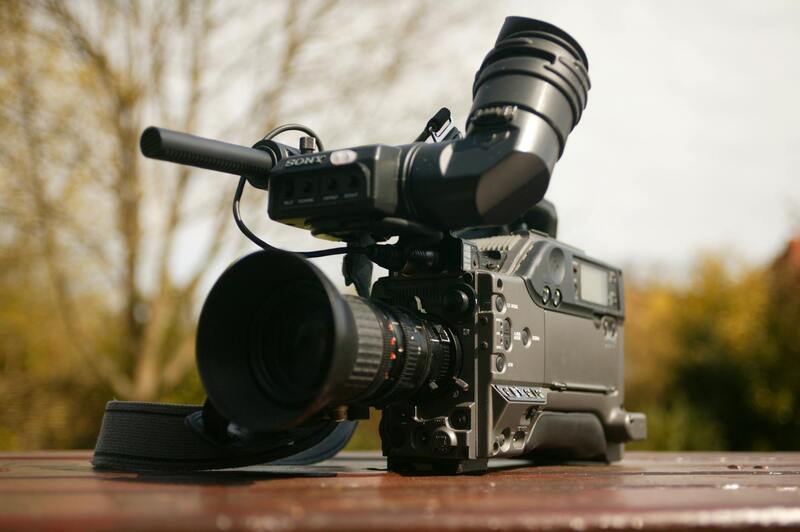
Importance of High-Quality Production
Investing in professional-grade equipment and skilled technical personnel is essential for delivering reliable, high-definition streams. Higher video resolutions, such as 4K, deliver crisp visuals, making the viewing experience more engaging. Multiple camera angles provide dynamic perspectives, while clear audio quality ensures messages are communicated effectively. Additionally, interactive features like live chat and real-time polls foster a sense of community and participation among viewers, transforming passive watching into active engagement. The integration of these elements ensures that the broadcast sustains viewer interest and drives desired outcomes for event organizers.
Technologies and Equipment Used in Live Broadcasting
Executing a seamless live broadcast requires a combination of cutting-edge technology and reliable equipment. Professional-grade cameras, such as 4K or HD camcorders, ensure high-resolution footage that captures every detail of the event. These cameras often come equipped with features like optical zoom, image stabilization, and low-light performance, enabling the production team to adapt to varying event conditions seamlessly.
Audio quality is equally crucial. High-fidelity microphones, including lavalier, shotgun, and ambient microphones, are employed to capture clear sound in different environments. An advanced audio mixer allows real-time management of multiple audio sources, balancing levels and eliminating background noise, thereby ensuring crisp and distortion-free sound.
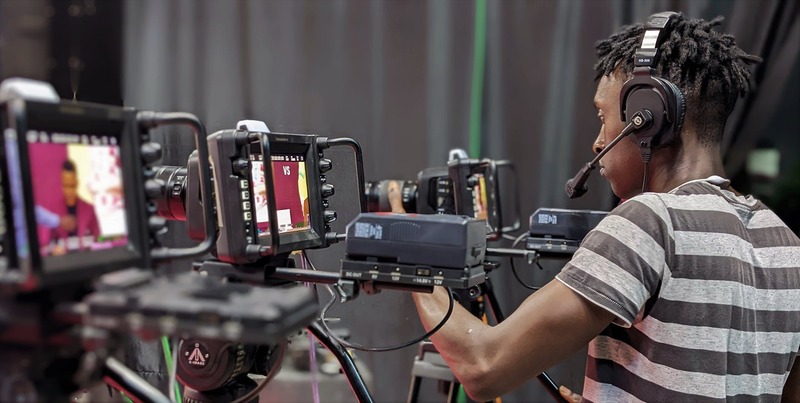
Switching between camera angles and integrating pre-recorded content is managed through professional video switchers or production servers. These devices facilitate multi-camera feeds, graphic overlays, and instant transitions, producing a polished viewing experience. For larger events, remote camera systems and robotic cameras provide flexibility in capturing hard-to-reach angles without the need for physical presence.
Streaming hardware, such as encoders and decoders, play a vital role in transmitting the video content over the internet. High-performance encoders compress the live feed efficiently while maintaining image quality, and reliable streaming servers distribute the content across various platforms. Cloud-based management tools further enable remote operation, offering real-time monitoring and adjustments to optimize stream performance.
Internet connectivity is the backbone of successful live broadcasts. Bonded cellular Internet solutions, fiber optic connections, and backup internet options help ensure a stable and consistent stream, reducing the risk of interruptions. Additionally, network management systems monitor bandwidth usage and detect potential issues proactively.
Legal and Licensing Considerations
Operating professional live broadcasting services in Miami requires adherence to various regulations concerning intellectual property rights, content licensing, and broadcasting standards. Ensuring all content being transmitted complies with applicable licenses is crucial to maintaining the integrity and professionalism of the broadcast. This includes securing permissions for copyrighted music, video footage, and proprietary visuals that may be incorporated into the live stream.
Broadcasters should collaborate closely with rights holders and content providers to obtain necessary clearances. This might involve licensing agreements with music publishers, copyright organizations, or content creators. Proper documentation and proof of licensing agreements should be maintained for accountability and transparency.
Additionally, compliance with local and federal broadcasting codes, as well as specific platform requirements, helps prevent potential disruptions or penalties. For instance, adhering to guidelines about permissible content, advertising restrictions, and viewer safety protocols ensures a smooth and legitimate streaming process.
It’s also important to understand and incorporate privacy considerations, especially when live broadcasts feature individuals or confidential content. Obtaining consent from participants and informing viewers about recording or data collection practices reinforces ethical standards and respects audience trust.
 igure>
Working with experienced legal advisors or licensing specialists familiar with Miami's media laws can streamline the process and mitigate risks associated with unapproved content. When partnering with a Miami-based production agency, clients benefit from their expertise in navigating these complex legal landscapes, ensuring the broadcast remains compliant and uninterrupted.
Moreover, in an increasingly regulated environment, keeping updated on new laws and technological standards is vital. Regular training and consultations with legal professionals ensure that all aspects of the live broadcast conform to current requirements, supporting the delivery of high-quality, compliant streaming experiences.
Technologies and Equipment Used in Live Broadcasting
Executing a seamless live broadcast in Miami demands cutting-edge technologies and reliable equipment. High-definition cameras are fundamental for capturing crisp, clear visuals, ensuring viewers experience the event as vividly as if they were physically present. These cameras often come with adjustable lenses and advanced stabilization features to handle dynamic environments and movement.
Streaming encoders serve as the critical link between the camera input and the internet, converting high-quality video signals into streams compatible with various platforms. Professional-grade encoders support multiple resolutions, adaptive bitrate streaming, and support for multiple output formats, allowing for flexible broadcasting options tailored to target audiences.
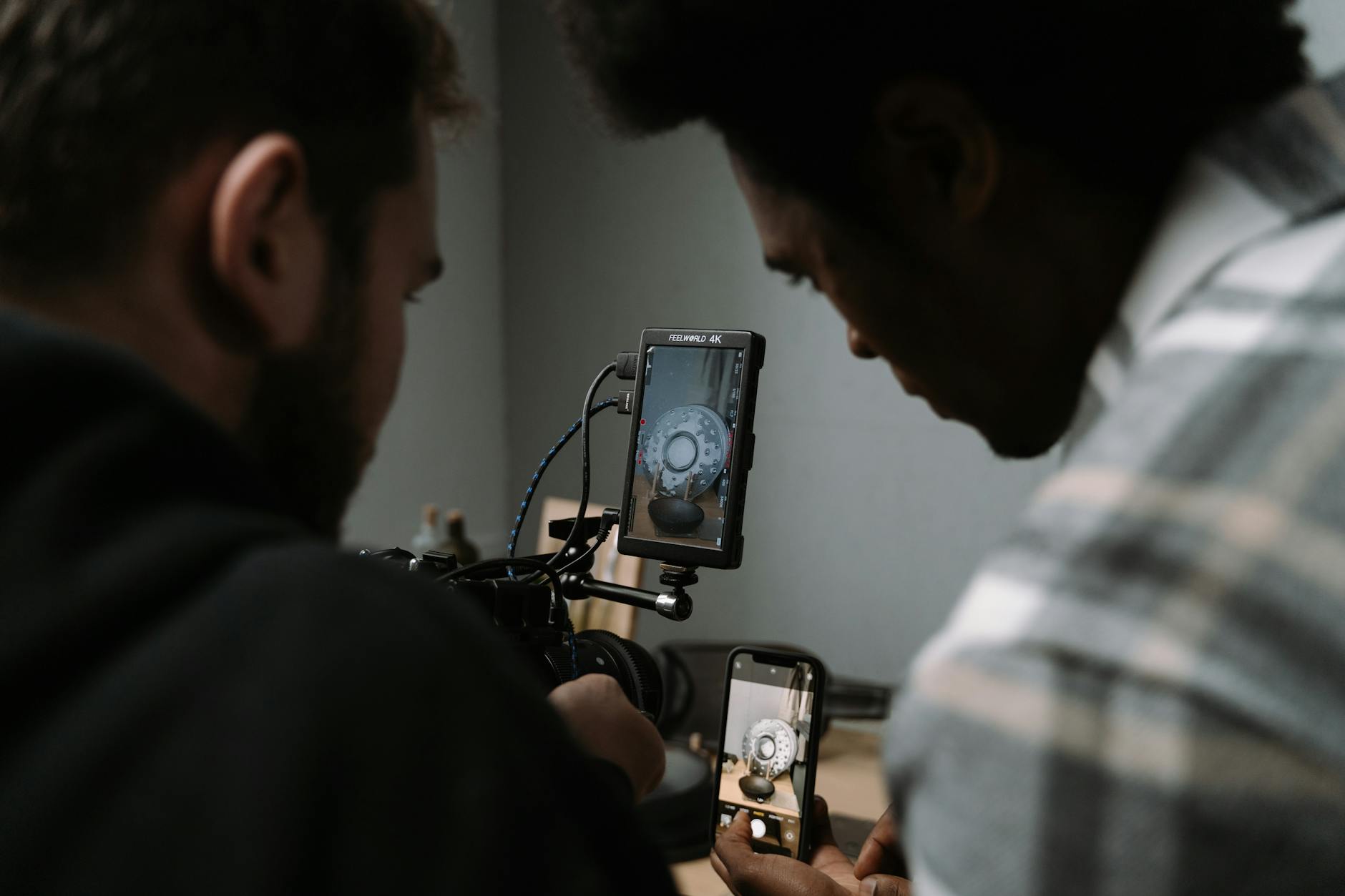
Complementing cameras and encoders are robust editing tools that enable real-time content management, including transitions, overlays, and graphics. Technologies such as switchers and real-time graphics generators enhance production quality, providing branding consistency and visual appeal.
Stable internet connectivity remains the backbone of any successful live broadcast. Dedicated fiber optic lines or bonded internet solutions combine multiple sources to ensure uninterrupted streaming, even in high-traffic or challenging network conditions. Backup internet options, such as cellular data hotspots, are often integrated to mitigate disruptions caused by connectivity issues.
Additional Essential Technologies
- Audio equipment—including microphones, mixers, and wireless transmitters—ensures clear sound quality, which is vital for audience engagement.
- Lighting setups improve visibility and overall visual clarity, especially in indoor or low-light environments.
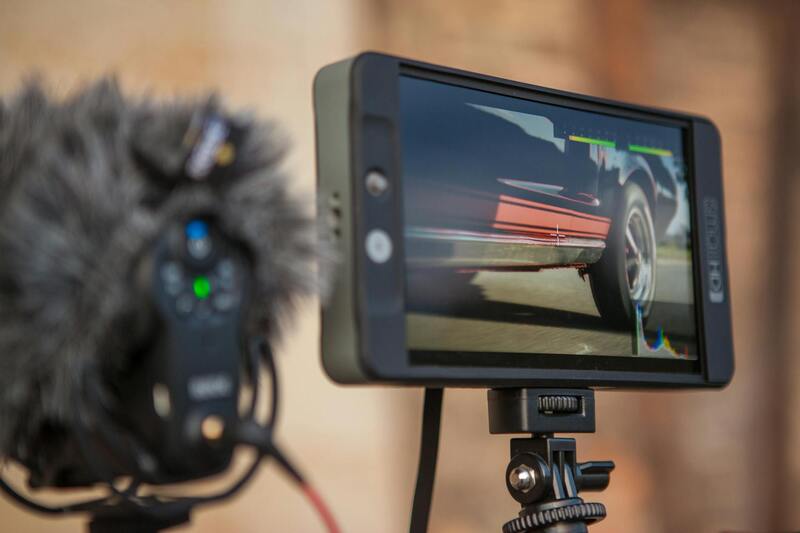
- Monitoring tools allow producers to oversee the live feed in real-time, promptly addressing any technical issues that arise during the broadcast.
Employing the right combination of professional-grade equipment and software maximizes viewer satisfaction and guarantees a polished, professional live streaming experience in Miami, whether for corporate events, concerts, product launches, or conferences.
Legal and Licensing Considerations
Executing a successful live broadcast in Miami requires a thorough understanding of various legal and licensing requirements to ensure content distribution aligns with local regulations and industry standards. Securing the appropriate permissions is essential, especially when broadcasting copyrighted material, such as music, video clips, or proprietary visuals. This involves obtaining licenses from rights holders or utilizing content that is licensed for public dissemination. Furthermore, compliance with intellectual property laws helps prevent disputes and potential shutdowns during a broadcast. Clearances must be obtained for any third-party content included in the live stream, whether it’s background music, branded visuals, or proprietary footage. In addition to content-specific permissions, event organizers should verify that all venue-related licenses are in order. This includes permits for public gatherings, sound amplification, and any special permissions required for media coverage. Miami’s local ordinances may have specific statutes governing live events and broadcasting activities, which must be adhered to. Implementing comprehensive legal and licensing strategies mitigates risks associated with unexpected interruptions or liabilities during broadcasts. Engaging experienced legal advisors or compliance specialists ensures that all necessary documentation is in place before going live, contributing to a seamless and professional viewing experience. By proactively managing these considerations, organizers safeguard their broadcast integrity and uphold industry standards, allowing audiences to enjoy content confidently and without interruption.
Legal and Licensing Considerations in Live Broadcasting
When executing live broadcasts, adherence to proper legal and licensing protocols is essential to ensure a smooth transmission without interruptions or legal complications. This involves acquiring necessary permissions for the content shared during the broadcast, particularly when using copyrighted materials such as music, videos, or proprietary visuals. Securing licenses from rights holders guarantees that the content is broadcasted within authorized boundaries, maintaining operational integrity and respecting intellectual property rights.
All third-party content integrated into the live stream must be appropriately cleared through licensing agreements or usage rights. This includes background music, branded visuals, and proprietary footage. Failure to secure these rights can result in content being muted, blocked, or even taken down, which disrupts the viewing experience and could cause reputational damage.
In addition to content permissions, event organizers must ensure compliance with local regulations related to public gatherings and media coverage. This encompasses securing permits for outdoor events, sound amplification, and any special permissions needed for media participation. Miami’s city ordinances may specify certain requirements for live event broadcasting, which must be thoroughly reviewed and adhered to. These regulations help streamline operations and mitigate unforeseen issues during a broadcast.
Proactive planning in legal and licensing matters involves engaging legal professionals or compliance specialists familiar with Miami’s broadcasting landscape. They can assist in obtaining all necessary documentation, including licenses, permits, and clearances well before the event date. This advance preparation minimizes the risk of last-minute complications that could hinder the live broadcast and ensures that the event maintains its professional standard.
Proper management of legal considerations also includes safeguarding the rights of participants and audience members. Confidentiality agreements, consent forms, and terms of service should be incorporated where applicable to protect all involved parties' interests. Transparent communication regarding content rights and licensing helps foster trust and encourages audience engagement.
In summary, meticulous attention to legal and licensing obligations is fundamental in delivering professional live broadcasts. By securing licenses, permits, and clearances ahead of time, organizers can focus on the creative and technical aspects of the event, confident that their broadcast aligns with industry standards and regional regulations. The deployment of experienced legal advisors and compliance teams plays a key role in maintaining the integrity and success of Miami-based live broadcasting efforts.