
Overview of Live Streaming Video Services
Live streaming video services have become an essential component of modern digital communication, providing an efficient way for businesses, content creators, and organizations to broadcast events, presentations, and interactions in real-time across the globe. These services enable real-time engagement with audiences, allowing for immediate feedback, interactive participation, and increased reach. In Miami, a vibrant hub for entertainment, business, and cultural events, the demand for robust live streaming solutions continues to rise, emphasizing their significance in contemporary media strategies.
Essentially, live streaming involves the transmission of live video footage over the internet, using specialized platforms and technologies. This allows viewers to access content instantly via computers, smartphones, or other connected devices. Unlike traditional broadcasting methods, live streaming offers flexible, scalable, and cost-effective distribution channels tailored to various needs. For instance, corporate webinars, product launches, and behind-the-scenes tours all benefit from live streaming capabilities.

The importance of live streaming services for Miami-based entities is underscored by the city's diverse media landscape. From retail and hospitality to entertainment and professional services, these platforms facilitate seamless communication and marketing efforts. Major features typically include high-quality video delivery, customizable interfaces, multi-platform compatibility, and interactive tools such as chat functions or polling options.
Different types of live streaming services cater to distinct needs:
- Enterprise-level platforms: Suitable for large-scale broadcasts with extensive viewer engagement, offering robust security and analytics.
- Social media integrations: Easily broadcast directly to popular platforms like Facebook Live, YouTube Live, and Instagram, maximizing exposure.
- niche service providers: Focus on specific industries such as fitness, education, or faith-based organizations, providing tailored features.
As Miami continues to grow as a dynamic center for media innovation, the reliance on efficient and professional live streaming services is set to increase, making them indispensable tools in digital marketing and communication strategies.
Technical Considerations and Setup
Implementing a seamless live streaming experience necessitates careful attention to technical infrastructure. The backbone of successful broadcasts relies on a combination of reliable hardware, robust internet connections, and optimized software configurations. Ensuring high bandwidth capacity is crucial, especially during peak viewer times, to prevent buffering and lag that can impair audience engagement.
Professional-grade cameras and microphones are fundamental for capturing clear, high-resolution visuals and crisp audio. Many Miami content creators and businesses opt for cameras with 4K capabilities combined with external audio sources to enhance production value. Additionally, encoders—either hardware-based or software solutions—convert raw audio/video feeds into streaming-ready formats, serving as pivotal components in the streaming pipeline.

Network stability forms the core of uninterrupted streaming. Setting up a dedicated high-speed internet connection, preferably wired Ethernet, minimizes latency and packet loss. It is also advisable to perform routine speed tests and establish backup internet options, such as secondary broadband connections or cellular data, to mitigate potential disruptions.
Software platforms used for live streaming should offer advanced configuration options—allowing customization of stream quality, bitrate, and encoding parameters. Integrating streaming software with social media accounts and content management systems streamlines broadcast scheduling and coordination for Miami-based producers.
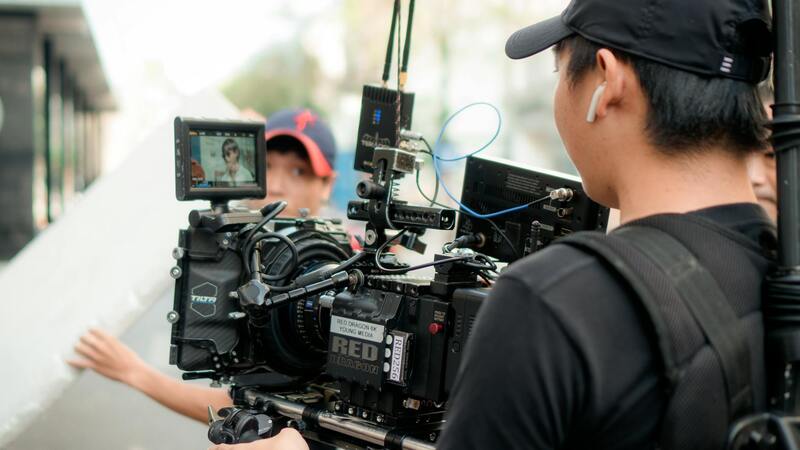
Post-setup, pre-broadcast testing is essential to ensure all components work cohesively. Running test streams to gauge video quality, audio clarity, and platform performance helps identify and rectify potential issues. Maintaining up-to-date firmware for hardware devices and regularly updating streaming software enhances overall system stability and security.
Effective technical setup not only guarantees high-quality content delivery but also reinforces the professional image of Miami organizations leveraging live streaming services. Careful planning and investment in appropriate technology are indispensable for producing broadcasts that resonate with audiences and meet business objectives.
Legal and Compliance Aspects
Implementing live streaming video services requires adherence to a range of procedures that safeguard content rights and maintain operational standards. Ensuring the use of authorized content is critical; this involves obtaining appropriate licenses for copyrighted material such as music, video clips, and visual assets integrated into broadcasts. Many live streaming platforms offer tools that verify content rights, assisting producers in complying with intellectual property laws.
Furthermore, establishing clear copyright policies within the organization helps prevent unauthorized content sharing. Content moderation systems integrated into streaming platforms assist in real-time supervision, enabling prompt removal of infringing material during broadcasts.

Data privacy and user information security are also paramount. When streaming platforms collect viewer data, especially through interactive features or registration processes, it is essential to implement strict protocols for data handling. Compliance with applicable data protection regulations ensures the security of both content creators and audiences, fostering trust and reliability.
Operational transparency can be maintained by providing viewers with detailed terms of service and privacy policies. Disclosures about data usage, advertisement placements, and content moderation practices help in building an honest relationship with the audience.

In addition, organizers should be aware of regional broadcasting regulations and adhere to local guidelines pertaining to public content dissemination. Compliance checklists and audits conducted periodically serve to identify and address any existing gaps in the streaming process.
Overall, the integration of robust licensing strategies, comprehensive privacy policies, and adherence to regional regulations facilitates successful, responsible live streaming operations. This rigorous approach ensures the integrity and professionalism of live broadcasts delivered by Miami-based professionals using industry-standard methods.
Technical Considerations and Setup
Implementing a successful live streaming session requires careful attention to technical infrastructure and configuration. High-quality video and audio delivery heavily depend on robust internet connectivity, which should ideally offer symmetrical bandwidth to handle the real-time data transfer without lags or interruptions. Bandwidth fluctuations can significantly impact viewer experience, so Miami production agencies must evaluate their internet service providers and consider dedicated lines or fiber optic connections to ensure stability during broadcasts.
Equipment selection plays a crucial role in achieving professional-grade streaming content. This includes high-resolution cameras capable of capturing detailed visuals, professional-grade microphones for clear audio, and video switchers or mixers that enable smooth transitions between camera angles or media sources. The use of encoders—hardware or software—is vital for compressing and transmitting the live feed efficiently, especially when streaming to multiple platforms simultaneously.

Moreover, local testing of the entire setup prior to going live can prevent technical issues that may arise unexpectedly during a broadcast. Signal latency, synchronization errors, or audio-video sync issues can detract from the audience’s viewing experience, so thorough pre-broadcast checks, including bitrate adjustments and audio mixing, are essential.
Streaming software—such as OBS Studio, Wirecast, or vMix—should be configured to handle the production workflow efficiently. These tools allow for integrating multiple video feeds, overlaying graphics, adding lower thirds, and managing transitions seamlessly. Ensuring compatibility between hardware and software, along with real-time monitoring tools, helps maintain the broadcast quality throughout the live session.
Legal and Compliance Aspects
Maintaining compliance with regional broadcasting laws and content rights is fundamental for Miami-based live streaming projects. Agencies must stay informed about regional regulations governing public broadcasting, advertising disclosures, and content restrictions. Compliance involves obtaining necessary permits, verifying copyright ownership of all media used, and adhering to guidelines for sensitive or restricted topics.
Incorporation of content moderation policies for live interactions helps prevent sharing of inappropriate material, protecting the organization’s reputation and ensuring adherence to community standards. Regular audits and content reviews before and during live segments mitigate the risk of unintended violations.

Additionally, agencies should implement internal protocols for data protection, especially when viewers engage through interactive features or register for exclusive content. Secure data handling practices and transparent user agreements foster viewer trust and avoid conflicts related to data misuse.
Integrating Live Streaming into Marketing Strategies
For Miami agencies, live streaming serves as a dynamic tool to enhance brand exposure and audience engagement. Strategic integration includes promoting upcoming streams through social media channels, email campaigns, and cross-platform advertising to maximize reach. Embedding live streams on websites can improve dwell time and provide seamless access, while scheduled broadcasts create anticipation and community involvement.
Creative content ideas—such as behind-the-scenes footage, live Q&A sessions, or product launches—encourage viewer participation and foster brand loyalty. Leveraging analytics data gathered during live sessions helps tailor future content to audience preferences, increasing overall engagement metrics.
Additionally, utilizing targeted advertising during streams and integrating e-commerce options within the live environment can drive conversions directly. Collaborations with influencers or local personalities amplify the stream's visibility, tapping into established audiences within Miami’s vibrant media landscape.
Overall, aligning live streaming efforts with broader marketing initiatives results in a more connected and responsive brand presence. Effective planning and execution turn real-time broadcasting into a powerful avenue for storytelling, customer interaction, and business growth.
Legal and Compliance Aspects of Live Streaming Video Services
Engaging with live streaming platforms necessitates diligent attention to various legal and compliance considerations to ensure a smooth and risk-free broadcasting experience. These considerations encompass content rights, user privacy, intellectual property, and adherence to platform policies.
Content rights management is paramount when live streaming. Agencies must confirm that all visual and audio elements, including music, clips, or any third-party content, are properly licensed or authorized for public broadcast. Unauthorized use of copyrighted material can lead to takedown notices, legal disputes, and damage to reputation.
Respecting user privacy involves obtaining explicit consent from participants when their likeness, voice, or personal data are captured during live sessions. Implementing clear disclaimers and privacy notices aligns with data protection standards and fosters viewer trust. This includes compliance with regional privacy laws, such as the General Data Protection Regulation (GDPR) or other relevant legislation.
Adherence to platform-specific policies is crucial. Many live streaming services have guidelines regarding permissible content, copyright restrictions, and community standards. Violating these policies can result in stream suspension or account termination, disrupting ongoing marketing efforts.
It is also essential to monitor and moderate live chat interactions to prevent inappropriate content or spam, which could jeopardize the professionalism and reputation of the broadcast. Employing moderation tools or dedicated personnel helps maintain a respectful and focused environment.

Incorporating these legal considerations into the planning and execution phases of live streaming campaigns ensures not only compliance but also enhances the credibility and reliability of the streaming services used by Miami agencies. Staying informed about evolving regulations and platform policies is critical in maintaining a compliant and effective broadcasting operation.
Technical Considerations and Setup for Live Streaming Video Services
Establishing a high-quality live streaming broadcast demands an understanding of the essential technical components and meticulous setup procedures. Ensuring seamless streaming starts with a reliable internet connection, ideally a dedicated high-bandwidth connection that can handle the data load without fluctuations or interruptions. This minimizes latency, buffering, and unintentional interruptions, which are detrimental to viewer experience.
Investing in professional-grade audiovisual equipment is paramount. High-definition cameras with adjustable settings, combined with high-quality microphones, capture clear visuals and crisp audio, which are crucial for maintaining viewer engagement. Additionally, auxiliary equipment such as stabilization rigs, proper lighting, and audio mixers can significantly enhance production quality.
Choosing the right encoding software or hardware encoder is another critical factor. These tools facilitate the conversion of raw video signals into a digital format suitable for streaming. Compatibility with various platforms and scalability for different broadcast sizes should influence the selection process.
Content delivery networks (CDNs) form the backbone of effective live broadcasting. Partnering with a CDN that offers extensive global reach and redundancy ensures consistent stream delivery, especially when targeting diverse or large audiences.
Implementing a robust content management system enables the scheduling, monitoring, and moderation of live sessions. This includes tools for real-time analytics, stream quality monitoring, and emergency fallback procedures should technical issues arise.
Furthermore, comprehensive test runs prior to going live help identify potential issues—be it codec incompatibilities, audio sync errors, or bandwidth constraints. These pre-broadcast checks allow teams to troubleshoot and optimize settings, ensuring a smooth live event.

Technical Considerations and Setup
Implementing a successful live streaming video service requires meticulous planning and technical precision. The foundation of a seamless broadcast starts with selecting the right hardware and software components that align with the broadcast’s scale and complexity. High-definition cameras, professional audio equipment, and reliable encoders are essential to capture and transmit high-quality content. Modern encoders often support multiple streaming protocols, facilitating compatibility across various platforms and devices.

The choice of streaming software, whether dedicated hardware or software-based solutions, should allow for real-time scene switching, overlays, and audio mixing. These capabilities enhance the production value and viewer engagement. Hand-in-hand with equipment choices, a robust internet connection is paramount. A dedicated, high-bandwidth connection minimizes latency and ensures uninterrupted streams, even during peak viewership.
Content Delivery Networks (CDNs) play a vital role in distributing live streams efficiently across diverse geographic regions. Selecting a CDN with comprehensive global coverage and scalability ensures that viewers experience minimal buffering and high-quality playback regardless of their location. Redundant internet connections, backup power supplies, and real-time monitoring tools add layers of reliability and facilitate rapid issue resolution.
Before going live, comprehensive testing proves indispensable. Conducting trial runs helps identify potential problems such as codec incompatibilities, audio-visual sync issues, or bandwidth limitations. These pre-event audits allow technical teams to adjust settings, optimize streams, and prepare contingency plans for unforeseen issues.
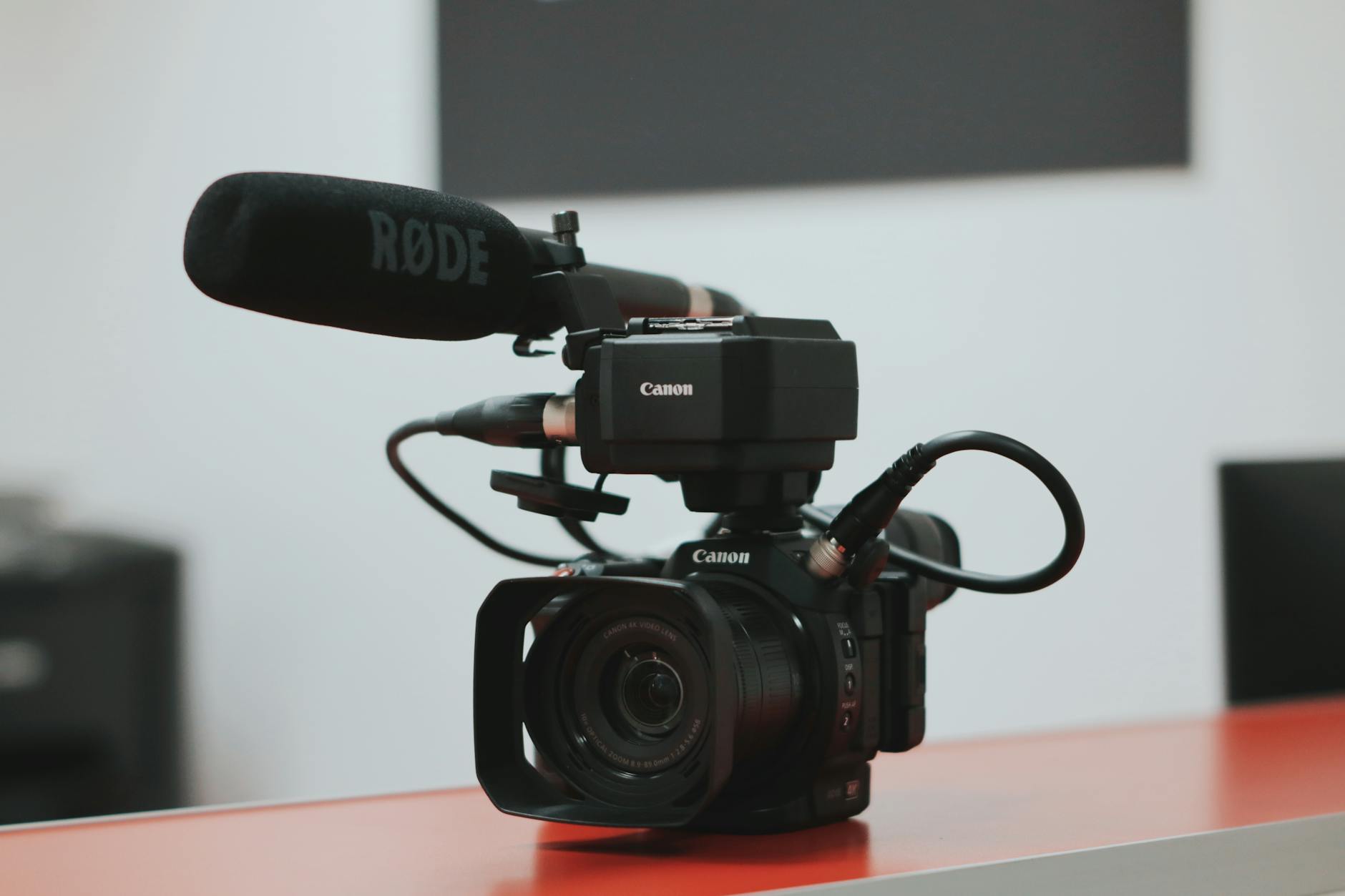
Effective management also involves real-time monitoring of stream quality, viewer counts, and engagement metrics. This data enables quick responses to technical glitches or viewer concerns, maintaining a professional broadcast environment.
Additional Technical Tips for Miami Production Agencies
- Utilize hardware with redundancy features to prevent single points of failure.
- Employ adaptive bitrate streaming to accommodate varying internet speeds on viewer devices.
- Implement encryption protocols such as HTTPS or RTMPS to secure broadcast content and protect viewer data.
- Maintain detailed documentation of technical procedures and backup configurations to streamline troubleshooting.
- Schedule and execute dry runs for multi-camera setups, special effects, and live graphics integration.
Technical Considerations and Setup for Live Streaming Video Services
Implementing professional-grade live streaming solutions requires meticulous attention to technical details that ensure a seamless broadcast experience. Investing in high-quality hardware, such as professional encoders, can significantly improve stream stability and video quality. These encoders facilitate efficient compression and transmission of live footage, reducing latency and enhancing viewer engagement.
Opting for reliable internet connections is paramount. Miami production agencies often utilize multiple ISPs with load balancing and failover mechanisms to prevent disruptions caused by network outages. Prioritizing symmetrical bandwidth ensures optimal upload speeds, critical for high-definition streams. Additionally, employing Content Delivery Networks (CDNs) can distribute the stream efficiently across geographic locations, reducing buffering and latency for viewers everywhere.
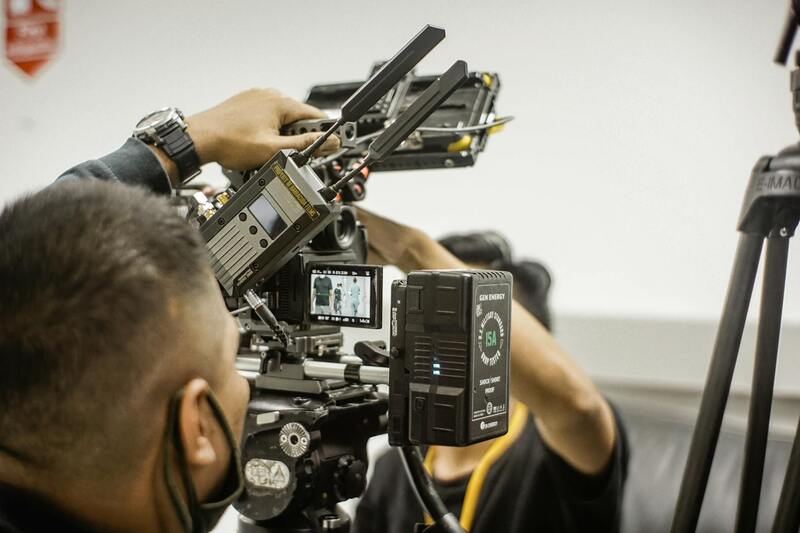
Technical configurations should include adaptive bitrate streaming, which automatically adjusts video quality based on viewers' internet speeds. This flexibility maintains a smooth viewing experience even during bandwidth fluctuations. Encryption protocols, such as HTTPS or RTMPS, must be implemented to secure streams and protect sensitive content from interception.
Preparing for potential issues involves detailed pre-broadcast testing. Running dry runs with all equipment, including multi-camera setups and live graphics, helps identify flaws. These tests should simulate actual viewing conditions, test synchronization between audio and video, and evaluate the performance of embedded graphics or special effects. Proper backup systems, including secondary encoders and power supplies, are essential to maintain stream continuity during technical failures.
Real-time monitoring tools provide live feedback on stream health, viewer engagement, and technical anomalies. Displaying metrics such as bit rate, frame rate, and buffer status helps technicians respond swiftly to issues. Implementing redundancy at every stage—hardware, internet connection, and power—ensures that minor issues do not escalate into major disruptions.
Implementing Best Practices for Live Streaming Setup
- Establish a detailed technical checklist covering equipment calibration, network testing, and security protocols.
- Use hardware with failover capabilities to prevent single points of failure during broadcasts.
- Optimize encoding settings for the desired resolution and bitrate to balance quality and bandwidth consumption.
- Employ closed captioning and audio descriptions to enhance accessibility for broader audiences.
- Set up real-time analytics dashboards to monitor stream performance continuously.
Successful live streaming is as much about preparation as it is about execution. Clear communication channels among technical teams, regular maintenance of equipment, and comprehensive contingency planning significantly reduce the risk of technical disruptions. By adhering to these best practices, Miami agencies can deliver consistent, high-standard live content that meets audience expectations and maximizes engagement.