Overview of Live Streaming Video Services
Live streaming video companies have revolutionized the way individuals and organizations broadcast real-time content across digital platforms. These service providers specialize in transmitting live video feeds to audiences via the internet, enabling seamless interaction and instant viewing. Their role extends to a broad spectrum of applications, including corporate events, entertainment festivals, sporting tournaments, educational seminars, religious gatherings, and more. With advancements in digital technology, live streaming services have become a vital component for engaging audiences who seek immediate access to events, regardless of their geographic location.
At their core, live streaming video companies offer a comprehensive suite of solutions that encompass content capture, encoding, transmission, and distribution. They ensure high-quality video delivery through robust infrastructure, sophisticated encoding hardware, and reliable content delivery networks (CDNs). Whether it's a small business hosting a product launch or a major sports league broadcasting a championship game, these providers tailor their services to meet diverse needs, emphasizing clarity, latency reduction, and audience engagement.
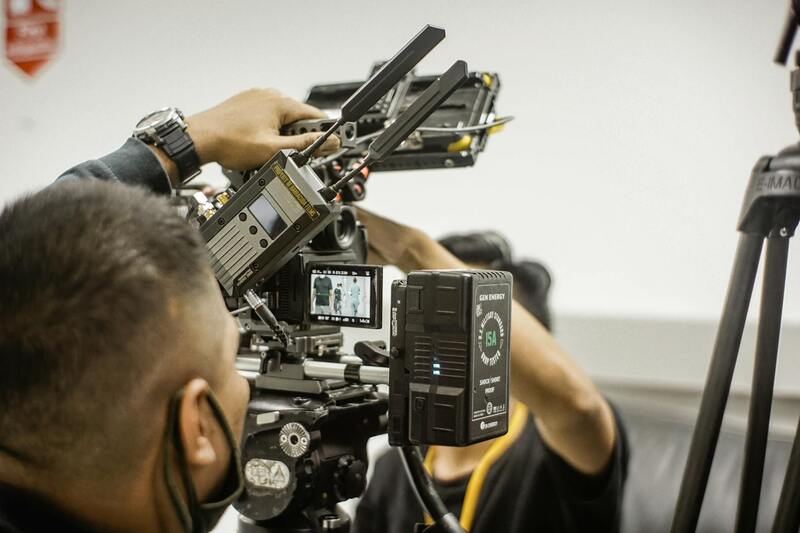
The integration of advanced streaming technologies enables real-time interaction, overlays, multi-camera feeds, and concurrent viewing options. As technology evolves, so does the capacity of live streaming companies to deliver more immersive and reliable viewing experiences. They often incorporate multi-platform distribution, allowing content to reach audiences on social media, dedicated apps, and websites simultaneously. In essence, live streaming video companies serve as the backbone of modern digital broadcasting, providing the infrastructure necessary for rapid, uninterrupted, and high-quality transmission of live events.
Key Features of Professional Live Streaming Providers
- High-Definition Video Quality: Ensuring sharp, clear visuals suitable for professional broadcasting.
- Low Latency: Minimizing delay for real-time interactions and dynamic content updates.
- Multi-Platform Compatibility: Distributing streams over various social networks and websites seamlessly.
- Scalable Infrastructure: Supporting anything from small meetings to large-scale events with thousands of viewers.
- Technical Support and Monitoring: Providing real-time troubleshooting and ensuring consistent performance.
- Security Measures: Protecting content with encryption and access controls to prevent unauthorized viewing.
Types of Events and Applications
Live streaming services cater to a wide range of events, each with unique requirements:
- Corporate Meetings and Conferences
- Concerts and Live Music Festivals
- Sports and Athletic Events
- Educational Seminars and Workshops
- Religious Services
- Product Launches and Promotions
- Press Conferences and Media Events
The versatility of these companies allows organizations to extend their reach, boost engagement, and deliver content that resonates with broader audiences.
Technologies and Equipment Used
Professional live streaming combines sophisticated hardware and software to achieve optimal results:
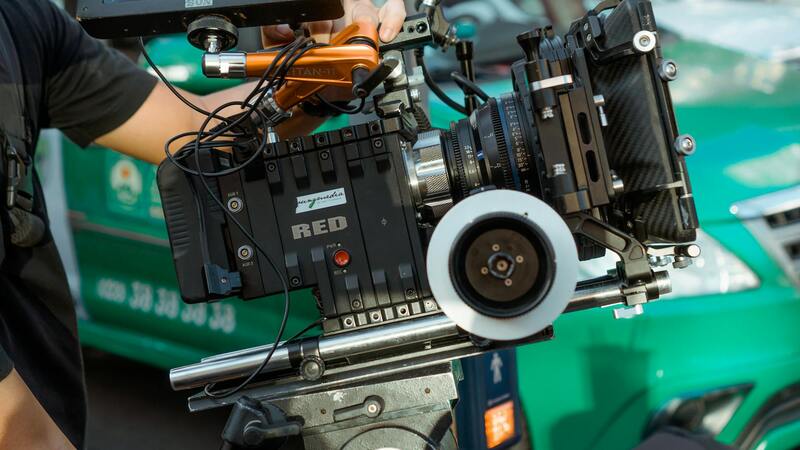
- Cameras: Multiple high-definition cameras with pan-tilt-zoom capabilities to capture dynamic angles.
- Encoding Hardware and Software: Equipment for compressing and transmitting video streams efficiently.
- Audio Systems: High-fidelity microphones and mixers to ensure clear sound quality.
- Streaming Platforms and CDNs: Infrastructure that distributes content reliably across a global network.
- Communication Tools: Intercoms, chat systems, and remote control interfaces for seamless coordination.
Choosing a Live Streaming Company in Miami
When selecting a live streaming service provider in Miami, it’s essential to evaluate their experience, technology, and ability to customize solutions. Local providers often bring invaluable regional knowledge and understanding of specific audience preferences. They also tend to offer faster on-site support, equipment setup, and troubleshooting during live events. Essential criteria include a proven track record of successful projects, a comprehensive service package, transparent pricing, and client references. Additionally, ensuring the provider’s capacity to handle the scale and technical demands of your event is crucial for a smooth broadcasting experience.
Key Features of Professional Live Streaming Providers
Opting for a reputable live streaming video company entails access to a suite of advanced features designed to enhance broadcast quality and viewer engagement. Prioritizing providers that incorporate these core features ensures your event's digital presence is both compelling and reliable.
- High-Definition Video Quality: The cornerstone of professional streaming, HD broadcasts ensure crisp visuals that captivate audiences and convey your message effectively. Providers should support 1080p or higher resolutions, delivering sharp and immersive content.
- Multi-Camera Setups: Utilizing multiple cameras allows dynamic shot selection, covering various angles to maintain viewer interest. Key for live concerts, sports, corporate events, and performances, multi-camera arrangements are managed seamlessly through professional switching and control systems.
- On-Site Production Capabilities: Successful live streams often depend on real-time editing, graphic overlay integration, and video switching. Full-service providers employ experienced on-site production teams equipped with professional hardware to execute these tasks smoothly.
- Real-Time Graphics and Overlays: Incorporating branded graphics, lower thirds, scoreboards, or live annotations enhances informational clarity and aesthetic appeal. These dynamic overlays are synchronized with the stream to ensure relevance and visual consistency.
- Content Delivery Network (CDN) Integration: To ensure low latency and reliable distribution, providers partner with established CDNs. This infrastructure allows scalable streaming solutions capable of supporting varying audience sizes without degradation of quality.
- Interactive Viewer Features: Live chat integration, polling, and Q&A functionalities foster audience interaction, making the event more engaging and participatory. These features often require robust software platforms that seamlessly connect with the broadcast stream.
- Backup and Redundancy Systems: To guarantee uninterrupted streams, providers deploy multiple layers of redundancy, including backup encoders, internet connections, and failover protocols, ensuring resilience against technical glitches.
Employing these features allows professional live streaming services to deliver seamless, high-quality content that aligns with your event’s objectives, providing a polished presentation that maintains audience attention and builds brand credibility.
Overview of Live Streaming Video Services
Live streaming video services have revolutionized the way organizations and content creators reach their audiences in real-time. These services encompass a broad spectrum of capabilities, from basic streaming solutions to highly sophisticated broadcasts equipped with advanced production features. Modern live streaming providers utilize cutting-edge technology to deliver high-quality, reliable streams that are accessible across various devices, ensuring viewers experience minimal latency and uninterrupted content delivery. Whether broadcasting a corporate town hall, a major sporting event, or a music concert, these services cater to diverse needs with flexible solutions tailored for different scales and complexities.
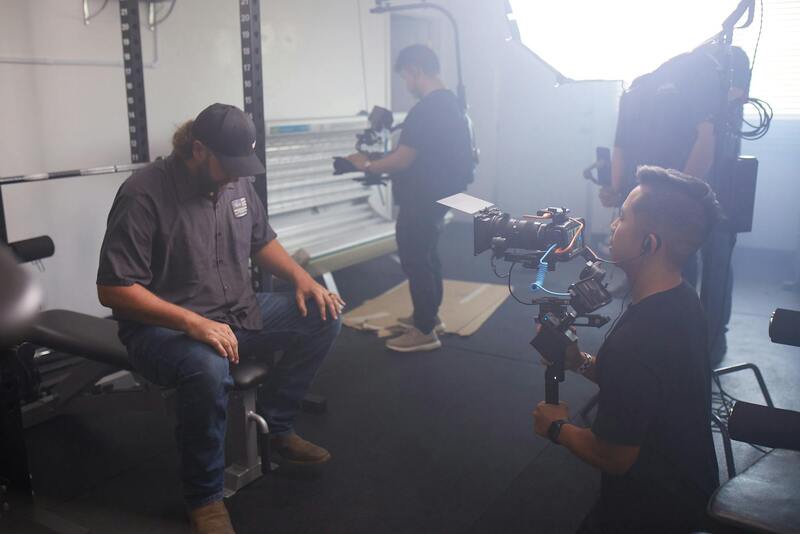
Providers often integrate a combination of hardware and software that guarantees professional-grade output. This includes high-definition cameras, encoder systems, and network optimization tools. The backbone of these services is built upon powerful Content Delivery Networks (CDNs) that distribute the streaming content efficiently across vast audiences while maintaining high quality and low latency. Through these systems, live events can reach thousands of viewers simultaneously without experiencing interruptions or quality degradation. Additionally, customizable features such as branding overlays, interactive chat modules, and viewer analytics further enhance the viewer experience and offer valuable insights for content organizers.
Key Features of Professional Live Streaming Providers
To ensure a polished and engaging broadcast, leading live streaming providers in Miami incorporate several advanced features:
- High-Quality Video and Audio: Utilization of professional-grade cameras and audio equipment guarantees crisp visuals and clear sound, regardless of the event size.
- Real-Time Graphics and Overlays: Incorporating branded graphics, real-time score updates, lower thirds, and annotations enhances clarity and visual appeal, keeping viewers engaged.
- Content Delivery Network (CDN) Integration: Partnering with established CDNs ensures scalable and reliable streaming, crucial for events with large or fluctuating audiences.
- Interactive Viewer Engagement: Features such as live chat, polls, and Q&A foster audience participation, making virtual events more dynamic and interactive.
- Redundancy and Backup Systems: Multiple layers of backup, including duplicate encoders and internet connections, provide resilience against technical failures, ensuring continuous streaming even during unforeseen issues.
- Security Measures: Secure streaming protocols and access controls protect content from unauthorized distribution, preserving the integrity of exclusive events.
Types of Events and Applications
Live streaming services in Miami cater to a broad array of event types and organizational needs:
- Corporate Events: Product launches, company announcements, virtual conferences, and employee town halls are frequently streamed to reach remote staff and stakeholders.
- Concerts and Cultural Events: Performing arts organizations utilize professional streaming solutions to broadcast shows to a wider audience, expanding reach beyond physical venue capacity.
- Sports Events: From local tournaments to professional games, live streaming enables fans to follow their favorite teams and athletes in real time.
- Religious Services: Religious institutions utilize these services for sermons, ceremonies, and community outreach, especially in times when physical gatherings are limited.
- Webinars and Educational Sessions: Educational organizations and trainers conduct live virtual classes, workshops, and seminars with interactive features to engage participants effectively.
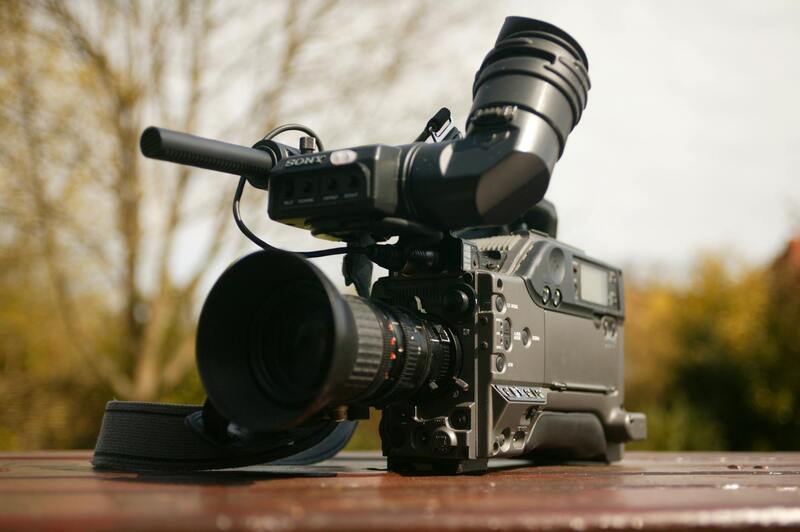
In each case, the selection of right technology and professional support ensures that the live event delivers its message with clarity, impact, and audience engagement. This versatility underscores the importance of partnering with experienced providers who understand the nuances of different event formats and technical requirements.
Technologies and Equipment Used
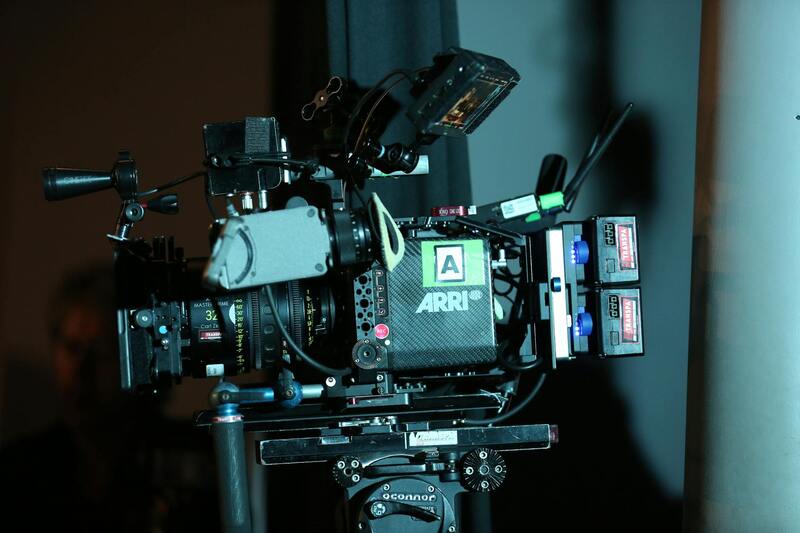
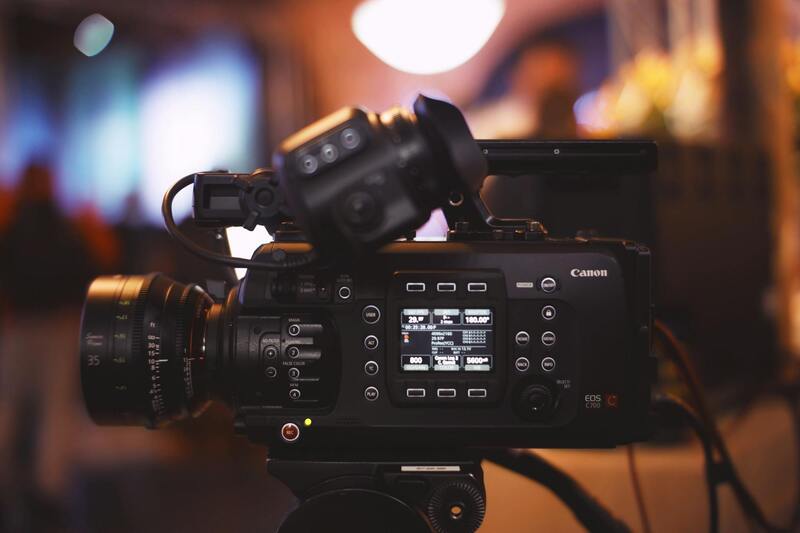
Leading live streaming video companies in Miami leverage cutting-edge technology to deliver high-quality broadcasts that meet the diverse needs of their clients. At the core of their offerings are advanced cameras capable of capturing crisp, detailed visuals, whether for a corporate conference or a live concert. These include 4K resolution cameras for superior image clarity and multiple camera angles to provide dynamic viewing experiences. Additionally, professional audio equipment, such as wireless microphones and mixers, ensures pristine sound quality that enhances viewer engagement.
To facilitate seamless streaming, companies utilize robust encoding hardware and software. Encoder devices convert raw audio and video signals into a digital format compatible with various streaming platforms, minimizing latency and buffering issues. Software solutions like Wirecast, vMix, and OBS Studio are commonly integrated into the production workflow, offering real-time editing, transitions, and overlays that add polish to the live broadcast.
Platform and hosting infrastructure form another crucial component. Reputable providers utilize cloud-based streaming platforms like Wowza, Vimeo Livestream, or Brightcove, which support scalable and secure delivery to audiences across the globe. These platforms offer redundancy and backup options, safeguarding the stream against interruptions. Similarly, content delivery networks (CDNs) are employed to optimize the distribution and accessibility of the broadcast, ensuring that viewers experience minimal latency regardless of their location.
Furthermore, professional live streaming companies invest in auxiliary equipment, such as high-quality lighting to enhance visual clarity, teleprompters for presenters, and portable streaming kits for on-the-go events. This comprehensive approach guarantees consistent performance, even in challenging environments, and accommodates a range of event sizes and complexities.
Technologies and Equipment Used
Professional live streaming companies employ a sophisticated array of technologies and equipment to deliver high-quality, reliable broadcasts that meet the diverse needs of their clients. Central to these efforts are advanced encoding hardware and software solutions that transform raw audio and video signals into a digital format optimized for streaming across various platforms.
Hardware encoders are designed to handle multiple video inputs simultaneously, ensuring smooth and consistent transmission. These devices are often utilized alongside software encoders such as Wirecast, vMix, and OBS Studio, which allow producers to perform real-time editing, incorporate dynamic overlays, and switch between different camera feeds with minimal latency. These tools provide the flexibility necessary to create engaging, professional presentations that captivate viewers.
Beyond the core encoding systems, the visual quality of a live broadcast hinges on high-end broadcasting equipment. This includes professional-grade cameras capable of capturing crisp, detailed footage in various lighting conditions, and high-fidelity microphones that ensure clear audio. Complementing this is efficient lighting gear that guarantees visual clarity and emphasizes key elements within the frame.
Broadcasting infrastructure also incorporates cloud-based platforms such as Wowza, Vimeo Livestream, and Brightcove. These platforms are engineered to support large-scale streaming, offering features like scalability, redundant servers, and failover options that maintain uninterrupted delivery. Content delivery networks (CDNs) further optimize the distribution process by caching content closer to viewers worldwide, significantly reducing latency and buffering.
To address the operational demands of live events, technical teams often deploy portable streaming kits. These include mobile encoders, battery backups, and auxiliary equipment such as teleprompters, lighting rigs, and additional monitors. This comprehensive setup ensures high-quality broadcasts even in remote or challenging locations, ultimately enhancing the viewer experience and enabling producers to adapt swiftly to unforeseen circumstances.
Overview of Live Streaming Video Services
Live streaming video services have become an integral component of modern digital communication, enabling real-time broadcasting of events to diverse audiences across the globe. These platforms and providers deliver seamless, high-definition streams that ensure viewers experience events as if they were physically present. The landscape of live streaming encompasses a broad spectrum of applications—from corporate conferences and sports tournaments to entertainment festivals and religious gatherings. As technological advancements continue to evolve, the capabilities of live streaming companies in Miami and beyond are expanding, offering innovative solutions that meet the growing demand for high-quality, reliable broadcasts.
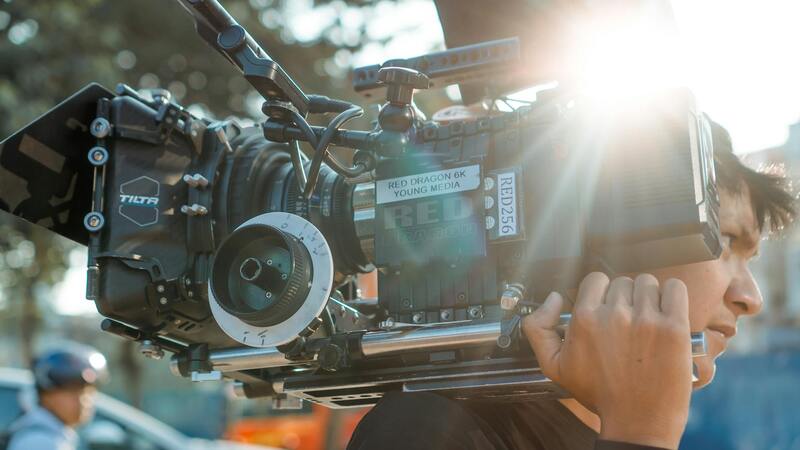
Essentially, professional live streaming involves a combination of sophisticated hardware, stable internet connectivity, and advanced software platforms. This synergy allows event organizers to reach a global audience without geographic barriers, delivering live video content with minimal latency and maximum clarity. The importance of choosing the right live streaming provider cannot be overstated, especially in a competitive market like Miami, where diverse event types and client expectations demand tailored solutions.
Key Features of Professional Live Streaming Providers
Leading companies in this sector showcase a variety of features that set them apart in delivering superior broadcast quality and reliability. These include:
- High-definition video output: support for 4K or multiple HD streams ensuring sharp visuals.
- Adaptive bitrate streaming: automatically adjusts video quality based on viewer internet speeds for uninterrupted viewing experiences.
- Multi-platform compatibility: broadcasting seamlessly across social media, websites, and proprietary apps.
- Interactive tools: real-time chat, polling, and Q&A functionalities for engaging live audiences.
- Redundant streaming infrastructure: load balancing and backup servers to prevent stream interruptions.
- Data analytics: detailed viewer insights for assessing engagement and content effectiveness.
Types of Events and Applications
Live streaming companies cater to a wide array of events, each with unique requirements and technical specifications:
- Corporate Conferences and Meetings: delivering presentations, panel discussions, and keynote speeches to remote attendees with professionalism and clarity.
- Live Concerts and Performances: providing high-fidelity audio and video to music fans and festival attendees worldwide.
- Sports Events: broadcasting games and competitions in real-time, often with multiple camera angles and instant replays.
- Religious Services and Community Events: enabling congregations and community groups to connect virtually and expand participation.
- Educational Workshops and Seminars: facilitating interactive learning environments with real-time engagement capabilities.
Technologies and Equipment Used
To achieve top-tier broadcast quality, live streaming companies deploy advanced technologies and equipment:
- Professional-grade cameras: capable of capturing high-resolution footage even in low-light conditions.
- Mixing consoles and switchers: allowing seamless transitions and overlays during live broadcasts.
- High-fidelity microphones and audio mixers: ensuring pristine audio quality.
- Lighting systems: designed to enhance visual clarity and highlight key elements on camera.
- Encoding hardware and software: converting live video signals into internet-friendly formats with minimal latency.
- Content delivery networks (CDNs): distributing streams efficiently across the globe while reducing buffering and load times.
- Portable streaming kits: mobile encoders and backup batteries for remote or outdoor locations.

Choosing a Live Streaming Company in Miami
Selecting the right live streaming partner in Miami involves evaluating several core aspects. Expertise in managing diverse event formats, understanding of regional logistics, and access to state-of-the-art technology are vital components. A reputable Miami-based provider typically offers consultation to identify specific client needs, customizes solutions accordingly, and provides comprehensive on-site and remote support during the event. To optimize the broadcast’s success, potential clients should consider their provider’s track record in handling similar events, their capacity for real-time troubleshooting, and the scalability of their streaming infrastructure. It’s crucial that the chosen company has proven experience in delivering seamless, high-quality transmissions, ensuring the message reaches the audience with clarity and impact.
Overview of Live Streaming Video Services
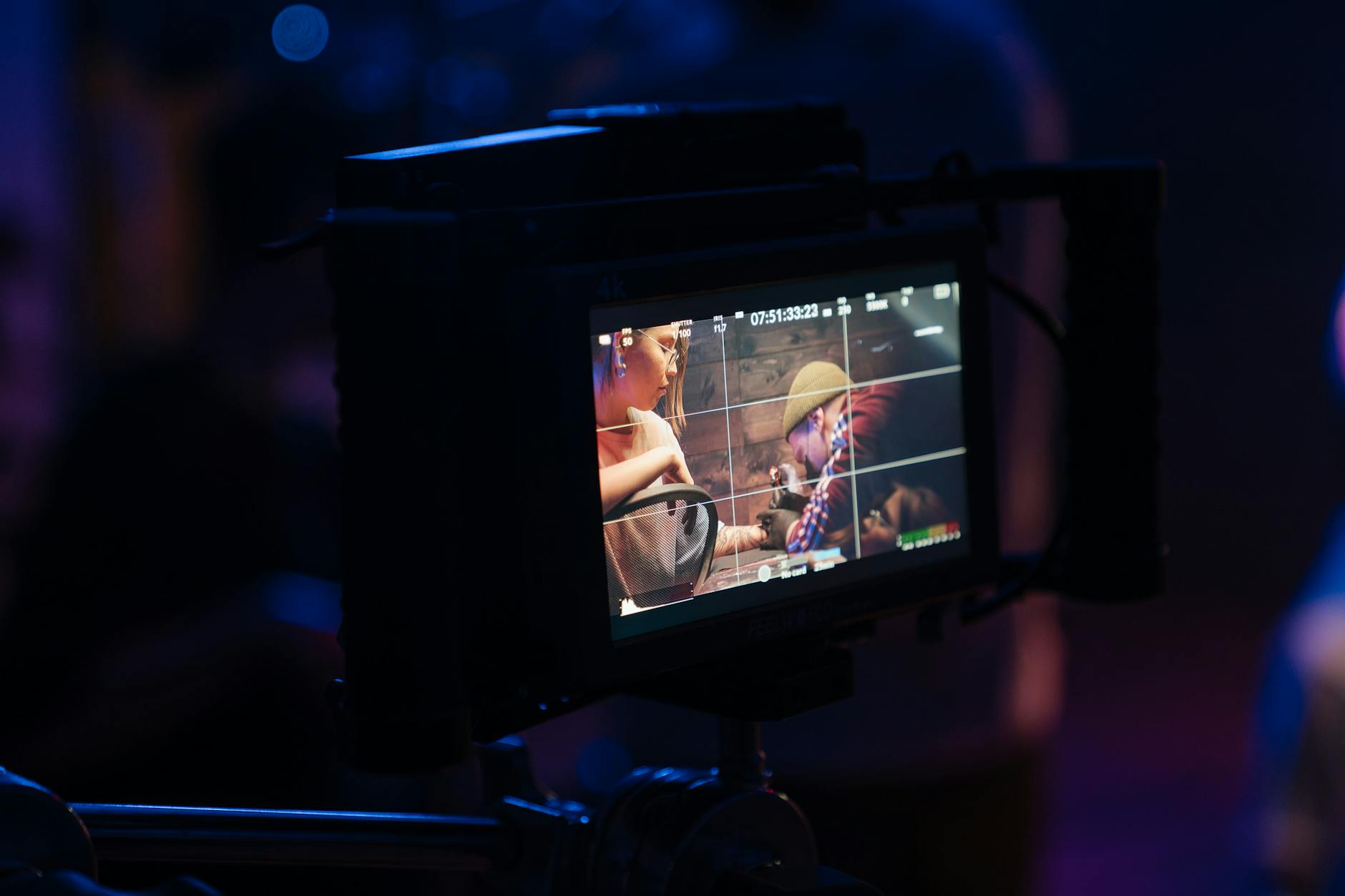
Live streaming video services have become an essential component for organizations, event organizers, and broadcasters seeking to reach wide audiences with real-time content delivery. These platforms enable seamless transmission of live video footage via the internet, providing viewers with instant access to events, presentations, and entertainment from any location. Reliable live streaming services are characterized by their ability to handle high viewer concurrency, ensure minimal latency, maintain video and audio quality, and adapt dynamically to fluctuations in internet bandwidth. They also offer scalable solutions suitable for small webinars, corporate conferences, sports events, music festivals, and large-scale public gatherings. Additionally, professional streaming providers often integrate features such as multi-camera switching, branded overlays, live chat interactions, and secure access controls, all designed to enhance viewer engagement and brand presence during live broadcasts.
Key Features of Professional Live Streaming Providers
Leading live streaming companies distinguish themselves through a suite of advanced features that elevate the quality and reliability of their broadcasts. These features include:
- Adaptive Bitrate Streaming: Ensures viewers receive the best possible quality based on their internet connection, minimizing buffering and lag.
- Multi-device Compatibility: Streams are accessible across desktops, tablets, smartphones, and smart TVs, providing flexibility for viewers.
- Integrated Content Management: Custom branding, overlays, countdown timers, and other visual elements are customizable to match client branding and event themes.
- Robust Content Delivery Network (CDN): Distributes content efficiently globally, reducing latency and buffering issues.
- Real-time Analytics: Provides detailed insights into viewer engagement, geographic distribution, and stream health during and after broadcasts.
- Technical Support and Redundancy: 24/7 on-site and remote support with backup systems ensures continuous streaming without interruptions, even in adverse conditions.
Types of Events and Applications
Live streaming applications extend across diverse event types and industries, including:
- Corporate Events: Product launches, shareholder meetings, panel discussions, and training sessions benefit from professional live streaming to reach stakeholders and employees.
- Entertainment and Performances: Concerts, theater productions, and award ceremonies attract virtual audiences worldwide, expanding their reach and engagement.
- Educational Events: Universities, schools, and training organizations stream lectures, workshops, and seminars for remote learners.
- Sports and Recreation: Live coverage of local and international sporting events captures the excitement for fans worldwide.
- Community and Public Events: Festivals, parades, and civic gatherings utilize broadcast solutions to maximize community involvement and visibility.
Technologies and Equipment Used
Delivering high-quality live streams requires sophisticated technology and specialized equipment, which include:
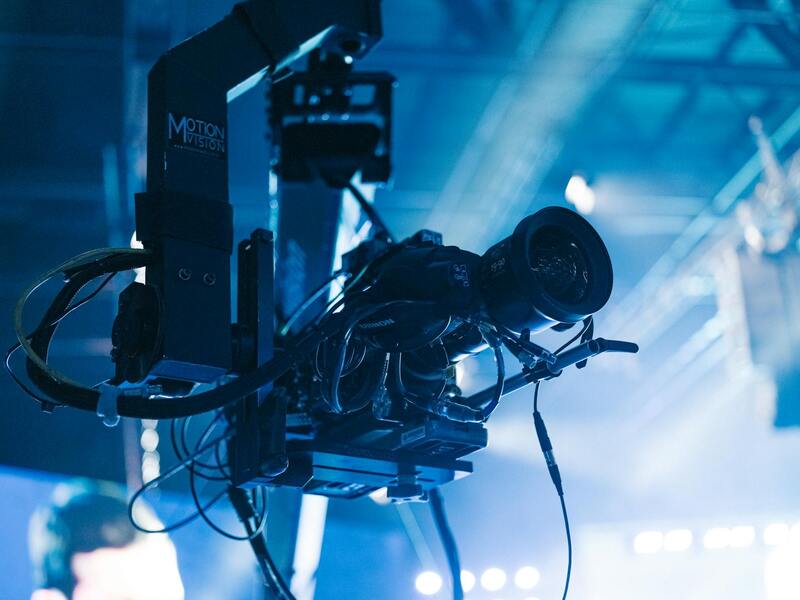
- High-Definition Cameras: Multiple HD or 4K cameras provide versatile angles and clear visuals for dynamic broadcasts.
- Professional Audio Equipment: High-fidelity microphones and audio mixers ensure pristine sound quality that matches the visual content.
- Lighting Systems: Proper lighting enhances visual clarity and highlights important elements on camera, creating a professional appearance.
- Encoding Hardware and Software: Devices and applications convert raw video signals into compressed streams suitable for internet transmission while keeping latency minimal.
- Mobile Streaming Kits: Portable encoders, batteries, and mounts support outdoor or remote event coverage, maintaining high quality outside the studio environment.
- Stable Internet Connectivity: Dedicated fiber-optic lines and backup connections prevent disruptions during live broadcasts.

Choosing a Live Streaming Company in Miami
Selecting an effective live streaming partner in Miami involves comprehensive consideration of technical capabilities, regional knowledge, and customer support. A professional provider should demonstrate a proven track record in managing diverse event formats, with customizable solutions tailored to specific audience sizes and broadcast requirements. It’s important to evaluate the provider’s infrastructure, including the quality of encoding hardware, CDN capacity, and on-site support teams. Additionally, understanding their experience in handling regional logistics—such as venue access, limited internet connectivity, and local regulations—can significantly influence the success of the event. A detailed consultation phase helps identify unique client needs, ensuring the chosen provider can deliver a seamless, high-quality streaming experience. Being able to troubleshoot in real-time, provide high-volume scalability, and deliver detailed analytics are further indicators of a dependable partner capable of managing complex live broadcast projects efficiently.
Overview of Live Streaming Video Services
Live streaming video services have transformed the way organizations, businesses, and content creators deliver real-time content to their audiences. These services encompass a broad range of solutions designed to transmit high-definition video across various devices and platforms, including desktops, smartphones, and connected TVs. The core objective of professional live streaming providers is to deliver uninterrupted, high-quality streams that engage viewers and provide interactive experiences, ensuring maximum reach and impact. As digital consumption continues to grow, the demand for reliable, scalable, and customizable live streaming platforms has increased exponentially, emphasizing the importance of choosing experienced providers capable of handling complex broadcast requirements with precision and professionalism.
Key Features of Professional Live Streaming Providers
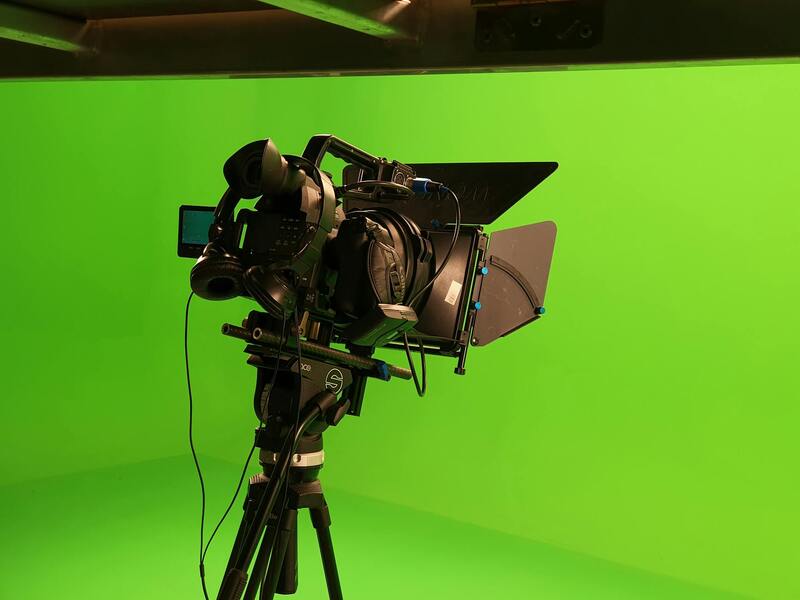
- High-Definition Video Quality: Professional providers utilize advanced encoding technologies to broadcast in HD, 4K, or higher resolutions, ensuring crisp visuals regardless of viewer device.
- Reliable Content Delivery Network (CDN): A robust CDN infrastructure minimizes latency, prevents buffering, and distributes content efficiently to global audiences.
- Adaptive Bitrate Streaming: The service dynamically adjusts video quality according to viewers' internet speeds, providing a smooth experience for all users.
- Multi-Platform Compatibility: Content can be streamed seamlessly across various platforms like Facebook, YouTube, custom websites, and dedicated apps, expanding audience reach.
- Interactive Features: Incorporation of live chat, polls, and Q&A sessions enhances viewer engagement and creates a more immersive experience.
- Technical Support and Monitoring: Continuous on-site and remote support ensures smooth broadcasts, with real-time troubleshooting and analytics to assess performance.
- Scalable Infrastructure: Flexibility to accommodate different event sizes, from intimate webinars to large conventions, without compromising quality.
Types of Events and Applications
Professional live streaming serves a wide spectrum of events and applications, including:
- Corporate Events: Conferences, product launches, and shareholder meetings benefit from live streaming to reach stakeholders worldwide.
- Entertainment and Sports: Concerts, festivals, and sporting events are broadcast live to millions, creating immersive and engaging experiences.
- Educational Content: Universities and online learning platforms leverage live streams for lectures, workshops, and training sessions.
- Religious Services and Community Events: Churches, mosques, and community centers extend their reach beyond physical presence through live broadcasts.
- Brand Promotions and Advertising: Live product demonstrations and promotional events that connect directly with consumers in real-time.
Technologies and Equipment Used
To deliver seamless live streams, providers deploy cutting-edge technologies and equipment, such as:
- Hardware Encoders: Professional-grade hardware encoders convert HD video into Streamable data for transmission over IP networks, ensuring minimal latency and high quality.
- Audio Equipment: High-fidelity microphones and mixers capture clear sound, which is essential for engaging broadcasts.
- Camera Systems: Multiple high-definition cameras, including robotic and PTZ (pan-tilt-zoom) models, enable dynamic shot selection and professional production values.
- Lighting Technologies: Proper lighting enhances video quality and visual clarity, particularly for studio or indoor productions.
- Backup Internet Connections: Redundant fiber-optic or wireless connections safeguard the stream against disconnections, maintaining continuous broadcast flow.
- Streaming Software and Platforms: Advanced streaming solutions facilitate multi-angle production, overlay graphics, and real-time editing for a polished output.
Choosing a Live Streaming Company in Miami
Securing a competent live streaming partner in Miami requires a comprehensive evaluation of their technical expertise, regional knowledge, and ability to support your specific needs. Experience in managing different event formats and scalable solutions is crucial to ensure the broadcast aligns with your objectives. The selected provider should demonstrate a solid infrastructure, including state-of-the-art encoding hardware, extensive CDN capacity, and on-site technical teams. Familiarity with Miami’s unique logistical aspects—such as venue access, local regulations, and regional internet infrastructure—is essential to prevent disruptions. An in-depth consultation allows for a clear understanding of each project’s requirements, enabling customization of solutions like dedicated bandwidth, mobile broadcasting units, or tailored interactive features. Real-time troubleshooting, high-volume scalability, and detailed analytics further define a dependable partner, capable of executing complex live events efficiently.