Understanding Live Streaming Services
Live streaming has transformed the way organizations and individuals broadcast events by enabling real-time digital transmission of audio and video content over the internet. Unlike traditional broadcasting methods, live streaming offers immediacy, interactivity, and wider reach, making it an essential tool for modern event promotion. In essence, live streaming services involve complex technologies that capture a live event, encode the content, and transmit it via a streaming platform to viewers across the globe.
This service is widely utilized across various sectors, including corporate conferences, concerts, sports competitions, religious gatherings, and community events. It allows organizers to extend their audience beyond geographical limitations, creating opportunities for increased engagement and participation. As technology advances, the options for streaming quality and interactivity continue to grow, necessitating the expertise of experienced live stream events companies.
A professional live stream provider ensures seamless transmission, high-quality visuals, and reliable audience access, making it a crucial partner for event success. These companies deploy sophisticated hardware and software solutions, manage technical logistics, and provide tailored streaming solutions that match the specific needs of each event. Consequently, selecting a capable partner in live streaming not only enhances event visibility but also elevates the overall experience for viewers and hosts alike.
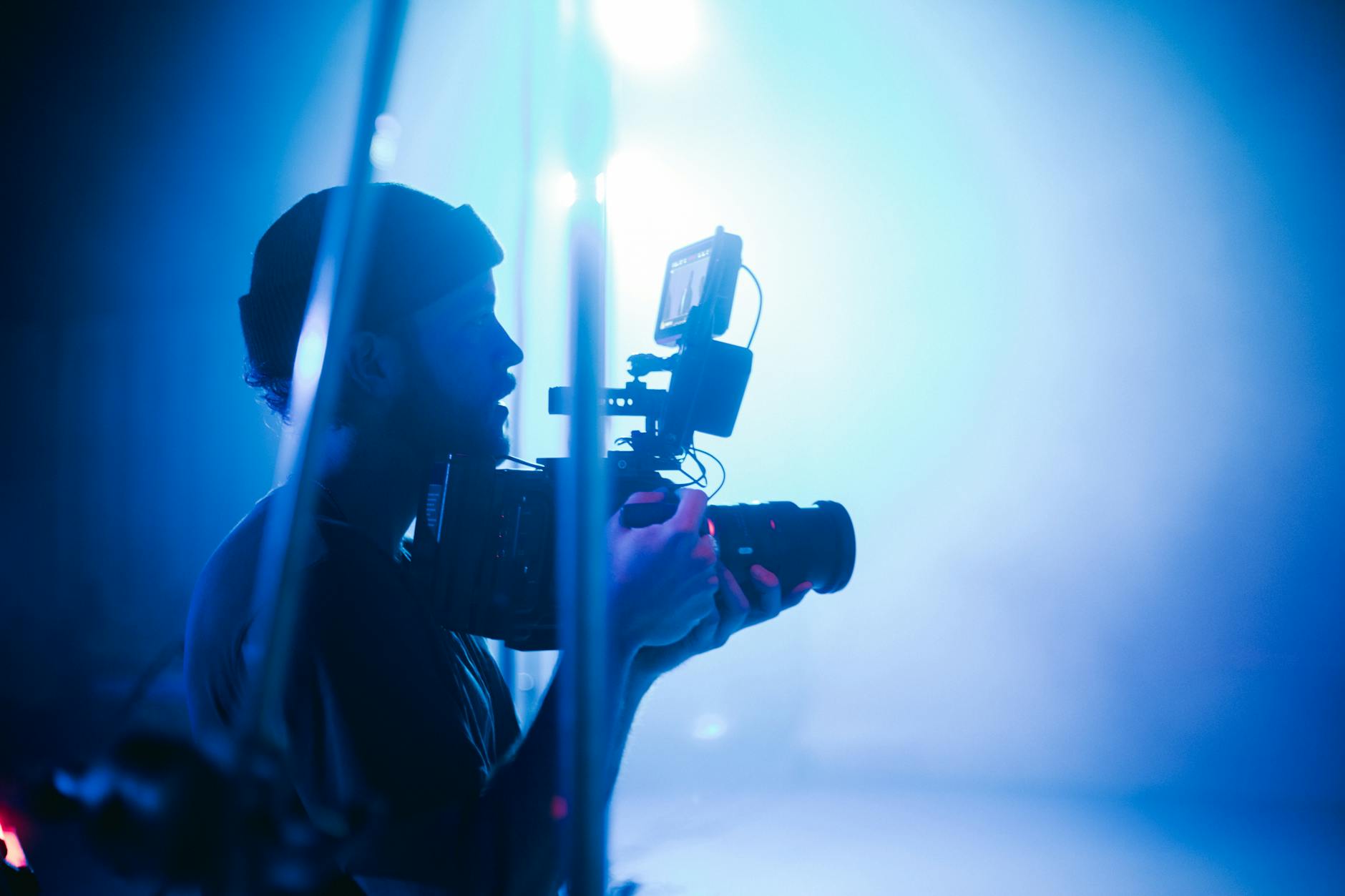
Types of Events Covered by Live Stream Companies
Professional live stream events companies cater to a broad spectrum of event types, each requiring tailored technical solutions and expertise. The versatility of these services enables organizations across industries to extend their reach efficiently and effectively. Major categories include:
- Corporate Conferences and Business Meetings: These events often demand high-resolution streaming, multiple vantage points, and real-time interaction capabilities to facilitate remote attendee engagement. Live platforms must support secure connections to ensure confidentiality and smooth communication with stakeholders.
- Concerts and Music Festivals: Delivering live music performances involves specialized audio and visual setups, dynamic camera angles, and audience interaction features. High-quality streaming ensures viewers experience the event with minimal latency and high fidelity.
- Sports Events and Competitions: Fast-paced sports broadcasts require real-time data integration, multi-camera operation, and broadcast graphics to keep viewers informed and engaged. Reliable infrastructure minimizes disruptions that can detract from the excitement.
- Religious Gatherings and Community Events: These occasions often serve large local or virtual audiences. Clear audio and visuals, along with accessible streaming platforms, foster community participation regardless of physical location.
- Educational Workshops and Seminars: Interactive features such as Q&A sessions and breakout rooms are vital, necessitating a seamless streaming environment capable of handling multiple interactive sessions and varied content formats.
- Fundraising and Charity Events: Live streaming magnifies outreach for fundraising efforts, allowing donors and supporters to participate from anywhere. Integration of donation tools and event branding enhances engagement and contribution levels.
Each event type imposes unique technical and operational challenges, which professional live stream events companies are equipped to address. From managing complex audio-visual setups to coordinating live interactions, these providers ensure broadcasts are compelling, stable, and tailored to meet the specific goals of each occasion. Their expertise contributes significantly to seamless delivery, audience satisfaction, and overall event success.

Understanding Live Streaming Services
Live streaming services have become an integral component of contemporary event management, enabling organizations to reach wide audiences with immediacy and clarity. These services encompass the full spectrum of technical capabilities required to broadcast live content over the internet, ensuring real-time engagement and interactivity. A professional live stream events company specializes in designing comprehensive streaming solutions tailored to each event's unique requirements, whether it involves multi-camera setups, high-definition video transmission, or interactive features. Operating at the intersection of technology and production, these providers employ advanced hardware and software to deliver seamless, high-quality broadcasts that captivate viewers and facilitate active participation.
The core of effective live streaming lies in dependable infrastructure. This includes robust encoding equipment that compresses and transmits video data efficiently, reliable content delivery networks (CDNs) that optimize streaming performance across various devices and networks, and backup systems that prepare for unforeseen technical issues. By leveraging these resources, a competent live stream events company minimizes latency, reduces buffering, and maintains broadcast stability, ensuring audiences stay engaged without disruption.
Customizing content delivery for different viewer platforms—be it desktops, mobile devices, or smart TVs—is also a pivotal aspect. Adaptive streaming technologies dynamically adjust video quality in real-time according to the viewer’s internet bandwidth, providing a smooth experience for all participants. Additionally, integrating supplementary features such as live chat, polling, and social media sharing enhances viewer interaction and broadens the event’s reach. Overall, these comprehensive services enable organizations to execute impactful live events that resonate with audiences and achieve strategic objectives.
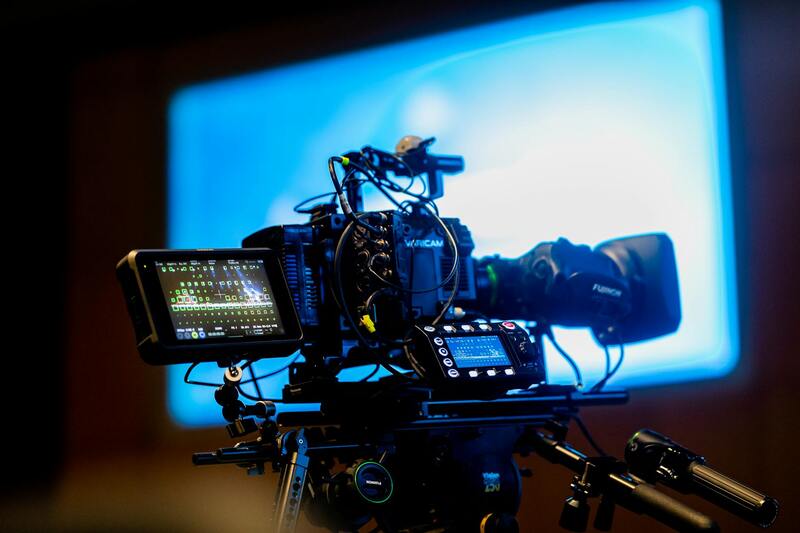
Importance of High-Quality Equipment and Advanced Technology
To ensure seamless live streaming, a professional live stream events company leverages state-of-the-art equipment and cutting-edge technology. High-definition cameras are essential for capturing clear, vibrant visuals, especially when broadcasting in large venues or outdoor settings. Multiple camera angles provide viewers with a dynamic perspective, creating an engaging experience that mimics in-person attendance. Additionally, professional audio gear—including wireless microphones, mixers, and sound boards—ensures crystal-clear sound quality, eliminating background noise and echoes that can detract from the viewing experience.
Reliable streaming hardware, such as dedicated encoders and robust internet connectivity solutions, play a crucial role in maintaining broadcast stability. Encoders compress and transmit video data efficiently, while backup internet connections safeguard against interruptions, ensuring continuous streaming despite unforeseen outages. Modern streaming platforms utilize adaptive bitrate technology, allowing content to adjust dynamically based on viewers' internet speeds, resulting in minimal buffering and high-quality playback across all devices.
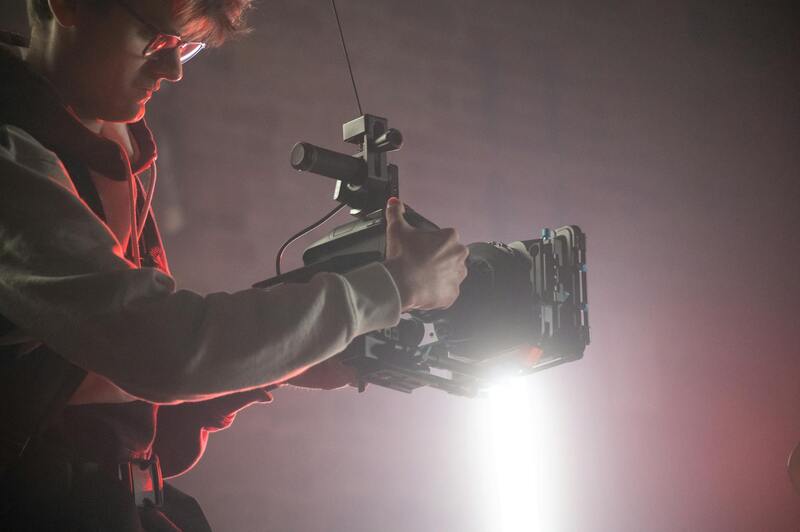
Pre-Production Planning and Coordination
Successful live streaming events require meticulous pre-production planning. This involves detailed coordination between technical teams and clients to establish the event’s objectives, target audience, and desired viewing experience. Scouting the venue, testing the internet connection, and setting up equipment well in advance mitigate potential technical issues during the live broadcast. Additionally, creating a comprehensive run-of-show, including camera shots, graphics, overlays, and transitions, ensures a polished final product.
Effective communication with clients is vital for aligning on branding elements, such as logos, lower thirds, and other visual overlays. This collaborative process guarantees that the live stream reflects the event's branding and messaging effectively. A comprehensive rehearsal allows the team to identify and address any technical challenges beforehand, ensuring a smooth and professional broadcast.
On-Site Execution and Live Management
During the event, dedicated technicians monitor all aspects of the live stream, including video quality, audio levels, and stream stability. They manage multiple camera feeds, switch between shots seamlessly, and incorporate graphics or overlays as needed. Continuous monitoring of internet connections and equipment ensures prompt troubleshooting of any issues that arise, minimizing downtime or disruptions.
Real-time communication among the production team facilitates swift adjustments and ensures the event adheres to the planned schedule. This cohesive on-site coordination is critical for delivering a flawless live experience that meets the expectations of organizers and viewers alike.
Post-Event Content Delivery and Accessibility
Following the live broadcast, professional live stream companies typically provide additional services to maximize the event’s impact. This includes editing raw footage into highlights or recap videos suitable for social media and on-demand viewing. Hosting the recorded event on secure platforms allows participants and stakeholders to revisit key moments or share the content widely.
Furthermore, comprehensive analytics and viewer engagement metrics offer valuable insights into audience behavior, helping organizations evaluate the success of their live stream and plan future events more effectively. Offering accessible content across various platforms and formats enhances reach and impressions, ensuring that the event continues to generate value long after the live broadcast concludes.
Understanding Live Streaming Services
Live streaming services have revolutionized the way organizations, brands, and individuals broadcast events to audiences worldwide. These services encompass a comprehensive suite of production capabilities designed to deliver real-time video content with high quality and minimal delay. Professionals specializing in live stream events employ a range of sophisticated tools and techniques to ensure smooth, engaging broadcasts that meet expectations for clarity and stability. From camera operation and audio management to broadcasting platforms and content delivery, every aspect is tailored to produce seamless viewing experiences. The complexity of live streaming necessitates specialized expertise, infrastructure, and planning, which professional companies provide to guarantee that each event runs flawlessly.
Key Features of a Professional Live Stream Events Company
- High-Quality Video and Audio: Professional companies utilize broadcasting-grade cameras, microphones, and encoding equipment to deliver crisp, clear visuals, and pristine audio that captures every detail of the event.
- Multiple Camera Angles and Switching: The ability to switch seamlessly between multiple camera feeds enhances viewer engagement by providing dynamic perspectives, akin to a television broadcast.
- Stable Internet Connections: Reliable, high-capacity internet connectivity with backup options minimizes interruptions and ensures continuous streaming regardless of potential disruptions.
- Graphics and Overlays: Custom graphics, lower thirds, branding elements, and real-time captions can be incorporated to enhance professionalism and viewer understanding.
- Integrated Platforms: Compatibility with major streaming platforms and social media channels allows broadcasters to reach diverse audiences simultaneously, increasing event visibility.
- Remote Production Capabilities: Remote operators and production teams can manage broadcasts from distant locations, offering flexibility and efficiency.
- Real-time Monitoring and Support: Constant supervision during the event ensures issues are identified and resolved promptly, maintaining broadcast quality throughout.
Benefits of Hiring a Local Miami Live Stream Provider
Engaging a Miami-based live stream events company offers distinct advantages rooted in local expertise and proximity. Being familiar with regional venues, permits, and logistical considerations enables smoother event planning and execution. Local providers often have established relationships with venue staff, vendors, and technical support teams, streamlining coordination efforts. Additionally, their on-site presence allows for immediate troubleshooting of equipment or connectivity issues, minimizing potential disruptions. Partnering with a Miami-based company also facilitates punctual setup, testing, and rehearsals, ensuring that every detail is refined before the live broadcast begins. The localized focus helps tailor the production to specific event requirements, cultural nuances, and audience preferences, resulting in a more engaging and polished event experience.
Types of Events Covered by Live Stream Companies
Full-service live stream providers in Miami are equipped to handle a wide array of events, each with unique technical and logistical demands:
- Corporate Conferences and Meetings: Delivering professional broadcasts of keynote speeches, panel discussions, and breakout sessions to remote participants and stakeholders.
- Music and Entertainment Events: Streaming concerts, festivals, award shows, and theatrical performances with special attention to audiovisual excellence.
- Religious and Community Gatherings: Facilitating virtual participation in worship services, community meetings, and cultural celebrations for broader outreach.
- Educational Seminars and Workshops: Reaching students and attendees globally through live classes, keynote presentations, and training sessions.
- Sports Events and Competitions: Providing real-time coverage of local games, tournaments, and athletic meets with multiple angles and instant replays.
- Product Launches and Brand Activations: Showcasing new offerings to a large audience, incorporating live demos, interviews, and viewer interaction elements.
Key Equipment and Technology Used in Live Streaming
Successful live streaming hinges on the utilization of cutting-edge equipment and reliable technology. High-quality audio is achieved through professional-grade microphones and sound mixing consoles, ensuring clear communication and immersive soundscapes. Video quality depends on multiple cameras capable of capturing different angles, allowing producers to switch perspectives seamlessly for a dynamic viewing experience.
Central to the broadcast is the encoder — a vital component that compresses and transmits video feeds to streaming platforms. Modern encoders support adaptive bitrate streaming, which adjusts video quality in real-time based on the viewer's internet connection, minimizing buffering and enhancing overall viewer engagement.
Streaming platforms themselves form the backbone of live event broadcasting, with options that support high-definition content, live chat integration, and viewer analytics. These platforms should be compatible with various devices, including desktops, tablets, and smartphones, to maximize accessibility for the audience.
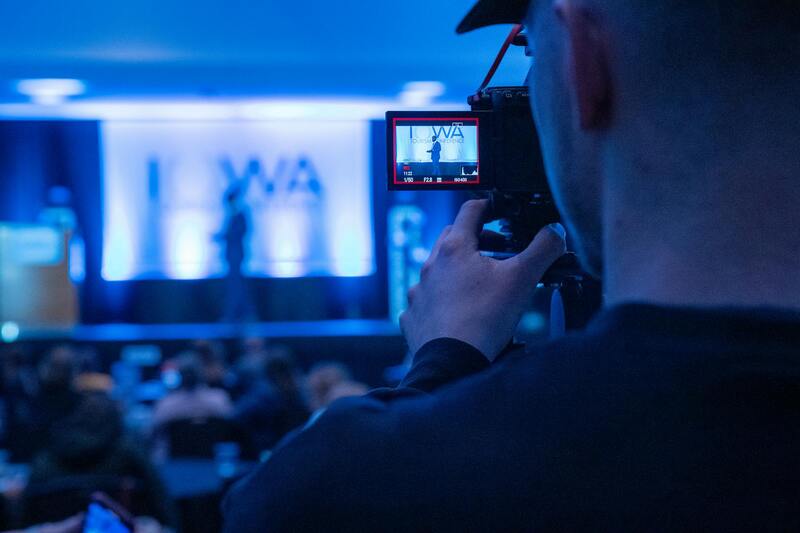
For reliable connectivity, organizations often employ dedicated internet connections or bonded cellular networks to prevent disruptions caused by fluctuating network speeds. These measures are critical for maintaining a consistent broadcast, especially during long or high-profile events.
Supplementary technology such as real-time graphics, overlays, and live subtitles can elevate the broadcast, making it more engaging and accessible. Additionally, remote control systems enable producers to manage streams efficiently from different locations, offering flexibility and precision during live coverage.
Preparation and Coordination for a Successful Live Stream
Preparatory steps involve comprehensive planning, including equipment checks, venue setup, and crew coordination. Conducting test runs prior to the event allows technicians to troubleshoot potential issues, ensuring seamless operation during the live transmission. Clear communication channels between the production team, host, and on-site staff facilitate real-time adjustments and coordination.
Creating a detailed production schedule helps allocate responsibilities effectively, from camera cues to interview sequences and graphic insertions. Assigning dedicated roles such as technical director, camera operators, and audio technicians ensures accountability and streamlines workflow.
Audience engagement strategies should be integrated into the plan, including interactive features like live polls and Q&A sessions. By doing so, organizers can foster a more dynamic and participatory experience, encouraging viewers to stay engaged throughout the event.

Post-Event Services and Content Accessibility
Following the live broadcast, comprehensive post-event services are essential for maximizing content value. This includes editing raw footage into highlight reels, full recordings, or promotional clips for future campaigns. Proper archiving ensures that content remains accessible for on-demand viewing, extending the lifespan of the event’s reach.
Distributing recorded content through various channels like social media, websites, and internal portals helps reach wider audiences beyond the live event timeframe. Providing closed captions and translations also enhances accessibility for diverse viewer groups.
Analytics collected post-event provide insights into viewer engagement, peak viewing times, and geographic demographics. These metrics enable organizers to evaluate the success of the broadcast and refine strategies for future live stream events.
Additionally, capturing audience feedback through surveys can inform improvements in content delivery, technical quality, and overall event experience, ensuring continuous enhancement of live streaming offerings.
Understanding Live Streaming Services
Live streaming services have transformed the way events are experienced and shared globally. These services utilize sophisticated broadcasting technologies that transmit real-time video and audio content over the internet, reaching audiences anywhere with a stable connection. A professional live stream events company offers comprehensive solutions that encompass planning, technical execution, and post-event management. Their expertise ensures that the streamed content maintains high quality, stability, and security throughout the broadcast.
Effective live streaming involves several critical components, including high-definition video capture, reliable encoding hardware, robust platforms for distribution, and interactive features that engage viewers. The integration of these elements enables event organizers to deliver a seamless experience, whether hosting corporate conferences, product launches, concerts, or community events. Choosing a reputable live streaming provider ensures access to advanced equipment, skilled technicians, and strategic support, which collectively contribute to the success of any virtual event.
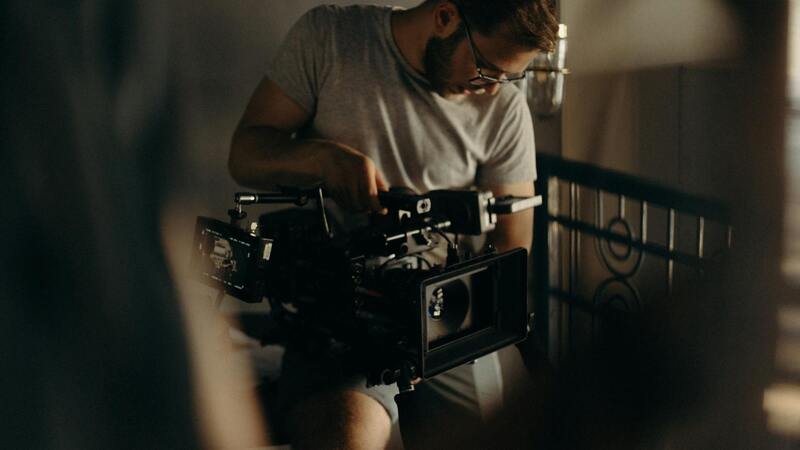
Live streaming services are not simply about transmitting video; they involve meticulous planning around bandwidth management, content security, audience interaction, and analytics. Event organizers must collaborate with experienced providers to tailor solutions that meet the specific requirements of their event, ensuring a professional presentation that captivates and retains viewers.
Key Features of a Professional Live Stream Events Company
- Advanced Video Production Equipment: High-definition cameras, professional lighting, and audio systems to ensure clear visuals and sound.
- Reliable Streaming Platforms: Access to secure, scalable platforms capable of handling large audiences without interruptions.
- Technical Expertise: Skilled operators for camera work, sound engineering, and network management to address potential issues swiftly.
- Interactive Capabilities: Features such as live chats, polls, and Q&A sessions to promote audience engagement.
- Custom Branding and Graphic Integration: Incorporation of event-specific branding, overlays, and lower-thirds to enhance professionalism.
- Multilingual Support: Real-time translation or subtitles to reach diverse audiences globally.
- Post-Event Content Management: Editing and archiving services to extend the lifespan of the event content.
Benefits of Hiring a Local Miami Live Stream Provider
Partnering with a Miami-based live streaming company brings distinct advantages. Local providers are intimately familiar with the regional infrastructure, including available internet bandwidth, venues’ technical layouts, and local regulations, enabling a smoother planning and execution process. Additionally, being geographically close allows for on-site support and quick troubleshooting, minimizing technical disruptions during the event.
They often have established relationships with local venues and vendors, streamlining logistics and reducing setup time. Moreover, a Miami-based provider can adapt content to align with regional market preferences, making promotional strategies more effective and resonant with local audiences.
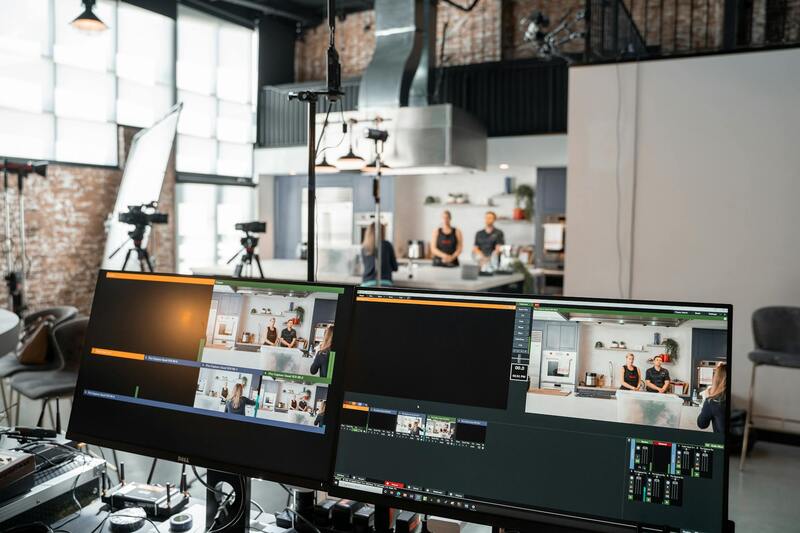
Furthermore, local providers tend to be more attuned to the dynamic nature of the regional event scene, including weather considerations, crowd management, and local media outreach, ensuring that each live stream is executed flawlessly and reaches the intended audience with impact.
Types of Events Covered by Live Stream Companies
Live stream companies cater to a diverse array of event types, ensuring broad service coverage that adapts to each unique occasion. These include:
- Corporate Events: Conferences, seminars, product launches, and shareholder meetings.
- Cultural and Entertainment Events: Concerts, theater productions, festivals, and fashion shows.
- Educational Programs: Webinars, workshops, training sessions, and university lectures.
- Religious Ceremonies: Services, celebrations, and community gatherings.
- Community and Public Events: Fundraisers, city council meetings, and local celebrations.
Each event type demands tailored streaming solutions to meet specific technical and engagement requirements. For instance, a corporate webinar might prioritize interactive Q&A features and branding, whereas a music concert may emphasize multi-camera angles and high-fidelity audio.
Choosing the Right Live Stream Company in Miami
Selecting an appropriate live streaming partner involves evaluating several critical factors. First, consider their portfolio of past events to gauge experience and versatility. A company with a proven track record across different event types demonstrates adaptability and competence. Next, review their technological capabilities, ensuring they use state-of-the-art equipment and reliable streaming platforms capable of handling your expected audience size.
Client references and testimonials provide insight into their professionalism and responsiveness. It’s also important to verify their understanding of your specific needs, their approach to technical support during live events, and ongoing content management post-broadcast. Clear communication and detailed service proposals help establish expectations and foster a collaborative planning process.
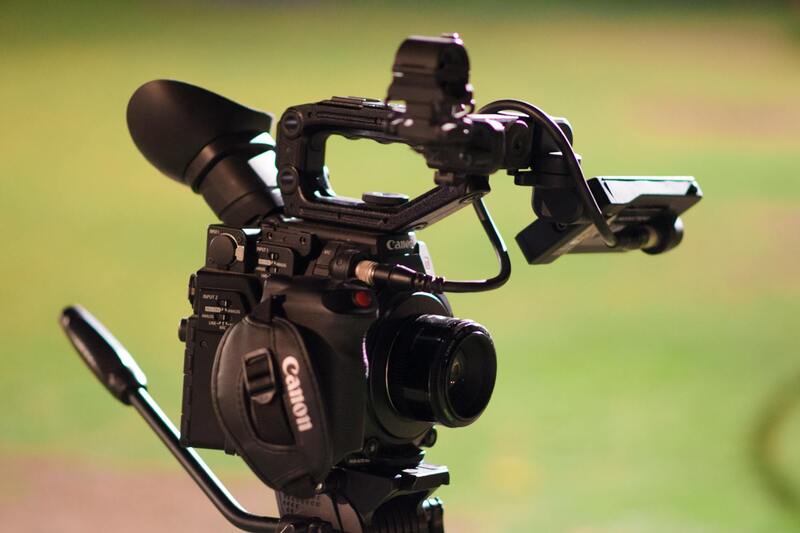
Key Equipment and Technology Used in Live Streaming
Cutting-edge live streaming relies on high-quality hardware and software to deliver reliable broadcast experiences. Essential equipment includes:
- Professional Cameras: For high-definition video capture, often utilizing 4K resolution for clarity and versatility.
- Audio Systems: External microphones, mixers, and soundboards that ensure crisp, clear audio synchronized with video.
- Encoding Devices: Hardware encoders that convert raw footage into streamable formats, optimizing quality and bandwidth usage.
- Streaming Platforms: Certified services that handle distribution, traffic management, and viewer analytics.
- Networking Infrastructure: High-speed internet connections with backup options, such as dedicated fiber lines and Wi-Fi, to prevent interruptions.
- Supporting Software: Content management systems, graphic overlays, and interactive plugins that enhance viewer engagement and branding.
The integration of these elements is vital for executing a professional live stream that meets industry standards and exceeds audience expectations. Regular maintenance, thorough testing, and real-time monitoring are standard practices to ensure seamless operation throughout the event.
Understanding Live Streaming Services
Live streaming services have revolutionized how events are shared with audiences, providing real-time broadcast capabilities that reach viewers across the globe. These services involve a combination of sophisticated hardware, high-speed internet, and specialized software to deliver uninterrupted, high-quality streams. Businesses, event organizers, and content creators utilize professional live streaming services to enhance engagement, expand their reach, and deliver an immersive experience to their viewers.
In essence, a live stream is more than just pushing a video feed online; it encompasses strategic planning, technical execution, and post-broadcast analysis. High-quality live streaming ensures clarity in visuals and audio, minimal latency, and stable transmission even with large viewer counts. By leveraging industry-grade equipment and reliable streaming platforms, companies can produce broadcast experiences that match traditional broadcast standards, ensuring professionalism and audience retention.
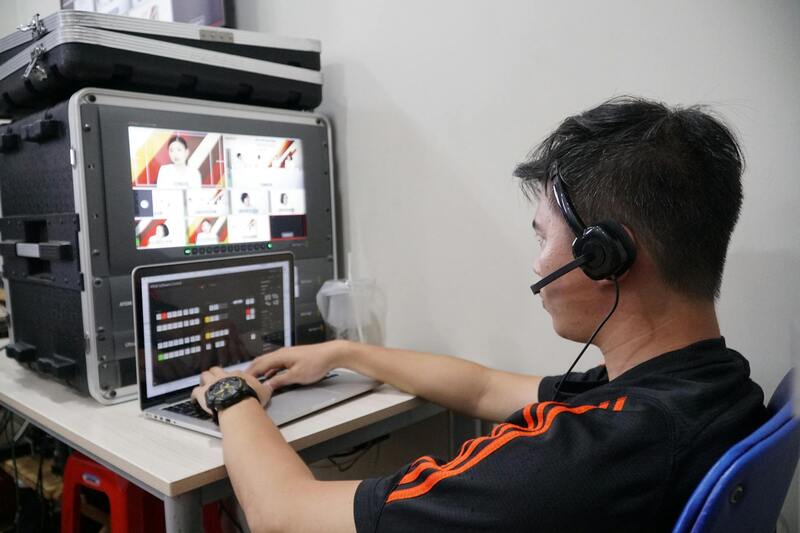
Key Features of a Professional Live Stream Events Company
- Technical Expertise: Skilled operators knowledgeable in camera operation, sound management, and streaming technology.
- Cutting-Edge Equipment: Use of 4K cameras, professional-grade microphones, hardware encoders, and high-bandwidth networking solutions.
- Customized Solutions: Tailoring streaming setups according to event size, type, and audience engagement goals.
- Seamless Integration: Incorporating graphics, branding, interactive elements, and multi-camera feeds for a dynamic presentation.
- Reliable Platforms: Use of trusted streaming services that support large viewer capacities, real-time analytics, and multiple distribution channels.
- Customer Support: Dedicated assistance throughout the planning, execution, and post-event phases.
Benefits of Hiring a Local Miami Live Stream Provider
Partnering with a Miami-based live stream events company offers distinct advantages. Local providers have an in-depth understanding of the regional event landscape, permitting them to anticipate logistical needs and coordinate seamlessly with local venues and vendors. Their proximity enables quicker setup and troubleshooting, reducing the risk of technical delays. Additionally, local providers are familiar with Miami’s diverse event types, whether it’s a corporate conference, music festival, or community gathering, allowing them to customize solutions effectively.
Furthermore, choosing a Miami-based company facilitates face-to-face consultations, fostering better communication and alignment of expectations. This personal touch can significantly influence the overall success of your live streaming project, ensuring your event’s digital presence is impactful and professionally executed.

Types of Events Covered by Live Stream Companies
Live stream companies cater to a broad spectrum of event types, including but not limited to:
- Corporate Events: Conferences, product launches, board meetings, and shareholder presentations.
- Entertainment Events: Concerts, festivals, award shows, and theater performances.
- Educational Activities: Seminars, workshops, university commencements, and training sessions.
- Religious Gatherings: Church services, spiritual retreats, and community ceremonies.
- Private Celebrations: Weddings, anniversaries, birthdays, and special milestones.
The versatility of live streaming technology allows for tailored solutions that can handle live Q&A sessions, multi-camera feeds, and interactive viewer engagement regardless of the event's scale or nature.
Choosing the Right Live Stream Company in Miami
Selecting the appropriate provider involves evaluating several critical factors. Experience and expertise are paramount; ensure the company has a portfolio demonstrating successful broadcasts of similar events. Equipment quality is equally vital—modern, reliable technology minimizes the risk of disruptions. Client testimonials and reviews offer insights into the company's reputation and service quality.
Consider the company's ability to customize solutions according to your specific needs, whether it’s high viewer capacity, particular visual branding, or interactive features. Transparent pricing and comprehensive service packages also facilitate better planning and budgeting. Ultimately, a company with excellent communication protocols and a proactive approach to troubleshooting will provide the confidence needed for a stress-free, successful live event broadcast.