
Understanding Live Streaming in Video Production
Live streaming in video production has revolutionized the way content is delivered to audiences worldwide. It involves broadcasting live video content over the internet in real-time, allowing viewers to engage with events as they happen. Unlike traditional video recording, which captures footage for later viewing, live streaming offers immediacy and interactivity, making it an invaluable tool for events, corporate communications, entertainment, education, and more.
At its core, live streaming relies on a combination of specialized equipment, robust internet infrastructure, and streaming platforms to transmit high-quality video content efficiently. The process begins with the capture of footage through professional cameras and audio equipment, which then undergoes encoding—converting raw signals into digital data suitable for streaming. This data is transmitted over the internet via streaming protocols such as RTMP (Real-Time Messaging Protocol) or newer standards like SRT (Secure Reliable Transport) to ensure stability and low latency.

Key components essential to live streaming include a reliable internet connection, a streaming encoder, high-definition cameras, audio devices, and a streaming platform or content delivery network (CDN). These elements work in harmony to deliver seamless live content to audiences across various devices, including desktops, smartphones, and smart TVs.
One notable distinction between live streaming and traditional video production is the immediacy of the content delivery. Traditional methods often involve recording and editing footage before distribution, which can delay the audience's access to the content. Conversely, live streaming allows broadcasters to reach viewers instantly, fostering real-time interaction through features like live chat, polling, and Q&A sessions. This immediacy not only enhances viewer engagement but also opens new avenues for marketing, branding, and audience analytics.
To ensure a successful live stream, understanding the differences between these methods is crucial. Traditional video production prioritizes post-event editing for polished outputs, whereas live streaming emphasizes communication and engagement during the broadcast. Both require different setups and approaches, but when integrated effectively, they complement each other to create dynamic, audience-centered content.
In summary, mastering the fundamentals of live streaming within video production involves understanding the core technology, components, and the unique advantages it offers over conventional recording methods. As this field continues to grow, professionals need to stay updated on innovative tools and best practices to deliver high-quality, reliable broadcasts that meet audience expectations and business objectives.
Equipment and Technology for Live Streaming
Successful live streaming hinges on the right combination of hardware and software, which ensures a seamless broadcast experience and maintains high-quality video and audio. Key equipment includes high-definition cameras capable of capturing crisp visuals under various lighting conditions, professional-grade microphones for clear sound, and reliable video switchers for managing multiple camera feeds. A robust internet connection, ideally wired, with sufficient upload bandwidth is critical to prevent disruptions and buffering issues during the live event.
In addition to core hardware, streaming software plays a vital role. Platforms such as OBS Studio, vMix, or Wirecast enable producers to overlay graphics, incorporate multiple video sources, and add real-time effects, elevating the production value. Often, external hardware encoders are employed to compress and transmit video streams efficiently, ensuring compatibility across different streaming services and devices.
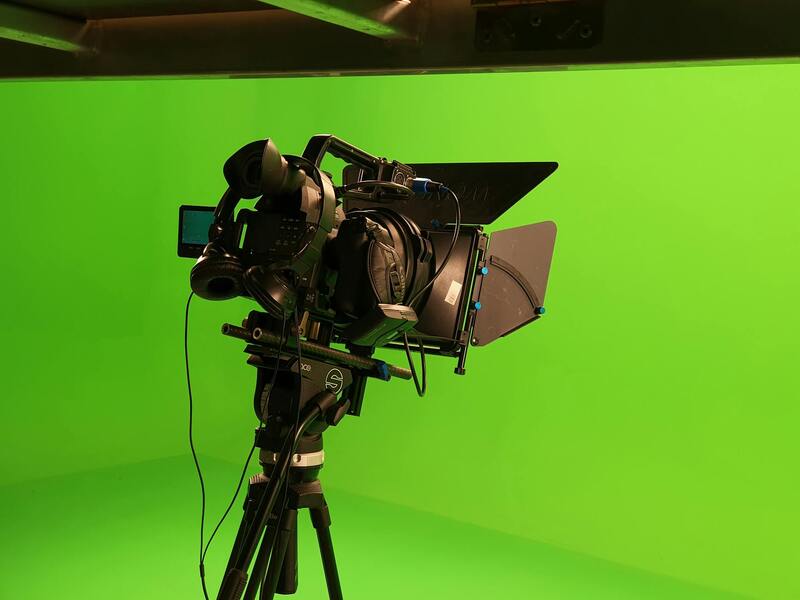
For remote hosts or international collaborations, high-quality webcams and portable equipment are also essential. Additionally, integrating streaming management tools, such as chat moderation and analytics platforms, helps oversee audience interactions and measure engagement metrics in real time. These components, when harmonized, create a resilient setup capable of delivering consistent, professional-grade live content across diverse digital environments.
Setting Up for a Live Stream
Before going live, meticulous setup and testing are indispensable. This process begins with securing a dedicated space that offers effective lighting and minimal background noise, thus ensuring visuals are clear and microphones pick up sound accurately. Layout considerations include camera angles, backdrop choice, and cable management to prevent any on-camera distractions or technical mishaps.
Next, the configuration of streaming equipment entails connecting cameras to video switchers and encoding devices, followed by establishing a stable internet connection with sufficient bandwidth to handle high-definition output without lag. It’s also critical to configure streaming platforms, input the correct stream key, and test the connection by performing trial runs to verify audio-visual synchronization and stream stability.

Effective setup extends to preparing graphical overlays, lower thirds, and interactivity tools like chat boxes or polling widgets. These elements contribute to viewer engagement and should be tested thoroughly beforehand to ensure they display correctly during the broadcast. Additionally, contingency plans, such as backup internet options or spare hardware, are recommended to address unforeseen technical issues swiftly.
Monitoring and Managing Live Broadcasts
Once the broadcast is underway, active monitoring becomes essential. Producers and technical staff need to continuously oversee stream quality, audio levels, and connectivity. Real-time monitoring tools can alert operators to any issues, allowing immediate corrective actions, such as switching camera angles, adjusting audio levels, or troubleshooting internet disruptions.
Audience engagement also requires ongoing management. Moderating live chat, addressing viewer questions, and integrating polls or feedback mechanisms can enhance interaction and retention. In the event of technical glitches or unexpected disruptions, transparent communication with viewers reassures them and minimizes dissatisfaction.

By maintaining a vigilant approach and leveraging appropriate tools, the integrity of the live stream is preserved, yielding a professional presentation that aligns with audience expectations and brand standards. This level of management also provides valuable insights into audience preferences and behavior, informing future content strategies.
Advanced Techniques for Enhancing the Live Stream Experience
To elevate the quality and professionalism of a live stream, integrating advanced technologies and creative elements is paramount. Multi-camera setups allow for dynamic viewing angles, capturing different perspectives and providing a more engaging experience for viewers. Skilled switchers enable seamless transitions between camera feeds, graphics, and video inserts, making the stream more visually appealing.
Implementing professional graphics and overlays enhances branding and clarity. Lower thirds, branded frames, and real-time data displays can communicate key information effectively, adding a layer of polish to the broadcast. Additionally, employing real-time color correction and audio mixing ensures visual consistency and optimal sound quality throughout the event.

Incorporating live switching software such as advanced encoder platforms offers flexibility in managing multiple sources, integrating pre-recorded segments, and including on-screen graphics. This technology supports a collaborative environment where producers can work seamlessly, even remotely, maintaining high broadcast standards.
For interactive engagement, features like live polls, Q&A sessions, and real-time chat moderation are invaluable. They foster a sense of community and participation, encouraging viewers to stay engaged and share feedback during the broadcast. Properly synchronizing these interactive elements requires meticulous planning and testing to ensure they contribute positively without causing delays or technical issues.
Utilizing Content Delivery Networks (CDNs) for Robust Streaming
To reach a global audience reliably, leveraging Content Delivery Networks (CDNs) is crucial. CDNs distribute streaming data across multiple servers worldwide, reducing latency and buffering issues. This ensures that viewers can access the stream smoothly regardless of their geographical location, providing a consistently high-quality experience.
Furthermore, adaptive bitrate streaming is an essential component of modern live services. It dynamically adjusts video quality based on the viewer's internet speed, preventing interruptions and maintaining visual clarity. Integrating analytics tools also allows producers to monitor viewer engagement, retention rates, and technical performance, guiding improvements for future broadcasts.
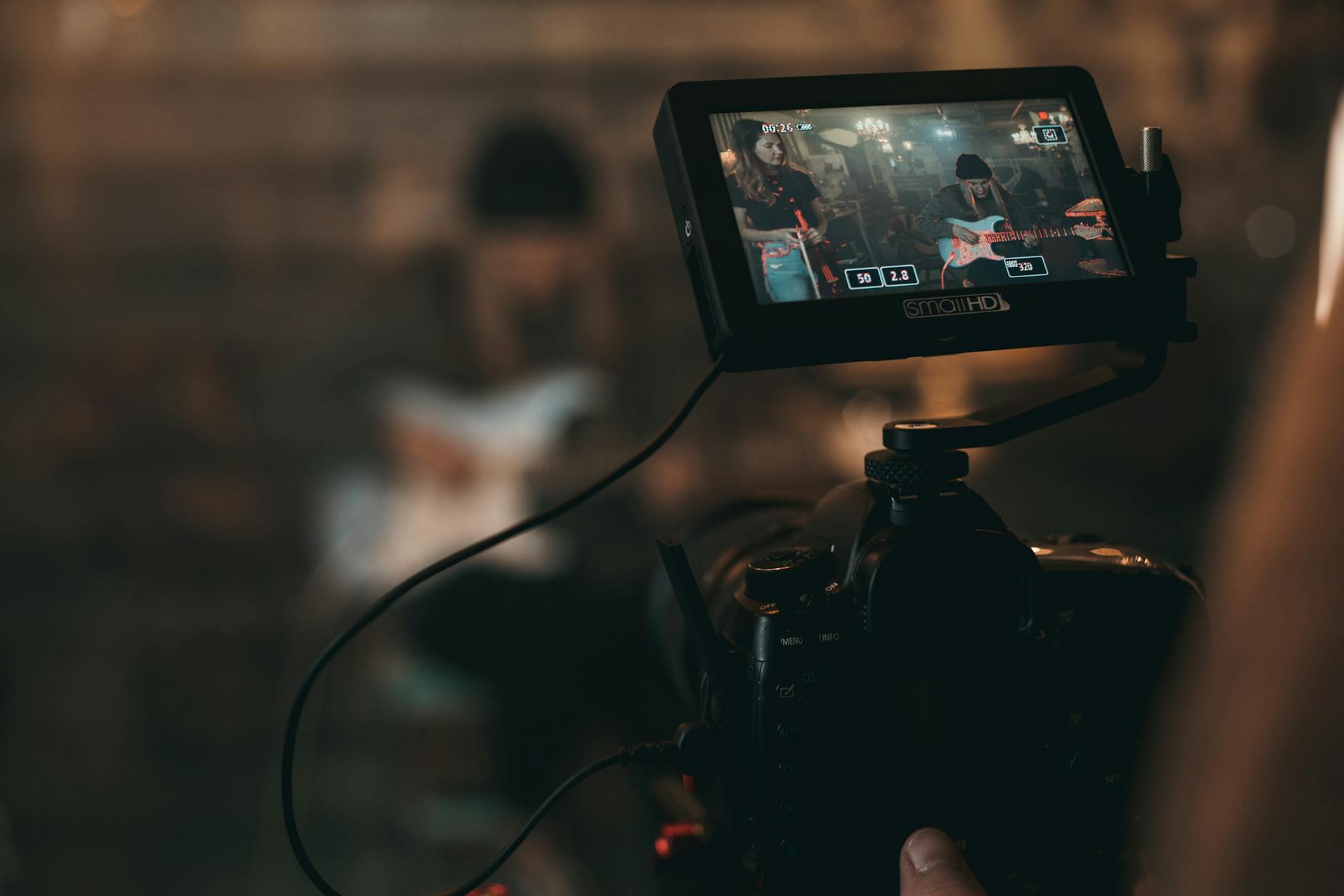
For successful live production, regular rehearsals with all technical components should be performed. These sessions help identify potential issues and ensure that all hardware, software, and internet connections function optimally during the actual event. Backup plans, including secondary streaming setups and redundant internet links, reinforce the reliability of the broadcast, minimizing risks associated with technical failures.
Incorporating these advanced techniques and technologies into the live streaming plan not only improves the visual and audio quality but also enhances viewer engagement and confidence. As live streaming continues to evolve with innovative tools and methods, maintaining a focus on technical excellence and audience interaction remains essential for delivering impactful, professional broadcasts.
Advanced Techniques for Optimizing Live Stream Quality
To elevate the quality and reliability of live streaming events, incorporating advanced technological methods is essential. One such technique is multi-bitrate streaming, which involves encoding live video at multiple quality levels. This approach enables dynamic adaptation to viewers' internet speeds, preventing buffering and ensuring continuous playback. Implementing adaptive streaming protocols like HLS (HTTP Live Streaming) or DASH (Dynamic Adaptive Streaming over HTTP) facilitates seamless quality switches, enhancing viewer satisfaction.
Another critical aspect is latency reduction. For live interactions, such as webinars or Q&A sessions, minimal delay between the event and its broadcast ensures real-time engagement. Utilizing low-latency streaming protocols and dedicated servers can significantly decrease latency, fostering a more interactive environment. Hardware solutions like ultra-low latency encoders or optimized internet connections further contribute to this goal.

Implementing integrated analytics tools provides real-time insights into viewer behavior, stream quality, and engagement metrics. These data points allow producers to identify and resolve issues swiftly during live broadcasts and inform strategies for future events. Moreover, A/B testing various stream qualities or interactive features can reveal preferences and behaviors, guiding investments in the most effective enhancements.
Ensuring the security of live streams is likewise critical. Employing encryption protocols and secure media delivery options protects content from unauthorized access and piracy. Streaming via secure CDN networks and using encrypted connection methods helps safeguard broadcast integrity.
Fundamentally, the integration of cutting-edge compression algorithms like HEVC (High Efficiency Video Coding) enables higher resolution streaming with reduced bandwidth consumption. This technological advancement allows delivering 4K or even 8K quality streams without overwhelming bandwidth limits, thus widening accessibility and improving visual fidelity.
Succeeding in live streaming also involves proactive management of network infrastructure, including setting up redundant pathways and failover systems. These measures ensure that even if primary connections experience disruptions, alternative routes seamlessly take over, maintaining broadcast continuity.
Monitoring and Managing Live Broadcasts
Effective oversight during a live stream is essential to maintain smooth operations and deliver a professional viewing experience. Real-time monitoring tools allow producers to track various stream metrics such as latency, buffering rates, bitrates, and connection stability. These tools provide immediate alerts if technical issues arise, enabling swift troubleshooting to minimize disruption.
Troubleshooting common issues swiftly can prevent a small glitch from escalating into a viewer-impacting outage. For instance, if viewers experience buffering, adjustments can be made on-the-fly to reduce stream quality temporarily, thereby stabilizing the delivery. Other issues like audio problems, synchronization errors, or visual artifacts must also be promptly identified and resolved.
Staying vigilant about network health during the live broadcast is equally critical. Implementing redundant internet connections and load balancing ensures that if one connection falters, an alternative pathway can take over seamlessly, preventing interruptions. Dedicated monitoring stations with multiple screens displaying different metrics and feeds facilitate quick decision-making and support immediate responses.
Furthermore, maintaining open communication channels with on-site technicians is vital. Clear protocols for escalating technical issues and real-time updates can streamline resolution processes. Employing remote management tools allows technical teams to access and adjust broadcast settings from afar if necessary, providing additional flexibility and control.
Regular rehearsal sessions, including systems checks and test runs, help identify potential vulnerabilities ahead of the live event. These preparatory steps can reveal equipment malfunctions or network deficiencies that might impact the live stream. Post-event, comprehensive logs and reports serve as valuable resources for analyzing performance, understanding issues encountered, and planning improvements for future broadcasts.
Ensuring Optimal Delivery and Troubleshooting During a Live Stream
Achieving a seamless live streaming experience hinges on proactive monitoring and swift resolution of potential issues. Technical hiccups such as buffering, lag, or sudden quality drops can significantly detract from viewer engagement. To mitigate these challenges, broadcasters employ various strategies rooted in thorough preparation and real-time management.
Implementing redundant network connections is a foundational step. By establishing multiple internet sources, such as primary broadband and secondary cellular data, the streaming setup can automatically switch to a backup in case of primary network failure. Load balancing techniques distribute the data load efficiently across multiple channels, reducing bottlenecks and maintaining a stable stream.
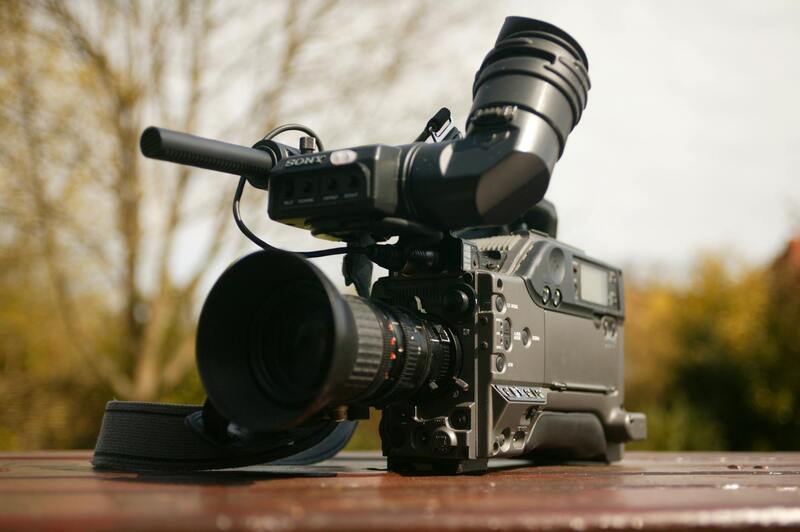
Dedicated monitoring stations equipped with multi-screen displays are essential for overseeing different aspects of the live broadcast. These displays typically show real-time metrics on stream health, bandwidth usage, frame rates, and audio levels. Quick identification of anomalies enables operators to take immediate corrective actions, minimizing the impact on the live feed.

Effective communication between on-site technicians via robust channels—such as intercom systems and instant messaging platforms—supports rapid troubleshooting. Clear protocols for escalating issues allow the team to respond promptly, whether it's adjusting camera angles, managing audio synchronization, or addressing connectivity concerns.
Remote management tools have become increasingly vital, offering technicians the ability to access and modify broadcast settings from outside the production environment. This flexibility ensures continuous control, especially when on-site intervention is limited or impractical.
Prior to the event, comprehensive rehearsals simulating live conditions help identify potential vulnerabilities. These trials uncover equipment malfunctions, network shortcomings, or configuration errors that could disrupt the stream. Post-event analysis, including detailed logs and performance reports, provides insights into what worked well and areas for improvement, guiding future live streaming strategies.
Implementing Effective Troubleshooting Protocols
During live streams, troubleshooting protocols should be predefined and documented. Immediate steps typically include checking internet connectivity, verifying encoder and software settings, and assessing hardware status. If issues persist, switching to backup equipment or alternate streaming servers ensures minimal downtime.
Technical teams often use remote access tools to diagnose issues without disrupting the broadcast. Additionally, engaging a dedicated technical support team familiar with the specific platform and equipment enhances responsiveness.
Overall, the key to successful live streaming lies in meticulous planning, constant monitoring, and swift action. Employing a combination of redundancy, real-time diagnostics, and effective communication creates a resilient environment capable of delivering high-quality live content consistently.
Legal and Compliance Considerations
When executing a live stream for a video production, adhering to official protocols for licensing, copyright, and data privacy is fundamental. These considerations help safeguard content creators and broadcasters from potential disputes and ensure smooth, uninterrupted streaming experiences.
Securing appropriate licenses for music, footage, and other third-party content is essential. This involves obtaining permissions from rights holders or utilizing licensed libraries that clearly specify usage rights. Proper licensing mitigates the risk of copyright infringement, which can lead to content takedowns or legal action that disrupts the broadcast.
Intellectual property rights extend beyond licensed media. Original content must be protected through clear ownership rights and, where applicable, agreements that specify usage rights for live distribution. This is particularly critical when working with multiple contributors or collaborators to prevent conflicts over content ownership.
Privacy regulations also play a significant role in live streaming, especially in regions with strict data protection laws like Florida. It is imperative to inform participants and viewers about data collection practices, obtain necessary consents, and implement measures to protect personal information. This proactive approach helps prevent privacy breaches and boosts audience trust.
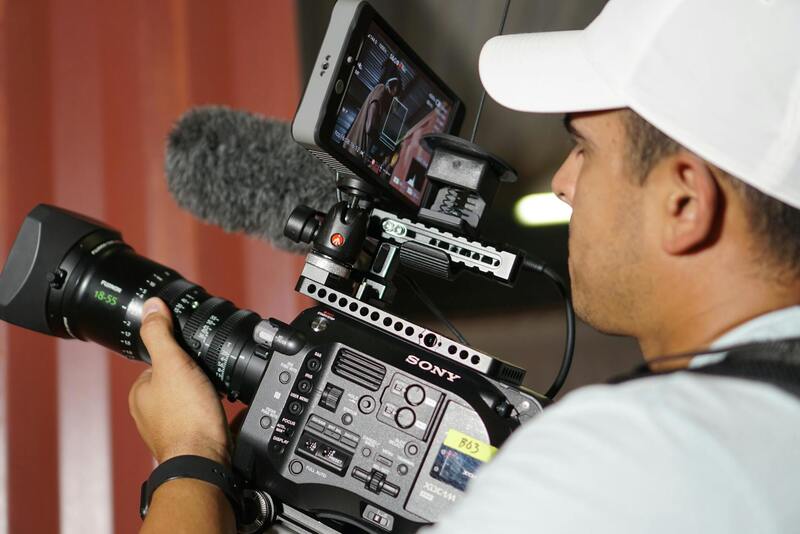
Additionally, broadcasters should develop comprehensive policies for moderation and content management to address issues such as hate speech, harassment, or illegal content during live streams. Having a clear protocol aligns with platform guidelines and community standards, creating a responsible and compliant streaming environment.
Implementing Compliance from Planning to Post-Stream
- Pre-Event Licensing Checks: Confirm all media rights and permissions are in place before the event begins.
- Participant Agreements: Ensure all contributors understand their rights and obligations regarding streamed content.
- Data Privacy Protocols: Establish clear policies for handling viewer and participant data, including retrieval, storage, and deletion procedures.
- On-Air Content Oversight: Monitor live chat and interactions to manage inappropriate or unauthorized content.
- Post-Event Documentation: Maintain records of licenses, permissions, and compliance measures taken during the event.
Meeting these compliance standards enhances the credibility of a live streaming operation and fosters trust among viewers, contributors, and clients, leading to more successful future productions.
Legal and Compliance Considerations
When engaging in video production live streams, adhering to established legal and compliance standards is essential for ensuring a smooth and reputable broadcast. This involves meticulous management of content rights, participant agreements, and data privacy protocols. Broadcasters must verify that all media used during the stream, including music, footage, and images, have the necessary licenses and permissions secured prior to going live. Proper documentation of these rights helps to prevent potential disputes and ensures that the content remains compliant with industry standards.
Participant agreements are another critical component. All individuals contributing to the live stream, whether hosts, guests, or behind-the-scenes personnel, should clearly understand their rights and responsibilities regarding the streamed content. These agreements often outline rights to footage, confidentiality clauses, and responsibilities related to conduct during the stream. Such clarity minimizes misunderstandings and legal complications after the broadcast.

Data privacy is a prominent concern in modern live streaming operations. Organizers should implement stringent data handling policies, including secure collection, storage, and deletion of viewer and participant information. Clear privacy policies communicated beforehand reinforce transparency and foster audience trust. During the live event, active management of chat interactions and user-generated content is necessary to prevent the posting of unauthorized or inappropriate material, which could compromise the stream’s reputation.
Post-event, detailed records of licenses, permissions, and compliance measures serve as critical documentation should any questions or issues arise later. This diligence not only demonstrates a commitment to responsible broadcast practices but also aligns with industry standards that promote fairness and accountability.
Best Practices for Ensuring Continuous Compliance
- Regular review and update of licensing agreements to reflect any changes in content or usage rights.
- Implementing comprehensive onboarding processes for all contributors regarding legal obligations.
- Utilizing secure platforms and tools designed specifically to support compliant live streaming.
- Training staff on privacy policies and moderation techniques to enforce content standards.
- Maintaining thorough records of all permissions, licenses, and compliance actions taken for each broadcast.
By integrating these measures, video production teams can produce engaging, compliant live streams that uphold their professional reputation and foster sustained audience engagement.