
Overview of Live Streaming Video Production Services
Live streaming video production services have become an essential component for businesses, organizations, and event organizers seeking to reach a broader audience in real-time. These services involve the professional capture, encoding, and broadcasting of live video content, often complemented by high-quality visuals, audio, and seamless streaming platforms. The dynamic nature of live streaming allows organizations to connect with viewers across various locations without geographic limitations, providing an engaging and immediate experience.
In Miami, a vibrant hub for business, entertainment, and cultural events, the demand for professional live streaming solutions continues to grow. Utilizing advanced equipment and expertise, live streaming video production providers deliver polished, reliable broadcasts capable of handling high viewer volumes and ensuring smooth playback. This capability is especially critical for corporate conferences, community events, sports, educational seminars, and product launches that aim to maximize audience engagement and deliver messages effectively.
Effective live streaming services go beyond simply transmitting video content; they involve meticulous planning, technical execution, and post-production support. Businesses leverage these services to increase brand visibility, improve customer engagement, and generate new revenue streams through online participation. Additionally, organizations benefit from the ability to record streams for future use, offering on-demand access to content and extending the lifespan of the event.
In Miami’s competitive landscape, choosing the right live streaming video production partner is vital for ensuring a successful broadcast. Providers with local expertise understand the unique requirements of Miami’s dynamic market, from handling outdoor events to managing complex multi-camera setups. Their role is to facilitate a seamless flow of content, maintain high-quality standards, and troubleshoot technical issues promptly. As the demand for high-quality live streaming increases, Miami business leaders recognize the importance of partnering with experienced professionals who can deliver compelling, reliable broadcasts that enhance their overall communications strategy.
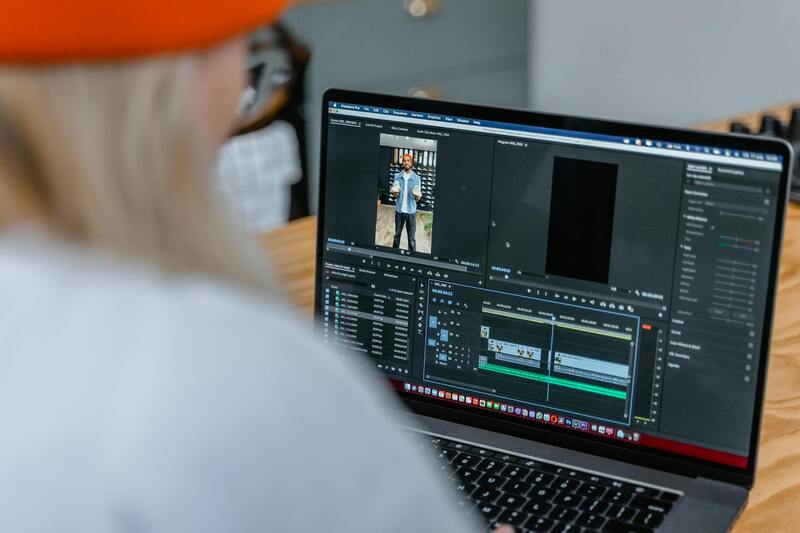
Key Components of Live Streaming Production
Professional live streaming video production relies on an intricate combination of high-quality equipment and meticulous technical planning. Central to the process are several core elements that ensure the final broadcast meets the expected standards of clarity, reliability, and audience engagement. These elements encompass camera systems, audio solutions, lighting arrangements, and robust streaming platforms, each critical to delivering a seamless viewing experience.
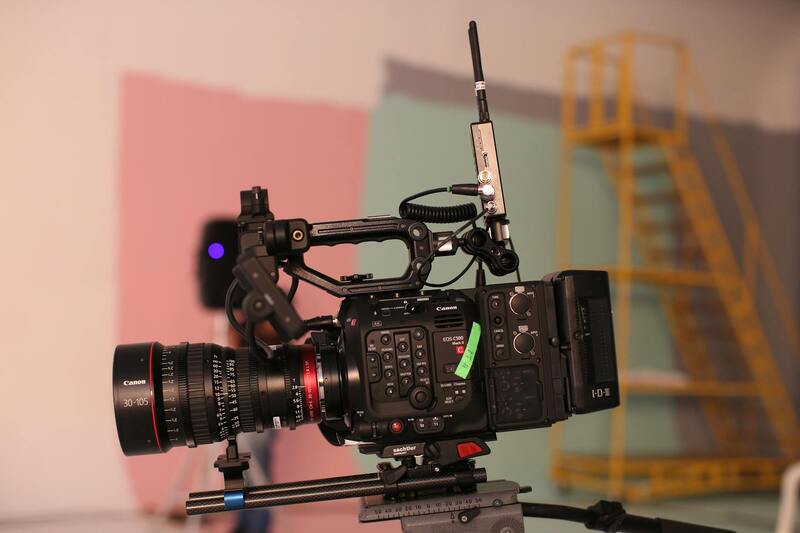
Effective camera systems form the backbone of any live broadcast. High-definition (HD) or 4K cameras are commonly used, depending on the scope and scale of the event, providing crisp visuals from multiple angles. Such setups often involve several cameras operated simultaneously by skilled technicians to capture different perspectives, creating a dynamic viewing experience.
Audio equipment plays a vital role in maintaining clear sound quality. Professional-grade microphones—including wireless, lapel, or directional mics—are strategically placed to pick up speech and ambient sounds. Sound mixers and digital audio processors then refine the audio, balancing levels and eliminating noise to ensure pristine audio delivery.
Lighting is another essential component that influences the visual impact of a live stream. Proper lighting setups accentuate subjects, reduce shadows, and ensure consistent exposure across different shooting environments. Skilled lighting technicians optimize fixtures to enhance the overall aesthetics of the broadcast, crucial for high-profile or visually demanding events.
Behind the scenes, advanced streaming platforms and hardware are necessary to encode signals, manage data flow, and transmit content to viewers across various devices and networks. Reliable internet connections, along with content delivery networks (CDNs), guarantee uninterrupted streaming even during peak traffic periods. Redundancy is often implemented via backup servers and internet lines to prevent disruptions.
All these components require coordinated integration by professional production teams. They handle equipment setup, calibration, and live troubleshooting to address any issues immediately. This technical proficiency ensures the transmission remains stable and viewers experience high-quality video and audio without buffering or quality drops.
In addition to live footage capture, some services include real-time graphics, overlays, and interactive elements that enhance engagement. These features require sophisticated software and skilled operators to synchronize visual effects with live content, elevating the production’s overall professionalism and impact.
Technical Planning and Production Process
Successful live streaming video production begins with meticulous technical planning to ensure seamless broadcast delivery. This phase involves detailed coordination among producers, technical directors, and the production crew to establish a comprehensive plan that aligns with the event’s objectives. It includes deciding on camera placements, signal flow, and the necessary equipment to meet the specific demands of the event, whether it’s a corporate conference, sports event, or entertainment show.
During the technical planning stage, a thorough site survey is conducted to assess lighting conditions, power sources, and internet connectivity. This allows the production team to identify potential challenges and develop solutions proactively. For example, in environments with limited bandwidth, they might incorporate additional encoding hardware or utilize dedicated internet lines to guarantee stability. Redundancy measures, such as backup equipment and failover internet connections, are put in place to prevent interruptions in the event of technical failures.
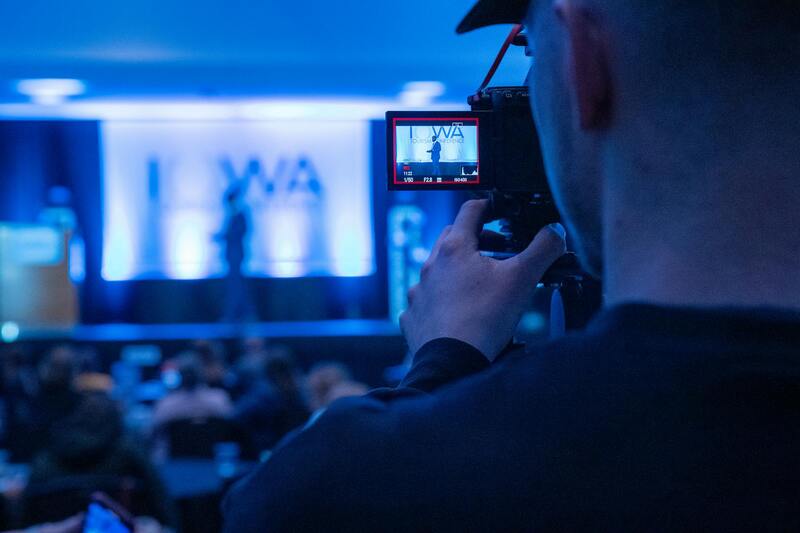
Once the planning phase concludes, the production team proceeds with equipment setup, calibration, and testing. This includes configuring cameras, audio consoles, lighting setups, and streaming hardware. Pre-production rehearsals are conducted to verify signal flow, audio quality, and visual effects synchronization. These rehearsals are crucial for identifying any issues that could affect live performance, allowing adjustments before the event begins.
During the live broadcast, a dedicated technical director oversees all live operations, monitoring the video and audio feeds, managing transitions, and troubleshooting any unexpected issues in real-time. Skilled operators handle camera switching, audio mixing, graphics insertion, and interactive elements — all synchronized to create a polished, professional presentation. This coordination ensures the webcast runs smoothly, with minimal latency and optimal quality across multiple platforms and devices.
Moreover, implementing secure networking protocols is fundamental to protect live streams from unauthorized access and data breaches. With the rise of remote viewing, incorporating multi-platform streaming strategies (simulcasting to various social media and streaming sites) allows broader audience access. Continuous communication between on-site personnel and remote operators is maintained via dedicated channels to adapt swiftly to on-the-fly adjustments, ensuring a resilient and high-quality broadcast environment.
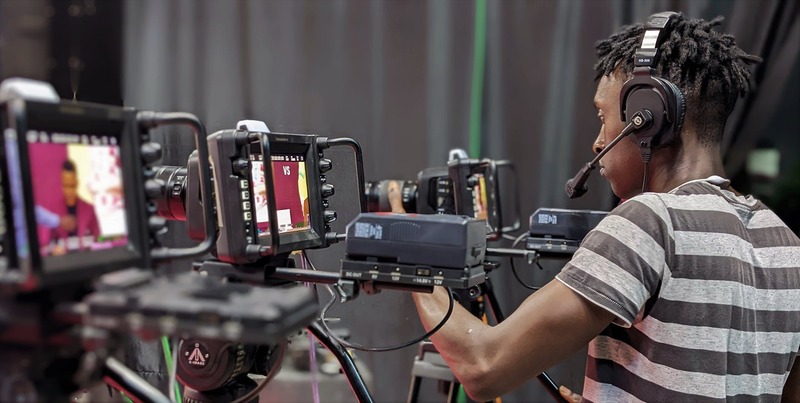
Analytical data collected during and after the broadcast including viewer metrics, engagement rates, and technical performance helps refine future productions. These insights drive improvements in camera angles, stream stability, and interactive features. By adhering to detailed technical protocols and employing sophisticated production workflows, live streaming services deliver a consistent, professional experience that elevates the event’s impact and reach in the Miami area and beyond.
Technical Planning and Production Process
Executing a successful live streaming event demands meticulous technical planning and a well-structured production process. This phase involves detailed coordination between the client, technical team, and on-site production crew to ensure all elements align perfectly with the event’s objectives. The process begins with a comprehensive pre-production meeting, during which the event’s scope, target audience, content flow, and desired outcomes are analyzed. These discussions help establish a detailed production timeline, resource allocation, and technical requirements.
Once the planning stage is complete, the technical team develops a customized production blueprint. This includes selecting appropriate equipment such as professional-grade cameras, multi-channel audio systems, switchers, encoders, and streaming hardware. The setup also involves configuring backup systems, redundancy measures, and secure network connections to prevent interruptions during the live broadcast. For large-scale events, establishing a dedicated control room is crucial, equipped with monitoring stations to oversee each aspect of the stream in real time.
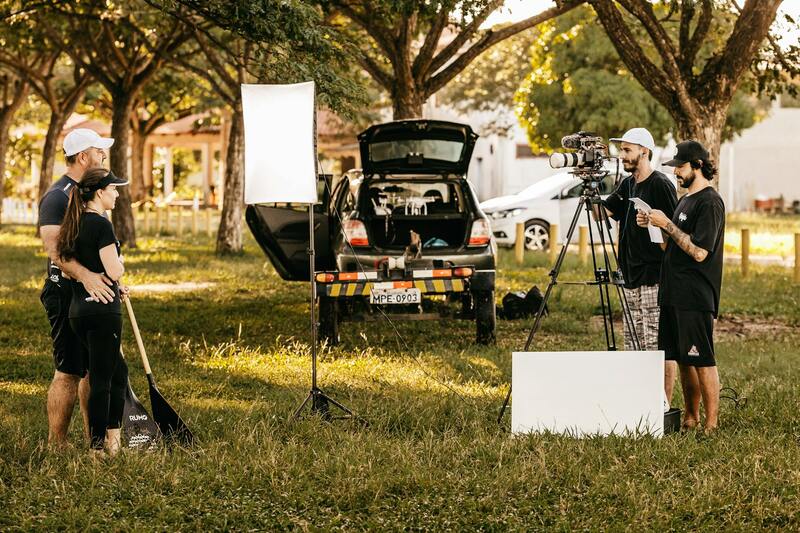
During production, a coordinated operational flow is maintained. Camera operators capture high-definition footage, while audio technicians manage sound quality and synchronization. The production director oversees all visual and audio inputs, making real-time decisions to switch camera angles, insert graphics or videos, and adjust audio levels for optimal viewer engagement. The integration of multimedia content, such as lower thirds, overlays, and interactive chat features, enhances audience involvement and content clarity. Real-time communication channels connect the on-site crew with remote analysts, enabling swift adaptations to any unforeseen circumstances, such as equipment failures or unexpected technical glitches.
Quality assurance remains paramount throughout this process. Continuous monitoring of stream health—latency, resolution, and buffer rates—is conducted via specialized software. In case of disruptions, immediate corrective actions are implemented to restore stream stability quickly. Additionally, event-specific protocols for data security and privacy are enforced to safeguard the broadcast against unauthorized access or cyber threats.
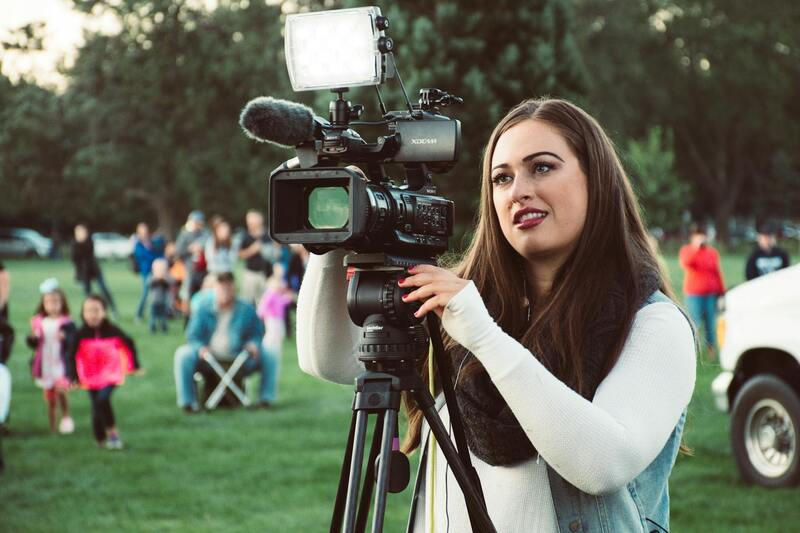
Post-production activities focus on data collection and analysis, providing valuable insights that influence future events. Viewer metrics, engagement levels, and technical performance data are compiled and reviewed to assess the overall success of the stream. This information helps identify areas for improvement in camera placement, stream stability, and audience interaction features. Continuous refinement based on these analytics ensures that every subsequent live stream aligns more closely with client expectations and industry standards.
Advanced Equipment and Technical Expertise
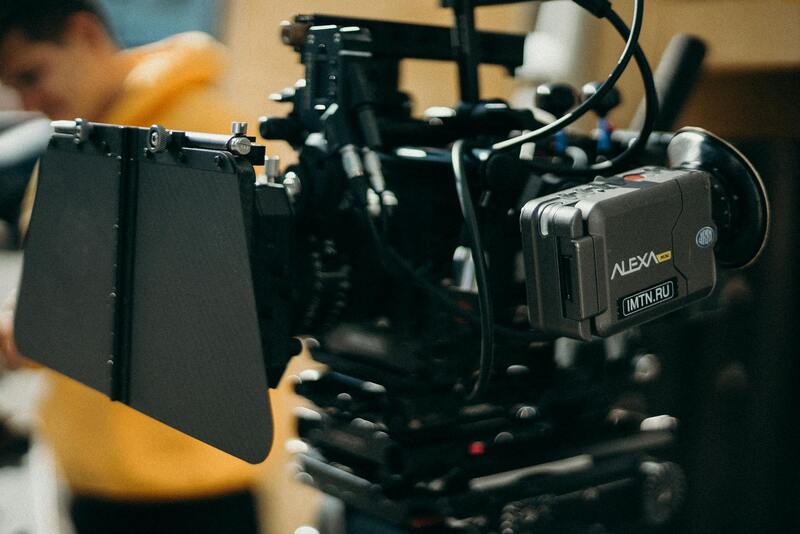
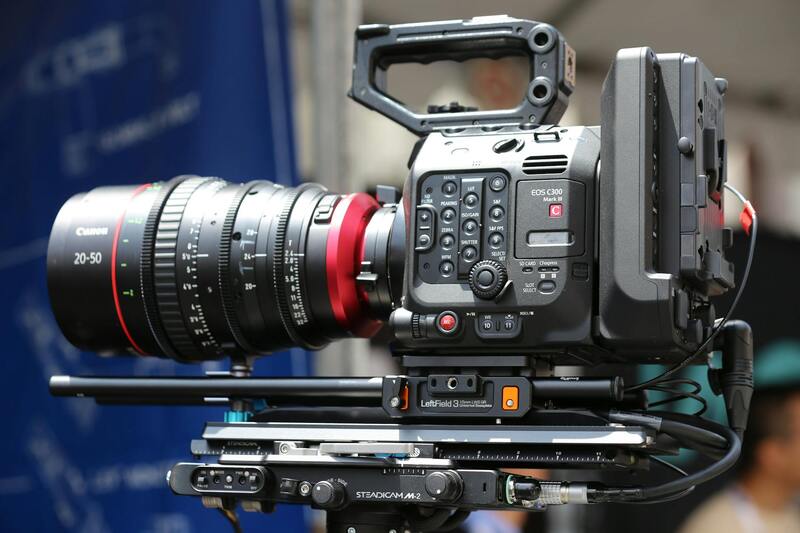
For successful live streaming video production services, leveraging state-of-the-art equipment is essential. This includes high-definition cameras capable of capturing crisp, clear visuals in various lighting conditions, and professional-grade audio equipment to ensure dialog, commentary, and ambient sound are all perfectly balanced. Specialized video switchers allow seamless transitions between camera feeds, while encoders optimize data transmission for different streaming platforms. Dedicated network infrastructure, including fiber optic connections, minimizes latency and buffering, guaranteeing smooth delivery even during high-traffic events.
Moreover, the deployment of multiple cameras and dynamic shot compositions enhances visual interest, providing viewers with a cinematic experience that mimics traditional broadcast quality. Robotic camera systems and remote-controlled pan-tilt-zoom (PTZ) cameras extend the production reach, making it possible to capture wide shots, close-ups, or audience reactions without physically adjusting equipment on-site. These tools are complemented by professional lighting setups designed to highlight key subjects while preserving image consistency under varied environmental conditions.
Expert Crew and Coordination
Effective live streaming relies on a cohesive, well-trained team of professionals, including directors, camera operators, audio technicians, and technical directors. Each role is crucial for managing the complex, real-time processes involved in live production. Precise coordination ensures that camera angles are synchronized, audio feeds are correctly mixed, and visual overlays are accurately timed to enhance the content. Clear communication channels, facilitated through headsets and control software, enable rapid decision-making and problem-solving during the broadcast.
Preparatory rehearsals are integral to smooth execution, allowing the team to troubleshoot technical issues, test equipment, and familiarize themselves with the event schedule. In addition, on-site technicians continuously monitor the stream quality, making immediate adjustments in response to changing conditions or unforeseen challenges. This level of professionalism guarantees a consistent, high-quality viewer experience regardless of the event complexity or location.
Real-Time Monitoring and Emergency Response
Maintaining stream stability throughout an event necessitates advanced monitoring systems that track key performance indicators such as latency, frame rate, and data consistency. These systems provide live feedback, alerting technicians instantly to any issues that could impact broadcast quality. When disruptions occur, such as network congestion or hardware malfunction, rapid response protocols are activated to troubleshoot and resolve problems with minimal viewer impact.
Redundancy measures, including backup internet connections and secondary hardware, are standard practices to ensure continuity. In the case of a critical failure, switching seamlessly to backup streams or recording local copies preserves content for post-event distribution. Cybersecurity protocols, including encryption and secure access controls, protect the broadcast from unauthorized interference, safeguarding sensitive content and participant privacy.
Overall, technical planning for live streaming events in Miami involves meticulous preparation, real-time management, and comprehensive contingency strategies to deliver a professional, uninterrupted viewing experience.
Technical Planning and Production Process
Effective live streaming video production begins well before the event takes place. The initial phase involves detailed planning, where crew members collaborate with clients to understand the event’s objectives, target audience, and specific broadcasting requirements. This includes selecting appropriate streaming platforms, determining the necessary equipment, and establishing a comprehensive schedule that delineates each stage of the production process.
Pre-production setup is critical and encompasses several key steps:
- Site Inspection and Logistics: Conducting thorough site surveys to assess technical infrastructure, power sources, and internet connectivity. This helps identify potential challenges and plan for necessary adjustments or enhancements.
- Technical Equipment Preparation: Selecting high-quality cameras, microphones, switching consoles, encoders, and other essential hardware tailored to the event’s size and complexity. Proper calibration and testing of equipment are essential to avoid technical issues during the live broadcast.
- Content Planning: Developing detailed scripts, shot lists, and camera angles to ensure smooth transitions and engaging visuals. Coordination with on-screen talent and presenters also plays a significant role in delivering a polished broadcast.
- Connectivity and Redundancy Checks: Ensuring stable internet connections through wired setups, backup networks, or cellular bonding solutions. This redundancy reduces the risk of stream interruptions caused by connectivity issues.
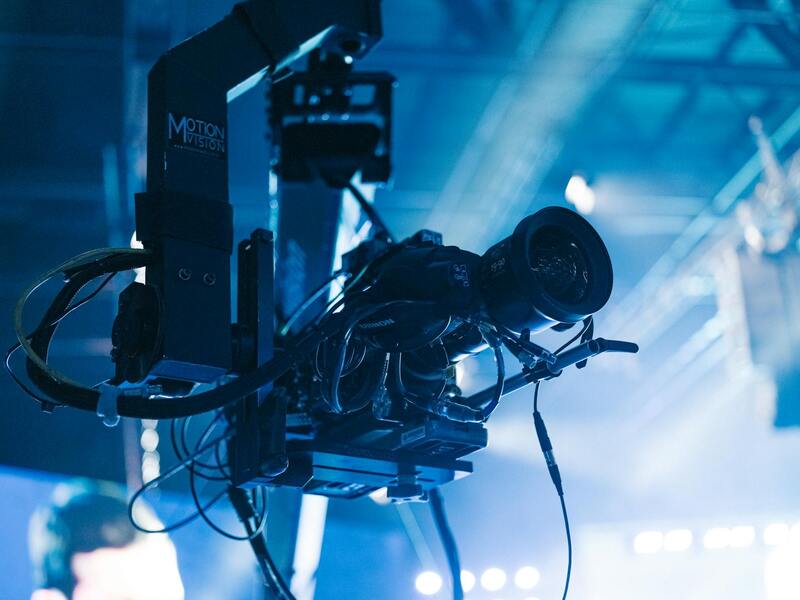
On the day of the event, the technical team executes the setup according to plan, running multiple tests to verify signal quality, audio clarity, and visual output. A rehearsal session is often conducted, allowing technicians to troubleshoot potential issues in real-time. During the broadcast, a dedicated team monitors stream health continually, making adjustments as needed to preserve high-quality delivery.
The ability to adapt swiftly to unforeseen circumstances — such as equipment failure, connectivity lapses, or unexpected visual requirements — hinges on meticulous preparation and proactive management. Employing backup hardware and internet connections, along with secure remote control systems, ensures minimal disruption during operation. This structured approach guarantees a professional, uninterrupted broadcast that meets high industry standards and client expectations.
Technical Planning and Production Process
Executing a high-quality live streaming event in Miami requires meticulous technical planning and precise coordination among various production teams. The process begins with comprehensive site surveys and detailed event analysis, to identify optimal camera placements, audio configurations, and lighting setups that enhance visual clarity and audience engagement.
During the setup phase, specialized equipment such as professional-grade cameras, switchers, audio mixers, and streaming encoders are calibrated to ensure optimal performance. Connectivity is a critical aspect, with redundant internet setups—such as wired Ethernet connections combined with cellular bonding or satellite links—implemented to prevent interruptions. The technical team conducts multiple test runs, assessing signal stability, audio fidelity, and video clarity, and making real-time adjustments as needed.

Rehearsals are an integral part of the process, validating camera angles, transitions, and on-screen graphics, while providing an opportunity for presenters and behind-the-scenes staff to familiarize themselves with the broadcast flow. During the live event, a dedicated crew monitors the stream's health constantly, working proactively to troubleshoot any issues that may arise—be it audio sync problems, visual artifacts, or connectivity challenges. Backup hardware and secondary internet connections serve as safety nets to maintain continuous transmission.
Integration of remote control systems allows technicians to manage the stream remotely, enabling swift adjustments without disrupting the event. This seamless coordination ensures that every aspect of the broadcast aligns with industry standards and client expectations, ultimately delivering a professional visual experience that captivates online viewers.
Post-Stream Services and Analytics
After the live streaming event concludes, the focus shifts to comprehensive post-stream analysis and content management. High-quality post-production services include editing a recorded version of the broadcast, incorporating synchronized highlights, and optimizing the footage for on-demand viewing platforms. These edited videos serve as valuable content for promotional activities, social media sharing, and future event marketing. Additionally, professional live streaming providers often offer detailed analytics reports, which provide insights into viewer engagement metrics, such as total viewership, peak online traffic times, geographic distribution of viewers, and average watch duration.
These analytics are instrumental in assessing the success of the event and informing strategic decisions for future broadcasts. Feedback collected from viewers and client stakeholders also contributes to enhancing overall production quality and audience engagement. Technical debriefings enable the team to evaluate the performance of streaming infrastructure, identify unforeseen challenges, and implement improvements for subsequent projects. Moreover, secure storage of the recorded footage ensures easy accessibility for clients seeking to repurpose content for training, promotional videos, or archival purposes.

Integrating feedback mechanisms and analytical insights into the post-production process enhances the overall quality and effectiveness of live streaming services. This data-driven approach ensures continuous improvement, maximizes return on investment, and ultimately elevates the client's brand presence in the digital arena. Whether it’s a corporate conference, a concert, or a community event in Miami, leveraging comprehensive post-stream services is essential for achieving ongoing success and audience satisfaction.