
Overview of Livestreaming Production Companies
In an era where real-time digital engagement is paramount, livestreaming production companies have become essential partners for organizations, event organizers, and brands aiming to broadcast live content seamlessly. These companies specialize in translating live events, whether corporate seminars, concerts, sports, or community gatherings, into professionally produced streams accessible to online audiences worldwide. Their core role encompasses more than just transmitting video; it involves a comprehensive suite of services that ensure high-quality delivery, technical reliability, and engaging viewer experiences.
A livestreaming production company operates at the intersection of technology, creativity, and logistics. They are responsible for capturing live footage, managing seamless transitions, integrating graphics and overlays, and ensuring smooth audio-video synchronization. The professional standards set by industry leaders emphasize clarity, stability, and security of the broadcast, along with maximizing audience engagement across digital platforms.
The services provided by these companies range from full-scale live event production to specialized support like multi-camera setups, live switching, and streaming to various platforms. They often work closely with clients during initial planning phases to determine the scope, technical needs, and desired outcomes of each project. This meticulous planning ensures that every aspect of the broadcast aligns with the expectations and objectives set before the event.
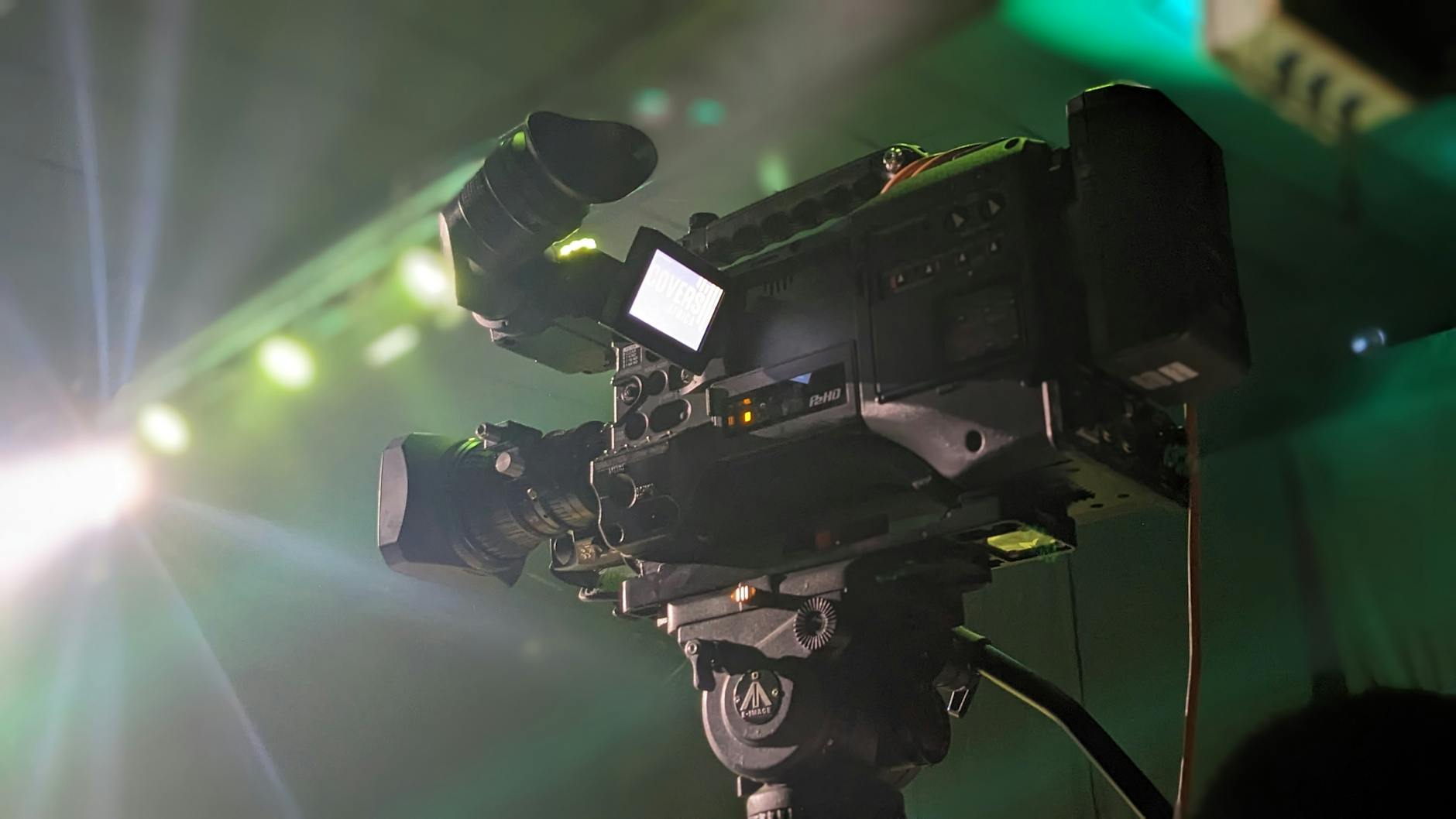
Industry standards for livestreaming emphasize robust network infrastructures, high-definition video encoding, real-time editing, and resilient backup systems to prevent disruptions. These components are fundamental to delivering flawless live streams that meet both client standards and audience expectations. In this digital age, the reputation of a livestreaming production company hinges on the ability to produce engaging, reliable, and accessible content that reaches audiences across multiple devices and platforms without interruption.
Understanding these core principles and the breadth of services offered by livestreaming production companies provides clarity on their vital role in modern digital storytelling. Whether for large-scale events or targeted corporate communications, these specialists enable organizations to amplify their message through expertly managed live broadcasts, reflecting a commitment to quality, technical excellence, and strategic engagement.
Importance of Local Expertise in Miami
Partnering with a livestreaming production company that possesses local expertise in Miami ensures tailored solutions that resonate with regional audience preferences and logistical nuances. These companies understand the unique dynamics of Miami's event venues, traffic patterns, and permitting requirements, allowing for smoother on-site operations and equipment logistics. Local providers are also well-connected within the community, facilitating expedited access to necessary resources and personnel. This familiarity translates into more efficient planning, reduced delays, and a greater ability to adapt swiftly to unforeseen circumstances during live events.
Miami's vibrant cultural landscape and diverse demographic make it essential to work with a team that understands regional audience engagement standards. A local livestreaming production company can help craft content that aligns with regional tastes and expectations, ensuring higher viewer retention and engagement. Moreover, these companies often have established relationships with local broadcasters and media outlets, enabling seamless content distribution and maximization of reach within the community and beyond.
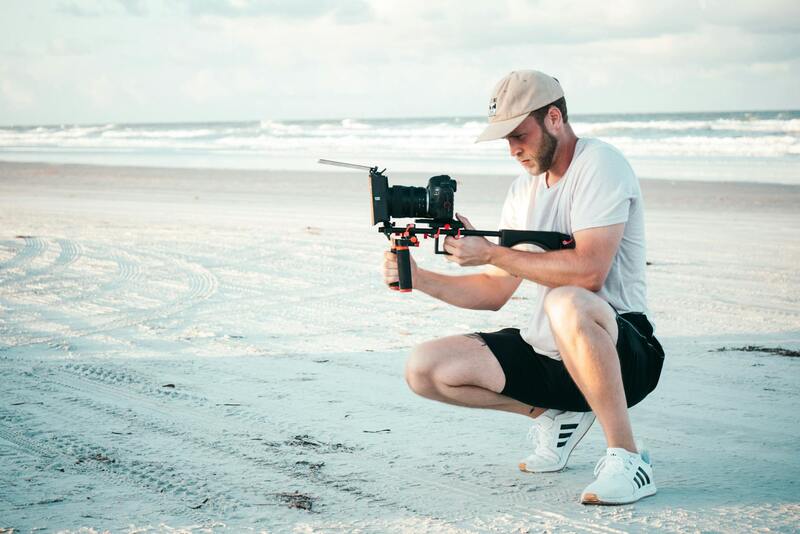
Access to Miami-specific resources, such as studios, outdoor venues, and specialized technicians, further enhances the quality and reliability of livestreams. The ability to leverage local knowledge and connections is critical for executing complex projects without unnecessary delays, ensuring that every aspect of the livestream aligns perfectly with client expectations. This regional insight also allows companies to advise on optimal timing, local regulations, and culturally relevant streaming strategies, maximizing the effectiveness of each broadcast.
Technologies and Equipment Used in Professional Livestreaming
State-of-the-art technology forms the backbone of successful livestreaming production. This includes high-definition cameras capable of capturing crisp visuals from multiple angles, advanced switchers for seamless scene transitions, and professional audio systems that ensure crystal-clear sound. Robust internet connectivity, often backed by dedicated fiber-optic lines, guarantees uninterrupted streaming even during high-demand broadcasts.
Modern livestreaming companies deploy an array of specialized equipment such as streaming encoders, which convert raw footage into optimized digital signals for various platforms. Multi-platform streaming servers facilitate simultaneous distribution over social media, website, and dedicated apps, broadening audience reach. Additionally, real-time graphics, overlays, and captions are integrated to enhance viewer engagement and convey key information effectively.
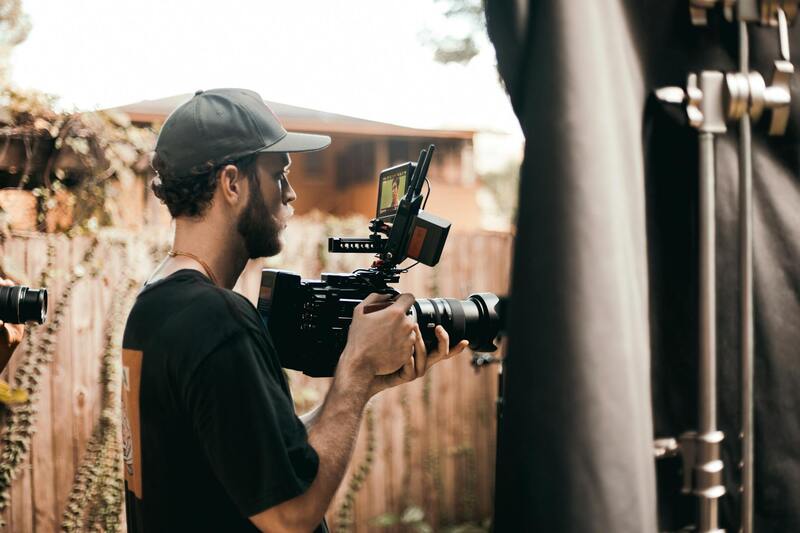
Backup systems, including backup internet connections, dual hosting servers, and redundant power supplies, are critical for maintaining broadcast continuity. As technology continues to evolve, so do the tools used by professional livestreamers, incorporating features like 4K streaming, augmented reality overlays, and AI-driven analytics. Staying current with these technological advancements allows production companies to deliver innovative and engaging live content that meets contemporary viewer standards.
Pre-Production Planning and Coordination
Effective livestreaming begins long before the cameras roll. Pre-production involves detailed planning sessions where clients’ objectives are clearly defined, and logistical considerations are thoroughly discussed. This phase includes selecting appropriate venues, drafting shoot schedules, and identifying technical requirements for each segment of the event.
Coordination efforts extend to content creation, with scripts, cue cards, and shot lists prepared to guide on-camera talent and crew. Technical rehearsals are scheduled to test equipment, internet connections, and platform integrations, ensuring all components function seamlessly during the live event. These preparations minimize the risk of unforeseen technical issues and guarantee that the production runs smoothly from start to finish.
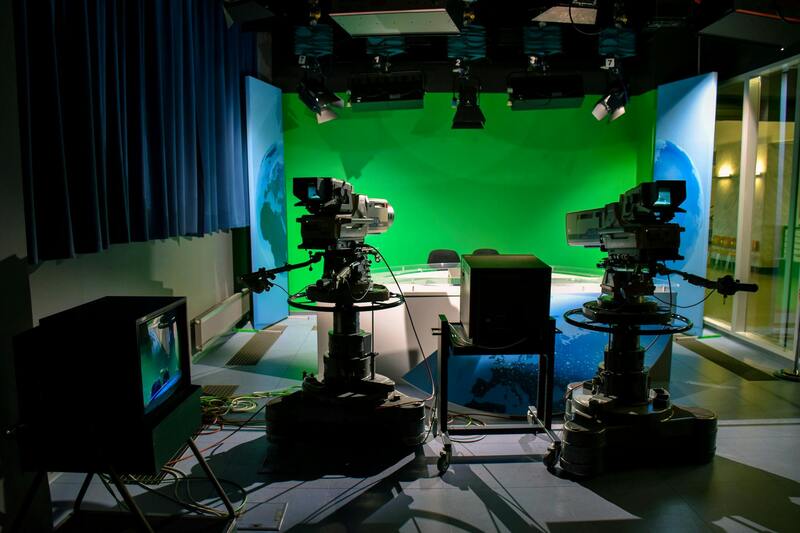
Clear communication channels are established among all team members, including technical crew, hosts, and clients. This collaborative approach facilitates timely updates and adjustments, addressing potential challenges proactively. Detailed documentation, including contingency plans for common disruptions, enhances confidence and preparedness, enabling the team to deliver a flawless live broadcast that meets strategic goals and audience expectations.
Technologies and Equipment Used in Professional Livestreaming
Successful livestreaming production hinges on the deployment of advanced technologies and state-of-the-art equipment that ensure high-quality transmission and seamless viewer experiences. A reputable livestreaming production company prioritizes the integration of cutting-edge hardware and software solutions tailored to each event’s unique requirements.
One of the core components is the use of high-definition cameras capable of capturing crisp, vivid footage across varying lighting conditions. Multiple camera angles are often employed to offer dynamic perspectives, making the broadcast more engaging. These cameras are typically paired with professional video switchers that allow real-time editing, transitions, and effects, enhancing the visual appeal of the live stream.
Complementing the cameras are high-fidelity microphones and audio mixers that deliver clear sound, an often overlooked but critical aspect of live production. These devices capture spoken content, music, or ambient sounds, balancing audio levels and filtering out background noise to maintain a professional auditory quality.
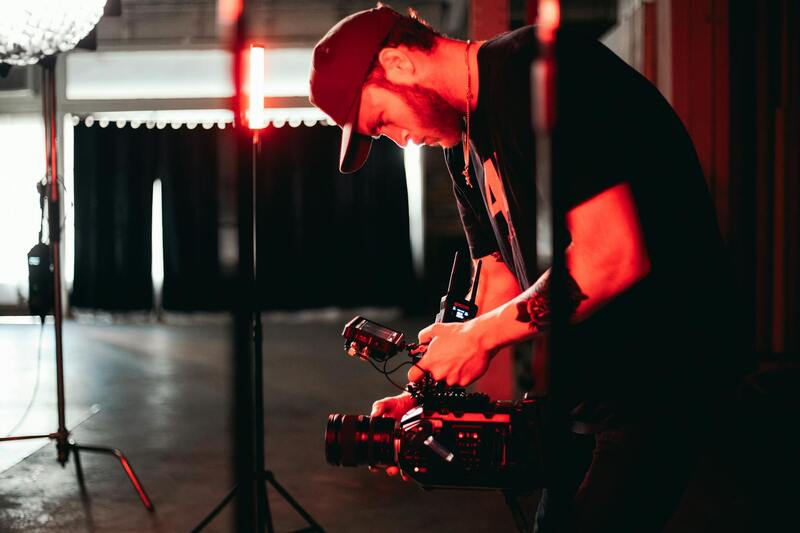
Reliable Internet connectivity is vital to prevent interruptions and buffering issues. Crew members utilize bonded cellular systems, fiber-optic connections, and backup internet sources to ensure continuous streaming, even in the face of potential network disruptions. Network monitoring tools are employed to track bandwidth usage and quality metrics, enabling proactive adjustments during the event.
On the software side, professional encoding and streaming platforms facilitate live broadcasting to multiple channels simultaneously. These platforms support adaptive bitrate streaming, which adjusts video quality based on viewer internet speeds, optimizing accessibility and reducing latency.
Additional equipment such as video switchers, graphic overlays, real-time chat integrations, and remote guest participation setups expand the production’s scope, allowing for immersive, interactive live events. Portable live streaming units and broadcasting trucks are also used for on-site operations, especially for large-scale events requiring extensive technical support and mobility.
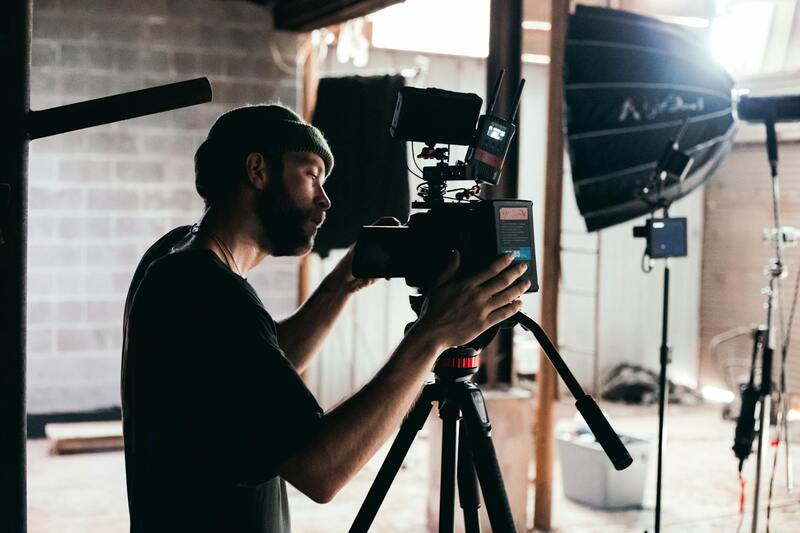
Every piece of equipment and technology must be calibrated and tested thoroughly before the event. Field technicians and production managers work collaboratively to troubleshoot potential issues, ensuring that all systems are synchronized for peak performance during the live broadcast. This meticulous planning and technological integration are what set apart professional livestreaming production companies, delivering consistently high-quality streaming experiences tailored to their clients’ needs.
Technologies and Equipment Used in Professional Livestreaming
High-quality livestreaming relies heavily on the deployment of cutting-edge technology and state-of-the-art equipment. Each component plays a critical role in ensuring the broadcast’s clarity, stability, and engaging visuals. Among these, professional-grade cameras are fundamental, capable of capturing high-resolution footage across diverse lighting conditions. These cameras often feature multiple sensors and advanced stabilization mechanisms, which significantly enhance video quality, especially when capturing dynamic, fast-paced events.
Alongside cameras, video switchers enable seamless transitions between different camera angles, graphics, and pre-recorded video clips. These switching devices facilitate real-time editing, allowing production crews to create a polished and professional viewing experience. Encoders are equally essential, converting raw video signals into streams compatible with various digital platforms. A robust encoding system ensures minimal latency and maximum compatibility with multiple devices and bandwidth conditions.
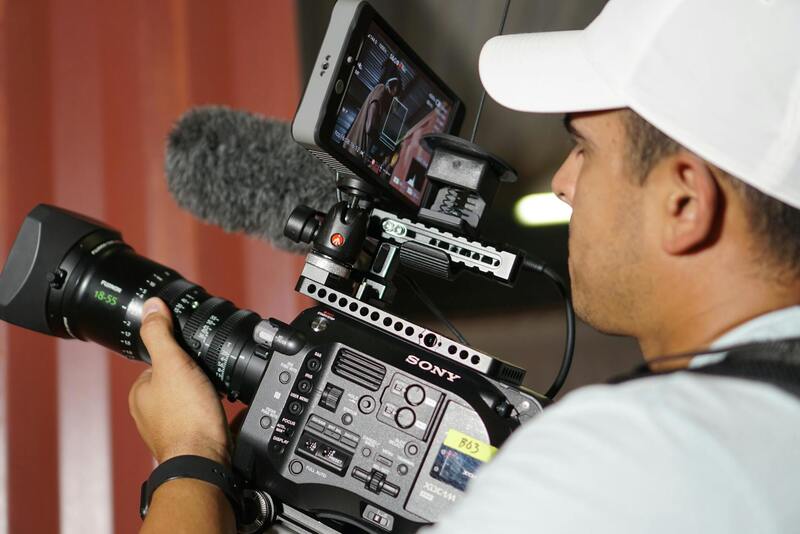
Audio quality holds equal importance to visuals in livestreaming. Advanced audio systems, which incorporate multiple microphones and mixing consoles, deliver crisp and clear sound. Proper audio synchronization with video streams ensures an immersive experience for viewers, minimizing distractions caused by audio delays or inconsistencies. Additionally, professional broadcast-grade audio processors and wireless microphone systems enable clear communication and dynamic soundscapes that elevate the overall production value.
Other vital tools encompass a range of supplemental equipment such as graphic overlays, which add branding elements, titles, and informational graphics in real-time. Real-time chat integrations foster viewer engagement, allowing interactions to occur live without interrupting the broadcast flow. For large-scale events, portable broadcasting units or mobile production trucks provide the flexibility and technical support necessary for extensive or remote filming environments.
Technical success hinges on meticulous calibration and synchronization of all equipment before the event begins. Production teams conduct thorough testing, troubleshooting potential issues proactively to guarantee smooth operations during the livestream. This commitment to technological precision distinguishes leading livestreaming production companies, reflecting their dedication to delivering impeccable live content tailored to diverse client needs.
Technologies and Equipment Used in Professional Livestreaming
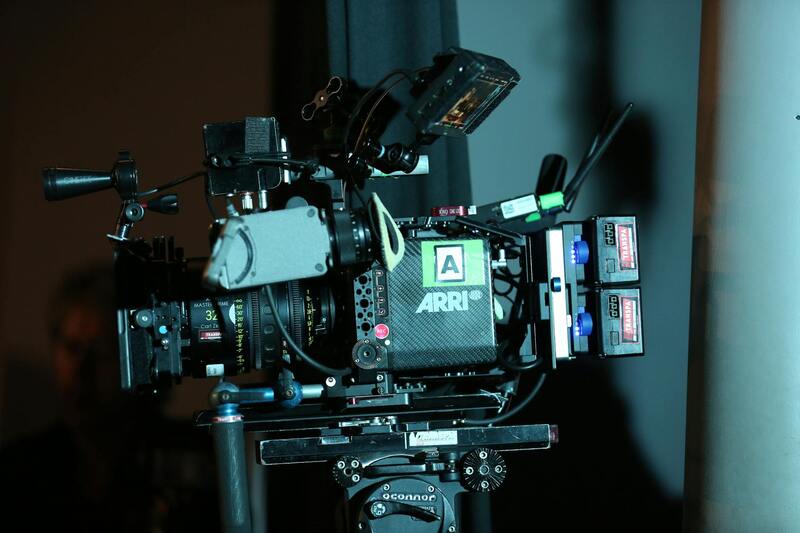
Advanced livestreaming production relies heavily on state-of-the-art technologies and equipment that ensure high-quality broadcast content. Key components include professional-grade cameras capable of capturing high-resolution images with excellent low-light performance, which are essential for both indoor and outdoor events. These cameras often feature remote control capabilities, allowing production teams to adjust focus, zoom, and framing in real-time, enhancing visual storytelling.
Complementing the cameras are robust video switchers that handle multiple HDMI, SDI, and IP camera feeds, enabling seamless switching between different angles or sources. This flexibility allows producers to craft dynamic, engaging live streams that maintain viewer interest. Additionally, high-resolution media servers and graphics systems enable real-time overlays, scoreboards, branding elements, and informational graphics, adding professionalism and clarity to the broadcast.
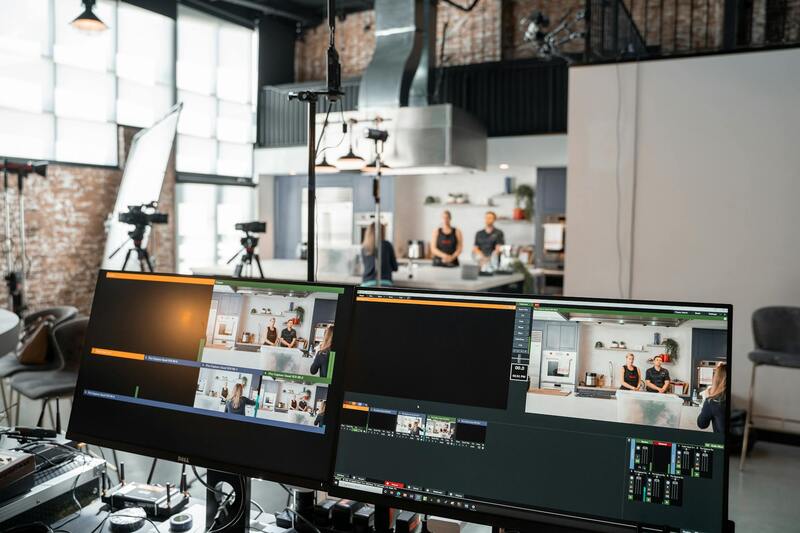
In terms of audio, digital mixing consoles and wireless microphone systems facilitate clear and balanced sound, even in noisy environments. These systems allow multiple audio sources—such as microphones, instruments, and background music—to be mixed harmoniously. Properly calibrated audio equipment ensures synchronization with video feeds, crucial for maintaining an immersive experience for viewers.
To further enhance livestream quality, professional production companies incorporate real-time encoding hardware that compresses and transmits content with minimal latency, ensuring viewers experience a steady, uninterrupted stream. For remote or large-scale events, portable broadcasting units or mobile production trucks house a comprehensive suite of equipment, providing the flexibility to execute complex productions outside of traditional studio settings.
Technical success also depends on reliable internet connectivity solutions, including bonded cellular networks or fiber-optic links, which support high bandwidth and stable streaming even in challenging environments. All equipment undergoes rigorous pre-show calibration and testing, with backup solutions in place to anticipate and mitigate unforeseen technical issues, underscoring the level of professionalism in Miami-based livestreaming companies.
Pre-Production Planning and Coordination
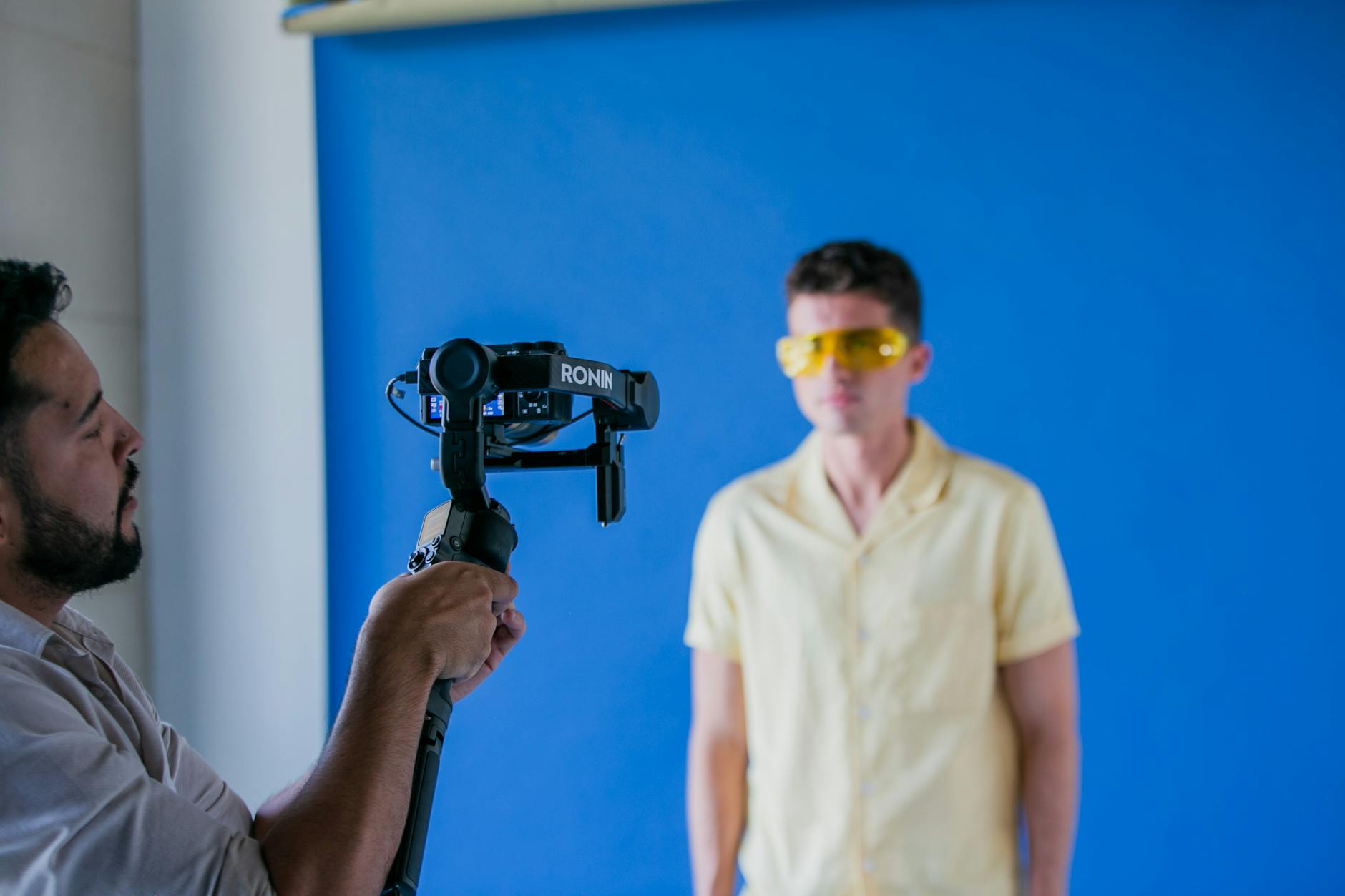
Effective livestreaming begins long before the cameras start rolling. A professional livestreaming production company prioritizes meticulous planning to ensure seamless execution of the event. This involves detailed pre-production meetings where the client’s objectives, target audience, and desired outcomes are thoroughly discussed. During these sessions, the production team develops a comprehensive plan encompassing technical requirements, content flow, camera angles, graphics, and branding elements. A critical component of pre-production is creating a storyboard or shot list that visualizes each segment of the livestream. This helps coordinate camera placements, transitions, and graphic overlays, aligning technical execution with the event’s narrative. Additionally, the team assesses the venue for logistical considerations such as lighting conditions, space constraints, and available power sources, enabling tailored equipment setup. Technical rehearsals are organized well in advance to test all systems, including video feeds, audio channels, graphics integration, and streaming connections. This rehearsal process allows the team to identify and address potential issues, ensuring that all equipment functions correctly and that staff members are familiar with their roles. Backup plans, including spare equipment and alternative internet sources, are put in place to handle unforeseen circumstances. In the context of Miami’s vibrant event scene, understanding local regulations, securing necessary permits, and coordinating with venue staff are vital. This proactive approach minimizes disruptions and ensures that the livestream aligns with client expectations and compliance standards. The result is a cohesive, well-organized production plan that guarantees a professional presentation and engaging viewer experience from start to finish.
Executing Live Events: On-Site Operations
Implementing a successful livestreaming event requires meticulous on-site coordination, where technical expertise and real-time decision-making are crucial. Once pre-production planning sets the foundation, the focus shifts to the execution phase, which involves deploying high-quality equipment and a skilled production team to manage the live feed seamlessly.
Key elements of on-site operations include the setup and calibration of cameras, audio sources, and lighting to optimize image and sound quality. Video cameras are strategically positioned to capture all critical angles, ensuring comprehensive coverage of the event. Integration of professional switchers and streaming servers facilitates a smooth transition between camera feeds and graphical overlays, maintaining viewer engagement throughout the broadcast.
Effective communication among team members—directors, camera operators, sound engineers, and technical support—is vital to adapt swiftly to on-the-fly changes or unforeseen challenges. Clear communication is maintained via wired or wireless headsets, allowing for immediate responses to any technical issues or content adjustments.
Wi-Fi and internet connectivity are stabilized through redundant connections, such as wired Ethernet and backup cellular modems, especially in dynamic environments like Miami venues where network stability can vary. This robustness prevents disruptions, ensuring uninterrupted streaming quality.
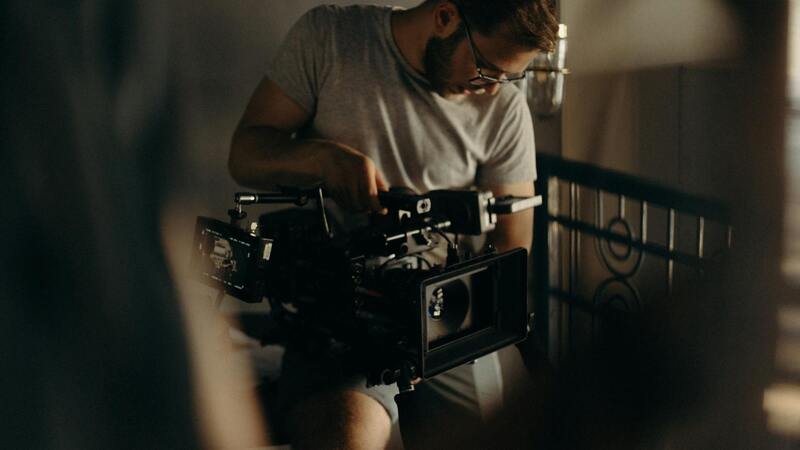
During the live event, the production team continuously monitors stream performance, audio levels, and video quality. Real-time troubleshooting might involve adjusting camera angles, switching sources, or addressing audio issues to maintain a polished presentation. Social media feeds and viewer interactions can also be integrated into the stream to increase engagement and foster a more interactive experience.
Miami's diverse event environment—ranging from corporate conferences to outdoor festivals—necessitates tailored logistical approaches. Site surveys beforehand identify possible obstructions, transmission challenges, and lighting considerations, allowing teams to adapt equipment placement and technical setups effectively.
Furthermore, adherence to venue-specific protocols—including power requirements, space limitations, and safety regulations—is paramount. Close coordination with venue staff ensures smooth access to necessary utilities and compliance with all operational standards. This meticulous planning reduces delays, minimizes disruptions, and guarantees a professional broadcast that meets client expectations.
By maintaining a focus on real-time execution, technical resilience, and adaptability, a dedicated livestreaming production company in Miami can deliver high-quality, engaging live broadcasts that resonate with audiences across various platforms and devices. This approach not only highlights the technical prowess of the production team but also reflects their understanding of the local event landscape and audience expectations, ensuring the success of every livestream event.
Comprehensive Content Delivery and Analytics in Livestreaming
For organizations aiming to maximize the impact of their live broadcasts, comprehensive content delivery strategies extend beyond the mere transmission of video. An effective livestreaming production company offers integrated solutions that ensure content reaches the intended audience seamlessly across multiple platforms, including social media, websites, and dedicated streaming services. These solutions often involve adaptive streaming technology, which dynamically adjusts video quality based on viewer bandwidth, ensuring uninterrupted viewing experiences regardless of device or location.
Additionally, post-event analytics play a crucial role in evaluating success metrics such as viewer engagement, peak viewing times, geographic distribution, and audience demographics. Detailed reports generated by these analytics aid clients in understanding their audience better, refining future event strategies, and quantifying ROI. They can highlight viewer behaviors, retention rates, and interaction levels, providing actionable insights to tailor subsequent live streams for greater impact.
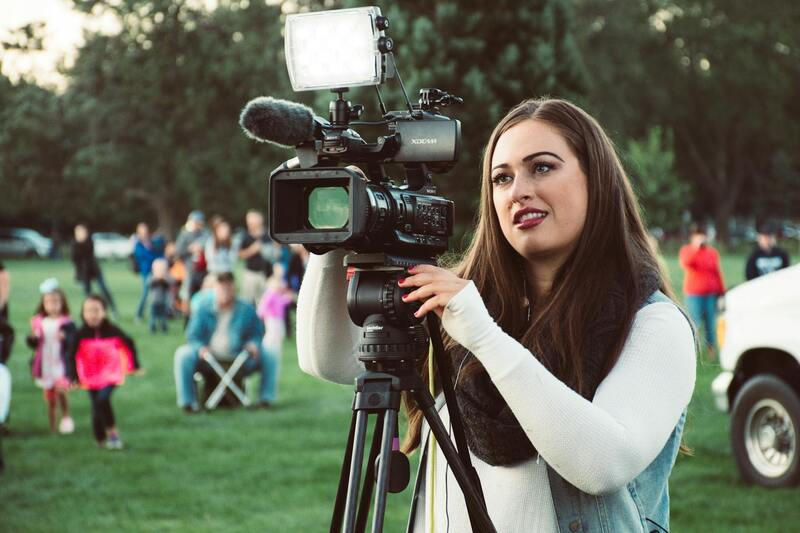
Advanced content delivery networks (CDNs) ensure rapid and reliable global distribution, reducing latency and buffering issues. This technology distributes the stream through multiple geographically dispersed servers, enhancing viewer experience regardless of location. Simultaneously, end-to-end encryption and secure transmission protocols safeguard content and viewer data, maintaining brand integrity and compliance with data privacy standards.
Another critical aspect involves content archiving, where the event footage is stored securely for future use. Archived content can be repurposed for marketing, training, or on-demand viewing, extending the lifespan and utility of a live broadcast. Professional producers also assist with creating highlight reels, promotional snippets, and post-event summaries that amplify content reach and viewer engagement.
To facilitate effective content presentation, graphics, overlays, and multiple camera angles are used to enhance visual appeal. These elements contribute to a professional look and feel, maintaining viewer interest and reinforcing brand identity. Transition effects, lower thirds, and custom branding are seamlessly integrated to elevate the production quality, ensuring every piece of content delivered aligns with client specifications and audience expectations.
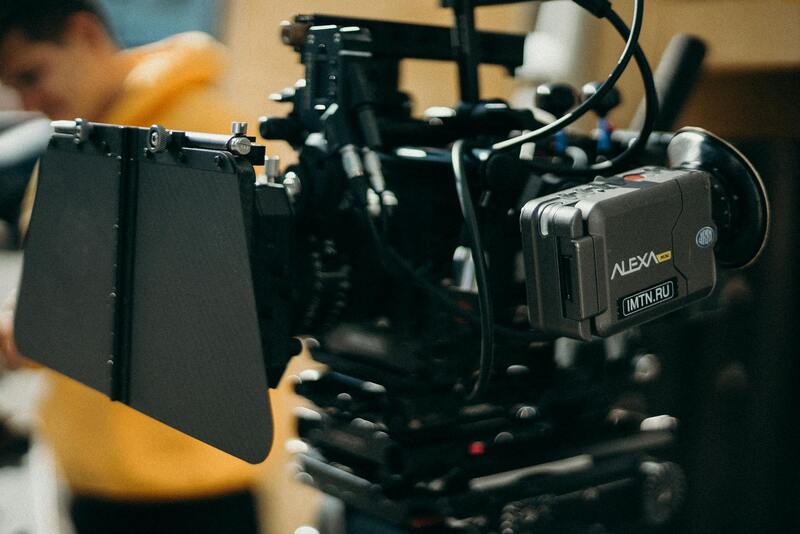
Ultimately, a reliable livestreaming production company in Miami provides comprehensive content management solutions that not only deliver high-quality broadcasts but also facilitate strategic analysis and content utilization, empowering clients to maximize the value from each live event.