
Overview of Livestream Production Services
In today’s fast-paced digital landscape, livestream production services have become essential for organizations, event organizers, and businesses aiming to reach audiences across multiple locations in real-time. These services encompass a comprehensive range of technical and logistical elements designed to deliver high-quality live broadcasts that engage viewers and elevate the impact of events. For clients in Miami, leveraging professional livestream production ensures their message is transmitted seamlessly, whether for corporate meetings, product launches, conferences, or entertainment events. Skilled livestream providers offer end-to-end solutions that include planning, equipment setup, content management, and live transmission, all tailored to meet specific event objectives.
Employing experienced professionals in livestream production can significantly improve broadcast quality, ensuring crisp visuals, clear audio, and minimal latency. Such services typically incorporate advanced broadcasting technology, including multiple camera setups, professional lighting, dedicated sound engineering, and reliable streaming hardware. This combination facilitates a polished presentation that reflects the professionalism of the host organization. The immediacy of live streaming also allows for interactive elements, such as viewer Q&A sessions and real-time polls, fostering greater audience engagement. For Miami-based clients, these services are adaptable to diverse venues and event formats, ensuring that the unique needs of each occasion are met with precision and expertise.

Furthermore, professional livestream production services extend beyond the event day, providing content archiving and on-demand viewing options. This enables organizations to maximize their content's reach and longevity, fostering ongoing engagement with their audience. As live streaming continues to evolve with new formats and technological innovations, partnering with experienced providers in Miami offers access to cutting-edge solutions, ensuring that every broadcast is executed flawlessly, leaving a lasting impression on viewers. Clients benefit from a simplified planning process, expert technical support, and the ability to focus on their core content while the production team manages all broadcasting intricacies.
Key Components of Livestream Production
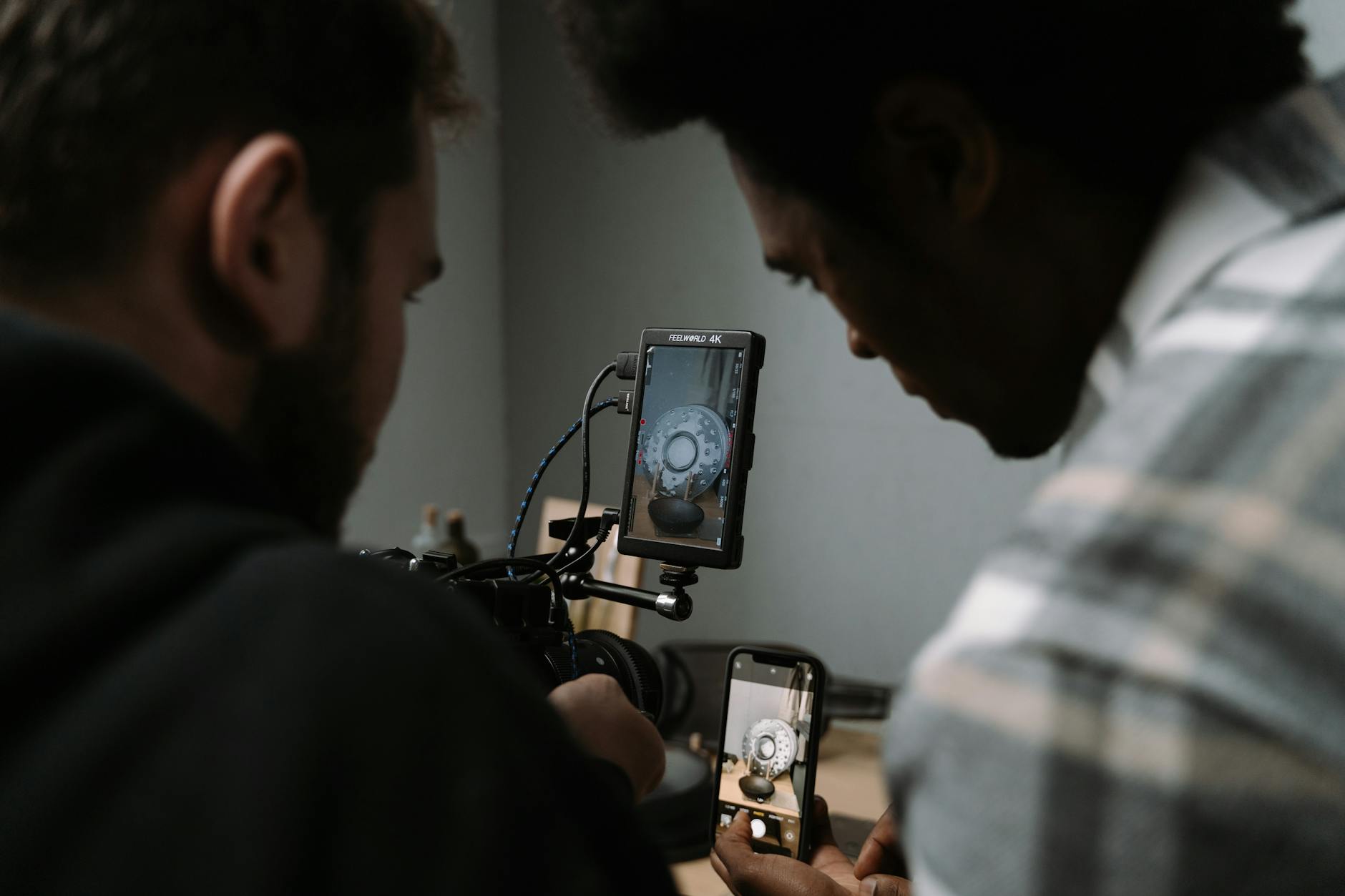
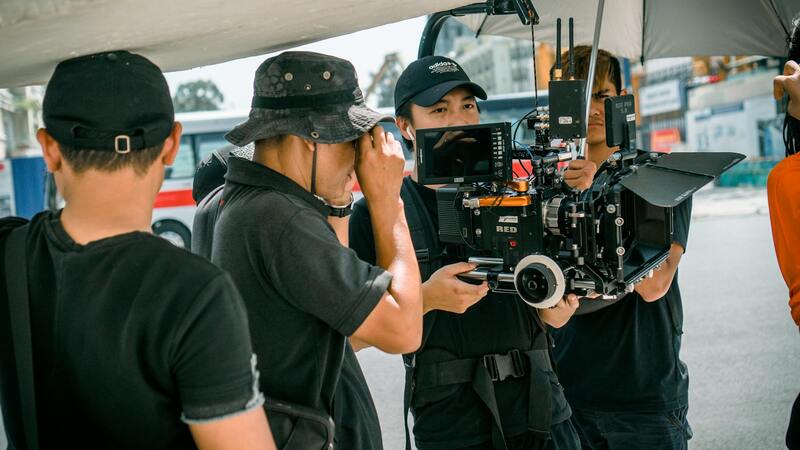
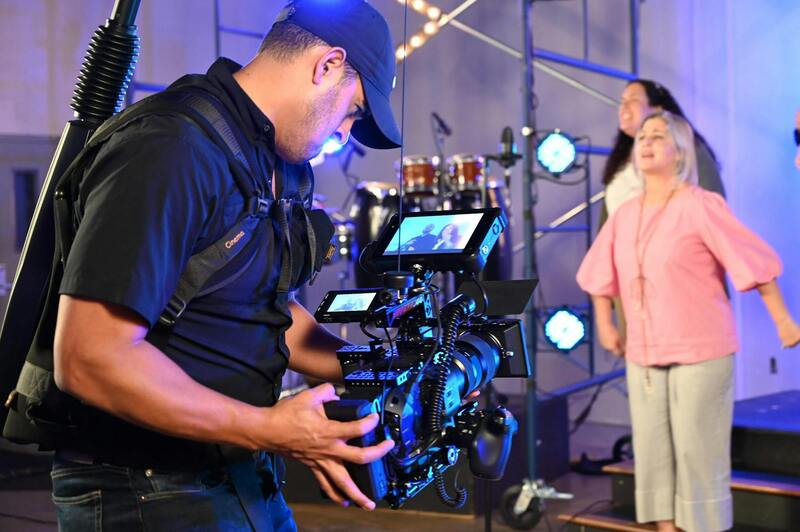
Effective livestream production hinges on a carefully coordinated blend of technical elements that work together to deliver a seamless viewing experience. Central to this are high-definition camera setups, which capture every detail of the event from multiple angles, providing dynamic and engaging visuals. These cameras are operated by skilled technicians who ensure precise framing, focus, and movement, contributing significantly to the broadcast’s professionalism.
Audio management constitutes another vital component. Using professional-grade microphones, audio mixers, and sound engineering, producers guarantee clear and balanced sound throughout the broadcast. This aspect is crucial, as good audio quality prevents listener fatigue and enhances the overall production value.
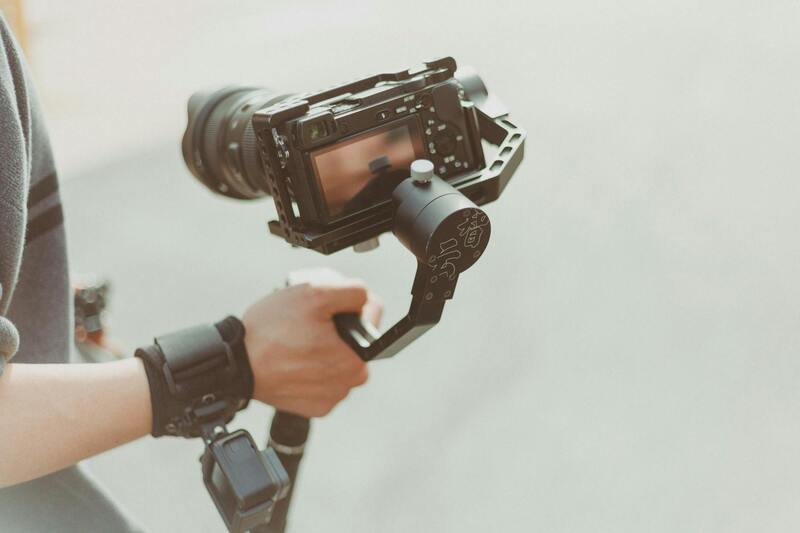
Switching equipment allows for real-time video transitions, picture-in-picture effects, and multi-camera angles. Skilled operators utilize switchers to execute smooth cuts that keep the broadcast visually engaging. Meanwhile, encoding technology compresses and transmits the video stream to various platforms, adapting to different bandwidths and device compatibilities for optimal delivery.
- Camera Systems: Multiple HD or 4K cameras, remote-controlled for fluid shots.
- Audio Hardware: Wireless microphone systems, audio mixers, and ground microphones for comprehensive coverage.
- Video Switchers: Seamless transitions between camera feeds, picture-in-picture displays, and live graphics.
- Encoding Solutions: Hardware and software encoders that facilitate efficient data compression and smooth streaming onto multiple platforms.
In addition to hardware, software tools for live graphics, teleprompters, and real-time analytics contribute to the robustness of the production. These components, when integrated effectively, create a professional broadcast that captivates viewers and maintains high production standards.
Customizing Livestream Solutions for Different Events
Adapting livestream production services to match the specific demands of various events involves tailored planning and execution. Corporate conferences might require multi-camera coverage with dedicated interview zones, while a concert may emphasize high-quality audio coupled with vibrant visual effects. Webinars often benefit from simpler setups but demand reliable internet connections and professional overlays to maintain branding consistency.
With diverse event formats, the goal is to balance technical complexity with user experience, ensuring that every broadcast aligns with the intended message and audience expectations. Scalability is essential, allowing teams to augment the setup for larger venues or intricate production needs or streamline processes for smaller gatherings. These customizations ensure that each event’s unique characteristics are reflected in the livestream design, optimizing engagement and delivering a polished viewing experience.
Key Components of Livestream Production
Effective livestream production hinges on a meticulous combination of various technical elements designed to deliver a seamless viewing experience. High-quality video input is fundamental, requiring professional-grade cameras capable of capturing detailed images in different lighting conditions, whether in an indoor conference, outdoor event, or concert setting. These cameras, often equipped with multiple lenses and stabilization features, ensure clarity and stability for the audience. Complementing video capture are professional audio systems that deliver crisp, clear sound. Microphones, mixers, and audio processors work together to eliminate background noise and balance sound levels, making sure speakers, performers, and embedded soundtracks resonate perfectly with viewers.
Video Switching and Layout Technology
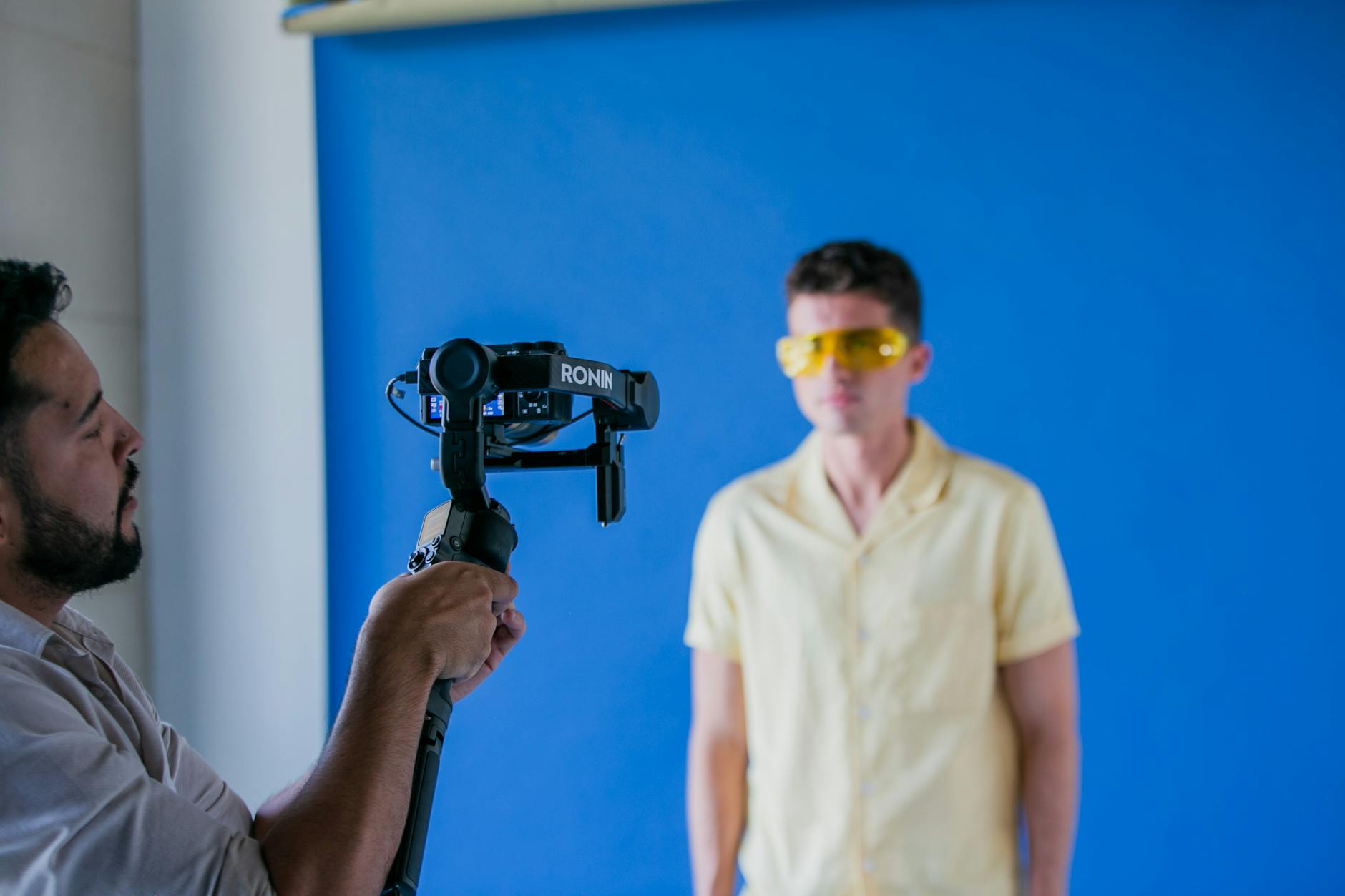
To craft visually dynamic broadcasts, production teams employ video switchers capable of seamless transitions between multiple camera feeds, graphics overlays, and media sources. Live graphics, including lower thirds, event branding overlays, and real-time data displays, add professionalism and inform viewers effectively. Additionally, multi-view monitors enable directors to oversee all video feeds simultaneously, facilitating quick and accurate scene changes during live production.
Encoding Solutions and Streaming Infrastructure
Encoding solutions transform raw video and audio signals into compressed formats ready for online streaming. Hardware encoders provide raw processing power and reliability, especially for high-bandwidth or multi-platform broadcasts. Software encoders, on the other hand, offer flexibility and easier configuration, suitable for smaller or less complex events. The choice between hardware and software encoders depends on the event’s scale and technical requirements. Reliable internet connectivity, robust servers, and content delivery networks (CDNs) are vital to prevent buffering and ensure consistent delivery across multiple viewer locations.
Real-Time Monitoring and Analytics Tools
Producers rely on real-time analytics to monitor stream health, viewer engagement, and platform performance. Metrics such as buffer rates, viewer counts, geographic distribution, and engagement duration guide immediate adjustments to optimize the broadcast. This data-driven approach allows teams to swiftly address technical issues, troubleshoot connectivity problems, and adapt content delivery strategies, ensuring a high-quality experience for every viewer.
Customizing Livestream Solutions for Different Events
Tailoring livestream production services to fit the specific needs of various events is essential for effectiveness and viewer engagement. For corporate seminars or product launches, a focus on professional studio lighting, multi-camera setups, and branded graphics ensures a polished and cohesive presentation. Conferences and panel discussions often require numerous microphones, dedicated interview zones, and synchronized video feeds for panelists, enhancing interactivity and clarity. Music concerts and theatrical performances call for high-fidelity audio systems, dynamic visual effects, and synchronized lighting effects that elevate the entertainment value.
Webinars and smaller community gatherings may utilize streamlined equipment to reduce complexity while maintaining high-quality streaming. Reliable internet connections, straightforward overlays, and minimal camera switching are typical features for these events. Regardless of scale, the overarching goal remains consistent: delivering a broadcast that aligns precisely with the event’s message, atmosphere, and audience expectations. Scalability plays a significant role, allowing production teams to expand setups for larger venues or complex productions, or to simplify arrangements for more intimate, smaller-scale events. This adaptive approach ensures each livestream reflects the event’s unique characteristics while offering a superior viewing experience.
Choosing a Livestream Production Partner in Miami
Selecting the right production partner involves evaluating their experience, technical expertise, and ability to deliver tailored solutions. A reputable company should demonstrate a comprehensive portfolio showcasing various event types, from corporate meetings to large-scale concerts. Their team should possess advanced knowledge of the latest production technologies, ensuring they can adapt to specific event demands. Local expertise in Miami’s dynamic event landscape can also enrich the planning process, providing insights into venue-specific challenges and audience preferences. Transparent communication, clear project timelines, and comprehensive support are key factors to consider when choosing a partner capable of executing complex live events flawlessly.
Technical Considerations for Successful Livestreams
Efficient livestream production hinges on meticulous technical planning and execution. High-quality video and audio feeds are fundamental to delivering an engaging broadcast, making the selection of advanced equipment critical. Capture devices, such as professional cameras capable of live streaming in 4K or HD, ensure clarity and sharpness, particularly for large audiences or detailed visuals. Audio equipment should include multiple microphones and audio mixers to provide balanced, echo-free sound, minimizing noise and feedback issues during live transmission.
Network reliability stands as a cornerstone of uninterrupted streaming. Stable internet connections with sufficient bandwidth, preferably dedicated dedicated streams, are essential to prevent lag, buffering, or dropouts. Using multiple internet sources as backups, such as wired Ethernet connections and cellular data, further enhances stability during critical moments.
In terms of broadcast infrastructure, deploying a robust video switcher allows seamless transitions and overlays, facilitating a polished presentation. Additionally, encoding hardware or software must efficiently compress and transmit video signals without compromising quality. Live monitoring tools enable real-time troubleshooting, ensuring any technical glitches are addressed promptly, maintaining viewers’ engagement and confidence in the presentation.
Proper redundancy planning helps mitigate risks associated with technical failures. This includes backup power supplies, duplicate streaming servers, and redundant encoding pathways. Such measures guarantee a continuous webinar or event broadcast, even in the face of unforeseen hardware or connectivity issues.
Additionally, effective pre-event setup and testing are vital. Conducting comprehensive checks on all hardware, software, and network components allows technical teams to identify and resolve potential issues well before the start. This preparatory phase ensures a smooth broadcast, delivering professional-grade livestreams that meet audience expectations for clarity, stability, and overall viewing experience.
Choosing the Right Equipment for Livestream Production
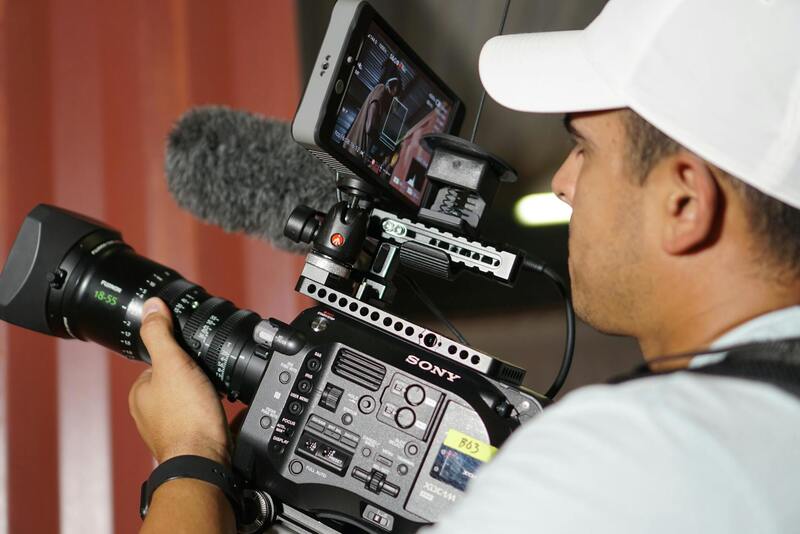
Selecting appropriate equipment is fundamental to delivering a high-quality livestream. The equipment setup typically includes professional cameras, audio devices, lighting, and switching systems, all tailored to the specific needs of the event. High-definition cameras with wide dynamic range capabilities are preferred to capture clear, detailed visuals irrespective of lighting conditions. In addition, multiple camera angles can create a dynamic viewing experience, especially during live events that involve movement or multiple segments.
Audio quality is equally critical, which involves using directional microphones, wireless lapel mics, or boom poles to ensure clear sound capture. Audio mixers enable real-time adjustments, balancing between microphones and other input sources, resulting in clean, interference-free sound. Proper lighting equipment, such as softboxes, LED panels, and reflectors, ensures the scene is illuminated effectively, reducing shadows and enhancing the overall visual quality.

Switching hardware allows seamless transitions between different video feeds, overlays, or graphic inserts, which are crucial for maintaining viewer engagement. Encoding hardware or software compresses video signals, optimizing them for streaming without sacrificing clarity or detail. Additionally, reliable streaming hardware ensures minimal latency, preventing delays between the live event and viewer reception.
Quality monitors and audio monitoring tools are also essential for real-time oversight, enabling producers to detect and address issues instantly. By investing in and correctly configuring these components, livestream production services can consistently deliver professional, stable streams that meet the expectations of diverse audiences.
Effective Techniques for Multi-Camera Streaming
Implementing multi-camera configurations requires sophisticated switchers that support real-time editing and transitions. Automated control systems may also be employed to streamline operations, especially for complex productions involving multiple presenters or viewers in various locations. By integrating multiple sources, broadcasters can craft engaging narratives, highlight key moments, and adapt the presentation dynamically.
Furthermore, utilizing hardware or software-based graphical overlays enhances branding, information dissemination, and visual appeal during the broadcast. Seamless integration of these elements with live video feeds keeps the audience engaged and reinforces the production’s professionalism.
Ensuring Connectivity and Redundancy
Connectivity stability is paramount in livestream production. Deploying multiple internet sources, including wired Ethernet, 4G/5G cellular hotspots, and satellite links, provides redundancy and ensures continuous streaming in case one connection falters. Load balancing across these sources distributes bandwidth efficiently, minimizing the chances of buffering or latency issues.Failover solutions automatically switch to backup connections if the primary internet signal drops, maintaining broadcast integrity.
Supporting this infrastructure, backup hardware such as secondary encoders, power supplies, and streaming servers ensures the resilience of the transmission pathway. Regular testing of redundancies prior to events can identify potential weak points, allowing technical teams to mitigate risks effectively. These practices collectively provide the robustness necessary for uninterrupted streaming of live events, regardless of external network fluctuations.
Technical Considerations for Successful Livestreams
Achieving a seamless and high-quality livestream involves meticulous attention to multiple technical facets. One of the foundational elements is ensuring robust connectivity. This requires deploying a combination of wired and wireless internet sources to create a resilient network. Wired Ethernet connections offer stability, whereas 4G and 5G cellular hotspots can serve as supplementary links in case of wired disruptions. Satellite internet can be a viable option in locations where traditional connectivity options are limited or unreliable.
Load balancing across these diverse connections helps distribute bandwidth evenly, reducing the risk of buffering or latency during the broadcast. Implementing automatic failover systems is equally important; these systems detect connection failures and swiftly switch to backup sources to maintain a continuous stream. Redundancy is not limited to internet connections alone; backup hardware such as secondary encoders, power supplies, and streaming servers ensure that hardware failures do not interrupt the live transmission.
Before an event, conducting comprehensive testing of all technical components is crucial. Simulating the live environment helps identify potential weaknesses in connectivity, hardware, or software, allowing technical teams to address issues proactively. Regular maintenance and updates of all equipment ensure compatibility with current streaming standards and technologies, ultimately supporting a reliable live broadcast experience.
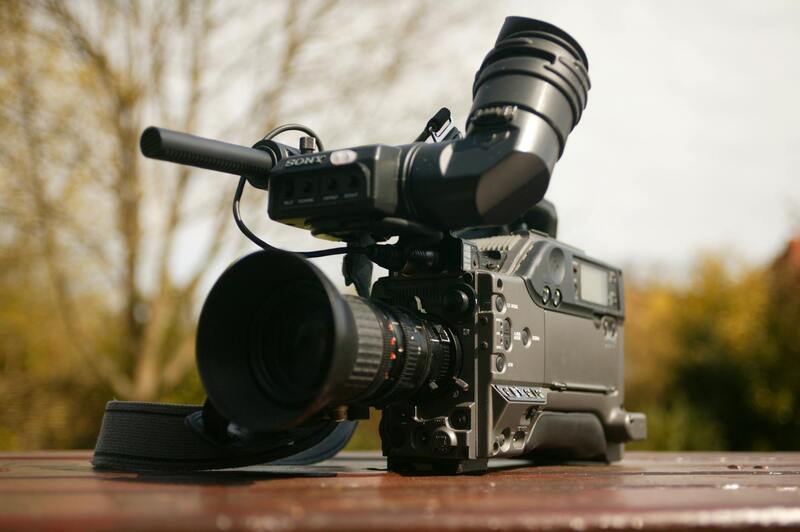
Another essential aspect is audio and video quality. High-definition cameras combined with professional audio equipment provide clear visuals and crisp sound, enriching viewer engagement. Proper lighting setup further enhances image clarity, especially in indoor environments. Using hardware or software-based graphical overlays enables branding, display of real-time information, and insertion of dynamic visual elements, elevating the viewers' experience.
Furthermore, managing multiple camera angles through switchers or streaming software allows for dynamic storytelling and keeps the audience visually engaged. Integrating live chat and interaction tools can foster viewer participation, making the event more memorable and impactful. Technical rehearsals should be conducted well ahead of the event to troubleshoot potential issues, coordinate camera shots, and synchronize audio-visual elements seamlessly.
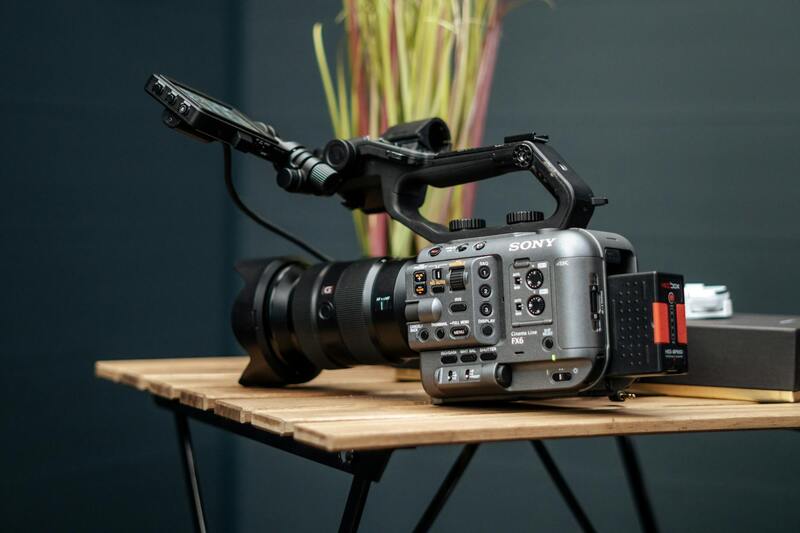
Achieving the perfect balance between technology and content delivery requires an experienced technical team that understands the nuances of live streaming workflows. With careful planning, redundancy measures, and proactive testing, professional livestream production services can deliver captivating, reliable broadcasts that meet the highest standards of quality and viewer satisfaction.
Technical Considerations for Successful Livestreams
Executing a high-quality livestream demands meticulous attention to various technical elements that ensure seamless delivery. Central to this is the deployment of robust connectivity solutions, including high-speed internet with sufficient bandwidth to handle the data load without interruptions. Redundant internet connections are often employed to safeguard against potential outages, providing a backup route for uninterrupted streaming. Additionally, optimizing the encoding settings to match the target platform's specifications guarantees smooth playback and minimizes buffering issues.
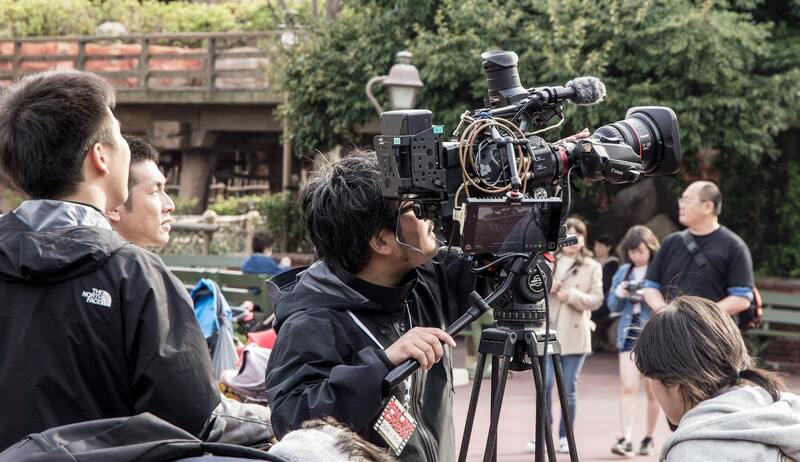
Audio and video hardware play a pivotal role in achieving professional broadcast quality. Utilizing high-definition cameras equipped with adjustable lenses and professional-grade microphones ensures vivid visuals and clear sound. Proper lighting, whether indoors or outdoors, accentuates image clarity, highlights subjects effectively, and reduces post-production correction needs. For sophisticated visual effects, overlays and graphics are integrated using dedicated streaming software or hardware switchers, which enable dynamic visual storytelling, branding, and real-time information display.
Operational aspects such as camera positioning, shot composition, and audio balance are refined through rehearsals and technical dry runs. These sessions allow the technical team to identify potential issues, synchronize elements, and fine-tune settings to match the event's flow. Switching between multiple camera angles requires precision, facilitated by professional switchers or streaming software that offer seamless transitions, keeping the audience engaged with varied perspectives. Audio mixing consoles ensure consistent sound levels across different sources, preventing clips or distortions that could hamper the viewer experience.
Furthermore, control room setups equipped with monitoring screens and streaming hardware enable real-time oversight of the broadcast. Technical teams actively monitor stream performance, viewer interactions, and quality metrics to make prompt adjustments if necessary. Incorporating feedback mechanisms, such as real-time chat moderation and engagement analytics, contributes to an interactive experience that resonates with viewers. The integration of backup systems, including secondary servers and power supplies, forms an essential part of the redundancy plan to sustain high standards of reliability throughout the event.
Each livestream event presents its unique challenges, requiring tailored technical configurations. An experienced production team meticulously plans each channel of connectivity, equipment layout, and workflow to cater to the specific needs of the event. From corporate conferences to large-scale festivals, precision in technical execution directly correlates with viewer satisfaction and overall success. Continuous monitoring, proactive troubleshooting, and adherence to best practices underscore the importance of professional oversight, transforming live broadcasts into polished presentations that reflect the organizer's vision and uphold industry standards.
Integrating Livestreams with Social Media and Platforms
Seamless integration of livestream content across various social media channels and streaming platforms significantly enhances audience reach and engagement. Professional livestream production services employ advanced tools and strategies to synchronize streams with popular platforms, including Facebook Live, YouTube Live, and Instagram. This not only expands visibility but also facilitates targeted marketing, real-time interaction, and audience participation.
Integration begins with selecting a compatible streaming software or hardware encoder that supports multi-platform broadcasting. These solutions allow simultaneous streaming to multiple destinations without compromising video quality or system stability. Content creators and event organizers benefit from consolidated control panels, enabling real-time adjustments, overlays, and branding elements to be embedded directly into the live feed.
Embedding live chat functionalities and engagement tools within the streamed content is vital for fostering interaction. Encoders and software solutions equipped with moderation features help manage audience comments, questions, and feedback efficiently, ensuring a positive viewing experience. Additionally, analytics modules track viewer metrics in real time, providing valuable insights into viewer demographics, peak engagement times, and streaming quality.
Effective integration strategies also include pre-event promotion and post-event analysis. By scheduling posts, reminders, and highlights before the stream, organizers can build anticipation and ensure maximum attendance. Following the event, performance reports help identify successful tactics and areas for improvement, facilitating continuous growth and higher-quality broadcasts in future events.
For organizations aiming to leverage the full potential of live streaming, partnering with experienced production companies ensures that all technical aspects related to platform integration are expertly handled. This professional approach guarantees that streams run smoothly across different networks, providing a cohesive and engaging experience for viewers regardless of the device or platform they use.