
Overview of Broadcast Streaming Production Services
Broadcast streaming production services are integral to the successful delivery of live events, corporate communications, entertainment productions, and digital content. These services encompass a comprehensive range of technical and creative processes designed to capture, enhance, and transmit high-quality video and audio content over the internet in real-time. In an era where digital engagement is paramount, leveraging professional streaming solutions ensures reliable, seamless delivery that captivates audiences across various platforms and devices.
The core purpose of broadcast streaming production is to extend the reach of live events beyond physical limitations. This includes concerts, sports events, conferences, product launches, and more, providing audiences worldwide with instant access to live footage. The importance of such services goes beyond simple video transmission; they involve strategic planning, technical expertise, and sophisticated technology to produce a polished, professional broadcast that meets the expectations of viewers and stakeholders alike.
With the rapid growth of digital content consumption, businesses and organizations recognize the critical role of high-quality streaming in their communication and marketing strategies. Live broadcast streaming not only enhances visibility but also fosters engagement, interaction, and immediacy that static content cannot match. The scope of these services often extends into post-production elements like editing, archiving, and multimedia integration, ensuring a comprehensive solution for digital content management.
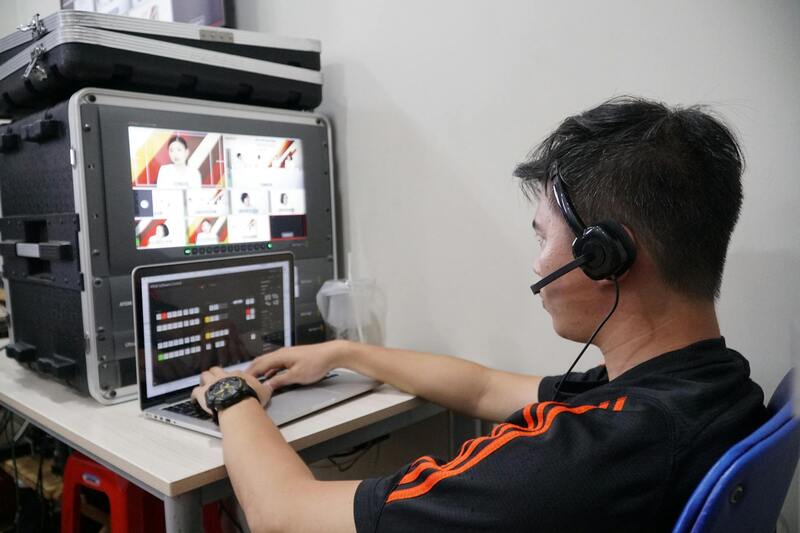
Key Components of Broadcast Streaming Production
The effectiveness of broadcast streaming hinges on several core components that work in harmony. These include high-definition cameras to capture live footage, professional audio equipment to ensure clear sound, and robust encoding systems that compress the video for efficient online delivery. Furthermore, a dependable internet connection with sufficient bandwidth is crucial to maintain uninterrupted streaming and prevent lag or buffering issues.
Additional elements important in the production process involve real-time switching between multiple camera angles, graphic overlays, live commentary, and other visual effects that enhance the viewer experience. Content management systems and streaming platforms are selected based on the event size, target audience, and desired interactivity levels. The integration of these components determines the overall quality and reliability of the live broadcast.
Roles and Responsibilities of a Production Team
The backbone of any successful broadcast streaming event is a skilled production team. This team typically comprises technical directors, camera operators, sound engineers, graphics operators, and on-air talent. Each member plays a specific role in ensuring that the broadcast runs smoothly.
- Technical Director: Oversees the technical aspects, monitors the stream quality, and manages the switching between video sources.
- Camera Operators: Capture key moments, ensuring framing and focus are optimal for the broadcast.
- Sound Engineers: Manage audio input levels, mixing sound sources to achieve clear and balanced sound output.
- Graphics Operators: Incorporate live overlays, logos, and informational graphics to improve visual engagement.
- On-Air Talent: Hosts, commentators, or presenters who communicate with the audience during the event.
A coordinated effort from these professionals ensures the broadcast is professional, engaging, and free of technical disruptions.
Technology and Equipment Used in Broadcast Streaming
Modern broadcast streaming relies on a range of advanced equipment and technology. High-definition cameras, wireless microphone systems, and professional switchers are common tools. Newsroom or production control software allows for seamless integration of various media sources, providing real-time editing and switching capabilities. Encoding hardware or software compresses the signal to adapt it for internet transmission, balancing quality and bandwidth efficiency.
Reliable streaming servers and content delivery networks (CDNs) distribute the live feed to viewers globally, minimizing latency and buffering. Redundant systems and backup solutions are often implemented to prevent service disruptions. Additionally, viewers’ interactions are facilitated through chat functions or integrated interactive platforms, enhancing engagement during live broadcasts.
Planning and Executing a Streaming Event
Successful live streaming begins with meticulous planning. This involves defining the event’s objectives, understanding the target audience, determining the scope, and selecting appropriate technology and team members. A detailed logistical plan covers equipment setup, internet connectivity, safety protocols, and contingency strategies for unforeseen issues.
Execution includes pre-event rehearsals, technical checks, and a clear run-of-show to coordinate camera angles, graphics, and commentary. During the event, real-time monitoring by the production team ensures quality control and quick response to any technical challenges. After the event, post-production activities such as editing, archiving, and analyzing viewer metrics are completed to optimize future streaming efforts.
Key Components of Broadcast Streaming Production
At the core of any successful live broadcast are high-quality video and audio technologies that ensure a seamless viewing experience. Professional-grade video cameras equipped with high-resolution sensors are vital for capturing sharp, detailed images. These cameras often feature zoom capabilities, varying frame rates, and interchangeable lenses to adapt to different shooting environments and event types. Complementing these are professional audio input devices such as wireless microphones, mixers, and audio processors to deliver clear and balanced sound, which is essential for maintaining audience engagement.
Lighting equipment plays a crucial role in producing visually appealing content. Proper lighting setups highlight key elements of the broadcast, reduce unwanted shadows, and enhance the overall image quality. Whether utilizing softboxes, LED panels, or studio lights, achieving optimal lighting conditions is fundamental to professional streaming.
In addition to capture devices, reliable broadcasting hardware and infrastructure are required. This includes encoding servers or software that convert raw footage into streams suitable for internet delivery. High-performance switchers and mixers are used during production to manage multiple video feeds, enabling fluid transitions and picture-in-picture effects. Robust streaming servers and CDNs distribute the live feed efficiently across the globe, ensuring minimal latency and buffering for viewers.
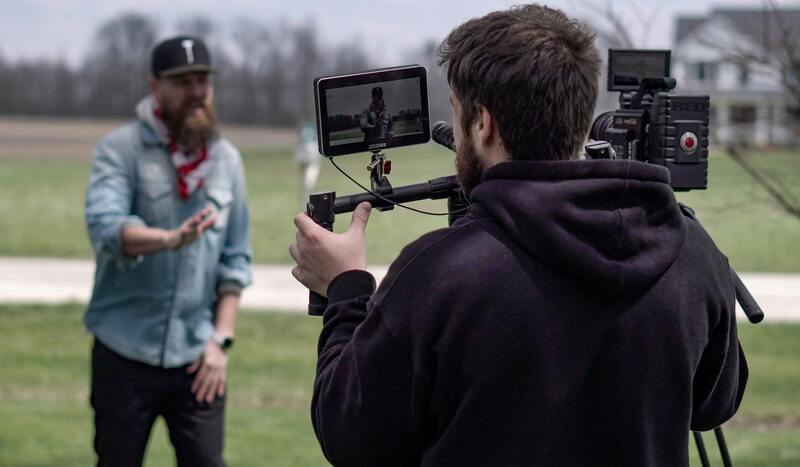
It is equally important to incorporate redundancy in critical hardware components and network connections. Backup systems for encoding, power supplies, and internet feeds prevent interruptions during a broadcast, maintaining continuity regardless of technical issues. Automation tools, such as preset scene changes and automated switching, streamline production workflows and reduce the risk of human error.
The integration of these components—video cameras, lighting, audio, encoding hardware, and distribution infrastructure—is orchestrated by a skilled production team. Their expertise ensures that each element functions harmoniously, providing an immersive experience for viewers and professional presentation for event organizers.
Overview of Broadcast Streaming Production Services
Broadcast streaming production services encompass a comprehensive suite of technical capabilities and logistical planning essential for delivering high-quality live content to diverse audiences across multiple platforms. These services are designed to seamlessly combine multiple media elements, including video feeds, audio, graphics, and real-time captions, into a coherent and engaging broadcast. They cater to a broad spectrum of clients, ranging from corporate events, sports tournaments, concerts, to educational seminars, requiring precision and consistency in execution. Leveraging advanced technology and expert personnel, these services ensure smooth transmission with minimal latency, optimal picture clarity, and excellent sound quality.

Furthermore, broadcast streaming production services include tailored solutions for different scales and complexities of events. From small-scale webinars to large international events, service providers evaluate specific requirements to design an appropriate production workflow. This might involve multi-camera setups, live graphics insertion, real-time editing, and multi-language support. The goal is to produce a polished, professional broadcast experience that resonates with viewers, whether they are watching on desktop, mobile, or smart TV devices.
Key Components of Broadcast Streaming Production
A successful broadcast streaming project is underpinned by several core components that work together to deliver an uninterrupted, high-quality stream. These include:
- Capture Devices: Professional cameras and microphones are fundamental for capturing high-definition video and audio. These devices are selected based on the event's scope, lighting conditions, and desired resolution.
- Lighting and Set Design: Proper lighting not only enhances visual clarity but also influences the mood and professional appearance of the broadcast. Set design elements are also integrated to create a visually appealing environment.
- Encoding Hardware and Software: These convert raw video and audio signals into streams compatible with internet delivery platforms. Advanced encoding ensures efficient bandwidth utilization without sacrificing quality.
- Switchers and Mixers: During production, multiple feeds are managed through video switchers and mixers, enabling seamless transitions, picture-in-picture effects, and real-time graphics overlays.
- Distribution Infrastructure: Robust servers and Content Delivery Networks (CDNs) distribute the live stream globally, reducing latency and buffering for viewers regardless of their geographic location.
- Redundancy Systems: Backup encoding units, power supplies, and internet connections are implemented to maintain steady operation even during unforeseen technical issues.
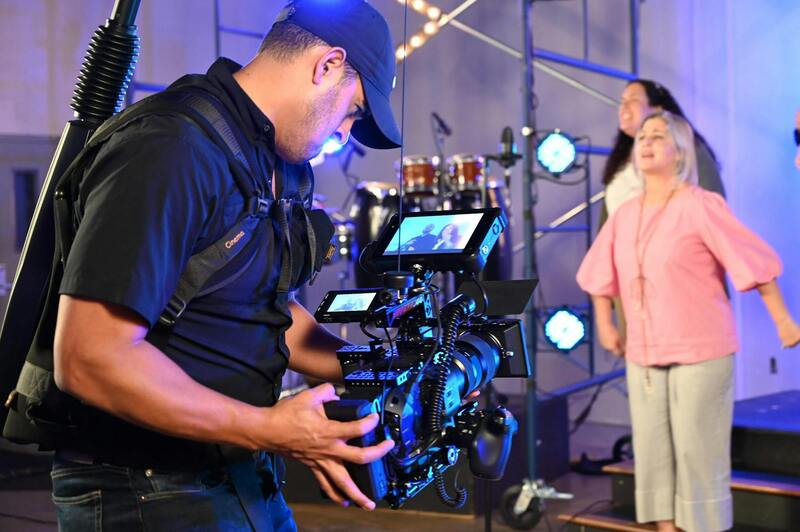
Interconnection of Components for a Cohesive Production Workflow
The true effectiveness of broadcast streaming services lies in the integration of these components through meticulous planning and execution. Skilled technical directors oversee the synchronized operation of cameras, lighting, audio, and switching equipment. They manage real-time decision-making that impacts the viewer experience, such as selecting camera angles, inserting graphics, or adjusting audio levels. Advanced automation tools aid this process by presetting scene changes and transitions, reducing manual errors, and allowing the crew to focus on delivering a polished presentation. The entire system's reliability depends on thorough testing, real-time monitoring, and rapid troubleshooting capabilities, ensuring that each broadcast maintains high standards of quality and professionalism, irrespective of complexity or scale.
Technical Infrastructure and Network Considerations
Effective broadcast streaming production relies heavily on a robust technical infrastructure designed to support high-quality, uninterrupted live feeds. Central to this is a network setup that ensures sufficient bandwidth, low latency, and reliable data transmission. High-speed internet connections, often dedicated fiber optics, are crucial for transmitting large volumes of data without interruption. Redundant networking hardware, such as dual routers and switches, are employed to prevent data loss during equipment failure.
Content Delivery Networks (CDNs) form the backbone of global distribution, optimizing delivery paths and reducing delay for viewers across different regions. Deploying CDN servers in multiple geographical locations allows for adaptive streaming, which adjusts quality according to viewer bandwidth, maintaining a smooth viewing experience. The deployment of firewalls, anti-DDoS protections, and encryption protocols guard against cyber threats and ensure data integrity during broadcasting.
To further enhance reliability, video ingest points are equipped with professional encoders that convert raw footage into digital streams conforming to industry standards. These encoders support multiple codecs and resolutions, providing flexibility and compatibility with various playback devices. Real-time monitoring tools track stream health, bitrate stability, and server performance, enabling technical teams to address issues proactively.
Importance of Synchronization and Signal Routing
Seamless integration of multiple video and audio signals requires precise synchronization. Signal routing hardware, such as matrix switchers and audio mixers, channels inputs to various outputs, allowing for complex production configurations. Timing signals like genlock synchronize cameras and graphics to prevent visual artifacts. These elements collectively create a cohesive broadcast, emphasizing professionalism and viewer engagement.
Control systems manage the complex flow of data, enabling real-time switching, overlaying graphics, and managing audio levels. By implementing redundant pathways and failover mechanisms, production teams can swiftly mitigate issues, avoiding disruptions and maintaining the broadcast’s integrity. These systems are continuously updated and tested to ensure compatibility with evolving streaming standards and emerging hardware advancements.
Critical Technologies and Equipment in Broadcast Streaming
Implementing high-quality broadcast streaming production services hinges on deploying advanced technology and reliable equipment. The backbone of any professional streaming operation comprises high-definition cameras, professional encoders, and seamless signal routing hardware. Cameras with high resolution, optical zoom, and low-light capabilities capture visuals with clarity and precision, ensuring that live content maintains a professional appearance.
Encoders are vital for compressing and converting raw footage into streamable digital signals. They support multiple codecs such as H.264 and H.265, accommodating diverse bandwidths and device compatibilities. Modern encoders also incorporate adaptive bitrate technology, adjusting streaming quality dynamically based on network conditions, which enhances viewer experience and minimizes buffering.
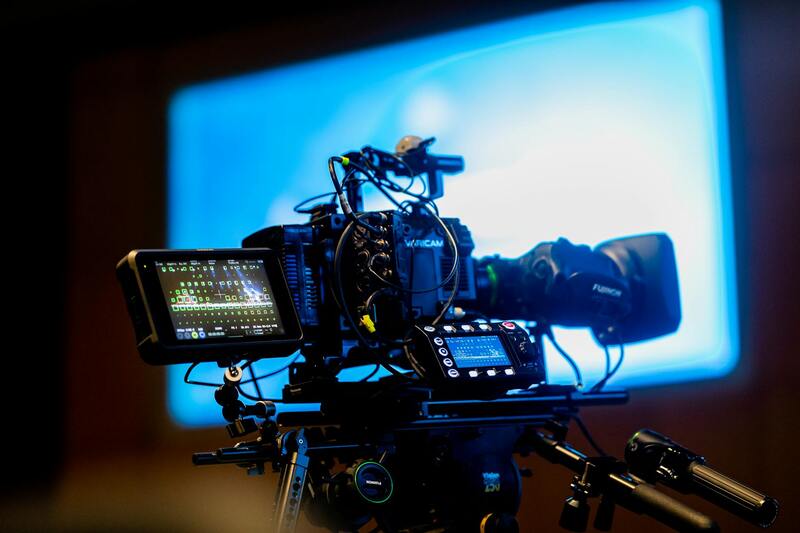
Signal routing hardware, including matrix switchers and audio mixers, facilitates the smooth transition between different video sources and manages audio levels effectively. These tools enable complex multi-camera productions, allowing operators to switch shots in real-time, overlay graphics, and adjust audio feeds with precision.
Synchronization devices, such as genlock generators, ensure that all video sources are perfectly aligned temporally, preventing visual inconsistencies. This synchronization is critical during live events where multiple cameras are operated simultaneously. Additionally, redundancies such as backup encoders and failover servers are integrated into streaming setups to ensure uninterrupted broadcasts despite technical faults.
Control Systems and Monitoring Tools
Control systems oversee every aspect of the broadcast, from switching sources to overlaying graphics and managing audio. These systems facilitate real-time decision-making and adjustments, maintaining a seamless viewer experience. Monitoring tools track stream health metrics like bitrate stability, latency, and server performance, providing immediate insights that enable rapid troubleshooting.
Technical teams utilize these tools to preempt potential issues, ensuring quality continuity throughout the stream. Automated alerts notify engineers of any deviations from expected parameters, allowing for swift intervention. This integrated approach to technology deployment results in broadcasts that are both technically sound and visually compelling.
Planning and Executing a Streaming Event
Organizing a successful broadcast streaming event demands meticulous planning, from initial concept development to the final execution. Each phase involves intricate coordination of technical resources, creative assets, and logistical considerations.
Effective planning begins with understanding the target audience and defining clear objectives for the event. This includes identifying specific content to be streamed, desired outcomes, and key messaging. Once these parameters are established, a comprehensive schedule is created, detailing every step of the production process.
Pre-production tasks encompass venue assessment, technical setup, and resource allocation. Ensuring the availability of high-quality equipment such as cameras, switchers, microphones, and encoding hardware is paramount. A detailed shot list and camera angles are planned to capture the event dynamically, maintaining viewer engagement and delivering a professional visual experience.
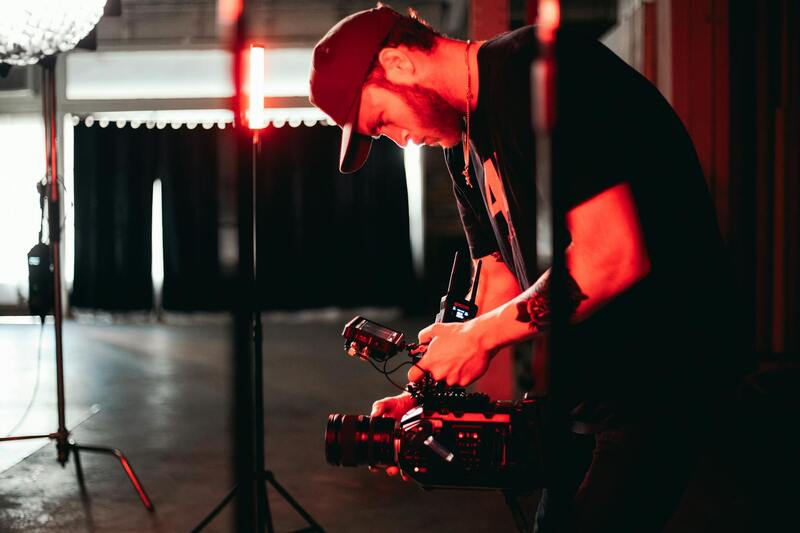
Technical checks and rehearsals are critical prior to the live broadcast. This involves verifying internet bandwidth and network stability, testing all AV equipment, and conducting full run-throughs to identify potential issues. During rehearsals, the production team practices camera cues, audio levels, graphics overlay, and transitions to guarantee seamless operation during the event.
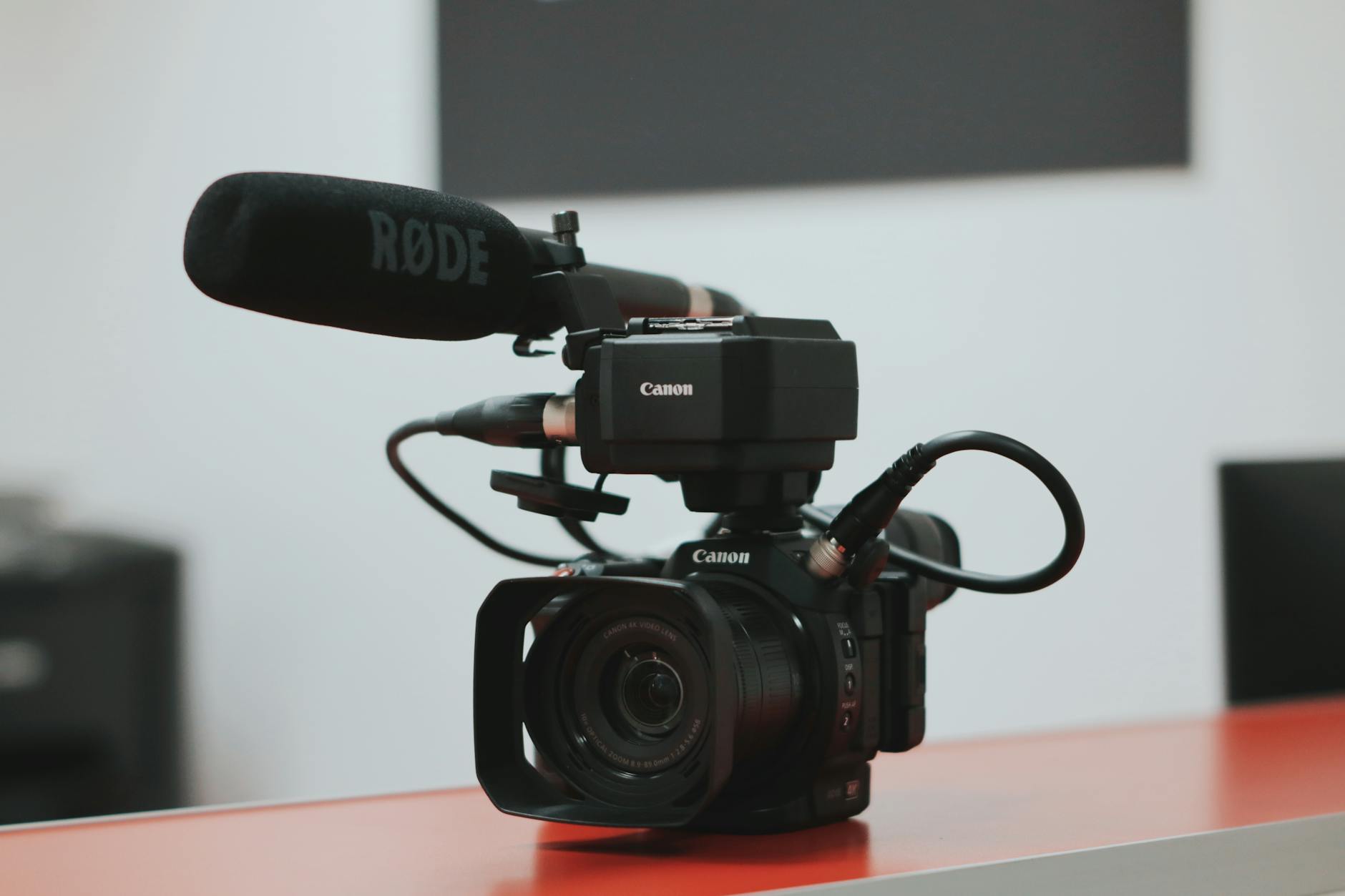
Deployment of backup systems, such as secondary internet connections and redundant servers, is integral to mitigate unforeseen failures. Ensuring all team members are aligned with their responsibilities minimizes miscommunication during live execution.
During the event, real-time coordination is managed by experienced directors and technical staff. They monitor audio and video feeds, switch between sources, overlay graphics, and respond swiftly to any technical issues. Audience interaction components, if applicable, are integrated seamlessly to foster engagement and enhance viewer satisfaction.
Post-event activities include data analysis and feedback collection. Metrics such as viewer counts, engagement levels, and stream quality statistics are examined to evaluate success and identify areas for improvement. Archiving of the live content allows for on-demand access, extending the reach and impact of the event beyond the live broadcast.
Role of Post-Production in Broadcast Streaming
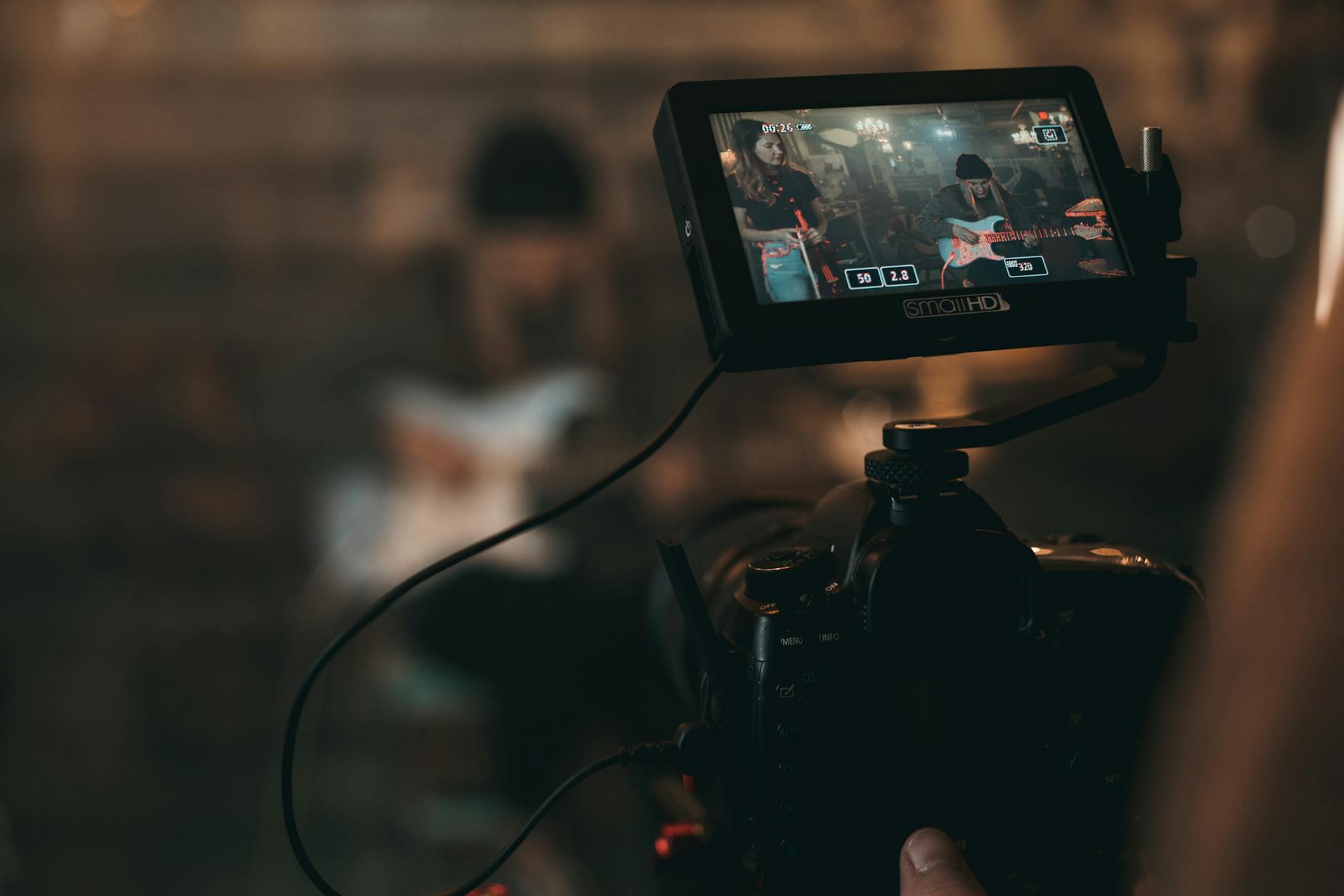
Post-production is a crucial phase in broadcast streaming that ensures the final quality of the content aligns with the intended message and standards. After the live event, raw footage and data gathered during the broadcast are meticulously reviewed for enhancements and adjustments. This process involves editing, color correction, audio refinement, and overlaying additional graphics or effects that may not have been possible during the live event.
Effective post-production solidifies the professionalism of a broadcast, enabling content to achieve a polished, cohesive appearance. For events that are recorded for on-demand access, this stage includes encoding the content into various formats suitable for different platforms and devices. Ensuring compatibility and optimal playback quality increases viewer engagement and satisfaction.
 igure>
Key activities in post-production include:
- Video Editing: Cutting and assembling footage to create a seamless story or presentation.
- Color Grading: Adjusting color tones to match branding or mood of the content.
- Audio Post-Processing: Removing background noise, balancing sound levels, and adding soundtracks or voiceovers.
- Graphics and Caption Integration: Incorporating lower thirds, titles, and on-screen graphics for clarity and branding.
- Quality Control: Conducting final review to eliminate glitches, ensure synchronization, and confirm broadcast standards are met.
Advanced post-production techniques can significantly enhance audience experience, especially when content is repurposed for social media, on-demand libraries, or future broadcasts. The accuracy of the editing process directly impacts the overall perception of professionalism and reliability of the broadcast.
Comprehensive Approach to Broadcast Streaming Production Services
Securing high-quality broadcast streaming production services ensures that your live events reach audiences seamlessly, with professional visual and audio standards maintained throughout the process. These services encompass various stages, from initial planning and technical setup to live execution and post-event review. A dedicated production team leverages an extensive array of cutting-edge tools and methodologies to deliver an engaging viewer experience while managing logistical complexities. When selecting the right provider, especially within a vibrant market like Miami, it’s essential to evaluate their expertise, technological capabilities, and support structure diligently.
Advanced Technology and Equipment Utilized in Broadcast Streaming
State-of-the-art broadcast production relies on sophisticated hardware and software solutions designed to optimize reliability and quality. Key equipment includes:
- High-Definition Cameras: For capturing crisp visuals, even in challenging lighting conditions.
- Video Switchers and Mixers: To seamlessly transition between multiple camera feeds and overlay graphics in real-time.
- Audio Consoles: Ensuring clear sound with precise control over multiple audio sources, including microphones and multimedia inputs.
- Encoding Hardware: Converts live video into streaming-compatible formats with minimal latency.
- Network Infrastructure: Robust internet connections combined with backup options, such as bonded cellular or satellite links, to prevent disruptions.
- Streaming Platforms and CDN Integration: Ensuring reliable delivery across various devices and geographic locations.
Strategic Planning and Execution of Streaming Events
Effective broadcast streaming begins with comprehensive planning, which includes understanding audience expectations, content flow, and technical requirements. The process involves several stages:
- Pre-Event Coordination: Defining content schedule, setting up equipment, testing internet stability, and coordinating with all stakeholders.
- Technical Rehearsals: Running dry runs to troubleshoot issues, confirm camera angles, audio levels, and graphics overlays.
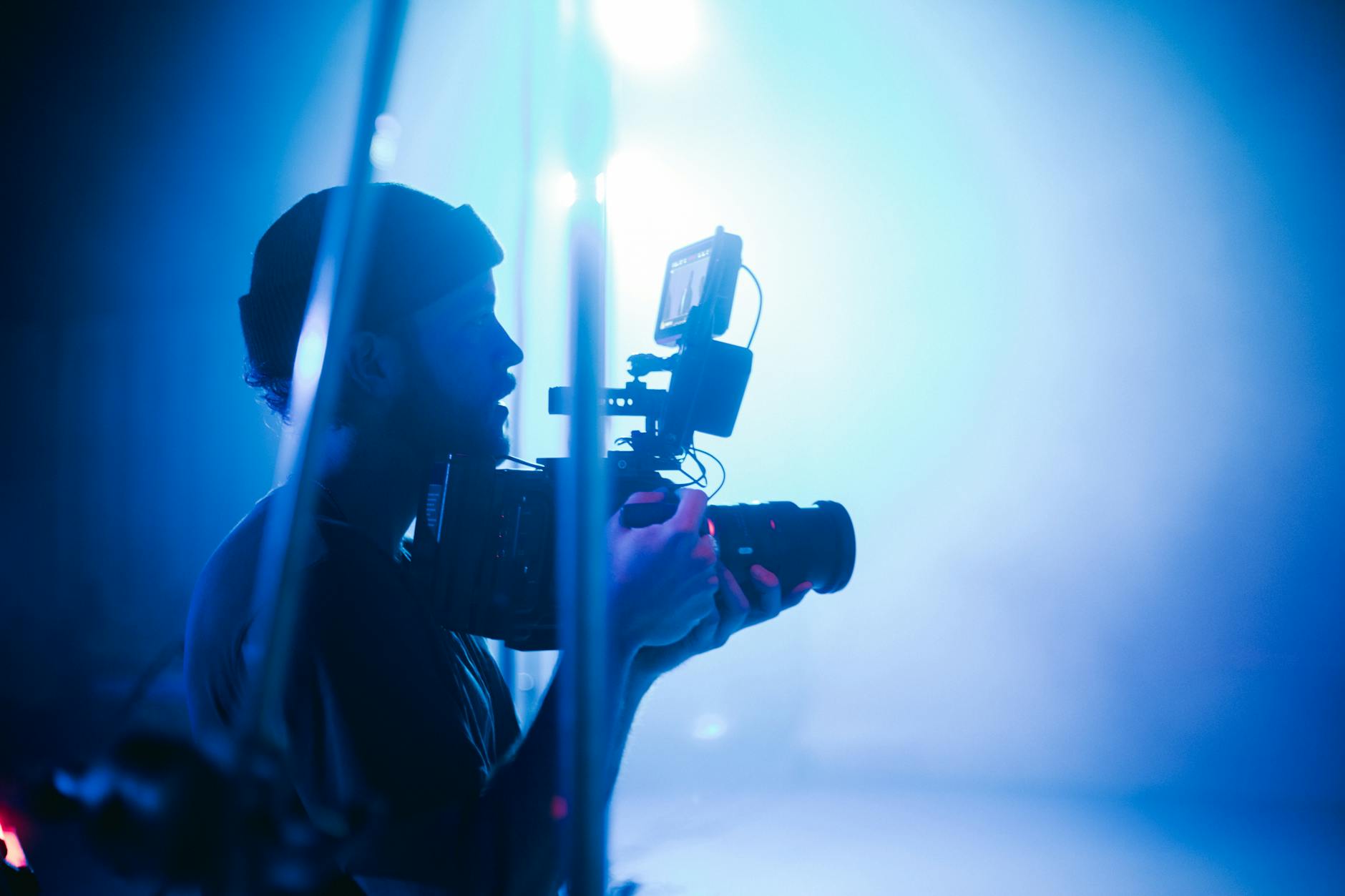
- Live Execution: Maintaining real-time coordination between camera operators, audio engineers, and technical directors to ensure smooth transitions and dynamic content delivery.
- Post-Event Review: Analyzing performance metrics, reviewing video quality, and addressing any technical discrepancies.
Addressing Challenges and Implementing Solutions in Streaming Production
Live streaming can encounter numerous obstacles, such as internet instability, hardware failures, or unexpected environmental disruptions. Addressing these effectively requires proactive measures:
- Redundant Internet Connections: Employing multiple internet sources and bonding technology to ensure continuous streaming even if one connection drops.
- On-Site Technical Support: Having a dedicated team ready to troubleshoot real-time issues minimizes downtime and quality degradation.
- Comprehensive Testing: Conducting thorough pre-event checks to identify potential bottlenecks or equipment faults.
- Scalable Infrastructure: Utilizing cloud-based solutions and scalable hardware that respond dynamically to increased data loads.
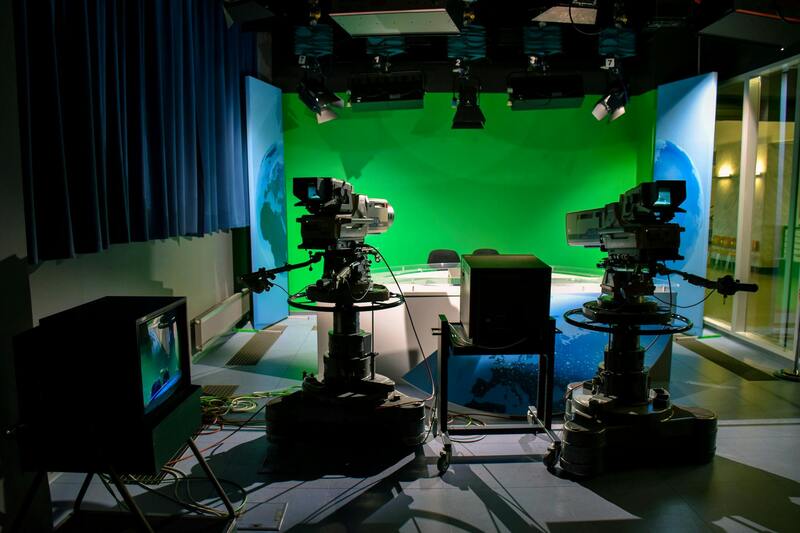
The Value of Partnering with Experienced Streaming Production Providers in Miami
Engaging specialists who operate within Miami's diverse and dynamic media landscape ensures access to top-tier technology and local expertise. Experienced providers bring a nuanced understanding of regional broadcast regulations, audience preferences, and logistical considerations. Their established vendor relationships and technical support teams enable smooth coordination, while their portfolio demonstrates proven success with a variety of event types, from corporate functions to cultural festivals. Moreover, professional agencies offer comprehensive service packages, including real-time monitoring, content customization, and post-event analytics that help refine future broadcasts and enhance audience engagement.