
Understanding Live Stream Production
Live stream production has become a vital component for businesses aiming to reach their audience in real-time, offering an engaging and interactive experience. It encompasses the entire process of planning, executing, and broadcasting video content over digital platforms, requiring a seamless integration of technology, creative input, and strategic coordination. At its core, live stream production involves capturing high-quality video and audio signals, encoding them for digital transmission, and transmitting the content through robust broadcasting infrastructure.
The primary goal of live stream production is to deliver compelling visual content that resonates with viewers and enhances brand visibility. It serves as an effective tool for product launches, corporate communications, virtual events, and customer engagement activities. To achieve this, various components are combined harmoniously, including professional cameras, audio equipment, lighting setups, and reliable internet connectivity. Additionally, specialized software for switching, overlay graphics, and real-time editing plays a crucial role in maintaining a polished and professional output.
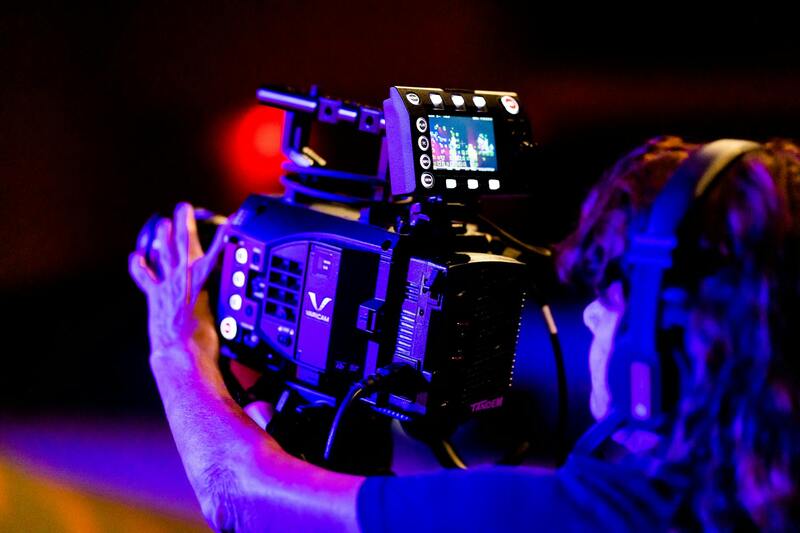
Implementing a live stream involves a comprehensive understanding of the broadcasting infrastructure. This infrastructure typically comprises encoding hardware or software, content delivery networks (CDNs), and streaming platforms that host the content for viewers. Ensuring low latency and stream stability is critical to providing a smooth viewing experience, which necessitates advanced technical setups and skilled operators.
Moreover, content planning and rehearsal are key preparatory steps that help streamline the actual broadcast. This preparation ensures that all technical parameters are optimized, and the presenters or hosts are comfortable with the flow of the program. Incorporating visual aids, branding elements, and interactive features further enhances viewer engagement and ensures the live stream aligns with strategic communication goals.
Effective live stream production demands a combination of technical expertise, creativity, and strategic oversight. By orchestrating these components proficiently, businesses can produce high-quality broadcasts that capture their audience's attention and effectively communicate their message. This comprehensive approach not only elevates the production value but also establishes a professional image that fosters trust and credibility with viewers.
Essential Components for a High-Quality Live Stream Production
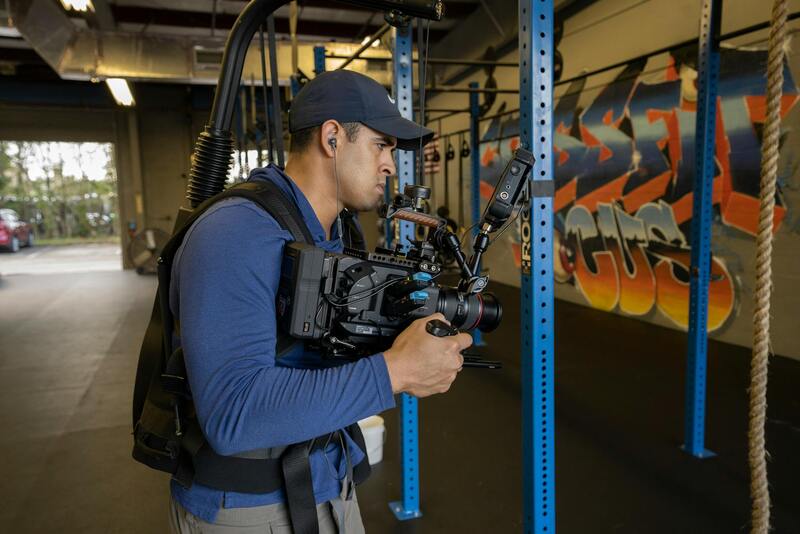
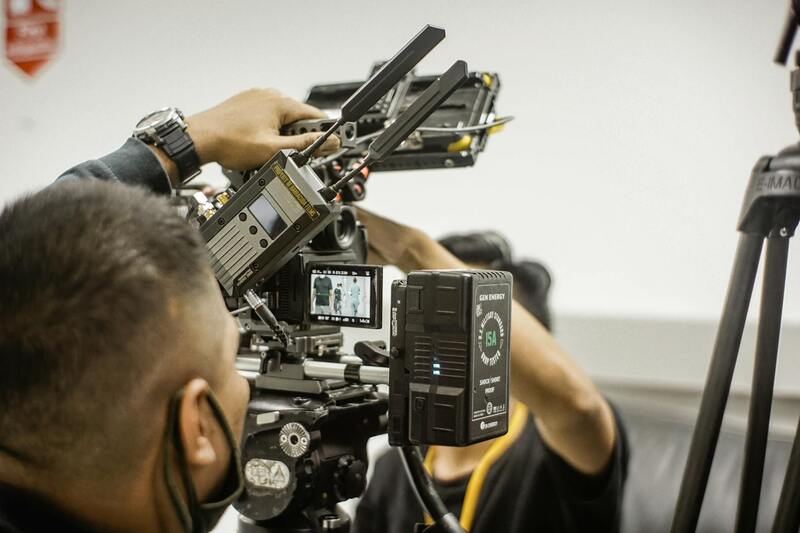
To ensure a seamless and engaging live stream, several fundamental elements must be meticulously coordinated. These include advanced video and audio equipment, reliable streaming hardware or software, and robust internet connections. High-definition cameras, professional microphones, and audio mixers form the backbone of audiovisual quality, enabling clear visuals and crisp sound that captivate viewers. Complementing this hardware, streaming software—such as OBS Studio, vMix, or Wirecast—offers real-time encoding capabilities, scene switching, and overlay options that enhance the broadcast's visual appeal.
Content delivery networks (CDNs) play a crucial role in distributing your live stream across multiple geographic locations without buffering delays. Choosing a CDN with a global reach and high bandwidth capacity minimizes latency and prevents stream interruptions. Hosting platforms like YouTube Live, Facebook Live, or specialized streaming services provide user-friendly interfaces and analytics to monitor viewership metrics, while also offering options for monetization and interactivity.
In addition to hardware and platform selection, a reliable internet connection with sufficient upload speeds is imperative. Ideally, upload speeds should be at least 3-5 times higher than the stream’s bandwidth requirement to accommodate live data transmission smoothly. Backup internet sources or failover systems are also advisable to prevent disruptions due to connectivity issues.
Pre-Production Planning and Technical Setup
Thorough planning before going live is essential to mitigate potential technical glitches and ensure content flows seamlessly. This preparation involves creating a detailed script, designing visual elements like lower thirds, overlays, branding components, and interactive features such as live polls or Q&A sessions. Rehearsals allow the production team and presenters to familiarize themselves with the equipment, improve timing, and synchronize transitions, ultimately enhancing the professionalism of the broadcast.
During setup, it is vital to perform comprehensive equipment checks and test all connections, audio levels, lighting conditions, and streaming configurations. A dedicated technical director or producer monitors these parameters in real-time, ready to troubleshoot unexpected issues promptly. Additionally, establishing clear communication channels among the production team ensures coordination during the live event.
Stream Optimization for Audience Engagement
Optimizing your live stream involves not only technical quality but also content presentation and viewer interaction. Using high-quality visuals, dynamic camera angles, and engaging overlays keeps the audience captivated. Incorporating branding elements subtly within the broadcast enhances recognition and reinforces your message. Moreover, integrating interactive features like live chat, polls, or call-in segments fosters real-time engagement, making viewers feel involved and increasing their likelihood to share the content.
Ensuring compatibility across various devices—desktops, tablets, and smartphones—is also critical. Adaptive streaming protocols, such as HLS or DASH, dynamically adjust quality based on the viewer's bandwidth, guaranteeing a consistent experience. This broad accessibility expands your reach and enhances overall viewer satisfaction.
Post-Stream Data Analysis and Feedback
Following the live event, evaluating performance metrics provides insights into viewer behavior, peak engagement times, and technical stability. Data collected from streaming platforms, analytics tools, and viewer feedback helps refine future productions. Analyzing these results allows content creators and technical teams to identify areas for improvement, optimize streaming strategies, and enhance the overall quality of subsequent broadcasts.
Incorporating viewer feedback into your planning ensures content remains relevant and engaging. Adjustments based on this feedback may involve refining content pacing, adjusting visual overlays, or improving interaction methods. A continuous cycle of assessment and adaptation maintains a high standard of live streaming that aligns with your strategic goals and audience preferences.
Essential Technical Components for a Professional Live Stream Production
Executing a seamless live stream requires a well-orchestrated combination of technical elements that work harmoniously to deliver a high-quality broadcast. Central to this setup are the camera systems, which should be selected based on the production scale and content type. Professional-grade cameras capable of capturing clear and crisp visuals under varying lighting conditions are crucial. Multiple camera angles can provide dynamic viewing experiences, making the content more engaging for viewers.
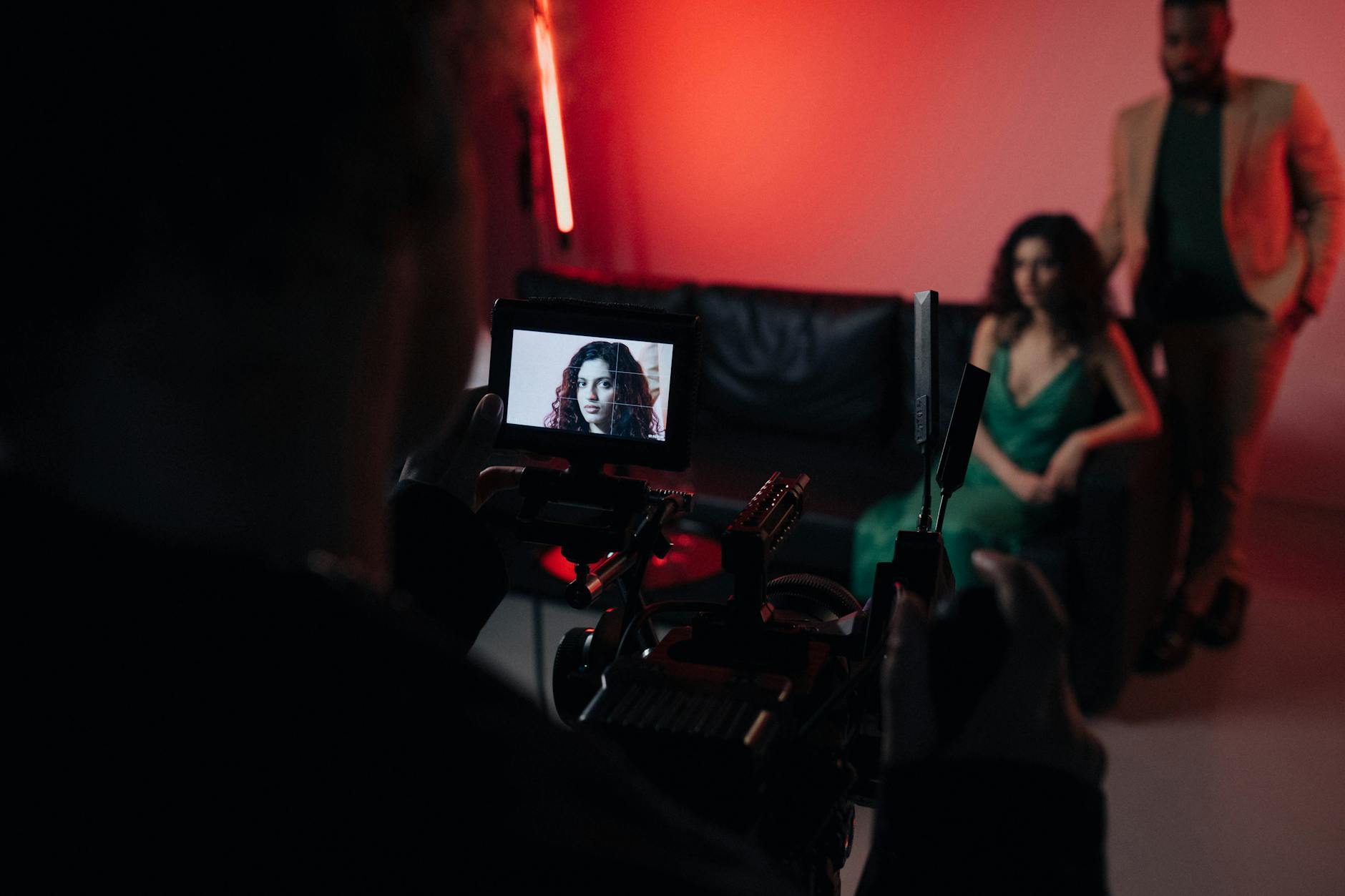
Lighting plays a significant role in enhancing visual clarity and setting the desired mood. Use of diffused and color-balanced lighting ensures that subjects are well-lit without harsh shadows, contributing to a polished appearance on camera. Proper lighting not only improves the viewer's visual experience but also aids in minimizing post-production adjustments.
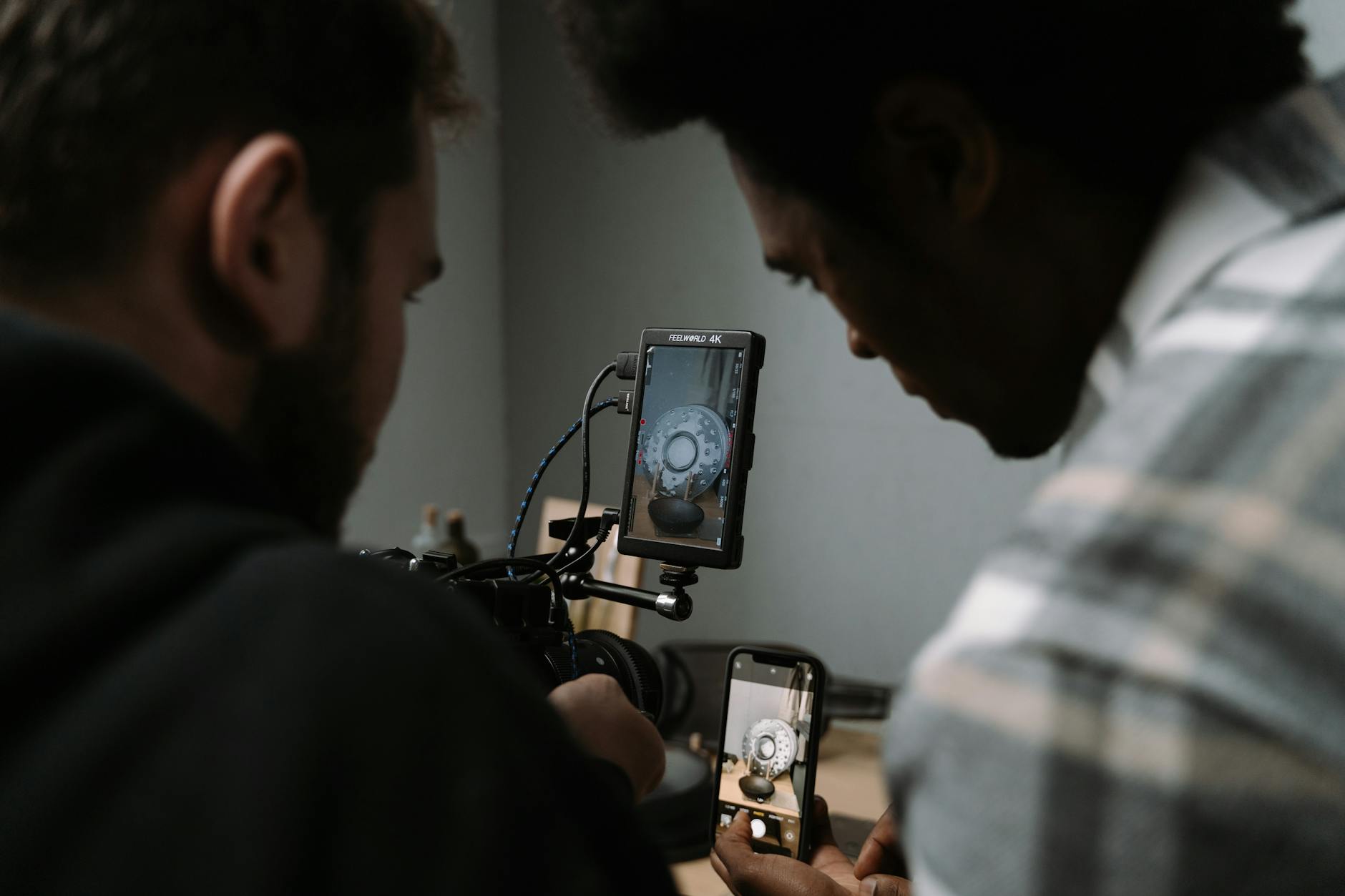
Audio quality is equally vital, as poor sound can distract viewers and diminish the perceived professionalism of your production. Utilizing directional microphones, lapel mics, or boom mics can capture clear audio while minimizing background noise. An audio mixer allows for real-time adjustments, ensuring balanced sound levels across different sources.
Streaming hardware and software serve as the backbone of live production. Reliable encoders transmit the captured video and audio feed to streaming platforms. It is essential to select hardware encoders that support multiple bitrate streaming to accommodate viewers with varying internet speeds. Additionally, software solutions can add real-time graphics, overlays, and transitions to enhance the broadcast’s visual appeal.
Stable internet connectivity underpins the entire operation. High-speed, wired internet connections are preferred over Wi-Fi for their reliability and lower latency. Redundant internet connections or backup plans ensure that the live stream can continue smoothly even if primary sources encounter issues.

Preparing Your Live Stream Production Environment
Creating a professional environment involves more than just technical gear; it requires meticulous planning of the production space. The location should be prepared to minimize ambient noise and visual distractions. Elements such as a clean background, appropriate branding elements, and effective audio-visual integration contribute to a cohesive broadcast appearance. Soundproofing measures can further enhance audio clarity, especially in less controlled environments.
Pre-production activities include test runs, equipment checks, and rehearsals to troubleshoot technical issues and streamline presenter movements. During the actual production, a dedicated technician or producer monitors the feed in real-time, making adjustments as necessary to maintain broadcast continuity. Video switchers and audio consoles enable smooth transitions and audio balancing, replicating a studio-like production environment.
Conclusion
For businesses and content creators aiming to elevate their live streaming quality, investing in professional-grade equipment and creating a well-prepared production environment are fundamental. The synergy of advanced camera systems, effective lighting, high-quality audio, reliable streaming hardware, and a controlled production setting ensures a broadcast that is both visually appealing and technically stable. By paying close attention to these core components, your live stream will resonate more powerfully with your audience, foster engagement, and reinforce your brand presence across digital platforms.
Understanding Live Stream Production
Live stream production encompasses all the processes involved in delivering real-time content to an online audience. It requires meticulous planning, technical expertise, and coordination across multiple disciplines to produce a seamless broadcast. The goal is to provide viewers with a professional viewing experience that mirrors traditional broadcast quality, leveraging specialized equipment and controlled environments.
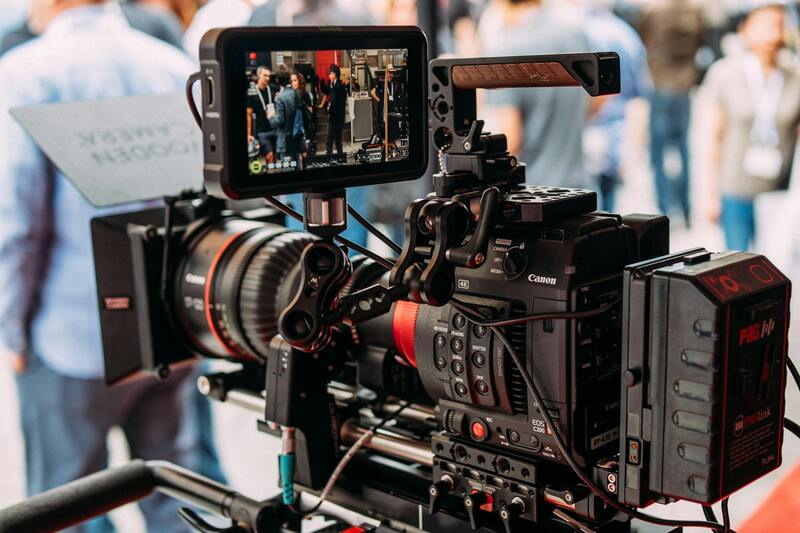
Fundamental to effective live stream production are pre-production preparations, which include content planning, scripting, and scheduling. These steps ensure that every segment of the broadcast aligns with the intended message and branding. Equipment setup, including camera positioning, lighting arrangements, and audio configurations, is critical to achieving clarity and visual appeal. Rehearsals are conducted to identify potential issues, refine transitions, and confirm that all elements function cohesively during the live event.
During the actual broadcast, a dedicated team manages the live feed using professional-grade hardware such as video switchers, audio mixers, and encoding devices. These tools enable real-time switching between multiple camera angles, adjusting audio levels, and incorporating graphics or overlays to enhance engagement. Live producers and technical directors oversee the operation, making swift decisions to address any unforeseen disruptions and maintain a steady flow of content.
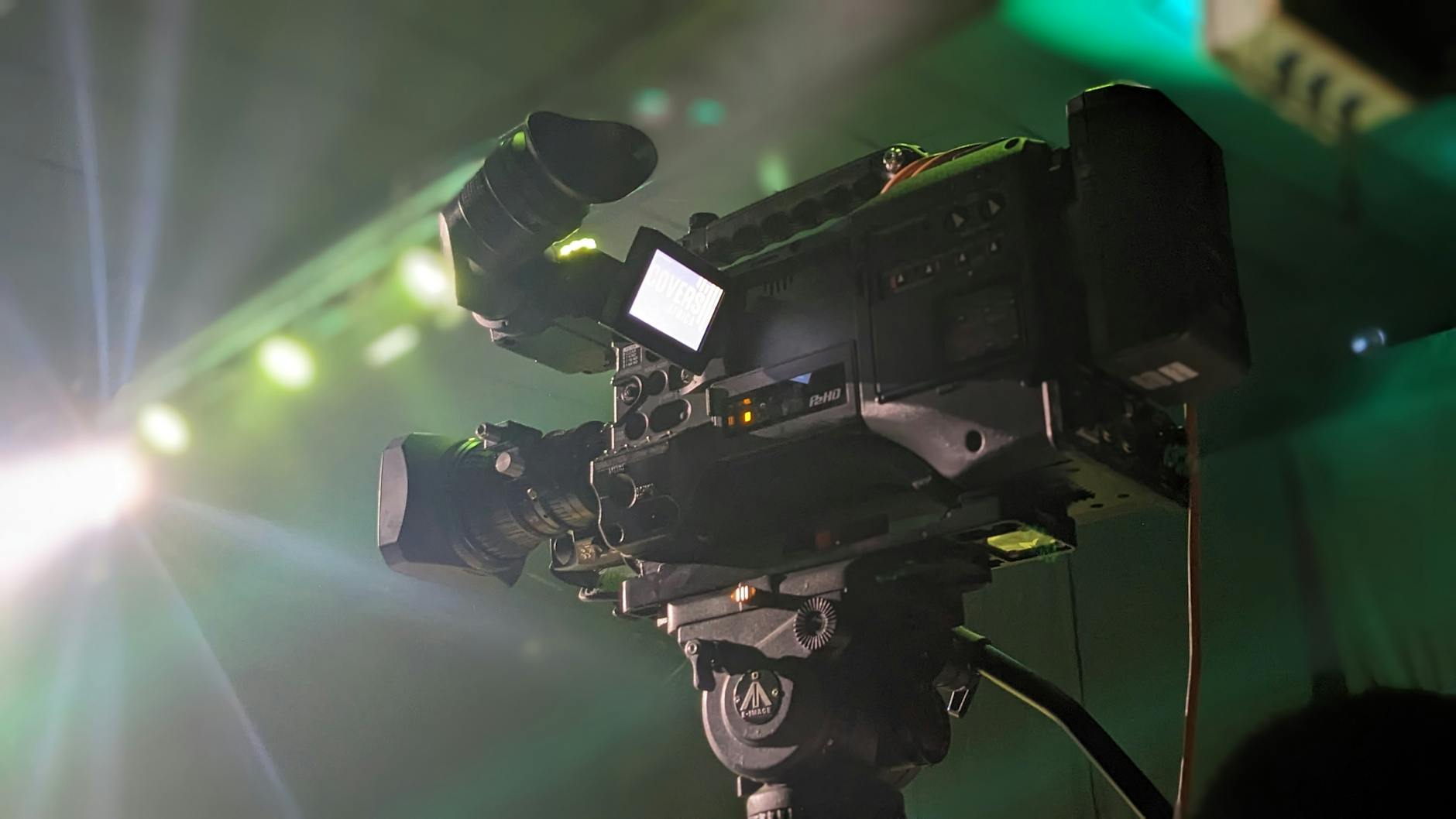
Moreover, effective live streaming requires a stable internet connection with sufficient bandwidth to prevent buffering or lag issues. Backup hardware and contingency plans are essential to mitigate technical failures, ensuring uninterrupted broadcast delivery. Post-production activities may include editing, archiving footage, and analyzing viewer metrics to refine future streaming strategies.
Strategic Considerations for Live Stream Production
- Comprehensive content planning aligned with audience interests
- Optimized technical setup tailored to broadcast scale and platform
- Rigorous rehearsals for smooth delivery and technical troubleshooting
- Dedicated on-site and remote technical support teams
- Real-time monitoring and adaptive decision-making
- Robust internet infrastructure with backup options
- Post-event analysis for continuous improvement
By maintaining rigorous standards across these areas, live stream production can significantly enhance brand visibility, improve audience engagement, and foster stronger relationships with viewers. Professional live stream production transforms plain broadcasts into compelling digital experiences that resonate with targeted demographics, driving business growth and content authority.
Optimization of Technical Aspects for Seamless Live Streaming
Ensuring a high-quality live stream demands meticulous attention to the technical infrastructure and operational procedures involved in production. A robust internet connection with ample bandwidth is fundamental to prevent disruptions such as buffering, latency, or frame drops. Typically, a dedicated fiber optic connection or a high-capacity wireless setup serves as the backbone for professional live streaming, providing the stability needed for a consistent broadcast.
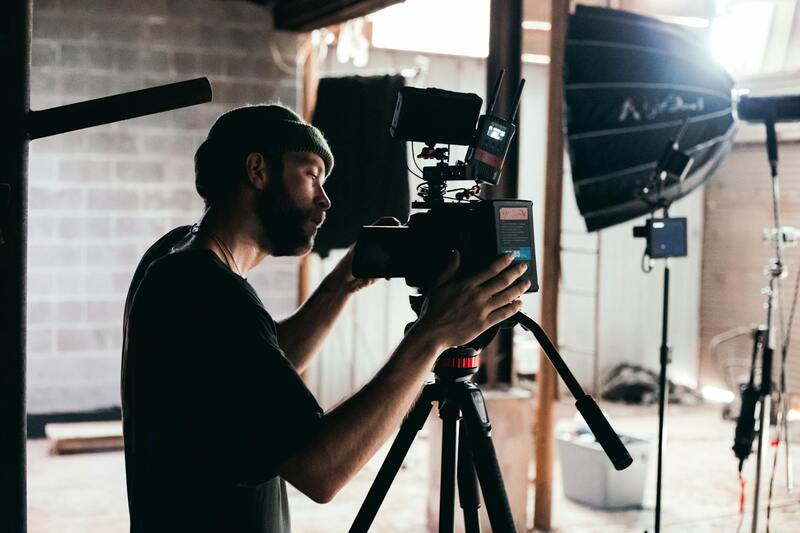
In addition to internet stability, the quality of hardware components greatly influences the output. High-definition cameras capable of capturing clear, crisp visuals under various lighting conditions are standard in professional setups. Encoders, whether hardware or software-based, facilitate efficient compression and transmission of video data, translating raw footage into streamable content compatible with chosen platforms.
Audio quality is equally critical. Professional sound equipment, including high-fidelity microphones, mixers, and sound mixers, ensure clarity and prevent distracting background noise. Proper microphone placement and sound checks prior to going live are essential steps in delivering a smooth auditory experience, which enhances overall viewer engagement.
 igure>
Redundancy measures, such as backup internet connections and alternate hardware, are vital components of risk mitigation. During live broadcasts, immediate response to any technical glitch can be the difference between a successful or compromised event. Having contingency plans, including pre-configured backup systems, allows production teams to swiftly switch to alternate streams or hardware without noticeable downtime.
Moreover, software tools for live stream management provide real-time analytics and control, enabling producers to monitor stream health continuously. Features such as real-time chat moderation, viewer statistics, and interactive overlays can be integrated seamlessly to enhance viewer interaction without disrupting the broadcast flow.
One key aspect often overlooked is environmental control. Proper lighting, soundproofing, and camera placement contribute significantly to the visual and auditory quality. Consistent lighting setups, ideally utilizing professional lighting kits, ensure the subject is well-illuminated, resulting in a more professional appearance on camera. Minimizing ambient noise and echoes through soundproofing measures creates a cleaner audio environment for viewers.
Implementing Effective Post-Production and Content Archiving
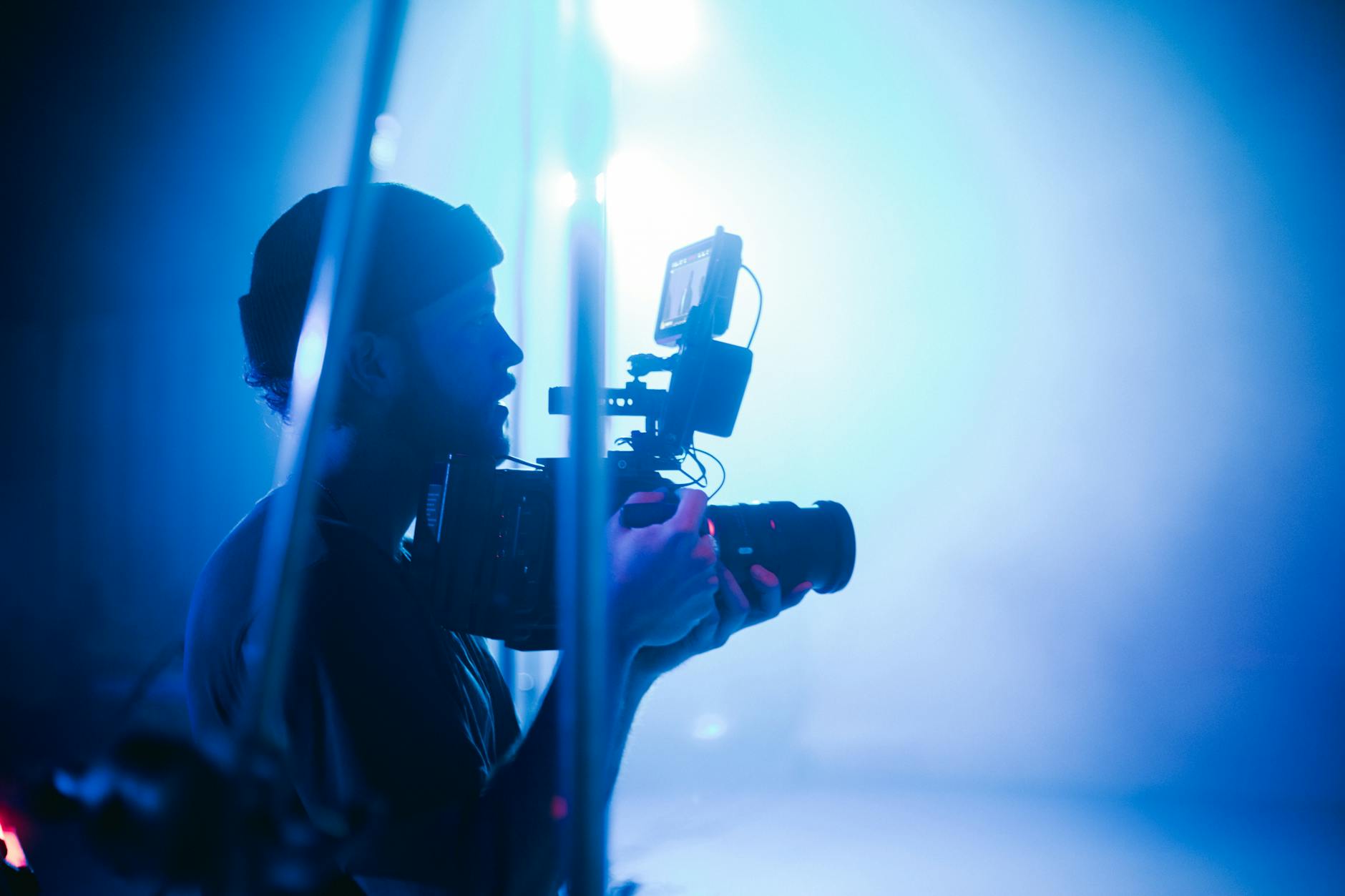
While live streaming prioritizes real-time delivery, post-production activities add substantial value by allowing content refinement and repurposing. Archiving high-quality footage enables businesses to leverage content beyond the initial broadcast, creating materials for future marketing, training, or promotional purposes.
Professionally edited recordings can be segmented into shorter clips optimized for social media sharing, broadening content reach and engagement. Additionally, detailed analysis of viewer metrics—such as watch time, peak concurrent viewers, and engagement rates—provides insights into audience preferences, guiding future content strategies and technical enhancements.
 igure>
Investing in a comprehensive approach to live stream production—covering pre-event planning, technical execution, and post-event analysis—fosters professionalism and consistency. This disciplined methodology supports building credibility with viewers, strengthening brand authority, and ultimately expanding the organization’s digital footprint.
Roles and Responsibilities in Live Stream Production
Successful live stream production relies on the coordination of multiple roles, each integral to delivering a seamless and professional broadcast. Understanding these responsibilities helps ensure every aspect of the live event operates smoothly, from setup through to post-broadcast review.
- Producer: The producer oversees the entire project, coordinating between teams, managing timelines, and ensuring the live stream aligns with organizational goals. They handle content planning, scripting, and the overall execution to meet broadcast standards.
- Director: The director provides on-camera guidance, making real-time decisions on shot selection, camera angles, and transitions. They work closely with camera operators and technical staff to maintain visual continuity and engagement.
- Camera Operators: Responsible for capturing the live footage according to the director’s instructions. They ensure framing, focus, and camera movements contribute to a polished viewing experience.
- Audio Engineer: This role manages sound quality, balancing microphones, filtering background noise, and ensuring clear audio for viewers. They troubleshoot any sound issues instantly to prevent disruption.
- Technical Crew: Including video switchers, lighting technicians, and streaming specialists, these team members handle hardware setup, lighting adjustments, and the encoding process to transmit high-quality video signals effectively.
- Content Hosts and Presenters: These individuals engage the audience with engaging delivery, facilitating interactions and guiding the flow of the live event. Effective communication and on-camera presence are critical in capturing viewer interest.
- Post-Production Team: After the live event, this team edits and archives footage, creates highlight clips, and analyzes viewer data. Their work enhances the overall content strategy and provides materials for ongoing marketing.
 igure>
Understanding Live Stream Production
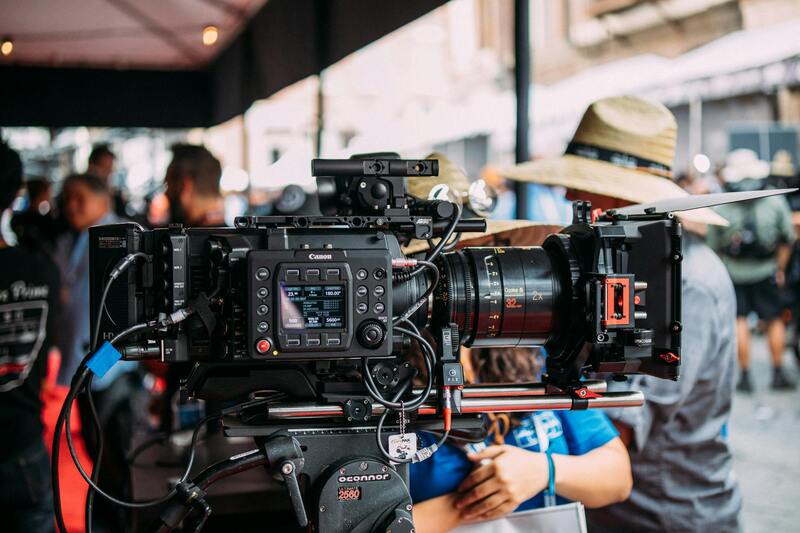
Live stream production involves a complex interplay of technical and creative elements designed to deliver a seamless and engaging broadcast. It encompasses pre-production planning, on-site setup, real-time execution, and post-event review. Effective live stream production requires meticulous coordination among various roles, sophisticated equipment, and strategic planning to ensure high-quality content delivery that resonates with the target audience. From camera angles and lighting to sound quality and streaming stability, every detail plays a crucial role in crafting a professional viewing experience. Mastery of these components ensures that businesses can showcase their products, services, or events in a manner that fosters trust and enhances brand credibility.
Technical Aspects of Live Stream Production
- Video Capture: Utilizes high-definition cameras capable of capturing crisp visuals under various lighting conditions, essential for creating an immersive experience.
- Audio Quality: Deployment of professional microphones and sound engineering techniques to ensure clear and balanced sound output.
- Lighting Design: Proper lighting setup is crucial to highlight speakers and products while minimizing shadows and glare.
- Encoding and Streaming: Use of reliable streaming hardware and software to encode high-quality video signals ensuring minimal latency and buffering.
- Network Stability: A robust internet connection capable of handling high data transfer rates is vital to maintain stream continuity and quality.
Logistical Elements
- Pre-Event Planning: Outlining the broadcast schedule, technical requirements, and contingency plans.
- On-Site Setup: Arranging cameras, lighting, microphones, and streaming equipment strategically for optimal coverage.
- Rehearsals: Running test streams to identify and rectify potential issues before the live event.
- Monitoring and Troubleshooting: Continuous oversight during the broadcast to address technical disruptions promptly.
Post-Production and Content Management
After the live event, editing the footage for promotional clips, archiving the full recordings, and analyzing viewer metrics are essential steps. These actions enable the creation of targeted content for future campaigns, expand reach via on-demand offerings, and improve technical execution based on performance insights.
Role of Expertise in Live Stream Production
Assembling a team with specialized skills ensures the delivery of a flawless live stream. Key roles include:
- Director: Orchestrates the production, making real-time decisions on camera shots, transitions, and overall visual flow.
- Camera Operators: Execute camera movements and framing to highlight the key elements of the presentation.
- Audio Engineer: Ensures audio clarity and balances sound levels throughout the broadcast.
- Technical Support Staff: Manage hardware, software, and internet connections, troubleshooting issues as they arise.
- Content Hosts: Engage with viewers, present products or topics, and facilitate participant interactions.
Strong coordination among these roles results in a cohesive and professional live stream that effectively communicates the intended message and engages viewers, ultimately driving business growth.
Understanding Live Stream Production
Live stream production involves a complex arrangement of technical, creative, and logistical elements designed to deliver high-quality content to a remote audience in real-time. The process encompasses planning, pre-production, actual broadcasting, and post-event activities, each requiring meticulous attention to detail. From configuring cameras, microphones, and lighting to managing internet bandwidth and encoding settings, every aspect must be aligned to achieve a seamless viewing experience. Proper planning ensures synchronization between visual and audio components, minimizing latency and buffering issues that can detract from viewer engagement.
Achieving a professional live stream demands rigorous technical preparation, including testing equipment, conducting dry runs, and establishing backup systems. This diligence reduces the likelihood of disruptions during the broadcast, guaranteeing that content delivery remains smooth regardless of unforeseen technical challenges. Furthermore, effective live stream production requires a skilled team capable of managing the multifaceted nature of live events—from technical operations to on-camera presentation and viewer interaction.
Advanced Techniques in Live Stream Production
- Utilization of multi-camera setups for dynamic visual storytelling.
- Incorporation of real-time graphics, overlays, and lower thirds to enhance engagement and convey information effectively.
- Implementation of live switching and transitions to maintain a polished flow between segments.
- Integration of interactive features such as chat, polls, or Q&A sessions to foster audience participation.
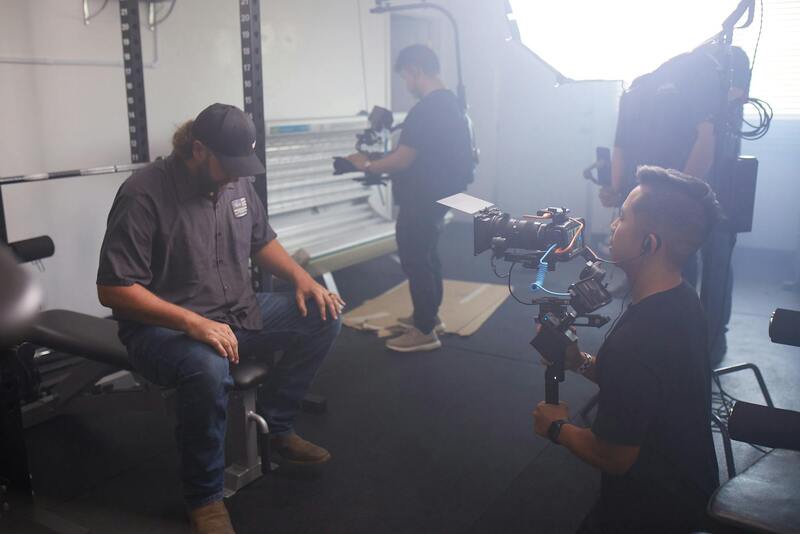
These sophisticated methods contribute to a highly professional broadcast capable of capturing viewers’ attention and delivering compelling content in real-time. Adoption of the latest tools and technology is fundamental to meet the high standards expected from business-focused live streaming, ensuring the content not only reaches but resonates with the target demographic.
Continuous Improvement and Feedback
Post-broadcast analysis plays a vital role in refining future live streaming efforts. Analyzing viewer metrics such as engagement rates, peak viewership times, and drop-off points offers insights into content effectiveness and technical performance. Gathering feedback from viewers and production teams helps identify strengths and areas for improvement. Implementing these learnings fosters ongoing enhancement of the production process, leading to more impactful and professional live streams.
By maintaining a consistent cycle of evaluation, adjustment, and innovation, organizations can elevate their live stream produktion standards, ultimately strengthening their market presence and viewer loyalty.