
Understanding Corporate Live Streaming

Corporate live streaming has become an integral aspect of contemporary business operations, serving as a dynamic platform to deliver real-time content to target audiences. This method involves broadcasting company events, product launches, training sessions, webinars, and corporate announcements via high-quality digital streams accessible worldwide. It enables organizations to extend their reach beyond geographical limitations, allowing remote stakeholders, clients, and employees to participate immersive and instantly.
At its core, corporate live streaming combines advanced audiovisual technology with strategic planning to produce compelling digital experiences. Unlike traditional broadcast methods, live streaming facilitates direct engagement, offering real-time interaction via chat, Q&A sessions, and social media integration. This immediacy not only enhances transparency but also fosters a sense of community among viewers, strengthening overall brand presence.
Modern businesses leverage official live streaming channels—such as dedicated websites, professional streaming platforms, and social media outlets—to ensure high-quality transmission and secure content delivery. The deployment of reliable internet infrastructure, professional-grade cameras, and sophisticated streaming software supports seamless broadcasting with minimal latency. In Miami, a hub for innovative media production, companies often partner with specialized service providers to execute these streams professionally, ensuring clarity, stability, and security.
In today’s digital-first landscape, corporate live streaming offers an interactive and measurable way to communicate effectively. By investing in official, reputable methods for live broadcasting, organizations can maximize their outreach, reinforce brand credibility, and cultivate stronger relationships with their audiences. As this technology continues to evolve, staying abreast of best practices and technological advancements remains essential for sustained success in corporate communication strategies.
Understanding Corporate Live Streaming
Effective corporate live streaming hinges on the adoption of official and well-established delivery channels. Companies typically utilize dedicated websites, secure streaming platforms, or reputable social media channels to broadcast their events. These channels are designed to handle high bandwidth demands while maintaining optimal video and audio quality, ensuring a professional presentation that aligns with corporate branding standards.
Utilizing official platforms offers critical advantages, including prioritized bandwidth allocation, enhanced security features, and access to analytics tools that measure audience engagement and reach. Dedicated corporate websites, for example, allow organizations to maintain control over how their content is presented and accessed, integrating seamlessly with existing digital marketing strategies.
Miami’s vibrant media scene provides businesses with several professional service providers specialized in corporate live streaming. These companies handle technical aspects such as encoding, stream optimization, and multi-platform distribution, allowing organizations to focus on content delivery and audience interaction. Partnering with experienced providers ensures that streams are transmitted reliably, with minimal interruptions or technical difficulties.
A cornerstone of reliable streaming involves quality hardware, such as high-definition cameras, professional microphones, and robust internet connections. Coupled with sophisticated streaming software, these tools facilitate seamless broadcasts that are both visually engaging and technically stable.
Security is paramount when sharing sensitive corporate information or high-profile announcements. Organizations implement secure streaming protocols and access controls, often utilizing encrypted streams and login protections to restrict content to authorized viewers only.
The infrastructure supporting official live streaming is critical, especially for large-scale corporate events, conferences, or product launches. Companies invest in redundant internet connections, server failovers, and specialized streaming content delivery networks (CDNs) to guarantee uninterrupted broadcast quality.
In Miami, proximity to tech hubs and media professionals enables quicker deployment of high-caliber streaming infrastructure. This ecosystem fosters innovation and ensures that businesses can execute live streams that are visually stunning, secure, and highly reliable.

Understanding Corporate Live Streaming
Corporate live streaming has revolutionized how companies communicate internally and externally. It offers a dynamic platform to broadcast key events, product launches, and corporate updates to audiences in real-time, enabling immediate engagement regardless of geographical boundaries. This technology allows businesses to convey their messages with visual impact and interactive features that traditional methods often lack. As organizations increasingly recognize the value of transparent and authentic communication, the importance of official, high-quality streams has grown exponentially.
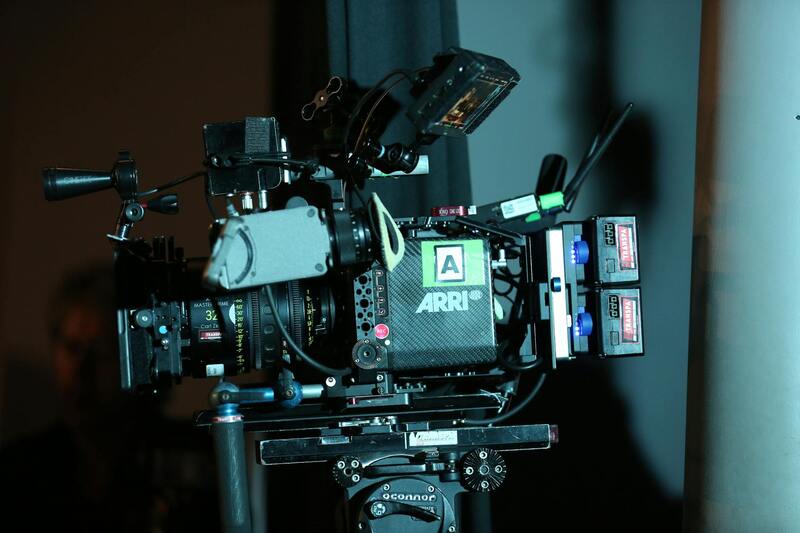
Implementing corporate live streaming involves more than just turning on a camera. It requires meticulous planning, technical expertise, and operational security. When executed properly, a live stream becomes a powerful tool for branding, stakeholder engagement, and even crisis communication. The content broadcasted through well-managed live streams maintains a consistent brand image and demonstrates professionalism, which is crucial for establishing trust and credibility among viewers.
Moreover, utilizing official streaming platforms ensures that content is delivered through controlled, secure channels. This approach not only safeguards sensitive information but also provides a seamless viewing experience. These platforms typically support various streaming protocols and include features like multi-platform broadcasting, real-time analytics, and viewer interaction, enhancing overall strategic communication efforts.
Benefits of Live Streaming for Businesses
Businesses leveraging live streaming gain several strategic advantages. Firstly, it significantly increases audience reach; events broadcasted online can be accessed by global participants without geographical limitations. This scalability supports expanding markets and enhances international stakeholder engagement. Additionally, live streams provide real-time feedback opportunities, enabling companies to gauge audience interest, clarify points via chat or Q&A sessions, and adapt messaging on the fly.
Cost efficiency is another critical benefit. Traditional in-person events require considerable investment in venue rentals, logistics, and on-site staffing. Conversely, live streaming reduces these expenses while still delivering impactful, interactive experiences. It also facilitates ongoing content dissemination; recorded segments can be repurposed into on-demand videos, training modules, or promotional materials, maximizing the value derived from a single event.
Engagement metrics offered by streaming platforms—such as viewer count, duration, and interaction levels—allow companies to assess campaign effectiveness accurately. These insights inform future communications, refining strategies for maximum impact. Furthermore, consistent live streaming of corporate milestones and thought leadership positions the organization as an industry leader, fostering trust and brand loyalty among clients, partners, and employees.
Key Components for Successful Corporate Live Streaming
To ensure that a corporate live stream achieves its desired objectives, several essential components must be in place. High-quality audiovisual equipment is fundamental—professional-grade cameras, clear microphones, and engaging lighting setups are non-negotiable for a polished presentation. A reliable internet connection, preferably wired and with sufficient bandwidth, prevents interruptions and maintains stream stability. Failures in connectivity can impair the broadcast quality, risking viewer disengagement or missed messages.
Alongside hardware, professional production support is vital. This encompasses skilled operators handling camera switching, audio mixing, and graphics overlays. A dedicated technical team can troubleshoot issues promptly, ensuring a smooth experience for viewers. Planning every segment of the stream, including scripting, visuals, and contingency protocols, mitigates unexpected disruptions.
Security protocols, such as encrypted streams and restricted access via login credentials, protect sensitive content. Customized streaming channels aligned with corporate branding reinforce professionalism and maintain content integrity. Additionally, integrating interactive elements like chat moderation, polls, and live Q&A fosters engagement and makes the broadcast more relatable to audiences.
Planning and Pre-Production for Corporate Streams
Effective planning is the backbone of successful live streaming. Defining clear objectives and target audiences guides every decision from content creation to technology selection. A comprehensive pre-production checklist includes assembling the content team, scripting key messages, preparing visual aids, and scheduling rehearsals to iron out technical and presentation details.
Location scouting is integral—choosing a suitable venue with optimal lighting, acoustics, and minimal background noise creates a professional environment. Ensuring all equipment is tested beforehand minimizes technical hiccups during the actual broadcast. Stakeholders should establish roles and responsibilities, from hosts and presenters to technical operators and moderators, to streamline operations.
Developing a communication plan with scheduled reminders ensures all team members are aligned. Also, creating a backup plan for technical failures—such as secondary internet sources or replacement presenters—reduces the risk of disrupted broadcasts. Collecting initial feedback during rehearsals can help refine the presentation style and technical setup for the live session.
Executing Live Streams: Best Practices
Execution requires meticulous attention to detail. Starting the broadcast with a clear introduction sets expectations and enhances professionalism. Monitoring technical parameters throughout the event allows the team to react swiftly to issues, such as audio dropouts or camera malfunctions. Keeping the flow engaging with well-timed visuals, transitions, and multimedia content sustains viewer interest.
Interaction with viewers is encouraged through moderated chats, polls, or Q&A segments, enriching the experience. Designating hosts or moderators to field questions ensures the audience feels valued and heard. Additionally, maintaining a steady on-camera presence, avoiding abrupt movements, and speaking clearly further enhance communication clarity.
Post-event, sharing a recording of the stream across various channels extends its lifespan and reach. Analyzing engagement data provides insights into viewer behavior, helping to identify successful components and areas for improvement in future broadcasts.
Post-Stream Engagement and Content Repurposing
Once the live stream concludes, effective follow-up activities leverage the content’s full potential. Editing and segmenting the recorded broadcast into shorter clips facilitate dissemination across social media, email campaigns, or corporate websites. These assets serve as ongoing promotional tools, drawing continuous attention to the organization’s initiatives.
Engagement doesn’t end with the broadcast. Sending follow-up emails thanking viewers, sharing additional resources, and providing access to the recorded content sustains relationships built during the event. Collecting feedback through surveys allows the organization to learn what resonated and what could be optimized for future streams.
Embedding the stream recordings into training programs or creating a content library enhances internal knowledge-sharing efforts. This repository supports onboarding, skill development, and internal communications, fostering a well-informed and aligned workforce.
Choosing a Production Partner in Miami
Selecting a competent production partner is crucial to achieving seamless corporate live streams. Miami’s vibrant media scene offers numerous experienced providers specializing in professional streaming services. When evaluating potential partners, consider their portfolio of past projects, technological capabilities, and understanding of corporate branding principles.
Key factors include their equipment quality, ability to support multi-camera setups, proficiency with streaming platforms, and experience with high-profile corporate events. A proactive partner offers detailed pre-production planning, on-site technical support, and post-broadcast analytics. Their familiarity with Miami’s media ecosystem ensures swift deployment and access to local resources, which can optimize costs and logistics.
Effective collaboration with the production team from the outset fosters a clear understanding of your specific needs and expectations. Transparent communication and detailed contracts underpin a successful partnership, ensuring that every aspect of the live stream aligns with organizational goals and brand standards.
Future Trends in Corporate Live Streaming
Looking ahead, innovations such as augmented reality (AR), virtual reality (VR), and 360-degree video are poised to elevate corporate broadcasting experiences. These immersive formats enable audiences to engage with content more vividly, enhancing retention and creating memorable brand interactions.
Artificial intelligence (AI) integrated into streaming platforms will improve content personalization and real-time analytics. AI-driven tools can automatically optimize video quality, adjust camera angles, or generate subtitles, making streams more accessible and engaging.
Furthermore, hybrid events combining in-person and virtual elements will become increasingly sophisticated. Advanced networking solutions will ensure seamless interactions between on-site participants and remote viewers, fostering more inclusive and interactive experiences.
The continued development of secure, user-friendly streaming infrastructures will underline the importance of official, professionally managed channels. These advancements will empower organizations to deliver increasingly captivating, secure, and impactful live streaming content.
Ensuring Content Security and Brand Integrity During Live Streaming
Maintaining control over live broadcast content is essential for safeguarding your brand image and ensuring your message reaches your audience without unwanted interruptions. Official methods for secure streaming include utilizing Enterprise Content Delivery Networks (CDNs) and dedicated streaming servers that provide encrypted connections, preventing unauthorized access or interception during transmission. Employing robust digital rights management (DRM) systems further ensures that your live content remains protected from unauthorized redistribution, preserving the exclusivity and value of your brand message.
Stream authentication is another critical component, which involves verifying user identities through secure tokens or credentials before access is granted to the live feed. This mitigates risks associated with unauthorized viewing and ensures that only intended audiences engage with the broadcast. Implementing user access controls and firewalls tailored to your organizational security policies adds additional layers of protection, reinforcing your control over who can view your live streams.
Furthermore, choosing a reputable streaming platform that complies with industry security standards guarantees that your content remains protected throughout the entire broadcast process. Platforms with rigorous security protocols often include features such as automatic stream monitoring, real-time threat detection, and incident response frameworks, which help maintain the integrity of your live event.
In addition to technological safeguards, developing comprehensive internal policies concerning content handling, access privileges, and incident response plans ensures consistency and readiness in your streaming operations. Training your team on these protocols enhances overall security and mitigates potential vulnerabilities.
Ultimately, official and professional streaming methods that incorporate these security measures fortify your brand's reputation, foster trust with your audience, and facilitate seamless, engaging live experiences that resonate with viewers while protecting your organizational interests.
Ensuring Secure and Reliable Content Delivery
Implementing robust media delivery infrastructure is vital to guarantee the consistency and security of corporate live streams. Utilizing Content Delivery Networks (CDNs) with proven track records helps distribute streams efficiently across diverse geographic locations, minimizing latency and buffering issues. This hardware and software integration ensures that the live content reaches viewers without interruption, even during high-demand periods.
Besides technological infrastructure, establishing comprehensive access control protocols is essential. This involves configuring secure login procedures, such as single sign-on (SSO) systems or multi-factor authentication (MFA), to restrict access to authorized personnel and invited guests only. Role-based permissions further delineate who can initiate, control, or modify live streams, safeguarding the content from unauthorized manipulation.
Protection against cyber threats is also paramount. Regular security audits, intrusion detection systems, and firewalls tailored for streaming environments help identify vulnerabilities before they can be exploited. Ensuring the stability of your internet connection and having contingency plans, such as backup internet routes or redundant streaming setups, contribute significantly to the uninterrupted delivery of your corporate events.

Monitoring and Real-Time Management During Broadcasts
Active management during the live event is critical for addressing unforeseen situations swiftly and minimizing disruptions. Employing advanced monitoring tools enables real-time tracking of stream quality, viewer engagement, and technical performance. These platforms often provide dashboards that highlight issues such as delayed or frozen streams, audio disruptions, or cybersecurity threats.
Designing a dedicated operations team or assigning specific roles ensures that technical problems can be addressed immediately. This team should have clear protocols for troubleshooting connectivity issues, managing audience interactions, and escalating security alerts. Quick response strategies include switching to backup streams, adjusting bandwidth allocations, or pausing the broadcast momentarily if security concerns arise.
Engagement analytics play a significant role during live streams. Monitoring viewer metrics—such as peak concurrent viewers, geographical distribution, and engagement rates—helps tailor the presentation in real time and enhances audience retention. Using interactive features like live Q&A, polls, or chat moderation can foster a more engaging experience, making your live stream both professional and dynamic.
Executing Live Streams: Best Practices
Ensuring Technical Excellence
Achieving a seamless corporate live stream involves meticulous attention to technical details that directly impact the viewer experience. Selecting reliable encoding hardware and high-quality microphones and cameras is essential. Prioritize equipment that offers stable output and supports the resolution and bitrate suitable for your target audience. Conduct thorough pre-broadcast testing to identify potential issues related to network stability, audio synchronization, and video clarity.
During the broadcast, continuous monitoring of stream health is crucial. Utilize diagnostic tools that provide real-time feedback on upload speeds, latency, and buffering events. Having a dedicated technical crew capable of promptly diagnosing and resolving issues minimizes disruptions. For instance, if a stream buffer or drops, switching to a secondary encoder or backup internet connection ensures uninterrupted delivery.

Engaging Your Audience
Audience engagement remains a cornerstone of effective corporate live streaming. Integrate interactive features like live chat, polls, and Q&A sessions to promote active participation. Assign a moderator to monitor interactions in real-time, filtering relevant questions and maintaining a professional atmosphere. Encouraging audience interaction not only fosters a sense of community but also provides valuable feedback that can be used to refine future streams. Consider incorporating visual elements such as dynamic overlays, branded graphics, or multimedia presentations that complement your spoken content, making the experience visually appealing and professional.
Managing Broadcast Dynamics
Effective broadcast management involves more than just technical execution; it requires strategic oversight of the flow and timing. Coordinate with presenters and production staff through dedicated communication channels, such as instant messaging apps, to facilitate seamless transitions between segments. Prepare for unexpected scenarios by having contingency plans, such as pre-recorded segments or alternative streaming addresses.
Consistent branding throughout the stream, including logo placement, animated intros, and outro screens, reinforces your corporate identity. Incorporate these elements smoothly to maintain a polished appearance.

Post-Stream Optimization and Follow-up
Post-event activities are vital in extending the reach and impact of your live stream. Immediately archive the recorded broadcast for on-demand access on your website, social media platforms, or internal portals. This ensures that your message reaches audiences who could not attend live and allows for repeated viewing. Leverage analytics to evaluate key metrics such as total viewers, peak concurrency, and engagement rates. This data helps identify successful strategies and areas needing improvement. Additionally, compile viewer feedback via surveys or comments to gain insight into audience preferences. Content repurposing is a powerful way to maximize your investment. Break down the full recording into shorter clips suitable for sharing on social channels, or create highlight reels that showcase pivotal moments. Transcripts of the broadcast can be transformed into blog posts or articles, expanding your content’s shelf life. Follow-up communication, such as thank-you emails or targeted promotional offers, can convert viewers into leads or ongoing clients. Leveraging post-event engagement insights ensures your corporate live streaming efforts continually evolve and deliver measurable business value.
Choosing a Production Partner in Miami
Partnering with a seasoned local production agency is crucial for delivering seamless and impactful corporate live streams. When selecting a Miami-based service provider, organizations should evaluate their experience specifically in corporate events, including webinars, product launches, and executive presentations. An established agency will have a proven track record of managing technical complexities, ensuring high-quality audio-visual delivery, and maintaining professional on-camera presentation standards.
It's essential to assess the agency’s technical capabilities, including their expertise with high-definition streaming, multiple camera setups, and advanced lighting solutions. A reliable partner will also be familiar with the latest streaming platforms and content delivery networks, minimizing latency issues and ensuring smooth broadcast quality for viewers regardless of their location.
Communication and customization are key factors. The ideal agency will work closely with your team from initial planning through post-event activities, offering tailored solutions that align with your company's branding and audience engagement goals. They should provide clear timelines, detailed project scopes, and transparent pricing structures to foster smooth collaboration.
Furthermore, evaluating client testimonials and case studies can provide insight into their professionalism and ability to handle various event sizes. A local partner with established relationships within the Miami business community can also provide valuable logistical support, from securing permits to arranging necessary on-site equipment and personnel.
Investing in a production partner with a solid reputation guarantees not only technical excellence but also strategic guidance. An experienced Miami-based firm will help navigate potential challenges proactively, ensuring your corporate live streaming initiative demonstrates credibility and inspires confidence among your target audiences.

Future Trends in Corporate Live Streaming
As the landscape of corporate live streaming continues to evolve, several emerging trends are shaping the future of how organizations communicate, engage, and share content with their audiences. Staying ahead of these developments allows companies to refine their strategies, leverage cutting-edge technology, and maximize the impact of their broadcasts.
Integration of Augmented Reality (AR) and Virtual Reality (VR)
Augmented reality and virtual reality technologies are increasingly integrated into live streaming experiences. These advancements enable immersive interactions that transport viewers into virtual environments or enable real-time overlays of information, branding, or interactive elements. For instance, live product launches can feature 3D models that viewers can explore from different angles, creating engaging, memorable experiences that drive deeper engagement and brand affinity.
AI-Driven Personalization and Automated Content
Artificial intelligence is playing a pivotal role in customizing live streaming content. Through AI analytics, companies can gather insights into viewer preferences and behaviors, enabling the delivery of personalized content that resonates with audience segments. Additionally, AI-powered tools facilitate automated captioning, real-time translations, and content moderation, enhancing accessibility and interactivity while reducing operational burdens.
Enhanced Interactivity and Viewer Participation
Future corporate streams will feature more sophisticated interactive elements, including live polls, Q&A sessions, chat integrations, and gamified experiences. These features foster active participation, making viewers feel more involved and connected to the event. Utilizing real-time engagement metrics helps organizers tailor content dynamically, ensuring relevance and sustained interest throughout the broadcast.
5G Connectivity and Cloud-Based Solutions
The advent of 5G technology promises significant improvements in streaming quality, latency, and reliability. Organizations will increasingly adopt cloud-based streaming infrastructures, which offer scalable bandwidth, content delivery flexibility, and disaster recovery capabilities. These technological enhancements will support larger audiences and more complex production setups without compromising quality or performance.
Hybrid Event Models
Hybrid models combining physical and virtual participation are becoming standard for corporate events. Live streams are integrated with in-person experiences, allowing remote audiences to interact seamlessly with on-site attendees. This approach broadens access, enhances engagement, and provides versatile options for content delivery and sponsorship opportunities.
Data-Driven Metrics and Analytics
Advanced analytics tools will enable companies to measure the effectiveness of their live streams more accurately. During and after broadcasts, organizers can analyze viewer retention, engagement rates, and demographic data to optimize future content strategies. These insights inform content creation, streaming schedules, and platform choices, ultimately driving more impactful communication initiatives.

Looking ahead, the integration of innovative technologies and adaptive strategies will define the next generation of corporate live streaming. Organizations willing to invest in emerging trends and adopt flexible, data-driven approaches will find themselves better positioned to captivate their audiences, foster meaningful interactions, and achieve strategic goals effectively.