
Understanding Corporate Live Video Streaming
Corporate live video streaming refers to the real-time transmission of video content over the internet, specifically tailored for business communications, marketing, training, and corporate events. Unlike pre-recorded videos, live streaming enables companies to connect with their audience instantaneously, creating an engaging and interactive experience that can transcend geographical boundaries. In the increasingly digital-focused Miami market, the adoption of professional live streaming solutions is transforming how businesses communicate with clients, employees, and stakeholders.
This technology allows for seamless broadcasting of conferences, product launches, seminars, remote interviews, and annual meetings, among other corporate activities. It amplifies outreach, enhances brand presence, and fosters transparency. As Miami continues to grow as a hub for diverse industries — from tourism and finance to technology and real estate — the relevance and application of corporate live video streaming are expanding rapidly. Companies here recognize the importance of emerging digital communication channels to maintain competitive advantages and strengthen their market positioning.

Key Benefits for Businesses
- Extended Reach: Live streaming breaks down geographical barriers, allowing companies to address audiences worldwide without the need for physical presence.
- Cost Efficiency: Reduces expenses associated with travel, venue rentals, and logistical arrangements for events, while still delivering professional-quality content.
- Enhanced Engagement: Interactive features such as live Q&A, polls, and chat enable real-time participation, leading to higher viewer retention and satisfaction.
- Brand Visibility: Consistent, high-quality streaming improves corporate image and highlights a company’s commitment to innovation and transparency.
- Data Collection: Real-time analytics and viewer insights inform future marketing and communication strategies, maximizing ROI.
Types of Corporate Live Streaming Events
Depending on business objectives, various types of live streaming events are employed to achieve specific communication goals:
- Conferences and Seminars: Virtual or hybrid sessions to disseminate knowledge, showcase products, and have panel discussions.
- Product Launches: Live unveiling of new offerings, allowing instant feedback and broader reach.
- Training Sessions: Real-time educational content for employees or clients, promoting skill development and consistency.
- Company Announcements: Sharing major corporate updates directly with stakeholders, ensuring transparency and timely communication.
- Investor Meetings: Live broadcasts of earnings calls and investor presentations to maintain open lines of communication.
Equipment and Technology Requirements
To deliver professional corporate live streams, the right equipment and technological infrastructure are essential:
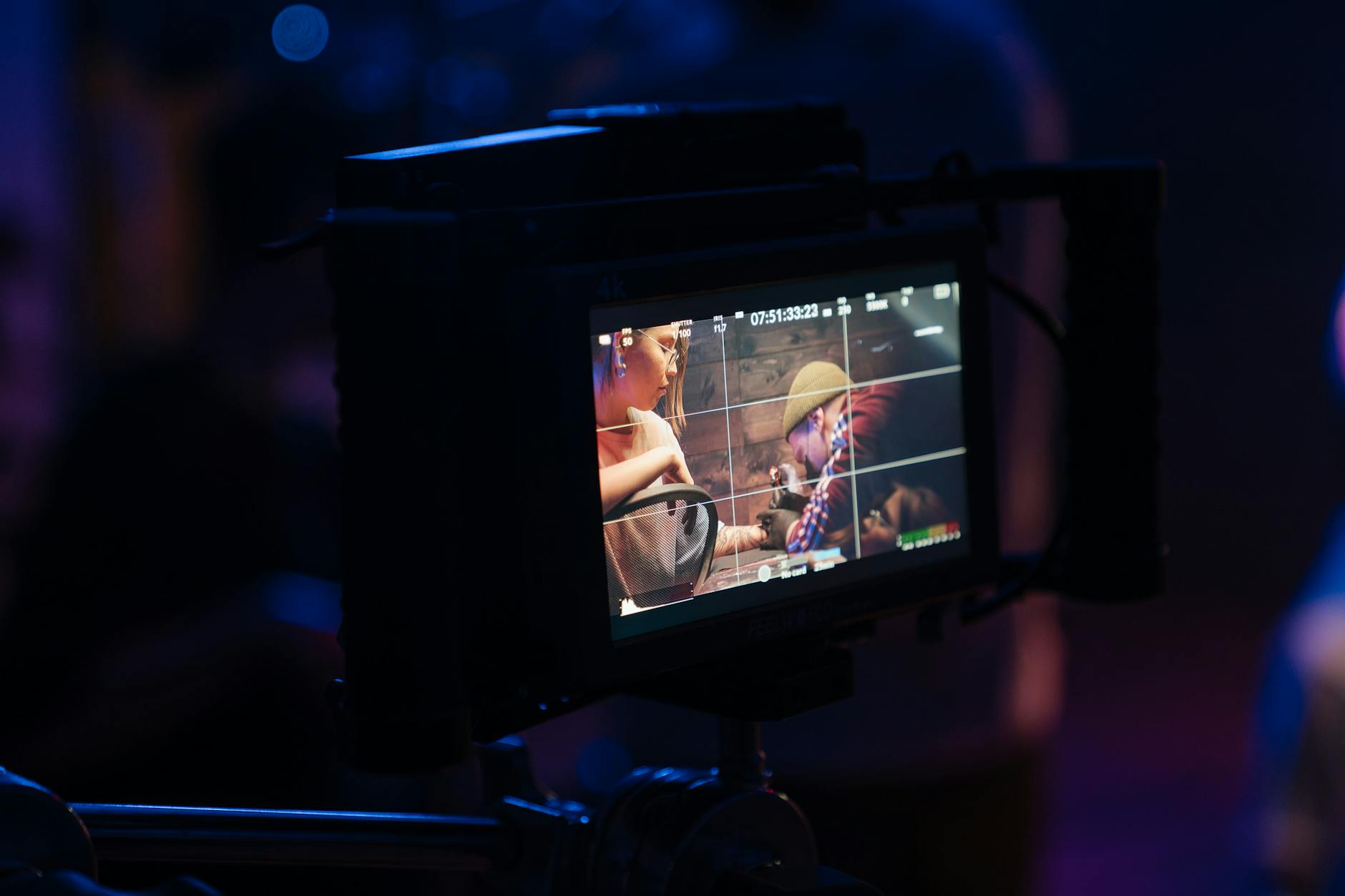
- Cameras: High-definition cameras capable of capturing clear video from multiple angles.
- Audio Equipment: Quality microphones and sound mixers to ensure crisp audio capture.
- Encoding Software/Hardware: Tools that convert raw footage into a streamable format with minimal latency.
- Internet Connection: Robust and reliable bandwidth to sustain high-quality streaming without interruptions.
- Lighting: Proper lighting solutions to enhance video clarity and visual appeal.
- Streaming Platform: A trusted hosting service that supports secure, scalable broadcasts with analytics capabilities.
Conclusion
Mastering corporate live video streaming is critical for Miami businesses aiming to maximize their reach and engagement in a digital world. Understanding its core components — from the types of events to the necessary technology — forms the foundation for successful broadcasting initiatives. As the market evolves, leveraging reputable streaming solutions tailored to professional standards will position companies for growth, interaction, and a competitive edge across industries.
Understanding Corporate Live Video Streaming
Corporate live video streaming represents a strategic approach for businesses aiming to connect authentically with their audiences in real time. Unlike traditional broadcast methods, live streaming offers immediate interaction, fostering a sense of transparency and fostering trust. Organizations utilize this technology to host a variety of events, including product launches, company announcements, training sessions, webinars, and virtual conferences. To execute these broadcasts smoothly, companies must deploy advanced technical solutions that ensure a seamless viewer experience.

Core Components of Corporate Live Streaming Infrastructure
A successful live stream hinges on a combination of reliable hardware, software, and network infrastructure. The foundational equipment and systems include:
- Professional Cameras: High-definition (HD) or 4K cameras capable of capturing detailed video from multiple angles. Proper camera placement and control can dramatically improve visual engagement.
- Audio Equipment: Directional microphones, wireless lapels, and sound mixers ensure crisp, clear audio, which is vital for maintaining viewer attention and conveying professionalism.
- Encoding Solutions: Hardware encoders or sophisticated software that compress raw footage into streamable formats with minimal latency. The choice between hardware and software encoders depends on the scale and complexity of the event.
- Internet Connectivity: A dedicated, high-bandwidth internet connection is crucial, with upload speeds exceeding 10 Mbps for HD streams. Redundant connections or failover systems help prevent disruptions.
- Lighting Systems: Proper lighting enhances video clarity and reduces shadows, especially in indoor environments. Professional lighting setups provide consistent visual quality regardless of ambient lighting conditions.
- Streaming Platforms: Engaging with reputable hosting services that offer scalable streaming options, security features, and analytics helps organizations monitor engagement and gather valuable data.
To support these hardware requirements, organizations should partner with experienced vendors who can advise on the optimal setup based on event size and scope. Installing reliable networking infrastructure, including switches and routers optimized for streaming, minimizes latency and potential technical issues during broadcasts.
Network Architecture for Seamless Streaming
Designing a resilient network architecture is paramount. This includes:
- Establishing a dedicated network segment for streaming activities to isolate bandwidth from other organizational operations.
- Implementing Quality of Service (QoS) policies that prioritize streaming data packets, ensuring smooth transmission during peak times.
- Utilizing load balancers and multiple servers to distribute stream traffic effectively and avoid overload.
- Employing security measures such as firewalls, VPNs, and encryption to safeguard content during transmission.

Operational Best Practices
Effective planning surrounds not just equipment but also the operational procedures. This encompasses testing all technical components prior to a live event, preparing contingency plans for potential failures, and ensuring seamless coordination among technical and production teams. Additionally, incorporating rehearsal sessions allows teams to identify and rectify issues well ahead of the broadcast, ensuring a professional presentation and reducing the risk of unforeseen problems during the actual event.
Securely integrating third-party streaming services or cloud-based solutions simplifies deployment and enables access from multiple locations, which is especially relevant for Miami-based enterprises seeking flexible, scalable, and reliable live streaming capabilities. Properly configured, these platforms provide analytics, viewer engagement metrics, and interactive tools that augment the overall value of the live stream.
Equipment and Technology Requirements
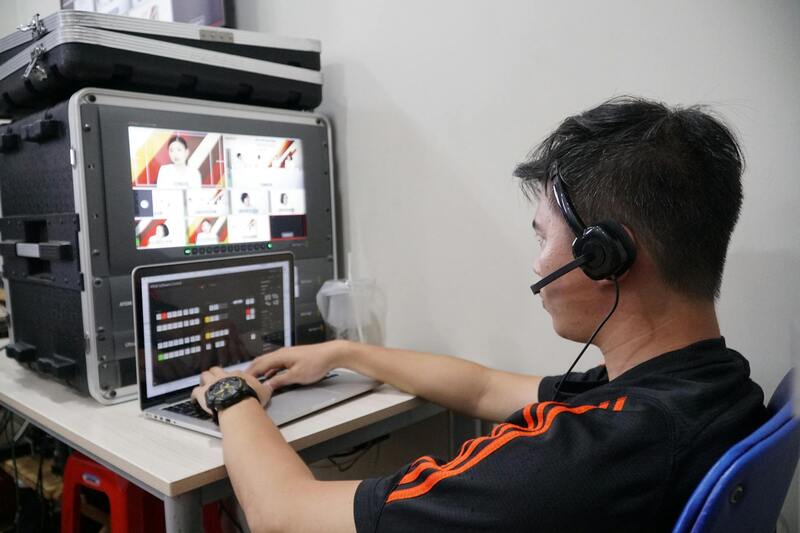
For effective corporate live video streaming, selecting the appropriate equipment and technology infrastructure is essential. High-definition cameras capable of capturing crisp visuals, combined with professional-grade audio equipment, ensure that the audience experiences a clear and engaging broadcast. Video switchers, encoding hardware, and streaming servers form the backbone of a seamless transmission process.
Reliable internet connectivity plays a pivotal role in maintaining stream quality. Businesses should prioritize dedicated bandwidth, preferably through wired Ethernet connections, to prevent disruptions caused by network congestion. Quality of Service (QoS) policies and network segmentation help allocate sufficient bandwidth exclusively for live streaming purposes. Additionally, employing content delivery networks (CDNs) optimizes global access, reducing latency and buffering issues for viewers regardless of their location.
Supplementary equipment such as backup power sources, external microphones, lighting setups, and stabilization gear enhances production quality and minimizes potential technical issues. Integration with production software allows operators to switch between multiple video feeds, add on-screen graphics, and incorporate real-time analytics to monitor viewer engagement.
Furthermore, choosing a compatible streaming platform or encoder that supports adaptive bitrate streaming ensures optimal playback across diverse devices and internet speeds. Cloud-based streaming solutions, equipped with scalable infrastructure, allow remote management and facilitate multi-location event coverage without requiring extensive onsite hardware investments.
Best Practices for Planning and Executing Live Streams
Meticulous planning forms the foundation of a successful live streaming event. Pre-event rehearsals help technical teams identify and resolve any equipment or connectivity issues beforehand, ensuring a smooth broadcast. Developing a detailed rundown of the event, including cues for graphics, switcher commands, and speaker transitions, maintains professionalism and rhythm during the stream.
Effective coordination among production staff, presenters, and technical operators minimizes communication gaps. Designating specific roles such as camera operators, sound engineers, and moderators ensures responsibilities are clear and coverage is comprehensive.
Contingency strategies, such as backup internet connections, alternative video sources, and emergency communication channels, safeguard against unexpected disruptions. Establishing clear protocols for troubleshooting issues in real-time enhances the team's responsiveness and keeps the broadcast running smoothly.
It’s also vital to consider accessibility features, such as closed captioning and multiple language options, to reach a broader audience. Maintaining a dedicated team or point-person responsible for monitoring stream health and viewer feedback during the event ensures immediate response to any emerging concerns.
Engagement and Interaction During Live Streams
Active audience engagement enhances the impact and reach of corporate live videos. Incorporating real-time polls, Q&A sessions, and chat features transforms passive viewers into active participants. Moderators can facilitate discussions, filter comments, and highlight key questions for presenters to address during the stream.
Utilizing interactive tools embedded within the streaming platform helps maintain viewer attention and foster a sense of community. Encouraging audience participation can also generate valuable feedback and insights that inform future initiatives.
Social media integration enables real-time sharing and broader dissemination of the live content. Promoting the event in advance and providing clear instructions for participation encourages higher viewership and interaction levels.
Post-Stream Analysis and Content Repurposing
Post-broadcast evaluation involves analyzing viewer metrics such as viewer count, engagement rates, and drop-off points. These insights reveal what resonated most and identify areas for improvement in future streams. Recording and archiving broadcasts provide valuable content assets that can be repurposed for marketing, training, or internal communication.
Edited clips, highlights, and behind-the-scenes footage extend the lifespan and impact of the original event. Creating summaries or condensed versions can attract new audiences and increase engagement across different platforms.
Collecting participant feedback through surveys or follow-up emails helps refine streaming strategies and enhances the overall quality of subsequent broadcasts.
Choosing a Production Partner in Miami
Partnering with an experienced local production company ensures access to cutting-edge technology, skilled technicians, and industry expertise tailored to Miami’s vibrant business environment. A reputable partner understands the regional infrastructure and can recommend optimal equipment and workflow solutions for your specific needs.
Collaborating with a local provider facilitates direct coordination, onsite support, and logistical convenience. They can assist with pre-event planning, equipment setup, live operation, and post-event analysis, ensuring a seamless experience from start to finish.
Optimizing Corporate Live Video Streaming Security and Reliability
When implementing corporate live video streaming, ensuring the security and reliability of broadcasts is paramount. Business-quality streams often involve sensitive information, proprietary content, or confidential data, making robust security measures a necessity. High-grade encryption protocols protect data in transit, preventing unauthorized access and interception. Employing Secure Real-Time Protocols (SRTP) and Transport Layer Security (TLS) safeguards live streams from man-in-the-middle attacks, maintaining confidentiality and integrity throughout transmission.
In addition to encryption, proper user authentication mechanisms are essential. These include multi-factor authentication for access control, secure login procedures, and digital rights management (DRM) solutions that restrict unauthorized viewing. Implementing token-based authentication methods ensures that only authorized personnel can access or distribute live streams, reducing the risk of leaks or piracy.
Reliability in live streaming is equally crucial, particularly for events involving large, distributed audiences. Businesses should utilize Content Delivery Networks (CDNs) to distribute streams across multiple servers geographically, thereby minimizing latency and buffering issues. Redundancy is a key aspect; deploying backup streaming servers and failover systems ensures continuous broadcast even if primary servers encounter issues.
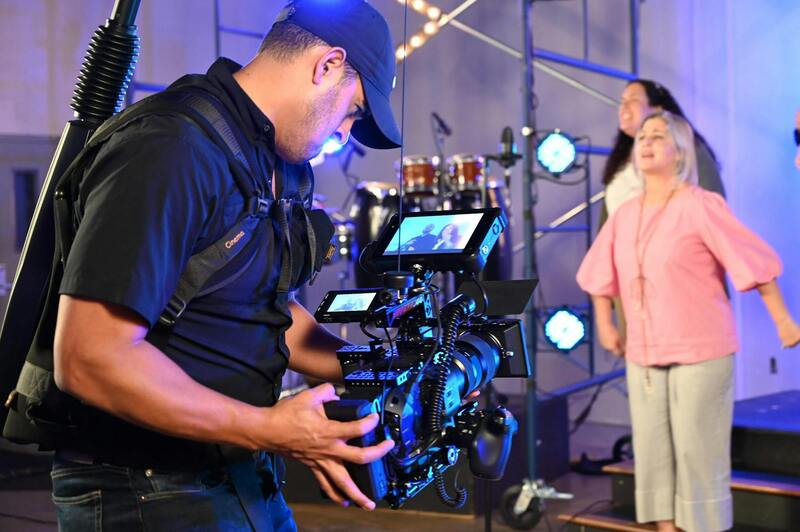
Professional equipment plays a significant role in maintaining high-quality streams. High-definition cameras, professional audio systems, and reliable internet connections (preferably fiber-optic) are fundamental. Additionally, employing hardware encoders designed for live broadcasting reduces latency and enhances image quality, ensuring a seamless viewer experience.

Pre-broadcast testing and network monitoring are vital protocols. Conducting comprehensive dry runs allows technical teams to troubleshoot potential issues, verify signal flow, and confirm attendee access permissions. During live streams, continuous monitoring of stream health and audience metrics helps identify and resolve issues immediately.
Moreover, transparent communication channels between the production team and viewers enhance trust and engagement. Informing viewers about technical issues, start times, and stream quality ensures a positive experience despite unforeseen hiccups.
Implementing Multi-Platform Streaming and Optimization
Multi-platform streaming broadens the reach of corporate broadcasts, allowing audiences access via websites, social media, and third-party streaming services. Setting up simultaneous streams requires scalable infrastructure capable of handling increased data loads without compromising quality.
Optimization for different devices is critical. Viewers access live streams through desktops, tablets, and smartphones, so creating adaptive streams ensures compatibility across various screen sizes and bandwidth conditions. Using streaming platforms that support automatic resolution adjustment enhances user experience by delivering the best possible quality based on individual device capabilities and connection speed.
Furthermore, detailed analytics from streaming platforms provide insights into viewer engagement, geographic distribution, and device preferences. Analyzing these metrics informs future broadcasting strategies, content planning, and targeted marketing efforts.
By focusing on comprehensive security measures, leveraging advanced equipment, and adopting multi-platform strategies, organizations can elevate their corporate live video streaming capabilities, delivering professional, engaging, and reliable broadcasts that reinforce brand integrity and operational success.
Implementing Credentialed Access and Secure Stream Delivery
To ensure that corporate live streams reach the intended audience securely and efficiently, organizations should adopt credentialed access methods that restrict viewership to authorized personnel or clients. This involves integrating secure login portals, single sign-on (SSO) systems, or invitation-only access, preventing unauthorized viewing and safeguarding sensitive content. Additionally, utilizing encrypted streaming protocols, such as Secure Real-Time Protocol (SRTP), helps protect data during transmission, guaranteeing that the broadcast remains confidential and unaltered. Integrating digital rights management (DRM) solutions can further control how viewers interact with the stream, including restrictions on recording or redistribution.

In addition to content security, reliable delivery is critical for maintaining professional standards during live events. Content Delivery Networks (CDNs) play a vital role in distributing the stream efficiently across various geographic locations, reducing lag and buffering issues for viewers regardless of their location. Selecting a CDN with global reach and high capacity ensures that the live broadcast remains smooth and accessible even during peak access times. Adaptive bitrate streaming, supported by many modern CDN providers, dynamically adjusts stream quality based on the viewer's bandwidth. This technology guarantees a continuous, high-quality viewing experience, minimizing interruptions caused by fluctuating network conditions.
Ensuring server redundancy and load balancing also contribute to consistent stream availability. By deploying multiple streaming servers and distributing viewer connections across them, organizations can prevent single points of failure and handle sudden spikes in viewership seamlessly. Moreover, continuous monitoring and real-time analytics enable proactive adjustments to streaming parameters, addressing issues before they impact the audience.
Another key component is comprehensive pre-broadcast testing. Conducting dry runs with all involved personnel and equipment helps identify potential technical issues, allowing for timely resolutions that uphold broadcast quality. Having a dedicated technical support team available during the live event ensures swift troubleshooting in case of unexpected disruptions, maintaining professionalism throughout the session.

Official Methods for Corporate Live Video Streaming
Implementing a professional live streaming setup involves utilizing reputable platforms and infrastructure that are designed for high-quality, secure, and reliable broadcasts. Companies specializing in corporate live video streaming often employ enterprise-grade streaming servers and content delivery networks (CDNs) to guarantee seamless delivery to a broad audience. These solutions ensure that the streaming process adheres to industry standards for stability, security, and scalability.
Choosing a trusted streaming service provider that offers custom solutions tailored for corporate needs is essential. These providers typically handle encoding, encryption, and distribution, allowing organizations to focus on content delivery without technical burdens. Furthermore, professional streaming services often include features such as multi-camera support, real-time analytics, and integrated monetization options, facilitating comprehensive control over the broadcast.
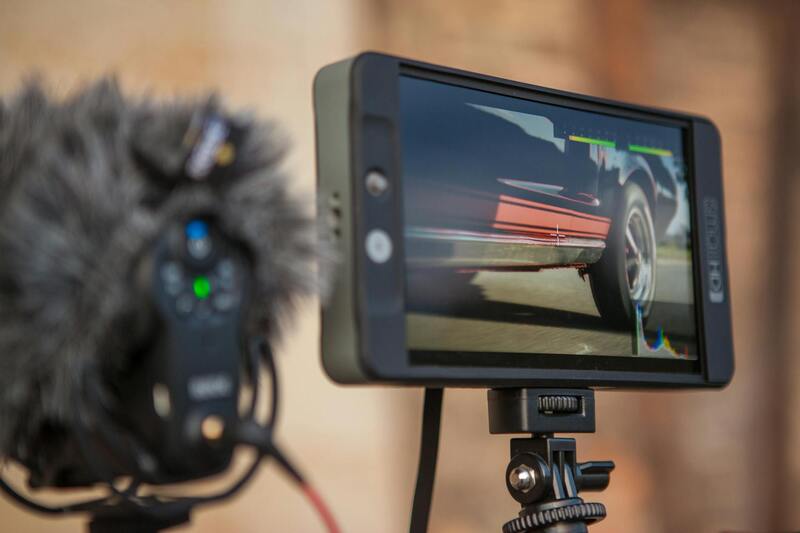
In addition to technology, organizations can leverage comprehensive hardware setups including multi-camera systems, professional encoders, sound mixing consoles, and broadcast-quality microphones. These tools, when used collectively, produce visually engaging and high-fidelity content that enhances viewer engagement and reinforces brand professionalism.
Security is paramount in corporate live streaming. Utilizing encrypted streams, secure login portals, and access controls ensures that sensitive information remains protected. Many service providers also offer dedicated VPN connections and firewall configurations to safeguard broadcast integrity and prevent unauthorized access.
Adhering to best practices during the streaming process, such as regular equipment maintenance, pre-broadcast testing, and technical rehearsals, helps to mitigate potential disruptions. These preparations facilitate a smooth broadcast that maintains the company's professional image and ensures message clarity.
Understanding Corporate Live Video Streaming
Corporate live video streaming involves broadcasting business-related content in real-time over the internet to internal and external audiences. This technology allows organizations to communicate directly with employees, stakeholders, clients, and the public, providing a dynamic platform for product launches, webinars, corporate announcements, and large-scale conferences. The process requires a blend of high-quality equipment, reliable internet connectivity, and sophisticated software solutions that ensure seamless delivery. Successfully executing these streams demands meticulous planning, technical support, and strategic content management to maintain a professional appearance and maximize engagement.
Key Benefits for Businesses
- Enhanced Reach: Live streaming breaks geographical barriers, allowing businesses to connect with global audiences simultaneously.
- Cost Efficiency: Reduces expenses associated with physical events, travel, and venue rentals.
- Real-Time Engagement: Facilitates instant interaction with viewers through chat functionalities, Q&A sessions, and polls, creating a more immersive experience.
- Brand Visibility: Live streams serve as powerful tools for brand reinforcement, showcasing expertise and fostering trust with audiences.
- Data and Analytics: Provides invaluable insights into viewer behavior, engagement levels, and content performance, informing future marketing strategies.
Types of Corporate Live Streaming Events
- Product Launches: Introducing new offerings to a broad audience with engaging visuals and demonstrations.
- Internal Communications: Town halls, executive messages, and training sessions aimed at employees across locations.
- Webinars and Conferences: Educational sessions or industry conferences captured in high fidelity for remote attendees.
- Investor Meetings: Shareholder briefings and financial presentations that require security and professional quality.
- Brand Campaigns: Special events or promotional campaigns designed to boost brand awareness and engagement.
Equipment and Technology Requirements

Establishing a professional live streaming experience hinges on solid technological infrastructure. Key components include:
- Professional Cameras: High-definition camcorders or PTZ cameras for flexible shot composition and superior image quality.
- Video Encoders: Hardware or software encoders that compress and transmit audio-visual data efficiently, supporting real-time streaming.
- Audio Equipment: Microphones such as lapel, shotgun, and boundary mics, combined with sound mixers for clarity and balance.
- Stable Internet Connection: A dedicated fiber or high-speed broadband with significant upload bandwidth to prevent interruptions.
- Streaming Platform Integration: Reliable service providers that support secure and scalable broadcast capabilities.
Best Practices for Planning and Executing Live Streams
Thorough planning is crucial to delivering a polished and engaging broadcast. This includes:
- Pre-Event Rehearsals: Technical runs to validate equipment functionality, test internet stability, and familiarize speakers with the format.
- Content Preparation: Clear scripts, visual aids, and cues to ensure smooth transitions and message clarity.
- Technical Support: On-site or remote professionals ready to troubleshoot issues promptly.
- Audience Management: Precise moderation to handle viewer comments, questions, and feedback effectively.
- Backup Plans: Redundant internet connections and backup equipment to mitigate unforeseen disruptions.
Engagement and Interaction During Live Streams
Maintaining audience engagement during a live broadcast enhances the overall effectiveness and impact. Strategies include incorporating interactive features such as live polls, Q&A sessions, and chat functions to encourage participation. Assigning a dedicated moderator to facilitate viewer interaction helps manage questions and comments efficiently, ensuring that the broadcast remains lively and responsive. Visual cues, calls to action, and dynamic presentation styles also sustain viewer interest and reinforce key messages.
Understanding Corporate Live Video Streaming
Corporate live video streaming is an innovative method for delivering essential information, announcements, and presentations in real-time to a broad audience. Unlike traditional broadcast methods, live streaming provides immediate, interactive communication channels that enhance transparency, engagement, and brand visibility. This technology leverages high-quality video transmission over the internet, enabling organizations to connect with stakeholders, clients, and employees regardless of geographical boundaries. Implementing a professional corporate live streaming solution involves a complex integration of hardware, software, and strategic planning to ensure seamless delivery and maximum impact.
Key Components of Corporate Live Video Streaming
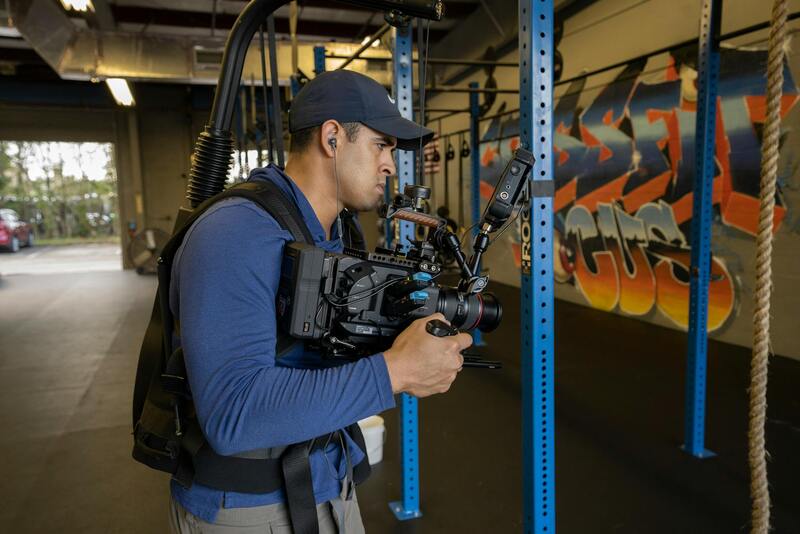
- High-Quality Video Production: Utilizing professional-grade cameras and video encoders that ensure crisp, clear visuals suitable for large screens and professional environments.
- Reliable Internet Connection: Employing dedicated, high-bandwidth internet with robust upload speeds to prevent lag, buffering, or interruptions during the broadcast.
- Audio Clarity: Incorporating professional microphones and audio mixers to capture and transmit clear sound, essential for maintaining audience engagement.
- Streaming Platforms and Servers: Using secure, scalable streaming platforms capable of supporting large concurrent viewers with minimal latency.
- Content Management and Security: Ensuring proprietary content is protected through encryption, secure access controls, and compliance with data privacy standards.
Advanced Equipment and Technology for Corporate Live Streaming
Modern corporate live streaming configuration requires more than basic cameras and internet. It includes multi-camera setups, professional switchers, graphics overlays, and real-time editing capabilities to produce a polished broadcast. Additional tech such as wireless microphones, remote cameras, and stabilization equipment enhances production quality. For interactive sessions, integration of audience response tools like live polls or Q&A modules positively impacts viewer participation. Cloud-based streaming services provide scalability and redundancy, essential for large-scale corporate events, such as product launches, shareholder meetings, or annual conferences.
Implementing Secure and Scalable Streaming Solutions
Security remains a critical element in corporate live streaming, especially when handling sensitive information. Encryption protocols, secure login procedures, and access controls safeguard content from unauthorized viewing. Scalability is achieved by choosing platforms that support adaptive bitrate streaming, enabling viewers to access high-quality content regardless of their internet speeds. Content delivery networks (CDNs) distribute streams efficiently across multiple geographic regions, ensuring a consistent experience for global audiences. Partnering with experienced providers ensures the deployment of robust infrastructure to handle anticipated viewer volume, and offers fallback options in cases of technical issues or high traffic surges.
Planning and Executing a Successful Corporate Livestream
Successful live streaming involves meticulous planning and coordination of multiple elements. Key steps include defining project objectives, selecting appropriate technology, and assembling a capable team of technical and presentation staff. Conducting pre-event rehearsals reveals potential issues with equipment, internet connectivity, or content flow, allowing for corrective measures before the actual event. Content should be carefully scripted, with visual aids and cues prepared to keep the presentation smooth and engaging. Having backup plans, such as alternative internet connections and redundant equipment, minimizes the risk of disruptions. Clear communication with all team members ensures everyone understands their roles, reducing on-the-day stress and technical hiccups.
Enhancing Engagement and Audience Interaction
Real-time interaction transforms a passive viewing experience into an engaging dialogue, critical for holding audience attention. Using features like live chat, polls, and Q&A sessions provides viewers with channels to participate actively. Assigning dedicated moderators helps manage questions efficiently, ensuring relevant inquiries are addressed promptly. Visual prompts, call-to-action overlays, and varied presentation styles stimulate viewer interest and reinforce messaging. Encouraging interaction not only maintains audience attention during the live event but also fosters a sense of community and trust, strengthening relationships and branding efforts.
Post-Stream Content Strategy and Repurposing
After the live broadcast concludes, the work continues with content analysis and reuse. Recording the event allows for creating on-demand segments, providing accessibility for those unable to attend live. Detailed metrics, including viewer count, engagement levels, and drop-off points, inform future strategies and content planning. Repurposing content into shorter clips, social media snippets, or transcriptions extends the event's lifespan and reaches broader audiences. Additionally, sharing highlights, behind-the-scenes footage, and key takeaways reinforces messages and enhances brand visibility across multiple channels. An effective post-event approach maximizes the investment in live streaming and supports ongoing communication objectives.