
Overview of Video Broadcasting Services
Video broadcasting services encompass a range of professional solutions that enable the live and on-demand transmission of audiovisual content to a broad audience via the internet or dedicated networks. These services are fundamental for businesses, event organizers, and media companies looking to reach viewers effectively, efficiently, and reliably. For Miami-based production agencies, understanding the core of video broadcasting is vital for delivering high-quality content that meets both technical standards and audience expectations.
High-quality video broadcasting involves capturing, encoding, transmitting, and distributing visual content seamlessly across various platforms. This process often integrates advanced hardware and software to handle complex production requirements, such as multiple camera setups, real-time editing, and simultaneous multi-channel streaming. As a result, broadcasters can deliver engaging, professional-grade content that maintains clarity and stability, regardless of the audience size.
The significance of video broadcasting services extends to numerous sectors including entertainment, education, corporate communications, sports, and government events. In Miami, a vibrant hub of media and production activities, these services are crucial for producing live concerts, webinars, conferences, and community events. The ability to broadcast live content broadens outreach, enhances audience engagement, and provides valuable platforms for real-time interaction.

Key features of professional video broadcasting services include scalable solutions tailored to event size, multi-platform compatibility, high-definition output, and resilient streaming protocols. These features ensure that clients receive uninterrupted, high-quality content delivery suited to their specific needs. When executed properly, professional broadcasting not only elevates the content’s visual appeal but also assures viewers of a smooth viewing experience free from buffering or technical disruptions.
For Miami agencies, such services provide an invaluable toolset for maximizing visibility and audience interaction. Leveraging advanced broadcasting methods helps maintain competitiveness within a dynamic media environment, enabling organizations to expand their reach and deepen audience relationships. Understanding the essential components and advantages of these services sets a solid foundation for any media initiative that aims to leverage professional video transmission effectively.
Types of Video Broadcasting Solutions
When considering professional video broadcasting, understanding the diverse formats available is essential for selecting the most suitable approach for your specific event or content delivery objectives. Each method offers unique advantages, tailored to different types of audiences and engagement strategies.
Live Broadcasting
Live streaming remains the most prevalent form of video broadcasting, enabling real-time transmission of events directly to viewers across multiple devices and platforms. This format is ideal for conferences, concerts, sports events, and institutional announcements where immediate interaction and authenticity are paramount. The technology behind live broadcasting requires high bandwidth, robust streaming servers, and low-latency protocols to ensure minimal delays and buffering.
On-Demand Broadcasts
On-demand broadcasting allows content to be recorded and then distributed at any chosen time. This format offers flexibility for viewers who may not be available during the original broadcast, ensuring broad accessibility. It is particularly effective for educational content, training sessions, and promotional videos that benefit from extended viewing periods and multiple access points.
Multi-Platform Distribution
The ability to deliver content simultaneously across various online platforms significantly expands reach and engagement. Multi-platform distribution integrates live and on-demand streams across social media channels, websites, and dedicated streaming portals. This approach maximizes visibility and caters to diverse audience preferences, ensuring content is accessible where viewers are most active. Effective multi-platform strategies require coordinated encoding, seamless integration, and adaptive streaming solutions capable of adjusting quality based on viewer bandwidth.
Adaptive streaming technologies dynamically adjust video quality according to the viewer’s internet speed, ensuring uninterrupted playback regardless of network conditions. Multicast solutions, primarily used for large-scale events, transmit a single stream to multiple recipients efficiently, reducing bandwidth consumption and improving scalability. These technologies are vital for broadcasting to large audiences while maintaining high visual quality and stream stability.

Specialized Solutions for Niche Markets
Beyond conventional formats, specialized solutions cater to sector-specific requirements. For instance, educational institutions may utilize interactive broadcasts with integrated quizzes, while corporate events may incorporate secure streaming with controlled access and branding overlays. Sports broadcasters require ultra-low latency streams to enable real-time viewer engagement, while government agencies might focus on secure, encrypted streams for sensitive communications. Tailoring these solutions involves leveraging advanced hardware, software, and network configurations designed to meet the precise demands of each niche.

Key Technologies and Equipment
Successful video broadcasting hinges on deploying the right technological infrastructure. High-quality cameras are essential for capturing clear, professional footage, whether for live events or on-demand content. These cameras should offer features like high resolution, low light performance, and smooth pan/tilt capabilities to accommodate diverse shooting environments. Complementing the cameras are robust encoding systems that compress and package video streams efficiently, ensuring optimal transmission quality with minimal latency.
Streaming platforms or servers form the backbone of broadcasting operations, handling the delivery of content to audiences worldwide. Content Delivery Network (CDN) infrastructure is critical; it distributes streams across multiple servers globally, reducing load times and buffering issues for viewers regardless of their location. Adaptive bitrate streaming technologies dynamically adjust video quality in real-time based on individual viewer bandwidth, facilitating an uninterrupted viewing experience.
In addition to hardware, specialized broadcasting software platforms streamline production workflows, enable multi-camera switching, integrate graphics and overlays, and support real-time editing. These tools are vital for producing polished content, whether for live sports, corporate events, or educational webinars. When selecting equipment and software, factors such as reliability, scalability, and compatibility with various content formats and distribution channels should be carefully assessed.
Planning and Executing Broadcast Projects
Effective planning begins with defining the target audience and the specific goals for the broadcast project. Pre-production involves scripting, organizing camera angles, lighting setup, and technical rehearsals to troubleshoot potential issues. During execution, real-time monitoring of stream health and audience engagement metrics ensures smooth operation and swift response to any disruptions.
Coordination among technical staff, presenters, and production crews is crucial — clear communication channels facilitate seamless transitions between segments and camera shots. Post-broadcast analysis includes reviewing streaming analytics, viewer feedback, and technical performance to inform future projects. Maintenance of equipment, updating software, and ongoing staff training are integral to delivering consistently high-quality broadcasts.
Choosing qualified professionals with expertise in various aspects of video production — from content creation and technical management to audience engagement — is often the difference between a successful event and one that falls short of expectations. Properly executed broadcasts can significantly elevate a brand’s visibility, foster community engagement, and provide valuable content assets for future use.
Key Technologies and Equipment
Implementing high-quality video broadcasting relies heavily on advanced technologies and reliable equipment. Essential components include encoders, which convert raw video signals into streamable digital formats compatible with various online platforms. These encoders should support multiple bitrates to adapt to different network conditions, ensuring viewers experience minimal buffering and high resolution.
Video switchers and routers are vital for seamless transitions between different camera feeds and sources, allowing the director to craft a coherent and engaging live presentation. High-definition (HD) or 4K cameras provide crisp images essential for professional-grade broadcasts, with robotic or remote-controlled models offering flexibility in capturing multiple angles.
Audio quality is equally important; using high-fidelity microphones and audio mixing consoles ensures clear sound, which is critical in maintaining viewer attentiveness. Streaming hardware, such as robust media servers and content delivery networks (CDNs), are employed to handle large bandwidth requirements and distribute content efficiently to a global audience.
Reliable internet connectivity, with dedicated fiber optic lines when possible, minimizes latency and stream interruptions. Backup systems, including secondary internet links and uninterruptible power supplies (UPS), safeguard the broadcast against unexpected technical failures.
Image Placeholder: Equipment Setup for Video Broadcasting
Choosing the Right Infrastructure for Your Broadcast Project
Establishing a robust infrastructure involves integrating hardware and software solutions seamlessly. The selection process should take into account factors such as scalability, compatibility with existing systems, and future expansion plans. Cloud-based solutions are increasingly popular for their flexibility and cost-effectiveness, allowing broadcasters to scale resources on demand.
Staff training is a key element in ensuring optimal equipment use; knowledgeable personnel can troubleshoot issues swiftly, maintain equipment properly, and adapt quickly to new technological developments.
Image Placeholder: Complete Broadcast Setup
Implementing Effective Content Delivery and Distribution Strategies
Successful video broadcasting extends beyond production; it hinges on choosing appropriate content delivery networks (CDNs) and distribution channels that maximize reach and ensure seamless viewer experiences. Broadcasters must assess the geographic distribution of their target audience to select servers and CDNs with strategic locations, reducing latency and buffering issues. This approach ensures that viewers, regardless of location, access high-quality streams without interruption.
Content distribution strategies involve a blend of live streaming platforms, social media integration, and on-demand content repositories. These channels serve as ecosystems that amplify broadcast visibility, cater to diverse viewer preferences, and facilitate multi-platform dissemination. Carefully curated distribution plans involve scheduling broadcasts to align with peak viewership times, leveraging targeted advertising, and employing analytics tools to monitor engagement metrics and adjust strategies accordingly.

Choosing the right combination of platforms and distribution techniques not only enhances viewer engagement but also fortifies brand reputation. Efficiently handling viewer feedback, managing content rights, and ensuring compliance across all channels are integral to maintaining a trustworthy broadcasting operation.
Ensuring Compliance and Ethical Standards in Broadcast Content
Maintaining high standards of accuracy and transparency is critical in a professional video broadcasting environment. Broadcasters are expected to adhere to established industry practices and regulatory guidelines, which include verifying the authenticity of content, correctly attributing sources, and respecting intellectual property rights. These measures protect viewers from misinformation and uphold the integrity of the broadcast.
Implementing comprehensive content review policies before airing helps prevent the dissemination of inappropriate or misleading material. It also involves training staff on ethical broadcasting practices and establishing clear protocols for handling sensitive or controversial content.

Furthermore, integrating viewer feedback mechanisms and monitoring tools enables real-time oversight of broadcast content. This proactive approach facilitates swift response to any issues, maintains viewer trust, and sustains a professional broadcast environment.
Staffing and Resource Management for Broadcast Projects
Effective management of human and technical resources is foundational to successful video broadcasting. Skilled professionals—including camera operators, audio engineers, technical directors, and digital content specialists—are essential for executing high-quality broadcasts. Investing in continuous training and skill development ensures that staff remain proficient with evolving technologies and broadcasting standards.
Resource planning involves evaluating the scope of each project, allocating personnel accordingly, and ensuring that equipment and software are maintained at peak performance levels. Establishing clear communication channels among team members enhances coordination and problem-solving during live broadcasts.
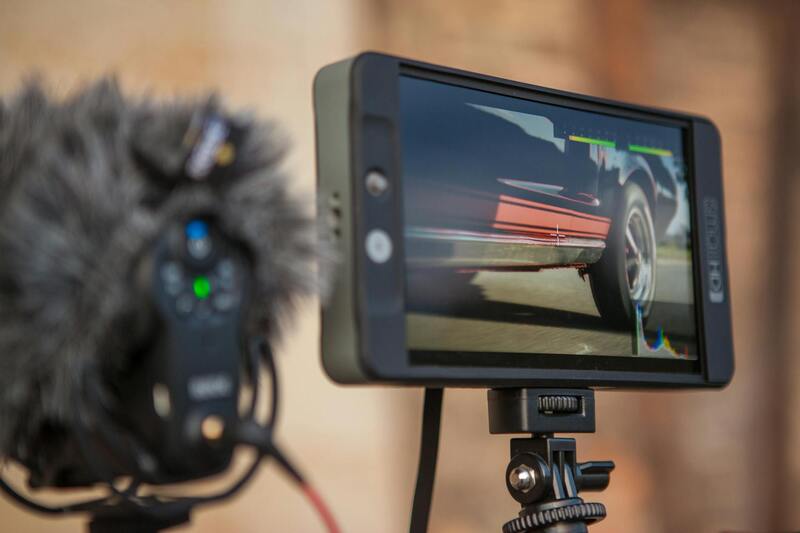
Leveraging project management tools can streamline workflows, monitor progress, and ensure timely delivery of content. Additionally, maintaining a contingency plan for unforeseen technical issues minimizes disruptions and ensures the broadcast proceeds smoothly.
Legal and Privacy Considerations
Ensuring that video broadcasting adheres to established standards involves a comprehensive understanding of licensing agreements, content rights, and privacy policies. Proper licensing is crucial to obtain the necessary permissions for music, video clips, or third-party content incorporated into broadcasts. This not only safeguards the broadcaster's interests but also upholds the integrity of the content being shared with audiences.
Content rights management is an integral aspect of broadcasting. Broadcasters must verify that they possess the legal rights for all material used and avoid unauthorized use that could lead to copyright infringements. This entails diligent record-keeping and licensing documentation that clearly defines the scope of usage and distribution rights.
Privacy policies are equally vital, particularly when capturing live feeds involving individuals or sensitive locations. Broadcasters need to implement robust procedures to obtain consent when necessary and to protect personal information according to applicable regulations. This includes establishing protocols for safeguarding viewer data, especially when interactive features or data collection are involved during live broadcasts.

Within Miami’s diverse media landscape, broadcasters must be particularly attentive to regional regulations that govern content distribution. Ensuring compliance reduces the risk of legal complications and fosters trust among viewers and content partners. Regular audits and updates to broadcasting policies are recommended to keep pace with evolving legal standards and technological advancements.
Addressing Content Licensing and Rights
- Secure proper licenses for all multimedia elements used in broadcasts.
- Maintain records of licensing agreements and permissions.
- Monitor rights expiration dates and renewals proactively.
Implementing Privacy Protocols
- Obtain explicit consent from individuals featured in live feeds, when applicable.
- Protect personal data gathered during interactive broadcasts utilizing encryption and secure storage.
- Inform viewers about data collection policies transparently.
Adhering to Regulatory Standards
- Stay updated on local and federal broadcasting regulations in Miami and beyond.
- Conduct periodic reviews of broadcasting practices to ensure compliance.
- Engage legal counsel or compliance experts for ongoing guidance and audits.
Overview of Video Broadcasting Services
Video broadcasting services have become an integral component of modern communication, enabling organizations and individuals to reach global audiences efficiently. These services encompass a variety of solutions designed to deliver high-quality live and on-demand video content across different platforms. Whether for corporate presentations, live events, educational sessions, or entertainment, professional broadcasting ensures that content is delivered seamlessly with minimal latency. An effective broadcasting setup requires a thorough understanding of available technologies, tailored workflows, and strategic distribution channels, all aimed at maximizing viewer engagement and maintaining consistent quality. Deploying such services often involves dedicated infrastructure, expert technical support, and advanced software tools to manage the entire broadcast lifecycle — from content creation and encoding to transmission and viewer analytics.

Types of Video Broadcasting Solutions
Various broadcasting solutions are configured based on content type, target audience, and technological requirements. Common types include:
- Live Streaming: Real-time broadcasting suitable for conferences, sports events, and webinars, providing instant interaction opportunities and immediacy in communication.
- On-Demand Video: Pre-recorded content made accessible at viewers’ convenience, ideal for educational courses, promotional videos, or post-event recordings.
- Simulcasting: Simultaneous transmission across multiple platforms (such as social networks, websites, and content delivery networks) to maximize reach and audience engagement.
- Webcast Events: Specialized broadcasts typically used for corporate events or large gatherings, often incorporating interactive features and multi-camera setups.
Key Technologies and Equipment
Robust video broadcasting depends on the integration of advanced hardware and software components. Essential technologies include:
- Capture Devices: Professional cameras and microphones for high-definition video and audio recording.
- Encoding Solutions: Hardware and software encoders convert raw footage into streamable formats, often supporting multiple bitrates for adaptive streaming.
- Streaming Platforms: Reliable CDN (Content Delivery Network) integrations ensure content reaches viewers without buffering or lag.
- Switchers and Mixers: Multi-camera switching equipment provides seamless transitions and real-time content management.
- Network Infrastructure: High-speed internet connections with backup solutions are vital for continuous transmission, especially during live events.
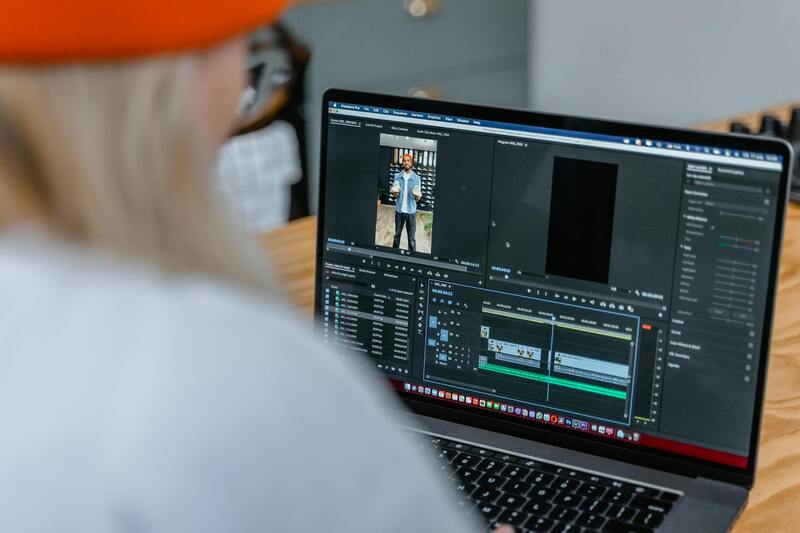
Planning and Executing Broadcast Projects
Effective broadcast projects require meticulous planning and execution to meet quality standards and achieve desired outcomes. The process involves:
- Scope Definition: Clarify objectives, target audience, content specifics, and technical requirements.
- Resource Allocation: Assemble the necessary hardware, software, personnel, and support systems.
- Content Preparation: Prepare scripts, visuals, and multimedia elements, ensuring synchronization and technical compatibility.
- Technical Rehearsals: Conduct test runs to troubleshoot issues related to audio, video, and network stability.
- Broadcast Execution: Monitor live feeds continuously, manage transitions, and address unforeseen technical challenges promptly.
- Post-Broadcast Review: Analyze performance metrics, gather feedback, and document lessons learned for future improvements.
This structured approach facilitates a professional output, minimizes risks, and enhances viewer satisfaction through reliability and high production standards.
Next Steps in the Deployment and Optimization of Video Broadcasting Services
Ensuring the successful deployment of video broadcasting services involves comprehensive post-launch strategies that optimize performance, enhance viewer engagement, and adapt to evolving technological landscapes. As organizations continue to leverage these services for a wide range of purposes—from corporate communications and live events to educational webinars—the importance of continual assessment and refinement becomes paramount.
Performance Monitoring and Quality Assurance
Consistent monitoring of broadcast quality is critical for maintaining a professional standard and delivering seamless viewer experiences. This involves real-time tracking of various metrics such as bandwidth utilization, latency, jitter, and packet loss. Advanced monitoring tools provide detailed analytics, enabling technical teams to identify bottlenecks and address potential issues before they affect viewers.
Quality assurance extends beyond technical parameters to encompass content accuracy, presentation standards, and compliance with predetermined content guidelines. Post-broadcast reviews should analyze viewer feedback, technical logs, and broadcast metrics to pinpoint strengths and areas for improvement.
Ongoing Content Management and Audience Engagement
Effective content management is vital for maximizing viewer retention and expanding audience reach. This includes scheduling regular broadcasts, updating content libraries, and integrating interactive elements such as Q&A sessions, live polls, and social media interactions to foster engagement.
Utilizing data analytics, broadcasters can gain insights into viewer behaviors, preferences, and peak engagement times. These insights inform content strategy, allowing organizations to tailor offerings for better resonance with their audiences.
Optimizing Distribution Channels
- Multi-platform Distribution: Distribute content across multiple channels including social media, websites, and dedicated streaming platforms to diversify reach.
- Content Repurposing: Convert live broadcasts into on-demand videos, highlights, and trailers for sustained engagement and maximum content utilization.
- Adaptive Streaming Technologies: Implement adaptive bitrate streaming to offer consistent quality regardless of viewers’ internet speeds, reducing buffering and improving user experience.
Technological Enhancements and Innovation
Keeping abreast of technological advancements ensures broadcasters can offer cutting-edge services that meet modern expectations. Key areas of focus include:
- Integration of 4K/8K Resolution: Enhances visual fidelity for a more immersive viewing experience, especially for high-profile events and detailed visual content.
- Interactive Broadcasting Features: Enabling real-time viewer interactions, such as live chats and interactive overlays, to increase participation and content personalization.
- Artificial Intelligence (AI) and Machine Learning: Automate content moderation, personalized recommendations, and enhance production workflows through AI-driven solutions.
Ensuring Security and Privacy in Broadcast Operations
Privacy safeguards and security protocols are fundamental to maintaining trust and safeguarding sensitive content. Techniques include encrypted data transmission, secure access controls, and regular security audits. Implementing digital rights management (DRM) solutions ensures protected content delivery and restricts unauthorized redistribution.

Future-Proofing Through Continuous Education and Adaptation
Staying informed about emerging trends, upgrading technical skills, and adopting new tools ensures broadcasting services remain competitive and aligned with industry standards. Regular training sessions and industry participation are recommended for technical teams and content creators alike.
Moreover, fostering strategic partnerships with technology providers can facilitate early access to innovative solutions, thereby enabling swift implementation and staying ahead in the dynamic landscape of video broadcasting services.