
Understanding Live Stream Services Production
Live stream services production encompasses the comprehensive process of creating, managing, and delivering real-time video content to audiences across various platforms. It involves an intricate blend of technical expertise, creative vision, and operational coordination to ensure that every broadcast runs seamlessly and delivers a high-quality viewing experience. As digital consumption continues to surge, the significance of expert live streaming production becomes paramount for organizations aiming to engage their audiences effectively, whether for corporate events, concerts, conferences, or educational seminars.
High-quality live streaming is not merely about transmitting video over the internet; it’s about capturing the essence of an event, maintaining visual and audio clarity, and ensuring minimal latency. A well-executed live stream can significantly enhance brand visibility, facilitate global outreach, and foster interactive engagement with viewers. This makes professional live stream services production an essential element for organizations seeking to project a polished and professional image in the digital space.
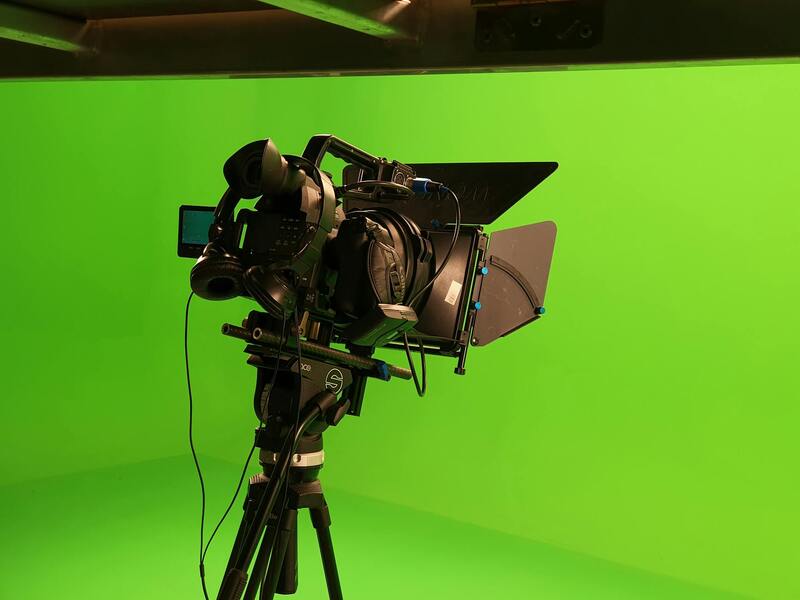
Defining the Scope of Live Stream Services Production
At its core, live stream services production involves a series of interconnected stages that transform raw footage into compelling live content. These stages include pre-production planning, on-site setup and execution, and post-production editing and distribution. Each phase demands meticulous attention to detail and expertise at every juncture to guarantee the success of the broadcast.
Beyond just the technical setup, live stream production also encompasses content management, coordination of multiple camera feeds, audio mixing, graphic overlays, and real-time audience interaction integration. The comprehensive nature of these activities highlights the importance of specialized knowledge and experienced personnel dedicated to delivering a seamless virtual event experience.
Engaging viewers through a live stream requires more than just a strong internet connection. It demands strategic planning, high-grade equipment, and a team capable of adapting swiftly to any unforeseen challenges. By leveraging professional live stream services, organizations can elevate their virtual presence, ensure reliability, and offer viewers a broadcast that matches the quality and professionalism associated with their brand or event.
In today’s digital-first environment, investing in expert live stream services production is no longer optional but essential for organizations aiming to maximize their reach and impact through virtual media. Whether broadcasting a large-scale conference or a smaller community event, professional production ensures every detail aligns to captivate and engage audiences worldwide.
Key Components of Live Streaming Equipment
Successful live stream services production hinges on the integration of high-quality, reliable equipment. Each element plays a vital role in ensuring smooth broadcasting and an engaging viewer experience. From capturing compelling visuals to delivering clear audio, the selection and configuration of equipment directly influence the professionalism of the final output.
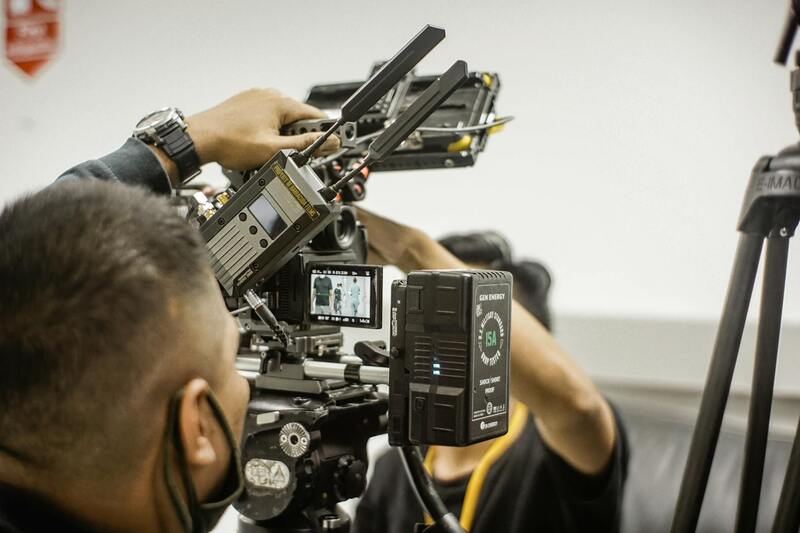
Essential Equipment for Live Stream Production
- Cameras: Professional-grade cameras capable of delivering high-resolution footage are fundamental. These may include broadcast cameras or high-definition camcorders equipped with zoom and stabilization features to adapt to dynamic environments.
- Audio Equipment: Clear audio is critical in retaining viewer engagement. Lavalier microphones, shotgun mics, and audio mixers facilitate optimal sound capture and enhancement, mitigating the impact of ambient noise.
- Encoding Devices: Hardware encoders convert raw audio-visual signals into digital streams suitable for online transmission. Reliable encoders minimize latency and prevent stream interruptions.
- Streaming Platforms and Software: Selecting compatible platforms and management software enables smooth distribution of content. Features like multi-camera switching, graphic overlays, and real-time analytics enhance the broadcast’s professionalism.
- Lighting Solutions: Proper lighting conditions are essential to ensure subject visibility and create visually appealing content. LED panels and diffusers are commonly used to optimize illumination.
- Switchers and Monitors: Video switchers allow seamless transitions between camera feeds, while professional monitors provide accurate visual feedback for presenters and production staff.
Importance of Equipment Maintenance and Compatibility
Regular maintenance checks and compatibility assessments are vital to prevent technical failures during live broadcasts. Ensuring all components work harmoniously minimizes disruptions and maintains production quality.
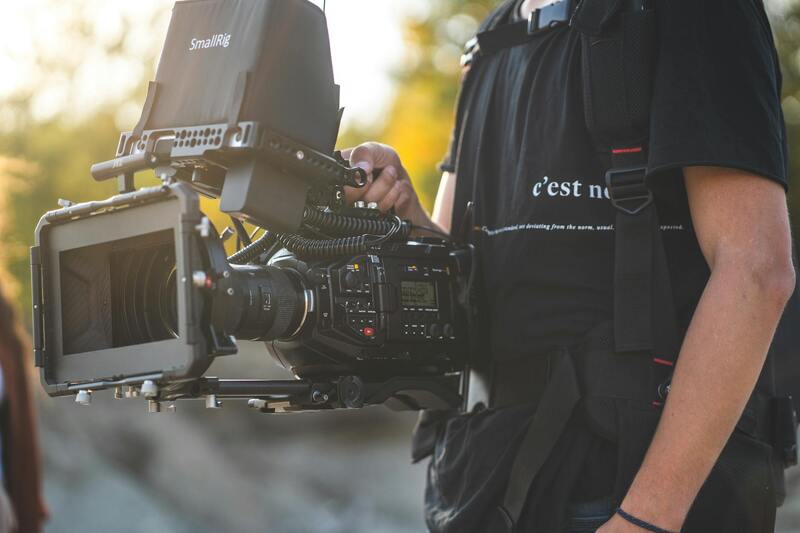
Conclusion
Investing in top-tier equipment tailored to specific production needs significantly enhances live stream quality. When paired with a knowledgeable production team, high-grade gear ensures that every broadcast is professional, engaging, and capable of captivating audiences across digital platforms.
Understanding Live Stream Services Production
Effective live stream services production demands a comprehensive understanding of the technical and creative elements that drive a successful broadcast. It involves meticulous planning and coordination among various components to deliver a seamless viewing experience for audiences. From the initial concept to the final distribution, each stage plays a critical role in ensuring that the content resonates and maintains high quality throughout the transmission.
One of the central aspects of live stream services production is the integration of advanced equipment that collectively contributes to a professional broadcast. High-definition cameras and audio recording devices capture the event with clarity and precision. These are then processed through specialized encoders that convert raw signals into digital streams optimized for internet delivery. The choice of streaming platform significantly impacts accessibility and audience engagement, with options ranging from dedicated streaming services to social media integration.
Lighting techniques also play a vital role, as they enhance visual appeal and ensure subject clarity under various environmental conditions. LED panels, diffusers, and reflectors are strategically employed to achieve consistent illumination, reducing shadows and glare. Video switchers allow real-time transitions between different camera angles, enabling dynamic storytelling and maintaining viewer interest. Equally important are professional monitors, which provide accurate visual feedback to operators and presenters, facilitating precise control over the broadcast quality.
The Significance of Maintenance and Compatibility
Maintenance routines and compatibility checks are critical for preventing technical disruptions that could compromise the live stream. Regular calibration of equipment, software updates, and thorough testing of all components ensure that the system functions optimally during high-pressure production scenarios. Compatibility between hardware and software platforms ensures a cohesive workflow, minimizing latency and technical hitches that could detract from the viewer experience.
Configurations for High-Quality Live Streaming
- Multi-camera setups with synchronized controls to capture diverse angles
- Advanced audio systems capable of handling multiple inputs with clarity
- Reliable internet connectivity with backup solutions to maintain stream stability
- Integrated graphics and overlay software for branding and informational displays
- Use of professional switchers and streaming hardware for smooth transitions and broadcast reliability
Investing in tailored equipment configurations that meet specific production needs elevates the overall quality and engagement of live streams. When combined with skilled operators and a well-organized production environment, these tools empower broadcasters to deliver compelling content that captivates audiences across various digital platforms.
Understanding Live Stream Services Production
Executing a successful live stream involves a complex interplay of technical precision and creative execution. The production process encompasses multiple stages, from meticulous pre-planning to real-time management and final content distribution. It is essential to deploy a structured approach that ensures seamless delivery, high-quality visuals, and engaging audio experiences for viewers across various digital platforms. Live stream services production demands a comprehensive understanding of the entire workflow, embracing both innovative technology and skilled personnel to meet the specific needs of each event or broadcast.
Key Components of Live Streaming Equipment
A high-caliber live stream relies heavily on specialized hardware and software components designed to deliver a cinematic quality broadcast. Investing in the right equipment is paramount to achieving professional results, including ultra HD cameras capable of capturing every detail, robust audio systems that deliver crystal-clear sound, and high-capacity encoding hardware to seamlessly convert raw footage into streaming data. Additionally, network infrastructure such as dedicated internet connections and backup solutions play a crucial role in maintaining stability and minimizing latency. Modern streaming setups often incorporate multi-view monitors, sophisticated switchers for dynamic scene changes, and real-time graphics generators for branding and informational overlays, all working in concert to produce a polished final product.
Essential Equipment for Live Streaming
- Professional video cameras with high frame rates and resolution
- Audio mixers and microphones with noise reduction capabilities
- Video switchers and multi-view monitors for scene transitions
- Encoding hardware/software solutions optimized for live data transmission
- Reliable internet connections with failover options
- Graphics overlay systems for branding and real-time updates
- Lighting rigs suited for indoor and outdoor productions
Role of a Production Team in Live Streaming
The production team serves as the backbone of any live streaming endeavor. It comprises various specialists, each with defined roles to ensure the broadcast runs smoothly from start to finish. The director oversees the entire operation, making real-time decisions on camera angles, graphics, and content flow. Camera operators manage live shots, adjusting angles to capture the event’s essence accurately. Audio engineers monitor and control sound levels, ensuring clarity and balance across multiple inputs. Technical directors handle the switching and encoding processes, ensuring a cohesive broadcast. Additionally, pre- and post-production personnel prepare content, troubleshoot technical issues, and manage content delivery to digital platforms. Their coordinated efforts enable a professional, engaging viewing experience that reflects the content's quality and the event's importance.
Specialist Roles in a Live Stream Production Team
- Broadcast director: Overall project management and creative control
- Camera operators: Visual storytelling through camera angles and shots
- Audio technicians: Sound quality management and mixing
- Graphics operators: Integration of overlays and visual effects
- Technical support: Equipment setup, troubleshooting, and backup solutions
Effective collaboration among team members, combined with sophisticated equipment and precise planning, leads to an optimized live streaming process that consistently produces high-impact broadcasts. Each role is vital in managing the technical nuances and ensuring the final output meets professional standards, thus maximizing viewer engagement and satisfaction.
Ensuring Seamless Transmission During Live Events
Executing a live stream with flawless transmission requires meticulous attention to the technical setup and real-time management. Prior to the event, comprehensive testing of all equipment, including cameras, audio gear, and encoding devices, is essential to identify potential issues that could disrupt the broadcast. On the day of the event, the production team monitors all systems continuously, ready to address any anomalies swiftly. This proactive approach helps maintain the integrity of the live feed, preventing buffering issues, signal drops, or audio-visual mismatches.
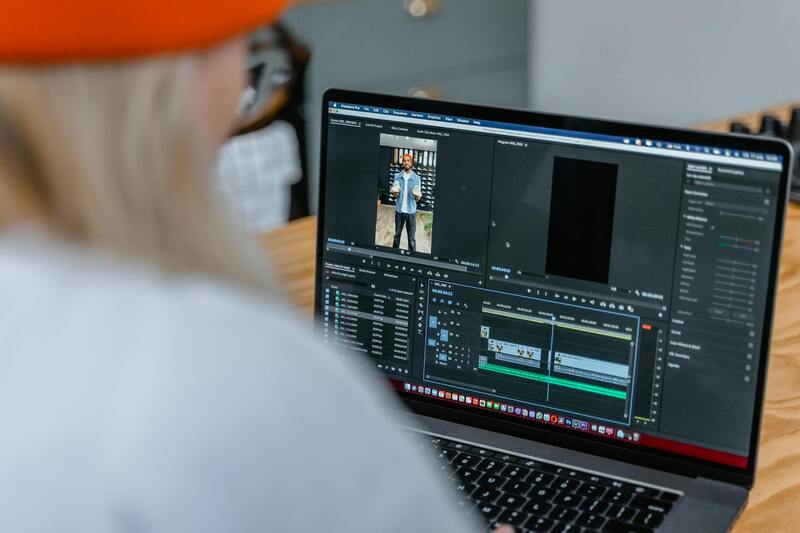
During the live event, the director oversees real-time decision-making, coordinating camera operators, audio technicians, and graphics teams to ensure the content flows smoothly and stays engaging. A dedicated technical support team works behind the scenes, managing encoding settings, switching between camera feeds, and troubleshooting any technical disruptions immediately. This rapid response capability minimizes downtime, ensuring the audience experiences uninterrupted content. Additionally, quality control measures, such as signal testing and feed verification, are continually performed to uphold high standards of video and audio quality.
Real-Time Monitoring and Adaptive Management
- Constant signal quality checks to detect issues early.
- Dynamic camera switching to highlight key moments.
- Audio balancing to deliver clear sound across multiple sources.
- Graphics overlays and transitions managed seamlessly to enhance viewing experience.
Effective communication within the team, utilizing headsets or dedicated communication channels, ensures swift coordination and response during the event. Keeping all stakeholders informed about the broadcast status and any required adjustments is vital for maintaining a professional presentation. After the event concludes, a detailed review of the live stream’s technical performance can reveal insights to improve future broadcasts, emphasizing continuous quality enhancement and reliability.
Understanding Live Stream Services Production
Delivering high-quality live streaming content requires meticulous coordination of various technical elements and specialized skills. Live stream services production encompasses everything from technical setup and equipment management to the execution of the broadcast itself. It involves real-time management of video and audio feeds, ensuring seamless synchronization, clarity, and professionalism for the audience. Proper production not only enhances viewer engagement but also reinforces the credibility of the content being streamed, reflecting adherence to industry standards and best practices.
Key Components of Live Streaming Equipment
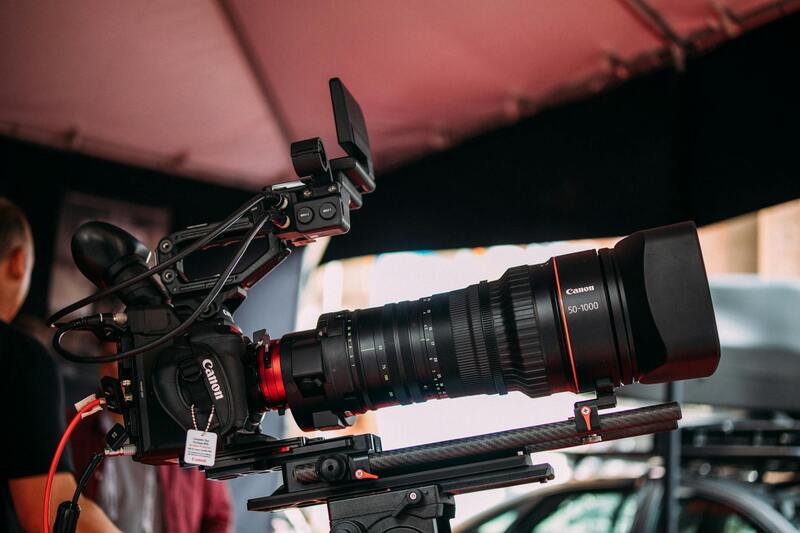
- Video Cameras: Professional-grade cameras are essential for capturing high-definition footage. Multiple camera angles enable dynamic coverage, providing viewers with a more engaging experience.
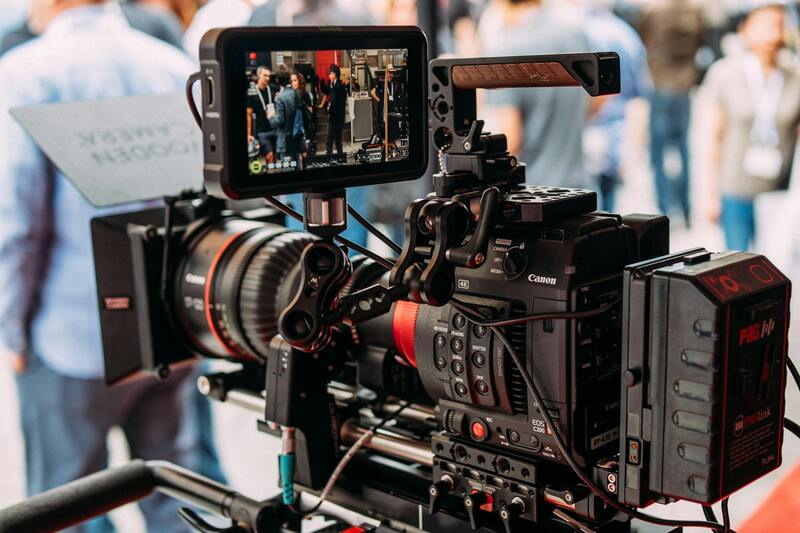
- Encoding Devices: Hardware or software encoders convert raw video signals into a digital format suitable for streaming over the internet. Effective encoding ensures minimal latency and optimal stream quality.
- Audio Equipment: High-quality microphones, mixers, and audio processors are critical for delivering clear sound. Proper audio setup minimizes background noise and ensures the audience can hear content clearly.
- Video Switchers: These devices facilitate real-time switching between camera feeds and graphics, allowing the director to craft a polished live presentation.
- Internet Connectivity: Reliable high-bandwidth internet connections, often with backup options, are vital to prevent interruptions during the broadcast.
- Graphics and Overlay Systems: customized graphics, lower thirds, and transitions enhance visual appeal and convey essential information effectively.
Role of a Production Team in Live Streaming
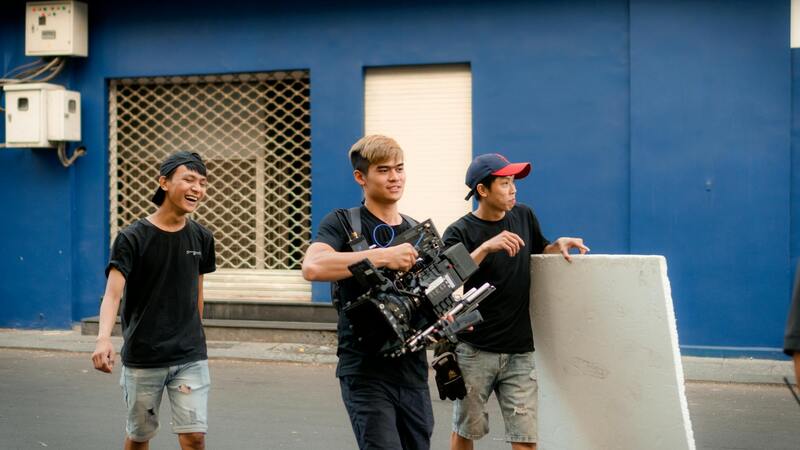
A skilled production team is central to the successful execution of a live stream. This team typically includes a director, camera operators, audio technicians, graphic designers, and technical support staff. The director oversees the entire broadcast, making real-time decisions on camera angles, graphics, and transitions to keep the presentation engaging. Camera operators execute specific shots based on the director’s instructions, ensuring coverage remains dynamic and focused. Audio technicians monitor sound levels, adjusting microphones and background audio to maintain clarity and balance. Graphic designers prepare overlays for branding, annotations, or real-time information updates, which are integrated seamlessly into the stream.
Effective Communication and Seamless Collaboration
Utilizing dedicated communication channels such as headsets ensures the team works cohesively. Rapid response to technical issues, such as signal loss or equipment malfunction, hinges on the team’s coordination and expertise. The technical support staff continuously monitors the live feed, making necessary adjustments to maintain optimal quality and resolve disruptions instantly. The combined efforts of the team influence the overall professionalism and smooth flow of the broadcast, crucial for audiences’ positive perception and engagement.
Planning and Pre-Production for Live Streams
Effective live streaming begins long before the actual event. Pre-production activities include the development of a detailed storyboard, scripting key segments, and establishing a clear broadcast schedule. Technical preparation involves testing all equipment, securing reliable internet connections, and conducting rehearsals. Content planning should consider audience engagement strategies, such as incorporating interactive features, Q&A sessions, or live polls that can be seamlessly integrated into the stream.
Asset Management and Content Preparation
- Creating visual assets, lower thirds, and overlays tailored to the event’s branding.
- Preparing backup equipment and redundant systems to mitigate unforeseen issues.
- Aligning the production timeline with key event moments, ensuring timely transitions and graphics.
Thorough pre-production ensures that technical and creative aspects are aligned, reducing the risk of errors during the live event and enabling a streamlined broadcast. Attention to detail in the planning phase contributes significantly to a seamless viewing experience.
Understanding Live Stream Services Production
Collaborative Coordination During Live Events
Effective live stream production involves meticulous coordination among various technical and creative team members. Each role, from camera operators to technical directors, contributes to ensuring a seamless broadcast experience. A well-orchestrated team manages transitions, overlays, and audio levels in real-time, adapting swiftly to any unforeseen issues. It is crucial that all team members are familiar with the event's flow and technical setup to coordinate insights and troubleshooting effectively, minimizing potential disruptions.
Testing and Rehearsals
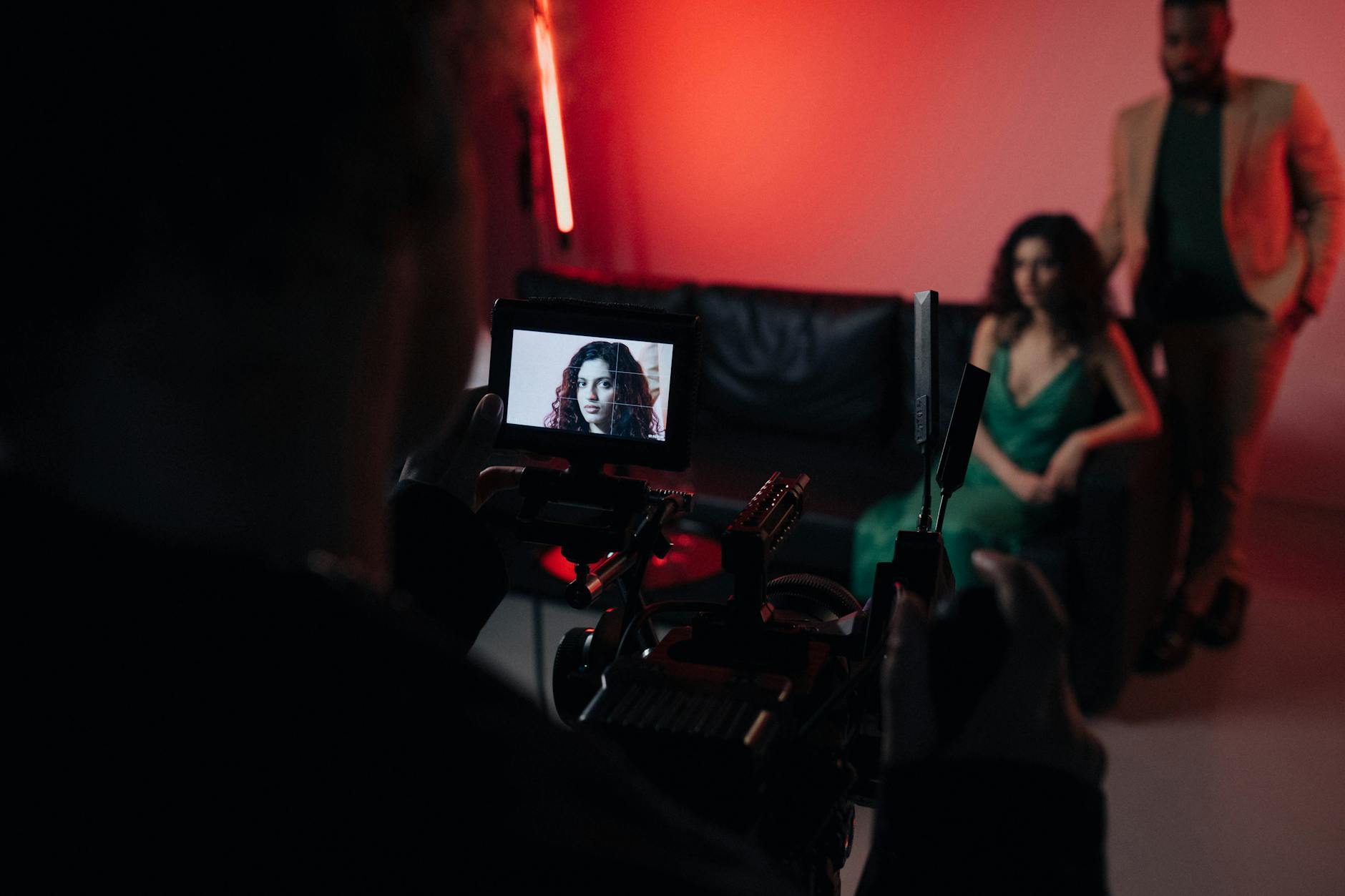
Pre-show rehearsals are an indispensable part of the production process, offering a platform to identify technical glitches, fine-tune transitions, and test synchronization of visual and audio elements. These rehearsals foster familiarity with the event schedule, allowing the team to anticipate key moments and prepare corresponding visual effects and graphics. Additionally, rehearsals facilitate team communication protocols, such as cue calling and emergency procedures, enhancing overall clarity and responsiveness during the actual broadcast.
Real-Time Monitoring and Troubleshooting
During the live stream, continuous monitoring of audio and video feeds is critical. Production crews utilize multiple screens and tools to oversee stream stability, audio clarity, and viewer engagement metrics. Immediate troubleshooting involves adjusting camera angles, switching to backup feeds, or modifying audio levels, all while maintaining a steady flow for viewers. Specialized software allows for real-time analytics, enabling the team to detect data fluctuations that could affect stream quality and respond proactively to mitigate issues.
Ensuring Broadcast Quality and Stability
High-quality live streaming depends heavily on a robust infrastructure and redundant systems. Employing backup internet connections, redundant streaming servers, and scalable hardware helps mitigate risks of service interruption. Proper encoding settings, network optimization, and load balancing ensure stream stability, even during high traffic volumes. Continuous assessment of internet bandwidth and real-time adjustments to encoding parameters help maintain the desired broadcast quality, providing viewers with a consistent, professional viewing experience.
Security Considerations in Production
Securing the live streaming environment is essential to protect content integrity and prevent unauthorized access. Implementing encryption protocols, access controls, and secure login procedures safeguards live streams from potential breaches. Additionally, organizations must monitor for cyber threats and ensure compliance with data privacy standards. A comprehensive security strategy involves collaborating with IT specialists who can offer insights into potential vulnerabilities and assist in deploying resilient security measures throughout the production process.
Emerging Trends in Live Stream Production
As the landscape of live streaming continues to evolve, several innovative trends are shaping how content is produced and delivered. These advancements not only enhance the viewing experience but also expand the possibilities for content creators and organizations looking to engage audiences more effectively.
4K Streaming and Higher Resolutions
One of the most noticeable trends is the shift towards ultra-high-definition streaming, primarily 4K resolution. This upgrade offers viewers a sharper, more immersive visual experience, making it ideal for broadcasts that benefit from detailed imagery, such as concerts, sports events, and product showcases. Producing content at 4K requires sophisticated encoding hardware and robust internet infrastructure to handle larger data streams, ensuring that quality remains consistent across various platforms and devices.
Multi-Camera and Dynamic Production Setups
With the advancement in wireless technology and portable equipment, multi-camera setups have become increasingly accessible—even for smaller productions. These configurations allow for more dynamic and engaging broadcasts, incorporating multiple angles and perspectives that keep viewers engaged. Automated camera switching and real-time video mixing enable seamless transitions during live events without requiring extensive manual intervention, thus offering professional-quality content that rivals traditional broadcast standards.
Virtual and Hybrid Event Integration
The integration of virtual components into live streams has gained tremendous popularity, especially for conferences, seminars, and corporate events. Hybrid events combine in-person and virtual participation, facilitated by sophisticated streaming platforms that support real-time interaction, audience engagement, and interactive features like live polling or Q&A sessions. This model broadens reach and accessibility, allowing organizations to connect with a global audience while maintaining the intimacy of live human interaction.
Incorporation of Augmented Reality (AR) and Virtual Sets
Innovators in live streaming production are increasingly experimenting with augmented reality and virtual sets to create more visually stimulating broadcasts. These technologies enable real-time overlay of graphics, 3D models, or virtual environments on live feeds, transforming ordinary broadcasts into immersive visual experiences. From virtual news studios to interactive product launches, these tools elevate the production's aesthetic and engagement levels, capturing viewer attention more effectively.
Future Technological Advancements
Looking ahead, the live stream production industry is poised to benefit from advancements in 5G networks, edge computing, and artificial intelligence. These developments promise faster data transfer, more reliable streams, and smarter content management. For instance, AI-powered systems can automatically detect and correct streaming issues, optimize content delivery based on viewer data, and even personalize broadcasts for individual users. As these technologies mature, producers will enjoy more powerful tools to deliver premium content with unparalleled quality and efficiency.