
Overview of Live Video Production Services
Live video production services play a crucial role in delivering real-time content for a wide range of events and broadcasts. These services encompass the entire process of capturing, producing, and transmitting video footage as events unfold, ensuring seamless delivery to audiences across multiple platforms. For Miami-based clients, access to top-tier live production services means transforming events into dynamic, engaging experiences that reach viewers instantly and with high-quality visuals.
The core components of live video production include onsite filming, video switching, audio management, graphics integration, and live streaming logistics. Skilled operators manage complex equipment to capture multiple angles and sources, switching seamlessly between camera feeds, inserting graphics or overlays, and ensuring audio clarity. The final output is then broadcasted live to platforms like social media channels, websites, or dedicated streaming services.
In Miami, the demand for professional live video production stems from various sectors, including corporate events, local government functions, religious gatherings, concerts, and sports events. These industries benefit from the high-quality, real-time content that professional production services can deliver, ensuring their messages resonate effectively with audiences both in-person and online.
Engaging live video production requires not only advanced equipment but also experienced technical staff who understand the nuances of live broadcasting. This includes managing multiple camera feeds, synchronizing audio, integrating visual effects, and troubleshooting technical issues instantly. The end goal is to produce a polished, professional live stream that maintains viewer engagement and communicates the intended message clearly and effectively.
Partnering with a Miami-based live video production provider offers localized expertise, cultural insight, and a deep understanding of the regional event landscape. This alignment guarantees that every element of the production aligns with the client’s goals, whether it be outreach, entertainment, or informational dissemination. The ability to adapt quickly to changing conditions on-site ensures that live broadcasts remain smooth and compelling, even under challenging circumstances.
Moreover, the technological advancements in live production, such as 4K resolution, multi-camera setups, and cloud-based streaming solutions, empower Miami clients to reach wider audiences with greater visual impact. Selecting an experienced production team can significantly enhance the professionalism and reach of any live event, translating to increased engagement, brand visibility, and audience interaction.
Equipment and Technology Used in Live Production
To deliver top-tier live video production services, a comprehensive arsenal of advanced equipment is essential. This includes high-definition cameras capable of capturing crisp, detailed visuals across various angles, ensuring dynamic and engaging broadcasts. Multi-camera setups enable seamless switching between different perspectives, which elevates the viewer experience whether the broadcast is for a corporate seminar or a large public event.
Audio quality significantly impacts the professionalism of a live stream. Professional-grade microphones, mixers, and audio processing units are utilized to capture clear speech and ambient sounds, while also managing multiple audio sources simultaneously. This is critical for maintaining audience engagement, especially during lengthy presentations or discussions.
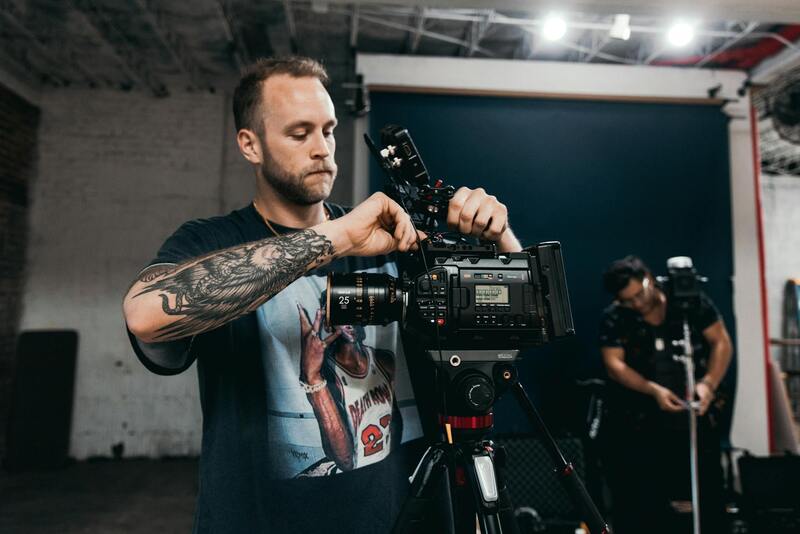
Visual effects and graphics are integrated into live streams to accentuate key messages and branding. This involves real-time titling, overlays, and animations that can be customized to match event themes or corporate identities. Software solutions optimized for live editing allow production teams to add these elements smoothly without disrupting the flow of the broadcast.
Streaming infrastructure is equally crucial. Reliable encoders and streaming platforms facilitate the transmission of high-quality video to multiple destinations simultaneously, including social media channels, websites, or dedicated streaming servers. With the advent of cloud-based streaming solutions, live productions gain enhanced flexibility, scalability, and resilience.
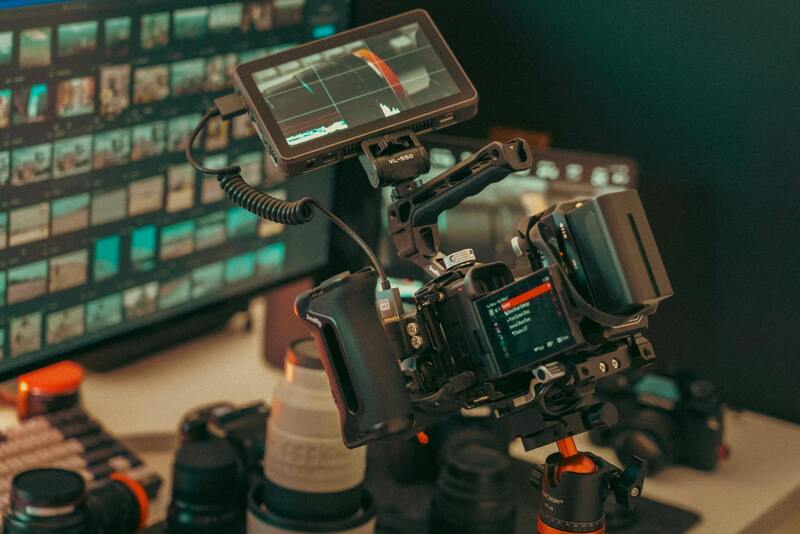
Furthermore, monitoring and communication equipment, such as broadcast monitors and wireless communication systems, keep the production team synchronized throughout the event. This ensures immediate response to technical issues and maintains a cohesive workflow.
In addition to hardware, software automation tools facilitate tasks such as camera control, audio mixing, and live switching. These solutions streamline the production process and allow for more complex, visually appealing broadcasts with minimal latency.
In summary, the integration of high-performance cameras, professional audio systems, real-time graphics, robust streaming technology, and effective communication tools culminate in a seamless live video production process capable of meeting the elevated standards expected in Miami’s vibrant event scene.
Equipment and Technology Used in Live Production
Executing a successful live video broadcast in Miami relies heavily on a sophisticated array of equipment and cutting-edge technology. Modern live production necessitates high-definition cameras capable of capturing multiple angles with exceptional clarity, color accuracy, and smooth motion. These cameras are often equipped with advanced stabilization features and remote control capabilities to ensure consistent image quality, even in dynamic environments.
Transitioning seamlessly between different footage sources requires professional video switchers, which allow operators to perform real-time scene changes, overlay graphics, and incorporate video feeds from various cameras or external media. These switchers support multiple input channels and offer intuitive interfaces that enable quick decision-making during live events.
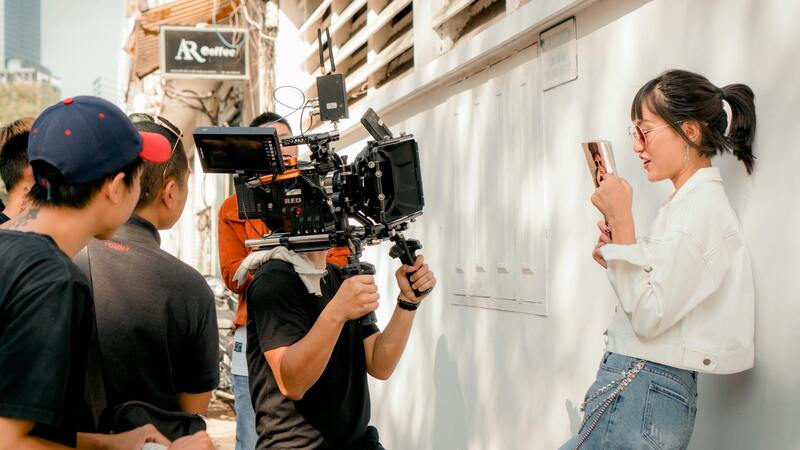
Sound quality is equally critical; sophisticated audio mixing consoles and wireless microphone systems ensure clear, balanced audio capture. These systems facilitate real-time audio adjustments, noise reduction, and the integration of multiple audio sources for a balanced output that complements the visual broadcast.
Reliable streaming components such as encoders and content delivery networks (CDNs) are fundamental for transmitting high-quality live videos to multiple platforms simultaneously. Encoder devices convert camera signals into a digital format optimized for streaming, while CDNs distribute content efficiently to viewers regardless of their location.
Moreover, robust networking hardware, including high-speed routers and dedicated internet lines, provide the bandwidth and stability needed for uninterrupted streaming. For Miami’s vibrant event scene, where live production often involves complex setups and large audiences, redundancy protocols such as backup internet connections ensure resilience against potential disruptions.
Complementing the hardware, advanced broadcast software automates key tasks like cueing, graphics insertion, and live editing. This automation reduces latency, minimizes human error, and enables more engaging and dynamic broadcasts. Real-time graphics engines and overlay systems add branding, event titles, and other visual elements seamlessly into the stream.
Communication devices such as wireless intercom systems facilitate instant coordination among production team members, ensuring everyone is synchronized throughout the event. This real-time communication is vital for managing live cues, troubleshooting issues promptly, and maintaining a cohesive workflow.
In today’s competitive Miami event landscape, leveraging this high-end equipment and technology ensures that live video productions meet the demanding standards of quality, reliability, and audience engagement. Whether it's a large-scale corporate event, concert, or sports match, the integration of these tools allows live production teams to deliver visually stunning and technically flawless broadcasts.
Overview of Live Video Production Services
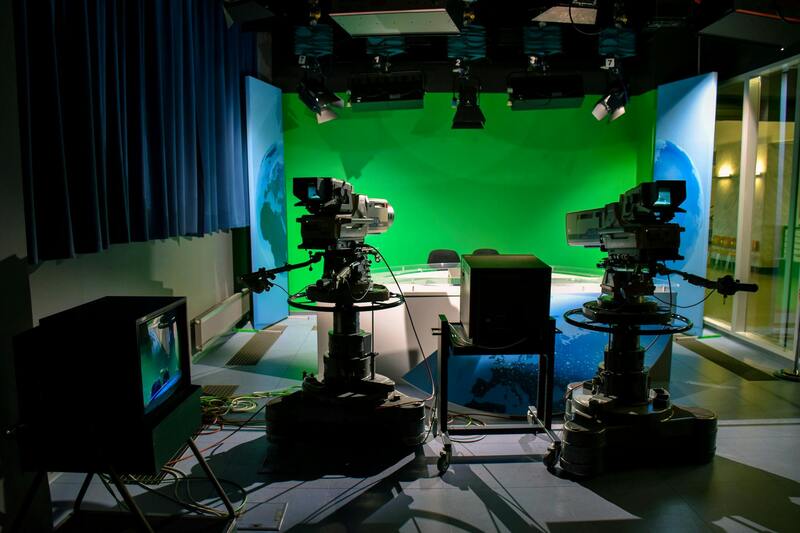
Live video production services encompass a comprehensive range of solutions designed to capture, stream, and enhance live events for a global audience. These services involve meticulous planning, expert operation of sophisticated equipment, and real-time management to ensure seamless broadcasting. In a dynamic market like Miami, where events such as corporate gatherings, festivals, sports events, and entertainment shows drive community engagement and economic activity, having reliable live video production is crucial. The primary goal is to deliver high-quality visuals and clear audio, creating an immersive experience for viewers no matter where they are located. This requires a team of skilled professionals who can handle complex setups, coordinate various elements, and respond swiftly to any technical challenges that may arise during the live event.
Types of Live Video Production Services Offered
Service providers in Miami offer a wide spectrum of live video production solutions tailored to diverse event requirements:
- Event Livestreaming: Covering conferences, seminars, product launches, and corporate meetings, ensuring real-time access for remote attendees with high-definition streaming.
- Concert and Entertainment Broadcasting: Capturing performances and festivals with multiple camera angles, professional audio, and live graphics to deliver an engaging viewer experience.
- Sports Event Streaming: Providing specialized coverage for local and regional sporting events, with fast-paced camera work and instant replays.
- Webcast Production: Creating professional-quality webcasts for webinars, panel discussions, and educational seminars, often integrating Q&A and interactive features.
- Mobile Live Streaming: Utilizing portable setups to broadcast on the go, ideal for outdoor events and locations with limited infrastructure.
Equipment and Technology Used in Live Production
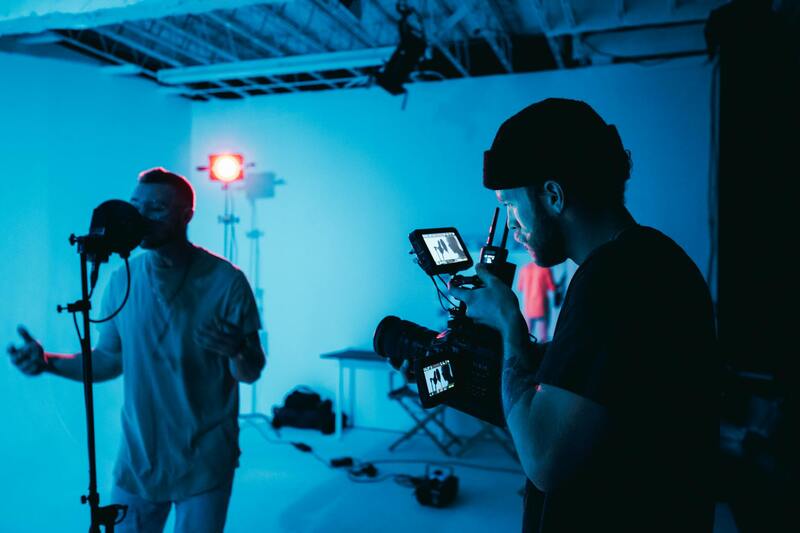
In the realm of live video production, the technology employed is pivotal in achieving broadcast excellence. Miami-based production providers utilize state-of-the-art equipment equipped to handle the demanding environment of live events. This includes multiple high-definition cameras with remote pan-tilt-zoom capabilities, instant replay systems, and high-fidelity audio mixers. Video switchers enable seamless transitions between different camera feeds, allowing dynamic storytelling and visual impact. Graphics servers and overlay systems are vital for adding real-time titles, branding elements, and visual effects that enhance the broadcast's professionalism. Complementing hardware, sophisticated streaming encoders compress live video feeds into formats compatible with various platforms, ensuring minimal latency and high-quality viewing across multiple devices. Backup systems such as redundant power sources, secondary encoders, and redundant internet connections mitigate the risk of technical failures. For immersive productions, drone cameras and 4K equipment may be incorporated to provide aerial shots and exceptional image clarity. Communication systems like wireless intercoms ensure smooth coordination among camera operators, directors, and technical staff, essential for executing complex live events flawlessly.
Factors to Consider When Choosing a Live Video Production Service
When selecting a trusted live video production provider in Miami, understanding the essential criteria can significantly influence the success of your event. Experience in managing diverse live production scenarios ensures that the team can anticipate challenges and implement effective solutions promptly. It’s vital to evaluate the company’s portfolio to confirm their proficiency in handling events similar to yours, whether corporate conferences, sports broadcasts, or entertainment events.
Technological capability forms the backbone of a high-quality live stream. A reputable provider should utilize the latest broadcasting equipment, including multiple high-definition cameras with remote control features, advanced video switchers, and robust streaming encoders. The integration of real-time graphics and overlay systems also contributes to a polished presentation, reinforcing your brand identity and messaging.
Transparent pricing plays a crucial role in decision-making. It’s advisable to request detailed proposals that outline all costs involved, including setup, production, technical support, and post-production services. This helps prevent unexpected expenses and ensures the service aligns with your budget constraints.
Client references and testimonials serve as valuable indicators of a company’s reliability and quality. Engaging with previous clients allows you to understand their level of satisfaction and the provider’s commitment to excellence. It’s also beneficial to inquire about their responsiveness and ability to adapt to last-minute changes or technical issues that may arise during a live event.

Additionally, consider the scalability of services offered. For events that demand multiple camera angles, interactive features, or integration with social media platforms, ensure the provider can accommodate these requirements seamlessly. The workflow efficiency of the team — from pre-production planning to live execution and post-event review — impacts overall quality and client satisfaction.
Finally, assess the provider’s communication approach and project management practices. Clear collaboration and proactive updates minimize miscommunications and ensure your objectives are prioritized throughout the production process. Selecting a provider committed to professionalism, innovation, and customer service guarantees your live event will be executed smoothly and effectively, achieving the desired engagement and reach.
Process of Planning and Executing Live Video Productions
Successful live video production in Miami requires a structured and strategic approach, encompassing multiple stages that ensure a seamless broadcast experience. The process begins with an initial consultation, where the production team collaborates closely with clients to understand their objectives, target audience, and specific event requirements. This stage involves identifying key messages, determining the type of content, and establishing the desired outcome, whether it’s brand awareness, live engagement, or informative dissemination.
Following the consultation, detailed planning and pre-production activities are undertaken. These include developing a comprehensive storyboard or shot list, scouting locations, and coordinating logistics. Technical specifications are finalized, including camera setups, audio requirements, lighting, and the integration of graphics or other multimedia elements. During this phase, the production team also schedules rehearsals or test runs to troubleshoot potential issues, ensuring all equipment functions optimally under live conditions.

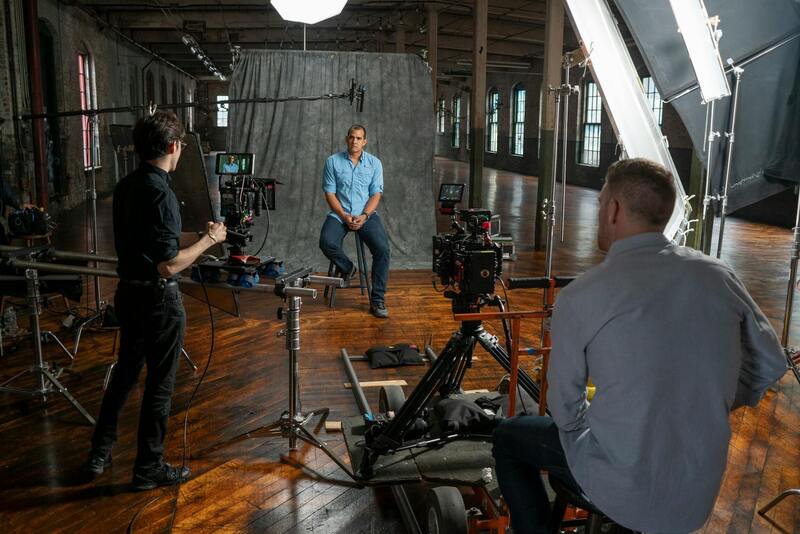
On the day of the event, the execution phase begins with live setup, ensuring all equipment is correctly configured and tested. Real-time communication among crew members is essential for smooth coordination, especially when managing multiple camera angles or switching between different visual elements. During the broadcast, producers monitor technical quality, manage transitions, and respond swiftly to any unforeseen issues, maintaining a professional and engaging presentation throughout.
Post-event activities include a thorough review of the live broadcast, gathering audience feedback, and analyzing engagement metrics. This stage may also involve editing and repurposing footage for promotional content, future marketing, or on-demand viewing. A comprehensive post-production report helps identify strengths and areas for improvement, informing planning for subsequent events to elevate overall quality and viewer experience.
Key Steps in Live Video Production Workflow
- Client Consultation: Clarify objectives, target audience, and event scope.
- Pre-Production Planning: Develop scripts, shot lists, and technical specifications.
- Technical Preparation: Confirm equipment, test runs, and team roles.
- Event Execution: Live setup, camera operation, switching, and streaming.
- Monitoring and Troubleshooting: Continuous oversight to handle technical issues promptly.
- Post-Production Review: Analyze data, gather feedback, and create supplementary content.
Adhering to a disciplined workflow enhances the professionalism and reliability of live video productions. Each phase builds on the previous one, ensuring all aspects are aligned with the client’s vision and technical requirements. From initial planning to post-broadcast review, meticulous attention to detail guarantees the delivery of compelling, high-quality live content that resonates with viewers and achieves strategic goals.
Process of Planning and Executing Live Video Productions
Successfully delivering a high-quality live video broadcast involves meticulous planning and execution across multiple stages. A structured approach ensures seamless integration of technical and creative elements, which is vital for engaging viewers and achieving desired outcomes.
Client Consultation and Objective Setting
The initial step involves comprehensive discussions with clients to understand their goals, target audience, and specific event requirements. This phase sets the foundation for the entire project, aligning expectations and establishing key performance indicators. Clarifying whether the broadcast is for product launches, corporate meetings, or entertainment allows the production team to tailor its approach effectively.
Pre-Production Planning
Detailed planning during this stage includes script development, shot list creation, and technical specifications. It involves coordinating with stakeholders, scheduling rehearsals, and defining camera angles, graphics, and special effects. This process helps identify necessary equipment, personnel roles, and contingency strategies, ensuring a smooth workflow on the day of the event.
Technical Preparation and Testing
Preparation of all technical components is critical. This includes setting up cameras, audio mixers, streaming hardware, and backup systems. Conducting test runs ahead of the actual event allows the team to troubleshoot potential issues, calibrate equipment, and finalize connectivity and streaming configurations. Proper technical groundwork mitigates the risk of disruptions during the live broadcast.

Event Execution: Live Setup and Streaming
On the day of the event, the production team oversees the live setup, ensuring all equipment functions correctly. During the broadcast, camera operators and directors coordinate in real-time, switching between multiple angles, managing graphics, and monitoring audio quality. Live streaming protocols are maintained, with contingencies in place for technical issues. The goal is a fluid, engaging presentation that captures the audience’s attention.
Monitoring and Troubleshooting
Continuous oversight is essential during live production. Technical staff monitor audio levels, video feeds, and stream stability. Rapid response to unforeseen problems—such as connectivity hiccups or equipment failures—minimizes viewer disruption. An experienced team’s ability to adapt ensures a professional presentation throughout.
Post-Event Activities and Review
After the live broadcast concludes, a thorough review process begins. Analyzing viewer engagement data, gathering client feedback, and assessing technical performance inform future enhancements. Editing and repurposing footage for on-demand content or promotional use extend the event’s value. A comprehensive report on the process helps identify strengths and address areas needing improvement, continuously elevating the quality of live productions.
Popular Applications of Live Video Production in Miami
Miami’s vibrant business, entertainment, and educational sectors leverage live video services extensively. Businesses use live streams for product launches, corporate training, and webinars, reaching wider audiences with immediate engagement. Events such as concerts, festivals, and trade shows utilize live production to broadcast experiences to global viewers. Educational institutions stream lectures, seminars, and workshops, enhancing accessibility and participation. Additionally, live streaming plays a crucial role in live news coverage and community outreach, providing real-time updates and fostering connectivity.
Future Trends and Innovations in Live Video Production
The landscape of live video production continues to evolve rapidly. Emerging technologies such as 4K and 8K streaming, augmented reality (AR), and virtual reality (VR) are set to redefine viewer experiences. Advances in cloud-based solutions enable more flexible, scalable, and cost-effective productions, with remote teams collaborating seamlessly across locations. AI-powered image processing and real-time data analytics are enhancing broadcast quality and analyzing viewer behavior for targeted content delivery. As internet infrastructure improves, particularly with the expansion of 5G connectivity, audiences can expect smoother streams with minimal latency, making live experiences more immersive and interactive than ever before.
Future Trends and Innovations in Live Video Production
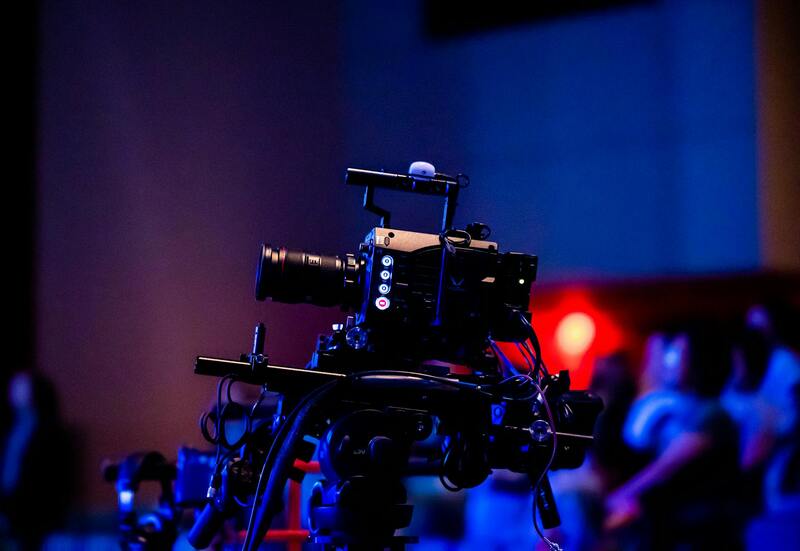
As live video production continues to advance, several emerging technologies are poised to significantly impact the quality, interactivity, and reach of live broadcasts in Miami. One of the most prominent developments is the adoption of high-resolution streaming capabilities. Transitioning to 4K and even 8K resolutions offers viewers unparalleled clarity and detail, elevating the production value of live events, corporate presentations, and entertainment broadcasts.
This technological leap allows producers to deliver more immersive visual experiences, especially when combined with multi-camera setups. Multiple cameras can capture live events from various angles, providing dynamic perspectives that keep viewers engaged and create a more cinematic feel. This setup demands sophisticated switching and synchronization technology, which modern live production workflows seamlessly integrate to ensure smooth transitions and cohesive output.
Interactive and Audience Engagement Features
Beyond technological enhancements, interactivity has become a cornerstone of contemporary live video production. Real-time viewer engagement tools, such as live polling, Q&A sessions, and chat integrations, foster active participation and deepen audience involvement. These features are particularly valuable for webinars, corporate town halls, and product launches, where direct interaction enhances transparency and trust.
Cloud-Based Production and Remote Collaboration
Cloud technology plays a vital role in streamlining live production workflows. Cloud-based platforms enable remote teams to collaborate effectively, regardless of geographic locations. This flexibility accelerates the planning process, reduces costs associated with physical setups, and allows for scalable solutions that adapt to the scope of each event. Miami-based production agencies are increasingly leveraging these platforms to manage complex broadcasts with multiple contributors, remote operators, and real-time editing capabilities.
Integration of Augmented Reality (AR) and Virtual Reality (VR)
The integration of AR and VR into live broadcasts transforms standard streams into interactive visual experiences. AR overlays can display dynamic graphics, information, or branding elements directly within the live feed, enhancing the storytelling or marketing impact. VR, on the other hand, enables immersive viewing experiences for remote audiences, such as virtual walkthroughs of venues or 360-degree event coverage. These innovations are gaining traction in Miami’s event scenes, providing innovative ways to connect with viewers.
Enhanced Connectivity and Streaming Infrastructure
The expansion of 5G connectivity in Miami is set to revolutionize live video production. The increased bandwidth and reduced latency facilitate higher-quality streams and more complex broadcasts without buffering or delays. This infrastructure supports the deployment of sophisticated remote production workflows and allows audiences to experience live content with minimal interruption, regardless of device or location.
Customizable and Automated Production Solutions
Automation tools, including AI-driven content analysis and automated switching, are enhancing efficiency in live productions. These systems can automatically select camera feeds, adjust lighting, and manage audio based on predefined parameters or real-time data, reducing the need for extensive manual operation. Customizable workflows enable producers to tailor each broadcast to specific audience preferences, ensuring every live stream in Miami is both professional and engaging.
As Miami remains a vibrant hub for entertainment, business, and education, embracing these future-oriented innovations will be essential for organizations seeking impactful live video experiences. Incorporating advanced technologies, interactive features, and scalable infrastructure will define the next generation of live video production services in the region, setting new standards for quality, engagement, and reach.